 |
 Using the Raspberry Pi and GPredict software to track Funcube-1 (or many other) satellites
 24 November 2013 | by
 A couple of days ago, I had an email from Terry M0CLH who said that he was using his Raspberry Pi computer and GPredict software to track satellites. One of the things I really like about the Raspberry Pi is its’ ability to run particular applications without tying up the main computer, so I thought Terry’s idea was a good one.

This morning I decided I would see if I could get it going. It proved to be even simpler than I imagined! Boot your Pi up, and then start up a terminal window (LX Terminal). Then type
sudo apt-get install gpredict
The Pi will then download and install the GPredict software for you and return to the commaind prompt once it has finished.
To start the software up, from your terminal window, simply type
gpredict
The software will then start. You need to do a little configuration to tell the program where you are (the default is Copenhagen where the author lives!).
Click Edit/Preferences and then select the Ground Stations tab. Hit Add New and you can add the details for your location, latitude/longitude and your altitude. Save that, then you can delete the sample location of Copenhagen and make your own the default.
Whilst you’re in preferences, you can decide on the layout of the screen. If you’ve got a nice large monitor, then the optimum is Map, table, polar and single sat (wide), but you can play around and see what suits you best. I found I had to restart the program to see those changes take effect.
Around now it might be good to check that you have the latest satellite data, which the program will download for you. Choose Edit/Update TLE/From network and wait for the update to complete.
Finally, you’ll want to configure which satellites you are tracking. The software defaults to the Amateur radio module. Click on the module options/shortcuts which is in the top right of the main window, just below the main Windows controls (minimise, maximise and close). Click on that, then configure…
You can then choose which satellites you want to track. Funcube-1 or AO-73 is not showing up under those names, but it is thought to be 2013-066B, so you can search for that and include it. Other satellites that I included were FO-29, ISS, SO-50 and VO-52. Your choice may vary.
You should now see the position of all your satellites plotted on the screen.
If you want to see more about a particular satellite, highlight it in the list at the bottom and right mouse to select ‘Show next pass’ or ‘Future Passes’.
GPredict software works nicely on the Pi. It does seem to max the processor out pretty well, but it’s quick to start up and shut down if you want to do something else.
Happy tracking!
Tim Kirby, G4VXE, is a regular contributor to AmateurRadio.com and writes from Oxfordshire, England. Contact him at [email protected].
SOTA Activation in the Snow
Enter the weather. The forecast for my entire stay was for snow. The higher elevation peaks are out of the question, but there might be some possibilities for some the peaks in the 7,000 ft ASL range. Saturday had the best forecast, only 1-2 inches accumulation, but Sunday was for 2-4 inches.
So based on some advice on local summits from Fred, KT5X (aka WS0TA), Ortiz Mountain (W5N/SE-043) was my choice. Better yet, it was a 6 point summit which would move my Activator score to 201 points. I had to do it on Saturday or risk being snowed out.
This would be an opportunity to work on my winter approach to activations, from clothing to equipment to hiking in the snow. Cris, my XYL agreed to join in the fun.
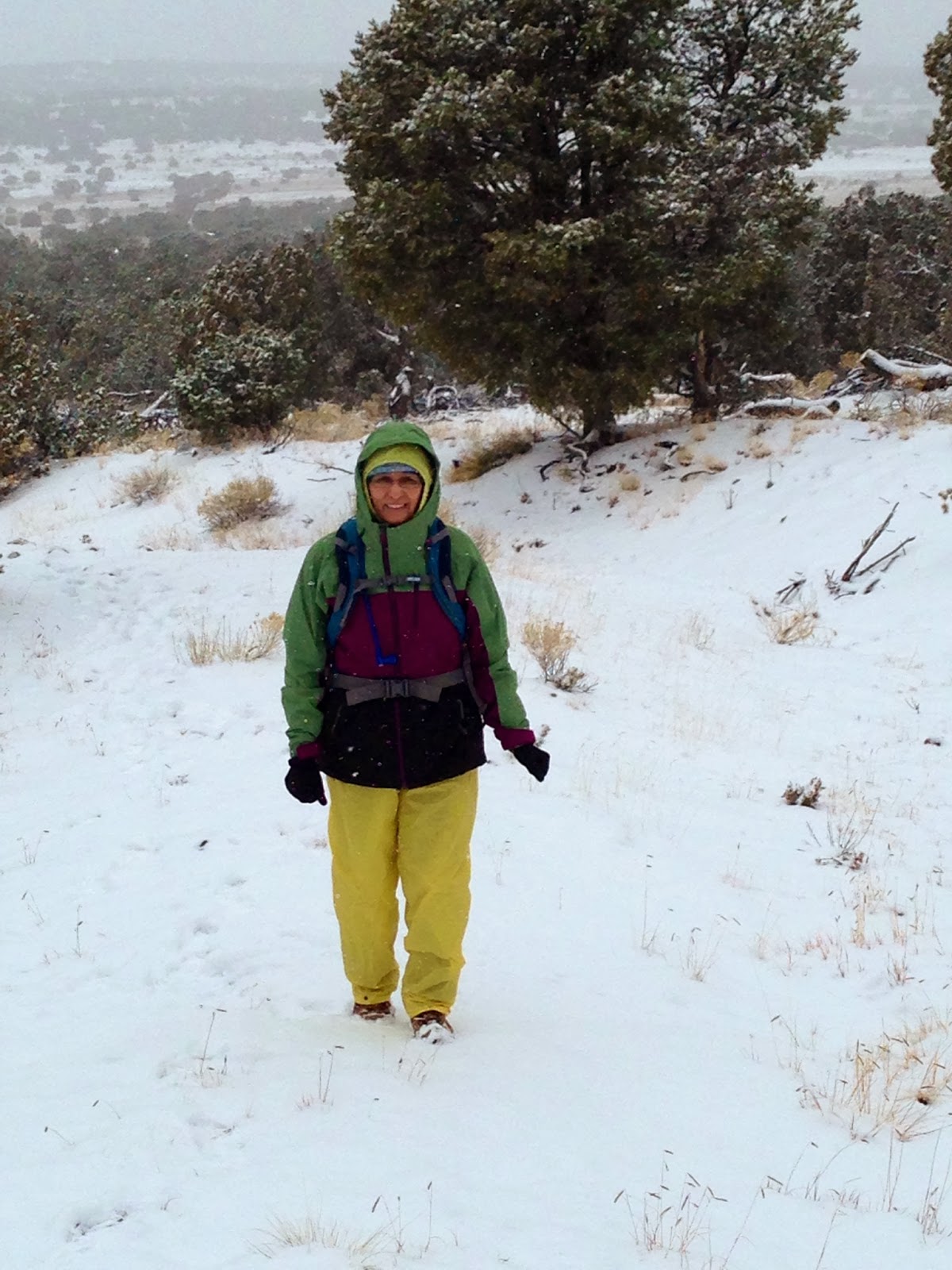 |
| Cris headed up the mountain |
We found our way to the base of the mountain and quickly learned that finding 4WD roads in the snow isn't that easy, however we managed to navigate our way to within 600 vertical feet of the summit and from there packed our gear and headed up the mountain.
The hike wasn't bad, hiking up a 4WD road to the shoulder and then up to the summit. The summit probably had 4 inches of snow and more was falling. I quickly found a decent operating location and began the set-up. This day I was using my FT-817, the trail friendly LNR 10-20-40 EFHW with a T1 tuner.
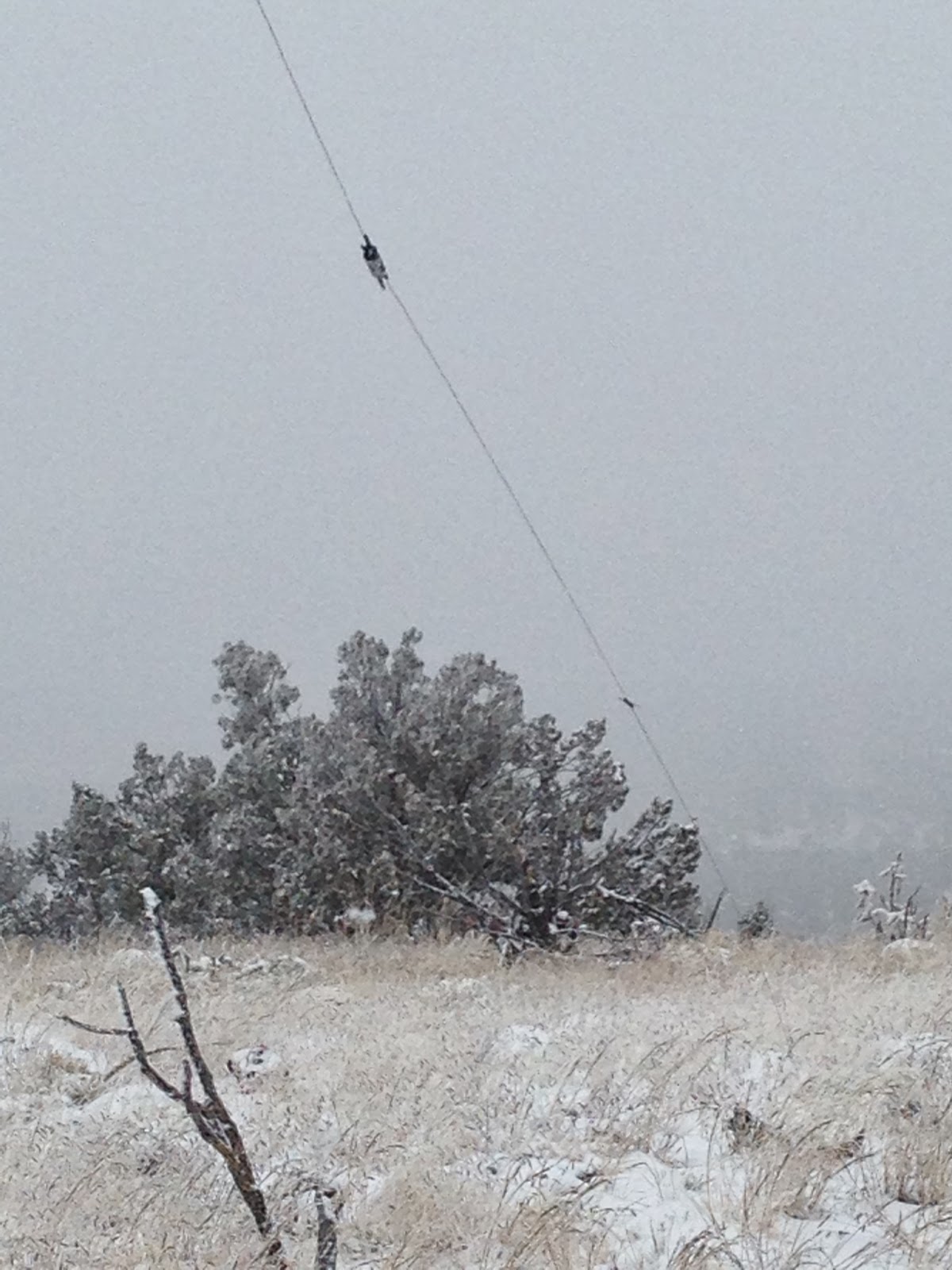 |
| Antenna Deployed |
So I set up on 17 meters and called CQ. After finally getting a spot for my frequency, my paddle decided to only send dits, I brought out my trusty micro-key, but had to remove my gloves to operate it. The temperature was 27 F, so my hands got a little cold.
My wife in the mean time had found warmth by getting the Bothy Bag we brought along. Bothy Bags are mini-shelters that are excellent for getting out of the cold or rain.
I made my requisite QSO's, working both coasts with my QRP signal, plus a few more and decided to declare victory and head back down the mountain. The snow had stopped for the trip down which we managed at a comfortable pace.
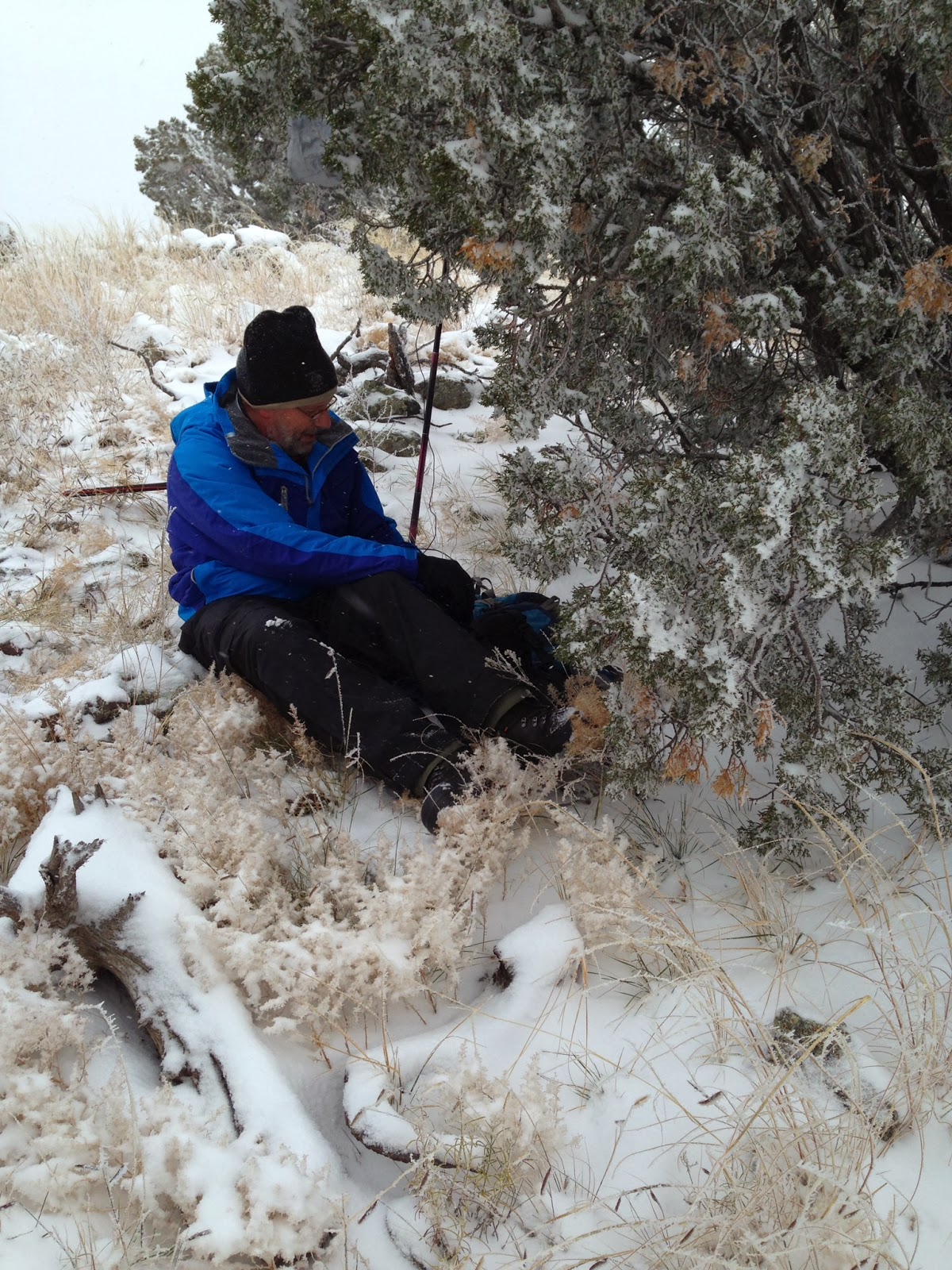 |
| Operating |
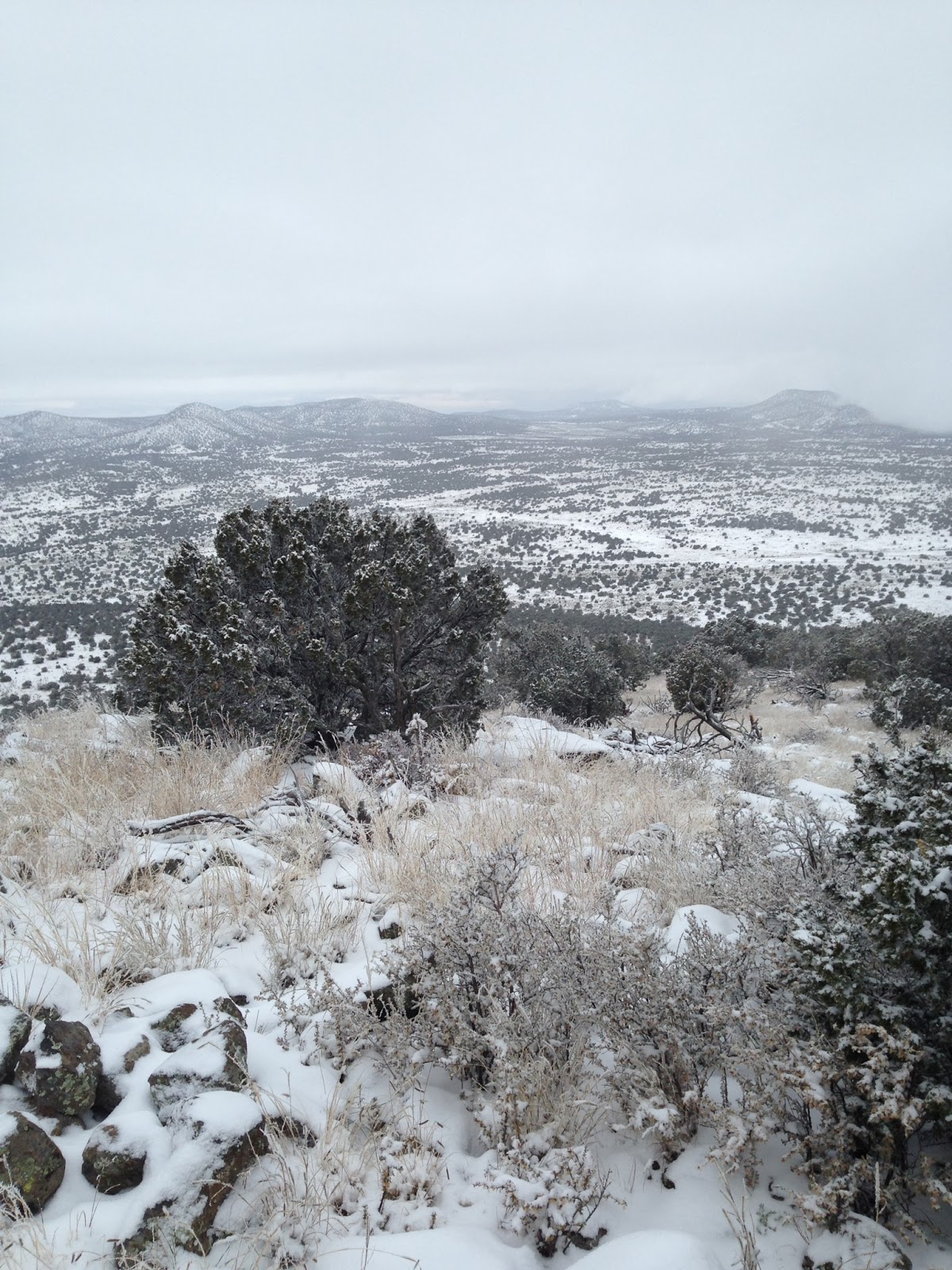 |
| View from the Top |
Mike Crownover, AD5A, is a regular contributor to AmateurRadio.com and writes from Texas, USA. Contact him at [email protected].
An Island Near Venezuela

Curacao, an island near Venezuela, is a new DX country in my log book. On November 19th, I easily worked PJ2/ N0YY and on November 22nd I easily worked PJ2/ W9NJY.
I’m amazed this station in South America hasn’t been worked more than I see on the DX Clusters. I spotted it for the second time yesterday and saw very little activity following up on the site.
As most of the islands in the Caribbean area, tourism is always a factor in their economy. In the area of “space tourism” Curacao is one of the tops in the field.

The Lynx Space Plane is an interesting concept. The pilot and “one” tourist can experience “sub orbital flight” where the stars shine steadily, the arc of the earth is below you, and you experience the feeling of weightlessness. I would imagine, also, a great place to use a handi-talkie on the VHF and the UHF bands. Expected to be viable in 2014, this “sub orbital spacecraft” will take you there for a fee of around $100,000.
Both these contacts were on the 10 meter band and pushing a 599+ signal into West Virginia.
John Smithson, Jr., N8ZYA, is a regular contributor to AmateurRadio.com and writes from West Virginia, USA. Contact him at [email protected].
Contest Results Are In
 In the past two weeks, the results of several ham radio contests from last summer were posted. The typical contest takes months for the official results to be finalized and I have usually forgotten about the contest by then. The more serious contesters share their results via the 3830 web site so they can get an early read on how they did relative to their peers. But you need to be patient for the official results.
In the ARRL June VHF Contest, I placed in the top ten for the new Single Operator 3 Band category. This category is restricted to 50, 144 and 432 MHz, which is a good match to my radio interests. We had good 50 MHz conditions in Colorado (relative to other parts of the country), so CO stations seemed to score well.
Speaking of Colorado, in the Colorado QSO Party I finished first in the Phone – Low Power – Single-Op category. I was actually not that pleased with my score this year (45,500), which was considerably less than my score from last year (76,464). Oh well, I will invoke the Universal Purpose of Amateur Radio and say I had a great time in the contest, regardless of the score. Thanks to the Pikes Peak Radio Amateur Association for sponsoring this event.
The ARRL Field Day results are also posted. Joyce K0JJW and I did a one transmitter (1B) operation from the cabin using the club call KVØCO, resulting in a modest score (454). We mostly made phone contacts on 20m, 15m and 6m. We had some nice sporadic-e on 50 MHz, which is always a treat. Remember, the key to a fun Field Day is: Season To Taste.
73, Bob K0NR
Bob Witte, KØNR, is a regular contributor to AmateurRadio.com and writes from Colorado, USA. Contact him at [email protected].
Receiving telemetry from the new Funcube-1 (AO-73) satellite
Following the launch of the eagerly awaited Funcube-1 (now also known by it’s official AMSAT designation of AO-73), I thought it would be fun to try and receive some telemetry from it.
During local daylight hours, the satellite will send telemetry, with the intention that it will be available for schools to receive and decode and then at local dusk, the satellite will switch into Amateur Radio mode, with a 435/145MHz inverting transponder (SSB/CW).
At the time of writing, the satellite has just been switched into autonomous mode when it will switch between telemetry and the transponder automatically as described above. If that works out ok, it will stay in that mode.
To decode the telemetry, you need the Funcube Dashboard software, which you can download here
Setup is fairly easy, although is only currently available for the Windows platform and you’ll need the .Net 4 framework available on your PC. As I don’t have a Funcube Dongle Plus, I needed to use my Windows soundcard, connected to the FT847 via the usual G4ZLP interface. I had a slight false start when it didn’t seem to be selecting the soundcard, but that was easily resolved in File/Settings.
Then it’s just a question of setting Capture from Soundcard in the software and waiting for the satellite. My best antenna (given that I did not want to be outside waving the Elk antenna in the cold) was the V2000 collinear.
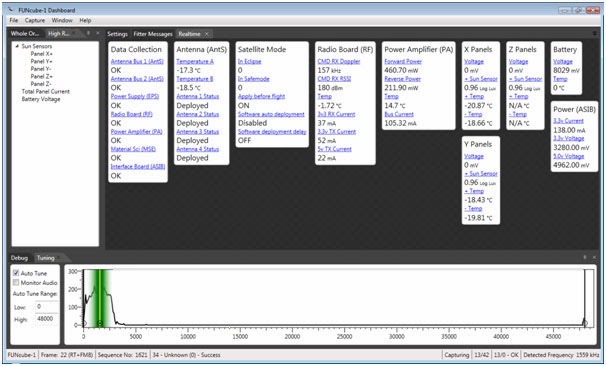
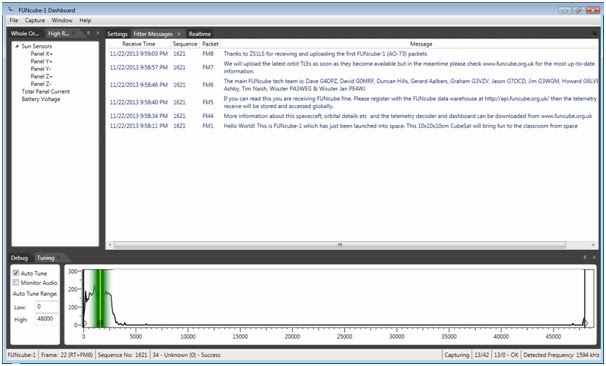
Fortunately, the first pass that I tried was quite a high one and I was able to receive quite a few good frames – some screenshots of which are shown below
Tim Kirby, G4VXE, is a regular contributor to AmateurRadio.com and writes from Oxfordshire, England. Contact him at [email protected].
Amateur Radio Newsline Report 1893 November 22 2013
- Ham radio emcomm efforts continue in the Philippines
- Amateur Radio responds to mid-west tornado outbreak
- ARRL files symbol rate petition with the FCC
- International Space Station celebrates 15 years on-orbit
- Wake Island operation ends with over 100,000 QSO's
- Mega launch puts 29 new satellites into space
My Special Event Station
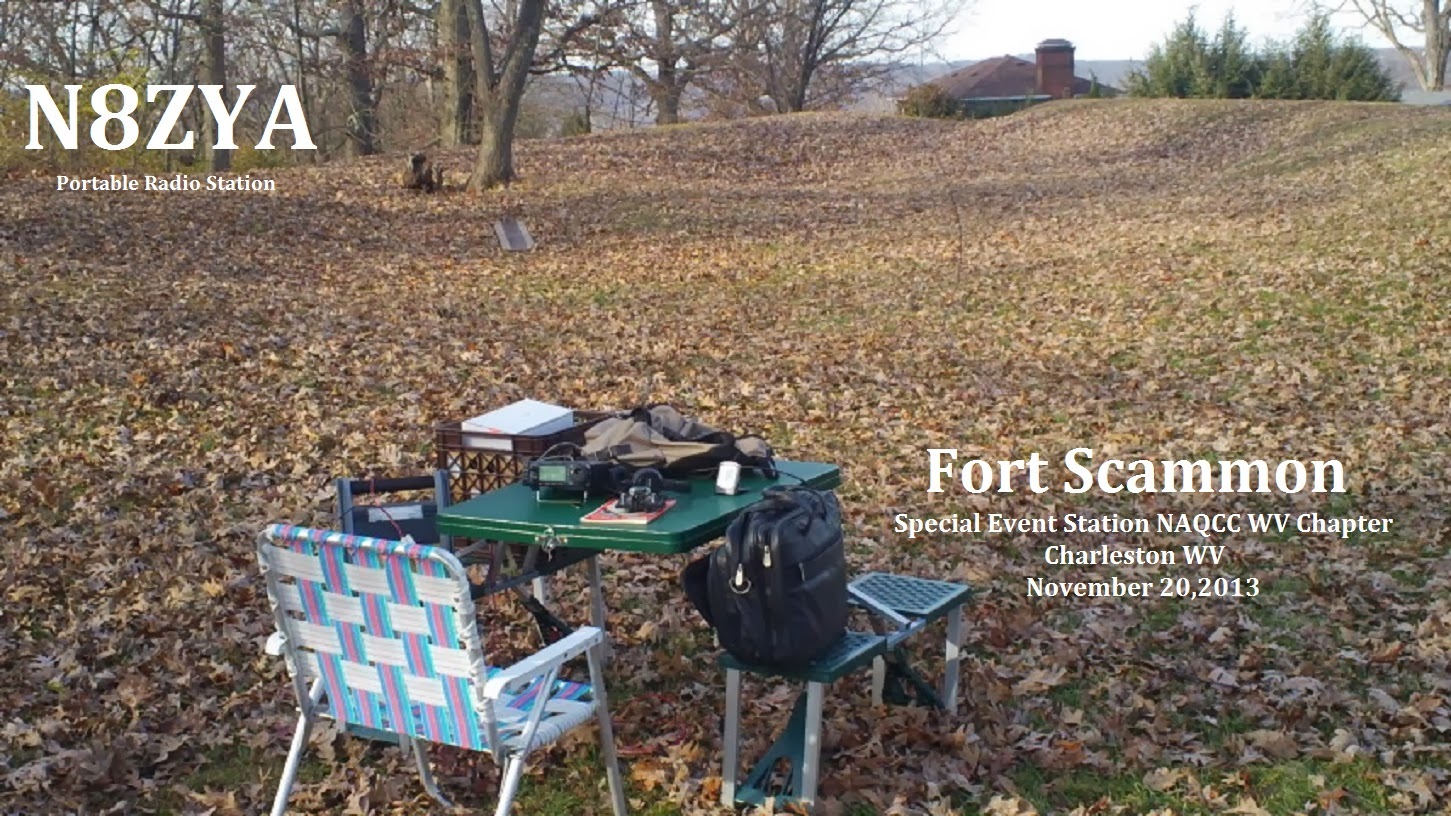
I worked seventeen stations with this “Special Event Station” of the West Virginia Chapter of the NAQCC club on Wednesday afternoon and sent an E-QSL Card to those who worked me. Fort Scammon isn’t well known to those living in my city, but during the Civil War, this artillery site was critical to controlling the river traffic on both the Kanawha and the Elk Rivers.
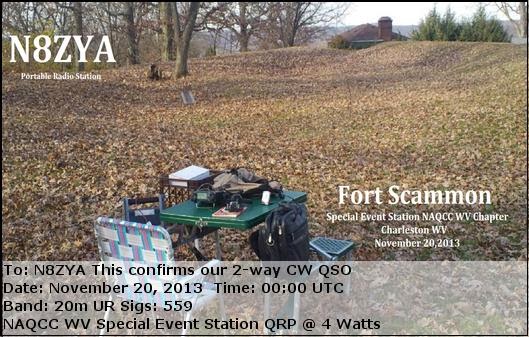
I created the above (sample) card with the simple “paint” program which comes with the Microsoft products on my windows computer. When I upload the card to my E-QSL account and enter the contact information of the stations I work, they’re displayed nicely along the bottom of the card.
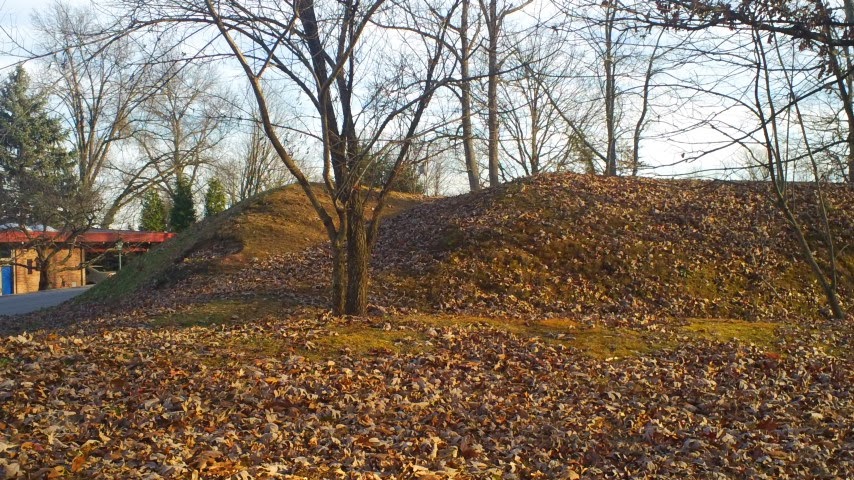
The 19th and 25th Presidents of the United States (Rutherford B. Hayes and William McKinley) directed a dozen cannons from this high spot in Charleston where “flatboats” floated precious “salt” downstream to the Ohio River. Salt was a very valuable commodity in those days for the preservation of fresh meat. The production of high quality “salt” was one of the founding industries of the Kanawha Valley.
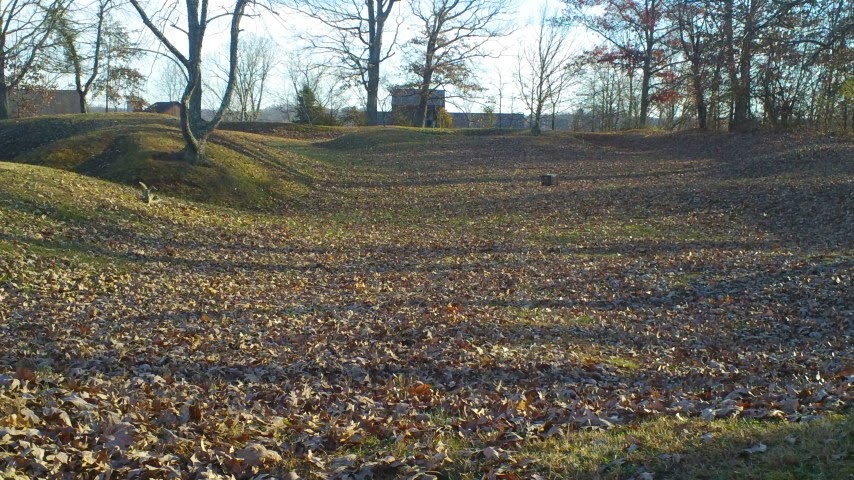
It took me a little over an hour to get set up and on the air but I felt this was one of only a few good days left before snow flurries begin to start flying this weekend. I used my PAR “end fed” Zepp antenna which was cut for 40-20-and 10 meters with my Icom 703 at about four watts to work stations in eleven different states.
I was able to work North Carolina, Virginia, Ohio, Pennsylvania, Indiana, Massachusetts, Kansas, New York, Illinois, Maine, and Canada.
The most distant station I worked this day was N1NUA (Joan) in Maine at 812 miles.
John Smithson, Jr., N8ZYA, is a regular contributor to AmateurRadio.com and writes from West Virginia, USA. Contact him at [email protected].
 Ham Radio Deluxe |
 W5SWL Electronics |
 Ham Radio Prep |
 KB3IFH QSL Cards  Hip Ham Shirts  HamRadioAuctions HamRadioAuctions Reliance Antennas Reliance Antennas Enigma Shop Enigma Shop |  morseDX  Ni4L Antennas  R&L Electronics R&L Electronics antennas.us antennas.us QRV QRV |
- Matt W1MST, Managing Editor
