Posts Tagged ‘history’
 Hallicrafters Shortwave Radio; Winning WWII With Technology (1944)
 August 5th, 2017 |
  Author:
 Great film about a great radio manufacturer and radio set.
In 1944, this short subject film was produced by the Jam Handy Organization and sponsored by the Hallicrafters Company. It shows the construction of the SCR-299 and dramatizes its use during World War II. This is a B&W documentary presenting a look at the manufacturing and use of the (now defunct) Hallicrafters Company’s SCR-299 “mobile communications unit.” This 1944 film, produced with help from the US Army Signal Corps, and by the Hallicrafters Company, explains how, using radio gear such as this Hallicrafters shortwave radio transmitter and receiver technology, the US Forces and Allies were better equipped to win World War II.
The SCR-299 “mobile communications unit” was developed to provide long-range communications during World War II. The US Military sought improvements of range, flexibility and durability over its existing SCR-197 and SCR-597 transmitters. In 1942, Hallicrafters Standard HT-4 was selected as the SCR-299’s transmitter, known subsequently by its military designation as the BC-610. The SCR-299 was first used on November 8, 1942, during Operation TORCH involving companies of the 829th Signal Service Battalion establishing a radio net that could exchange messages between beach-landed forces and bases in Gibraltar. Despite initial problems unloading the sets from convoy ships, the SCR-299s served until the installation of permanent Army Command and Administrative Network stations. According to US Army military historians, “General Dwight Eisenhower credited the SCR-299 in his successful reorganization of the American forces and final defeat of the Nazis at Kasserine Pass.”
The SCR-299 was a “self-contained” receiving and transmitting mobile high-frequency (HF; or, shortwave) station capable of operating from 2 MHz to 8 MHz. Using conversion kits, it could operate from 1 MHz to 18 MHz. The transmitter output reached 350 watts.
The entire unit came in a K-51 truck except for Power Unit PE-95 which was in a K-52 trailer. Power could either be supplied by the Power Unit and a 12-volt storage battery or 115-volt 60-cycle AC commercial power and two spare 6-volt storage batteries. The power requirement was 2000 watts, plus 1500 watts for heater and lights.
The system could be remotely controlled up to a distance of one mile (1.6 km) using two EE-8 field telephones and W-110-B Wire kit. Remote equipment was provided for remotely keying or voice modulating the transmitter, remotely listening to the receiver, and for communicating with the operator of the station.
Read more details here: http://en.wikipedia.org/wiki/SCR-299
Public domain film from the Library of Congress Prelinger Archive.
..
73 de NW7US
..
Old, But Still Useful!
This old WWII military training video is still useful regarding Morse code:
[embedyt]https://www.youtube.com/watch?v=YqTn-165orw[/embedyt]
This is an antique United States Navy Training Film from 1943/1944, in which proper hand-sending of Morse code is demonstrated. The film covers some basic principles and mechanics of manual keying of the International Morse code, as used during WWII.
Amateur (Ham) radio operators find Morse code (and the ‘CW’ mode, or ‘Continuous Wave’ keying mode) very useful, even though Morse code is no longer required as part of the licensing process. Morse code is highly effective in weak-signal radio work. And, preppers love Morse code because it is the most efficient way to communicate when there is a major disaster that could wipe out the communications infrastructure.
While this military film is antique, the vintage information is timeless, as the material is applicable to Morse code, even today.
There’s more about Morse code, at my website: http://cw.hfradio.org
For additional joy, here are a few of old films regarding Morse code:
Morse Code – Principles and Basic Techniques (US Army Signal)
(Learn to Send Perfect Morse Code by Hand – Vintage Training Film (Ham Radio / CW))
[embedyt]https://www.youtube.com/watch?v=qmg1MlstxWM[/embedyt]
Vintage 1944 Radio Operator Training: How to Send Morse Code (CW) by Hand
[embedyt]https://www.youtube.com/watch?v=XjupJslRj5E[/embedyt]
This one is a pretty cool film:
1939 Film: New Zealand Shortwave Communications; Morse code (CW)
[embedyt]https://www.youtube.com/watch?v=H-KUat5WEkU[/embedyt]
I’ve also created a play list, and most of the videos are still online. Once and a while something changes and I have to update the list. Here is the list:
Original Title: TECHNIQUE OF HAND SENDING, by Department of Defense, Published 1944
Usage CC0 1.0 Universal
TECHNIQUE OF HAND SENDING
PIN 23735 1944
IMPORTANT PARTS OF THE TRANSMITTER, TENSION SPRING, ADJUSTING CONTACTS, ADJUSTING SPRINGS. ELEMENTS OF MORSE CODE, TIMING, AND PARTS OF BODY THAT FUNCTION WHEN TRANSMITTING CODE. IMPORTANCE OF CORRECT POSITION AND OPERATION.
Producer Department of Defense
Enjoy!
On this day, 48 years ago
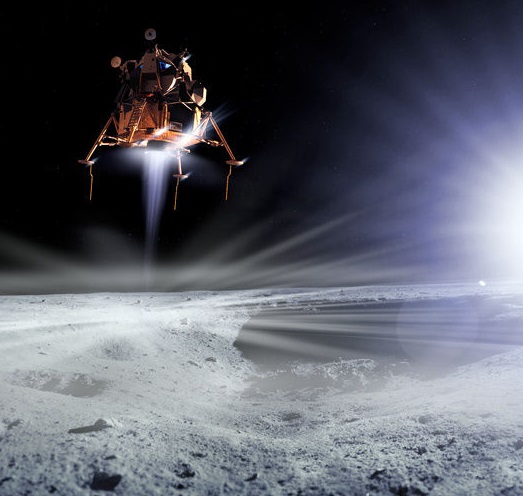
On this day, 48 years ago
NPOTA success – WR03
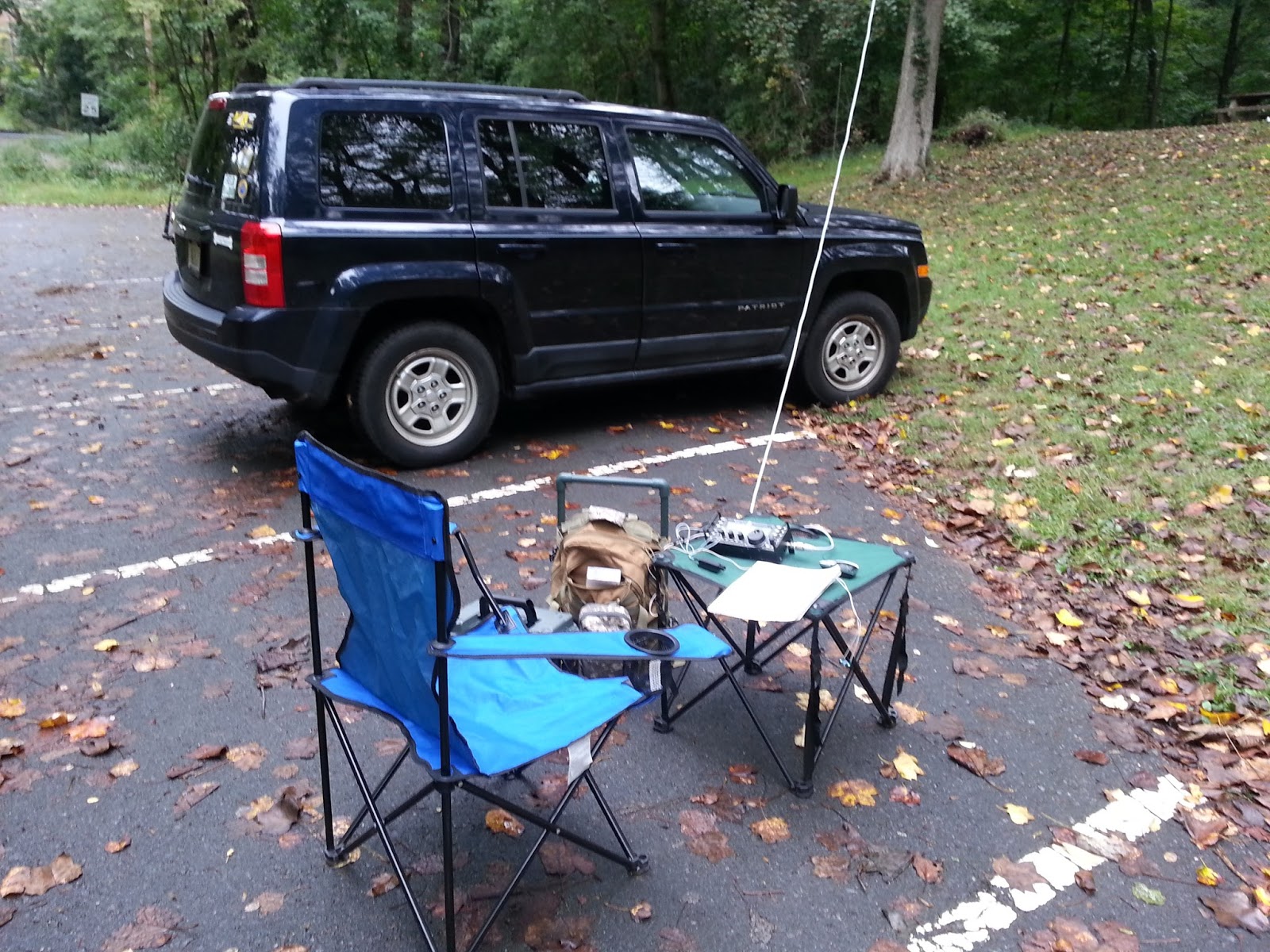
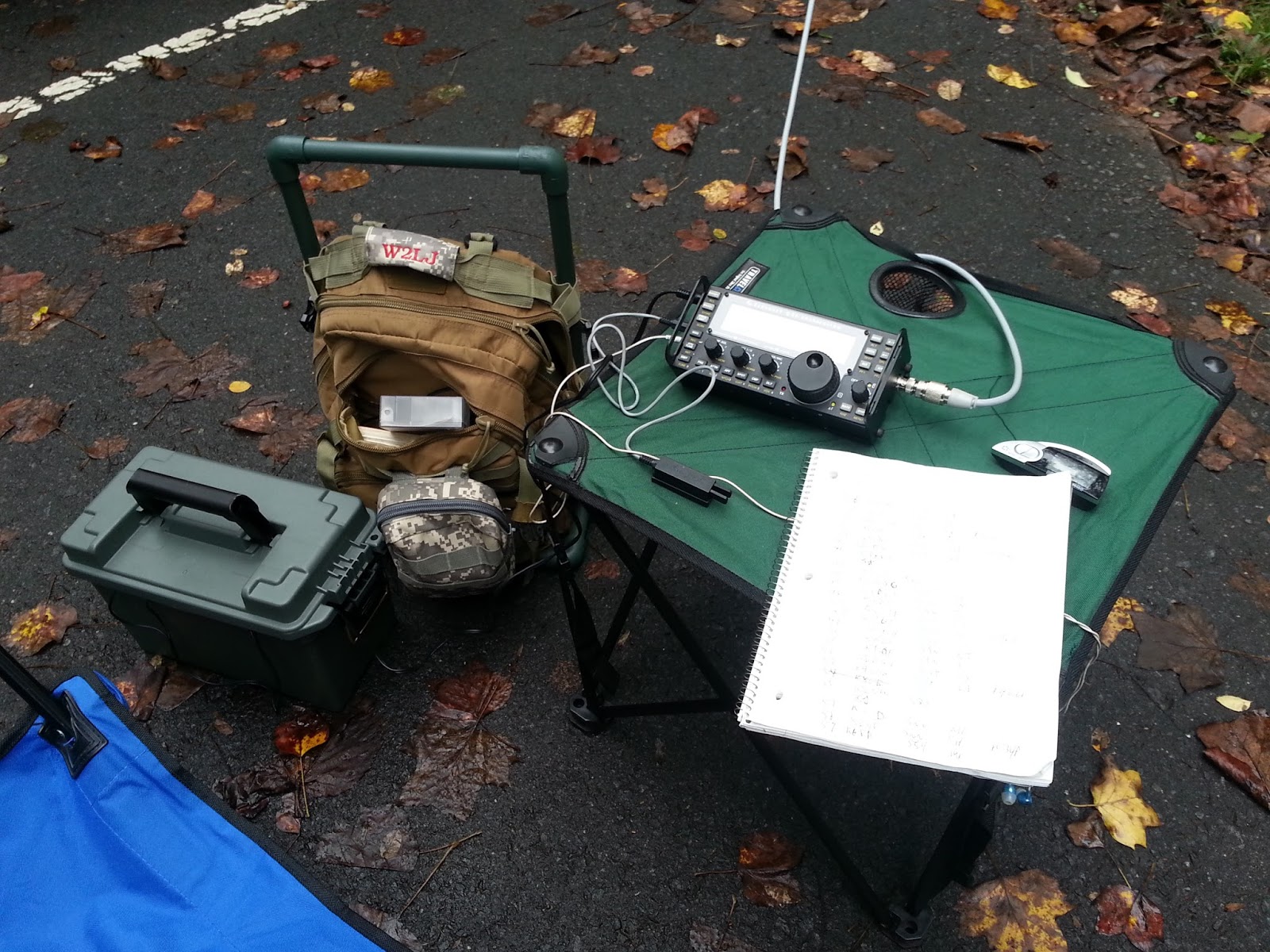
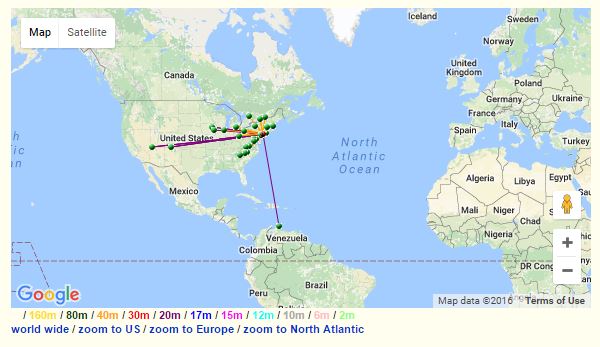
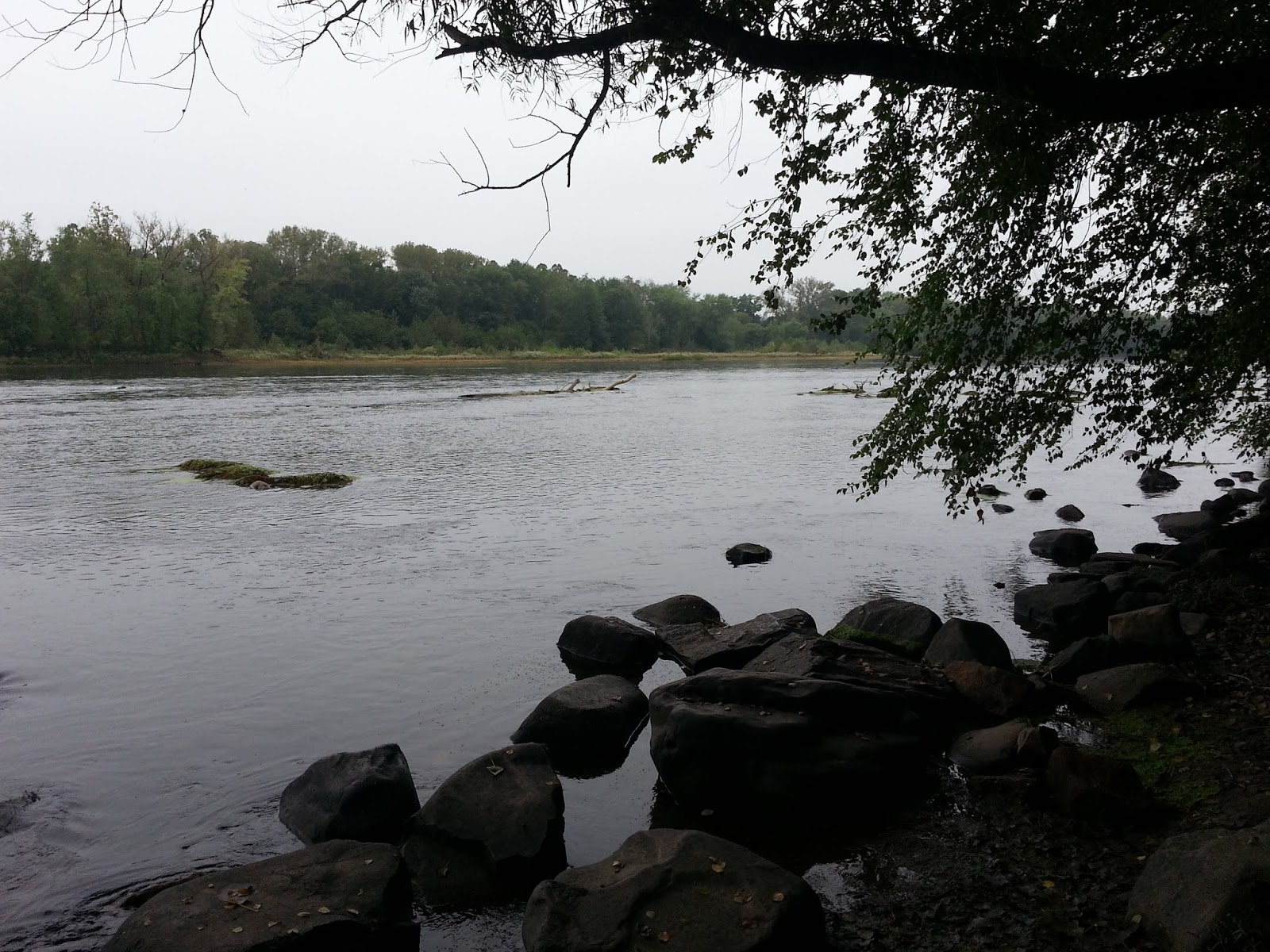
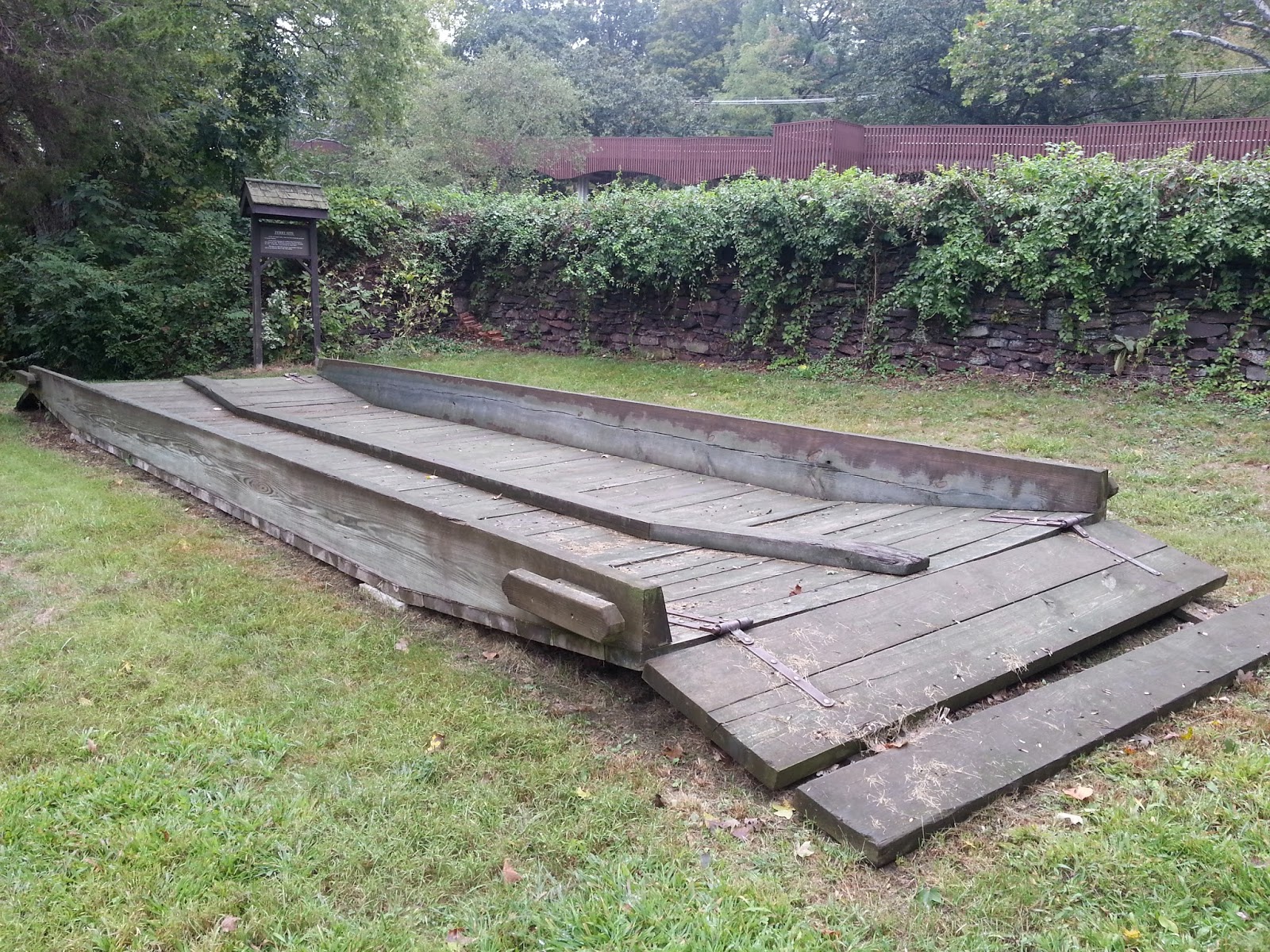
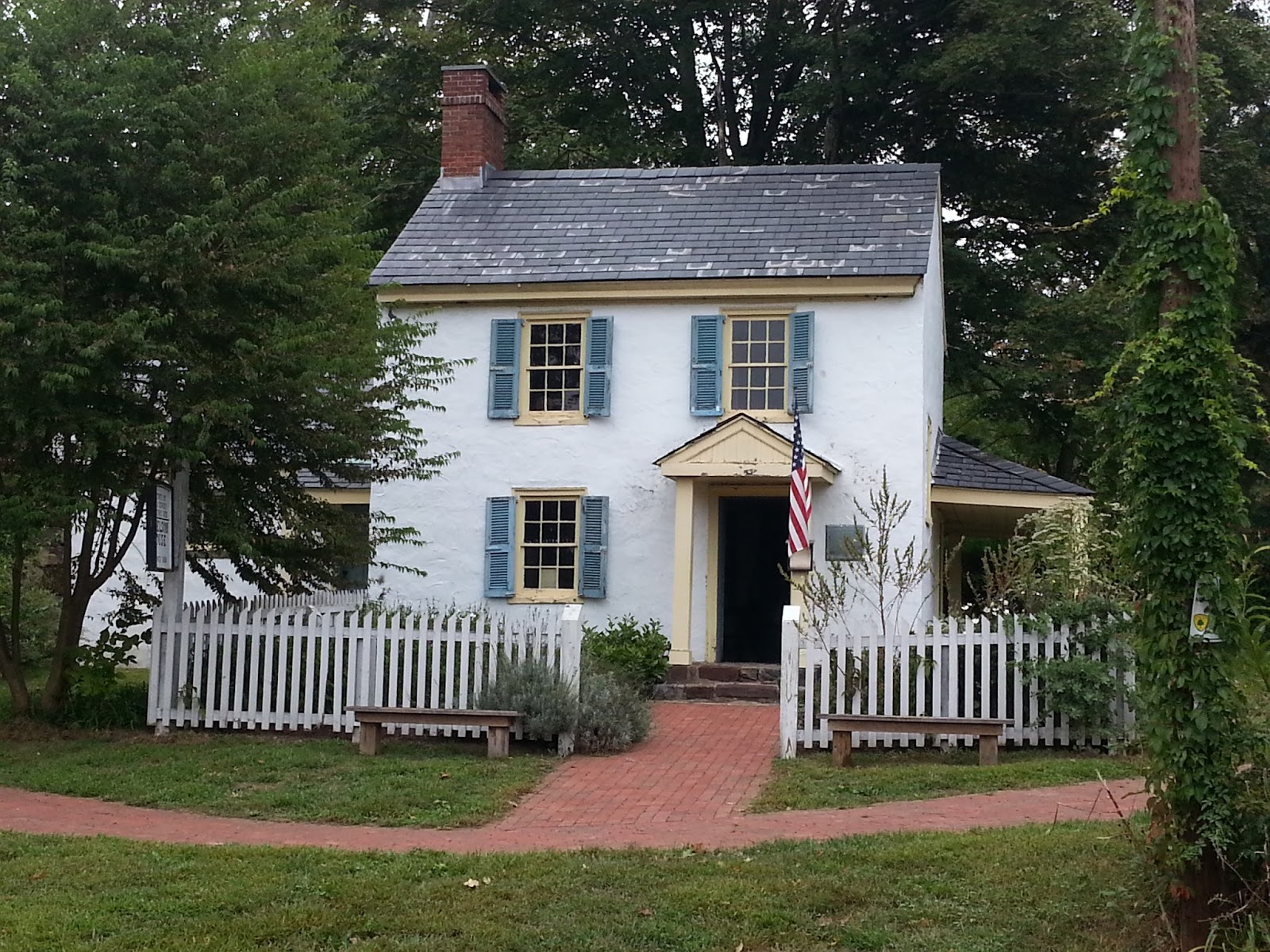
As stated a few days ago, the destination was WR03, the Delaware National Scenic River, via Washington's Crossing State Park, in Titusville, NJ. Thanks to the fact that there was hardly any traffic on an early Sunday morning, I arrived in about 45 minutes.
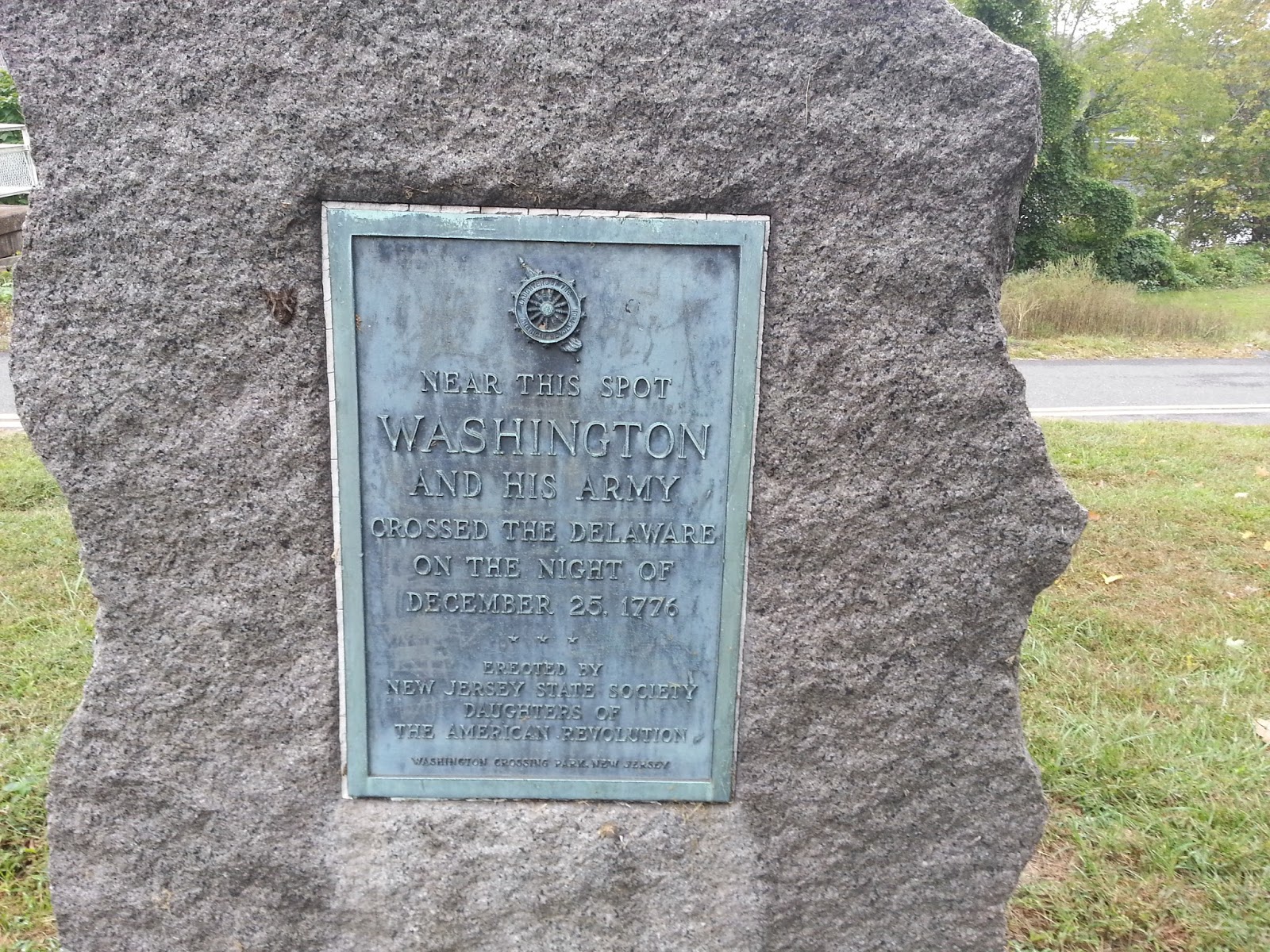
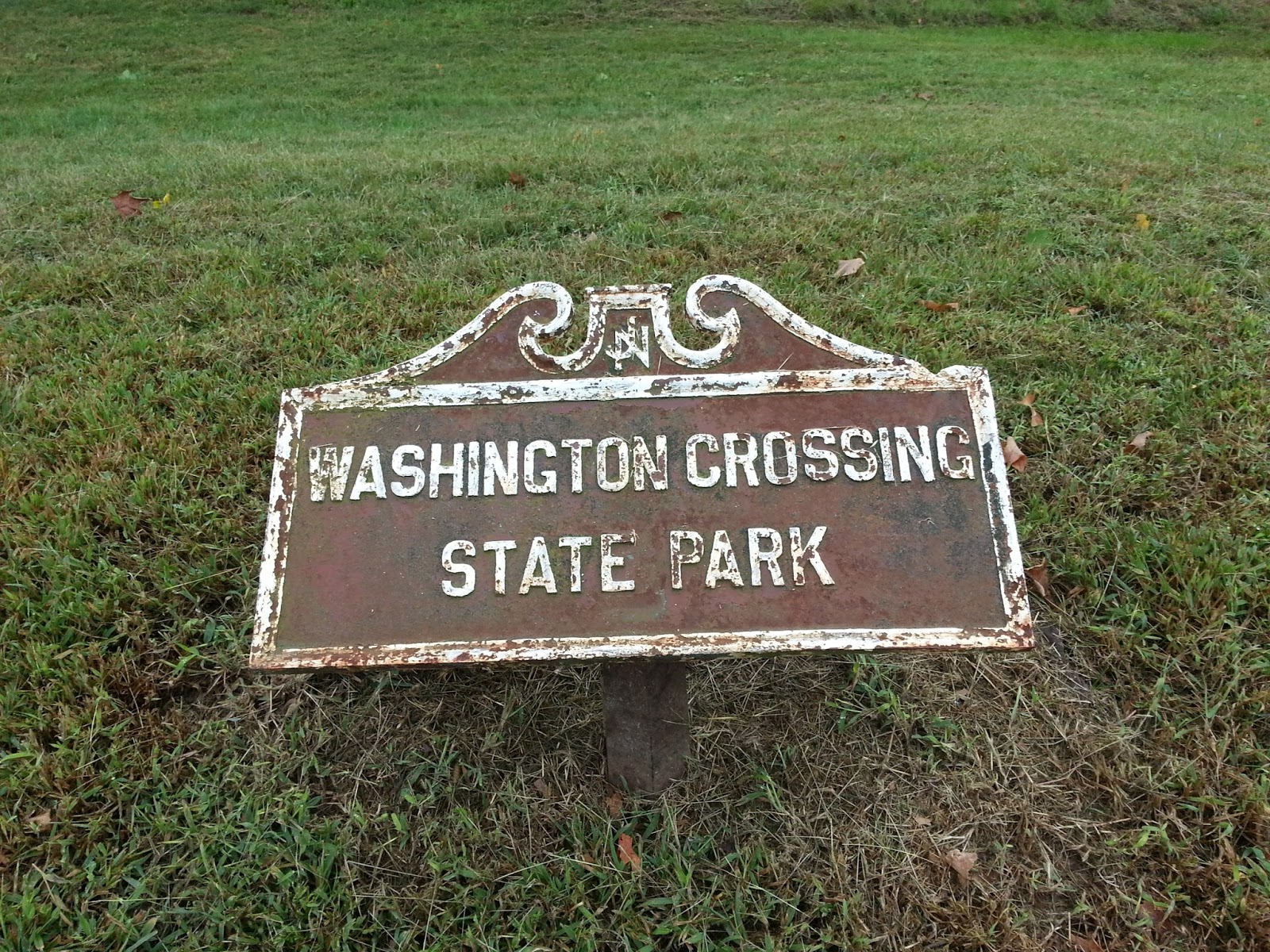

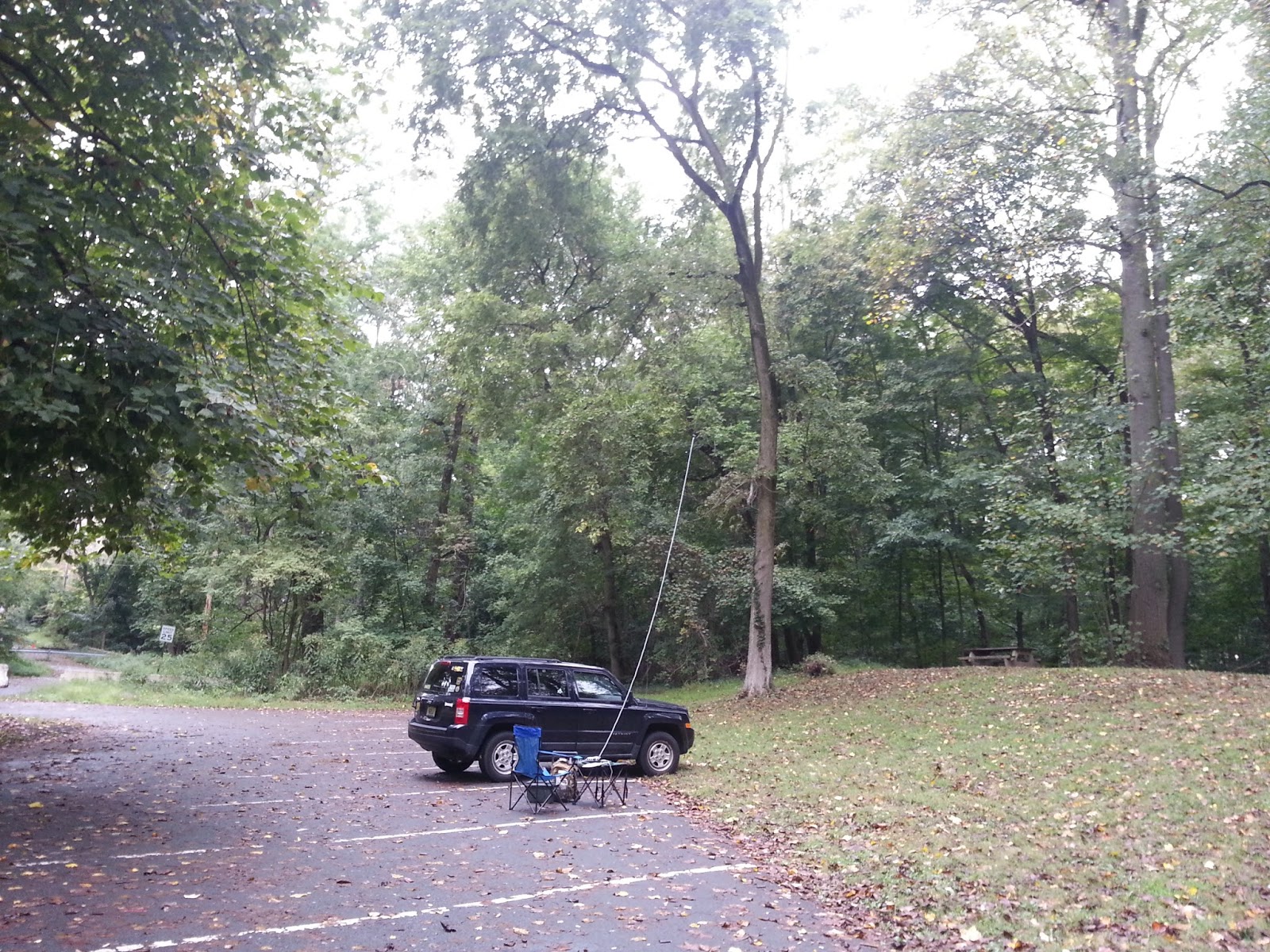


NPOTA success – WR03
As stated a few days ago, the destination was WR03, the Delaware National Scenic River, via Washington's Crossing State Park, in Titusville, NJ. Thanks to the fact that there was hardly any traffic on an early Sunday morning, I arrived in about 45 minutes.
Walter Winchell
I was meandering around the web this morning and stumbled on to a page where famous key collector and curator Tom Perera W1TP had re-created the morse key setup used by Walter Winchell to introduce and punctuate his radio and later TV broadcasts. They were a pair of Vibroplex bugs.

I grew up in Sydney in the 1950s and remember how radio station 2UE would start their news bulletins with a brisk CQ CQ. They were probably inspired by Winchell. Another memory is watching ‘The Untouchables‘ on TV with narration by Walter Winchell.
It’s worthwhile reading Walter Winchell’s Wikipedia entry while you listen to and occasionally watch an archived TV show of his from December 1953.

Ironically in his early years as a gossip journalist he was close to prominent criminal identities and later became friends with J. Edgar Hoover. He was Jewish and in the lead up to the second world war was one of the first Americans to criticise Hitler and those in the US who supported him. Another of his targets was isolationist Charles Lindbergh. His fame followed his reporting the famous kidnapping and subsequent trial.
From the clip you can hear the rapid-fire delivery. In many ways it’s like a precursor to much of what we consume today.

He attacked the Klan and its supporters. After the war he aligned himself with the Senator Joe McCarthy’s hunt for communists. But within this short clip there are a couple of places where he briefly questions a couple of issues that were to haunt the US for the next couple of decades – Vietnam and cigarettes and cancer.
Complex and probably unattractive, what I want to know is if he actually knew how to handle those Vibroplex keys.













