Posts Tagged ‘history’
 Memphis Belle
 July 21st, 2013 |
  Author:
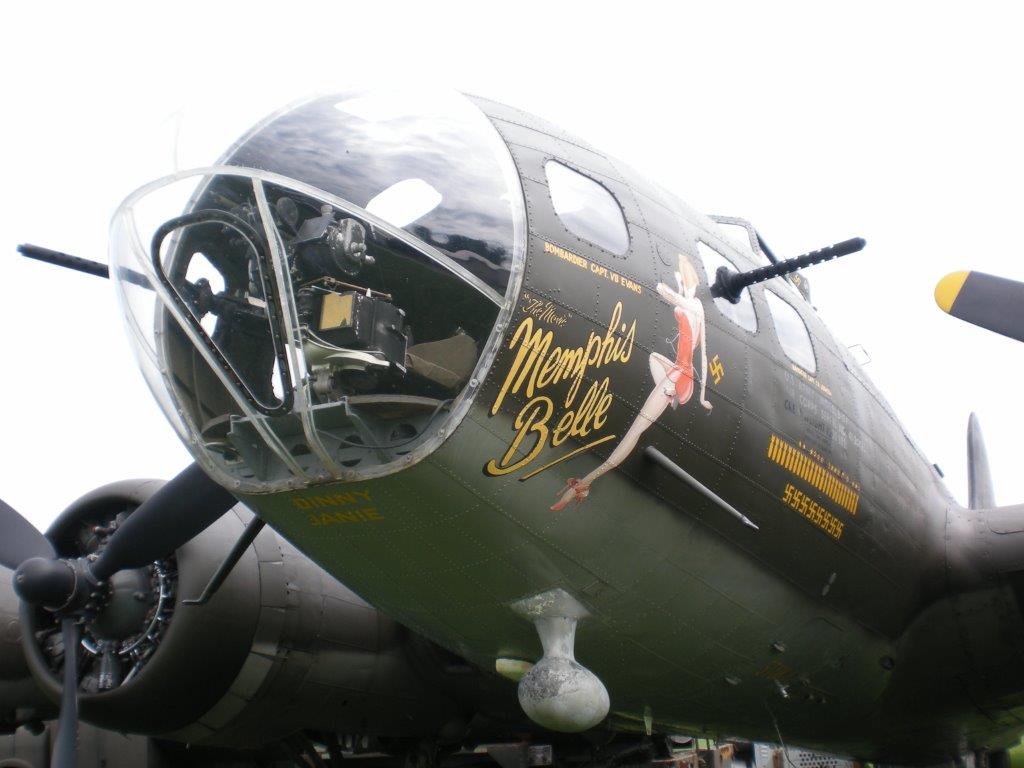
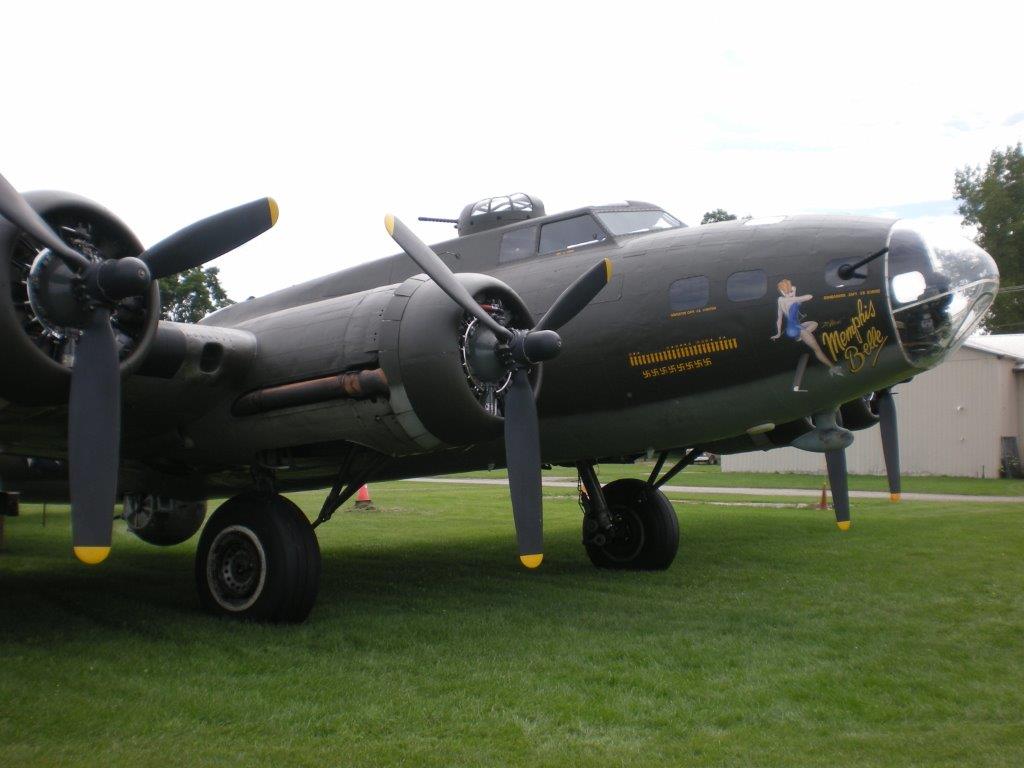
 I had mentioned that I was going to be offering the “QRP – Do More With Less” blog up to guest bloggers. Here’s the first! This post is in response to an e-mail that I received from Steve K8SAR. He had sent me an e-mail about his visit to the Memphis Belle.
I thought this was too cool to keep to myself, so I asked Steve to write something up. Here’s the story of his adventure in his own words:
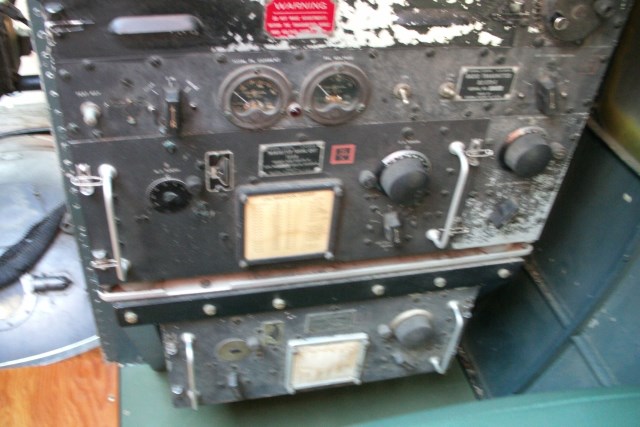
Larry, I thought you’d be interested. The Memphis Bell was in our town over the weekend with a friend who was one of their volunteer pilots. I had the chance to get a tour of the fighting lady including the radio station on board. I doubt they’re functional but they are indeed very interesting!
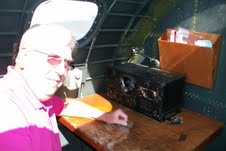
What’s in a name – radio societies all over the world

Image © Freeworldmaps.net
The IARU HF Championship took place this weekend. This is the contest where every country has national stations which exchange the abbreviation of the radio amateur society. Therefore it was an opportunity to reflect on what the names of the national societies mean. Many of the names in the IARU list portray the heritage of a hundred years. It is not so strange then that this may make some of them hard to understand and even a bit old-fashioned.
Starting with the ARRL – American Radio Relay League or NRRL (Norwegian …) then this is about a network of stations relaying messages in a country with large distances. This is a bit 1920’s to me. Looking at the ARRL web page it looks as if the the ARRL agrees and really would like to modernize the name to the National Association for Amateur Radio. The Portuguese may already have modernized it a bit by the use of network instead of relay: “Rede dos Emissores Portugueses” (Network of Portuguese Transmitters), or perhaps it is just because this is the same word as “relay” in Portuguese?
Most societies have “radio amateur” in the name like the German and the French: Deutscher Amateur Radio Club, Union Francaise des Radioamateurs. My knowledge of Spanish is not so good but this one sounds better to me: Union de Radioaficionados Espanoles as “radioaficionados” gives me the impression of “radio fans”, but perhaps it is just another word for “radio amateurs”?
Just like “radio relay” is a bit old-fashioned, the Swiss also have an old name in Union Schweizerischer Kurzwellen-Amateure. It must have been coined before VHF and UHF as Kurzwelle means Shortwave.
A name which sounds more contemporary despite its age is the Radio Society of Great Britain. Many others have similar names, one example is Amateur Radio Society of India.
The word “club” is used by many and seems to emphasize the hobby aspects, e.g. Radio Club Argentino and Český radioklub (Czech Radio Club).
Contesting is in many ways like a sport, at least in the same sense as chess is called a sport today. Examples that use this word are Chinese Radio Sports Association, Belarussian Federation of Radioamateurs and Radiosportsmen, and Mongolian Radio Sports Federation.
The there’s those who value the experimental aspects, like Vereniging voor Experimenteel Radio Onderzoek in Nederland (Society for Experimental Radio Research), Experimenterende Danske Radioamatører (literary Experimenting Danish Radio Amateurs) and Federacion Mexicana de Radio Experimentadores.
A similar technical emphasis is in the word “transmitter”: Irish Radio Transmitters Society, Foreningen Sveriges Sändareamatörer (literary Society of Swedish Transmitter Amateurs) and Österreichischer Versuchssenderverband (literary Austrian Experimental Transmitter Society).
The protection from the royal family exalts the society, but it is something I could only find in Belgium: Royal Union Royale Belge des Amateurs-Emetteurs / Koninklijke Unie van de Belgische Zendamateurs / Königliche Union der Belgischen Funkamateure.
Finally, these are the most serious and ambitious names I could find: Egyptian Radio Amateurs Society for Development, Syrian Scientific Technical Amateur Radio Society, and above all the Wireless Institute of Australia.
Which words should be used in the name of a radio society today? It’s a balance between reflecting a hundred years of history and communicating with contemporary people.
Personally I don’t like to use the word “amateur”. It comes originally from the same root as “amour” and “amore” and thus means someone who loves and is passionate about something. But today it gives the impression of being unprofessional. A contemporary name should also emphasize the experimental side in my view.
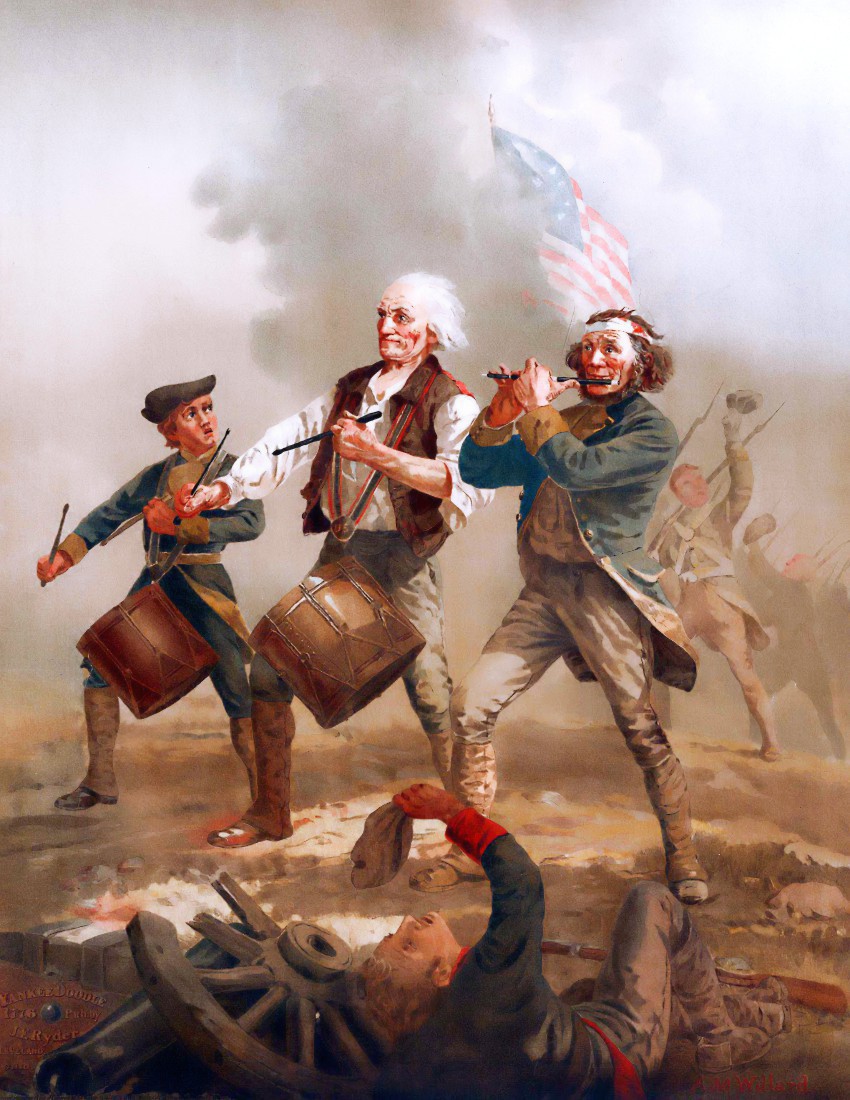
Happy Independence Day!
Memorial Day 2013
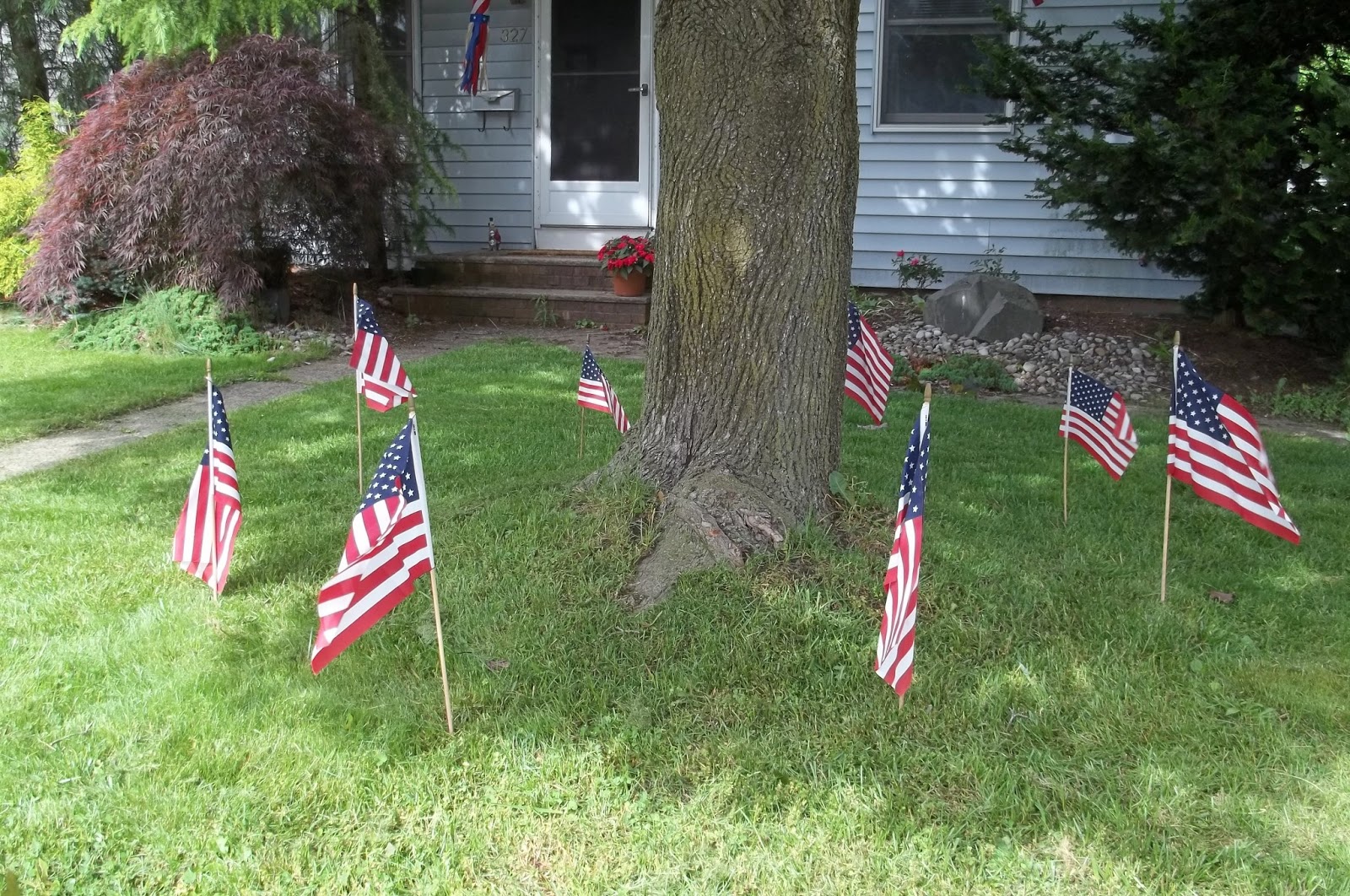
This weekend is Memorial Day weekend in the United States. Originally the day was known as “Decoration Day”, when families would decorate the graves of their husbands, fathers, uncles, sons, brothers and nephews who died in battle.
Today the holiday weekend has become known as the “unofficial start of summer”, and like everything else has taken on more of a secular connotation. Please take time from your busy weekend, in the midst of your cookout, party, ballgame, travel, or whatever to say a prayer and remember all those who made “the ultimate sacrifice”.
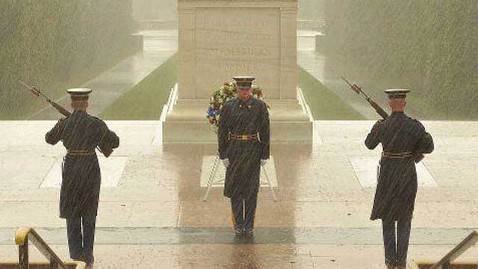
More on Project Diana
I found this interesting:
And this is from the InfoAge Webpage concerning the project:
“In late 1945, in the lull that followed the Japanese surrender, a number of scientists at Fort Monmouth’s Camp Evans began working on a way to pierce the earth’s ionosphere with radio waves, a feat that had been tried just before the war without success and which many thought impossible.
Project Diana, named for the goddess of the moon, was designed to prove that it could be done. Begun on an almost unofficial level by Evans radar scientists awaiting their Army discharge, the project was headed by Lt. Col. John DeWitt. Operating with only a handful of full-time researchers, the project scientists greatly modified a SCR-271 bedspring radar antenna, set it up in the northeast corner of Camp Evans, jacked up the power, and aimed it at the rising moon on the morning of January 10, 1946. A series of radar signals were broadcast, and in each case, the echo was picked up in exactly 2.5 seconds, the time it takes light to travel to the moon and back.
The importance of Project Diana cannot be overestimated. The discovery that the ionosphere could be pierced, and that communication was possible between earth and the universe beyond, opened the possibility of space exploration that previously had been only a dream in adventure films and comic books. Just as Hiroshima opened the nuclear age in 1945, Project Diana opened the space age in January of 1946. It would take another decade before the first satellites were launched into space, soon followed by manned rockets, but Diana paved the way for all those achievements.
It even initiated the tradition of naming such projects after ancient Greek and Roman gods, like Mercury and Apollo. For Fort Monmouth Project Diana was a pivotal event that built on World War II expertise, but pointed the way to the future.”
Somehow, I have got to fit this location into either an upcoming QRPTTF or perhaps a cool theme for the 2014 Skeeter Hunt ……………
72 de Larry W2LJ
QRP – When you care to send the very east!
The radio amateur who felt compelled to abandon his own call sign
If you mention that you are a radio amateur to any Norwegian who was old enough to watch TV in the mid 70’s then he is bound to respond with LA8PV. This was the callsign of the fictious figure Marve Fleksnes in the comedy the “Radiot”. To bad for the poor guy who actually was given that callsign some years later. I had contact with him on CW (= morse) in 2002 just after I got my license and I just couldn’t believe that anybody actually was using that particular callsign.
The first of three cuts can be viewed in the embedded Youtube video. Unfortunately I couldn’t find any clip that was subtitled in English, but the first minute or so is almost silent and is about the joy of getting a replacement DF1987B (sic) tube for his transmitter. The tube is supposedly plugged into the output tube socket of a Quad II audio amplifier and then he is ready to go on the air. Later one gets a glimpse of his AR88D receiver.
As the story goes, the Norwegian Post and Telcom Authorities, had marked off LA8PV as a callsign that shouldn’t be used. But due to a mistake they blacklisted LA8PW instead. I had contact with LA8PV almost every year up to and including 2007, but have never had it since. I understand why now, because QRZ.com says that the real LA8PV finally must have given up and gotten the new call sign, LA2WRA, on 4 Jan. 2008. I don’t envy him the fate of having been made LA8PV, and fully understand why he finally abandoned that callsign.
The source for much of this story is a Swedish discussion page on hamradio.se. Marve Fleksnes and LA8PV also aired on Swedish television and were very popular there as well.
Bunch o’ stuff
There’s a bunch of stuff I wanted to cover today.
The first is totally unrelated to Ham Radio; but I found it fascinating. Today, the Congressional Medal of Honor was awarded posthumously to Fr. Emil Kapaun, a Catholic priest and Army Chaplain who courageously served our country in WWII and the Korean Conflict. He died a POW at the hands of the Chinese in North Korea. The story of how he conducted himself as a POW and as a leader of men is, to use an overused word, awesome (in the truest sense of the word). After finishing reading the eight part story, all I could think of was “Wow!”. Follow this link for the story about the humble, brave and holy man : http://www.kansas.com/kapaun/
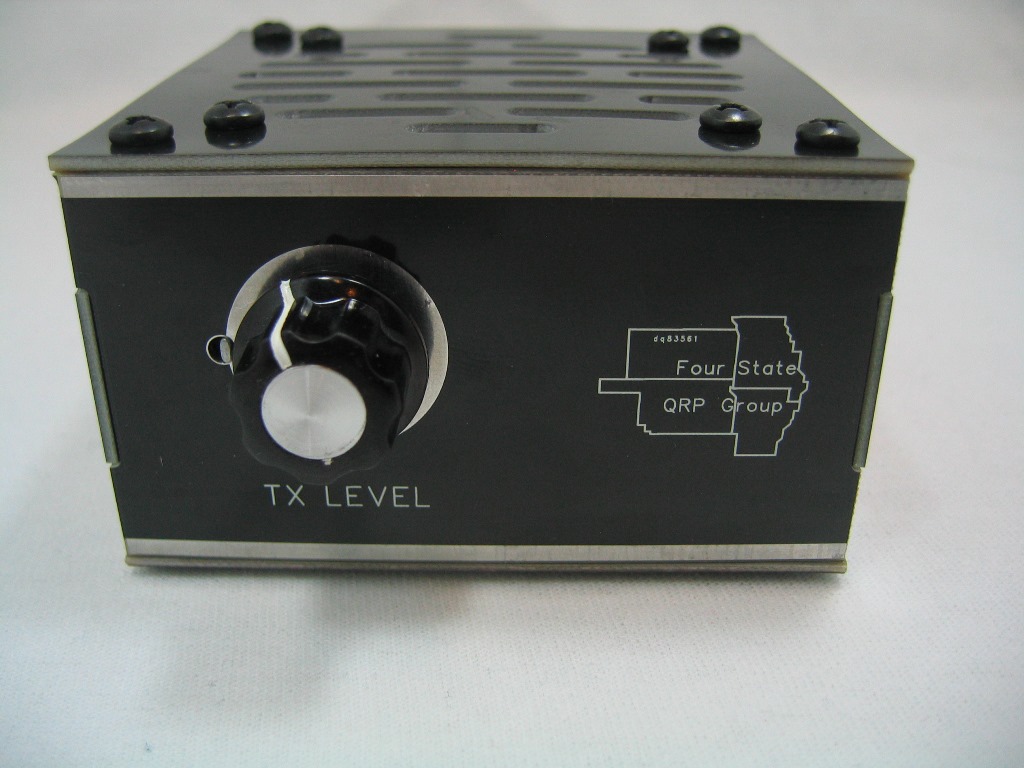
Secondly – this comes from the “I ordered me one” department. The Four State QRP Group introduced a new kit today. I immediately ordered one. It’s called the “Force Link” but is spelled 4S-Link. It is an interface between your radio and computer for the digital modes. All you need in one totally complete kit for $40. You can’t beat that with a stick!