Posts Tagged ‘amateurradio.com’
 A wonderful weekend of JOTA
 October 18th, 2015 |
  Author:
 What a difference a week makes, last week I was feeling somewhat low and as a result ducked out of the RSGB convention as I wasn't feeling very sociable.
But this week I had to get my head straight since the South Kesteven ARS (of which I am Chairman) were involved for the second year in the Scouting Jamboree on the Air (JOTA) weekend operating GB5FSG for the 1st Foston Scouts.
But before that we were also involved with another local scouting group, the 1st Barrowby where we assisted in a class of 12 Cubs with their communication badge.
Together with Stewart (M0SDM), Sean (2E0ENN) and Konrad (2E0KVF) we spent an evening giving them a introduction to amateur radio. Konrad who is an ex-scout leader explained the hobby, Stewart and Sean helped them pass messages via a radio. There was also a timely visible pass of the International Space Station during the evening and I hoped they might be able to see it while I demonstrated transmitting APRS messages via the onboard digipeater.
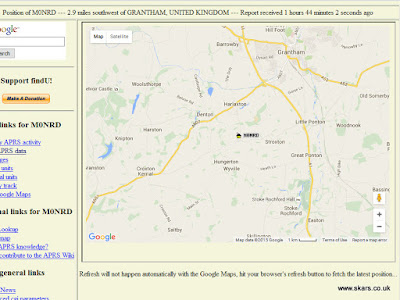
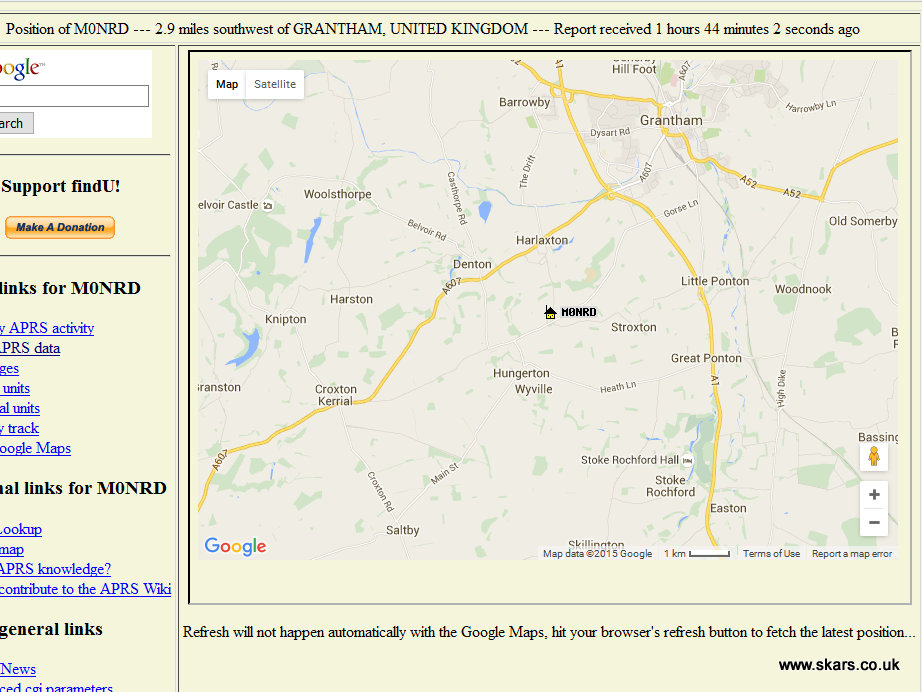
Using my new dual band Yagi, laptop and FT857D in the boot of my car I did successfully get messages digipeated and igated however the cloud and rain prevented the cubs seeing the ISS pass overhead (I put the coordinates in slightly wrong, so are shown slightly south of where we were)

The evening was a great success and the enthusiasm shown by the Scout leaders hopefully means SKARS will be involved in more activities for the Barrowby Scout group. Interestingly we were not the first local club they approached to assist but after they were given the cold shoulder by them we were happy to take up the challenge. The Barrowby group were also interested in being involved in the Jamboree on the Air (JOTA) next year.
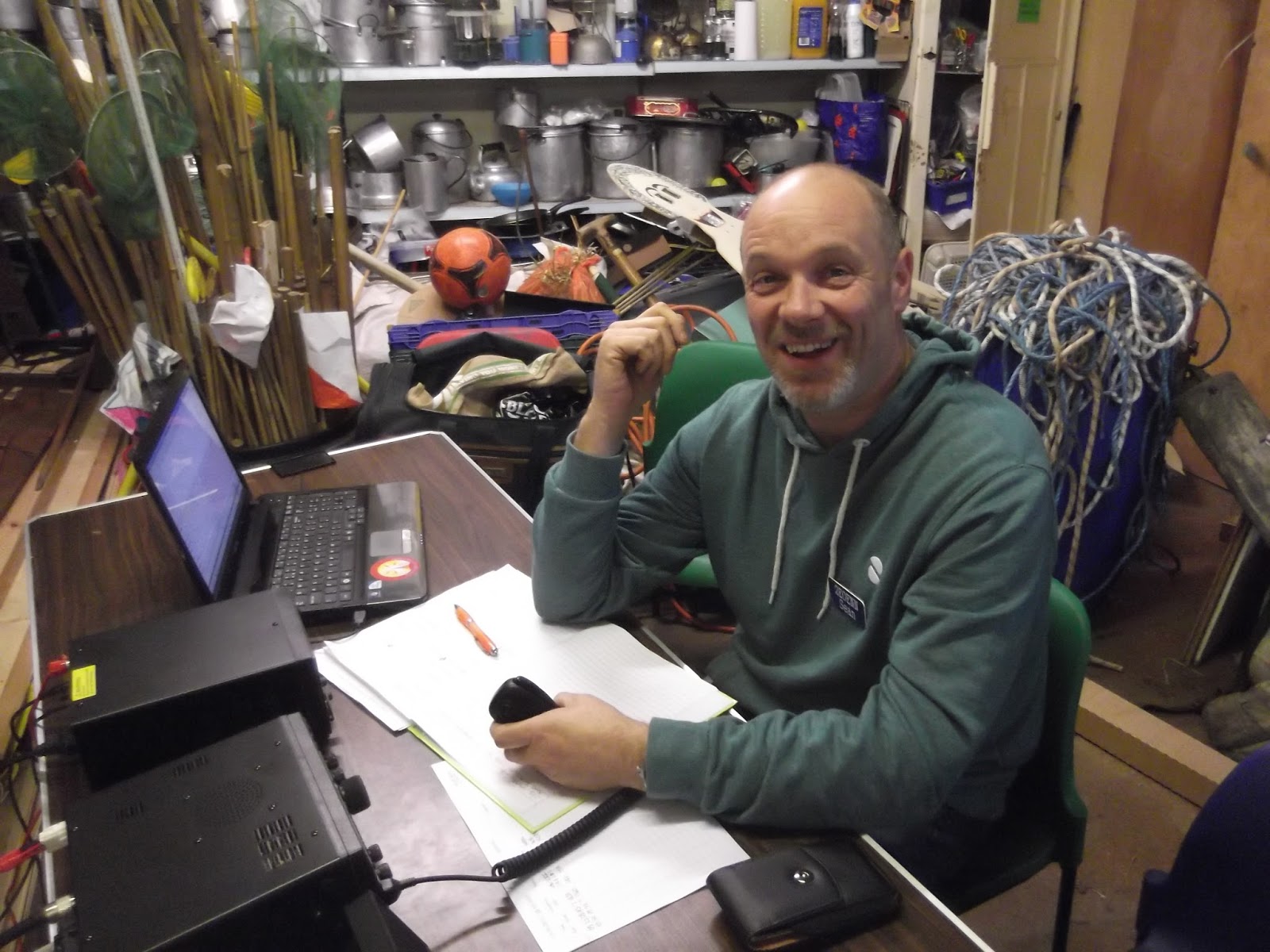
So on to the main event this week, the GB5FSG JOTA station, operated by Stewart, Sean and myself. It is exactly a year since I gained my full licence and this was my first Notice of Variation for a special event station, last year under the previous chairman we had run GB2FFC with some success but this year we hoped to improve the experience for the Cubs/Beavers and Scouts.
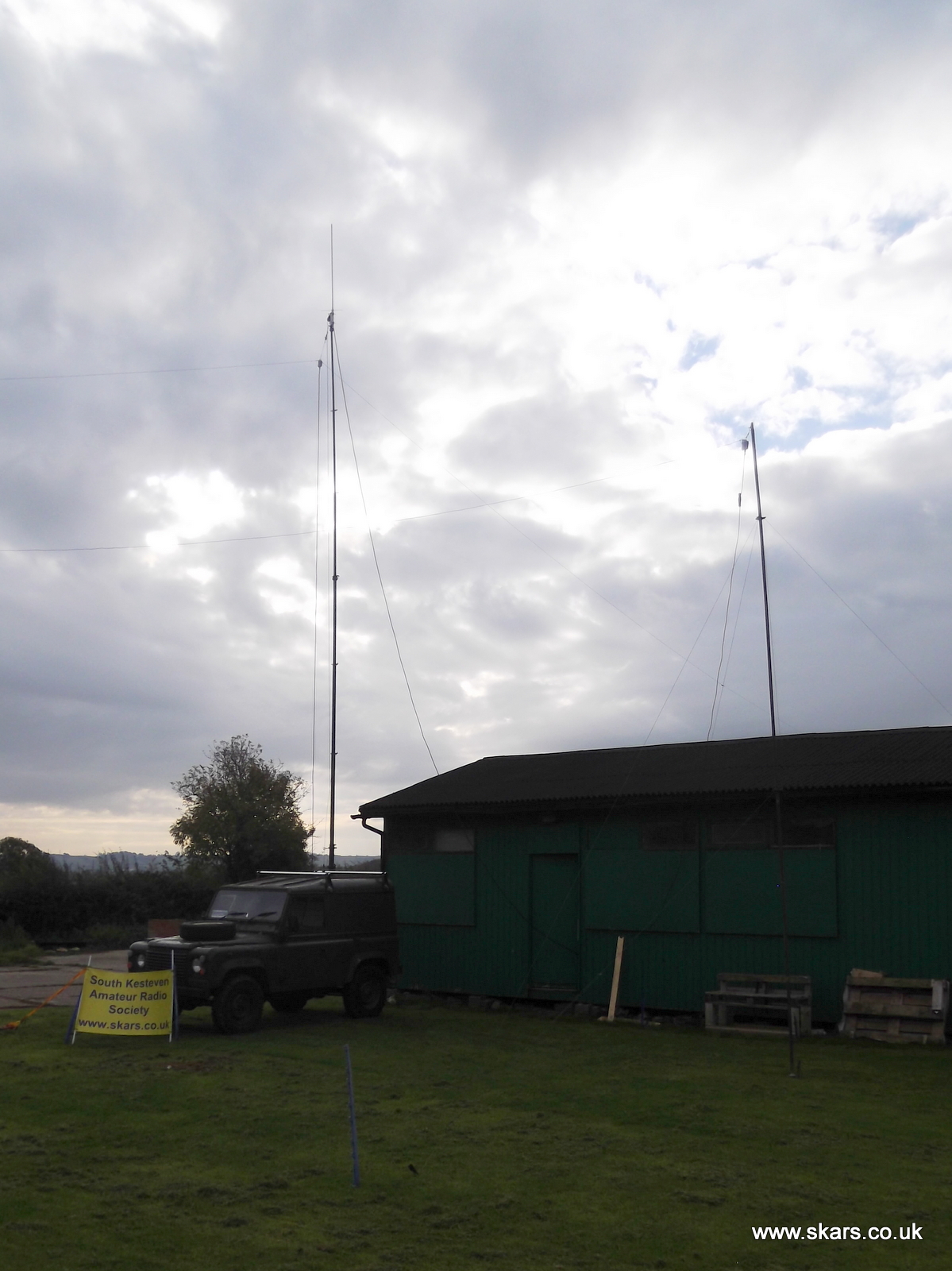
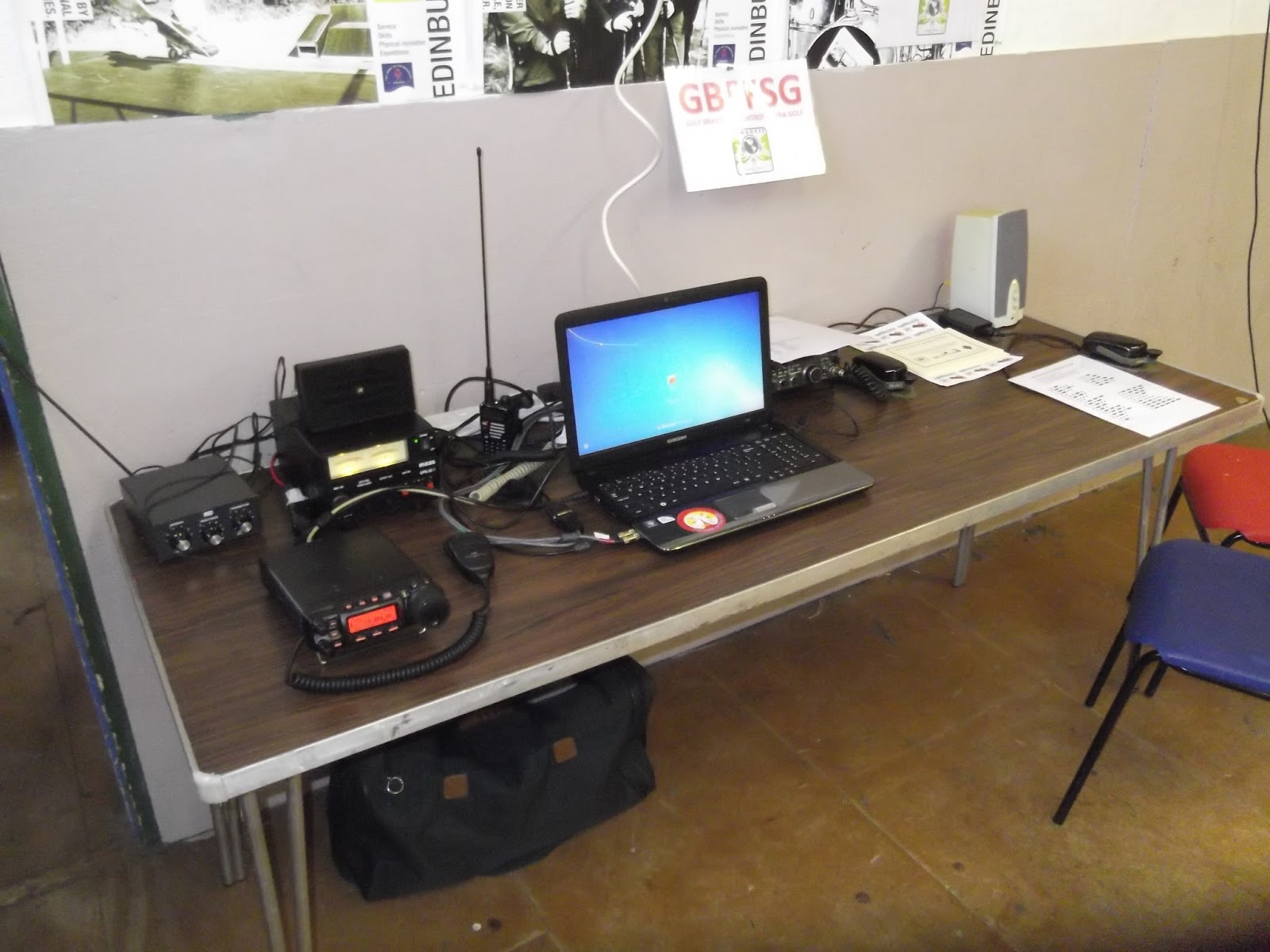
Firstly we had a much improved antenna installation, with Stewart's Land Rover and impressive pushup mast we had an excellent OCFD dipole, resonant on several bands including 40m along with another smaller pole holding up an end fed long wire for the datamode station. We also put up a collinear for a 2m VHF station.
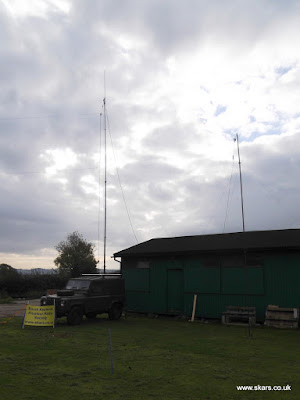
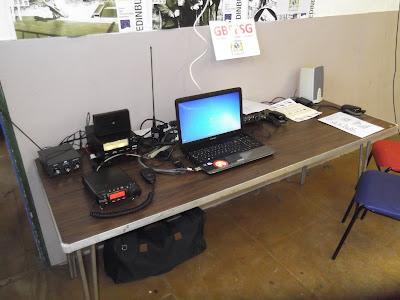
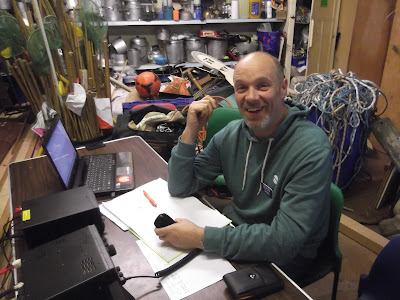
Last year we were hampered by the noise of excitable children in the main room of the scout hut which made operating and hearing contacts difficult. This year we asked for some separation from the hubbub and had planned to use a tent. Instead we setup in the storage area in the back of the hut which proved ideal as it allowed us to control the number of children and allowed easier working conditions - it was a little chilly but much warmer than a tent would have been.
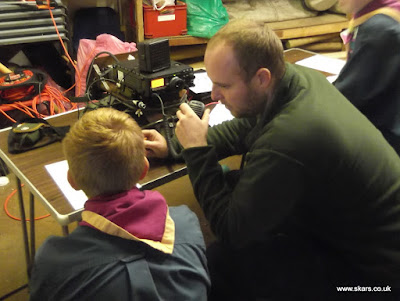
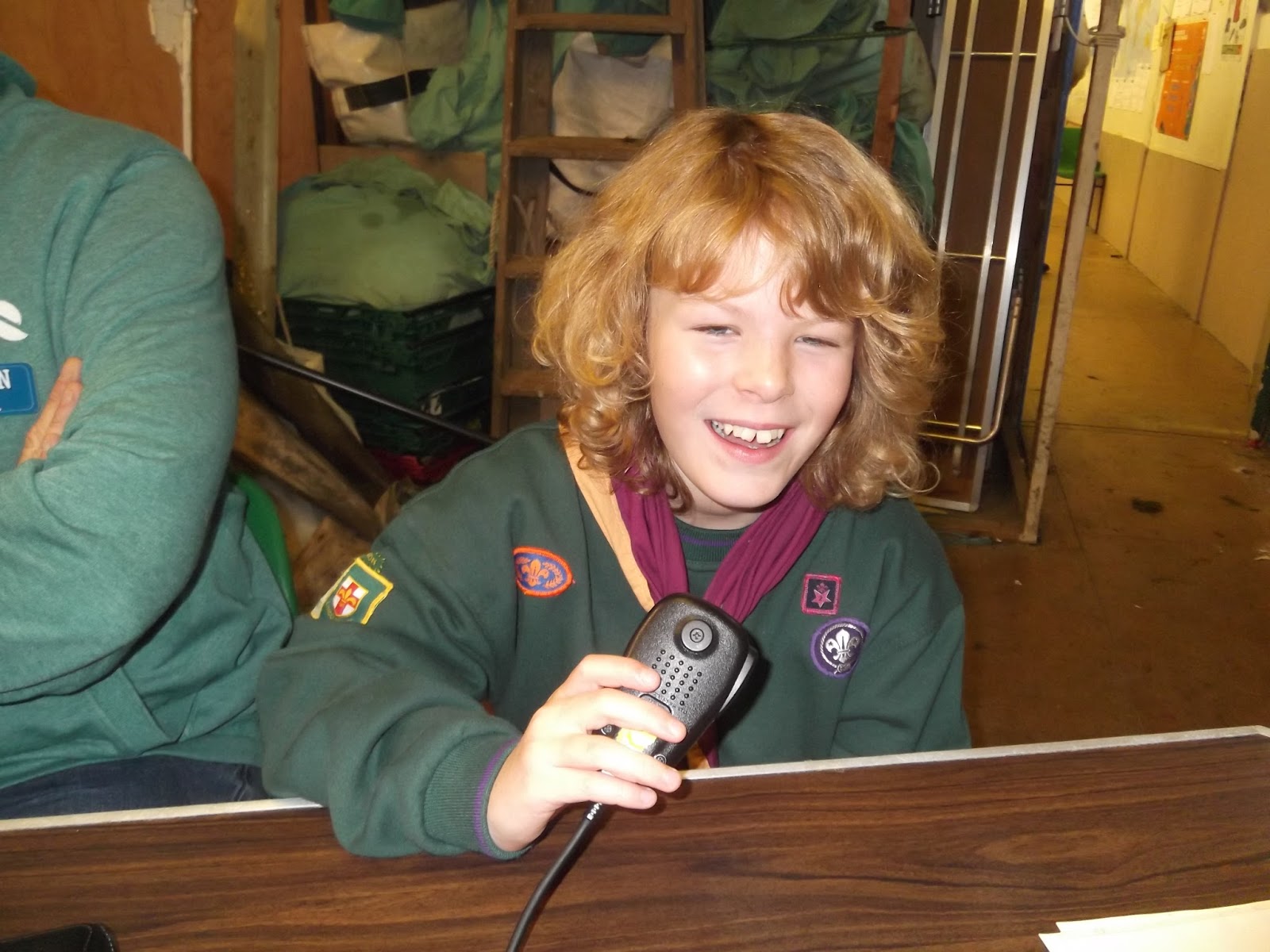
On Saturday we used Stewart's FT897 as the main HF rig, Sean operated a 2m meter station with a number of contacts. Like last year I had my FT857 operating a datamode (primarily PSK) but a damaged feeder issue curtailed this for most of the day and we soon concentrated on the HF SSB voice contact as conditions were good and the band was busy with other JOTA stations.
In keeping with the aims of JOTA we didn't chase numbers instead we had some lengthy quality contacts, including a marathon 30 minute plus contact with I believe was GB2WSG the 2nd Wellington Scout Group with lots of two-way greeting messages being sent to really give the children a full experience of using the radio.
The day before I had quickly constructed a Morse code oscillator (since I didn't have one) using an arduino board and an old computer speaker for added volume and this proved popular as the children tapped out their own names, their friends names, call signs, their ages and various words.
 Sunday we just operated for the morning and since Stewart couldn't attend I brought along my FT450D and Sean and myself operated on HF SSB. Sadly my poor Morse oscillator failed quite spectacularly in a puff of smoke but all was not lost as again conditions were excellent and we were able to pass lots of greeting messages again. I haven't used the FT450D in anger so it was excellent to let it stretch its legs and the audio and DSP proved excellent in dealing with the QRM from the contest running at the same time.
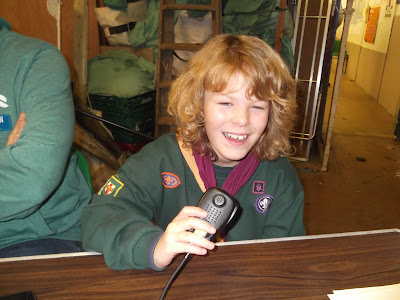
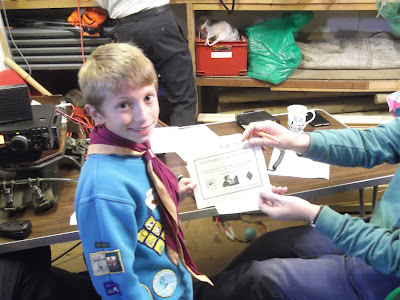
Working with the Scouts this week has really was a therapeutic exercise for my soul and made me glad I got licenced and was able to get involved with this. I am not naturally comfortable with children, since I am not a parent. But it was rewarding seeing the look of wonder on some of their faces as they passed messages.. like it was magic ;-)
But this week I had to get my head straight since the South Kesteven ARS (of which I am Chairman) were involved for the second year in the Scouting Jamboree on the Air (JOTA) weekend operating GB5FSG for the 1st Foston Scouts.
But before that we were also involved with another local scouting group, the 1st Barrowby where we assisted in a class of 12 Cubs with their communication badge.
Together with Stewart (M0SDM), Sean (2E0ENN) and Konrad (2E0KVF) we spent an evening giving them a introduction to amateur radio. Konrad who is an ex-scout leader explained the hobby, Stewart and Sean helped them pass messages via a radio. There was also a timely visible pass of the International Space Station during the evening and I hoped they might be able to see it while I demonstrated transmitting APRS messages via the onboard digipeater.
Using my new dual band Yagi, laptop and FT857D in the boot of my car I did successfully get messages digipeated and igated however the cloud and rain prevented the cubs seeing the ISS pass overhead (I put the coordinates in slightly wrong, so are shown slightly south of where we were)

The evening was a great success and the enthusiasm shown by the Scout leaders hopefully means SKARS will be involved in more activities for the Barrowby Scout group. Interestingly we were not the first local club they approached to assist but after they were given the cold shoulder by them we were happy to take up the challenge. The Barrowby group were also interested in being involved in the Jamboree on the Air (JOTA) next year.
So on to the main event this week, the GB5FSG JOTA station, operated by Stewart, Sean and myself. It is exactly a year since I gained my full licence and this was my first Notice of Variation for a special event station, last year under the previous chairman we had run GB2FFC with some success but this year we hoped to improve the experience for the Cubs/Beavers and Scouts.
Firstly we had a much improved antenna installation, with Stewart's Land Rover and impressive pushup mast we had an excellent OCFD dipole, resonant on several bands including 40m along with another smaller pole holding up an end fed long wire for the datamode station. We also put up a collinear for a 2m VHF station.
Last year we were hampered by the noise of excitable children in the main room of the scout hut which made operating and hearing contacts difficult. This year we asked for some separation from the hubbub and had planned to use a tent. Instead we setup in the storage area in the back of the hut which proved ideal as it allowed us to control the number of children and allowed easier working conditions - it was a little chilly but much warmer than a tent would have been.
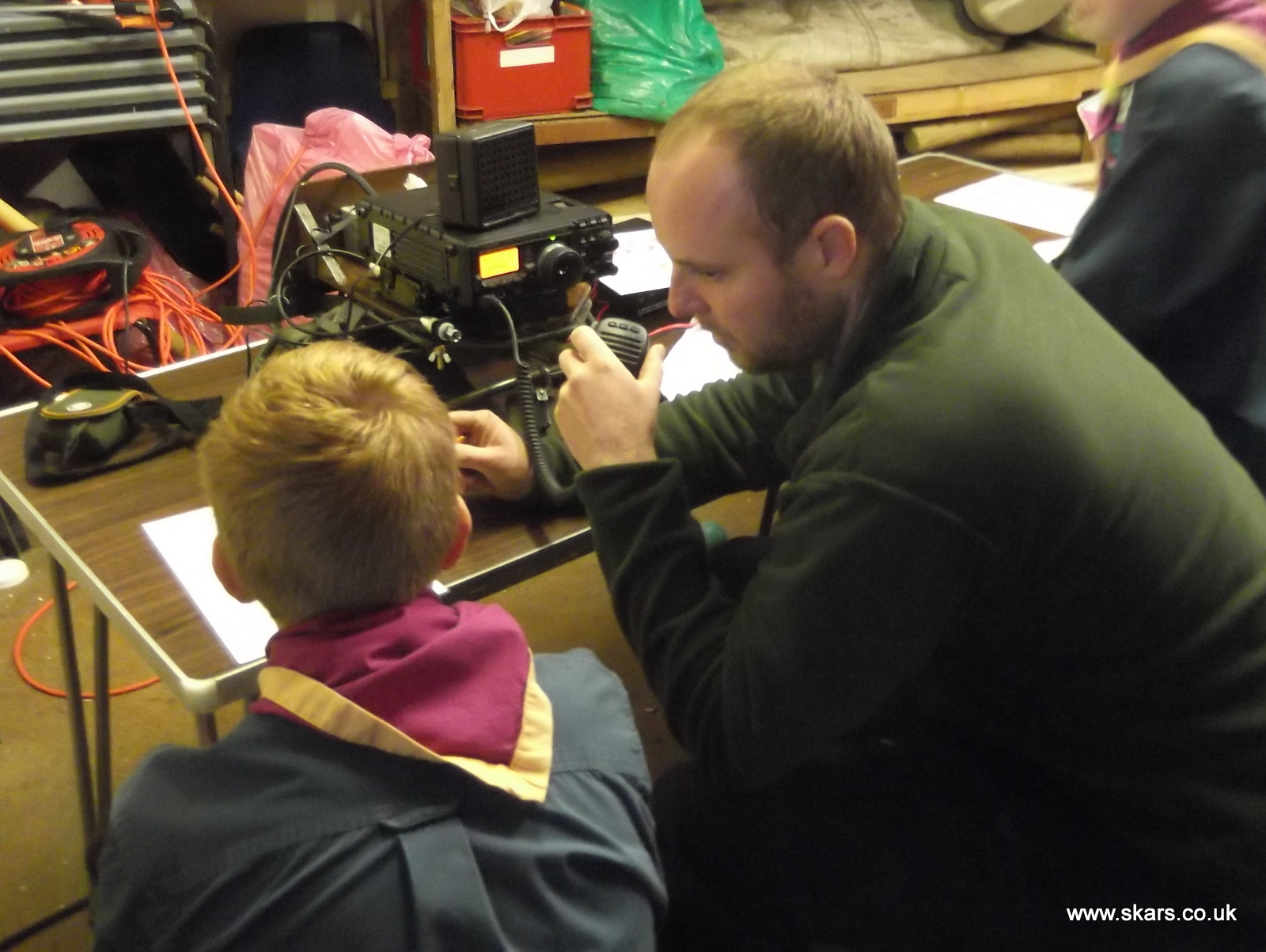
On Saturday we used Stewart's FT897 as the main HF rig, Sean operated a 2m meter station with a number of contacts. Like last year I had my FT857 operating a datamode (primarily PSK) but a damaged feeder issue curtailed this for most of the day and we soon concentrated on the HF SSB voice contact as conditions were good and the band was busy with other JOTA stations.
In keeping with the aims of JOTA we didn't chase numbers instead we had some lengthy quality contacts, including a marathon 30 minute plus contact with I believe was GB2WSG the 2nd Wellington Scout Group with lots of two-way greeting messages being sent to really give the children a full experience of using the radio.
The day before I had quickly constructed a Morse code oscillator (since I didn't have one) using an arduino board and an old computer speaker for added volume and this proved popular as the children tapped out their own names, their friends names, call signs, their ages and various words.
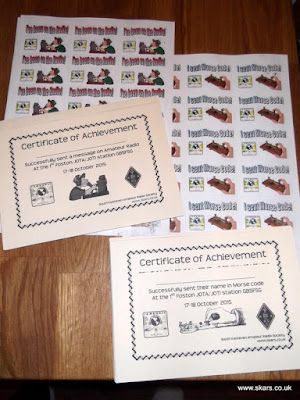
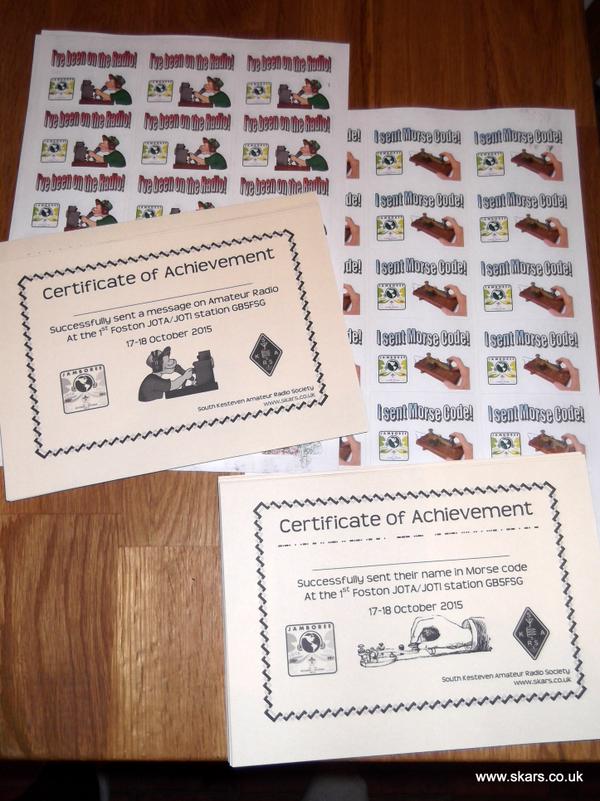
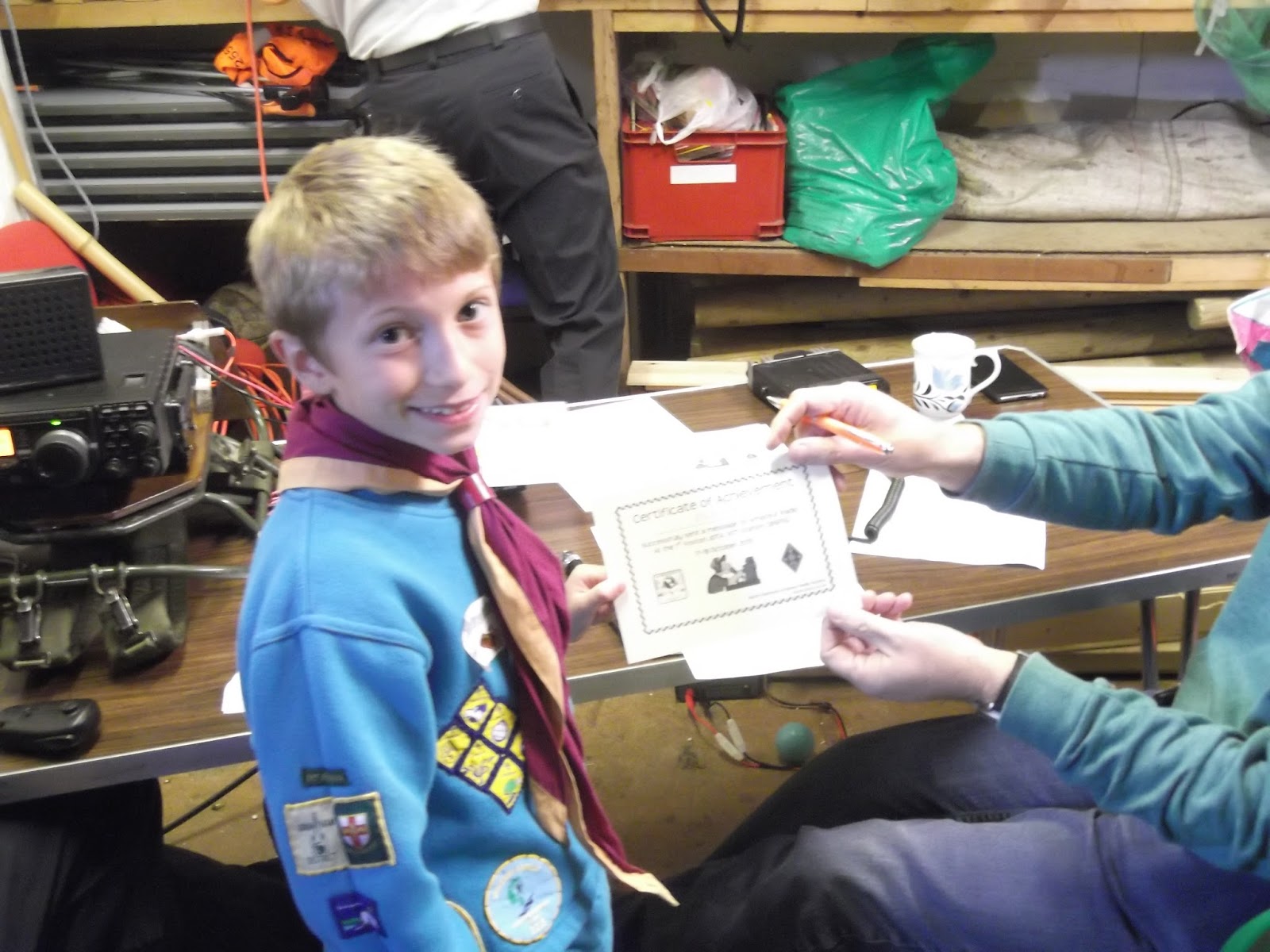
I had created some certificates and stickers to reward the children and to prove they had completed the tasks should they need them for any future scouting badges and awards.
Working with the Scouts this week has really was a therapeutic exercise for my soul and made me glad I got licenced and was able to get involved with this. I am not naturally comfortable with children, since I am not a parent. But it was rewarding seeing the look of wonder on some of their faces as they passed messages.. like it was magic ;-)
They ARE attempting a comeback, after all.
I'm sure many of you got the same email from Heathkit, either yesterday or early this morning. I had to admit that I thought it was going to be another one of those "We're still coming back!" emails, but this one had some substance.
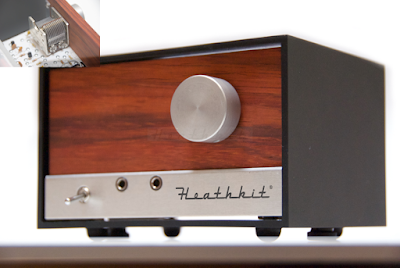
It looks like the initial offerings are a table AM radio as well as some parts for already existing Heathkit products, namely the HW8, as well as their weather instruments.
Everything can be found here: https://shop.heathkit.com/shop
Obviously, it's a small fledgling offering, but every journey of 1,000 miles begins with a single step. So before we make any harsh judgments, let's all take a deep breath, wish the new "Heathkit" well, and see how this all shakes out.
72 de Larry W2LJ
QRP - When you care to send the very least !

It looks like the initial offerings are a table AM radio as well as some parts for already existing Heathkit products, namely the HW8, as well as their weather instruments.
Everything can be found here: https://shop.heathkit.com/shop
Obviously, it's a small fledgling offering, but every journey of 1,000 miles begins with a single step. So before we make any harsh judgments, let's all take a deep breath, wish the new "Heathkit" well, and see how this all shakes out.
72 de Larry W2LJ
QRP - When you care to send the very least !
My first RAYNET event
Sunday I took part in my first RAYNET event at the Walk for Parkinson's at Burghley House in Lincolnshire. This was a sponsored walk to raise money for Parkinson's UK a research and support charity working to help find a cure and improve life for those affected by Parkinson’s disease.
Starting at the Burghley House stately home, participants could chose to do either a gentle 3 mile stroll within the grounds or a more challenging 10-mile walk out of the park and through the Barnack Hills and Holes National Nature Reserve.
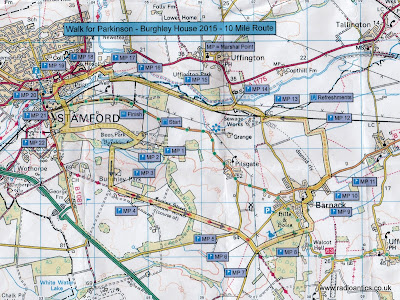
RAYNET's task was to provide communication support to the organisers with operators situated around the course at various marshalling points to pass messages and if necessary request assistance.
Earlier in the year there was a presentation about the work of RAYNET at the South Kesteven ARS by Jim Wheeldon (M0JHW) and Alan Clarke (M0NLR) after which I'd offered my services for future events, so when Jim called me and asked for some help I was happy to oblige.
My task was quite straightforward, simply manning one of the marshal points along the course directing the walkers and making sure they were happy and injury free, if not I was to call for assistance. Despite being under the weather for the last few days with a bad head cold and a painful sore throat I still turned out and really enjoyed helping.
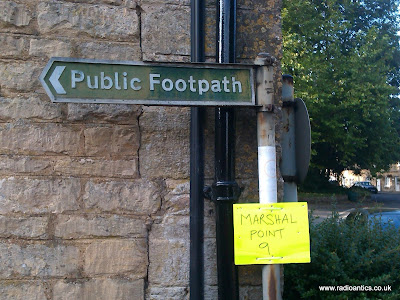
It was nice to use my radio licence and equipment for something useful, spending a pleasant morning in the sunshine talking to the walkers and some local residents explaining all about amateur radio.
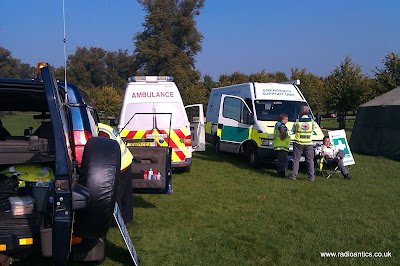
RAYNET was formed back in the 1950s following the East Coast floods to provide a way of organising the valuable resource that Amateur Radio is able to provide to the community. While it is called the Radio Amateurs’ Emergency Network the majority of its work nowadays is to provide support to community events, like the sponsored walk.
However it can still be called up to offer assistance at incidents such as the recent Shoreham Airshow plane crash. The South Sussex RAYNET group, assisted by members of South Kent RAYNET, were already providing communications support for the organisers and the user services at the airshow when the Hawker Hunter aircraft crashed into vehicles on the A27 during a flying display.
It was reported that following the crash the area was in lock down in four hours and it the demand on the local mobile networks by concerned spectators, residents and residents outstripped capacity making normal communication difficult. RAYNET operators were able to provide much needed support in the aftermath.
Starting at the Burghley House stately home, participants could chose to do either a gentle 3 mile stroll within the grounds or a more challenging 10-mile walk out of the park and through the Barnack Hills and Holes National Nature Reserve.

RAYNET's task was to provide communication support to the organisers with operators situated around the course at various marshalling points to pass messages and if necessary request assistance.
Earlier in the year there was a presentation about the work of RAYNET at the South Kesteven ARS by Jim Wheeldon (M0JHW) and Alan Clarke (M0NLR) after which I'd offered my services for future events, so when Jim called me and asked for some help I was happy to oblige.
My task was quite straightforward, simply manning one of the marshal points along the course directing the walkers and making sure they were happy and injury free, if not I was to call for assistance. Despite being under the weather for the last few days with a bad head cold and a painful sore throat I still turned out and really enjoyed helping.
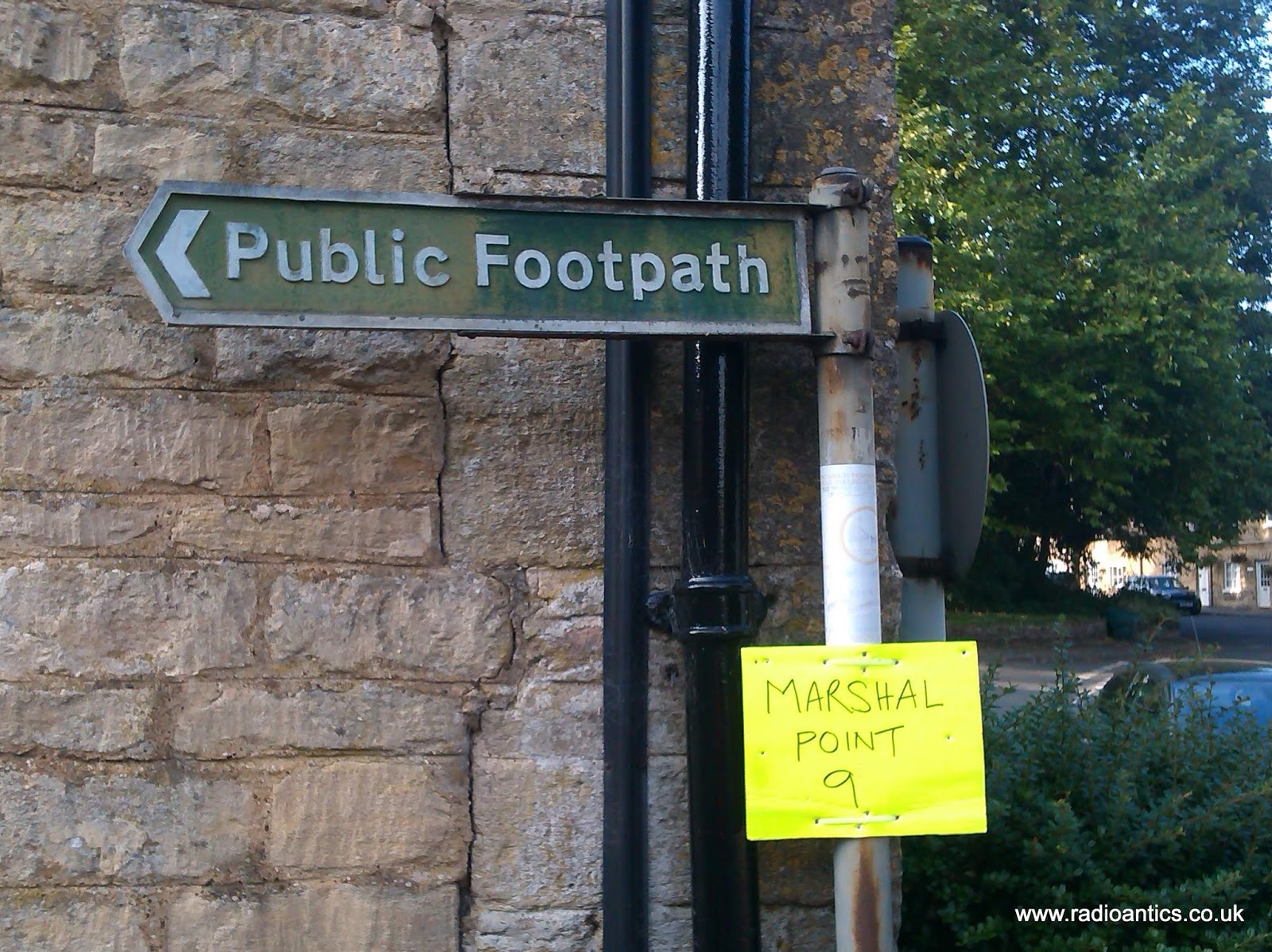
It was nice to use my radio licence and equipment for something useful, spending a pleasant morning in the sunshine talking to the walkers and some local residents explaining all about amateur radio.
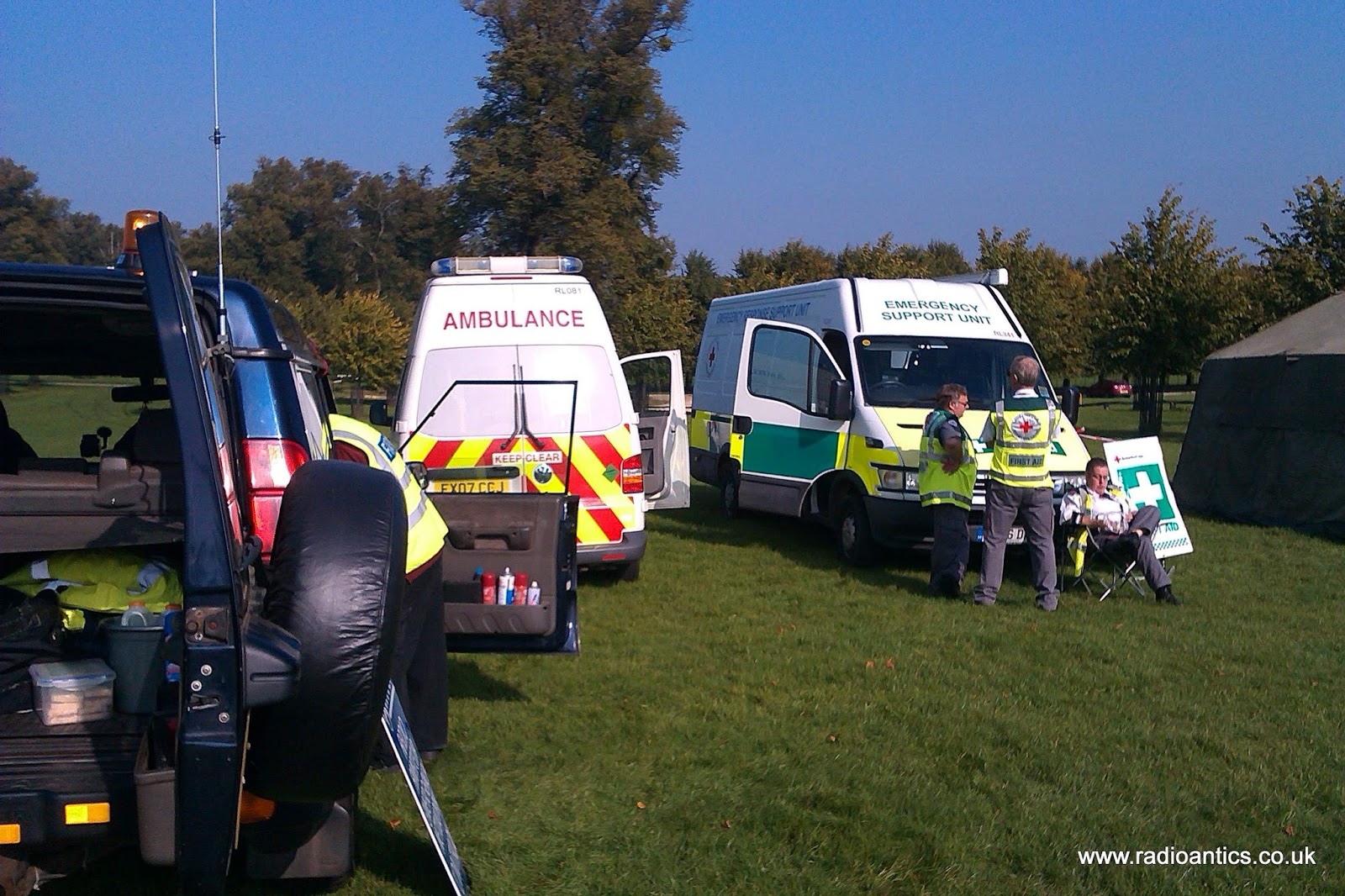
RAYNET was formed back in the 1950s following the East Coast floods to provide a way of organising the valuable resource that Amateur Radio is able to provide to the community. While it is called the Radio Amateurs’ Emergency Network the majority of its work nowadays is to provide support to community events, like the sponsored walk.
However it can still be called up to offer assistance at incidents such as the recent Shoreham Airshow plane crash. The South Sussex RAYNET group, assisted by members of South Kent RAYNET, were already providing communications support for the organisers and the user services at the airshow when the Hawker Hunter aircraft crashed into vehicles on the A27 during a flying display.
It was reported that following the crash the area was in lock down in four hours and it the demand on the local mobile networks by concerned spectators, residents and residents outstripped capacity making normal communication difficult. RAYNET operators were able to provide much needed support in the aftermath.
My first RAYNET event
Sunday I took part in my first RAYNET event at the Walk for Parkinson's at Burghley House in Lincolnshire. This was a sponsored walk to raise money for Parkinson's UK a research and support charity working to help find a cure and improve life for those affected by Parkinson’s disease.
Starting at the Burghley House stately home, participants could chose to do either a gentle 3 mile stroll within the grounds or a more challenging 10-mile walk out of the park and through the Barnack Hills and Holes National Nature Reserve.
RAYNET's task was to provide communication support to the organisers with operators situated around the course at various marshalling points to pass messages and if necessary request assistance.
Earlier in the year there was a presentation about the work of RAYNET at the South Kesteven ARS by Jim Wheeldon (M0JHW) and Alan Clarke (M0NLR) after which I'd offered my services for future events, so when Jim called me and asked for some help I was happy to oblige.
My task was quite straightforward, simply manning one of the marshal points along the course directing the walkers and making sure they were happy and injury free, if not I was to call for assistance. Despite being under the weather for the last few days with a bad head cold and a painful sore throat I still turned out and really enjoyed helping.
It was nice to use my radio licence and equipment for something useful, spending a pleasant morning in the sunshine talking to the walkers and some local residents explaining all about amateur radio.
RAYNET was formed back in the 1950s following the East Coast floods to provide a way of organising the valuable resource that Amateur Radio is able to provide to the community. While it is called the Radio Amateurs’ Emergency Network the majority of its work nowadays is to provide support to community events, like the sponsored walk.
However it can still be called up to offer assistance at incidents such as the recent Shoreham Airshow plane crash. The South Sussex RAYNET group, assisted by members of South Kent RAYNET, were already providing communications support for the organisers and the user services at the airshow when the Hawker Hunter aircraft crashed into vehicles on the A27 during a flying display.
It was reported that following the crash the area was in lock down in four hours and it the demand on the local mobile networks by concerned spectators, residents and residents outstripped capacity making normal communication difficult. RAYNET operators were able to provide much needed support in the aftermath.
Starting at the Burghley House stately home, participants could chose to do either a gentle 3 mile stroll within the grounds or a more challenging 10-mile walk out of the park and through the Barnack Hills and Holes National Nature Reserve.
RAYNET's task was to provide communication support to the organisers with operators situated around the course at various marshalling points to pass messages and if necessary request assistance.
Earlier in the year there was a presentation about the work of RAYNET at the South Kesteven ARS by Jim Wheeldon (M0JHW) and Alan Clarke (M0NLR) after which I'd offered my services for future events, so when Jim called me and asked for some help I was happy to oblige.
My task was quite straightforward, simply manning one of the marshal points along the course directing the walkers and making sure they were happy and injury free, if not I was to call for assistance. Despite being under the weather for the last few days with a bad head cold and a painful sore throat I still turned out and really enjoyed helping.
It was nice to use my radio licence and equipment for something useful, spending a pleasant morning in the sunshine talking to the walkers and some local residents explaining all about amateur radio.
RAYNET was formed back in the 1950s following the East Coast floods to provide a way of organising the valuable resource that Amateur Radio is able to provide to the community. While it is called the Radio Amateurs’ Emergency Network the majority of its work nowadays is to provide support to community events, like the sponsored walk.
However it can still be called up to offer assistance at incidents such as the recent Shoreham Airshow plane crash. The South Sussex RAYNET group, assisted by members of South Kent RAYNET, were already providing communications support for the organisers and the user services at the airshow when the Hawker Hunter aircraft crashed into vehicles on the A27 during a flying display.
It was reported that following the crash the area was in lock down in four hours and it the demand on the local mobile networks by concerned spectators, residents and residents outstripped capacity making normal communication difficult. RAYNET operators were able to provide much needed support in the aftermath.
A shameless plug that worked
About a week ago, I received this e-mail in my G-mail account from Scott N0HOT. I don't check my G-mail account on a daily basis, so I didn't discover this until yesterday:
https://drive.google.com/file/d/0ByXPhBf853_qaDVTemNEVklzVkttODFaRlJfSGdVcGpWQV9R/view?usp=sharing
As a Morse Code fan, I thought this was pretty nifty! I don't plug may people's products on this blog, but I thought this was neat enough to warrant an exception. I guess I'm like Dan KB6NU, in that I consider myself a CW Geek. And for 99 cents, it's not like it's going to break the bank or anything - right?
So I think I'm going to pop on in to the iTunes store (if I can ever remember what the heck my Apple password is) and will purchase this little app.
Well played, Scott. Well played, indeed.
72 de Larry W2LJ
QRP - When you care to send the very least!
https://drive.google.com/file/d/0ByXPhBf853_qaDVTemNEVklzVkttODFaRlJfSGdVcGpWQV9R/view?usp=sharing
As a Morse Code fan, I thought this was pretty nifty! I don't plug may people's products on this blog, but I thought this was neat enough to warrant an exception. I guess I'm like Dan KB6NU, in that I consider myself a CW Geek. And for 99 cents, it's not like it's going to break the bank or anything - right?
So I think I'm going to pop on in to the iTunes store (if I can ever remember what the heck my Apple password is) and will purchase this little app.
Well played, Scott. Well played, indeed.
72 de Larry W2LJ
QRP - When you care to send the very least!
The Perception of Power
Power... or lack thereof
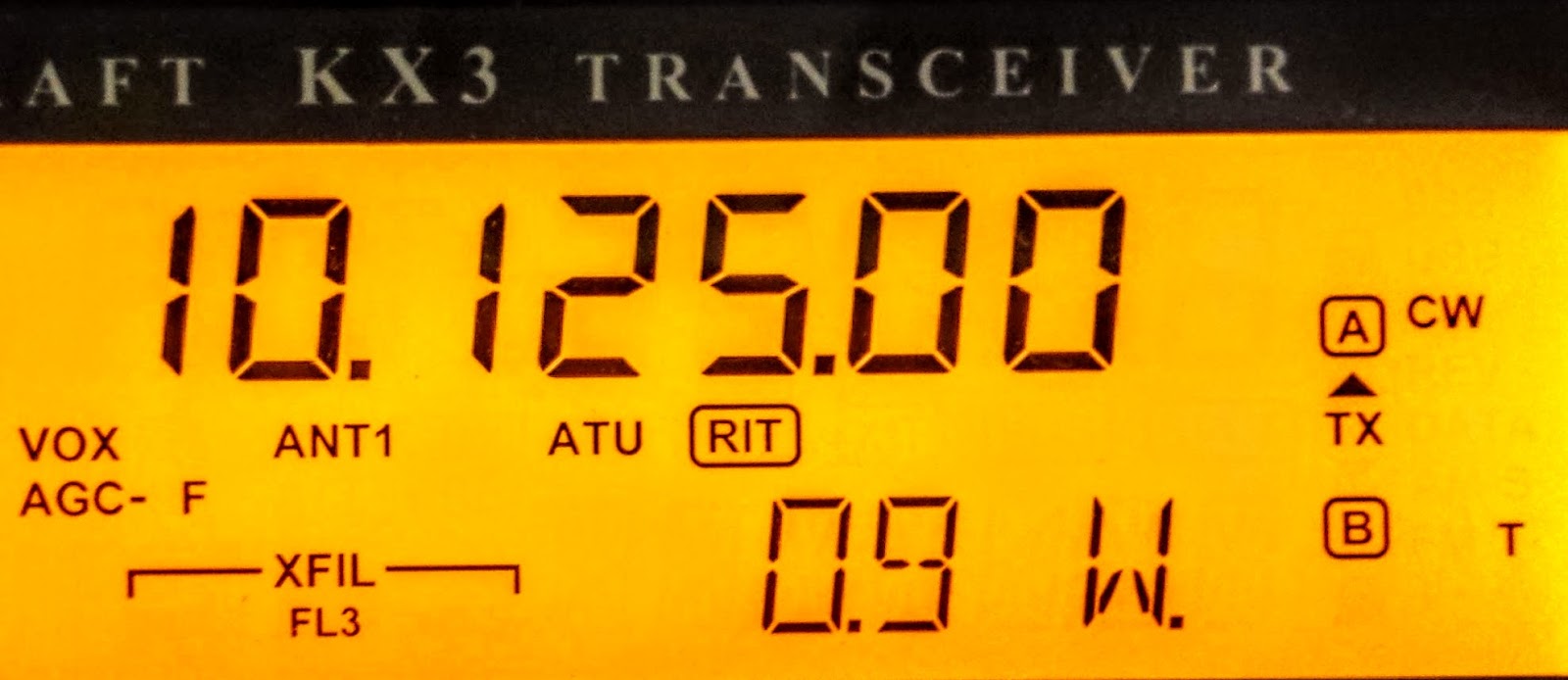
I had a good afternoon playing radio on 40m, 30m, 20m and 17m
I like 30m because that band seems to be more laid back and I seem to have some of the longest ragchews there. One of the QSOs began with a fellow in CT using a K2 at 80w while I was running 5w.
As the QSO progressed he was surprised by how well he could hear a QRP station. This seems to be repeated often enough to me that I asked him to lower his power and see how it goes.
He lowered his power from 80w to 50w and I gave him a signal report that didn't differ from his original. Then he came down to 20w and I dropped him a point. Eventually he lowered his power down to 5w while I went to about 1w. We continued to have our QSO although QSB started to make copy difficult but the main thing was that he was very surprised that he could come down to 5w and have me hear him and that he could still copy me at 1w. We were both using wire antennas and he was about 500 miles north of me. Solar Flux was only 107 today so it wasn't particularly stellar (pun intended) and it wasn't grey line by any means.
I think QRP operators should encourage QRO operators to try lowering their power just as an experiment. After all we are supposed to use just enough power for communication, rather than all that we can generate. I generally start at 5w and if a station is having difficulty or gives me a 339 I'll turn it up to my scorching 12w.
Save power, save the planet. Maybe we can design a CW key that generates enough power to run our milliwatt rigs.
So lower your power and raise your expectations
73 es 72
Richard
N4PBQ
Made my first satellite QSO
As well as flying a high altitude balloon another of my aims this year was to finally make a satellite QSO. Pleased to say last night I finally achieved it!
Last month Abdel Mesbah M0NPT chairman of the Hucknall Rolls-Royce ARC came to South Kesteven ARS to give an informative talk on operating amateur radio satellites. Abdel was the first UK operator to receive the AMSAT-UK 73 on 73 award for making 73 confirmed contacts via the FUNCube satellite AO-73. http://amsat-uk.org/2015/01/28/abdel-m0npt-73-on-73-award/
Abdel explained all the current active satellites, how to work through them and gave hints and described techniques for achieving success on this more challenging mode of operation.
Spurred on I opted to target the SO-50 satellite which until very recently this was the only satellite carrying a FM transponder. The satellite receives on 145.850 MHz and retransmits them on 436.800 MHz (+/- 10 kHz Doppler shift). Operation requires the use of CTCSS (PL) tones of 74.4 Hz which starts a 10 minute timer and then a 67 Hz tone used for the contact. More details of how to operate and a video are on the AMSAT-UK website
I initially tried using just a suitably programmed Baofeng UV-5R with a NA771 whip and could clearly hear the downlink on higher passes, I called a few times with no luck.
I hadn't monitored SO-50 much before and sadly it seems to suffer from very poor operating, with stations calling over contacts in progress, or stations continually calling CQ CQ seemingly oblivious to any reply and those that just keep calling "hola hola hola" for whatever bizarre reason! I would be lucky to get through the QRM with just the whip so I needed a better antenna.
Despite being extremely busy at the National Hamfest last weekend I did manage to get hold of a dual band Yagi that was reasonably lightweight for hand held use and capable of being easily dismantled for transporting. (The Moonraker YG27-35 Dual Band) it has a single feed point and two adjustable gamma match sliders and was easy to adjust using my analyser.
It has a single feed and I tried it with the Baofeng and reception of the downlink was excellent, again on a couple of passes I tried answering calls with no success.
Last night I decided to try again but with the FT-857D set at 10W output. I put it on a small workbench in the garden and powered it from my portable SLA battery. I ran split operation with the 2m Tx VFO set at 145.850MHz with 67Hz CTCSS, the 70cm Rx VFO set at 436.800Mhz I was able to adjusted it down in 5kHz steps during the pass. I got the wife to take a picture while I was operating.

As I started to hear the downlink I heard Abdel M0NPT calling and answered him, I was shocked when he came back and we exchanging details - that was it I had made my first QSO via an amateur radio satellite! Then amazingly other stations started calling me and I was able to also work DO2SYD.
I did manage to record it on a small dictaphone (did have a bit of a brain fade with my callsign at one point!)
I could get hooked on this... There is also the new LilacSat-2 (CAS-3H) satellite with a FM transponder to try to work!So much to do, so little time...
Last month Abdel Mesbah M0NPT chairman of the Hucknall Rolls-Royce ARC came to South Kesteven ARS to give an informative talk on operating amateur radio satellites. Abdel was the first UK operator to receive the AMSAT-UK 73 on 73 award for making 73 confirmed contacts via the FUNCube satellite AO-73. http://amsat-uk.org/2015/01/28/abdel-m0npt-73-on-73-award/
Abdel explained all the current active satellites, how to work through them and gave hints and described techniques for achieving success on this more challenging mode of operation.
Spurred on I opted to target the SO-50 satellite which until very recently this was the only satellite carrying a FM transponder. The satellite receives on 145.850 MHz and retransmits them on 436.800 MHz (+/- 10 kHz Doppler shift). Operation requires the use of CTCSS (PL) tones of 74.4 Hz which starts a 10 minute timer and then a 67 Hz tone used for the contact. More details of how to operate and a video are on the AMSAT-UK website
I initially tried using just a suitably programmed Baofeng UV-5R with a NA771 whip and could clearly hear the downlink on higher passes, I called a few times with no luck.
I hadn't monitored SO-50 much before and sadly it seems to suffer from very poor operating, with stations calling over contacts in progress, or stations continually calling CQ CQ seemingly oblivious to any reply and those that just keep calling "hola hola hola" for whatever bizarre reason! I would be lucky to get through the QRM with just the whip so I needed a better antenna.
Despite being extremely busy at the National Hamfest last weekend I did manage to get hold of a dual band Yagi that was reasonably lightweight for hand held use and capable of being easily dismantled for transporting. (The Moonraker YG27-35 Dual Band) it has a single feed point and two adjustable gamma match sliders and was easy to adjust using my analyser.
It has a single feed and I tried it with the Baofeng and reception of the downlink was excellent, again on a couple of passes I tried answering calls with no success.
Last night I decided to try again but with the FT-857D set at 10W output. I put it on a small workbench in the garden and powered it from my portable SLA battery. I ran split operation with the 2m Tx VFO set at 145.850MHz with 67Hz CTCSS, the 70cm Rx VFO set at 436.800Mhz I was able to adjusted it down in 5kHz steps during the pass. I got the wife to take a picture while I was operating.

As I started to hear the downlink I heard Abdel M0NPT calling and answered him, I was shocked when he came back and we exchanging details - that was it I had made my first QSO via an amateur radio satellite! Then amazingly other stations started calling me and I was able to also work DO2SYD.
I did manage to record it on a small dictaphone (did have a bit of a brain fade with my callsign at one point!)
I could get hooked on this... There is also the new LilacSat-2 (CAS-3H) satellite with a FM transponder to try to work!So much to do, so little time...













