Archive for the ‘ham radio’ Category
 Smoky Mountain Summits On The Air
 September 5th, 2017 |
  Author:
Joyce/K0JJW and I were getting prepared for a trip to Gatlinburg, TN in August with some of her family. Gatlinburg is the gateway town to the Great Smoky Mountains National Park and the surrounding area. I had hiked and camped in the Smokies years ago and this was a great opportunity to visit that area again. Of course, we needed to get in a little Summits On The Air (SOTA) action during this trip.
We decided to pick out some easy-to-access summits in the area so we could weave them into the trip without too much disruption. My first step was to consult the SOTA database for potential summits in Tennessee and North Carolina, looking at the summits with the most activations. This is usually a good indication of easy access and not too difficult of a climb. I did pick out two iconic summits to activate: Clingmans Dome (this highest summit in the national park) and Mount Mitchell (the highest summit east of the Mississippi river in the US). After checking the various trip reports logged on the SOTA web site, I created a list of potential target summits. Clingmans Dome and Mount Mitchell were Must Do but any other summits would be more opportunistic based on available time and location.
We are using VHF/UHF for SOTA activations and opted for a basic FM station for this trip: a pair of Yaesu FT-1D handhelds, a couple of vertical antennas and a 3-element Arrow yagi antenna for 2 meters. I debated about whether to bring along the yagi but the split-boom design fits into my luggage without any problem. In the end, I am glad we had the yagi as several of the contacts would have been missed without it.
Greentop
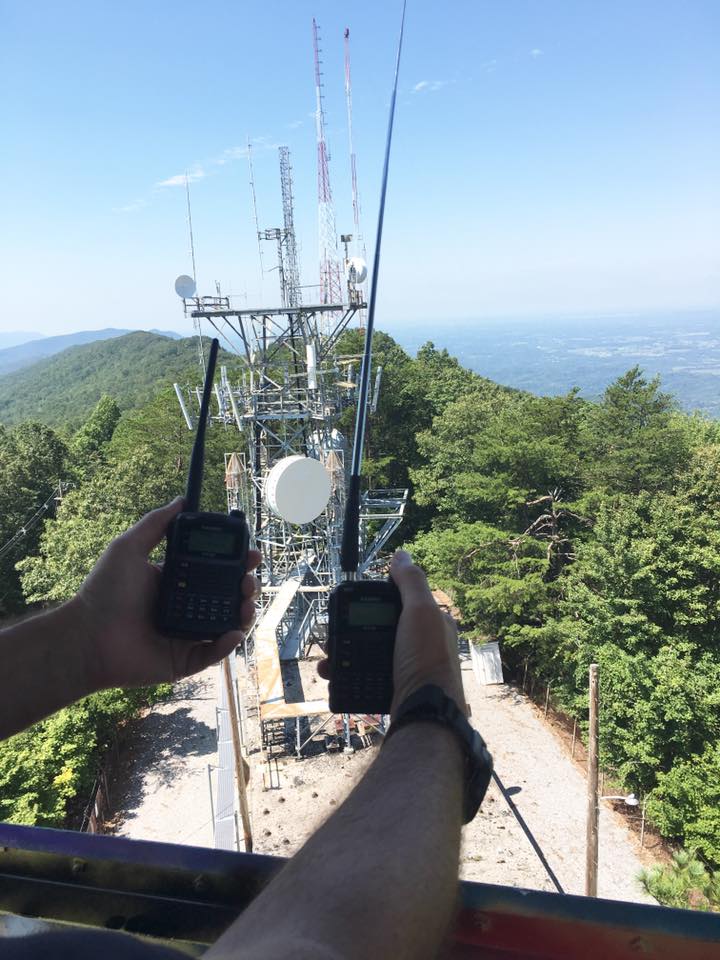
Greentop (W4T/SU-076) was our first summit…basically a driveup mountain with radio towers and a lookout tower on top. I noticed quite a bit of interference on the 2 meter band, something I’ve encountered in previous activations near transmitter sites. It turns out that putting a more effective antenna on an HT (such as a half-wave vertical) couples more of the interference into the receiver and degrades its performance. On the other hand, the standard rubber duck antenna picks up less of the interference and performs better then the “good” antenna. After I realized this was happening, I tried using two HTs with reasonable results: one radio with a rubber duck was used for receive on 146.52 MHz while another radio with a half-wave antenna was used for transmitting. The net result was reasonable performance that allowed us to make contacts on 2m fm.
Clingmans Dome
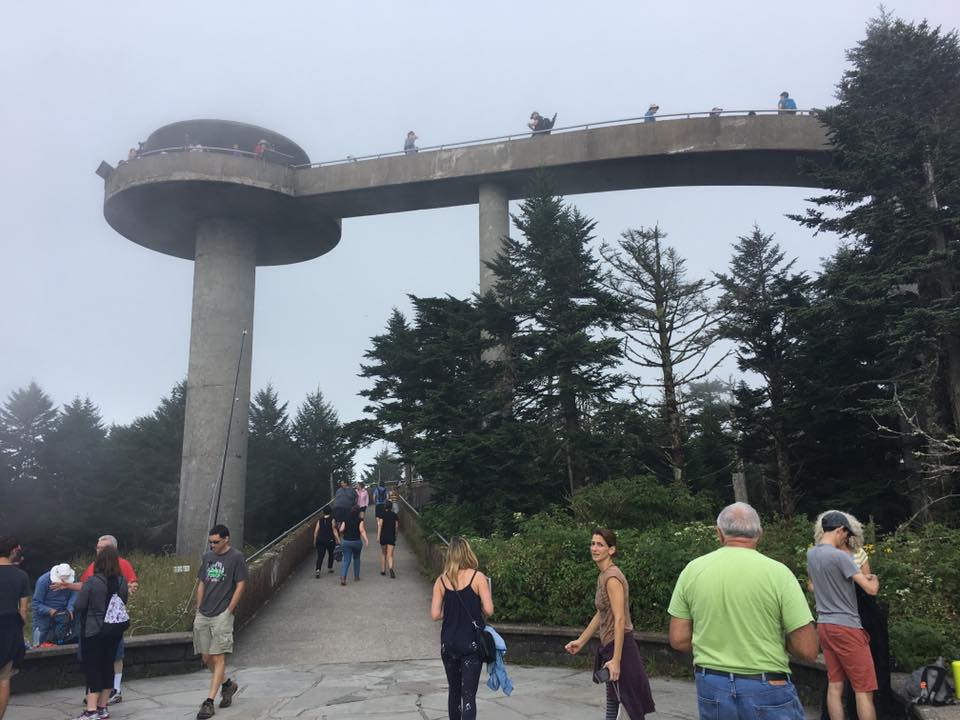
Clingmans Dome (W4C/WM-001) is a popular tourist spot in the Great Smoky Mountain National Park. Parking is a challenge and there are quite a few people on the short trail to the summit.
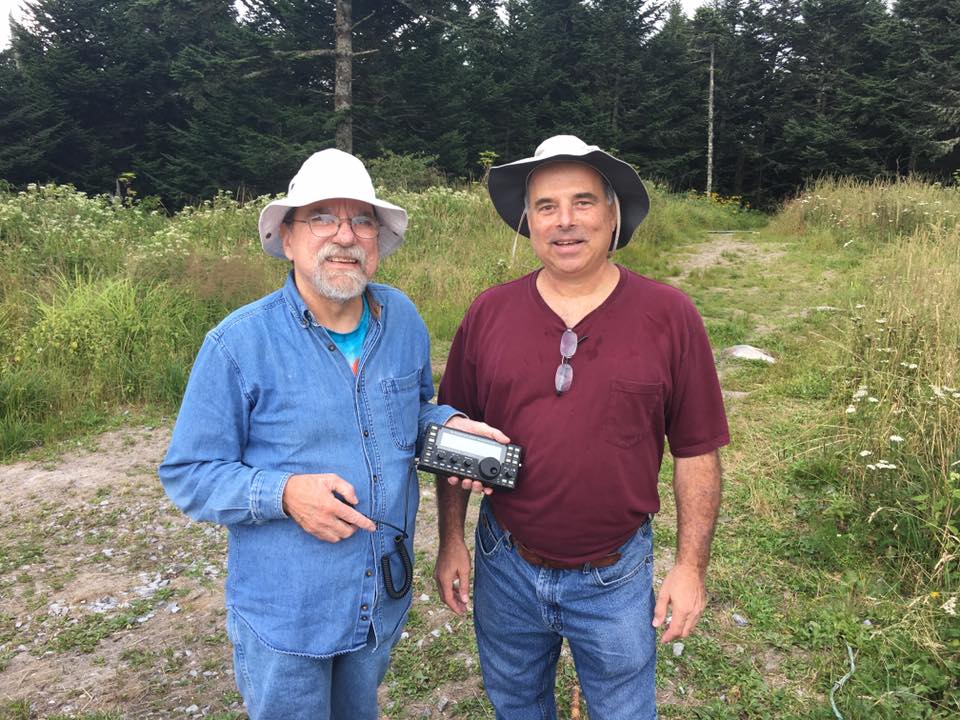
Although it sits right on the border of Tennessee and North Carolina, it is in the W4C (Carolinas) Association for SOTA purposes. As I approached the summit, I saw a fishing pole sticking up in the air. I thought “huh, I wonder what the rangers are demonstrating today.” Followed by “Hey, wait a minute, that looks like a SOTA activation.” Sure enough, I met W2SE and WI2W setting up on 20m CW. Joyce and I headed to the observation tower and worked 2m from up there. There were quite a few people on the observation tower so I considered just operating from down below. I decided to leave the yagi in the backpack and just use the half-wave vertical. We fit right in with the chaos of tourists on the tower.
Mount Mitchell
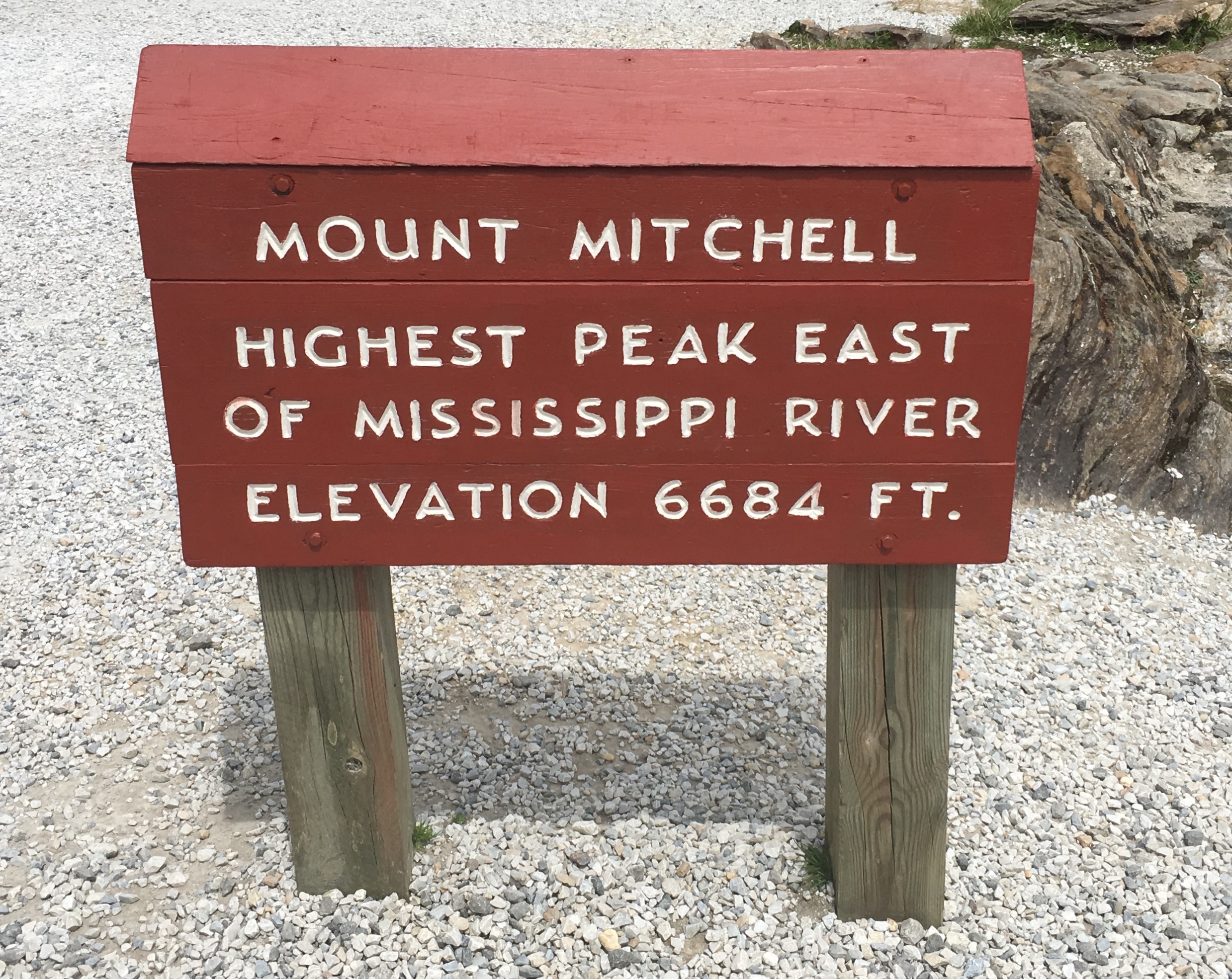
At 6684 feet in elevation, Mount Mitchell (W4C/CM-001) is the highest point in the USA east of Mississippi River. (Interesting perspective: our house in Colorado is 800 feet higher than this summit.) We started with just the 2m vertical but switched to using the yagi when we had trouble copying a few stations. It definitely made a difference…probably 6 dB or so. When signals are near the FM threshold, this can pull them out of the noise.
One of the highlights on Mitchell was working Kevin/K4KPK on Walnut Mountain, summit to summit. Kevin is very active in SOTA and has contributed many SOTA summit guides in the area. I made good use of these reports when planning our trip.
Richland Balsam and Waterrock Knob
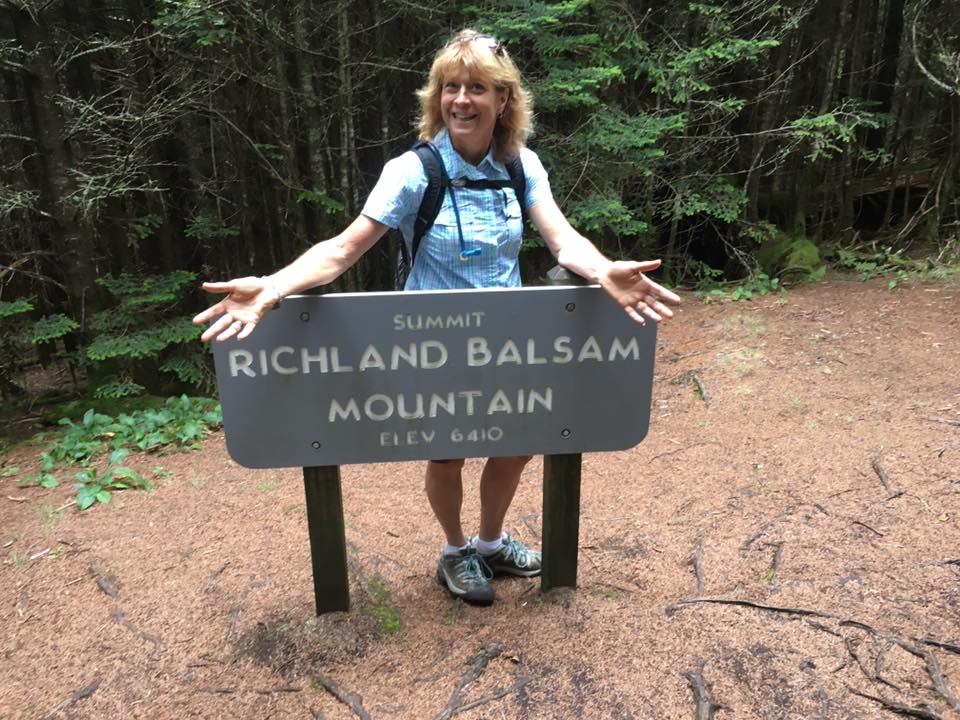
We discovered a number of summits right along the Blue Ridge Parkway and we ended up working these two: Richland Balsam (W4C/WM-003) and Waterrock Knob (W4C/WM-004). Another flashback for us was driving sections of the parkway, which is a lovely drive (typically 45 MPH speed limit) that winds through the mountains. It has been years since we’ve been on that road. This route is something I’d like to explore further on a future trip as you could spend a week wandering along the parkway and knocking out summits.
We worked Pat/KI4SVM on 2m fm from Watterock. I recognized his callsign from the trip reports he has submitted to the SOTA web site. Later, I looked up his SOTA score and found that he is a double Mountain Goat (> 2000 activation points) and the highest scoring activator in the W4C association.
Brasstown Bald
The Mountain Explorer Award is a SOTA award for activating in different SOTA Associations (regions). Activating in Tennessee (W4T association) and North Carolina (W4C association) got my total to 6. Joyce pointed out that we might be able to also hit Georgia on the trip, so we added Brasstown Bald (W4G/NG-001) to the list. This is the highest summit in Georgia, so it rounded out our collection of state high spots for TN, NC and GA.
Brasstown Bald is an easy hike up summit with a significant observation tower on top, including a visitors center. This is another location where we experienced interference from radio gear on the summit, so we chose our position carefully and used the 2m yagi to point away from the interference sources.
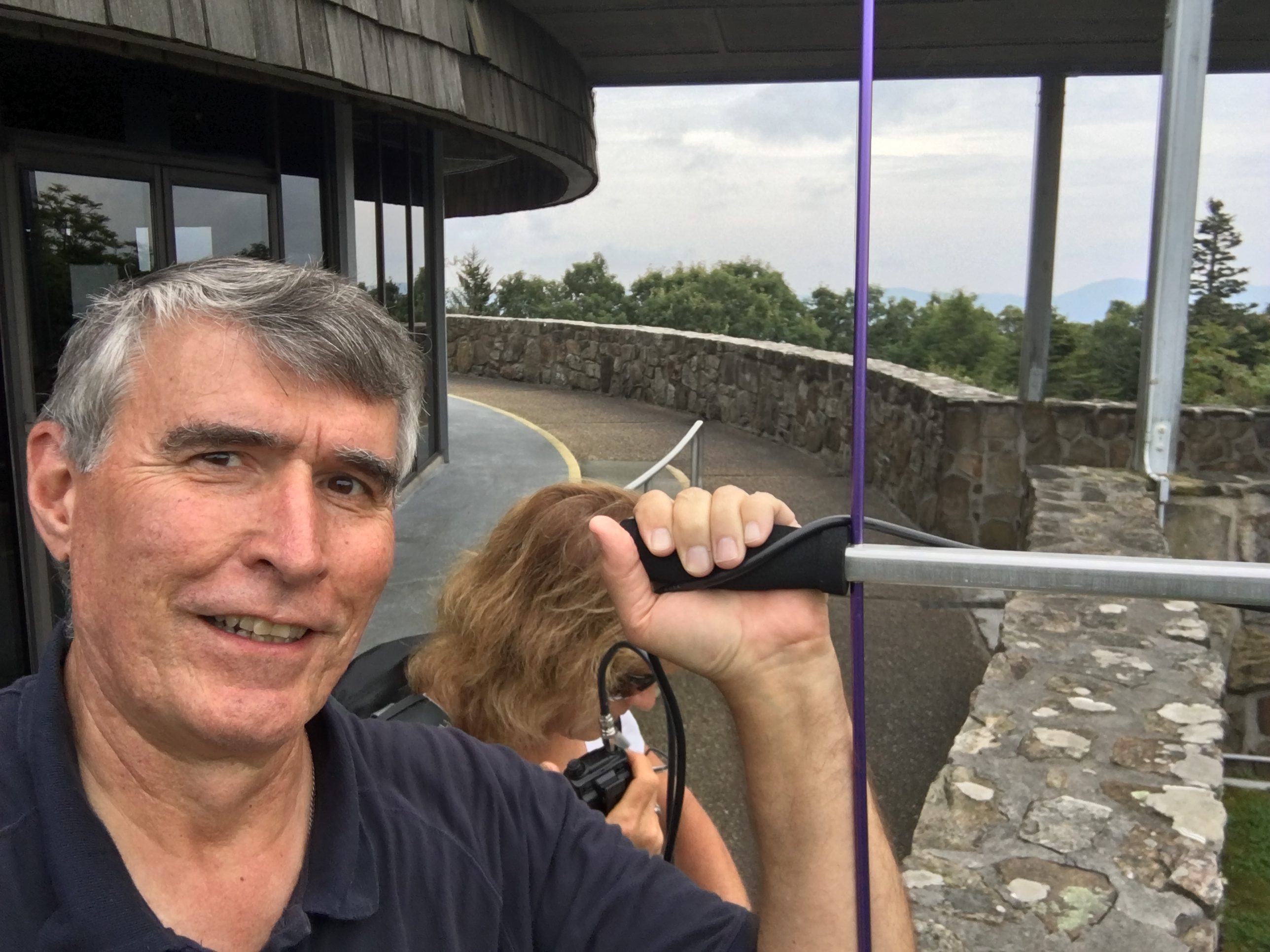
This trip worked out really well. We managed to activate 6 summits for a total of 58 points, operate from three new SOTA associations (W4T, W4C and W4G), enjoy some really nice hikes and see some great scenery. I was a little concerned whether we would find enough random activity on 2m fm for our SOTA activations but it all worked out. Actually, there were a few times that 146.52 MHz was busy and we had to standby to make a call. Some of our contacts were less than 25 miles but many covered 100 miles or more. Yes, the 3-element yagi made a difference.
If you are in the Gatlinburg area, it certainly makes sense to try a few SOTA activations. I am also thinking about a return trip to enjoy the area more fully including some longer hikes. We really liked hiking the trails and summits there. The elevation is lower than Colorado (read: you have oxygen to breath), the forests have lots of deciduous trees (not just evergreens) and the trails are less rocky. I am sure we will be back.
73, Bob K0NR
The post Smoky Mountain Summits On The Air appeared first on The KØNR Radio Site.
ETH084 – Hurricane Harvey, Solar Eclipse, HamJam 2017 and More…
In this episode, I am joined by Ian Kahn, KM4IK, as a guest co-host. Ian has been on my podcast before in episode 69 where we talked about PSK31 and in episode 74 where we talked about Field Day. I have really enjoyed having Ian on my show and was happy that he agreed to join me in this episode as a guest co-host.
We had a great conversation about many major things that have happened recently.
We start off talking about the major event hitting my home state of Texas and reeking major damage all along the Gulf Coast. Yea, I’m talking about Hurricane Harvey. I have several friends that are helping out right now down in the disaster area and more planning on deploying there soon.
We continue our discussion with last weeks major event, the “Great American Solar Eclipse”. We talk about our experience was, some things that we saw and was other hams around the country were doing, including the study that was performed by HamSci.
We went on to talk about how it never seems to fail how things always “come back into style”. Morse code is coming back to the Navy, HF is being taught to the national guard to use instead of relying totally on Satellite Phone communications and also how there is a push to get back into using Earth base navigation for ships at least as a back up to GPS.
We wrap up the episode by talking about HamJam 2017 in November. HamJam is a ham radio conference with three great speakers talking about three great topics. There are several really awesome raffle items.
Calling Olivia-mode Operators (from All Regions)
Calling all Olivia-mode operators with experience using the Olivia digital mode in all areas of the world:
Please join our Facebook group at the following link. We are discussing important operational changes!
If you are on Facebook, and interested in the Olivia HF radioteletype chat mode, please join the community group at the following link: https://www.facebook.com/groups/olivia.hf/
If you want to join our discussion by way of the Olivia group on Groups.io, please feel free to spread the news, and also to subscribe to that group email reflector. We’ll start discussions, soon. Here’s the link: https://groups.io/g/Olivia
OLIVIA (Also, Olivia MFSK) is an amateur digital radioteletype mode designed by Pawel Jalocha, SP9VRC, starting in 2003, and in use by 2005. The Olivia-mode goal was to be effective even in poor propagation conditions on the high frequencies (shortwave).
OLIVIA can decode well under noise, propagational fading (QSB), interference (QRM), flutter caused by polar path propagation and even auroral conditions and sporadic-E. Olivia uses a 7-bit ASCII alphabet. There were a handful of amateur digital modes that were derived from Olivia, including RTTYM and PAX.
Outside of amateur radio two-way communication, this mode is utilized during the tests run by the VoA every weekend. See the VoA RadioGram website, VoARadiogram.net, for the schedule.

The Olivia QSO between K4SOL and NW7US using 16/500 mode settings on shortwave, 2017-AUG-06 @1410UTC
The first on-the-air tests were performed by two radio amateurs, Fred OH/DK4ZC and Les VK2DSG on the Europe-Australia path in the 20-meter amateur band. The tests proved that the protocol works well and can allow regular intercontinental radio contacts with as little as one watt RF power. Since 2005 Olivia has become a standard for digital data transfer under white noise, fading and multipath, flutter (polar path) and auroral conditions.
Voluntary channelization
Since Olivia signals can be decoded even when received signals are extremely weak, (signal to noise ratio of -14 dB), signals strong enough to be decoded are sometimes below the noise floor and therefore impossible to search for manually.
As a result, amateur radio operators have voluntarily decided upon channelization for this mode. This channelization allows even imperceptibly weak signals to be properly tuned for reception and decoding. By common convention amateur stations initiate contacts utilizing either the 16/500 or 32/1000 modes and then switch to other modes to continue the conversation. The following table lists the common center frequencies used in the amateur radio bands.
The traditional channels are now under heavy use by newer modes. Thus, this Olivia group is working on refiguring the strategy for continued use and channelization. Please join us for discussion.
https://www.facebook.com/groups/olivia.hf/
[embedyt]https://www.youtube.com/watch?v=g-EXniWF79w[/embedyt]
[embedyt]https://www.youtube.com/watch?v=FUjiBVsXrzE[/embedyt]
[embedyt]https://www.youtube.com/watch?v=Yz7a–ePSNs[/embedyt]
Thank you,
Tomas / NW7US
What a Zoo!
The question I raised in my article about JT65’s success (“Who’s next?”) has already been answered: Joe Taylor. The same guy that brought us the JT mode of families has devised the mode FT-8, developed together with Steven Franke (K9AN). It’s basically turbo charged JT65, with a message length of only 12.64 seconds and transmission beginnings synced to the next 15 second interval. It’s not as sensitive as JT65, but that might change when a priori information is added at a later stage.
My version of WSJT-X was automatically updated to 1.8.0-rc1 on July 11th and just for fun I decided to check out if there was any FT-8 activity. There was: a couple of VKs and JAs. I was a bit surprised, because I had been monitoring FSQ which has been around for a while already and I couldn’t find any activity. FT-8 had only just been introduced so that was a good sign. It got even better when I noted some European stations popping up in the local evening. I tried my hand at making a QSO, but couldn’t get through, so my first ever FT-8 QSO was with HS7WMU from Thailand. The reason why I couldn’t get through became clear later: the delta loop for 6 meters was still hooked up to the rig! After switching to a proper antenna if became apparent that even my modest verticals didn’t have any problem in getting through to Europe. Even better, stations from the east coast of the US were also coming in fine early evening and I also had no problem working them. (Over here in Taiwan the eastern US is one of the more difficult regions of the world to work).
Over the course of the next few weeks I noticed a steady increase in the number of stations I could receive. The statistics page of pskreporter.info backs this up. As I write this the number of FT-8 spots over the last 2 hours outnumber the JT65 spots 2 to 1. JT9 has already been relegated to the margins, so it seems Amateur Radio’s new favourite mode has become FT-8.
I have always been critical of the JT modes, mainly because they reduce QSOs to a 599 exchange with no possibilities to engage in a more meaningful conversation. Plus, JT65 is boringly slow. So, how do I feel about FT-8? Well, it’s not slow at all. In fact, you don’t even have time to push the appropriate macro buttons on the screen, so let WSPR-X do all the work for you. Even answering a reply to your own CQ can be handled automatically, which frees your hands into doing something else (In my case practising guitar. I’m working on Lindsey Buckingham’s “Never Going Back Again“, but don’t expect any performance soon). Arm chair DXing but still no possibility to start a real conversation with the other party. Not great in my book.

Screen capture of WSJT-X with my first ever FT-8 QSO. Notice the checks with “Auto Seq” and “Call 1st”. Keep these on if you want smooth, automatically sequenced QSOs.
Still, I’ve been playing with FT-8 a lot and it is kind of fun. I normally only log some four hundred QSOs a year and in the last two years that has been reduced to forty or less. Honestly, till July 14 I only had 22 QSOs in my log for 2017. Now I’m way over 240 of which 212 are FT-8 QSOs. July 8th was the highlight so far: SSN of 11 and the K index only 1, so pretty good ionospheric conditions. Within 4.5 hours I worked 50 stations from 19 DXCC entities, working from the east coast to the west coast of the US (I added four new states for my WAS), then into Europe. I hardly had any time to put out CQs, because the next station was already calling me before the previous QSO was finished. The pass band on the scope was filled to the brim, when one anonymous ham sent out the cry that became the title of this post: “What a Zoo!”

Screen capture of pskreporter with all the stations I received on August 8 in the span of 4.5 hours.
He may have found it a zoo, but I like zoos, a lot. All joking aside, the one thing that really attracts me to FT-8 is the fact that you can do real time ionospheric observations. WSPR was meant for this, but the number of WSPR stations is too small and signals are too infrequent to be very accurate in my opinion. By constantly monitoring the FT-8 pass band I already noted a couple of sudden ionospheric disturbances and even a complete black out. Sometimes it only takes minutes for conditions to change from favourable to abismal and as a self reliant ham FT-8 is then a nice monitoring tool to have.
So apart from Antenna Summer, this has also become FT-8 Summer. Until the end of August (summer break) I will be active from 05 to 15 UTC most days, calling CQ a lot. I’m on 20 meters only, so if you see me on your waterfall there give me a call.
ETH081 – Flying Around the World with Brian Lloyd

I’m sure that all of you have heard about Amelia Earhart and how she wanted to become the first woman to fly solo around the world. On June 1, 1937, she and her navigator took off from an airport in Florida and attempted to do just that. She however didn’t make it, but she came close. Her plane disappeared somewhere in the Pacific ocean.
Eighty years later, Brian Lloyd, WB6RQN, decided that he would attempt to fly around the world solo following(for the most part) her historic flight. Thankfully, Brian made it home back here to Texas, however it wasn’t without it’s problems.
In this episode of the Everything Ham Radio Podcast, we talk with Brian about his trip We talk about all the highs and lows, about all the awesome people that helped him along the way and generally about his adventure.
Give this episode a listen, I had a great time talking with Brian and I hope that you enjoy listening in on our conversation. You can find the show notes for the episode as well as listen to it at:
SOTA Activation: Mount Peck (W0C/SP-053)
Mount Peck (W0C/SP-053) is a 12,208 foot summit near Monarch Pass, accessible via a 2.5 mile hike with ~900 feet of elevation gain. This is one of the most pleasant Summits On The Air (SOTA) peaks along the Continental Divide. For most of the route, you are hiking on the Continental Divide Trail (CDT), with outstanding views in all directions. It is always a treat to hike on the CDT, which is like walking on top of the world.
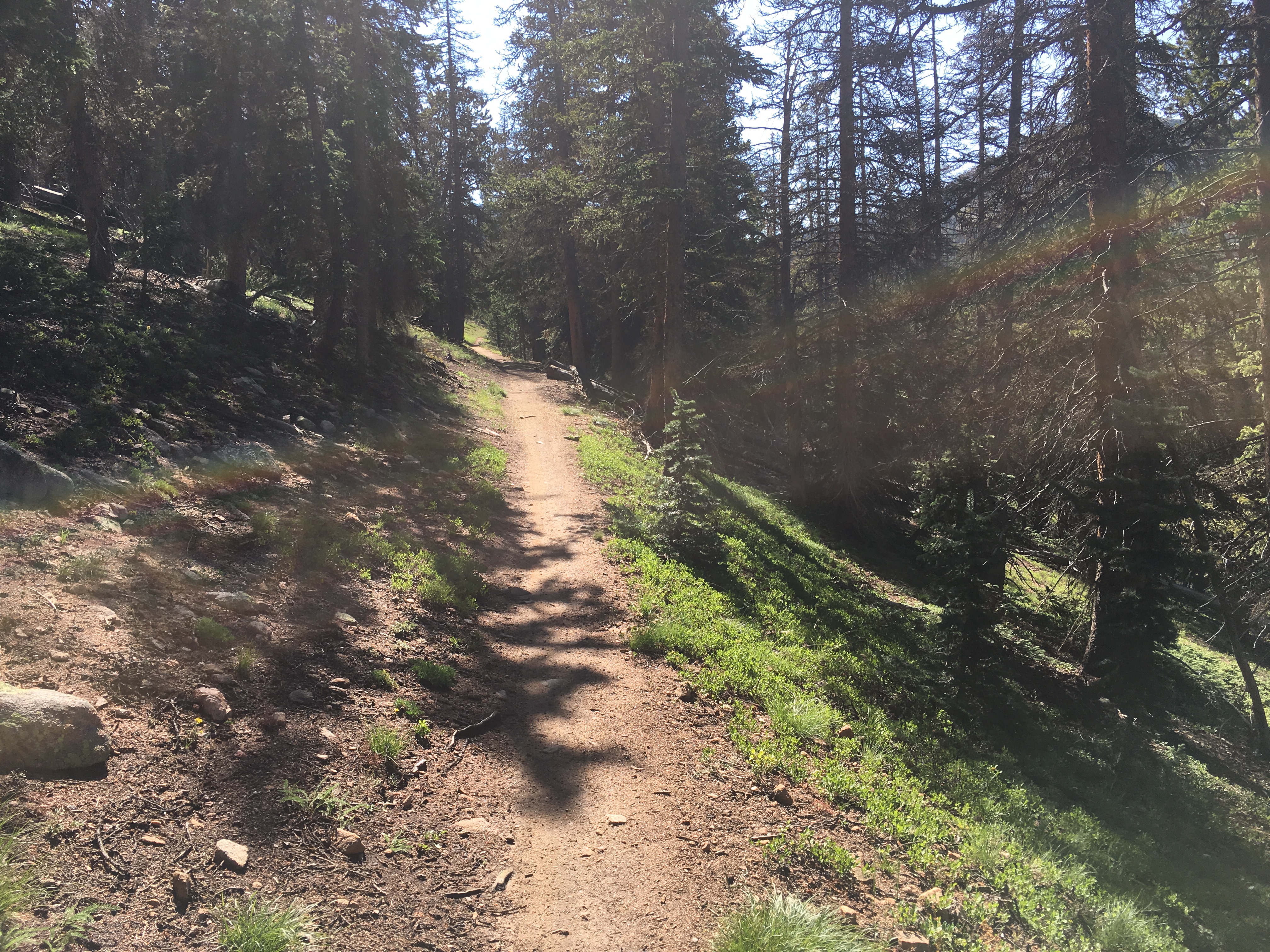
The hike starts at the parking lot at Monarch Pass. (I’ve adapted these directions from Walt W0CP’s notes on the SOTA website.) Take the marked trail that goes behind the building of the Monarch Crest Scenic Tram. Proceed on this trail (really a road at this point) until the CDT exits off to the right (follow it). This section of the CDT is a popular mountain bike trail, so you may encounter bikers on the route. In fact, dirt bikes are also allowed…we encountered a few of them, too.
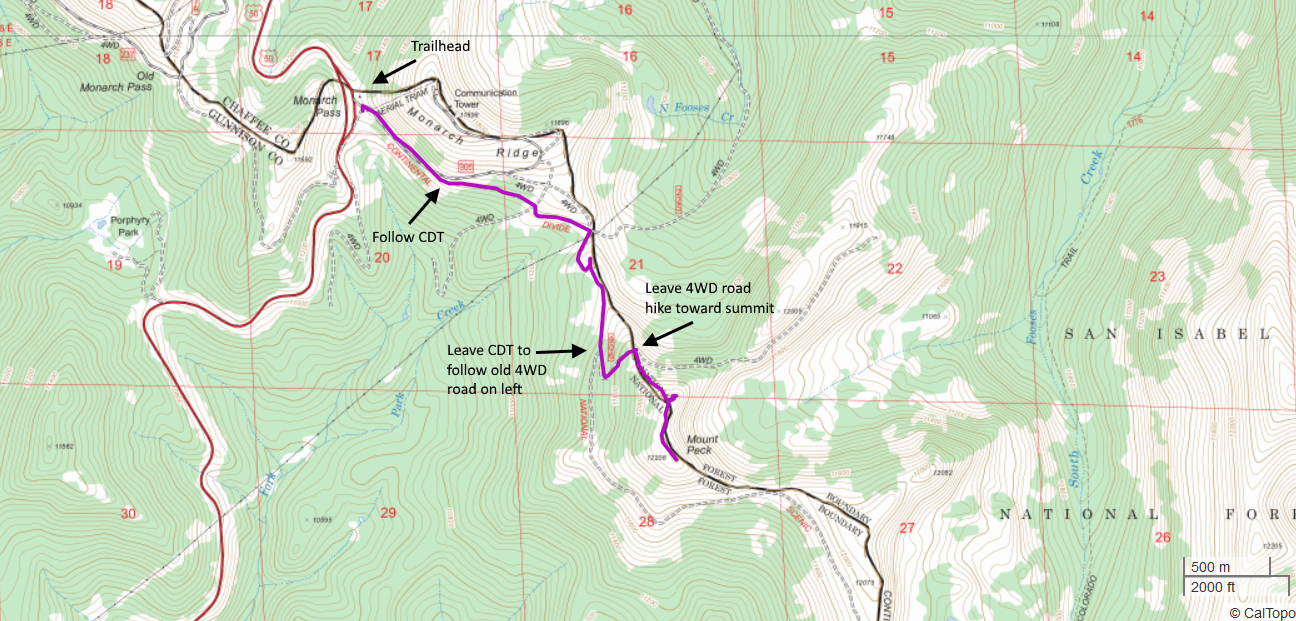
Stay on the CDT until you see an old 4WD road heading off to the left. Leave the CDT at this point and follow the road uphill. When the road crests and before it starts to go back downhill, leave the road and hike off-trail towards the summit. This is the steepest section of the hike where you gain the most elevation. Don’t forget to stop and enjoy the view. (My spouse started singing songs from The Sound of Music at this point.)

Often hiking on old 4WD roads can seem just like that: hiking on a road and not very enjoyable. This route is not that way…it is actually quite pleasant as the “road” is not rocky or rutted and just seems like an extra-wide trail.
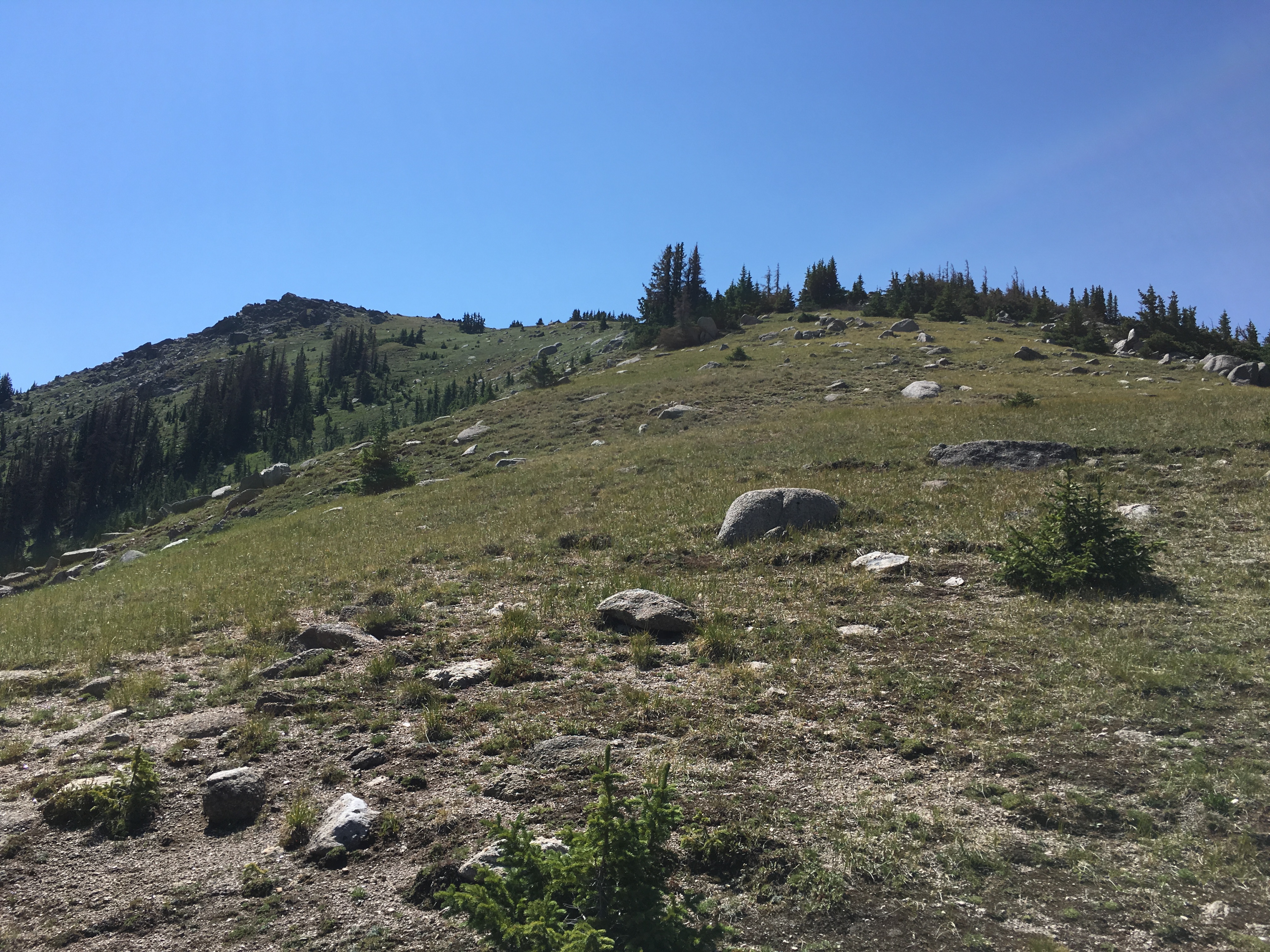
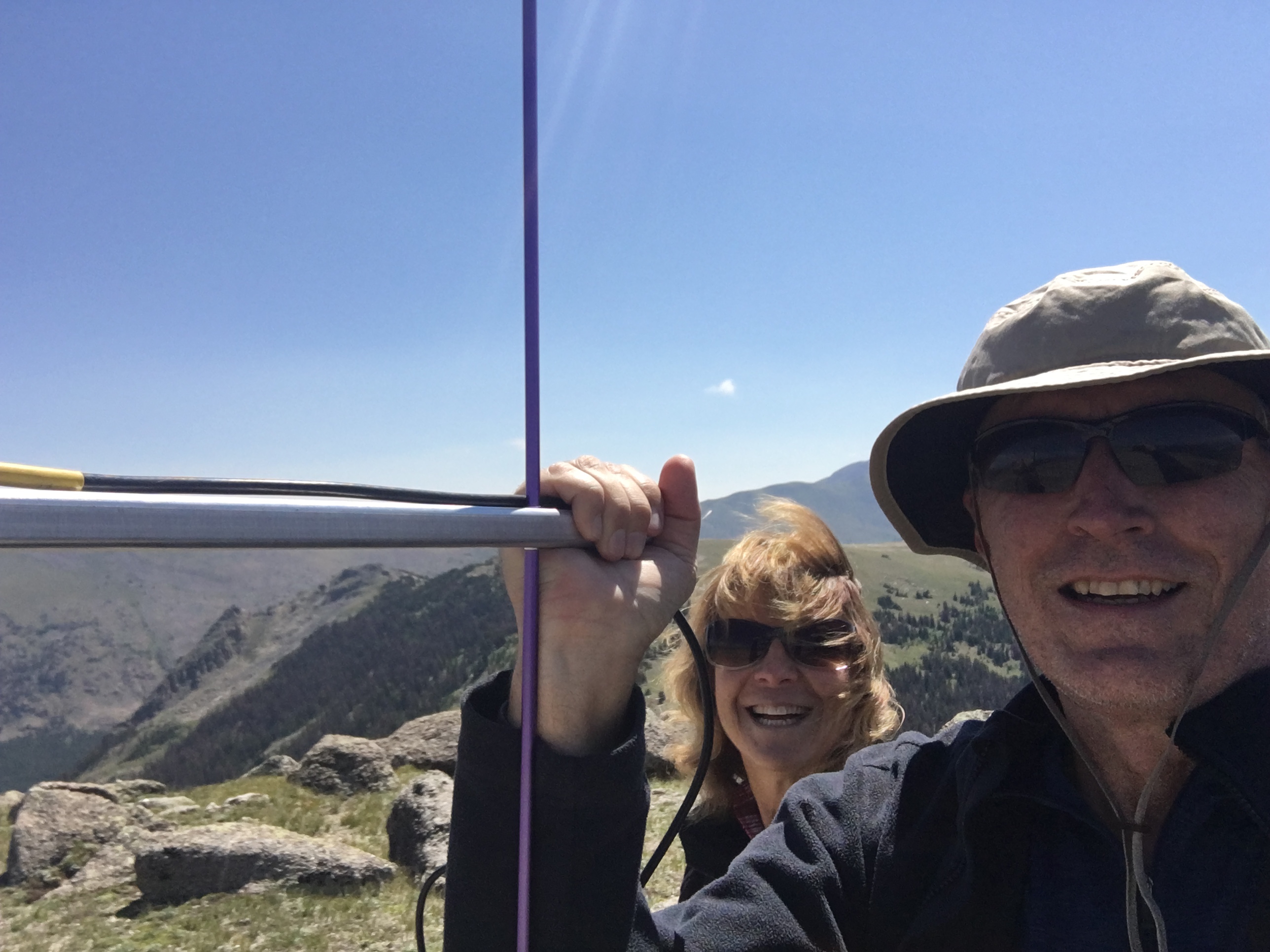
We had great weather on the summit and managed to work a number of stations on 2m fm (Yaesu FT-1D driving a 3-element Arrow yagi antenna). This is a hike that we want to repeat in the future.
Another SOTA summit, South Monarch Ridge (W0C/SP-058) is nearby and it is possible to do both of these summits in the same day.
73, Bob K0NR
The post SOTA Activation: Mount Peck (W0C/SP-053) appeared first on The KØNR Radio Site.
Hallicrafters Shortwave Radio; Winning WWII With Technology (1944)
Great film about a great radio manufacturer and radio set.
In 1944, this short subject film was produced by the Jam Handy Organization and sponsored by the Hallicrafters Company. It shows the construction of the SCR-299 and dramatizes its use during World War II. This is a B&W documentary presenting a look at the manufacturing and use of the (now defunct) Hallicrafters Company’s SCR-299 “mobile communications unit.” This 1944 film, produced with help from the US Army Signal Corps, and by the Hallicrafters Company, explains how, using radio gear such as this Hallicrafters shortwave radio transmitter and receiver technology, the US Forces and Allies were better equipped to win World War II.
The SCR-299 “mobile communications unit” was developed to provide long-range communications during World War II. The US Military sought improvements of range, flexibility and durability over its existing SCR-197 and SCR-597 transmitters. In 1942, Hallicrafters Standard HT-4 was selected as the SCR-299’s transmitter, known subsequently by its military designation as the BC-610. The SCR-299 was first used on November 8, 1942, during Operation TORCH involving companies of the 829th Signal Service Battalion establishing a radio net that could exchange messages between beach-landed forces and bases in Gibraltar. Despite initial problems unloading the sets from convoy ships, the SCR-299s served until the installation of permanent Army Command and Administrative Network stations. According to US Army military historians, “General Dwight Eisenhower credited the SCR-299 in his successful reorganization of the American forces and final defeat of the Nazis at Kasserine Pass.”
The SCR-299 was a “self-contained” receiving and transmitting mobile high-frequency (HF; or, shortwave) station capable of operating from 2 MHz to 8 MHz. Using conversion kits, it could operate from 1 MHz to 18 MHz. The transmitter output reached 350 watts.
The entire unit came in a K-51 truck except for Power Unit PE-95 which was in a K-52 trailer. Power could either be supplied by the Power Unit and a 12-volt storage battery or 115-volt 60-cycle AC commercial power and two spare 6-volt storage batteries. The power requirement was 2000 watts, plus 1500 watts for heater and lights.
The system could be remotely controlled up to a distance of one mile (1.6 km) using two EE-8 field telephones and W-110-B Wire kit. Remote equipment was provided for remotely keying or voice modulating the transmitter, remotely listening to the receiver, and for communicating with the operator of the station.
Read more details here: http://en.wikipedia.org/wiki/SCR-299
Public domain film from the Library of Congress Prelinger Archive.
..
73 de NW7US
..













