 |
 QSL Cards From the Eighth Area Call Buro
 17 July 2013 | by
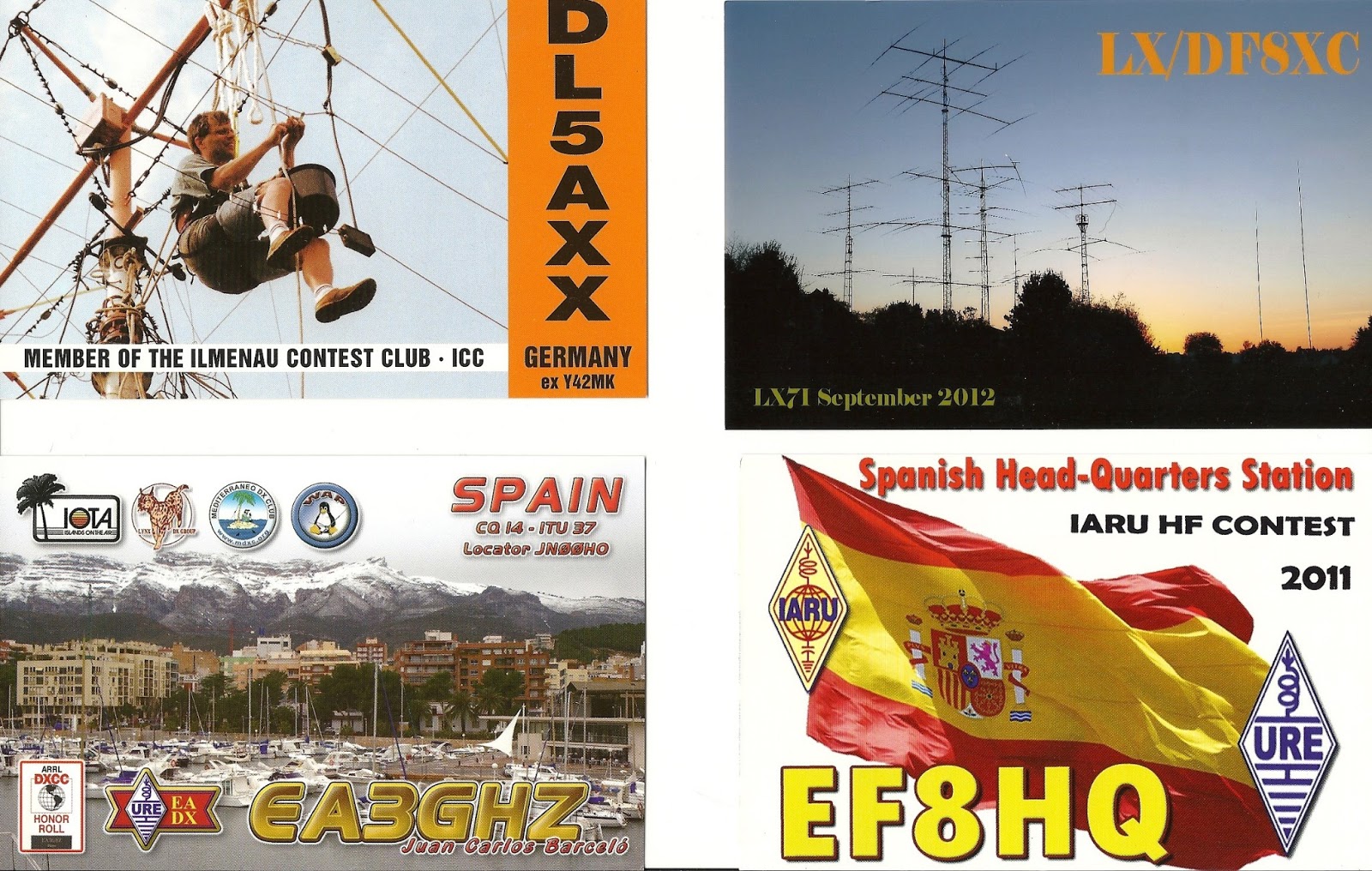
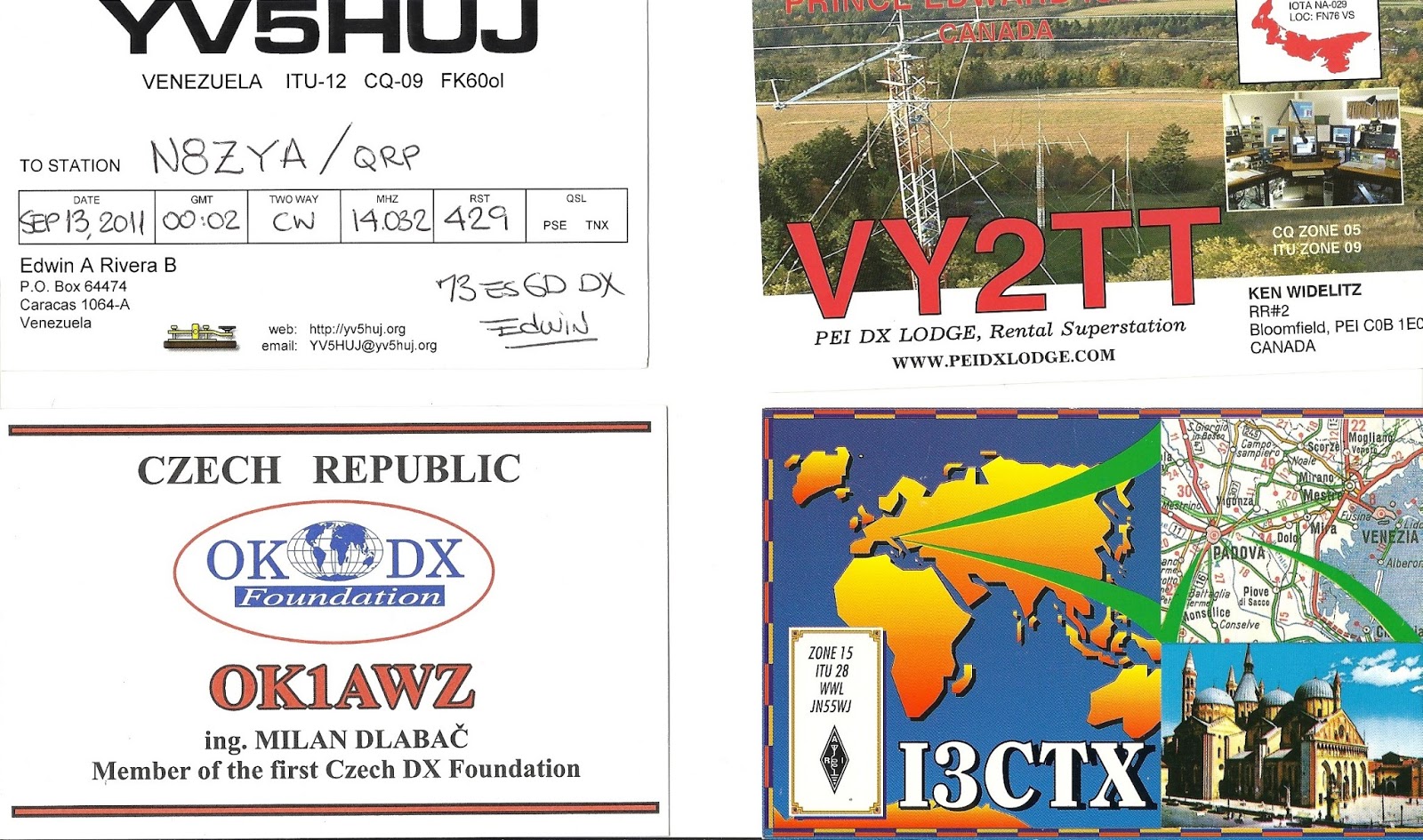
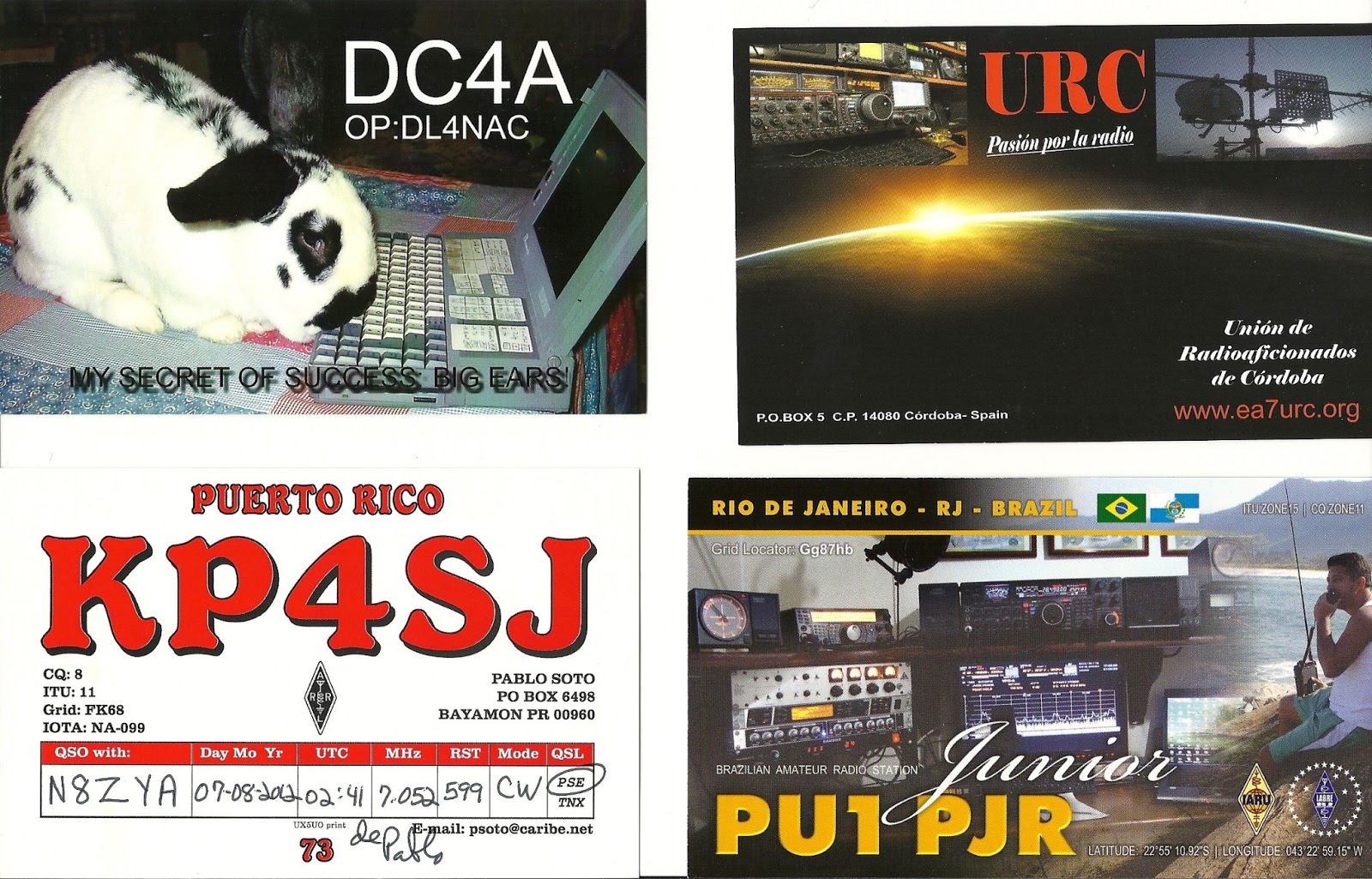
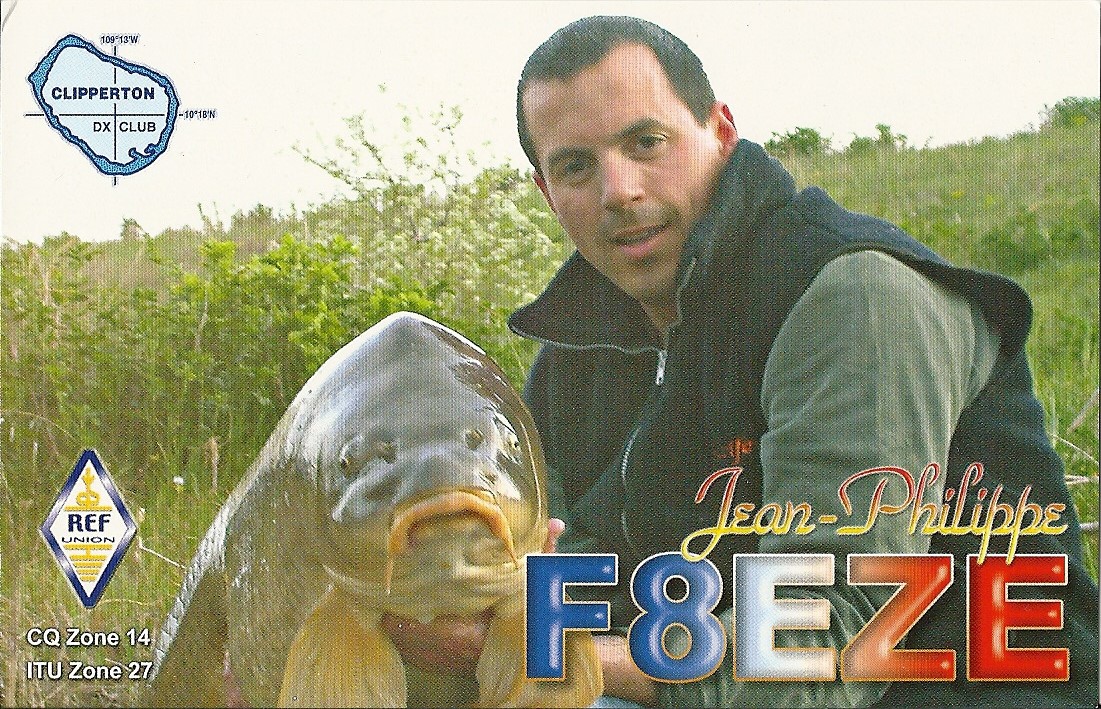
 I was pleasantly surprised this weekend when an envelope of QSL cards arrived from the Eigth Area Call Buro. I have paper cards which I return for those who prefer them. I do however, require a self addressed stamped envelope. I make an exception when DX cards are concerned and sent through this bureau. .
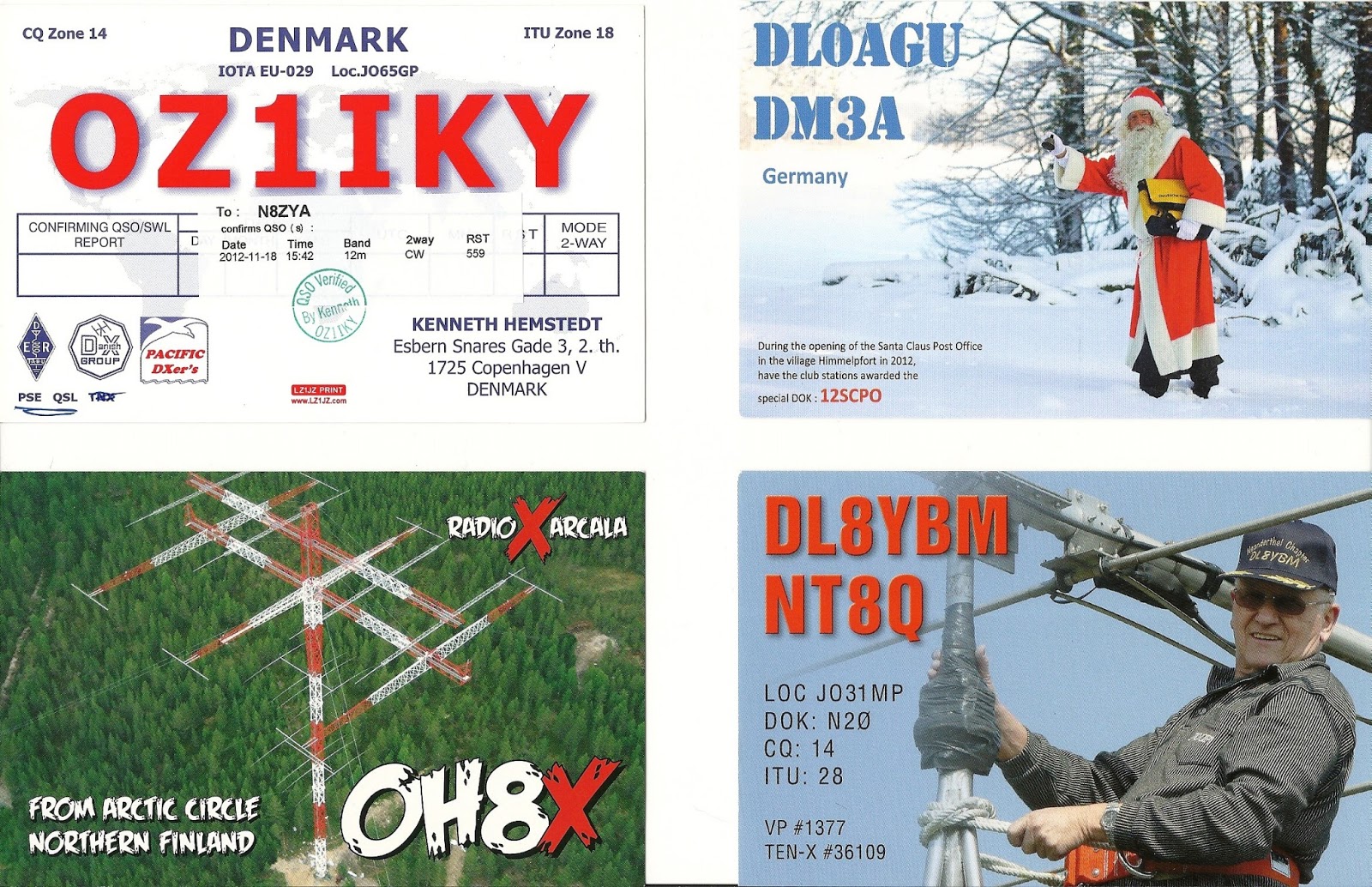
I addressed my return cards yesterday as I sat at a picnic table in the nearby forest. I will get them in the mail in the next few days. My son invited me to dinner in the forest and had all the necessary items to go with grilled Salmon. There’s nothing quite as tasty like food cooked on an open grill.
The weather has been blistering hot for way too long now. We deliberately waited till sunset for the temperature to drop below the 80 degree mark. It was pleasant as the sun dropped below the horizon and the moon slowly rose above the tree line. We had the place to ourselves and exited the park just before 10 PM.
My grandson and I had a great time climbing on some rocks and romping in the playground.
John Smithson, Jr., N8ZYA, is a regular contributor to AmateurRadio.com and writes from West Virginia, USA. Contact him at [email protected].
Life without Chrome
I’ve not been doing much radio the last couple of weeks. I haven’t been able to raise much enthusiasm. No doubt for those of you with jobs, being able to play radio all day would be a blissful situation. But it’s not much fun being in this small, sweaty shack in this hot, sunny weather. I’d really like to be able to get out and about in the beautiful Lakeland countryside, further than I can reach on my own two feet. And my hopes of doing that took a bit of a blow yesterday.
I did continue trying to get Google Chrome to run on my shack computer. For a short time I thought I had succeeded. I spotted that Microsoft .Net 3.5 was installed twice. I uninstalled both copies and Chrome appeared to be stable after that. Then I spotted Windows Update installing Net 3.5 again, and before I could stop it Chrome immediately crashed. I tried removing Net 3.5 again after disabling automatic updates, but this time it didn’t help. I could crash Chrome every single time I opened this post from PD0AC’s blog. Usually Chrome would just vanish from the screen, but other times I got blue-screen or black-screen error messages and once Windows XP spontaneously rebooted. So I have given up.
Julian Moss, G4ILO, is a regular contributor to AmateurRadio.com and writes from Cumbria, England. Contact him at [email protected].
E-mail change
To all my readers and friends …….
I am migrating my e-mail over to gmail. All [email protected] e-mail will now be routed over there. If you think you’re having problems reaching me using the ARRL alias, and wish to try and reach me directly, going forward my primary e-mail address will be [email protected].
I’m just trying to consolidate as much as possible, so I don’t have to remember so many darn user names and passwords!
Thanks in advance for your cooperation!
72 de Larry W2LJ
QRP – When you care to send the very least!
Larry Makoski, W2LJ, is a regular contributor to AmateurRadio.com and writes from New Jersey, USA. Contact him at [email protected].
Your Own Drone?
The Drone It Yourself is a kit to take ordinary objects and turn them into flying remote-controlled drones. The concept is simple: clamp four electric motors with propellers and a control unit onto whatever object you desire, and fly it around the neighborhood.
While it may be fun to terrorize the XYL or spy on the neighbors with this, I see this possibly having some useful real life applications in amateur radio. I’m not sure of what kind of battery life this unit has, but imagine hovering a remote controlled HT at 80 feet for an ad hoc repeater.
A guy could really get into some trouble with one of these :-)

Anthony, K3NG, is a regular contributor to AmateurRadio.com.
SOTA Expedition to NM and CO
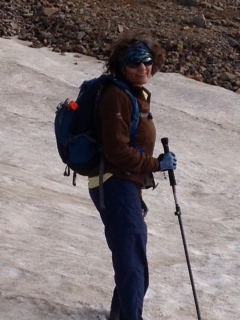
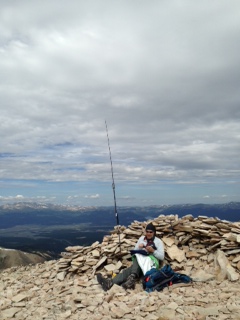
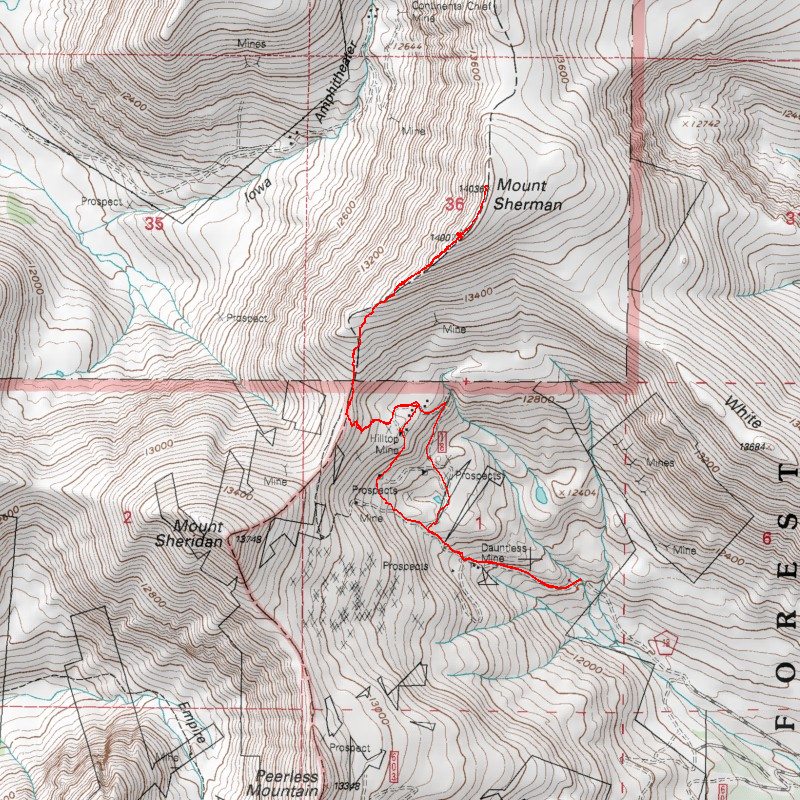
Last week was a great week. I took a week of vacation and my wife and I headed to the mountains. We flew to Santa Fe, NM on Monday and that night had a nice dinner with local SOTA enthusiasts’,Fred KT5X aka WS0TA, John K1JD and Doc K7SO and their XYL’s. It is always nice to get together with friends with similar interests. We had a lot to talk about as we planned to do two 10 point SOTA summits the next day, a doubleheader if you will. We would work in teams of two and summit the separate peaks at roughly the same time. This would allow us to have summit to summit (S2S) QSO’s with each other. The S2S contacts count toward a separate award within the SOTA program. We would then descend from the peak we were on and ascend the summit that the other team had just activated. You must make 4 QSO's from each summit for it to qualify for activator points.

I called CQ for 10 minutes before NS7P called and then spotted me. We made a few more QSO's despite the keying problems and qualified he summit. Thanks for those who stuck it out with me. We hiked back in the rain, but with 20 points in the bag rather than 10. Is was a satisfying day, activating Sawmill Mountain, which had only one previous activation, unexpectedly, felt good.
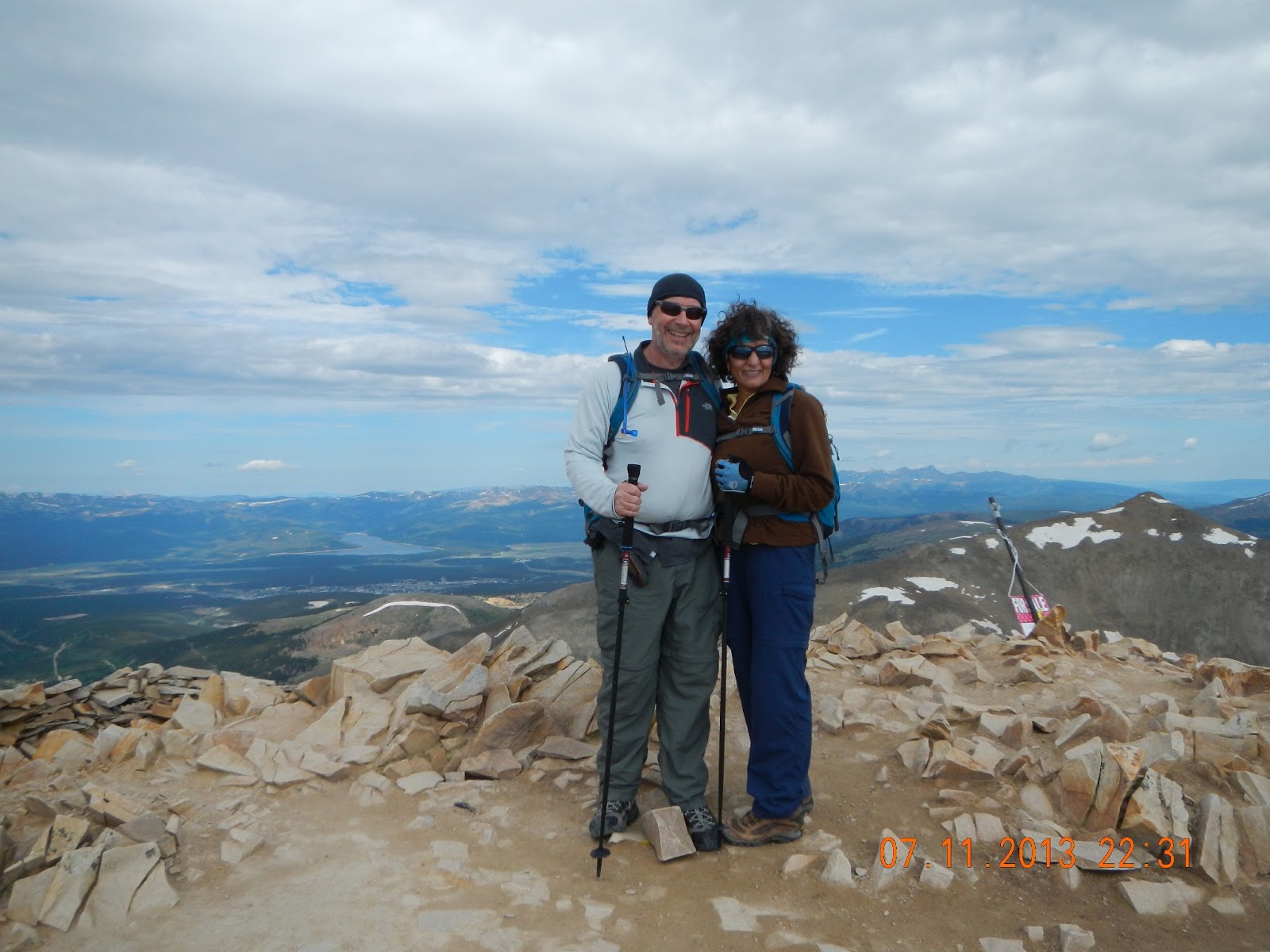
Mike Crownover, AD5A, is a regular contributor to AmateurRadio.com and writes from Texas, USA. Contact him at [email protected].
Welcome Sterling Coffey, NØSSC

Sterling Coffey, NØSSC
We’re very lucky here at AmateurRadio.com to count as contributors some of the best ham radio bloggers in the world. With the recent demise of Google Reader, I’ve heard from many subscribers about how valuable they find our daily newsletter. Thank you for your kind words and support — without which this site would not be possible.
It’s with great pleasure that I announce our newest regular contributor, Sterling Coffey, NØSSC. In addition to being a full-time college student at the Missouri University of Science and Technology, Sterling serves as ARRL Youth Editor writing the popular [email protected] column. Sterling will bring his youth-focused enthusiasm for ham radio and fantastic writing style. You’ll enjoy his posts!
If you’re on Twitter, make sure to follow him (@n0ssc). Also, check out his YouTube channel (http://www.youtube.com/user/sterwing) and posts on Reddit (http://www.reddit.com/user/kawfey).
Welcome aboard, Sterling!
Matt Thomas, W1MST, is the managing editor of AmateurRadio.com. Contact him at [email protected].
What’s in a name – radio societies all over the world

Image © Freeworldmaps.net
The IARU HF Championship took place this weekend. This is the contest where every country has national stations which exchange the abbreviation of the radio amateur society. Therefore it was an opportunity to reflect on what the names of the national societies mean. Many of the names in the IARU list portray the heritage of a hundred years. It is not so strange then that this may make some of them hard to understand and even a bit old-fashioned.
Starting with the ARRL – American Radio Relay League or NRRL (Norwegian …) then this is about a network of stations relaying messages in a country with large distances. This is a bit 1920’s to me. Looking at the ARRL web page it looks as if the the ARRL agrees and really would like to modernize the name to the National Association for Amateur Radio. The Portuguese may already have modernized it a bit by the use of network instead of relay: “Rede dos Emissores Portugueses” (Network of Portuguese Transmitters), or perhaps it is just because this is the same word as “relay” in Portuguese?
Most societies have “radio amateur” in the name like the German and the French: Deutscher Amateur Radio Club, Union Francaise des Radioamateurs. My knowledge of Spanish is not so good but this one sounds better to me: Union de Radioaficionados Espanoles as “radioaficionados” gives me the impression of “radio fans”, but perhaps it is just another word for “radio amateurs”?
Just like “radio relay” is a bit old-fashioned, the Swiss also have an old name in Union Schweizerischer Kurzwellen-Amateure. It must have been coined before VHF and UHF as Kurzwelle means Shortwave.
A name which sounds more contemporary despite its age is the Radio Society of Great Britain. Many others have similar names, one example is Amateur Radio Society of India.
The word “club” is used by many and seems to emphasize the hobby aspects, e.g. Radio Club Argentino and Český radioklub (Czech Radio Club).
Contesting is in many ways like a sport, at least in the same sense as chess is called a sport today. Examples that use this word are Chinese Radio Sports Association, Belarussian Federation of Radioamateurs and Radiosportsmen, and Mongolian Radio Sports Federation.
The there’s those who value the experimental aspects, like Vereniging voor Experimenteel Radio Onderzoek in Nederland (Society for Experimental Radio Research), Experimenterende Danske Radioamatører (literary Experimenting Danish Radio Amateurs) and Federacion Mexicana de Radio Experimentadores.
A similar technical emphasis is in the word “transmitter”: Irish Radio Transmitters Society, Foreningen Sveriges Sändareamatörer (literary Society of Swedish Transmitter Amateurs) and Österreichischer Versuchssenderverband (literary Austrian Experimental Transmitter Society).
The protection from the royal family exalts the society, but it is something I could only find in Belgium: Royal Union Royale Belge des Amateurs-Emetteurs / Koninklijke Unie van de Belgische Zendamateurs / Königliche Union der Belgischen Funkamateure.
Finally, these are the most serious and ambitious names I could find: Egyptian Radio Amateurs Society for Development, Syrian Scientific Technical Amateur Radio Society, and above all the Wireless Institute of Australia.
Which words should be used in the name of a radio society today? It’s a balance between reflecting a hundred years of history and communicating with contemporary people.
Personally I don’t like to use the word “amateur”. It comes originally from the same root as “amour” and “amore” and thus means someone who loves and is passionate about something. But today it gives the impression of being unprofessional. A contemporary name should also emphasize the experimental side in my view.
Sverre Holm, LA3ZA, is a regular contributor to AmateurRadio.com and writes from Norway. Contact him at [email protected].
 Ham Radio Deluxe |
 W5SWL Electronics |
 Ham Radio Prep |
 KB3IFH QSL Cards  Hip Ham Shirts  HamRadioAuctions HamRadioAuctions Reliance Antennas Reliance Antennas Enigma Shop Enigma Shop |  morseDX  Ni4L Antennas  R&L Electronics R&L Electronics antennas.us antennas.us QRV QRV |
- Matt W1MST, Managing Editor
