 |
 ICQ Podcast Episode 342 – Improving your Handy Talkie
 17 January 2021 | by
 In this episode, Martin M1MRB is joined by Chris Howard (M0TCH), Martin Rothwell (M0SGL), Ed Durrant (DD5LP), Frank Howell (K4FMH) and Bill Barnes (WC3B) to discuss the latest Amateur / Ham Radio news. Colin M6BOY rounds up the news in brief and in this episode’s features How to improve your Handy Talkie.
ICQ AMATEUR/HAM RADIO PODCAST DONORS
We would like to thank our monthly and annual subscription donors for keeping the podcast advert free. To donate, please visit - http://www.icqpodcast.com/donate
- New WSJT mode Q65 - Digital Modes on any Android Device - Radio Ham Raises Money for 'NHS Charities Together' - 2021 Carole Perry Educator of the Year Announced - AMSAT/Vanderbilt RadFXSat-2/Fox 1E Set to Launch - Hamvention 2021 Cancelled - QSO Today Virtual Ham Expo March 2021 - Winter 2021 AM QSO Party - Available/Reserved UK Amateur Radio Callsigns
Colin Butler, M6BOY, is the host of the ICQ Podcast, a weekly radio show about Amateur Radio. Contact him at [email protected].
AmateurLogic 152: Hands On Raspberry Pi 400
AmateurLogic.TV Episode 152 is now available for download.
This month we’ve got three great topics to start 2021 out right. George give his first impressions of the Raspberry Pi 400 Personal Computer Kit and it’s a keeper. Mike introduces the ADALM-PLUTO SDR & Satsagen Spectrum Analyzer software. Emile begins building the K5OZ Lightning Rig Saver.
1:26:31
George Thomas, W5JDX, is co-host of AmateurLogic.TV, an original amateur radio video program hosted by George Thomas (W5JDX), Tommy Martin (N5ZNO), Peter Berrett (VK3PB), and Emile Diodene (KE5QKR). Contact him at [email protected].
Best VHF SOTA Antenna?
Charlie/NJ7V and Gaston/KT1RUN did a comparison of VHF antennas during a SOTA activation. Specifically, they compared a rubber duck antenna, a J-pole antenna on a tall mast, and a 3-element Yagi antenna. Spoiler Alert: the rubber duck sucks (they all do) but the Yagi and J-pole performed about the same.
Joyce/K0JJW and I use the Arrow 3-element Yagi antenna for most of our SOTA activations, so I am very familiar with that one. We also have a rollup J-pole that we use once in a while.
Charlie used the Yagi the same way we do: handheld at ground level. The J-pole was on a mast, maybe 12 feet (?) in the air. Although they were on a summit, there is some performance improvement getting the antenna higher than the surrounding terrain. The gain of the Arrow 3-element Yagi has been measured at about 6 dBd. The gain of a J-pole, being a halfwave radiator, is 0 dBd. The additional height of the J-pole has to make up this 6 dB of gain difference to be roughly equivalent.
A big difference, though, is that the Yagi antenna has to be held and pointed. The J-pole is always pointing in the right direction so you can just focus on operating and logging. We may have to consider using a omni antenna instead of the Yagi.
Good stuff!
73 Bob K0NR
The post Best VHF SOTA Antenna? appeared first on The KØNR Radio Site.
Bob Witte, KØNR, is a regular contributor to AmateurRadio.com and writes from Colorado, USA. Contact him at [email protected].
LHS Episode #386: SSDY

Welcome to the 386th episode of Linux in the Ham Shack, our second episode of 2021. In this episode, the hosts discuss changes and additions to state QSO parties, the cancellation of upcoming ham radio related events, the next QSO Today virtual expo, PeerTube, Project Lightspeed, Linux Mint, getting rich with Open Source, Raspberry Pi clusters and much more. Thank you for listening and we hope you have a great week.
73 de The LHS Crew
Russ Woodman, K5TUX, co-hosts the Linux in the Ham Shack podcast which is available for download in both MP3 and OGG audio format. Contact him at [email protected].
Armbian Linux for Arm processors and Android TV Boxes.
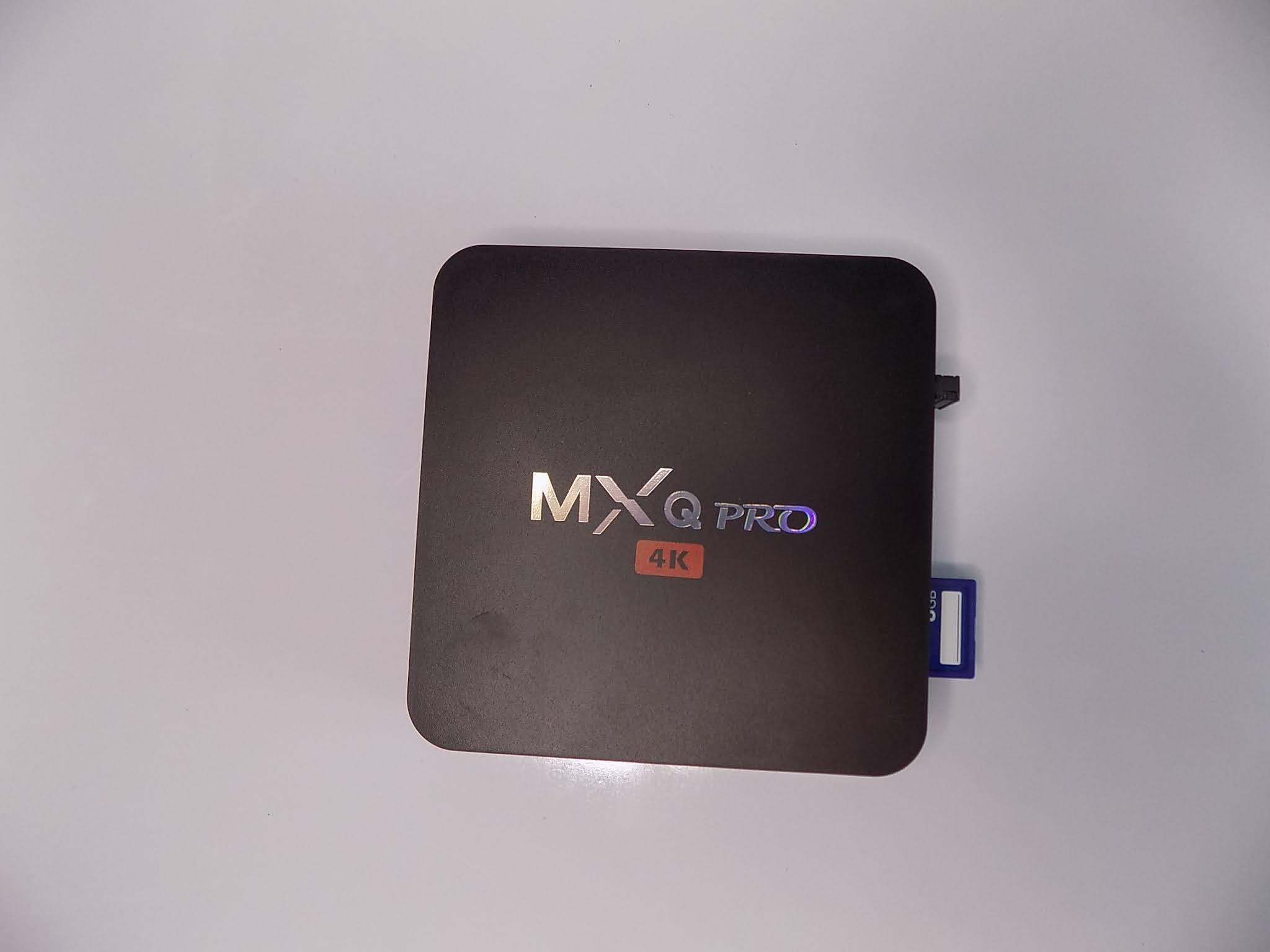
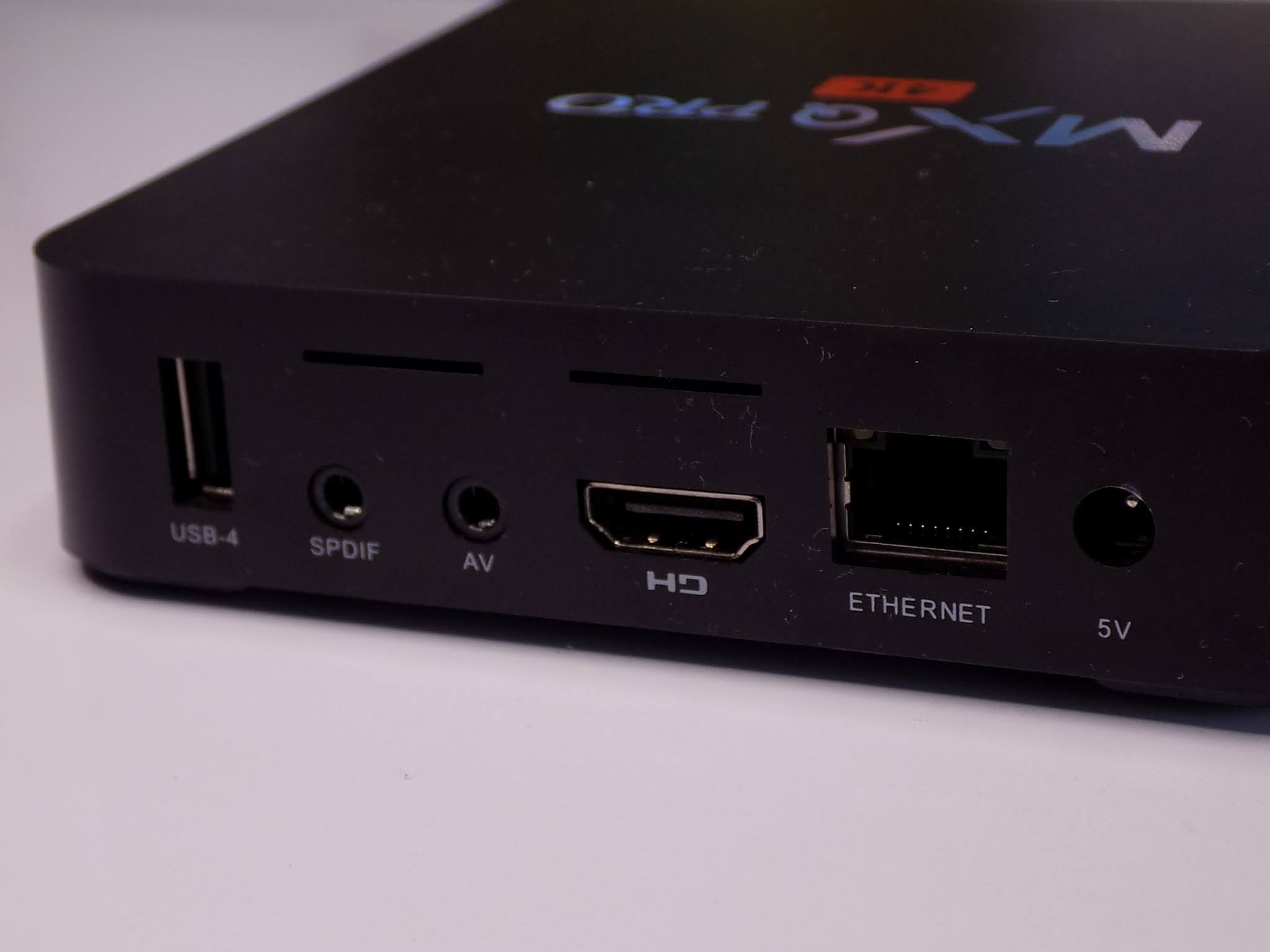
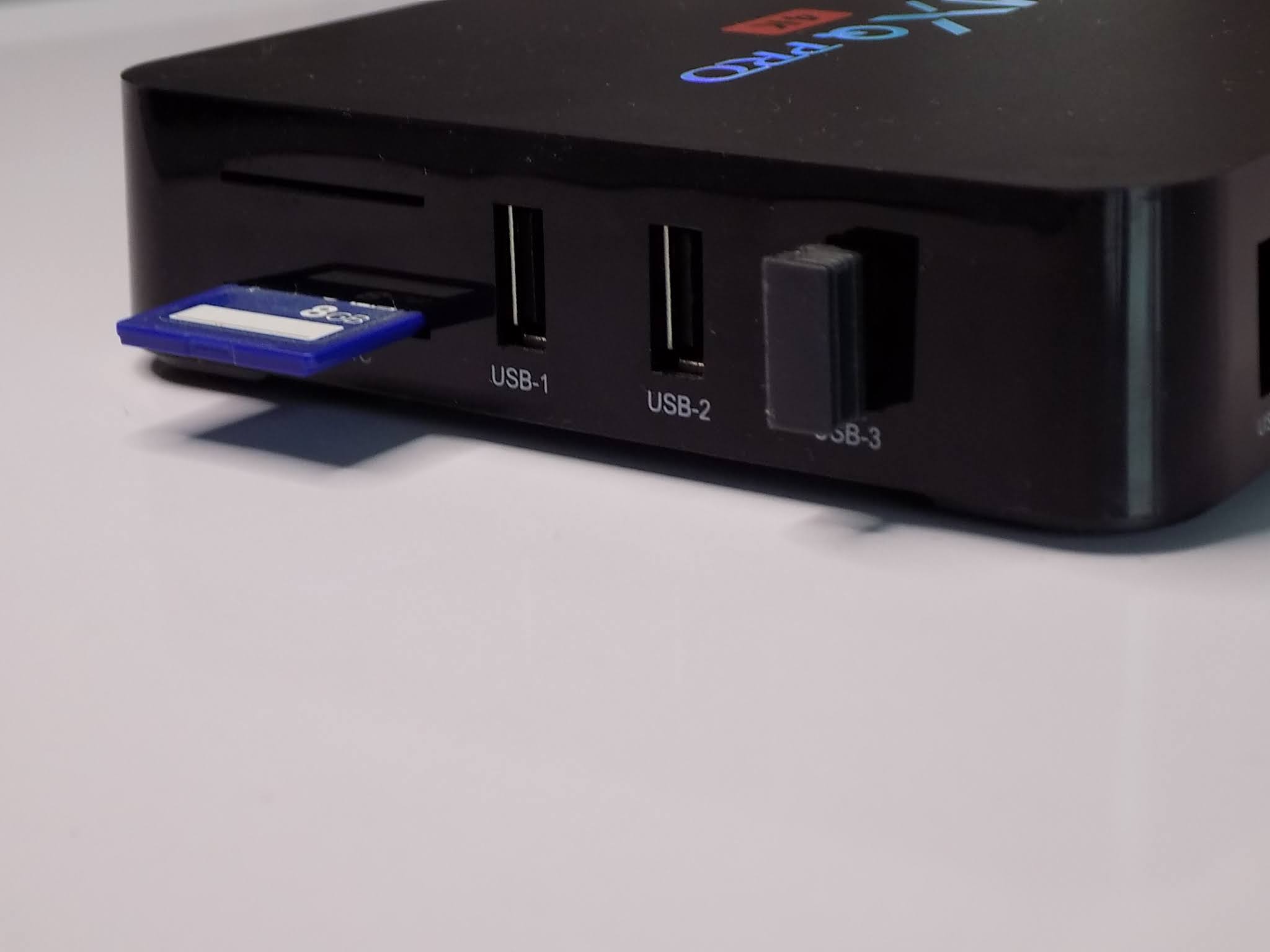
Steve, G1KQH, is a regular contributor to AmateurRadio.com and writes from England. Contact him at [email protected].
Ham College 72
Ham College episode 72 is now available for download.
Extra Class Exam Questions – Part 10.
E2D Operating methods: VHF and UHF digital modes and procedures, APRS, EME procedures, meteor scatter procedures.
1:00:28
George Thomas, W5JDX, is co-host of AmateurLogic.TV, an original amateur radio video program hosted by George Thomas (W5JDX), Tommy Martin (N5ZNO), Peter Berrett (VK3PB), and Emile Diodene (KE5QKR). Contact him at [email protected].
Kiwi online SDR G4DYA
The online G4DYA Kiwi SDR receiver is just 9 miles North of my QTH. Situated at Stone, Staffordshire. UK.

It has an excellent range of Amateur bands, and even goes down to LF 136KHz and 472KHz, it also has some good decoders built in to play around with for CW, PSK and even WSPR.
Ideal to test band conditions and your equipment.
Join in the fun here http://kiwisdr.lamont.me.uk:8073/
Steve, G1KQH, is a regular contributor to AmateurRadio.com and writes from England. Contact him at [email protected].
 Ham Radio Deluxe |
 W5SWL Electronics |
 Ham Radio Prep |
 KB3IFH QSL Cards  Hip Ham Shirts  HamRadioAuctions HamRadioAuctions Reliance Antennas Reliance Antennas Enigma Shop Enigma Shop |  morseDX  Ni4L Antennas  R&L Electronics R&L Electronics antennas.us antennas.us Ears to Our World Ears to Our World |
- Matt W1MST, Managing Editor
