 |
 ICQ Podcast Episode 343 – QSO Today Expo
 31 January 2021 | by
 In this episode, Martin M1MRB is joined by Dan Romanchik KB6NU and Edmund Spicer M0MNG to discuss the latest Amateur / Ham Radio news. Colin M6BOY rounds up the news in brief and in this episode’s features is the QSO Show Expo.
ICQ AMATEUR/HAM RADIO PODCAST DONORS
We would like to thank our monthly and annual subscription donors for keeping the podcast advert free. To donate, please visit - http://www.icqpodcast.com/donate
- FCC - Radio Users Reminded Not to Use Radios in Crimes - 3,500 German Radio Interference Complaints in 2020 - JARL Wants to Increase Youngsters Amateur Radio Experience Opportunities - Sweden's Oldest Radio Ham on TV - City Antenna Law Upturned By FCC Ruling - Distance Learning Course for Full Exam - Intrepid-DX Group Invites Nominations for Intrepid Spirit Award
Colin Butler, M6BOY, is the host of the ICQ Podcast, a weekly radio show about Amateur Radio. Contact him at [email protected].
Do you remember your first?

I was doing some cleaning around the house the other day and came across a QSL card of the very first contact I made. It was June 6th, 1989 and I was pounding out CQ with my Bencher BY-1 Iambic paddle. I had a script all made up with a step by step CW QSO contact information. As I very well remember things did not go as planned. I now know I just was experiencing what any new green CW op would experience. I was listening to the code that was being sent and writing it down on paper but then I missed a letter and started to concentrate on the missed letter. This meant I missed even more code and was lost in no time. I had to do I mental reset and carry on. At some points, I fell into the bad habit of counting dits and dahs and not hearing the rhythm again it was panic setting in. When it came time to send I wanted to for some reason send just a bit faster than I was receiving well that did not work out too well when I was receiving and the code was coming back at me just a bit faster! While on the subject of sending I did find myself messing up letters and having to send words again. Then frustration set in which made it worse, but I did complete the QSO. As stressful as it may have seemed I was thrilled and could not wait for my next contact.
At that time my station setup was the Icom IC-745 it was second hand but I loved it and had served me for many years. My antenna was the Crushcraft R4 vertical antenna which for my location was the best solution. I did not own the house I was living in so a tower and beam were out of the question. Also, the lot was small so no room for ground radial. The R4 answered my needs as it did not need ground radials and had a very small footprint. As stated earlier I had the Bencher BY-1 key.
Can any of you remember your first contact and the gear you were using at the time?
Mike Weir, VE9KK, is a regular contributor to AmateurRadio.com and writes from New Brunswick, Canada. Contact him at [email protected].
LHS Episode #389: Jailbird Jamboree
Welcome to Episode 389 of Linux in the Ham Shack. In this episode, the hosts discuss illegal activity on the air, the purpose of amateur radio, a remote head unit for the Icom IC-7100, Linux on the Apple M1 chip, a new frontier for Red Hat Enterprise Linux, ethical open-source licenses and much more. Thank you for tuning in and have a great week!
73 de The LHS Crew
Russ Woodman, K5TUX, co-hosts the Linux in the Ham Shack podcast which is available for download in both MP3 and OGG audio format. Contact him at [email protected].
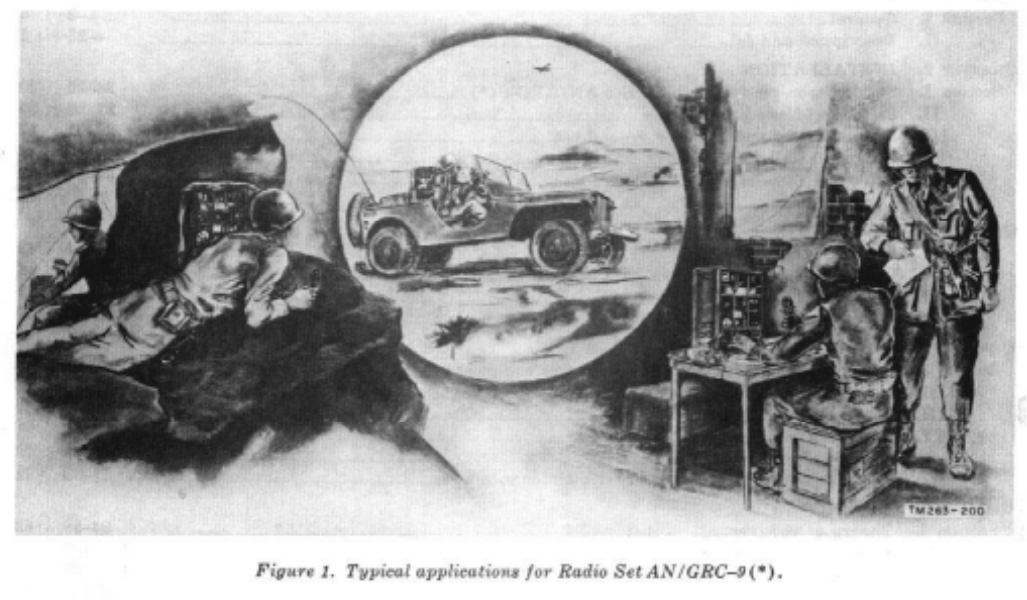
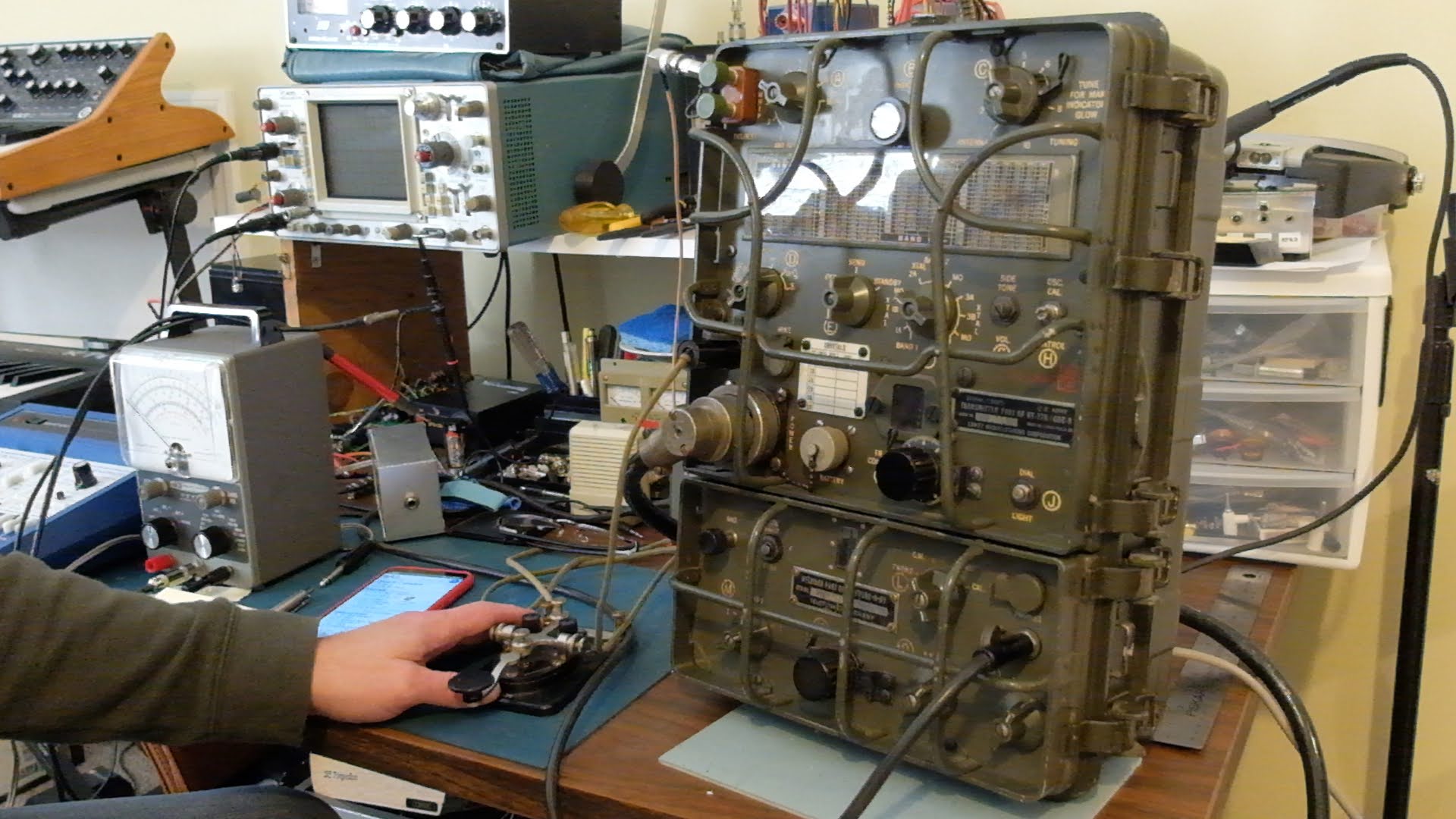
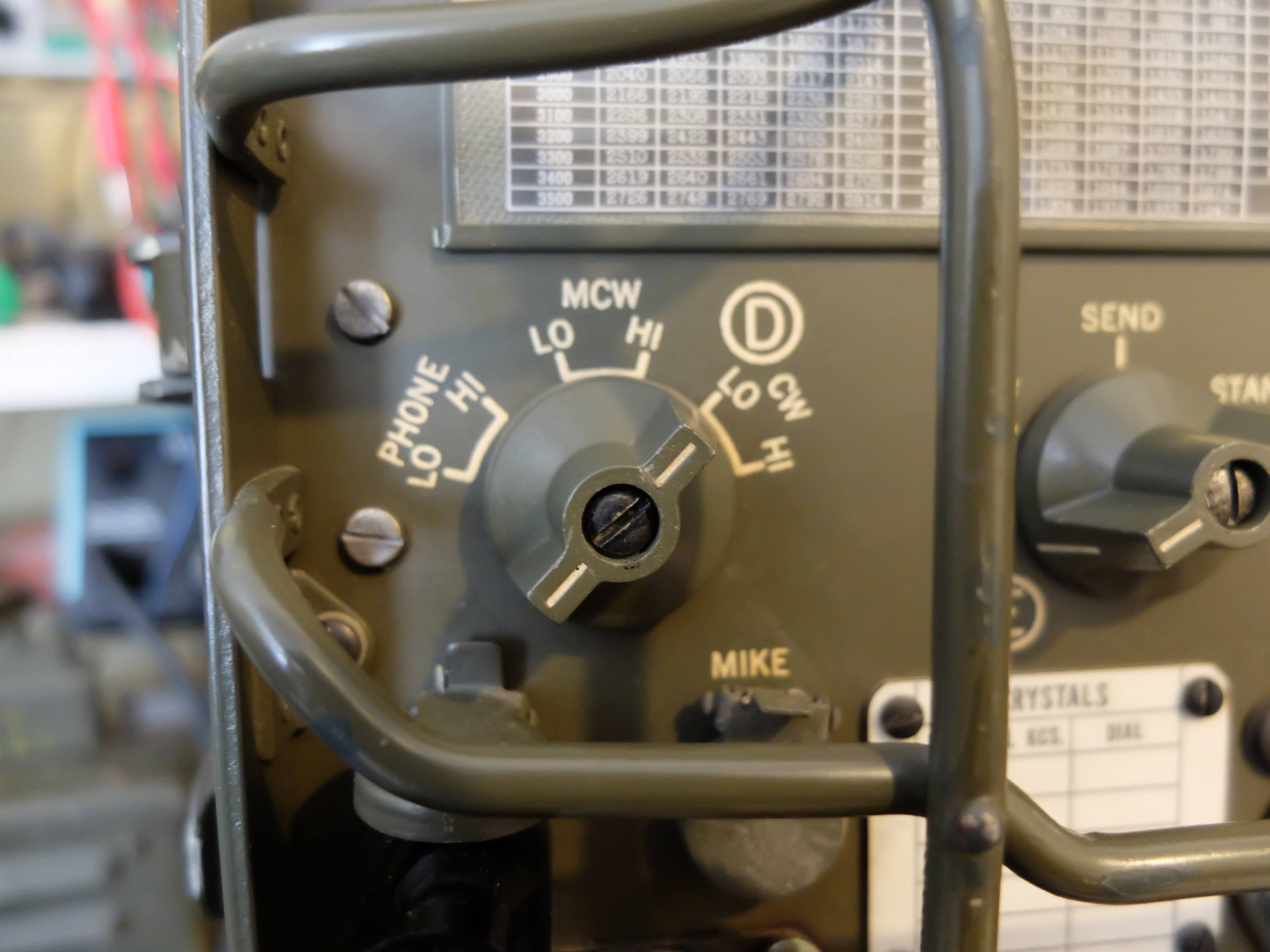
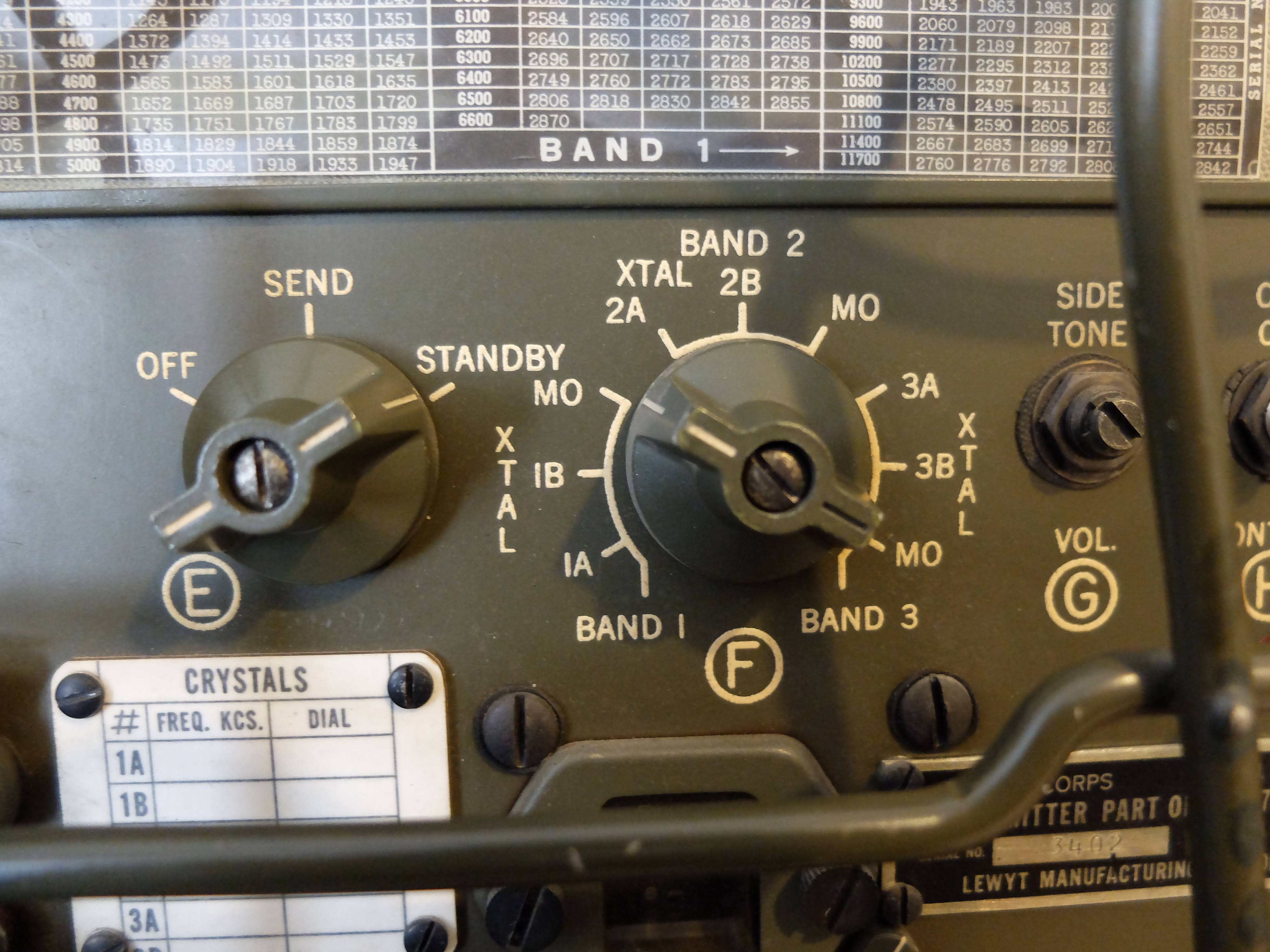
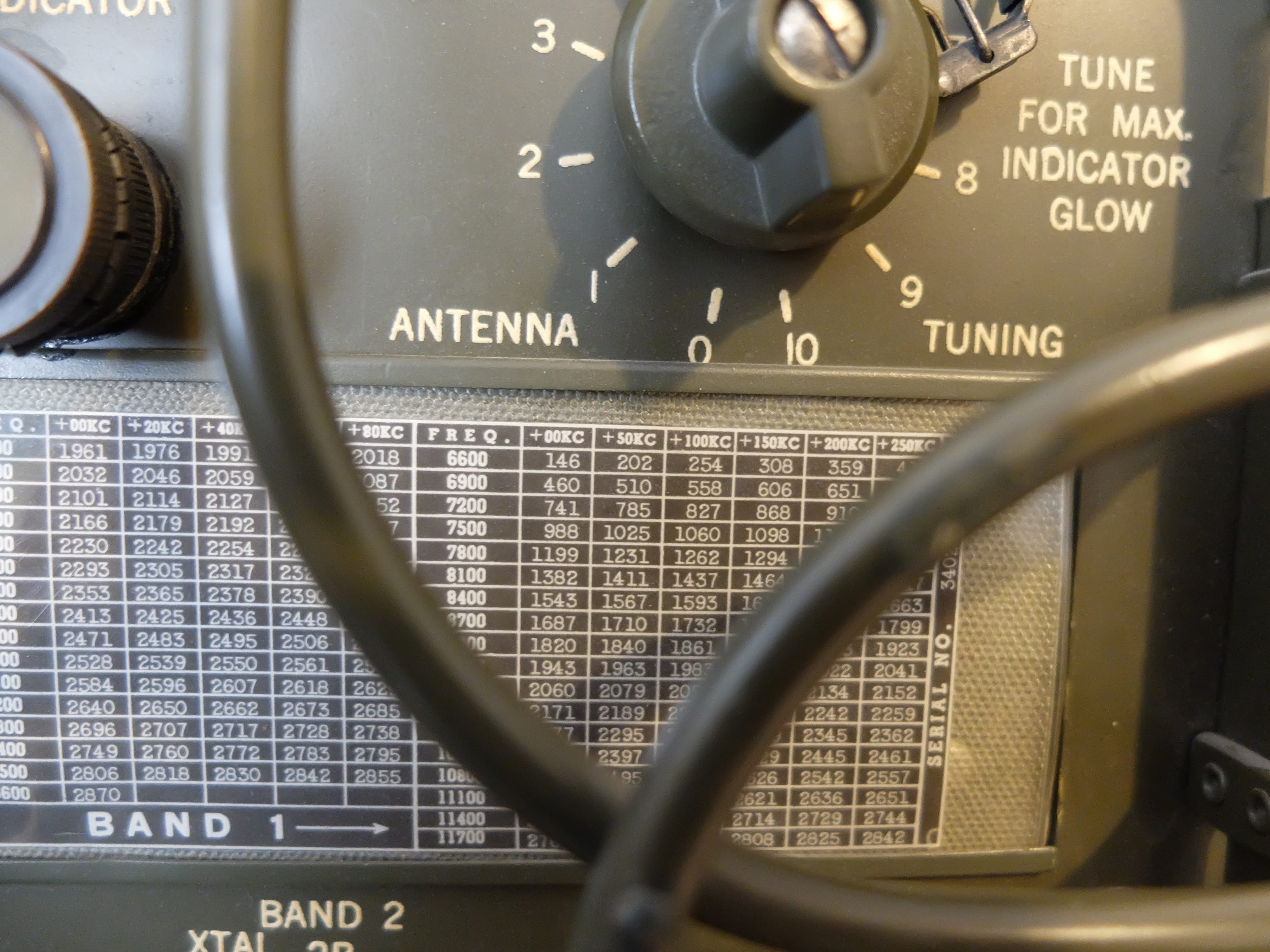
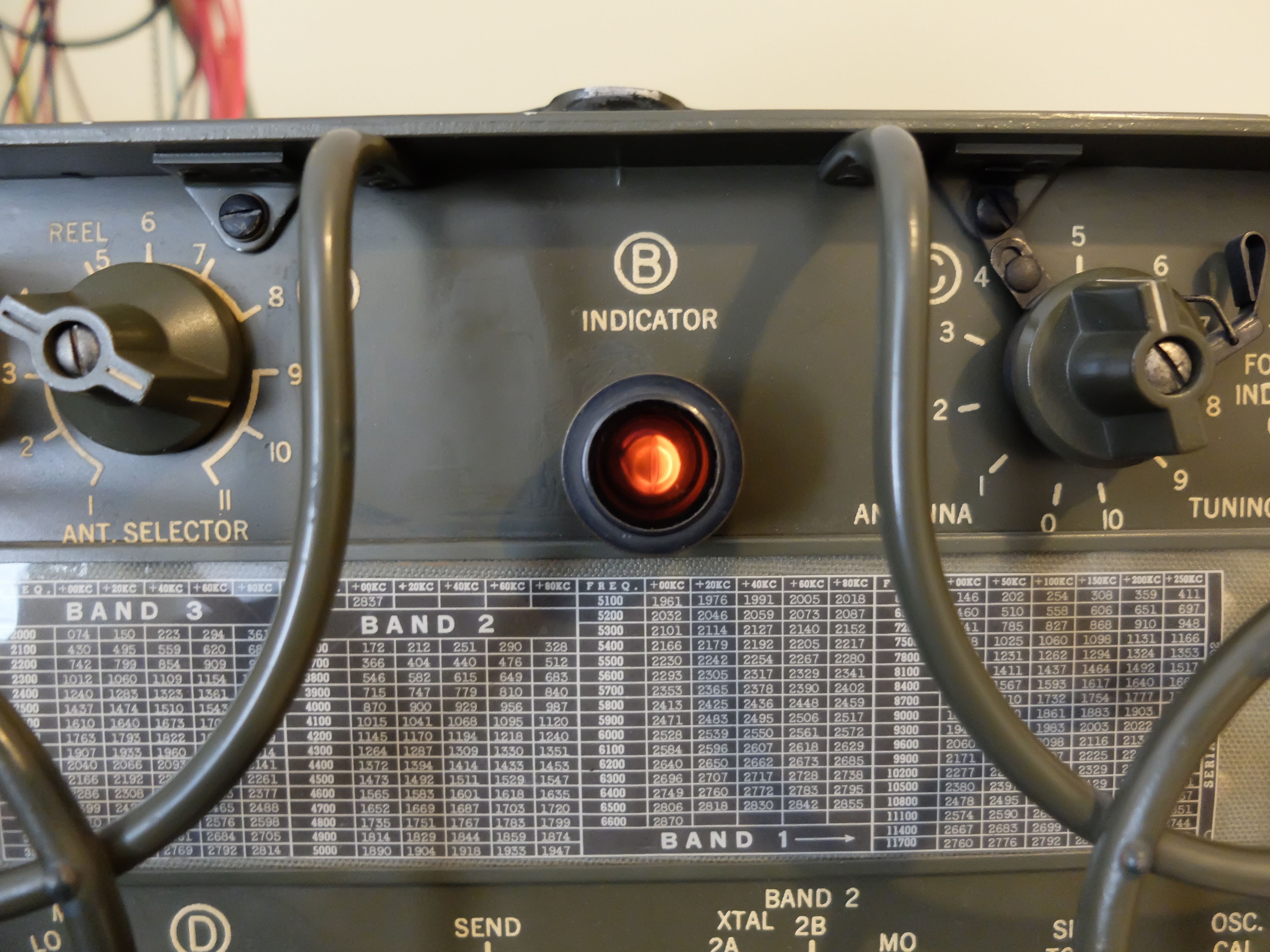
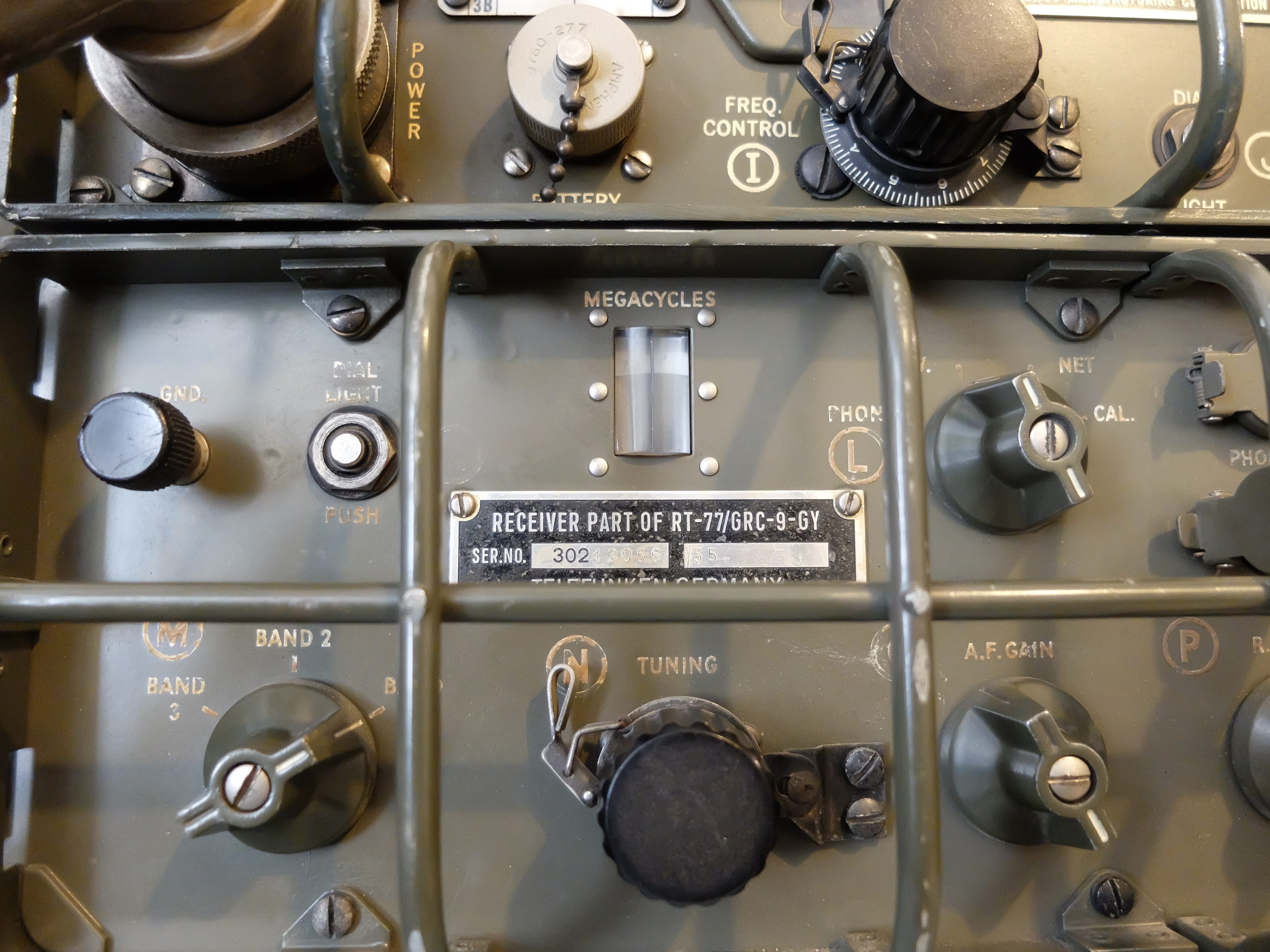
AN/GRC-9 aka “Angry Nine”
AN/GRC-9 - Long lived military comms
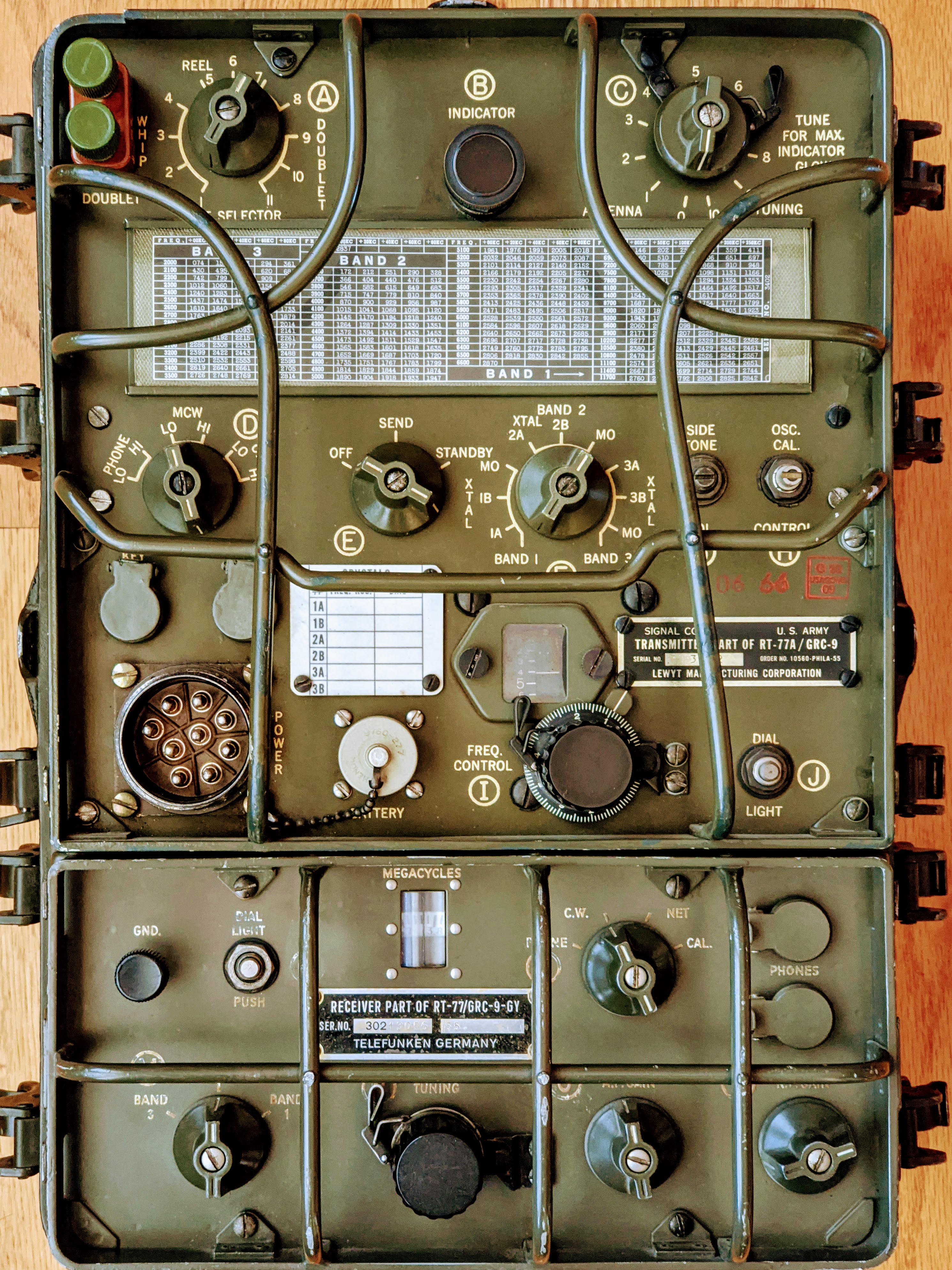 |
| My lovely (and radioactive) RT/77-GRC/9 |
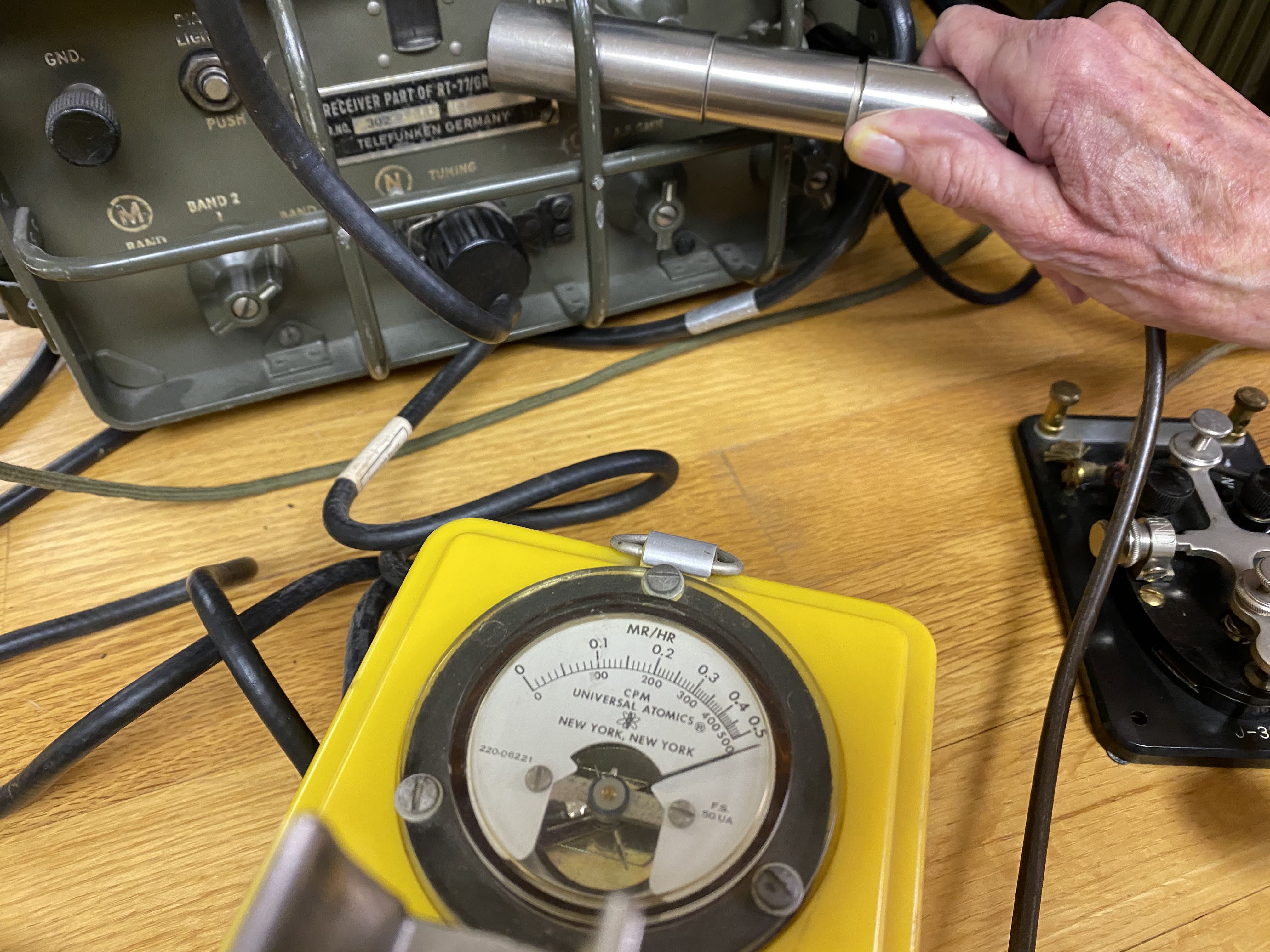 |
| Hot receiver, in more ways than one |
 |
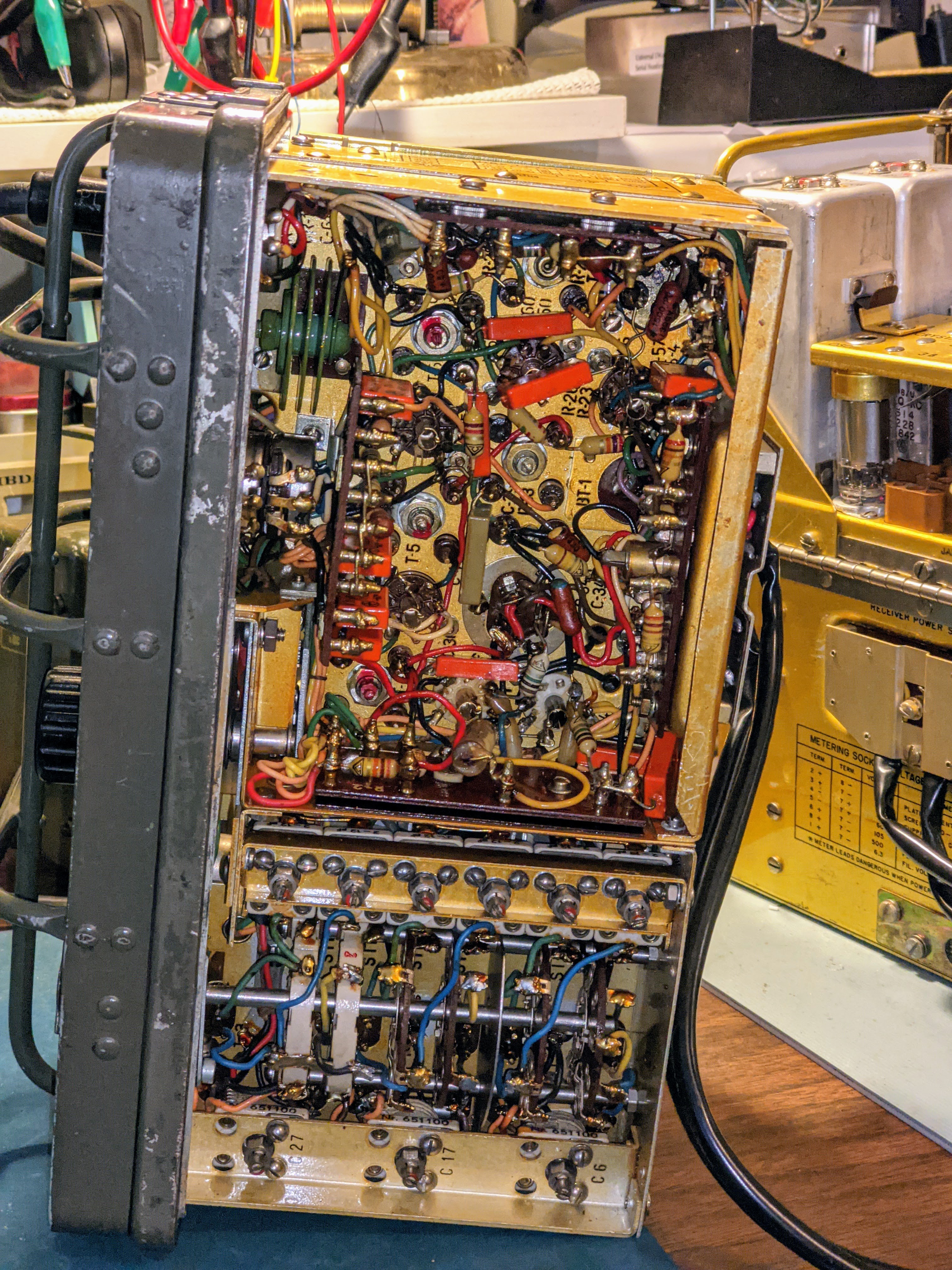
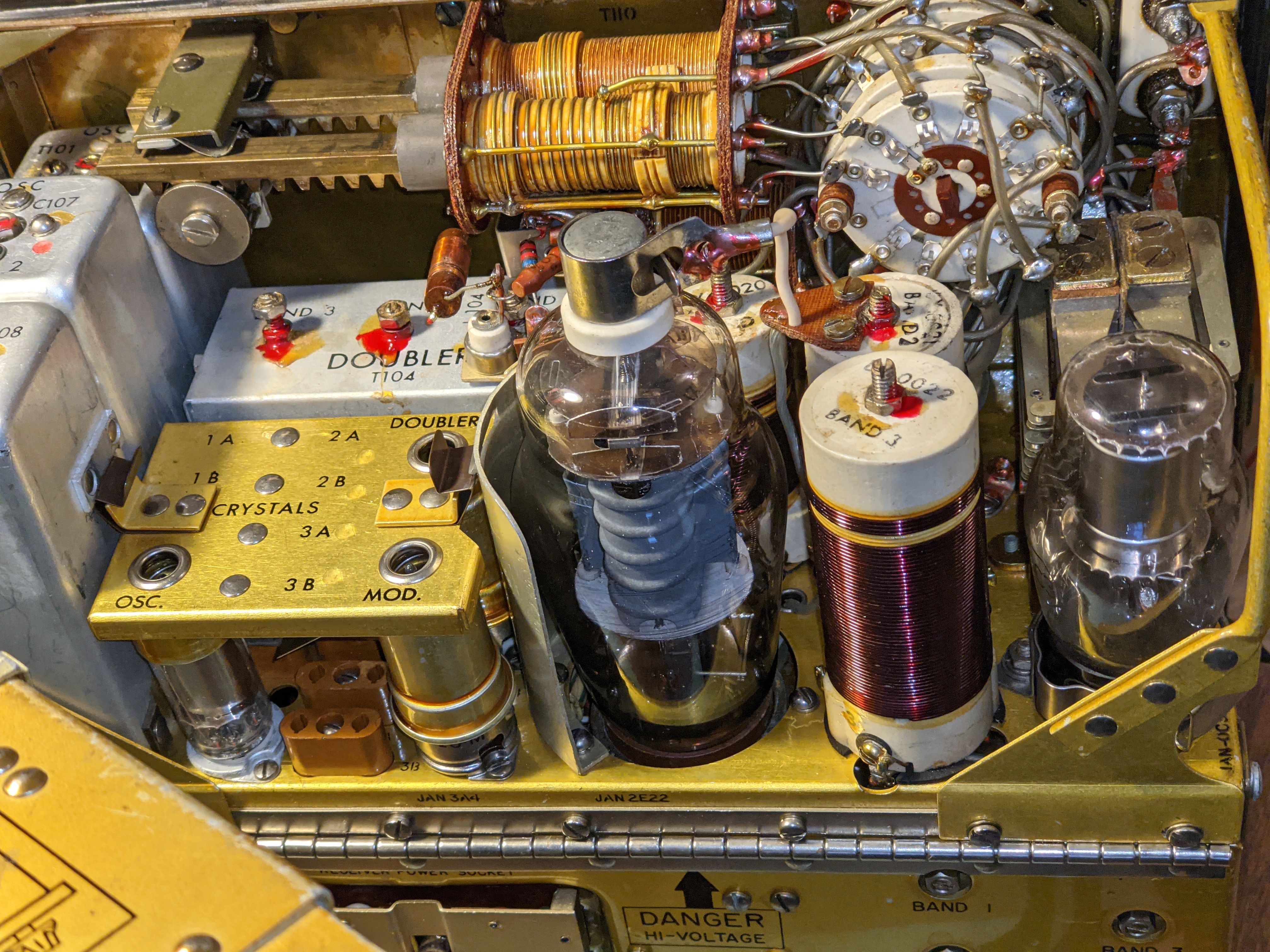
| Out of the case, tracing a low B+ power problem |

Power on the move
- Transmitter Plates -- 475 - 580 v @ 100ma
- Transmitter Filaments -- 6.5 - 6.6 v@ 2 amps
- Receiver Plates -- 105 - 120 v @ 45ma
- Receiver Filaments -- 1.35 - 1.5 v @ 500ma
- Keying Relay -- 6.0 - 6.9 v @ 575ma
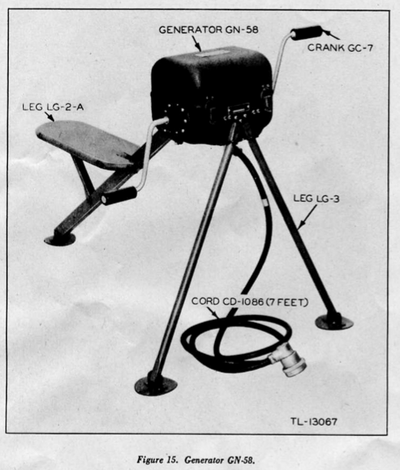
That's a tall order for mobile and portable power supplies but designers in the 1940's were quite clever in packing power supply units. I managed to obtain both the hand cranked GN-58 generator with the base chassis and seat for portable operations, and a DY-88 for fixed / mobile operations.
DY-88 mobile power supply
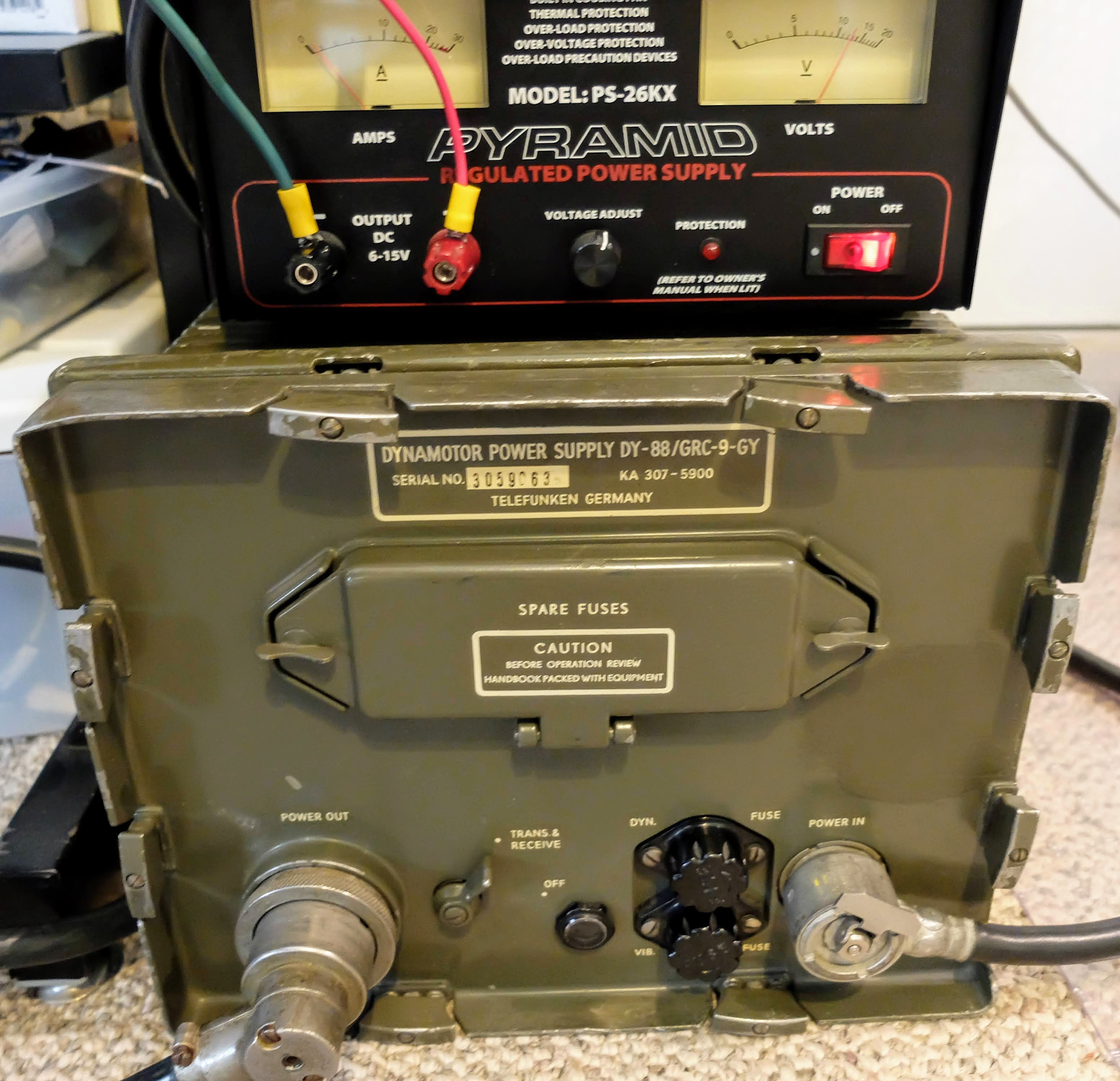 |
| DY-88 set to 12v powered by Amateur 12v supply |
 |
| Vibrator power supply for low B+ |
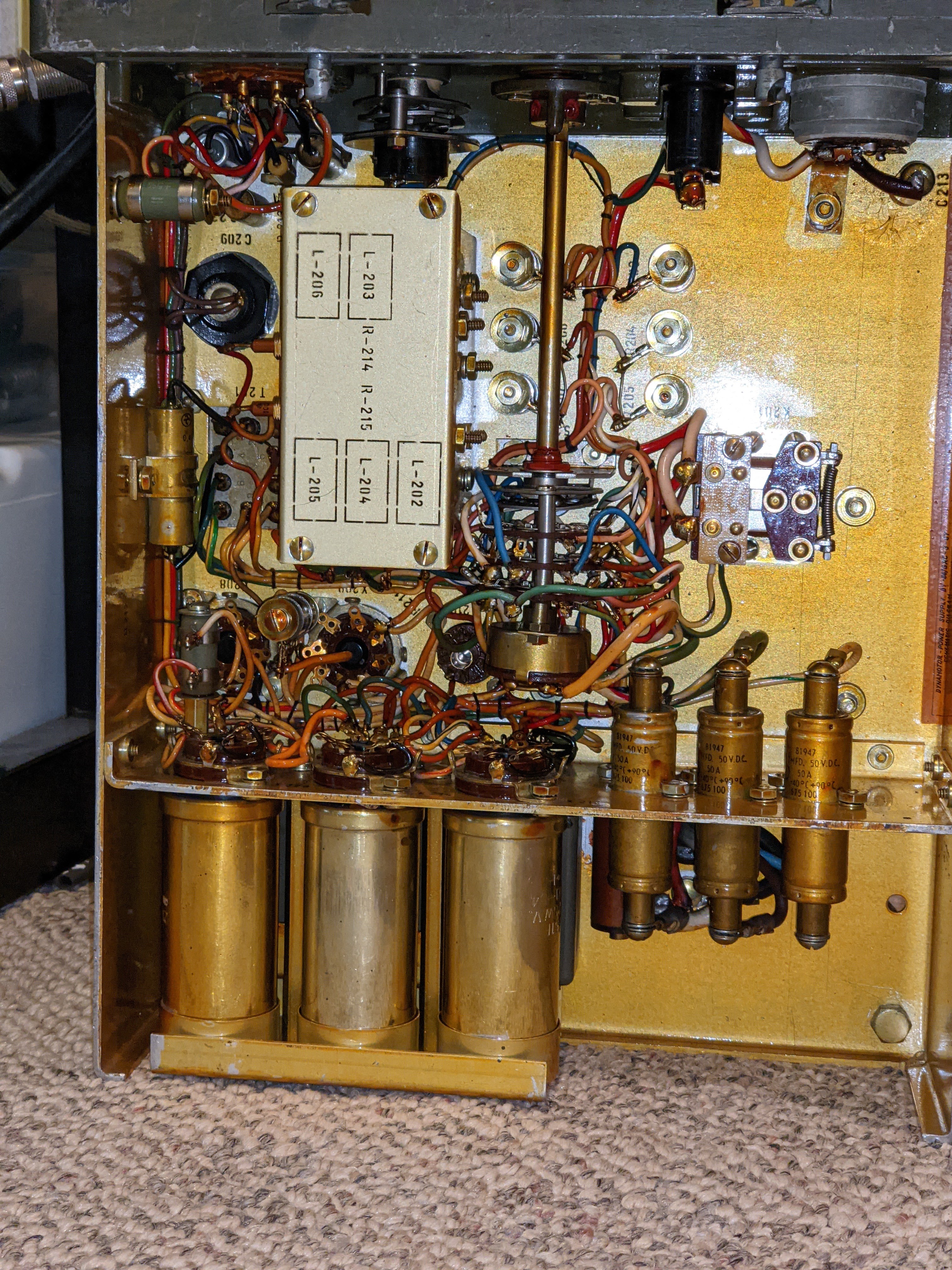 |
| Power filtering |
I supply the DY-88 from either an RV battery or an amateur 12v power supply. When in Standby the DY-88 draws less than 1 amp, but placing the radio in Send mode switches on the Dynamotor which draws 12 amps @12v, without key-down and up to 14 amps on high-output key-down. It will drain an RV battery pretty quickly at that rate if the radio is left in Send mode, and works an amateur power supply pretty hard as well. So don't expect to operate remote off a battery alone for too long if your having lengthy QSOs. An added benefit of the DY-88 is that when the enclosed Dynamotor is running you'll have a nice extra 85 dB of generator noise to accompany your listening pleasure.
GN-58 portable field hand-cranked power supply
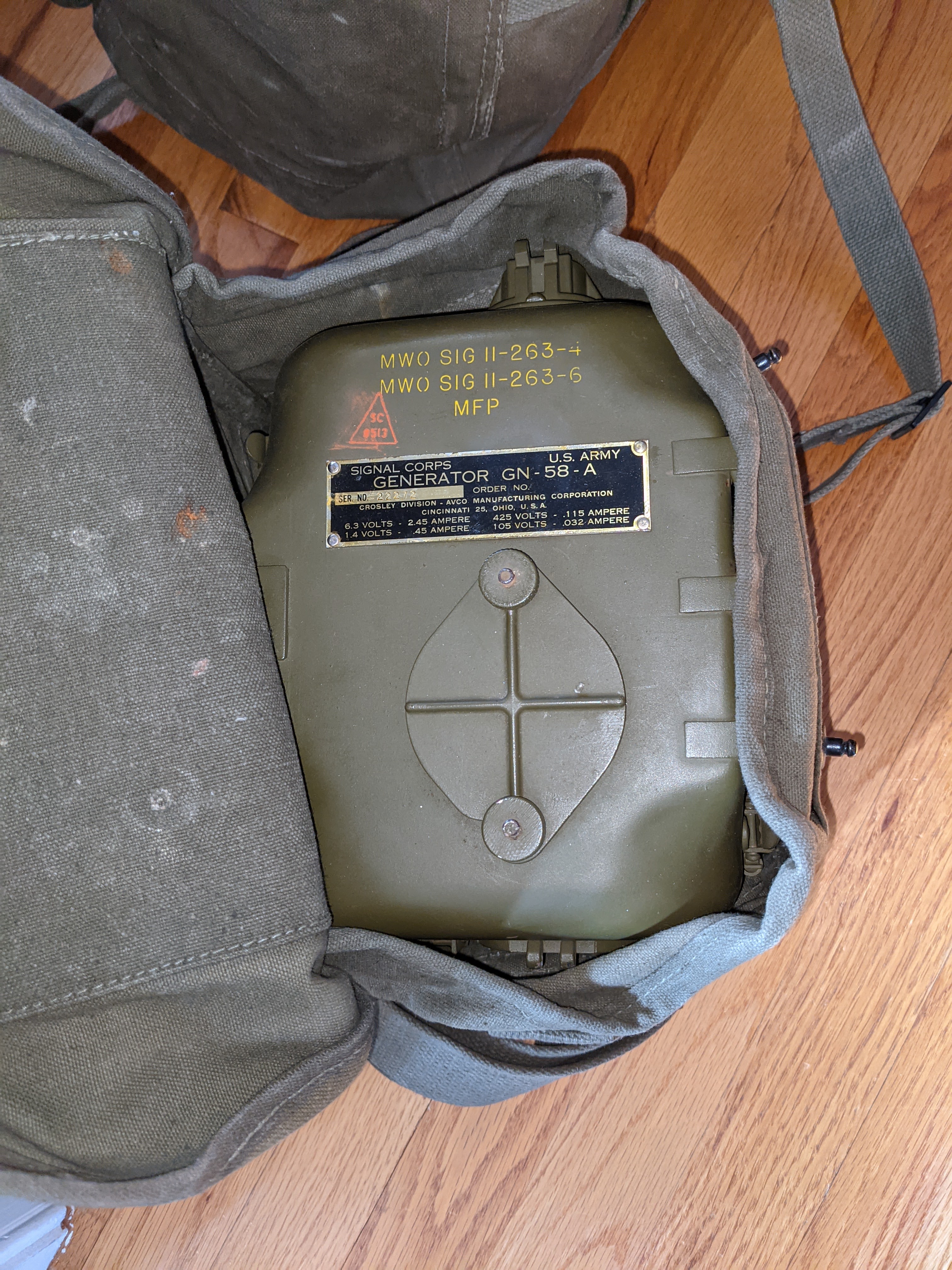 |
| Generator head in carry bag |
 |
| NOS Shiny |
 |
| Deployed |
If you have a BC-48 battery hooked up then your human power supply can pause cranking while your receiving. I have a BC-48 battery enclosure that has been gutted of the original, long-dead material and replaced with 10x 9v batteries in series for the low B+ and two D-Cell batteries in parallel for the receiver filament supply.
Accessories
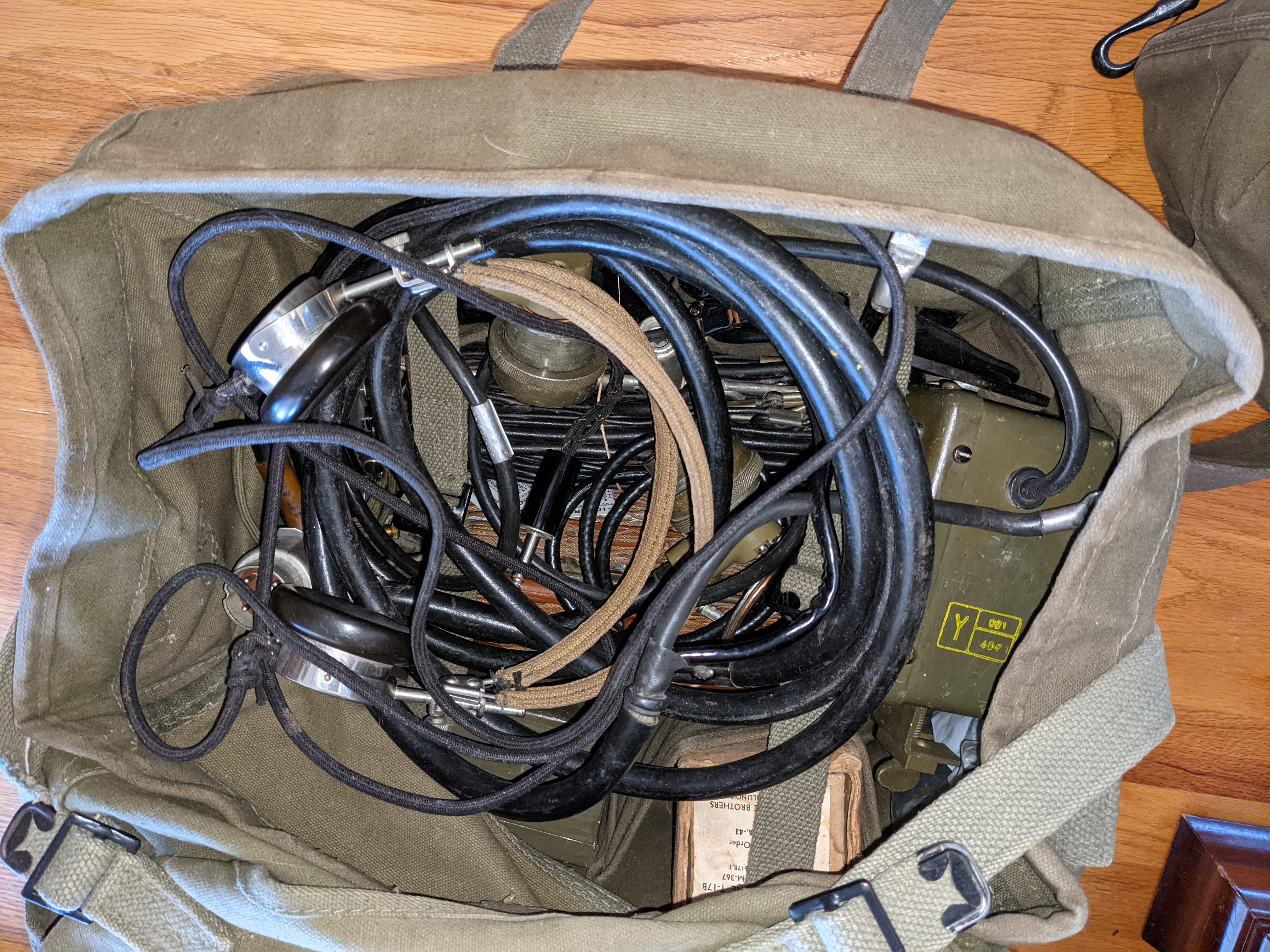 |
| Bag of goodies |
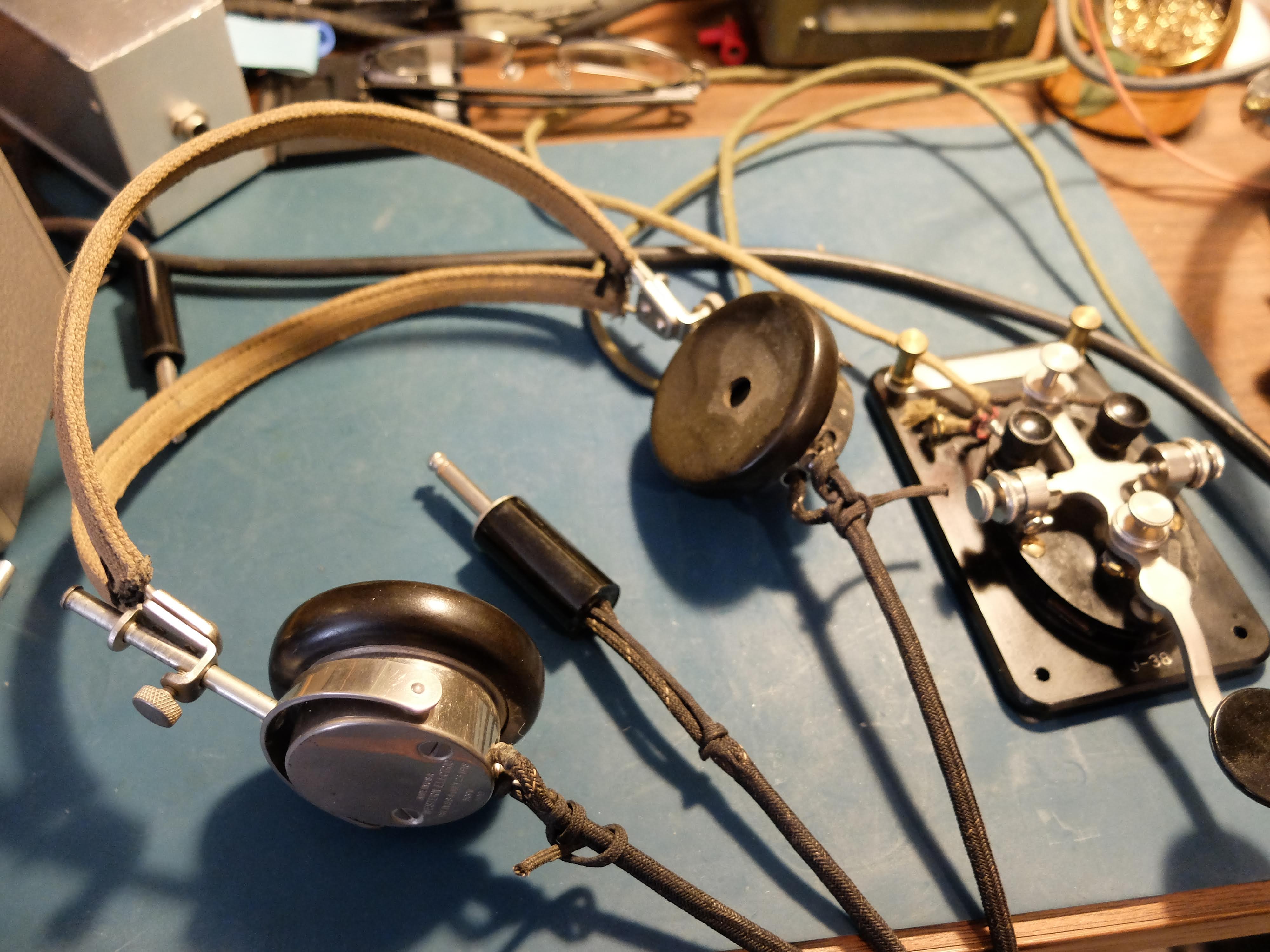
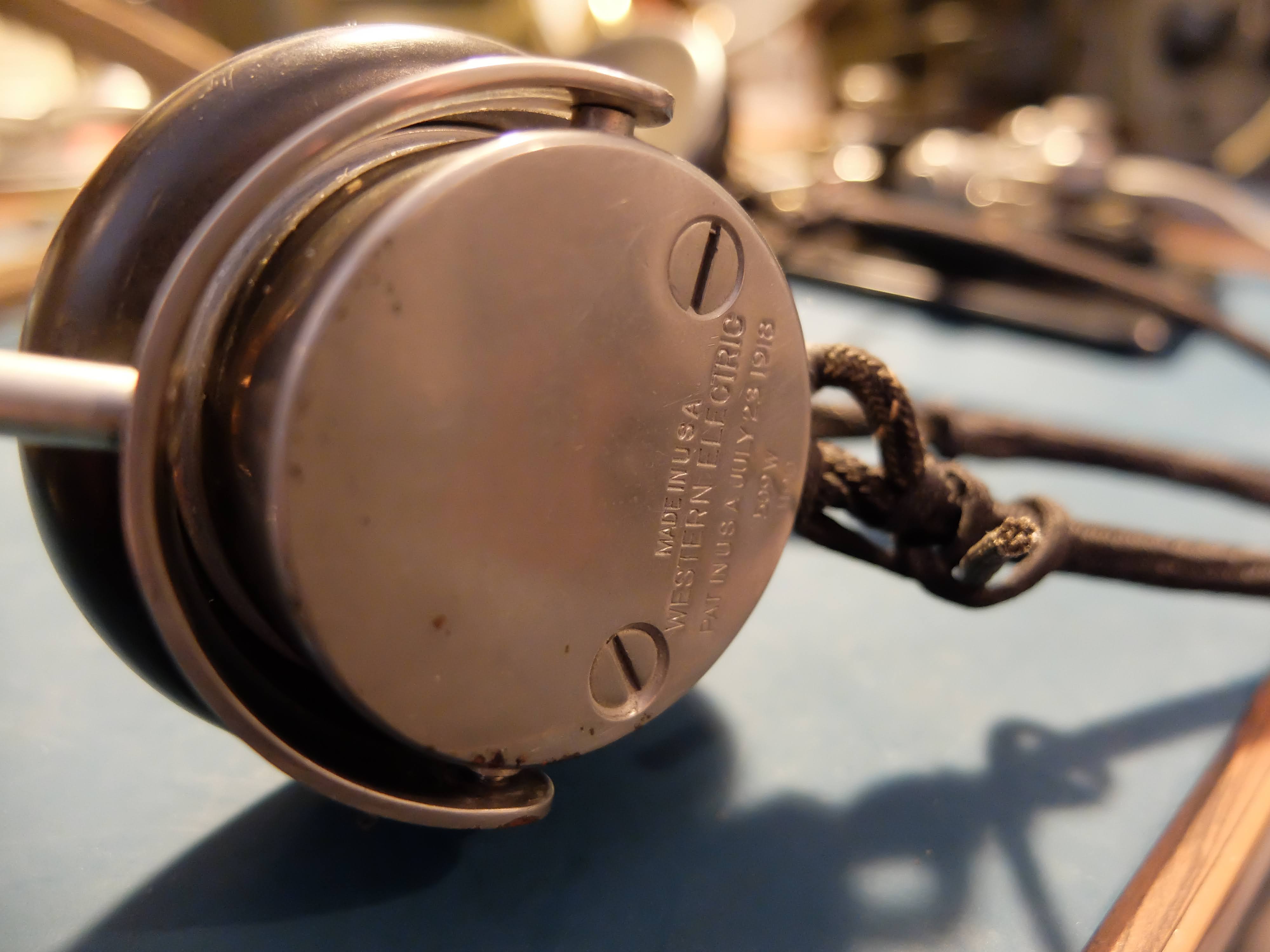
Headphones

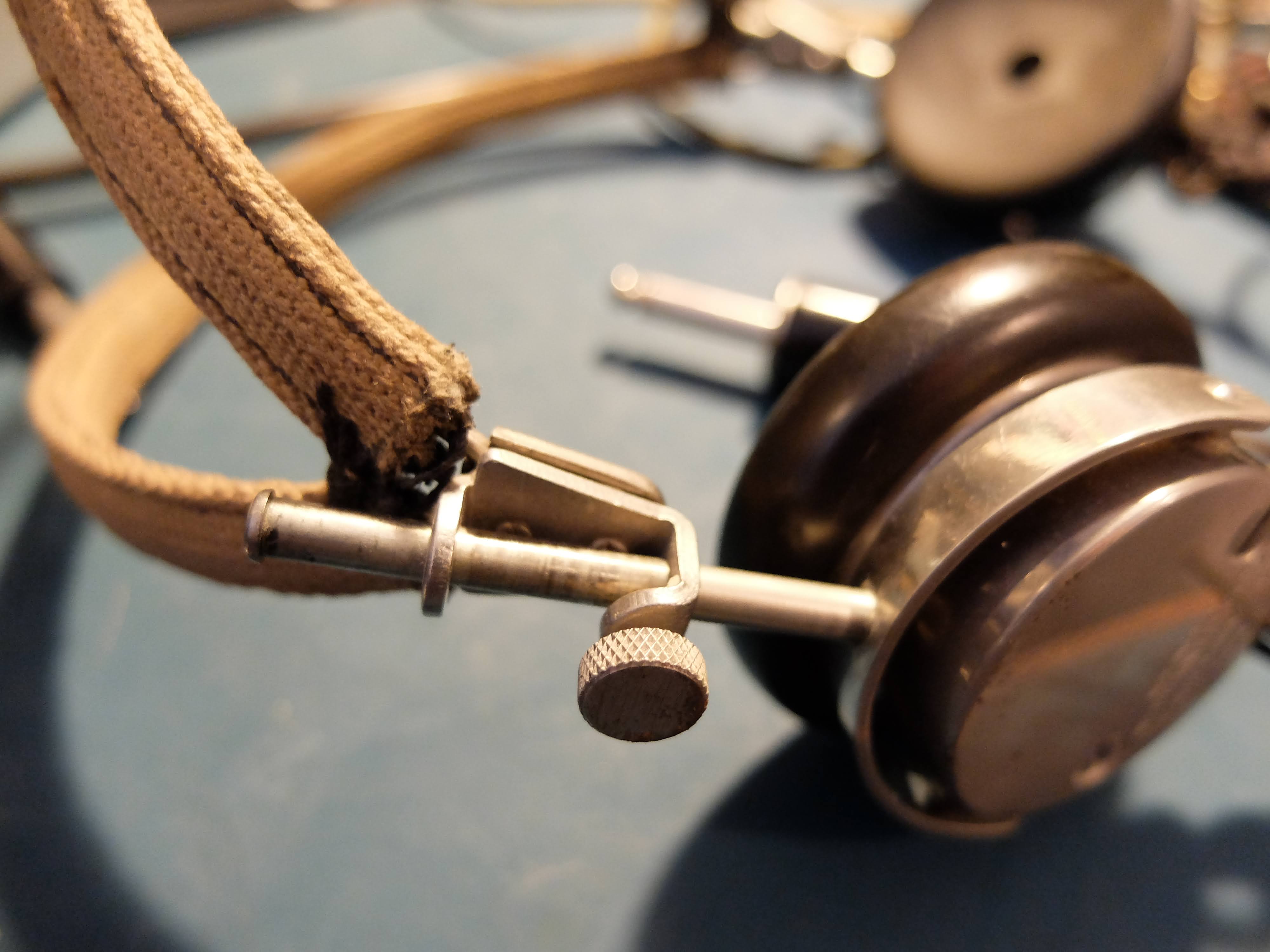

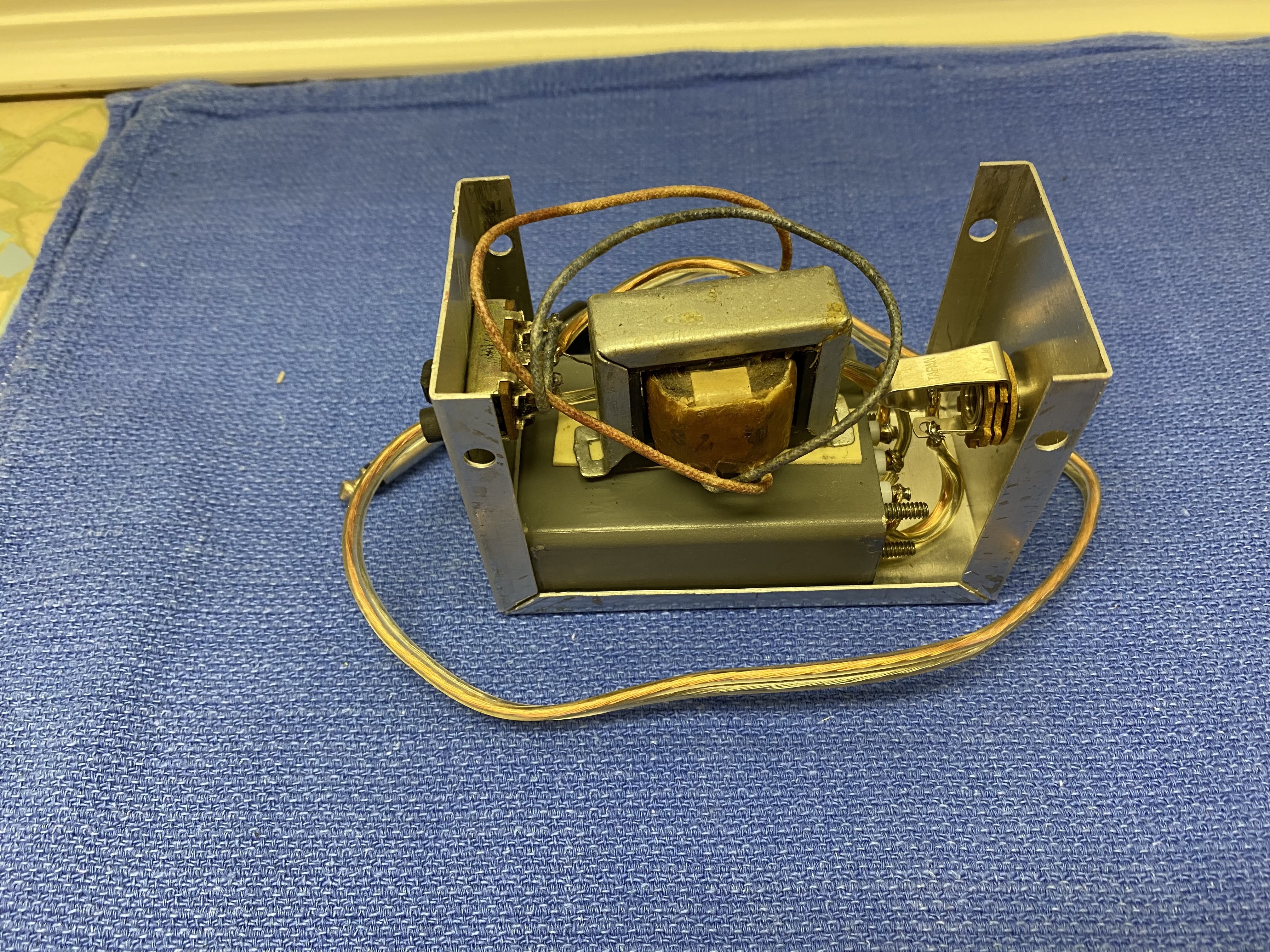 |
| Homebuilt CW filter with impedance switch |
Speaker
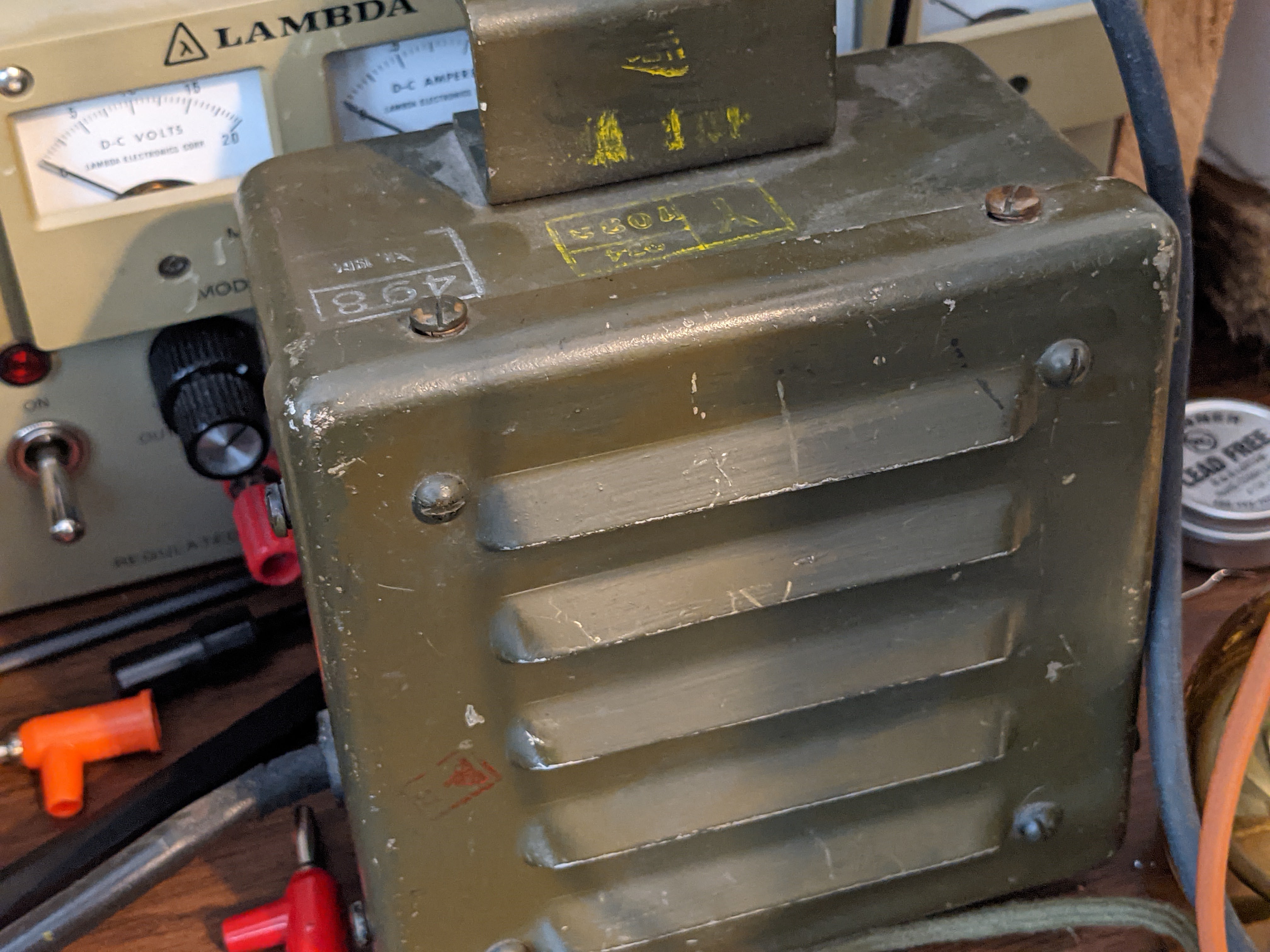
Antennas
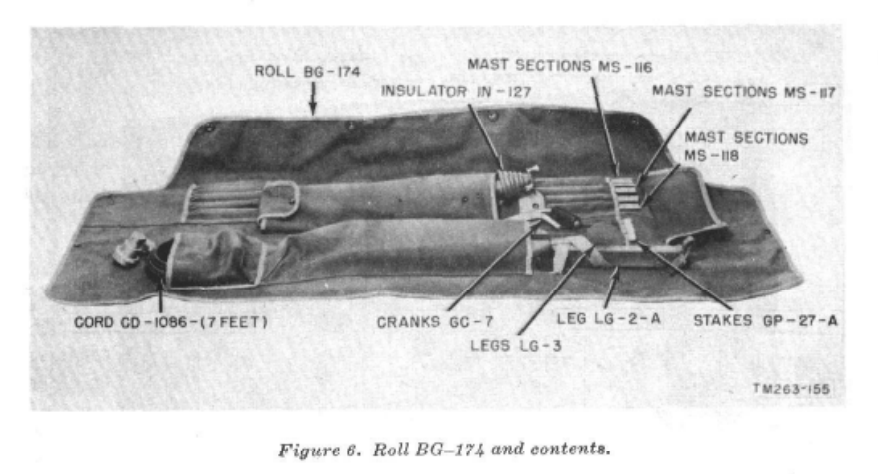
Spares
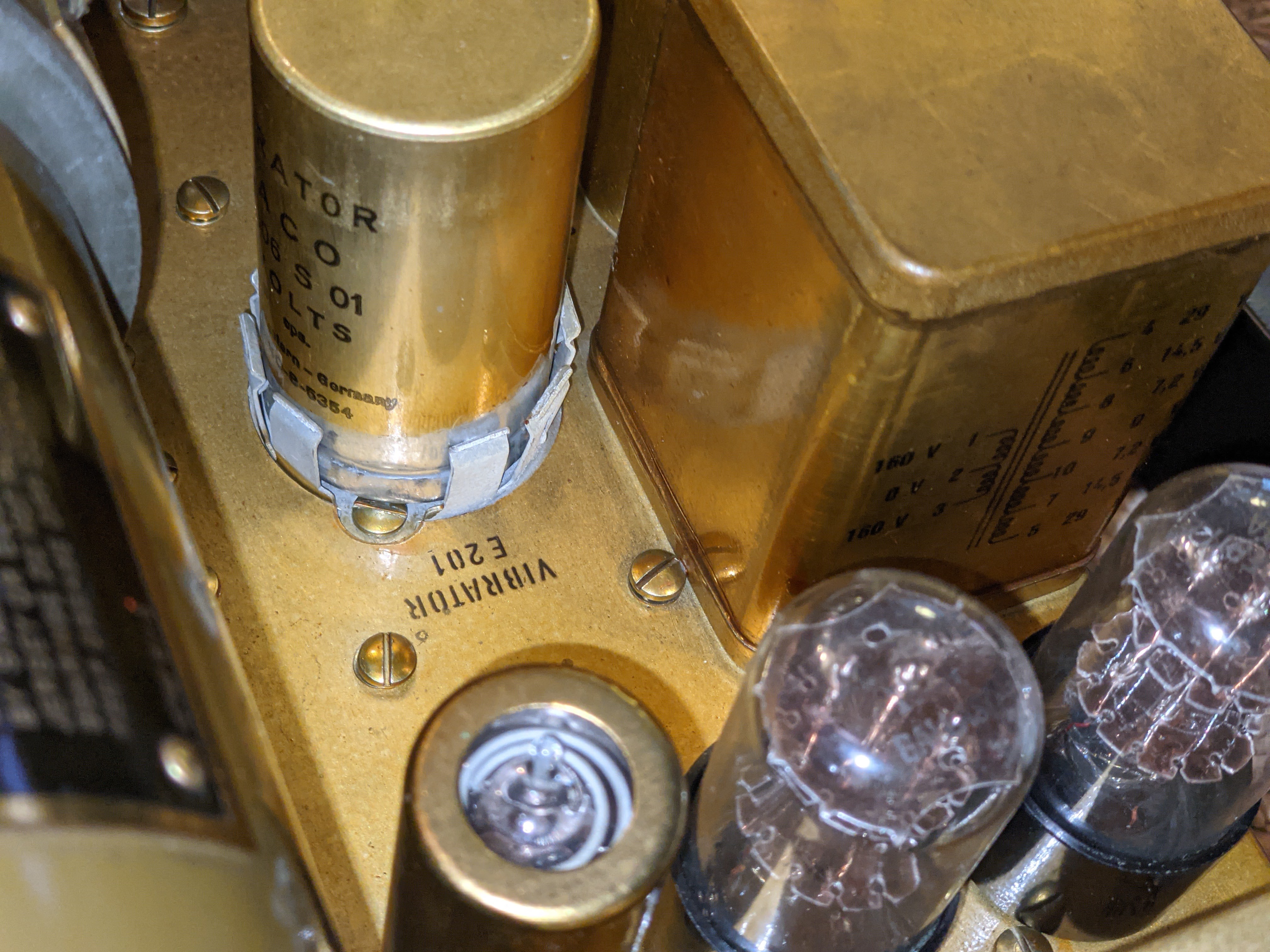
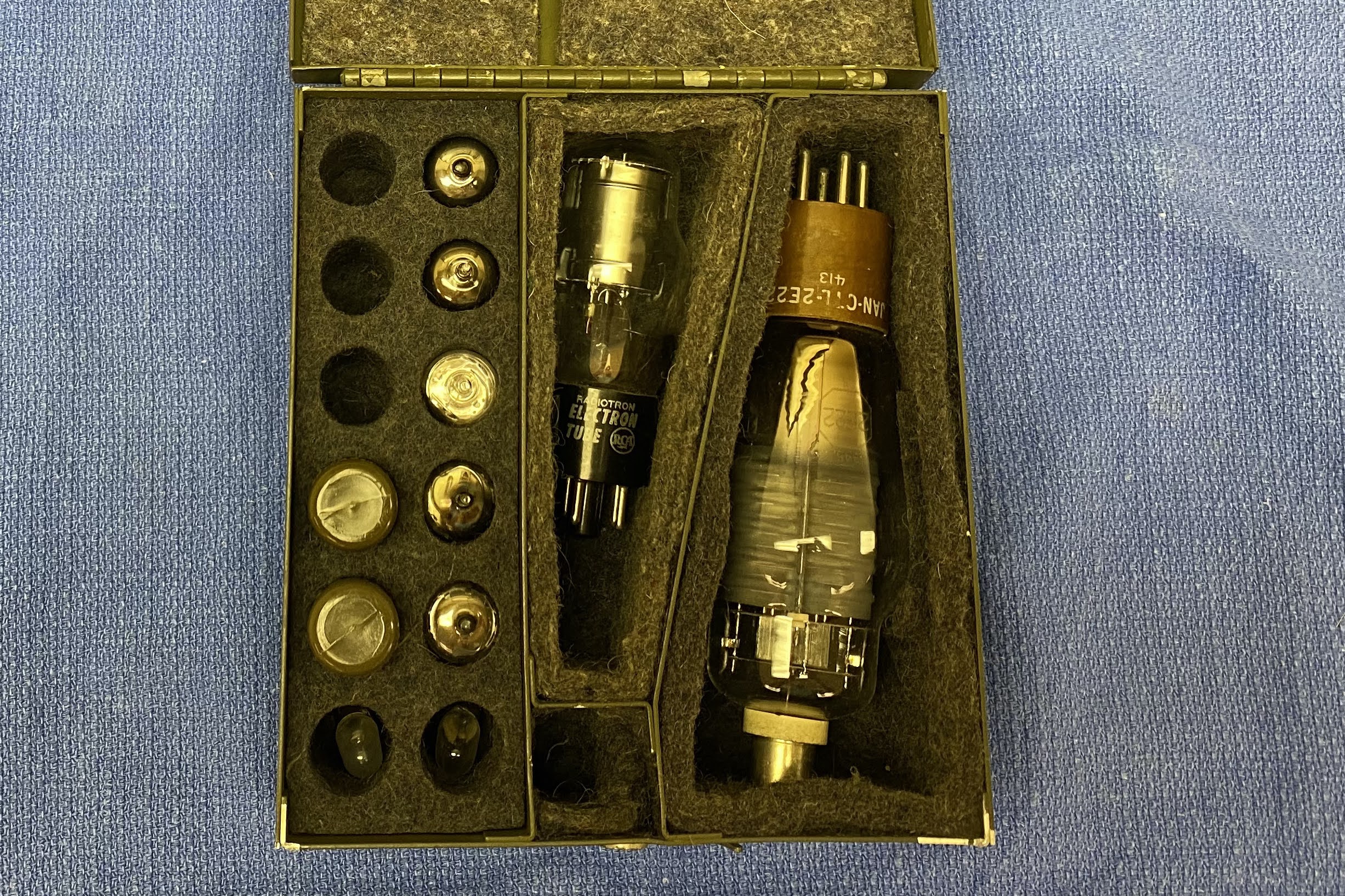
More to come
 |
| 50 kHz spacing when reading the frequency on the receiver Note the 7.2 is 7.200 MHz in the 40m band |
Images
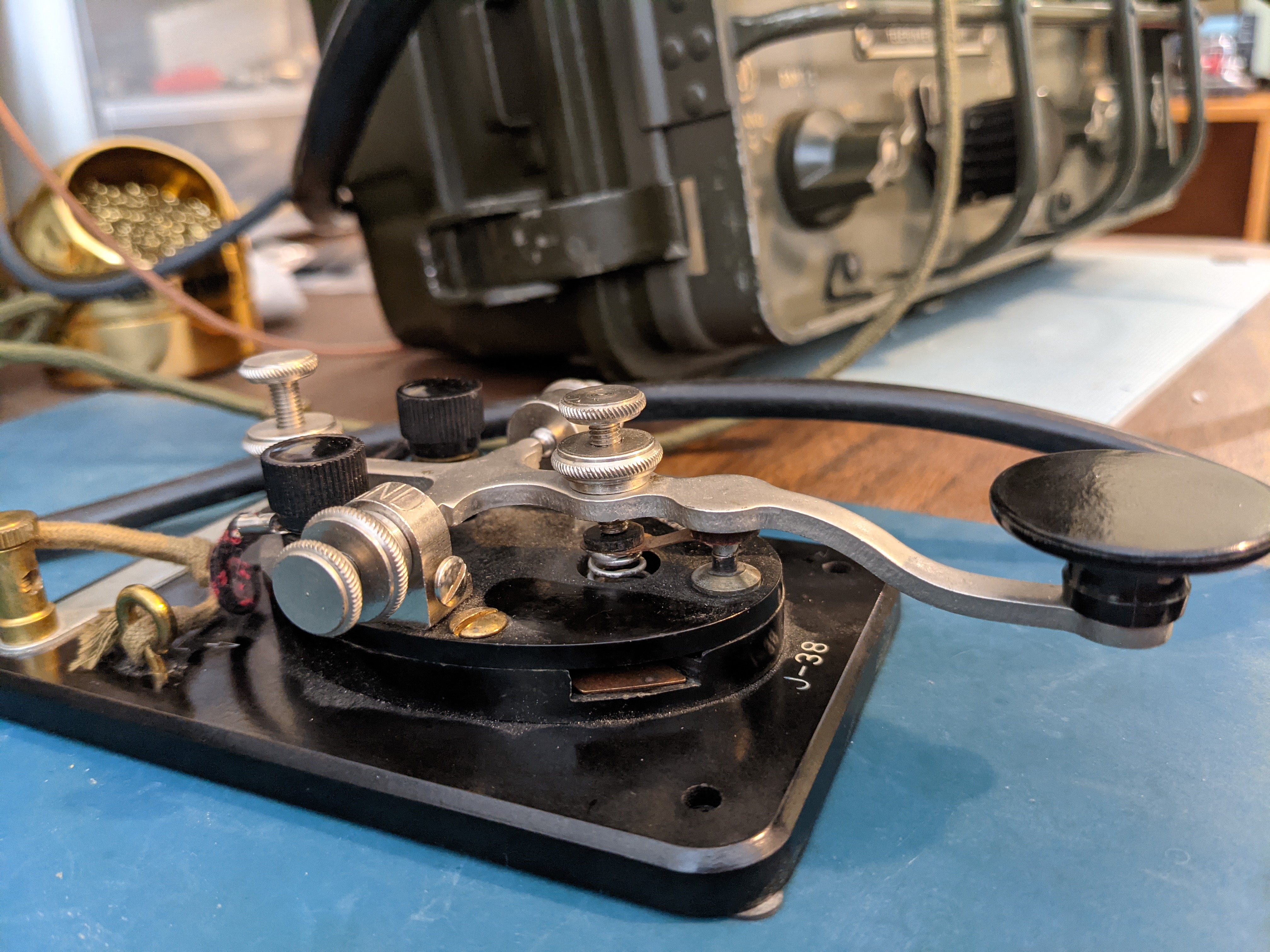
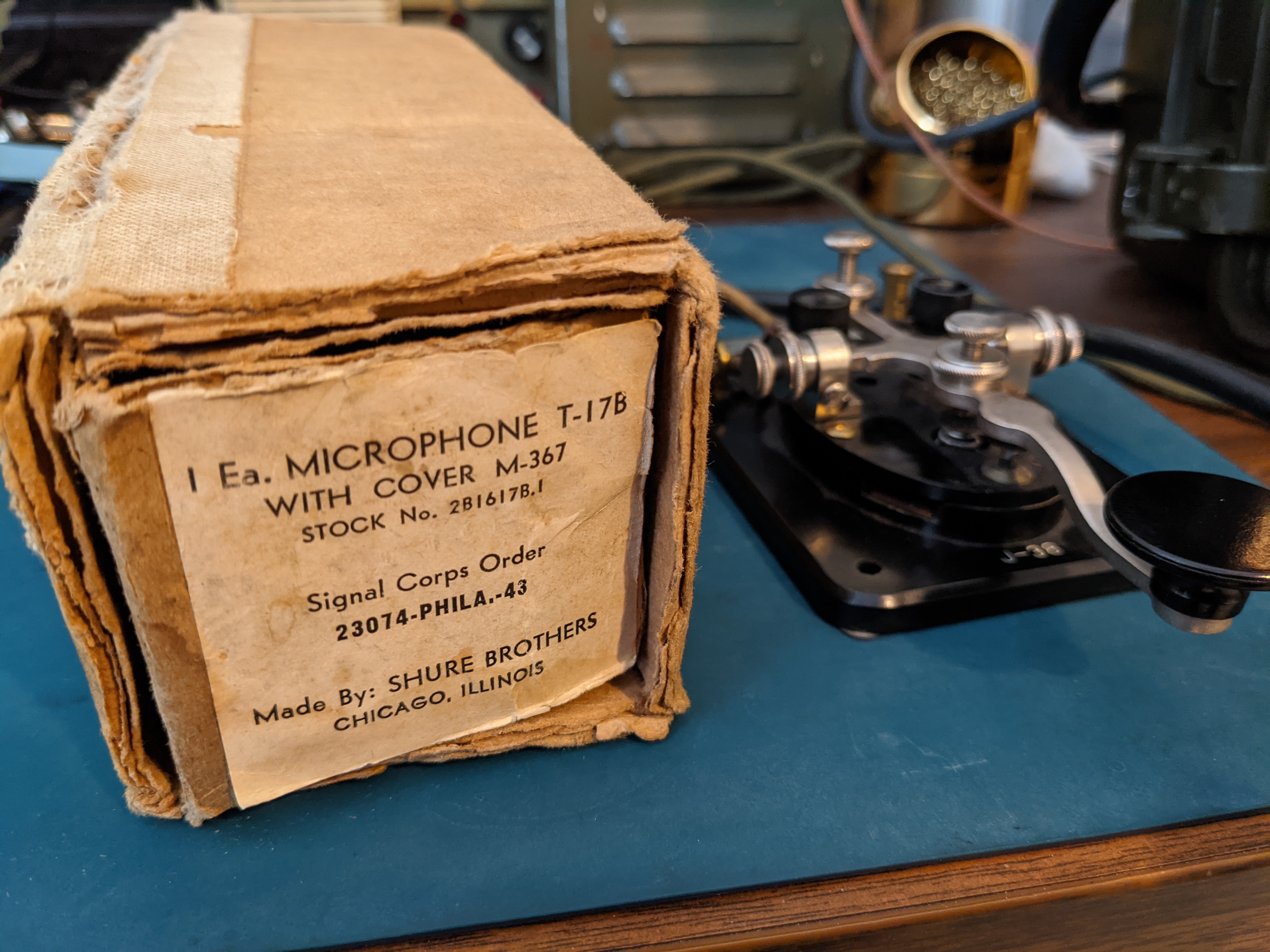
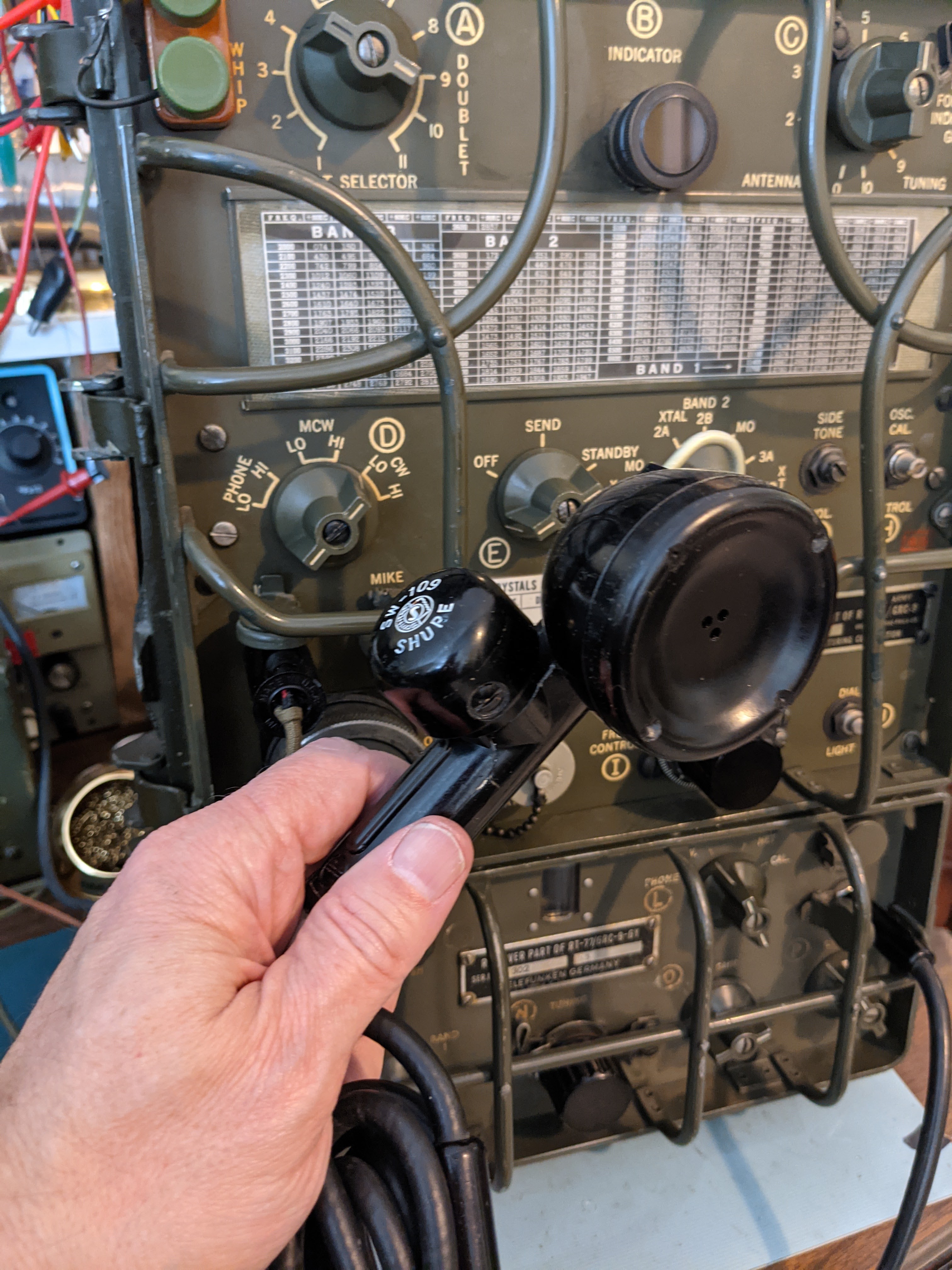

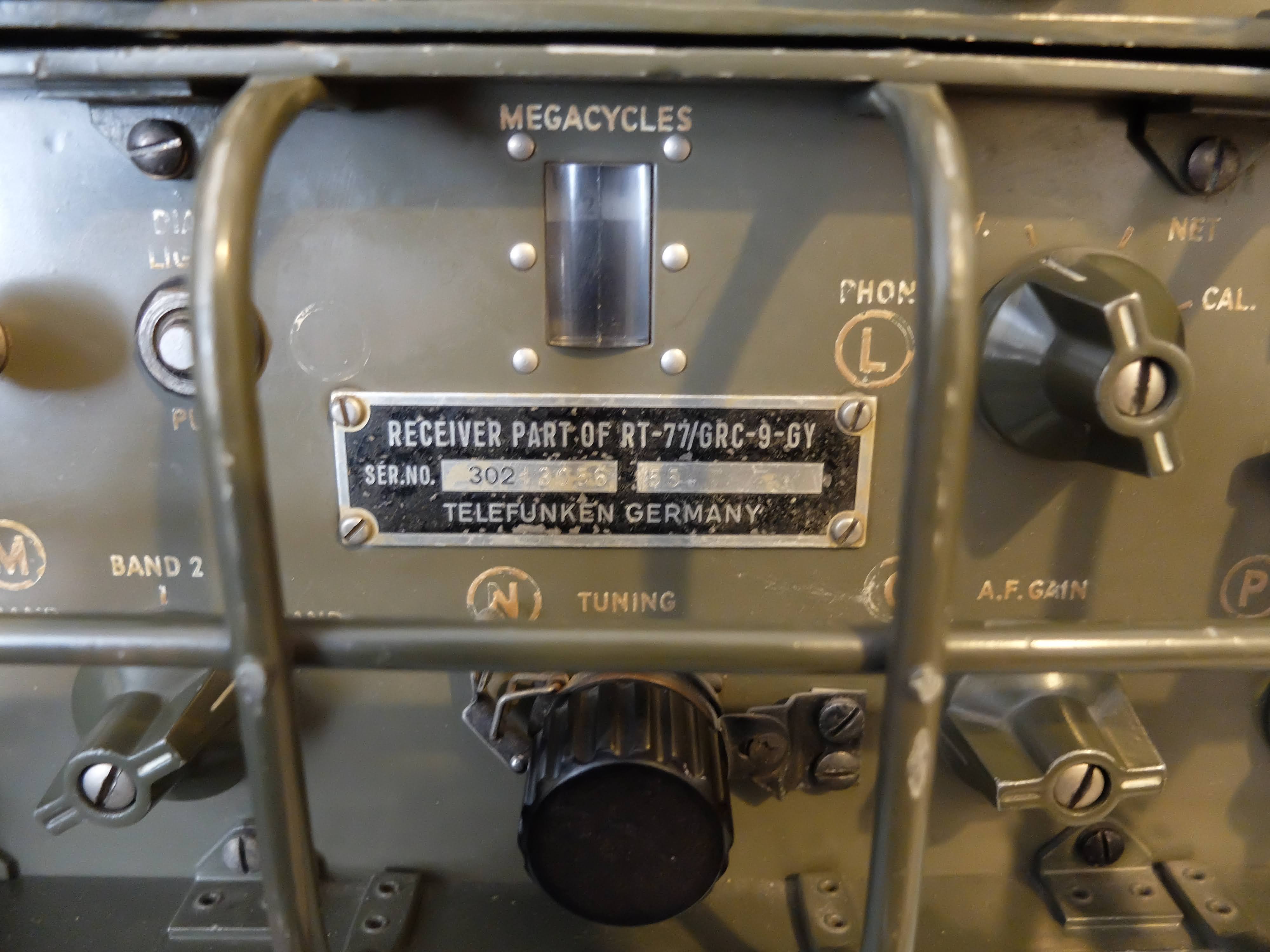
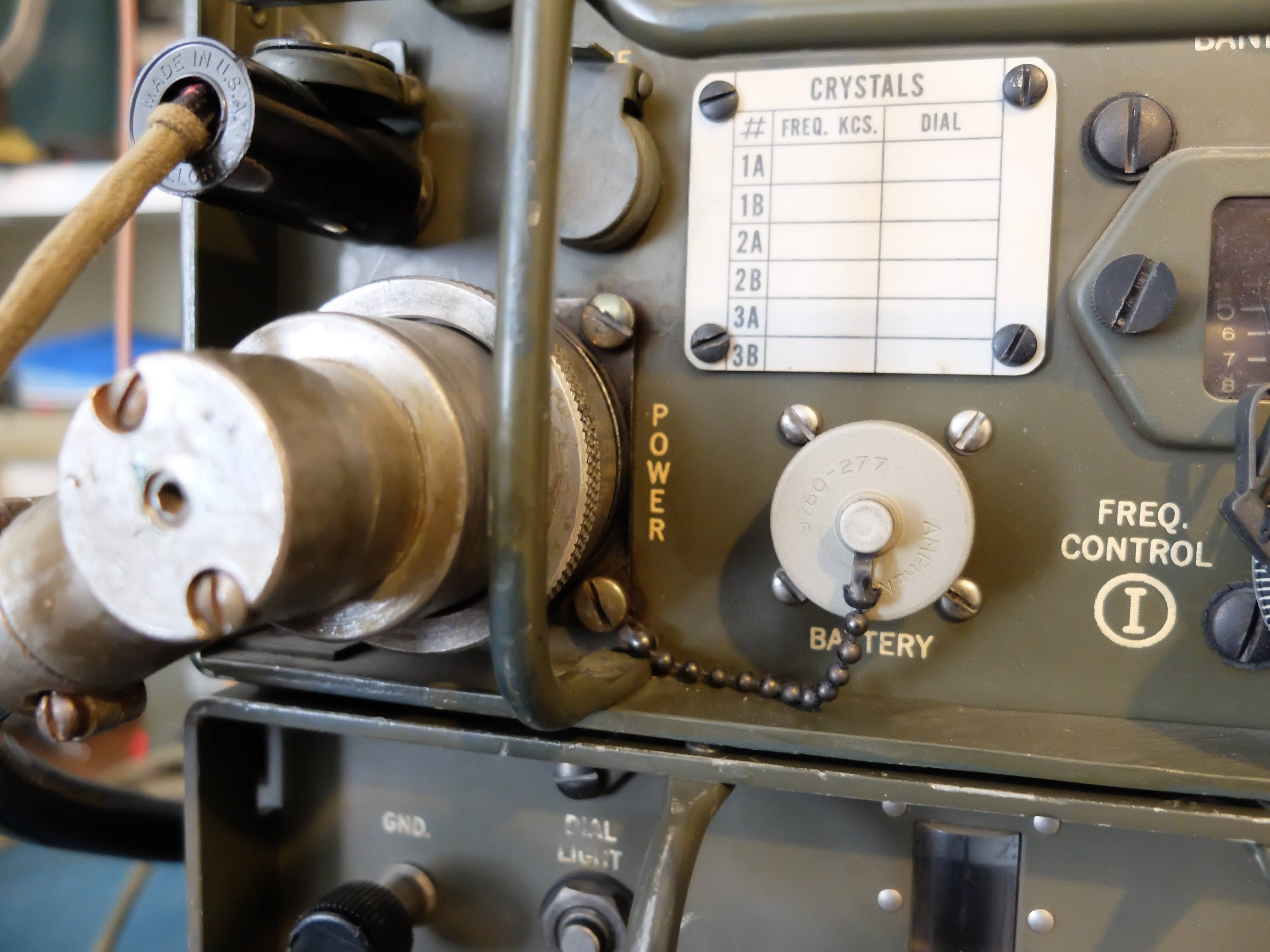
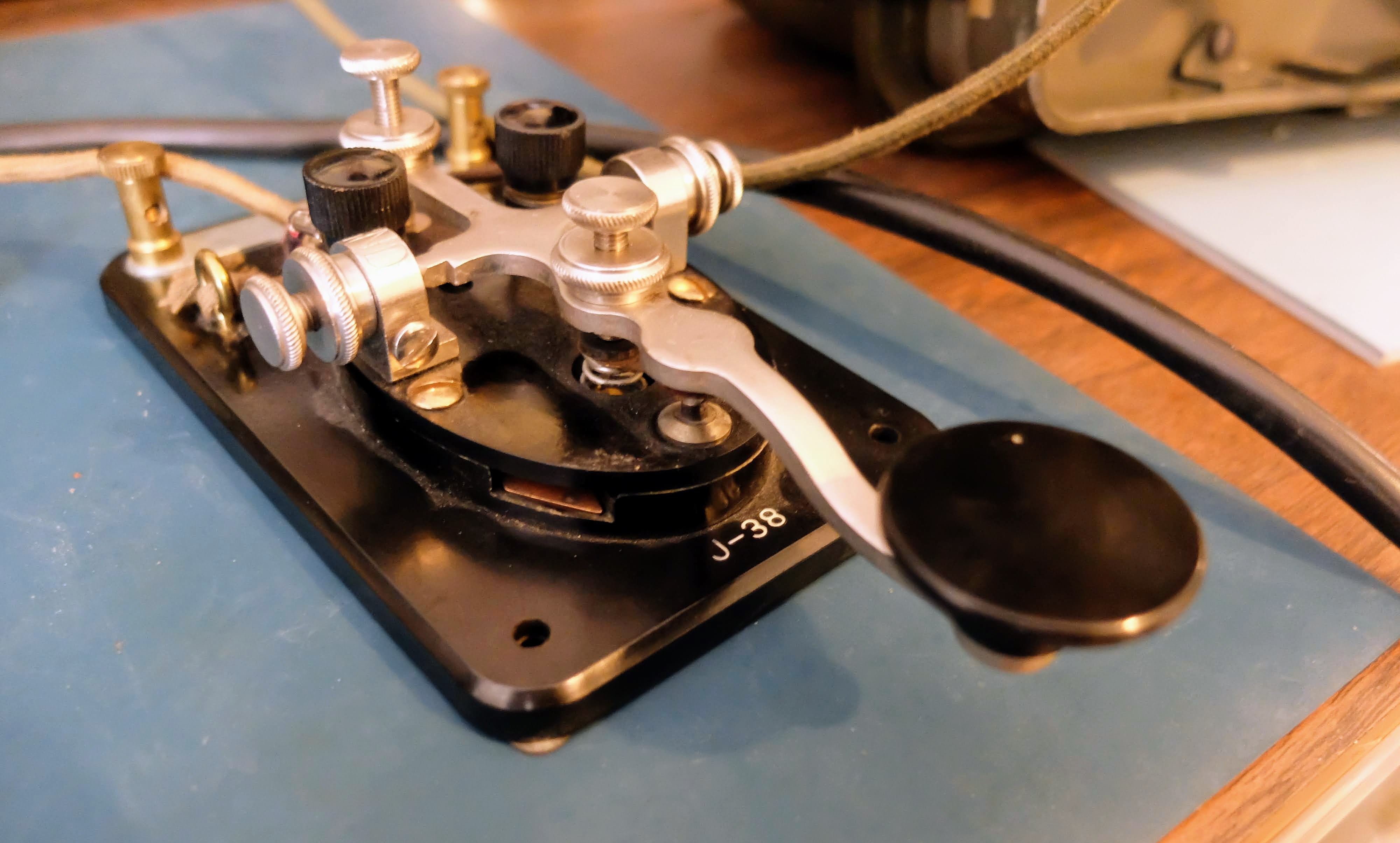
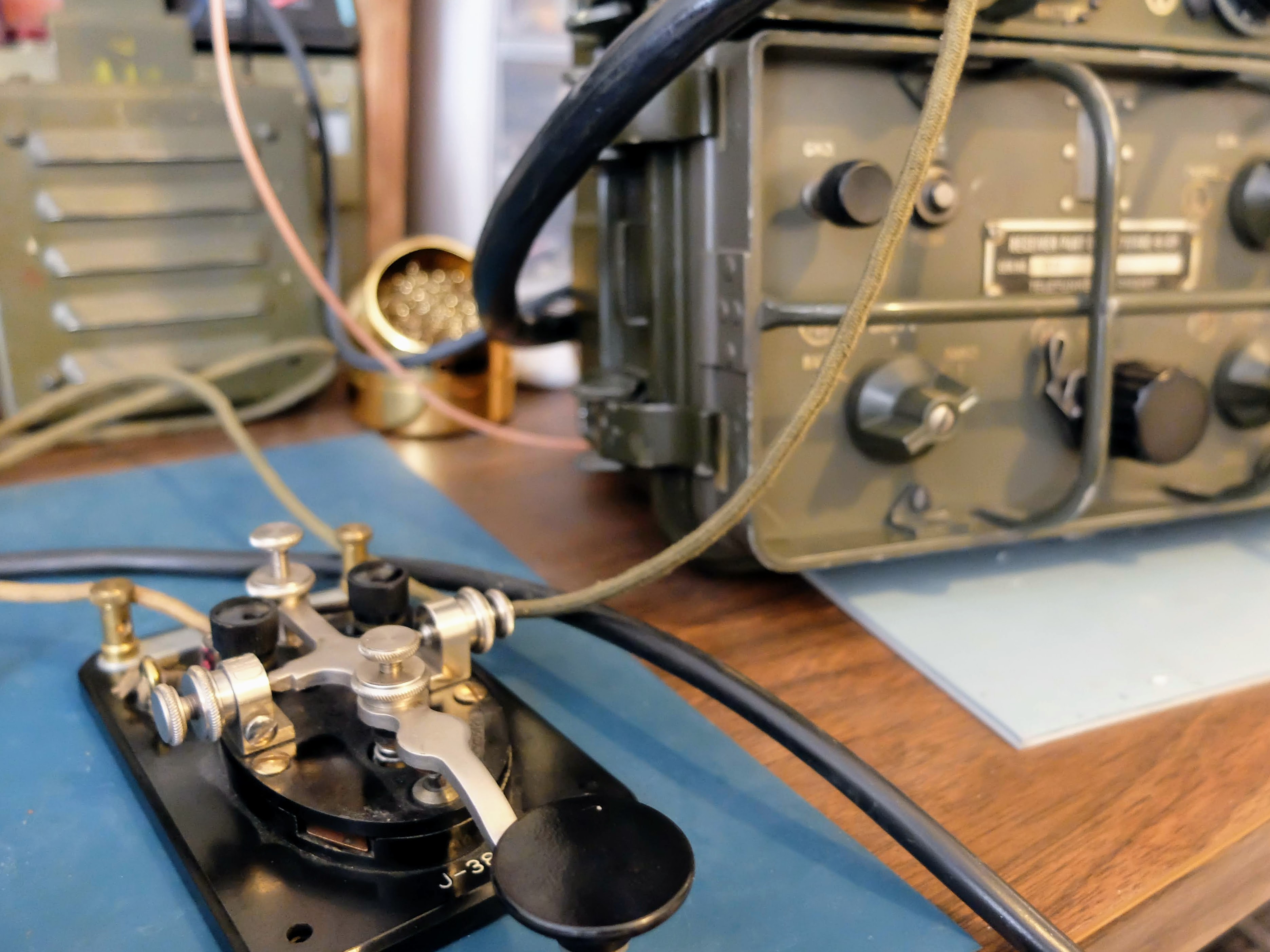
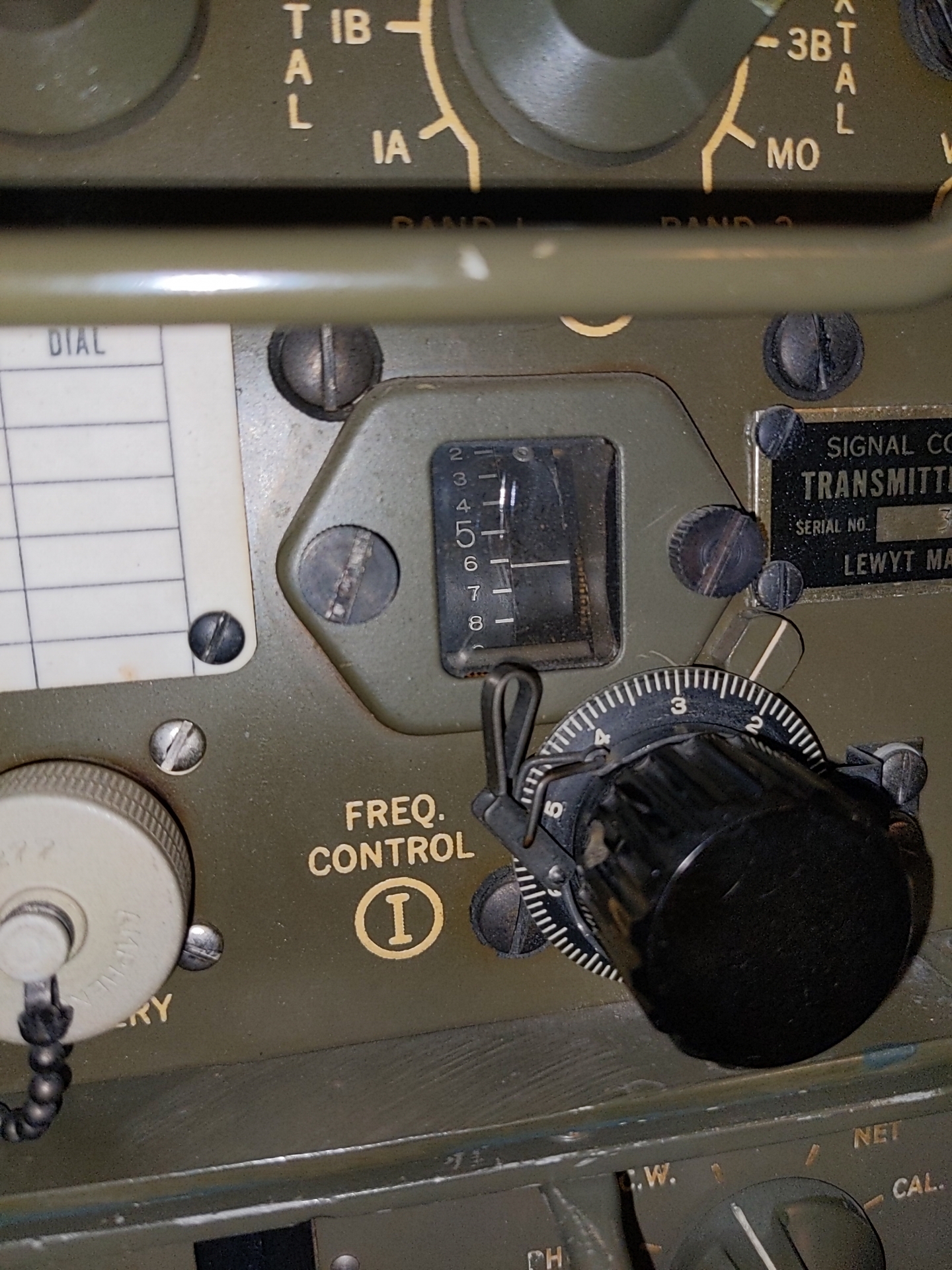
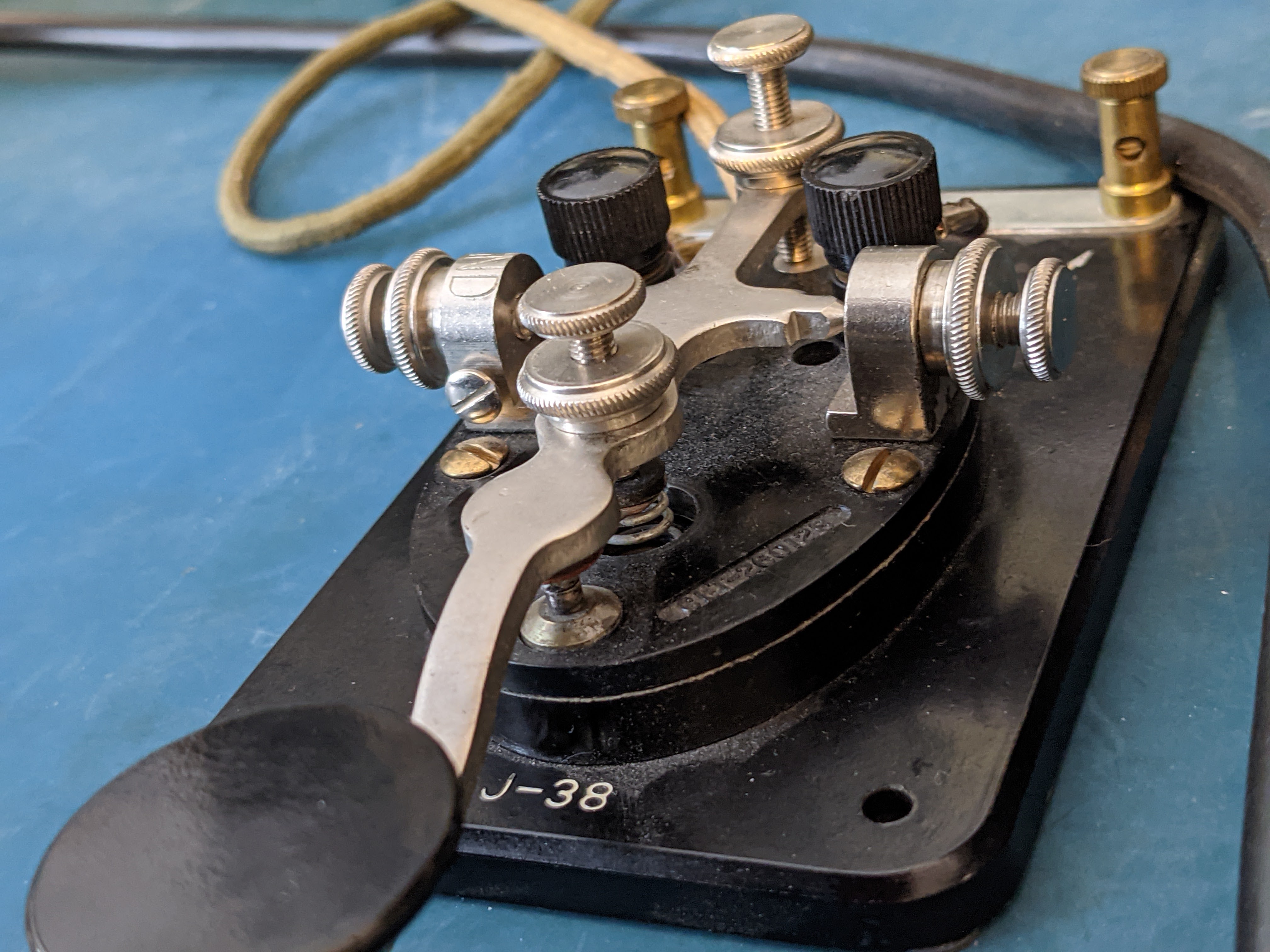


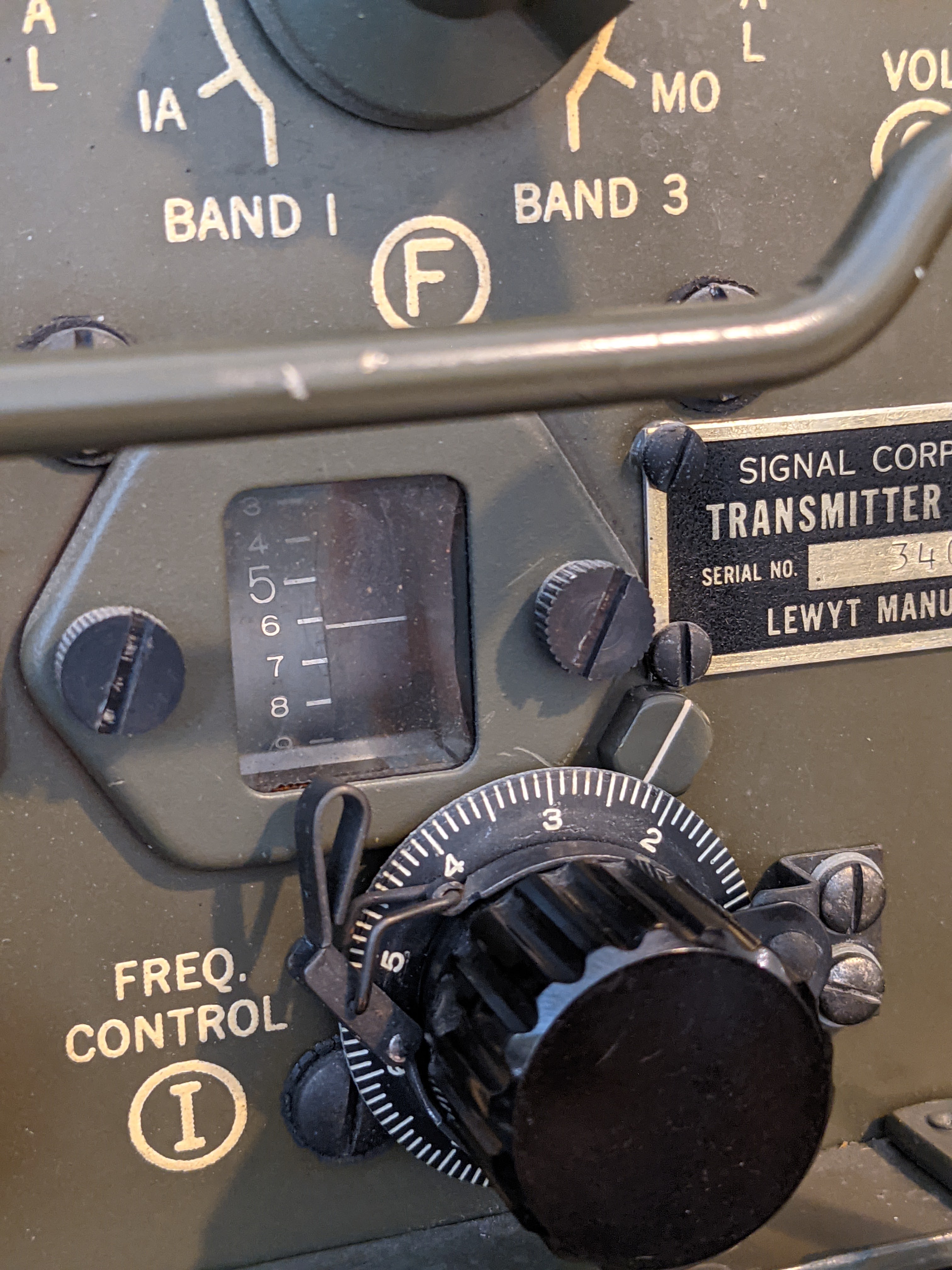
Notes
Instructions for restoring a vibrator to operation
Richard Carpenter, AA4OO, is a regular contributor to AmateurRadio.com and writes from North Carolina, USA. Contact him at [email protected].
Snow stopped Transmission.
This Sunday morning we have had a good dumping of snow over the Midlands area..
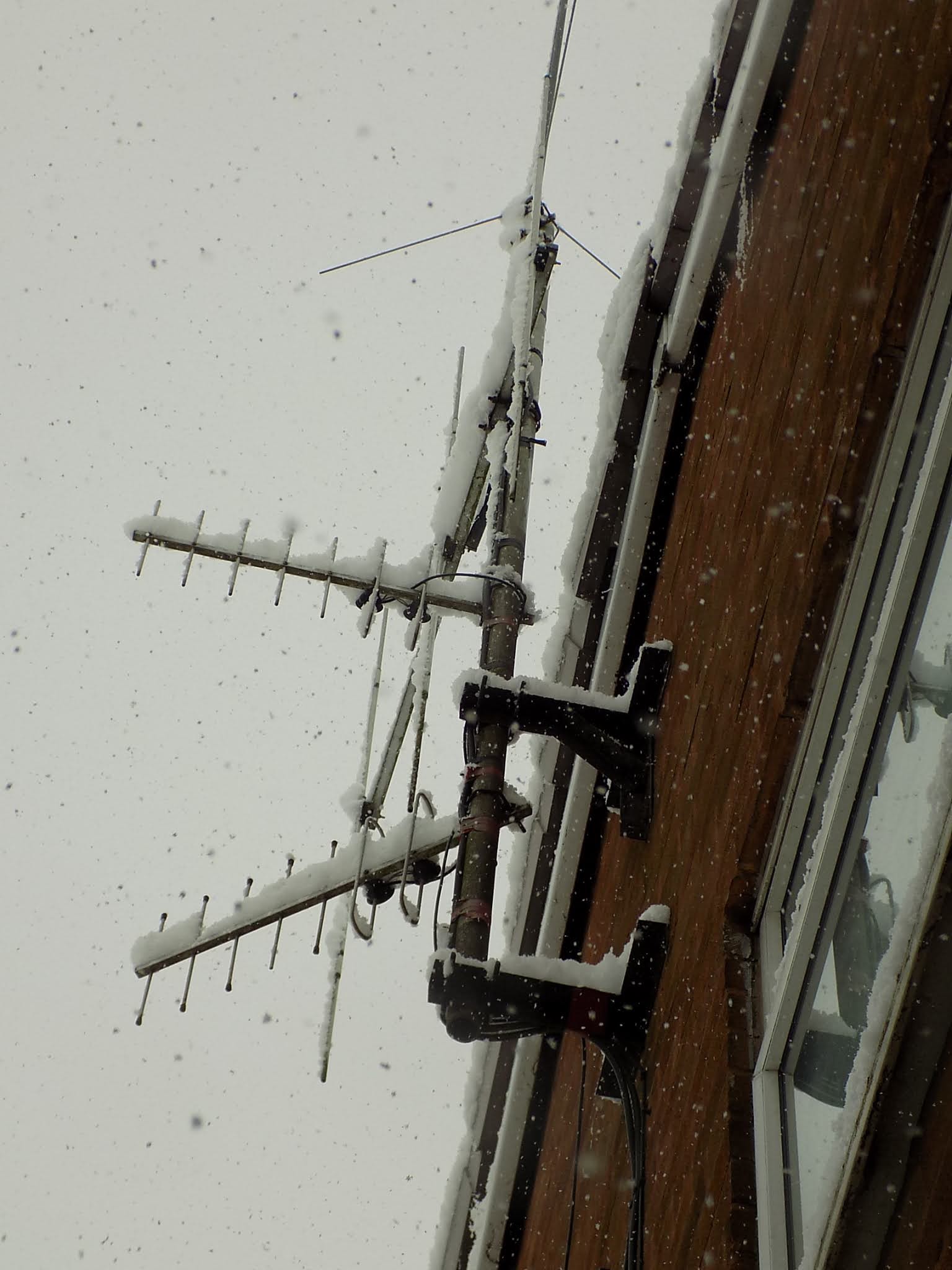
Around 12:00 GMT as I write this, my VHF/UHF array of antennas strapped to the side of the house are well plastered with the white stuff.
Outside Temperature is Zero Centigrade.
Steve, G1KQH, is a regular contributor to AmateurRadio.com and writes from England. Contact him at [email protected].
I’m back
It has been 15 days since my last post but my last post was about our cat Oliver and our best buddy who we said goodbye to. Some may think it strange but we have his ashes back home now in a cat urn. It's only his ashes but to Julie and me, Oliver is back home now.
It's now time to round the corner and get back to ham radio blogging. In my last radio post, I had just finished rebuilding my PC and it's working great. What I mean by great is, it's fast, startup happens almost right away and all the radio programs work great. The other big event computer-wise was I finally upgraded from Win7 to Win10. In the past, I have posted about my going back and forth regarding upgrading to Win10. My first upgrade was a free upgrade that Microsoft offered if you were operating Win7. I did that (installed Win10 over top of Win7) and it was a disaster I was having sound device issues, some of my radio programs intermittently were giving me issues and some of my Windows startups had error messages and failed to start. I was told some or if not all my issues were related to me installing Win10 overtop of Win7 but at that point in time, I was not willing to wipe my drive clean and install Win10 and all my programs.
After my complete PC upgrade, I purchased Win10 and did a clean install on my new solid-state hard drive. I am happy to say that I have had no issues. I did some research regarding Windows 10 and how on its own it installs updates at startup. I had seen many a post on radio sites how one day Win10 OS was without issue and the next startup there was issues. Many times it was due to the fact that an update was the issue that created a problem! I was reading that a very recent Windows update if you had a solid-state hard drive and ran Windows defrag program it would not defrag your drive but erase the drive! As a side note, one should not defrag a solid-state drive in the first place. But there were many upset Windows users who had solid-state hard drives that were wiped clean!
Back to Windows 10 updating issue, I solved that by downloading a program that turns off Windows automatic update. You can also turn Windows update off for 7 days at a time from within the Windows update program itself but you have to remember to reset it after 7 days or you will be updated. There are a few free programs out there that will stop Windows from updating The one I use is called Windows update blocker but there are others.... WUB, Windows update manager or WuMgr and Winupdatestop. The Windows update blocker program I use works great.
I do believe it is important to update Windows as it is very important and keeps Windows running smooth and secure. Now you ask I feel windows updates are important but I have an update blocker installed on my PC? Let me explain the method to my madness, each month on the second Tuesday Microsoft sends out their update to our PC's. These updates at first do have issues and over the course of a few weeks Microsoft learns of them and sends out fixes. I don't want to be a guinea pig for Microsofts updates and the best way for me to deal with this is to update after most if not all issues have been dealt with. I don't have a Microsoft crystal ball to know when to update but I do belong to a group that provides its members with a safe time to allow your OS to update.
I have mentioned this group in a past post, the group is called Ask Woody and for a donation, it provides valuable information, posts and user groups for Windows users. The group informs its users of safe update times to update as well as they will sectionalize the updates informing users of a certain update at this time should be avoided. I do know about Mac and Linux OS's but I have tried both and for the radio programs I want run these OS's just don't cut it for me.
Well, it's time for me to say 73 and thanks for stopping by the blog.....see you soon with a new post.
Mike Weir, VE9KK, is a regular contributor to AmateurRadio.com and writes from New Brunswick, Canada. Contact him at [email protected].
LHS Episode #388: The Weekender LXIV

It's time once again for The Weekender. This is our bi-weekly departure into the world of amateur radio contests, open source conventions, special events, listener challenges, hedonism and just plain fun. Thanks for listening and, if you happen to get a chance, feel free to call us or e-mail and send us some feedback. Tell us how we're doing. We'd love to hear from you.
73 de The LHS Crew
Russ Woodman, K5TUX, co-hosts the Linux in the Ham Shack podcast which is available for download in both MP3 and OGG audio format. Contact him at [email protected].
 Ham Radio Deluxe |
 W5SWL Electronics |
 Ham Radio Prep |
 KB3IFH QSL Cards  Hip Ham Shirts  HamRadioAuctions HamRadioAuctions Reliance Antennas Reliance Antennas Enigma Shop Enigma Shop |  morseDX  Ni4L Antennas  R&L Electronics R&L Electronics antennas.us antennas.us Ears to Our World Ears to Our World |
- Matt W1MST, Managing Editor
