 |
 Checking for Damage from Tropical Storm Irene [VIDEO]
 29 August 2011 | by
 There was a lot of news coverage for then Hurricane Irene and what people should do and not do during the storm as well as get ready. Kim, my YL, and I did what we needed, to get ready and we felt pretty set and ready to ride out the storm. But as luck would have it, there really wasn’t that much to ride out where we were. We got lucky.Most of the damage from Irene was in other areas. Flooding and power outages were the main things. But there was a mudslide up in Troy, N.Y. that occurred because of the storm. But here at my home QTH, we saw mostly small limbs down. When I went out to check this morning, it was just a bit messier from the wind we had last night. But still nothing major on our end.
All through out, Kim, my daughter and I were inside from about 6pm Saturday night till about 6:30pm Sunday evening. All that time was TV, movies and news about the storm, except for a few hours I got on the local repeaters and helped out Tom, N2SQO with a Skywarn net for WX2ALY, the National Weather Service station in Valatie, N.Y.
So here is the video from our little “walkabout” on Sunday night during a break in the storm.
73.
Rich also writes a Tech blog and posts stories every Tuesday and Thursday on Q103, The Rock of Albany’s website, as well as Amateur Radio stories every Monday thru Friday on AmiZed Studios and hosts a podcast called The Kim & Rich Show with his fiance’ Kim Dunne.
Rich Gattie, KB2MOB, is a regular contributor to AmateurRadio.com and writes from New York, USA. Contact him at [email protected].
Installing Elecraft’s general coverage option
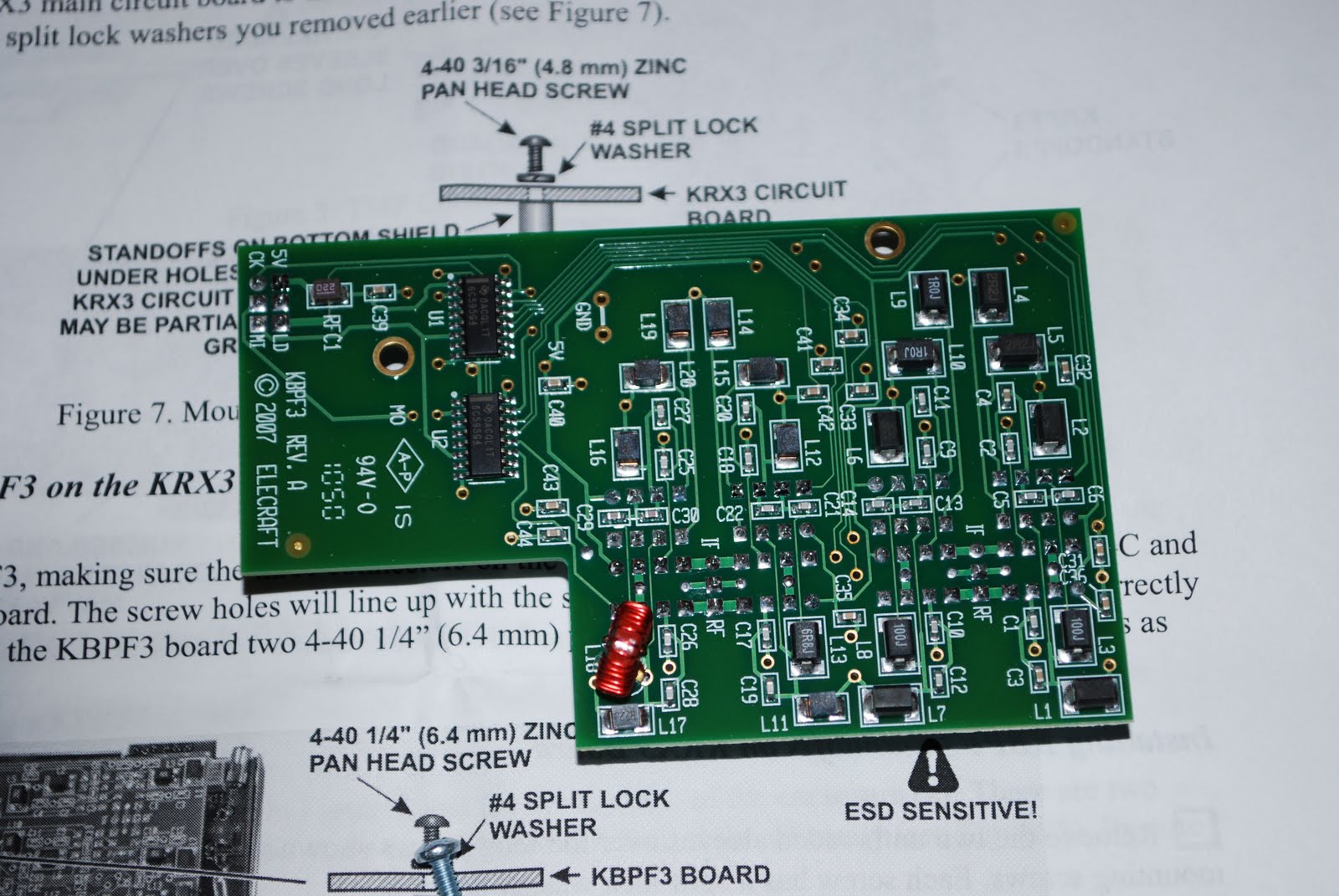 |
| KBPF3 board |
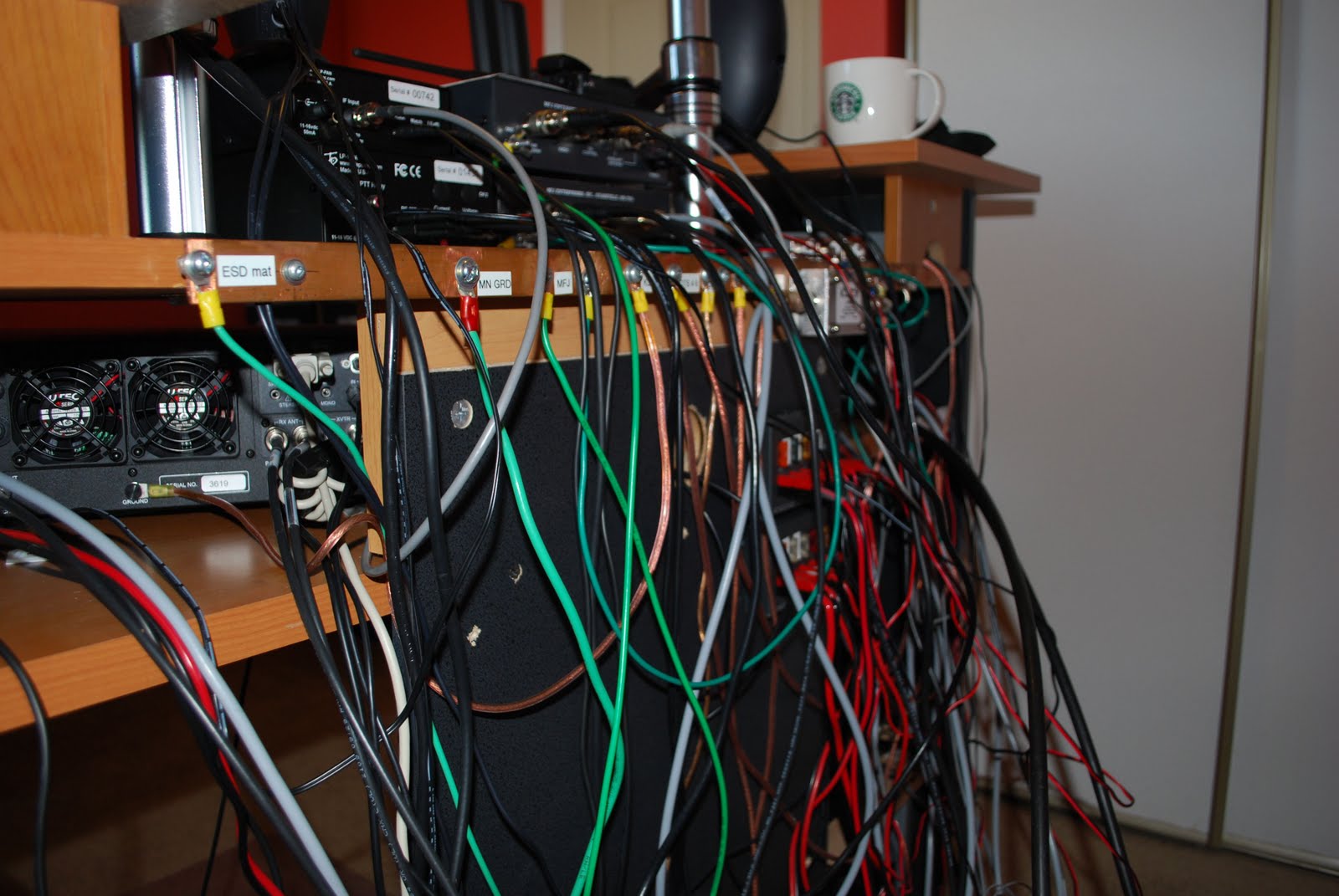 |
| The mess |
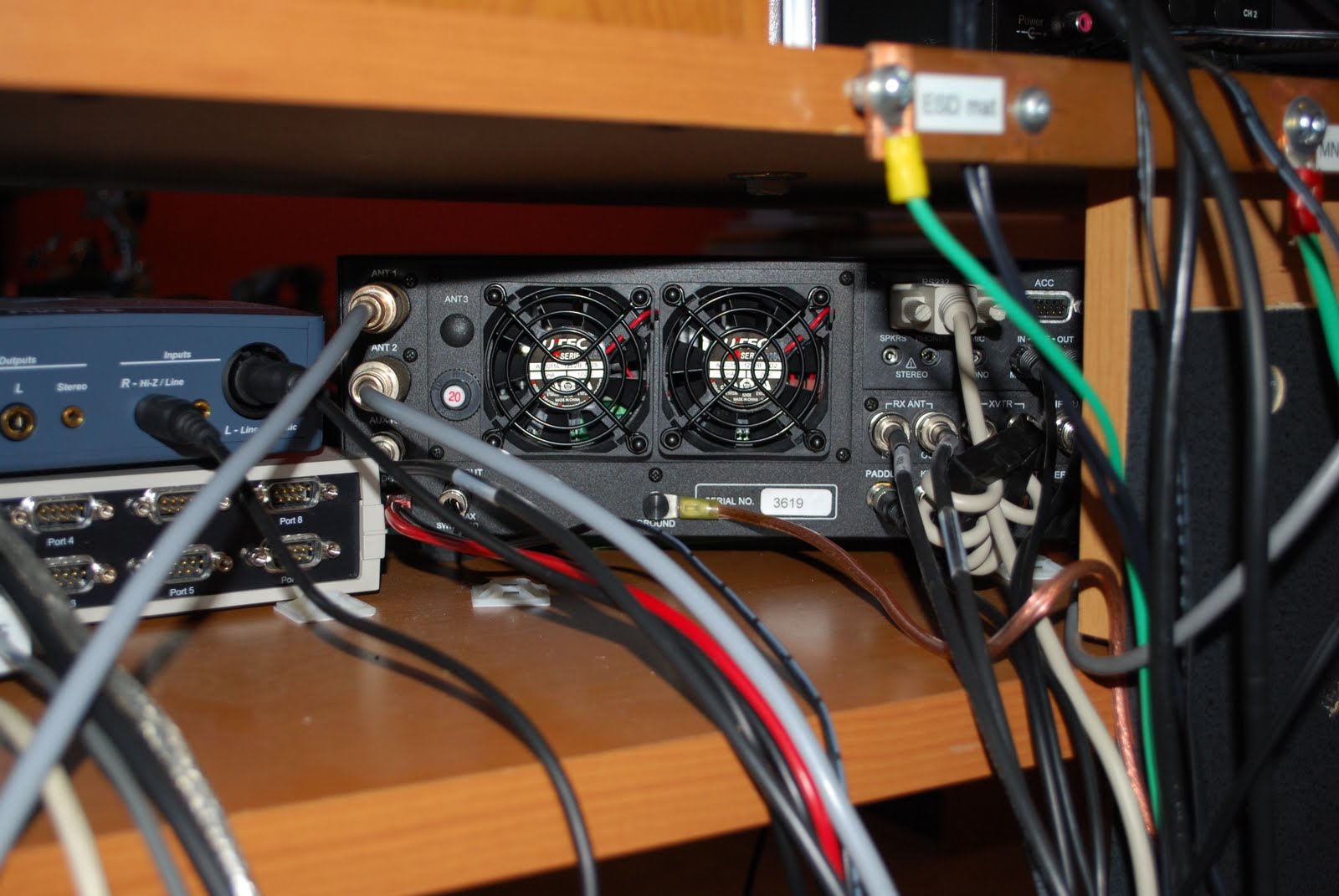 |
| K3 hookup |
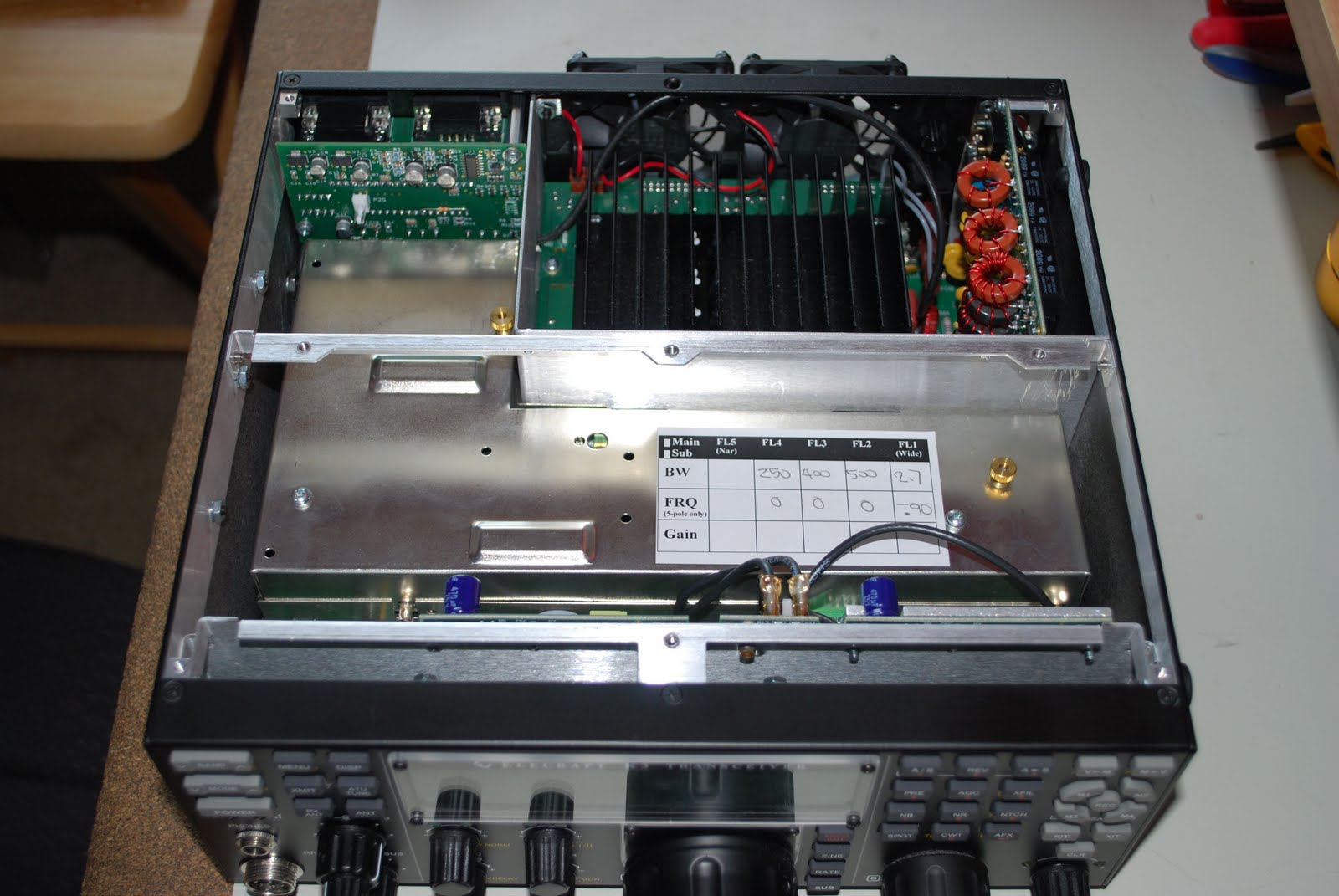 |
| Top cover off |
 |
| Sub-receiver |
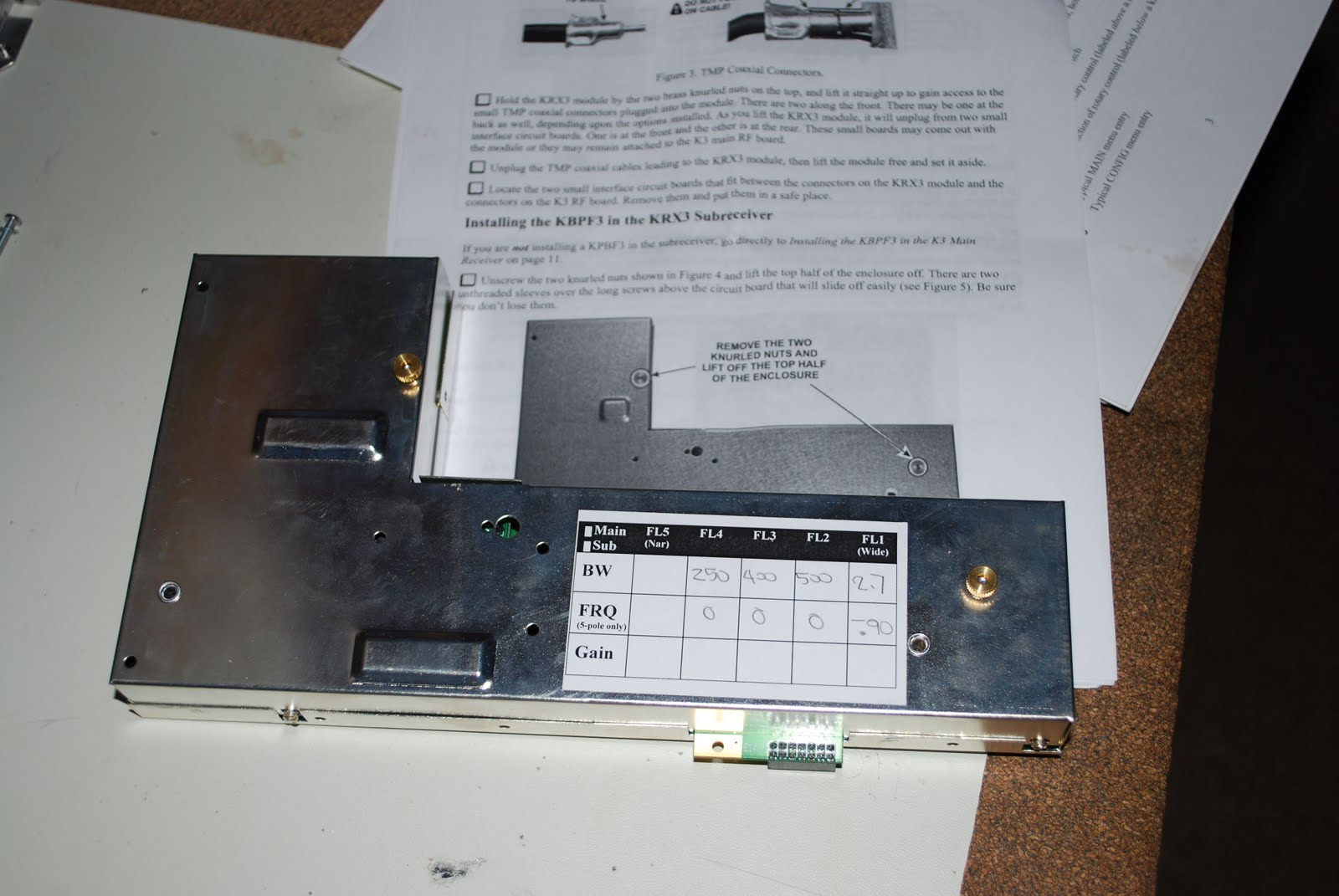
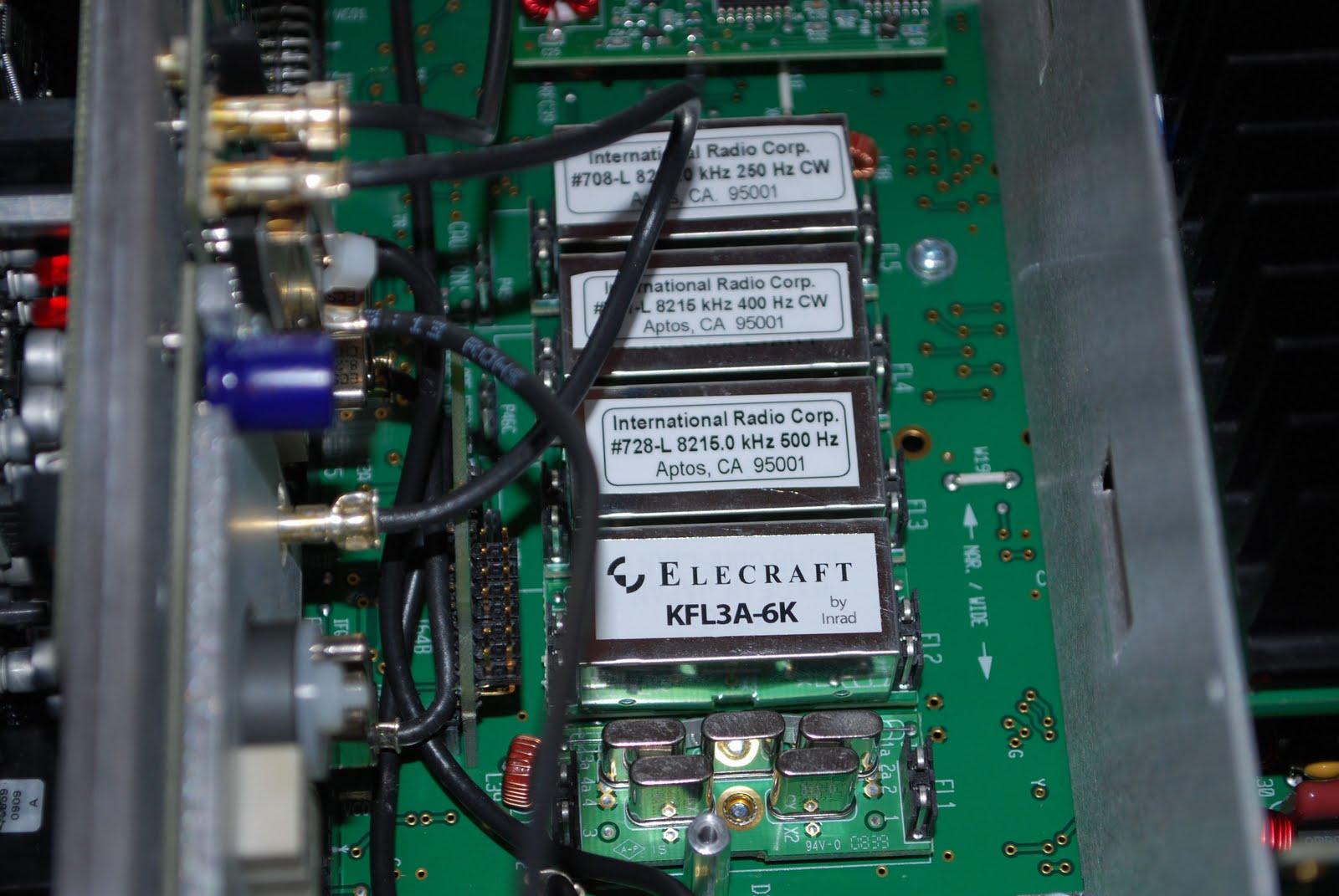
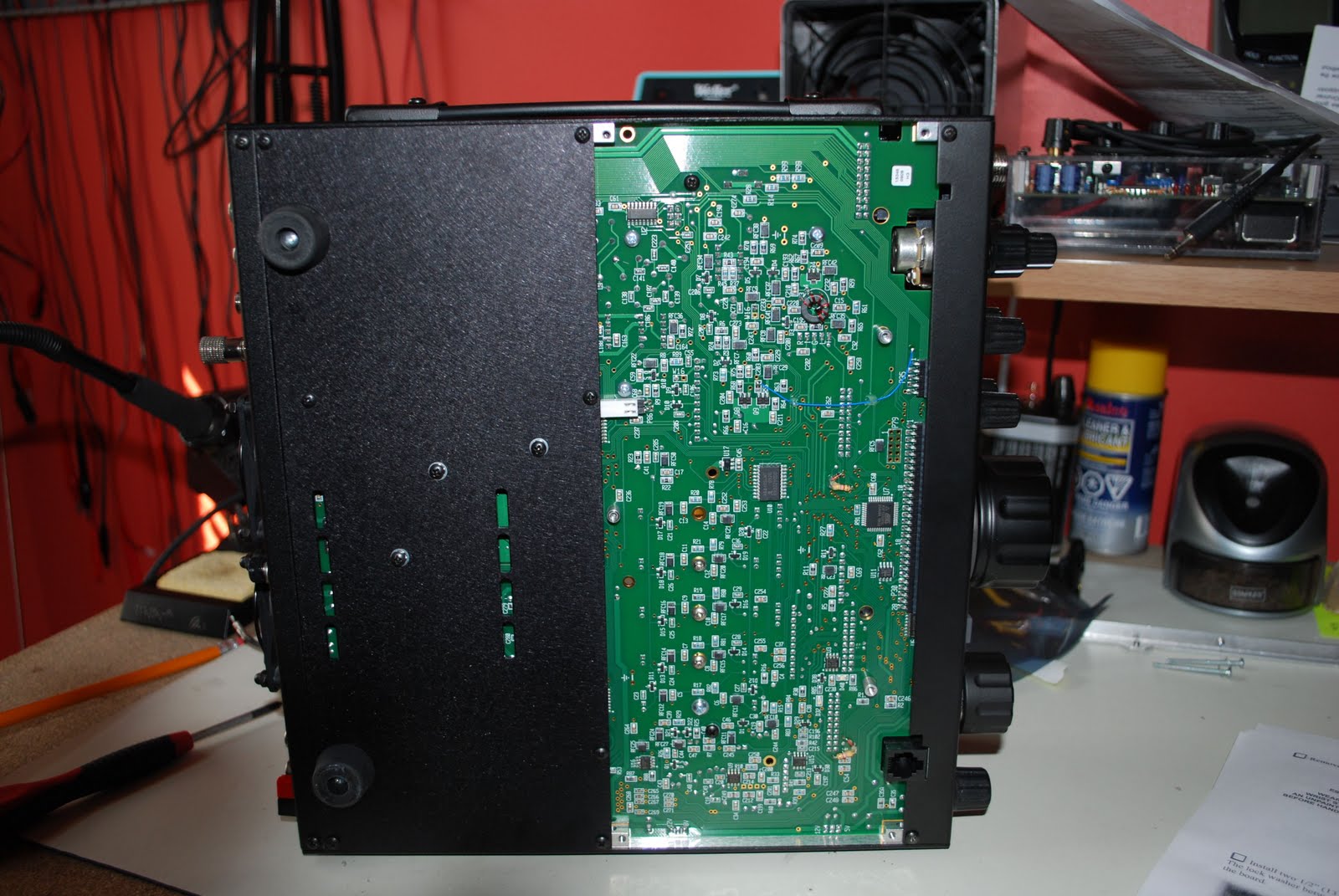
was time for me to move filters around to accommodate the new wide filter. Removing a bottom cover was in order to expose the filter's fastening screws. With the KBPF3 board in, sub-receiver back in....just a note of caution make sure the plastic cover is on the battery on the K3's main board. If it inadvertently came off and was left off it will come into contact with the sub-receiver's case and that is not good. Next all the covers went on
 |
| KBPF3 installed |
 |
| Note the wrong order of filters!! |
 |
| Bottom cover off |

Mike Weir, VE9KK, is a regular contributor to AmateurRadio.com and writes from New Brunswick, Canada. Contact him at [email protected].
Extra, Extra, Extra…Read all about it!
 I realize it was just Wednesday, 24 August when I blogged about reaching the 50% mark in the amateur extra training course I’ve been attending. I also realize it’s been less than a month (21 days to be exact) since I blogged about getting serious about extra….Again!! I have some great news I’ll share with you all in just a minute.
When I first got my license in August 2007, I knew I wanted to upgrade to the general class and I wanted to do it in relatively short time. I will admit that I quickly grew bored with working local VHF/UHF repeaters and while I did manage to work 10m HF, the QSO’s made on that band were few and far between. I became intrigued in PSK31 after watching Randy Hall’s K7AGE Youtube videos. Within a few weeks of earning my technician license, I was actively reading and preparing for general. I tested for my general ticket on 5 January 2008, just four months after getting my ticket.
Something else I need to admit is once I had my general in hand, I was satisfied. I had all the HF privileges that I believed I needed and wanted. I was happy as a pig in mud with being able to work PSK31, RTTY and of course phone on all the bands generals have access to. I even remember a conversation with a colleague from my office who was also a general. We both discussed how general was all we felt we would ever need.
Now keep in mind this was inside of my first six months of the hobby. In May of 2008 I started the Practical Amateur Radio Podcast and the Elmer bug bit me. Also, it was through the podcast and social media sites like Facebook and Twitter where I really became friends with many hams who were either already extra class or working to become extra class.
I believe it was very soon after I started the podcast and really started to get more involved with my Elmer activities that I realized I did see more to the hobby than staying at general. Sometime during the summer of 2008 I picked up the ARRL extra class study guide and started reading. But sadly over the last three years the ARRL extra class study guide spent more time on the shelf than it did in my hands.
Now jump forward three years and as I blogged on 8 August, I had once again pulled the book from the shelf and began studying. The approx. 50% of the material I had previously read all came back to me relatively easy. Plus the SCARS Echolink training was adding additional knowledge and confidence to my overall process. Again, just as I blogged last Wednesday, I truly felt on-track to take the exam in late September or early October. While I didn’t state this in writing, my unofficial target date was prior to October 4. On October 4 I turn 45 years old. Birthday present to myself???
On Thursday (just one day after the blog update) I had been passing the sample tests from QRZ in the high 80’s to low 90 range. My ideal practice score is in the upper 90’s as I don’t feel I am the best at taking exams. I told my wife that I couldn’t see a reason for me to delay taking the exam and she supported my decision to take a chance. She actually suggested I go into the exam thinking it was just another practice exam. If I didn’t pass, I still had several weeks of the SCARS class to continue to build my understanding of the material (this has always been my #1 goal versus memorization). Another reason to give it a try is my schedule at work is also starting to pickup speed again. I was recently promoted and had a few added responsibilities sent my way. I feared if I delayed, something would happen and I would lose the momentum.

I went to bed on Friday night feeling pretty nervous, but feeling confident. I slept remarkably well and woke up with enough time to enjoy some coffee and a bagel and just ease into the morning. I didn’t take any sample tests…I just enjoyed the peacefulness of the morning. With a cup of coffee for the road (a roadie) I started the 25 mile journey to Franktown, Colorado for the Colorado ARES sponsored VE session. By 9:45 AM, I had the CSCE in my hand and had finally made extra.
In closing, I don’t view the extra class as the only true ham class. For those who are technician, general, advanced….if you are happy then this is what matters. You are just as much a part of this hobby and service as anyone else is. However, if you are interested in upgrading I say go for it. I’m glad I finally got serious about it and followed through….ALL THE WAY through.
Finally, thanks to all who over the past several weeks have taken the time to post comments to the blog and even email me to lend words of encouragement. This meant a lot to my study and preparation process. I felt like I had all of you with me yesterday cheering me on as I worked through the 50 questions and answers.
Until next time….
73 de KD0BIK/AE
Jerry Taylor, KD0BIK, is a regular contributor to AmateurRadio.com and writes from Colorado, USA. He is the host of the Practical Amateur Radio Podcast. Contact him at [email protected].
ICQ Podcast S04 E18 – Lord Howe Island DXPedition (28 August 2011)
Series Four Episode Eighteen of the ICQ Podcast has been released. News Stories include :-
- Baltimore QSL card exhibition
- National special prefix for Parks Canada Centenial
- FUNcube Dongle as a Radio Telescope?
- Lining up for TV hook-up
- Vanity call sign fee to increase
- CASHOTA UK & Ireland Heritage event
- 2 metre DXCC achievement
- Dutch authorities get tough with radio pirates
- G5RP Trophy nominations sought
- Heathkit returns to market
- FO-29 15 years old
- 70th Anniversary for ham couple
Your feedback and Ed Durrant (VK2ARE) provides a report from the Lord Howe Island DXPedition.
Colin Butler, M6BOY, is the host of the ICQ Podcast, a weekly radio show about Amateur Radio. Contact him at [email protected].
ICQ Podcast S04 E18 – Lord Howe Island DXPedition (28 August 2011)
Series Four Episode Eighteen of the ICQ Podcast has been released. News Stories include :-
- Baltimore QSL card exhibition
- National special prefix for Parks Canada Centenial
- FUNcube Dongle as a Radio Telescope?
- Lining up for TV hook-up
- Vanity call sign fee to increase
- CASHOTA UK & Ireland Heritage event
- 2 metre DXCC achievement
- Dutch authorities get tough with radio pirates
- G5RP Trophy nominations sought
- Heathkit returns to market
- FO-29 15 years old
- 70th Anniversary for ham couple
Your feedback and Ed Durrant (VK2ARE) provides a report from the Lord Howe Island DXPedition.
Colin Butler, M6BOY, is the host of the ICQ Podcast, a weekly radio show about Amateur Radio. Contact him at [email protected].
An unscheduled interruption

OVMRC and CUARC Field Day Site 2011, the Canada Science and Technology Museum
My last post was way back in June, when I was on business in St John’s Newfoundland. I had not planned for there to be an interruption in the postings but it just seemed to turn out that way. No single reason for the lack of output, things were busy with family, jobs around the home, work (I have taken on a new role) and radio with the Carleton University Amateur Radio Club (CUARC). Once I had stopped posting for a while it was too easy to not post. There may have been some writer’s block too. One reader advised me to write again when I was feeling the mood return, but emphasized not to change the format. So now it is time to pick up the blogging again.
I may post more on these items, but here is a brief run down of recent amateur radio and electronics related activities over the hiatus.
- End of June there was Field Day and again CUARC participated with the Ottawa Valley Mobile Radio Club after being kindly invited to join them (see photo above). We operated mostly as a GOTA station (I was a GOTA captain and rules were followed) but when one transmitter turned in for the night we became the 80m station. We used a homebrew full wave 80m horizontal loop and a homebrew ¼ wave vertical with three elevated radials for 15m. Both antennas performed well.
- Somewhere in the recent past this blog went over 100,000 views. Top post in recent months has been details on the Z-Match tuner. Thanks to all of you for reading the blog!
- CUARC is constructing a 30m QRSS receiver and the oscillator, mixer, diplexer stages have been built and constructed individually. A low noise audio stage is to be built next.
- At work I have been building small SMD microcontroller boards with on board RF capabilities. The boards which we modified from some open hardware have been reduced down to about 4.5cm by 2 cm. My SMD soldering has been getting better, especially using a professional rework station.
- I have been programming the new ID-880H dualbander that I bought in Spring.
- The Saturday morning Ottawa Amateur Radio Digital Group D-STAR net continues every Saturday at 8:30am local time here in Ottawa (8:30EST or EDT) and we link through to reflector REF016B. Either Andrew, M0GRU, or myself run the net. Join us if you can.
Next post will be the pictures form a foggy Signal Hill that I promised in the previous post.


Alan Steele, VA3STL, is a regular contributor to AmateurRadio.com and writes from Ottawa, Ontario. Contact him at [email protected].
Duh-tective sends his confession and apologies!
Made one of those last minute decisions to go out and operate in the last minute announced QRP-ARCI Welcome to QRP Event. Packed my trusty Sierra and End Fed Half Wave with Stuner (ala Stu KI6J) and went down to the lake park to take over the shelter. Hurricane Irene’s leftover wind gusts of up to 30 mph made the launching of antenna supports a bit more challenging than normal, but I used a bit heavier sinker than normal and only need one do-over shot to get my two lines in the air.

K4UPG setup for QRP ARCI Welcome to QRP Event 2011
Ran my EFHW in a L configuration with the vertical side up to about 33 feet and the horizontal side going to a nearby tree that was well placed for hanging my antenna. I started on 40 m and shortly after light off worked QRP contest regular W4BAI and felt good about the day. But either the band or the connection quickly began to let me down with signals diminishing quickly into the noise floor. Reluctantly shortened the antenna to switch to 20m and for some reason signals there were even lower in strength… and the antenna was not loading. Hmmmm! Could not get the LED to even dim–what could cause that? Changed my coax from rig to tuner, double checked the banana plugs and all seemed well there, but no match and the signals I heard were WAY down in the mud. I tried to check freq with a QRL? on several spots and called CQ until I was tired of pounding brass with no response heard. No fun…
Then the DUH-tective showed up and solved the problem.
Seems I had not switched the band module in the Sierra and it was still on 40m but the antenna was a 20m EFHW. DUH… my sincere apologies to anyone that got qrm’ed by my QRL’s and CQ’s into a mis-matched antenna. This is one time that I was glad to be running QRP at only 2.4 watts out. A quick band switch and I worked another contest regular K0ZK and then in the next QSO worked NE5DL for both QRP ARCI and SKCC number exchanges in two different QSO’s. Had a bit of distraction in the middle of our first QSO as the rain started and was pounding into my back as the 30 mph winds sent the rain horizontally! A bit more with Dave and I called it a day before the rig got wet. Good thing the DUH-tective showed up.

My sole visitor was a Black Racer about 4 ft away from me!
Hey, I was outdoors, saw a nice looking 3+ft long Black Racer snake about 4 feet from my operating position and made a couple QSO’s despite the goof ups. Who could ask for more?
Kelly McClelland, K4UPG, is a regular contributor to AmateurRadio.com and writes from Florida, USA. Contact him at [email protected].
 Ham Radio Deluxe |
 W5SWL Electronics |
 Ham Radio Prep |
 KB3IFH QSL Cards  Hip Ham Shirts  HamRadioAuctions HamRadioAuctions Reliance Antennas Reliance Antennas Enigma Shop Enigma Shop |  morseDX  Ni4L Antennas  R&L Electronics R&L Electronics antennas.us antennas.us QRV QRV |
- Matt W1MST, Managing Editor
