 |
 For a Morse Enthuisiast: Something for the Shack
 22 April 2013 | by
 http://www.ebay.com/itm/Samuel-Morse-Historic-Photograph-Signed-Twice-w-Morse-Code-Holograph-Message-/190826936067?
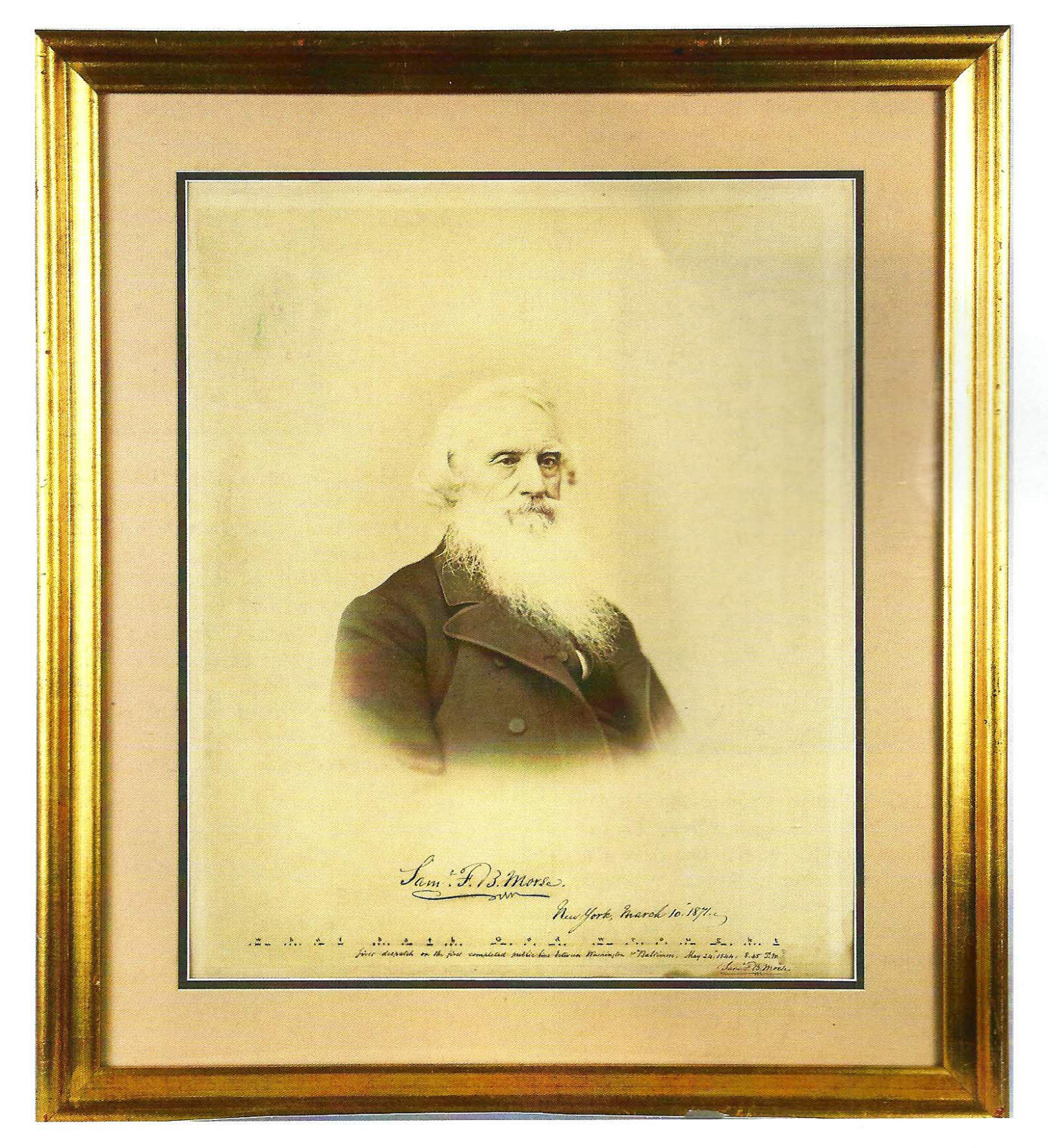
At the bottom of the photograph he has spelled out in Morse the famous message, "What hath God wrought". Noticed the slight differences in the "o" and the "r" morse characters.
Happy bidding.
Mike Crownover, AD5A, is a regular contributor to AmateurRadio.com and writes from Texas, USA. Contact him at [email protected].
Amazing Reverse Beacon Network

I haven’t called CQ for a long time on CW except in contests. Mostly I have just responded to DX calls with a super short “5nn TU” and that’s it. But this Saturday I heard a presentation at the Norwegian Ham Meeting by Roland, SM6EAT about a Swedish initiative to increase CW activity. It is called Scandinavian Open CW Activity (SOCWA) and it has at present 452 members from Scandinavia in a wide sense of the word. It really got me interested in improving my CW skills.
So now I have started to call CQ SAX and have had my first long CW QSOs for years with SM and OH.
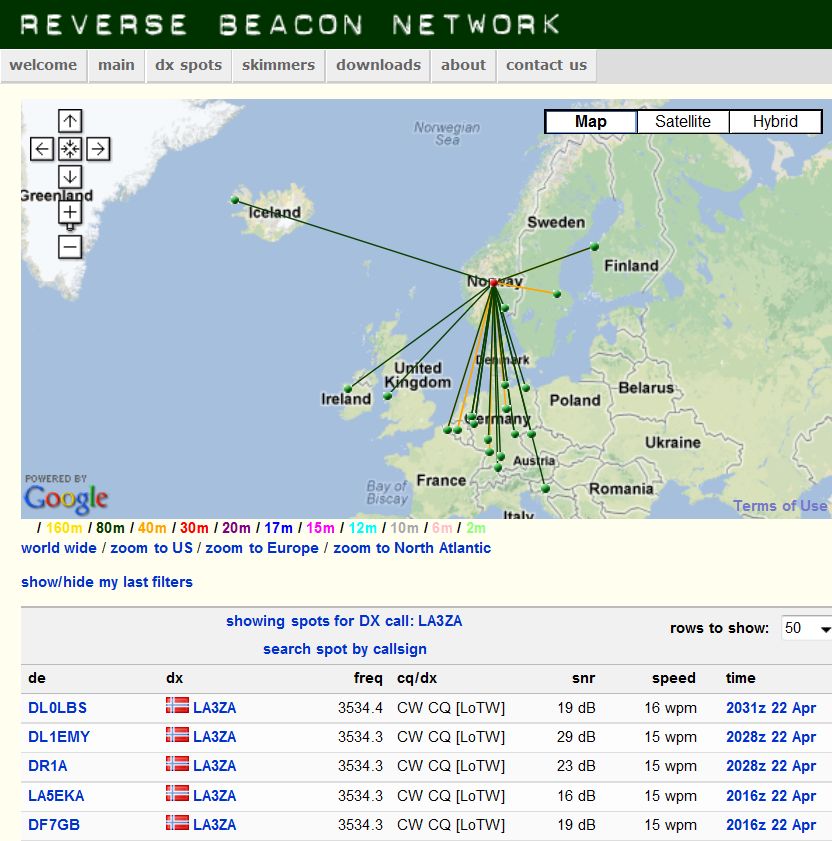
It is also amazing to look at the reverse beacon network and watch your own CQ being reported almost in real time from various Software Defined Receivers with CW Skimmers. Below is the result of the two CQs I have sent these two last days.
Sverre Holm, LA3ZA, is a regular contributor to AmateurRadio.com and writes from Norway. Contact him at [email protected].
The bandwidth on the Alexloop.
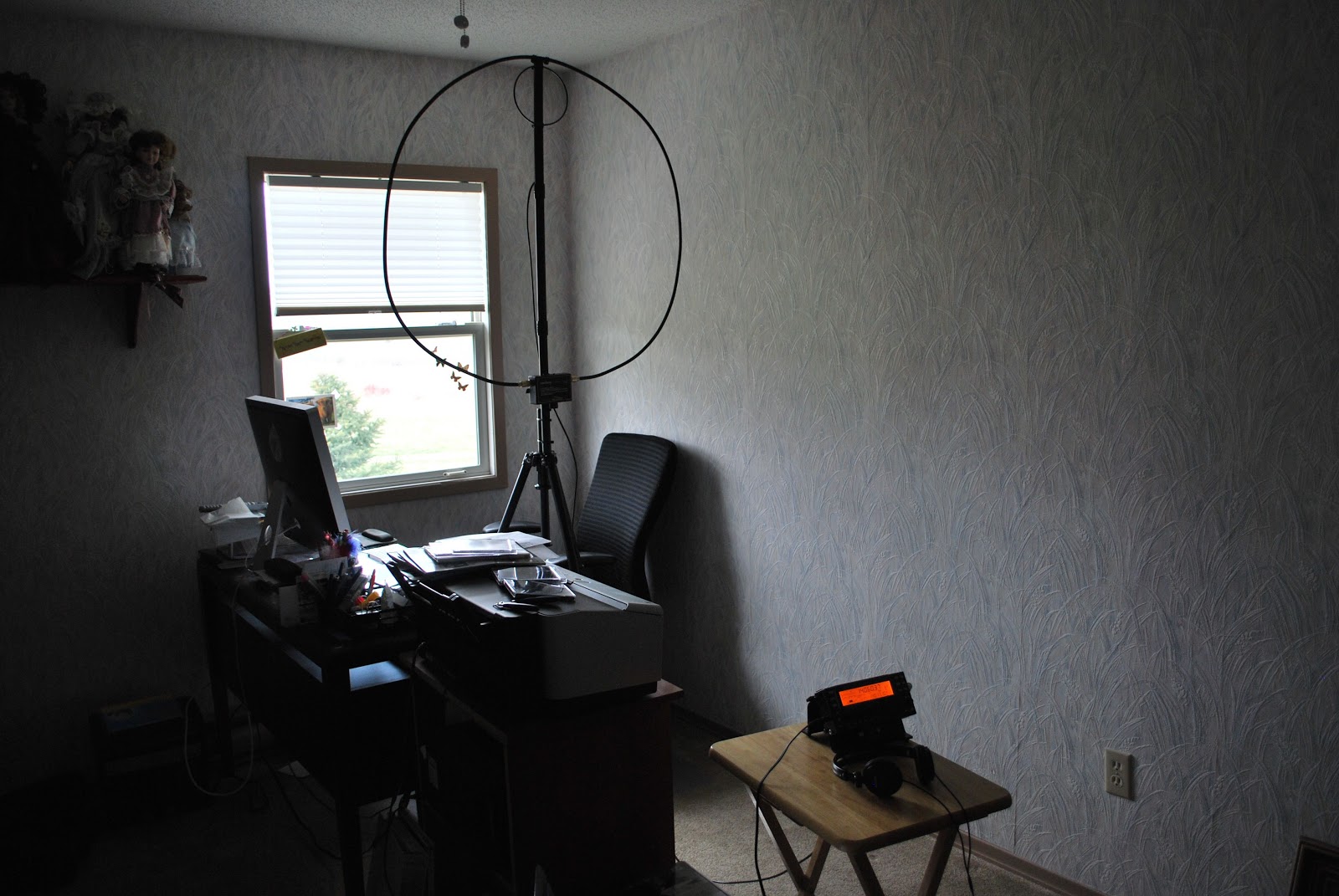
28.004 (SWR at 2.2) to 28.060 (SWR at 2.1) around 60 Khz of bandwidth.
21.020 (SWR at 2.0) to 21.070 (SWR at 1.7) around 50Khz of bandwidth
14.000 (SWR at 2.1) to 14.035 (SWR at 1.9) around 35Khz of bandwidth
10.110 (SWR at 1.8) to 10.125 (SWR at 1.9) around 15Khz of bandwidth
7.005 (SWR at 2.5) to 7.015 (SWR at 2.6) around 10Khz of bandwidth
I did however use the ATU on the KX3 and the SWR was flat when used on all bands so if I want I can use the tuner and increase the bandwidth of the antenna. I do know that my attic dipole on 10Mhz the SWR is about 9.1 to 1 and the tuner will flatten that out and I have made lots of milli watt contacts all over the world. So the next step is to get this antenna out doors and give it a whirl out there and see how it does.
Mike Weir, VE9KK, is a regular contributor to AmateurRadio.com and writes from New Brunswick, Canada. Contact him at [email protected].
Something not often heard
I was listening around the bands this afternoon, looking for juicy DX, when I heard something that I’m not quite sure I’ve ever heard before.
Ivan 5N7M in Nigeria was on 17 Meters and he had QRS’ed to a very nominal speed. My estimate was somewhere around 18 WPM, maybe? Far slower than I was accustomed to hearing him, and he was calling CQ, but for new stations only.
I thought that was pretty FB. There are a lot of budding DXers out there, new to the game who are probably intimidated by this aspect of the hobby.
We’ve all been there. Do you remember what it was like? You’re pretty proud of your code speed, only to find yourself in the middle of a pile of Hams who seem to be calling one station all at the same time.
“What was his call? 5NZM? No, that can’t be right!”
“HN7M? Oh, no, I think it’s 5N7M. Man, that sounds like 40 WPM!”
To the beginning Dxer, it is all so confusing and it all must sound like being caught in the middle of a buzz saw factory. For Ivan to take the time to slow it down, and seek out new stations that have never worked him before is commendable.
I wonder how many new DXers might have been born today.
72 de Larry W2LJ
QRP – When you care to send the very least!
Larry Makoski, W2LJ, is a regular contributor to AmateurRadio.com and writes from New Jersey, USA. Contact him at [email protected].
The Alexloop vs my attic dipole
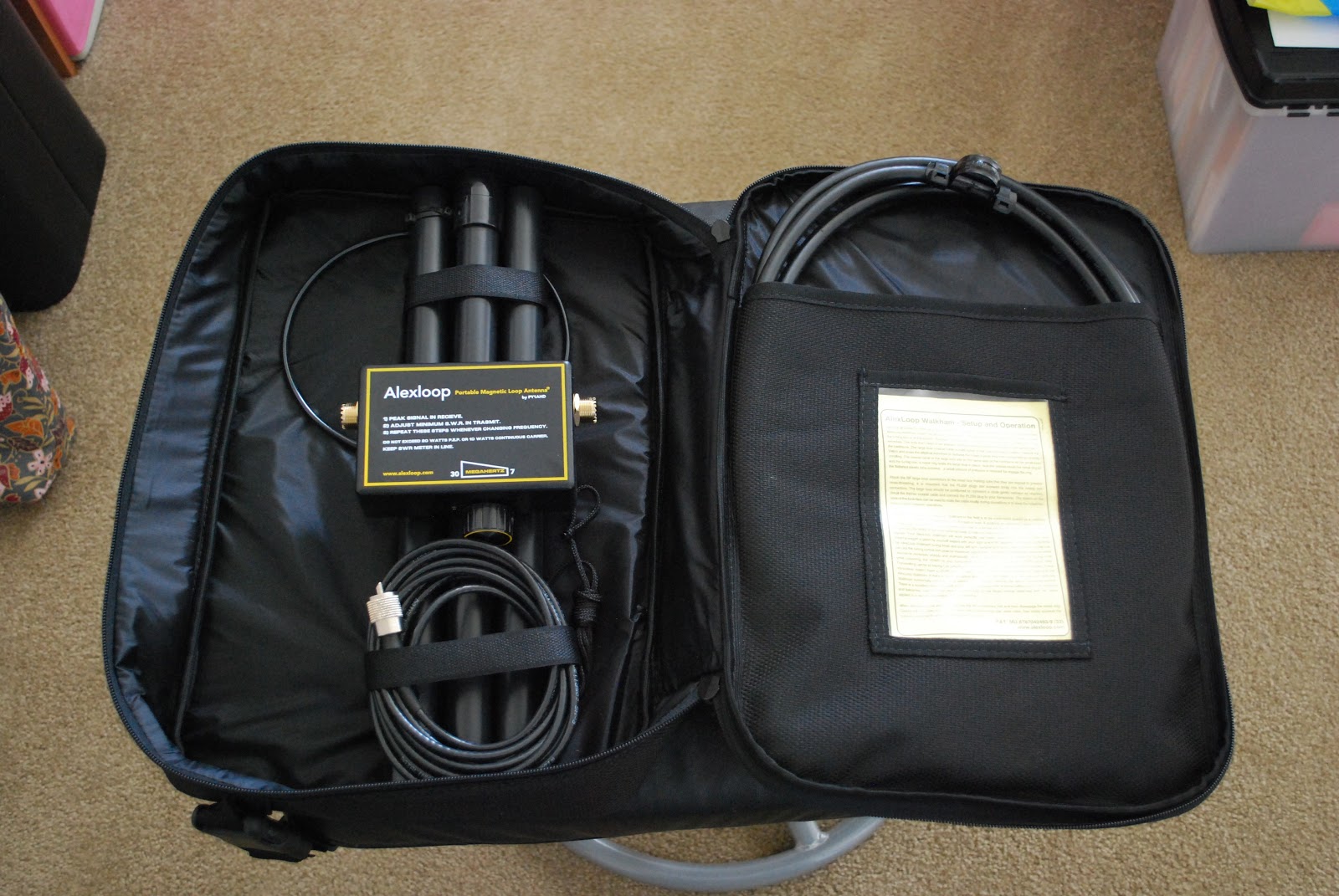 |
| The new Alexloop antenna |
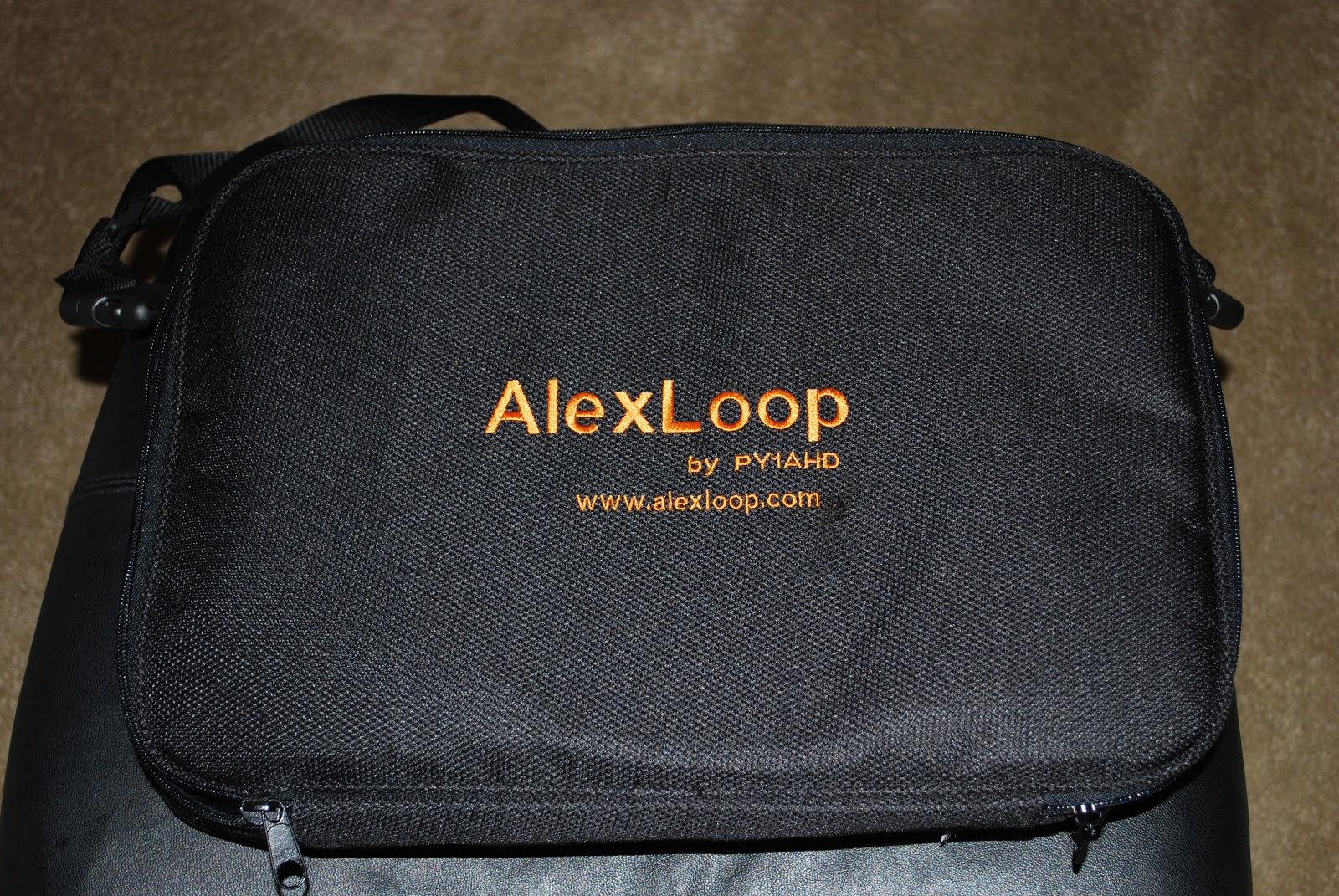 |
| A quality case |
So lets get to the nuts and bolts.....how does it work....sure anyone can say anything about their antenna but the proof is in the radio waves!!
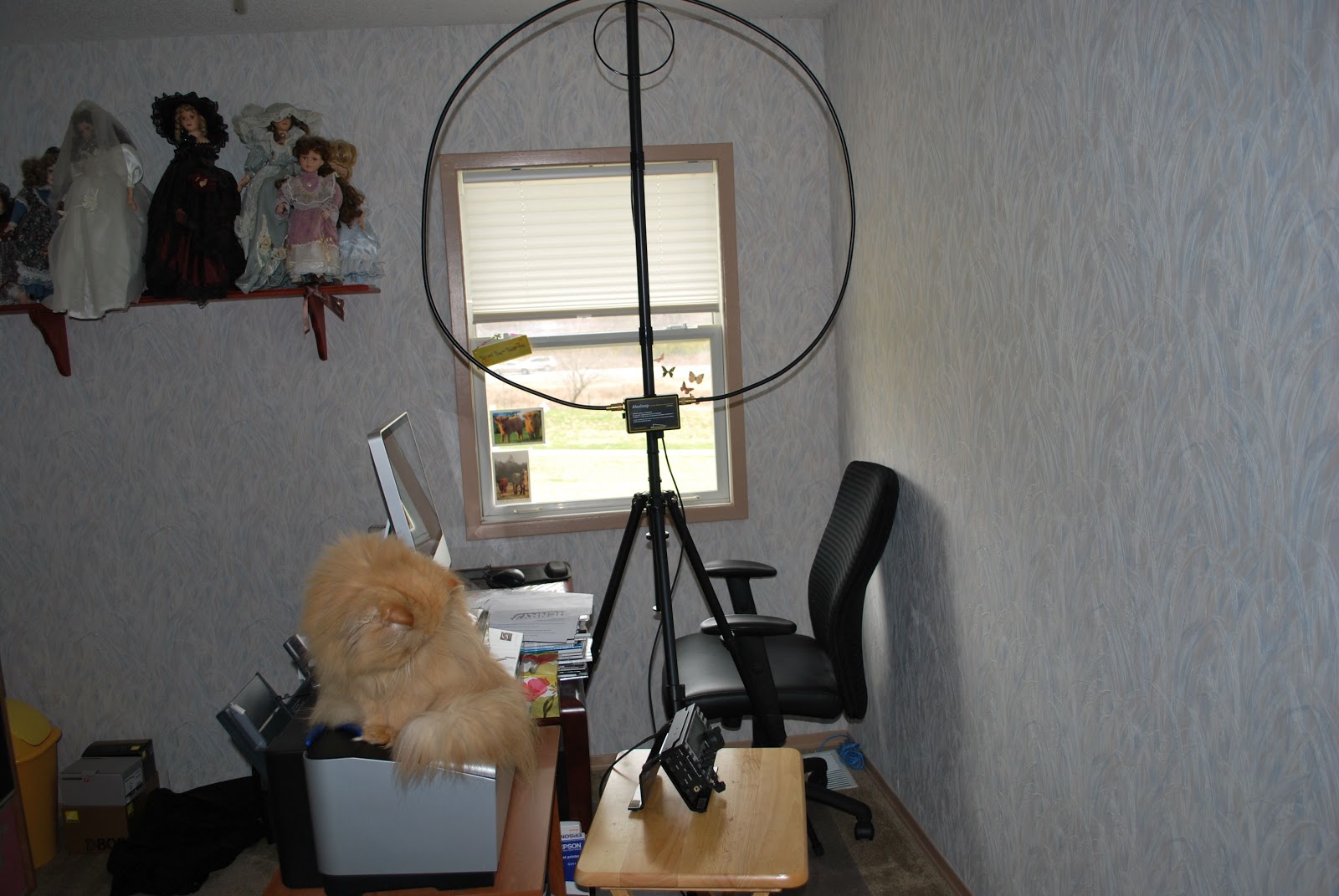 |
| Antenna location..cat standing guard |
I wanted to do a comparison between my attic dipole which is the Alpha Delta DX-EE up about 30 feet in the attic and the Alexloop set up in my XYL's office just opposite my radio room. Let me state that this is not a comparison to see which antenna preforms better as that is not a fair comparison....but I wanted to see how well the loop did compared to my attic dipole. The Alexloop was mounted on a tripod....well ty-wrapped to it as the the Alexloop would not fit over the tripod center pole section. This is something I will have to work out later. Each of these antennas have their disadvantages....the dipole is in the attic, this means a wooden roof above, rafters all over and insulation below. The Alexloop is in a second floor room, it's a small loop antenna and very close to the ceiling. So really both antenna are far from ideal when it comes to location.
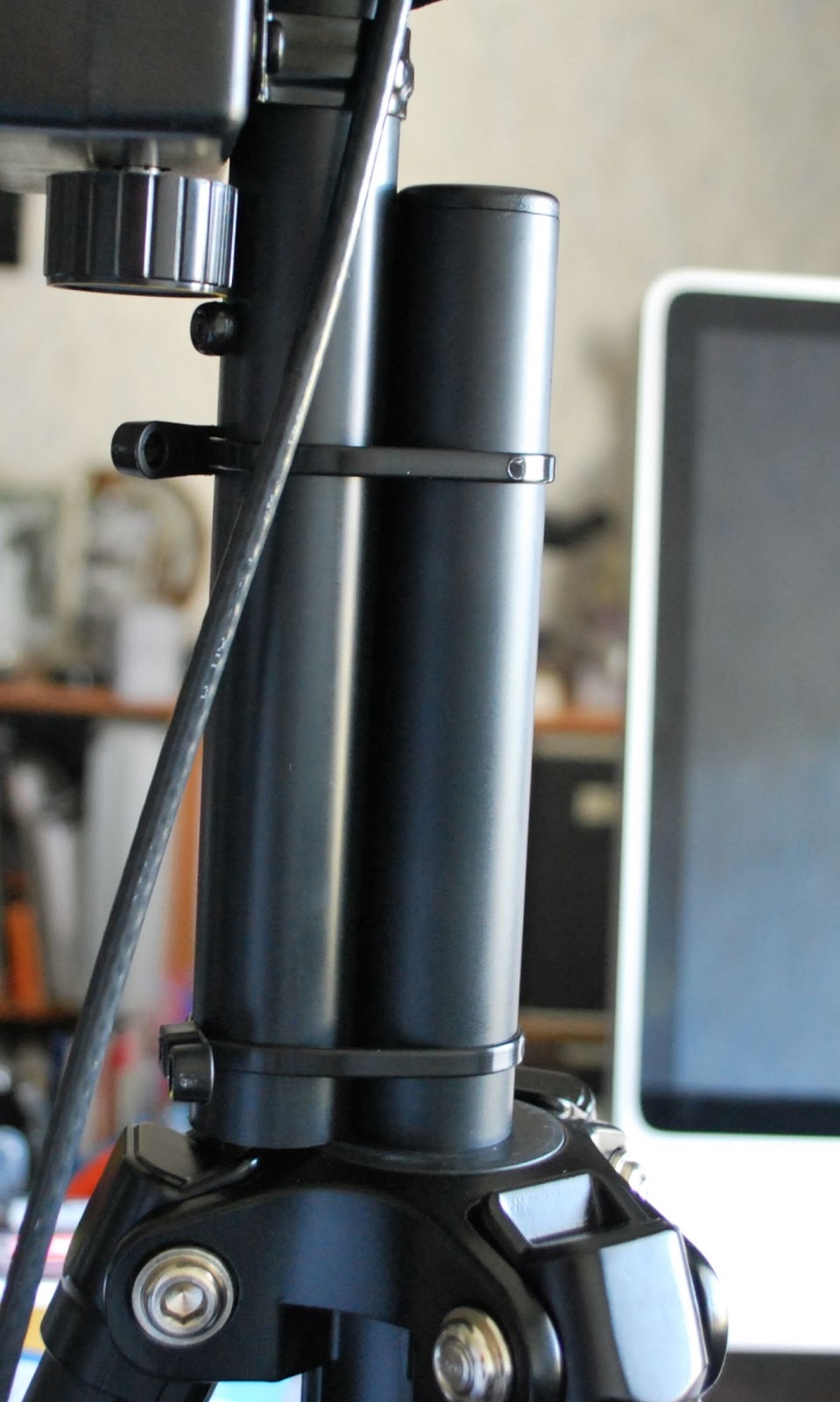 |
| Temp tripod mount |
My overall impressions of the Alexloop are as follows:
1. Shipping was fantastic, this antenna got here from South America faster than products I have ordered from the U.S.
2. The support is great, I had a question about the loop when it arrived and it was answered within 30 minutes!!!!
3. This unit is quality quality quality from the carry case to antenna!!
4. The tuning was a cinch, turn for peak noise and then transmit and tune for lowest SWR....takes about 20 seconds!
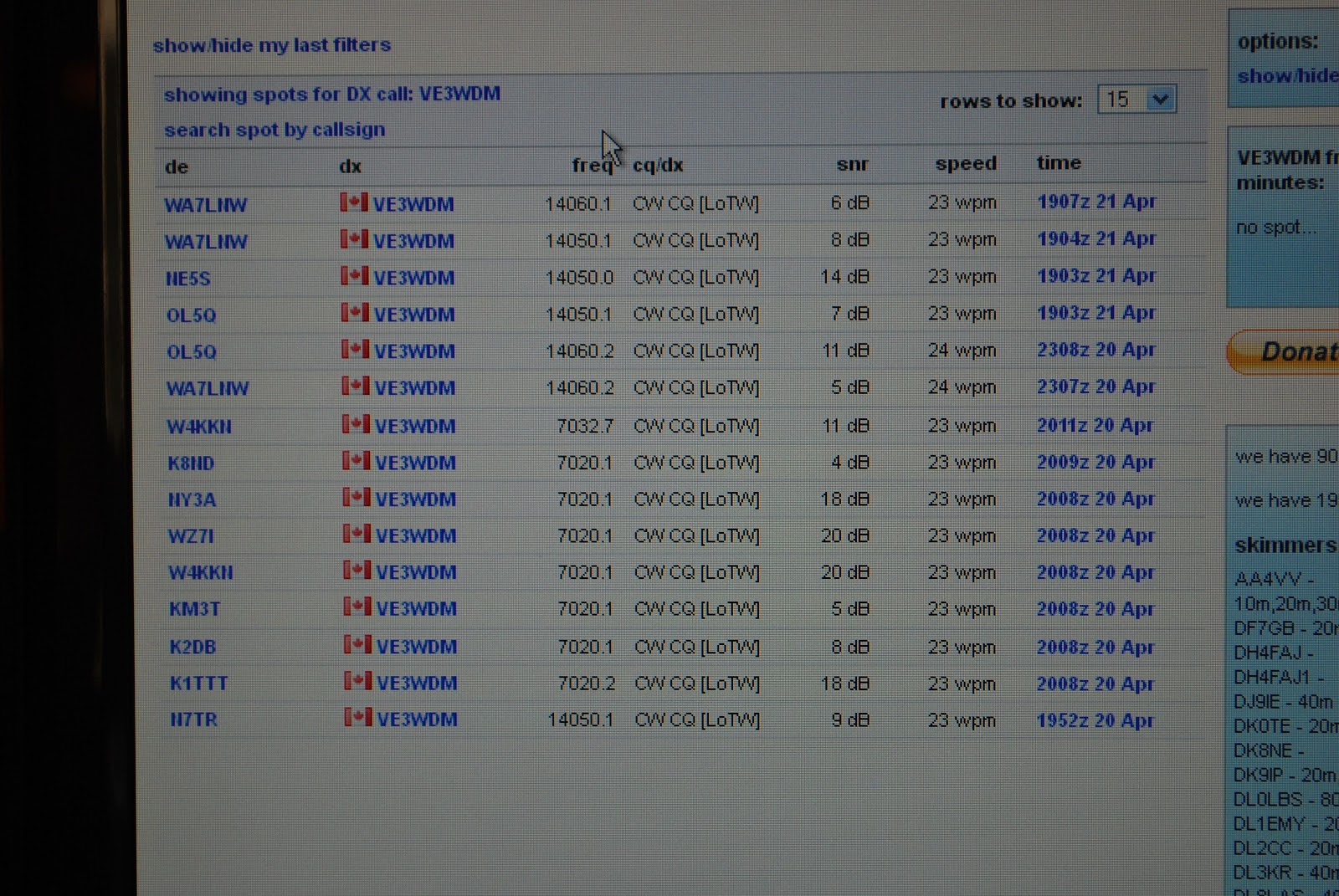 |
| 14.060, 7.032 Alexloop |
6. Antenna foot print is very low profile and can be used vertical or horizontal.
7. The SWR on 20m and 40m (only bands used so far) was 1.4 at 14.060 and 1.7 at 7.032.
The bottom line is I am very very impressed with this antenna and I will be taking it to the field and updating the blog on how it does. Up to this point would I recommend this antenna.......dam right I would it's support is excellent, quality of the product is way above par and so far the results have been very impressive.
Mike Weir, VE9KK, is a regular contributor to AmateurRadio.com and writes from New Brunswick, Canada. Contact him at [email protected].
Life of my PI and low budget SDR experiments: presentation slides
Back at the end of last year, Malcolm G8NRP, secretary of the Harwell Amateur Radio club asked me if I’d be willing to give a talk there. Of course, I said, but at the time I had no idea what I might speak about it. Of course, it didn’t get much more brain time until a few weeks ago when Malcolm contacted me again…
“Did you decide what you were going to talk about -as we need to put it into GB2RS news”! Ah…
So, a quick decision was needed. I’d been playing with my Raspberry Pi computer a lot at the time and also with the USB receiver dongle for SDR applications. I thought I could probably put together a talk along those lines.
Earlier this month I gave the talk. I think it was ok. I think I was better on the SDR stuff than the Pi stuff, but anyway, it seemed to go down ok.
I promised the Harwell club a link to the slides which is here
As ever, I’d do it slightly differently next time!
Tim Kirby, G4VXE, is a regular contributor to AmateurRadio.com and writes from Oxfordshire, England. Contact him at [email protected].
ICQ Podcast S06 E08 – Cambs-Hams DX Preview (21 April 2013)
Series Six Episode Eight of the ICQ Podcast has been released. News Stories include :-
- Boston Marathon All Hams Reported Safe
- First Cuba to EI contact on FO-29
- Radio hams active in Argentina floods
- Radio Ham named to Senior State Department Telecom post
- Irish entries wanted for Youngsters On The Air
- Ham radio club's 90th birthday
- Warwick University students fly CubeSat
- The Michael Owen Plaque
- UK 434 MHz balloons head for Poland
- UKQRM launches public facing website
- Inner Hebrides on Ham Radio Satellites
- VK5 National and Conservation Parks Award
Listener mailbag feedback and Martin Butler (M1MRB & W9ICQ) talks to the Cambs-Hams about their upcomg DXpedition to Mull.
Colin Butler, M6BOY, is the host of the ICQ Podcast, a weekly radio show about Amateur Radio. Contact him at [email protected].
 Ham Radio Deluxe |
 W5SWL Electronics |
 Ham Radio Prep |
 KB3IFH QSL Cards  Hip Ham Shirts  HamRadioAuctions HamRadioAuctions Reliance Antennas Reliance Antennas Enigma Shop Enigma Shop |  morseDX  Ni4L Antennas  R&L Electronics R&L Electronics antennas.us antennas.us QRV QRV |
- Matt W1MST, Managing Editor
