Archive for the ‘qrp’ Category
 New KD1JV ultralight rig for 80/160
 November 3rd, 2012 |
  Author:
 There’s been a higher than usual level of activity on the AT-Sprint email list over the last few days as hints have emerged of a possible new offering of the popular MTR (Mountain Topper Radio) the latest of Steve Weber KD1JV’s radios that define the possibilities of ‘trail friendly’. To get a view of one in action check out this video from G4ISJ shot on a SOTA activation.

Steve KD1JV’s popular MTR ‘a very small, very efficient, two band rig’ is set for another future offering
Steve KD1JV is the designer behind the PFR-3 and a number of other radios offered by Doug Hendricks’ QRP Kits along with the new Tri-bander Transceiver kit. But he also enjoys a passionate following for his high performance but tiny (Altoids tin size) radios in the ATS series where ATS stands for Appalachian Trail Sprint. These radios (especially the ATS-3B and the MTR) are prized by ham hikers and walkers who watch the ounces and milliamps. They are also an example of masterful interface design using small push buttons and minimal LED display. As Steve mentioned recently in a post reflecting his deep field operating experience “Little tiny rigs and knobs don’t work well together”.
During the buzz earlier today about whether he would offer more of the MTR kits (he will), Steve also announced his latest project “An 80/160 dual band rig with direct conversion receiver and a DDS/PLL hybrid VFO using all through hole parts.” (The ATS series made extensive use of microscopic SMD components and lots of the assistance Steve offers via the AT Sprint Yahoo group is concerned with discovering and rectifying makers’ errors assembling these devices.)
His website carries a pretty detailed three-page description of the design thinking behind the new rig which he’s calling the Super Deluxe Direct Conversion Transceiver. Tantalisingly he’s suggested it may be able to work at 500kHz. The new rig also features an “LCD frequency read out, built-in keyer and rotary tuning”.
He’s planning to offer only 50 kits at about US$75 at the end of November. Expect to see them sell out in two minutes! I suspect if he offered 200, they might last an hour or two.
A good QRP site
Michel F6FEO sent me a link to his website. Many projects of QRP interest will be found there. The site is in French but Michel has provided Translate links for each of the articles. Definitely worth a visit.

Band conditions were great….if I was a SWL!!!!!
I would not advise this while driving but he did make the contact!!
I gave it a go and there was Chris loud and clear!! He was operating split and with my dual receivers in the K3 I was able to hear both sides of the adventure. It was great the band was not at all as busy as with 3B9SP so I gave him a go...and a go......and a go......until in the wink of an eye he was gone just replaced with static. Well that was my Thursday evening of ham radio. I will say I did have a blast and did miss getting on the radio.

Cracking the Whip….
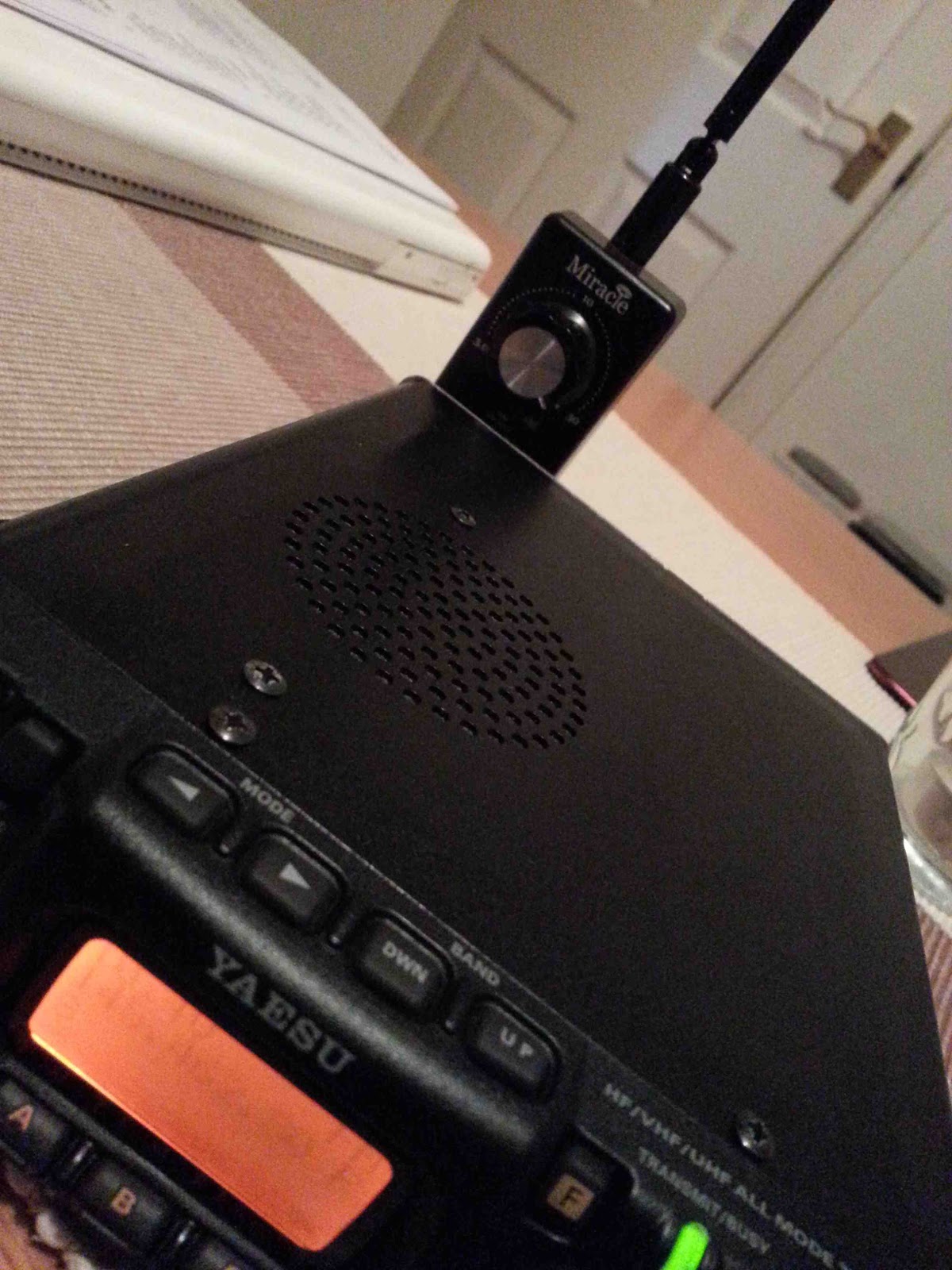 |
| The '817 and Miracle Whip |
 |
| Connect. Extend. Tune. |

What is QRP?
Over on the Elecraft KX3 Yahoo group an argument has been raging as to whether running low power into a tower-mounted beam is QRP. Some folk feel that QRP also means using simple no-gain wire antennas. Others argue strongly that using an antenna with gain is a perfectly valid way to do more with less, that “less” relates to power and nothing else.
On his QRP – Do more with less blog, Larry W2LJ nails his colours (colors?) firmly to the mast. Saying those who use towers and beams aren’t QRP is baloney, claims Larry.
Personally, I think QRP is whatever the ARRL, G-QRP Club, QRPARCI or CQ Contest committee says it is. If you are competing in one of their contests or applying for one of their awards you must follow their rules. And the only limitation they specify for the QRP category is power level. So I don’t think it is possible to win an argument that QRP includes any other restriction besides low power. But I can understand why some people feel that those who have a lot of aluminium in the air have an advantage over those who only use a piece of wire and that lumping them into the same category is unfair.
To really put the cat among the pigeons does the spirit of QRP include the use of store-bought or kit-built equipment too? I certainly feel that the art of QRP is strongly allied to the practise of home-brew, but I still claim to be QRP when operating my FT-817, KX3 or K2. Should the ham who operates an Elecraft KX3 belong in the same class as one who uses a two-transistor Pixie?
Perhaps we need a new term to define this kind of minimalist operation?

QRP Web Ring
For more years than I care to remember my website G4ILO’s Shack has been a member of the QRP Web Ring. Web rings are a tool dating from long before search engines came on the scene and were set up to help web surfers locate sites of similar interest.
In order to be a member of the QRP Web Ring I include some links to other web ring sites on my home page, plus a banner.

Clicking some of the web ring links from G4ILO’s Shack and other linked sites today I found that many of the links were broken and most of the rest were pages of extremely poor quality. So I am considering removing the QRP Web Ring code from my site.
Whether you still use the QRP Web Ring to find other QRP-related sites, or if you have never used it and have no intention of using it now that you know about it, I would appreciate your comments.

The Elecraft KX3 has a pulse……..
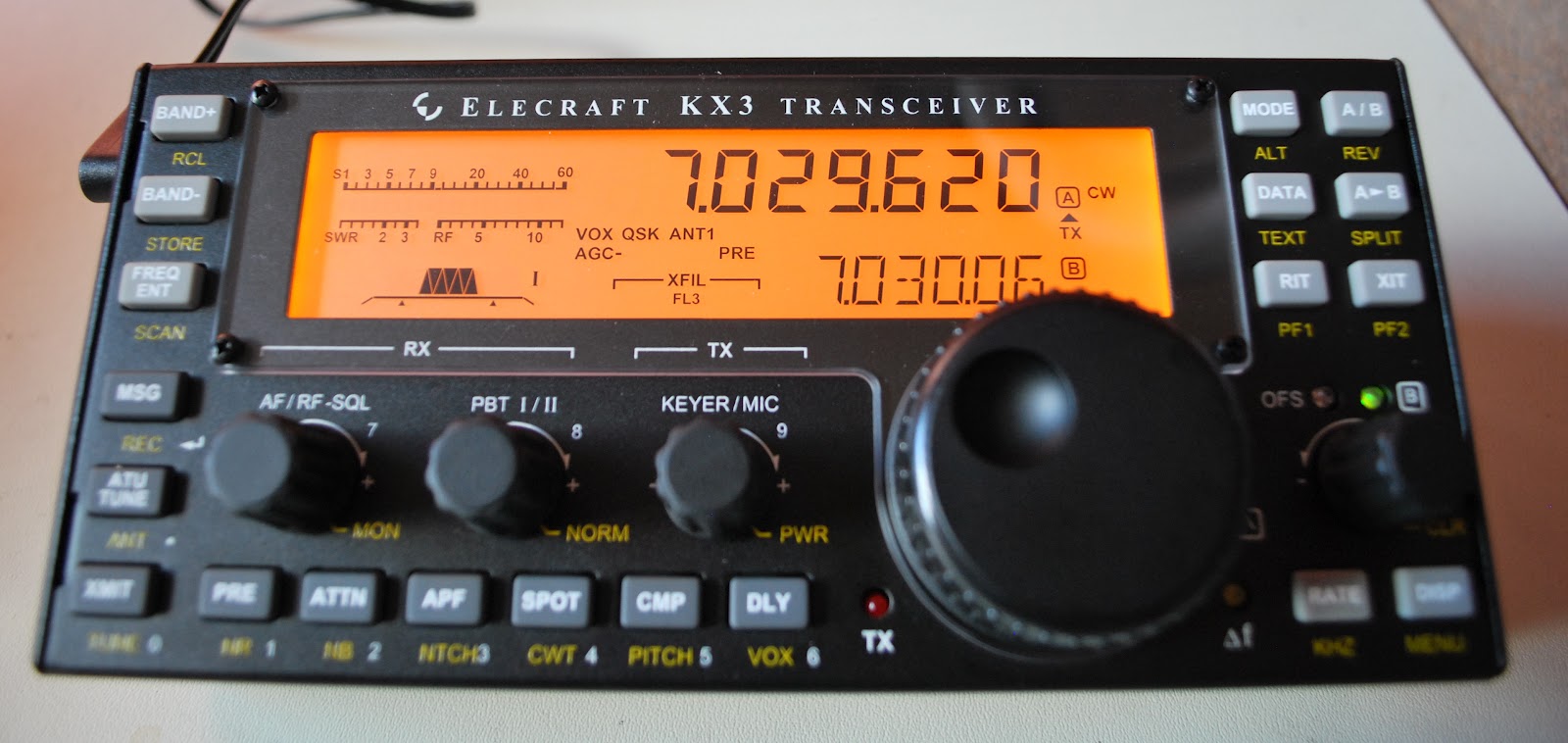 |
| KX3 serial number 1990 |













