Author Archive
 The 1929 ‘BK’ QSO Party
 November 18th, 2015 |
 Author:
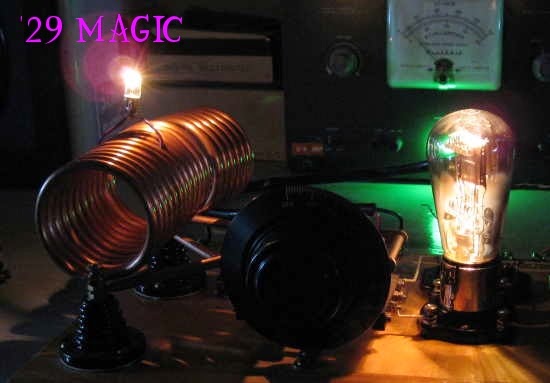 The month of December will soon be upon us and that means it's 'BK' time once again! The Bruce Kelley 1929 QSO Party is the annual two-weekend event celebrating the sound of amateur radio as it was in 1929.
At no other time of the year can you tune across the bands and hear the melodic sound of radio as it once was ... before the days of crystal-control, when most hams were using self-excited one or two-tube transmitters.
With antennas blowing in the wind, these directly-coupled oscillators often make the band sound like a musical symphony gone wrong ... the wonderful whooping, chirping, buzzing, clicking, drifting, swishing, swaying, warbling, and other interesting sounds of '29, when amateur radio was in its infancy.
If you've ever considered joining-in on the fun, then you still have a few weeks to slap something together for the party ... it need not be 'pretty', but it must be 'compliant'. That is, the tube (or tubes) that you use, must have been available in 1929 or earlier. For receiving, use anything you like ... modern or vintage, as there are no restrictions.
I've penned several blogs on popular circuits and tubes that are commonly used among the BK regulars and they can be viewed here:
Building '29 Style
Building '29 - What To Build? - PT.1
Building '29 - What To Build? - PT.2
More BK Building
With the usual propagation of early December, it is not surprising that many transcontinental QSO's are made every year, even with the little two or three watters. Considering the 10 watt power input rule, it is surprising how strong some signals from across the country can become on the lower bands, especially on 40m.
Please consider rolling-up your sleeves, heating up your soldering iron and putting something together for the BK fun, especially if you are on the left coast ... and don't be the least concerned about how it looks!
For a gallery of inspiration from individuals that were too weak to resist the temptation, have a look at some previously built '29 time machines.
For the first time, I'll be using my newly constructed MOPA, a two-tuber that will hopefully reduce my annual BK windstorm angst. It seems that every BK weekend, I have gale-force winds here on the island, making my signal a little bit 'too musical', although some '29 diehards still claim to love the sound ... for them, there is no hope.
630 Crossband Excitement
In spite of the mediocre band conditions, this past weekend's 630 crossband activity was a great success. Firstly, it was gratifying to see so much activity from the VE7 region. Last year, it was just John, VE7BDQ, and myself, holding the fort, but this year saw new activity from VE7CNF, VA7MM and VE7CA. If this rate keeps up, the band will soon be getting crowded and wouldn't that be great!
It was only a few short months ago that VE7CNF and VA7MM began tinkering on 630m, their signals barely out of the noise here on Mayne Island. How quickly their stations have evolved into systems now capable of working several thousands of miles on the new band. To make the weekend even more special, Markus, VE7CA, had his first-ever 630m contacts on Saturday, working all of the locals and later in the evening, pushing his 14 watts down into Tahuya, WA, working K7CW on crossband. I'll wager that Markus will treasure that first 'DX' QSO for some time.
Conditions from VE7 on Friday were poor, and although somewhat disappointing, not entirely unexpected after watching the sun play tricks on our geomagnetic field all week long. The only path that seemed somewhat normal was the north-south one, yielding contacts with the Californians. As the K-index briefly dropped to '1', Saturday's conditions were much improved, showing short-lived glimpses of normality both to the west and to the east.
On both evenings, the HF bands (and probably 630m to a lesser extent) seemed to be very 'long', with few continental signals being heard. The long skip made it very hard, in some cases, to hear close-in callers on both 40 and 80m ... callers who would normally be 599. Particularly absent where callers from the closer WØ states and the easier W7 regions such as Nevada, Utah and Arizona ... areas that have been easily worked on previous crossband nights. It was also disappointing to not have anyone from the other VE regions call in. I hope it was just conditions and not from lack of trying, as it has been a struggle to generate much interest in the western provinces so far.
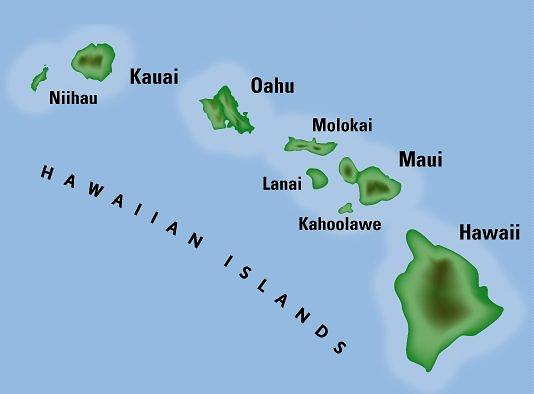
The biggest surprise and the highlight of the weekend was most assuredly the crossband contacts between the VE7 stations and Hawaii, with VA7MM, VE7CNF, VE7BDQ and VE7SL, all working Merv, K9FD/KH6 in Maunaloa on Moloka'i Island. Merv noted that all four VE7's were worked within a 25 minute window and all peaked at different times. A few minutes later, the 'tranpacific' path turned 'transcontinental' as NO3M in Pennsylvania, called VE7SL and exchanged 559/549 signal reports ... who would have thought that 630m could generate such magic! This band has so much exciting potential for amateurs, even for those confined to normal suburban backyard locations. Activity will surely skyrocket when U.S. amateurs get access to the band ... hopefully soon.
Several SWL reports were received from the U.S., with one of the most interesting coming on Saturday night, from the maritime operators at KSM, near San Francisco. As well, the Red Oak Victory shipboard station anchored near San Francisco, KYVM, sent a detailed report of several VE7 stations that they had heard.
Crossband Summaries
VE7BDQ :
VA7TA CN79 Courtenay, BC
K6LG DM13 Riverside, CA
VA7MM CN89 Port Coquitlam, BC
VE7KW CN89 Port Coquitlam, BC
K7HV CN87 Seattle, WA
VE7CA CN89 North Vancouver, BC
VE7CNF CN89 Burnaby, BC
VE7SL CN88 Mayne Island, BC
K7CW CN87 Tahuya, WA
VA7JX CN79 Campbell River, BC
VA7DXX CN89 Ladysmith, BC
K9FD/KH6 BL11 Maunaloa, HI
K7SS CN87 Seattle, WA
K6AIG DM04 Mandalay Bay, CA
VE7CNF :
KK7UV DN36 Missoula, MT
VA7MM CN87 Port Coquitlam, BC
K6GZ DM14 Esperia, CA
VA7TA CN79 Courtenay, BC
K6LG DM13 Riverside, CA
K7CW CN87 Tahuya, WA
VE7KW CN89 Port Coquitlam, BC
VE7BDQ CN89 Delta, BC
VA7DXX CN89 Ladysmith, BC
WØYSE CN85 Vancouver, WA
K9FD/KH6 BL11 Maunaloa, HI
VA7MM :
VE7KW CN89 Port Coquitlam, BC
VA7TA CN79 Courtenay, BC
K7CW CN87 Tahuya, WA
K9FD/KH6 BP11 Maunaloa, HI
WØYSE CN85 Vancouver, WA
K7SS CN87 Seattle, WA
VA7DXX CN88 Ladysmith, BC
VE7CA :
VE7SL CN88 Mayne Island, BC
VE7CNF CN89 Burnaby, BC
VE7BDQ CN89 Delta, BC
K7CW CN87 Tahuya, WA
VA7MM CN87 Port Coquitlam, BC
VO1NA :
VE1VDM FN85 Onslow, NS
VO1BQ GN37 St. John's, NL
VE7SL :
VE7KW CN89 Port Coquitlam, BC
KK7UV DN36 Missoula, MT
VA7MM CN87 Port Coquitlam, BC
K6GZ DM14 Esperia, CA
VA7TA CN79 Courtenay, BC
K7CW CN87 Tahuya, WA
K6LG DM13 Riverside, CA
VE7BDQ CN89 Delta, BC
VA7DXX CN88 Ladysmith, BC
VA7JX CN79 Campbell River, BC
K9FD/KH6 BP11 Maunaloa, HI
NO3M EN91 Saegertown, PA
K7SF CN85 Portland, OR
K7SS CN87 Seattle, WA
KGØD/7 CN88 Sequim, WA
W2VJN CN83 Roseburg, OR
It is readily apparent that acres of antenna space are not needed to enjoy 630m ... all of these stations operate out of normal-sized residential lots, with antennas planned and built well enough to exploit the propagation characteristics of 630m.
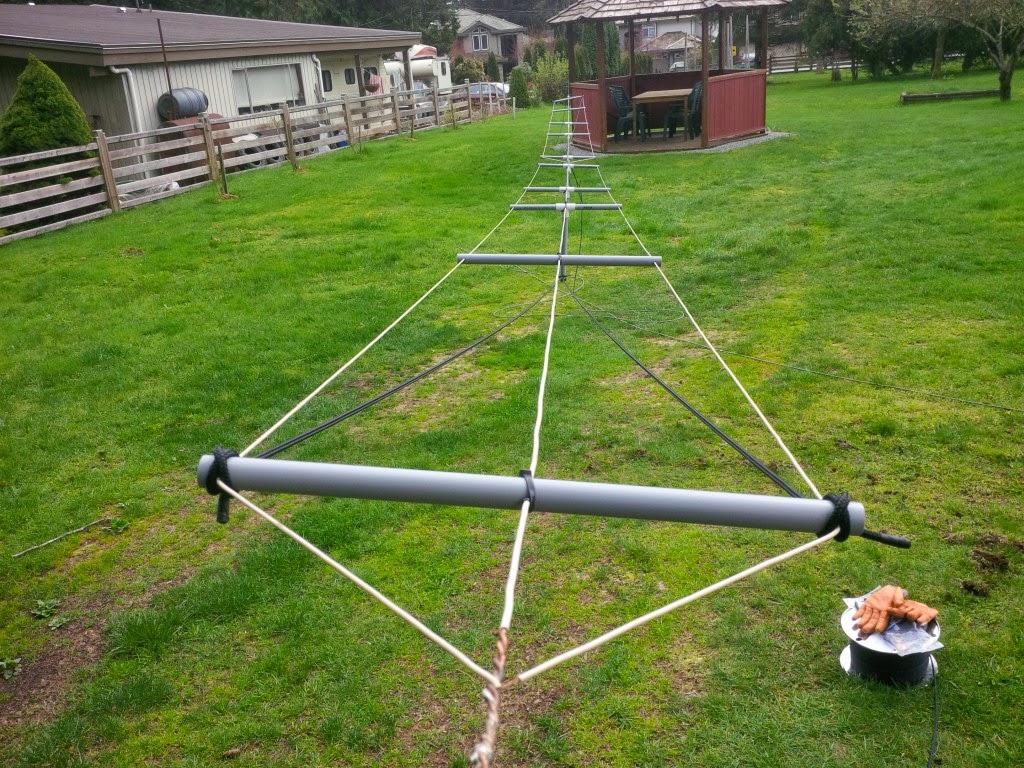 | ||
| VA7MM antenna system. More info here. |
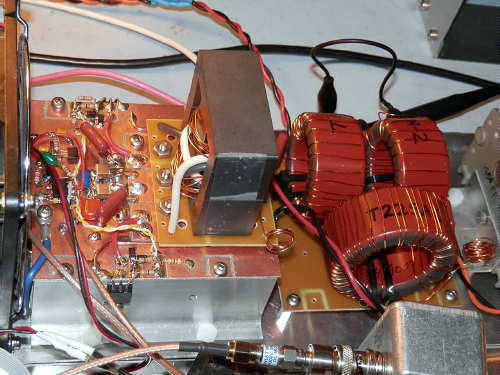 | ||
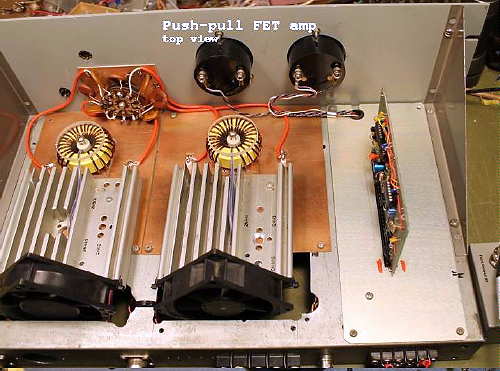
| VE7CNF's homebrew PA. Website here. |
 |
| VE7BDQ's homebrew 2200m/630m duo-band tx. |
630m Crossband – Last Minute Addition
 Another VE7 has been added to the group of Canadians who will be active tonight and tomorrow night during the CW crossband activity.
VE7CA will be operational during the evening on 475.5kHz. He will be listening for calls on both 3555kHz and 7064kHz. His hours of operation will be from 0300Z - 0500Z. This will be Markus's first operation on 630m and he would be delighted to work anybody that is able to hear him. He will be running ~ 25W output to a large top-loaded vertical, high on the hills of North Vancouver.
Please give a listen for him and make all of his hard work worthwhile!
630m Crossband Reminder
Just a reminder of the '630 activity event' ... including the crossband CW activity, tonight and tomorrow. The complete operating schedule, showing times and frequencies, can be viewed here.
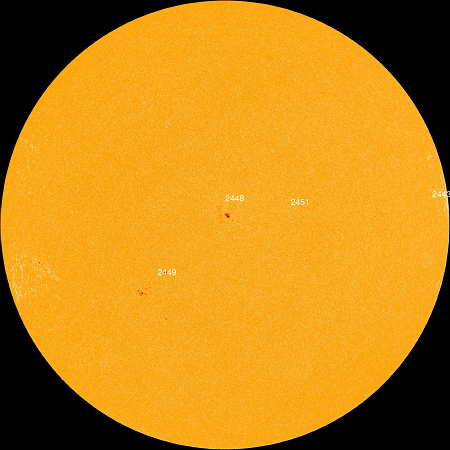
The sun has been acting-up once again and band conditions have been up and down all week. Another CME is scheduled to arrive at anytime ... the jury is still out on how good or how poor the band might be.
More of a concern is the weather forecast. Very high winds are forecast for the west coast VE7 operators. I'm not worried about losing antennas but more likely, losing the hydro power, as often times the first big windstorm of the fall brings down a lot of branches and trees ... and that means power outages. So if you don't hear me, or some of the other stations, that may be the reason.
As well, please be patient if signals appear too weak, as the long slow fade-rate on 630m will often result in a huge change just a few minutes later.
If you can possibly give a listen for any of the crossband stations and respond to their CQ's it would be really great ... we hope to see as many of you as possible tonight or tomorrow, weather permitting!
New VE7 On 630m
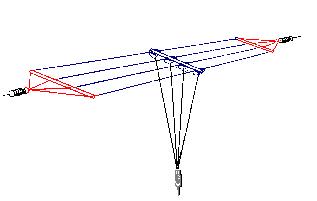
Another VE7 is almost ready to deploy on 630m.
There must be something special in the water in B.C. as it is certainly the present hotbed of 630m activity in Canada!
Markus, VE7CA, in North Vancouver, has been busy building a transmitter and a matching VFO, following the plans of GW3UEP. There must now be dozens and dozens of these robust little transmitters in operation around the world as it is easily reproducible (in various forms) and performs well. See the sidebar links for more details.


As well, Markus has been building the necessary auxiliary gear needed to tune up and resonate his antenna system. His recently constructed variometer and scopematch are shown below.


Some might argue of the necessity for a scopematch, but once you've tried it, you wonder how you could ever live without it ... the scopematch makes tuning the antenna system a very simple step and is an extremely valuable addition to the LF/MF shack.
Markus plans on using his main low band antenna, a large ladder-line fed horizontal loop, as a top-loaded vertical, while resonating the system with base-loading. A homebrew relay-control box at the antenna, takes care of switching between MF and HF.
I had a nice CW QSO today on 476.0 kHz with Toby, VE7CNF. He has made some significant changes at his station and his 20dB over S9 signal reflects his hard work. As well as rebuilding his top-loaded vertical, he has made modifications to his PA. Using a pair of IRFP4227 switching FETs in push-pull, his amplifier now brings him to the maximum EIRP limit of 5W. See a description of Toby's interesting station on his website here. When not on CW, Toby can be heard WSPR'ing, most evenings on 630m.
With the soon-to-arrive VE7CA, we almost have enough activity here in the Vancouver region, for a weekly 630m net or at least a good chance of a random 'CQ' garnering a response. How great it would be to have a VE6 or VE5 to join-in ... what say fellas!
Upcoming 630m Crossband Weekend
 This coming weekend will see the annual '630m activity event' on Friday and Saturday night.
There will be a lot of activity from both the U.S. experimental stations and from a group of five Canadian amateurs who will be seeking two-way CW 'crossband' contacts.
The five Canadians will be transmitting on 630m CW but listening for answering stations on various HF (QSX) frequencies. Last year's one-night event was a great success ... hopefuly the two-night event this year will lead to even more participation by interested amateurs in both Canada and the U.S.
Unlike Canadian hams, American amateurs does not yet have access to 630m as a ham band but ... there will be a large number of U.S. 'experimental' stations (most of them operated by hams with an experimental licence) beaconing and working each other and seeking your 'heard' reports. The Canadian operation will give interested hams the actual opportunity to make a two-way MF to HF CW contact, via the crossband mode as well as provide the Canadians an opportunity to test their 630m systems.
Here are the details of the five Canadian crossbanders:
Station: VO1NA (Joe) GN37 Torbay, Newfoundland
Time: 2130Z - 0130Z both Friday night (Nov 13-14Z) / Saturday night (Nov
14-15Z)
TX Frequency: 477.7 kHz
RX (QSX) Frequency: 3562 kHz
Station: VE7SL (Steve) CN88 Mayne Island, B.C.
Time: 0200Z - 0700Z both Friday night (Nov 14Z) / Saturday night (Nov 15Z)
TX Frequency: 473.0 kHz
RX (QSX) Frequency: 3566 / 7066 kHz
Station: VE7BDQ (John) CN89 Delta, B.C.
Time: 0430Z - 0700Z both Friday night (Nov 14Z) / Saturday night (Nov 15Z)
TX Frequency: 474.0 kHz
RX (QSX) Frequency: 3536 kHz
Station: VA7MM (Mark) CN89 Coquitlam, B.C.
Time: 0500Z - 0700Z Friday (Nov 14Z)
0400Z - 0800Z Saturday (Nov 15Z)
TX Frequency: 475.0 kHz
RX (QSX) Frequency: 3570 kHz
Station: VE7CNF (Toby) CN89 Burnaby, B.C.
Time: 0300Z - 0700Z both Friday night (Nov 14Z) / Saturday night (Nov 15Z)
TX Frequency: 476.0 kHz
RX (QSX) Frequency: 3558 kHz / 7062 kHz
All stations will either call CQ or run "VVV" marker beacons while listening on their respective QSX frequencies. QSX frequencies will be included
in the CQ or marker beacons.
Last year's event saw many nice contacts, some of them from coast-to-coast! I really hope that as many amateurs as possible will have a listen and be able to answer our 'CQ's on the various QSX frequencies. Your participation on one (or both) of the two night's activity would be just great.
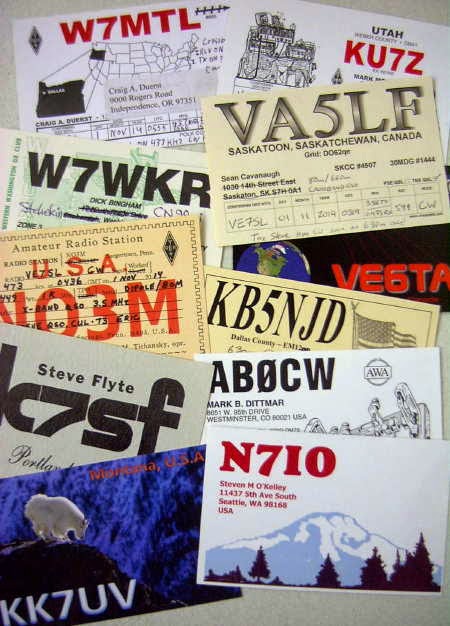
I will post a reminder of the event again at the end of the week ... in the meantime, try to see what you can hear on 630m (472-479kHz) and arrange your setup so that you can call us on HF as well.
For a more detailed description of the upcoming event, see the ARRL's announcement here.
630m Heating Up
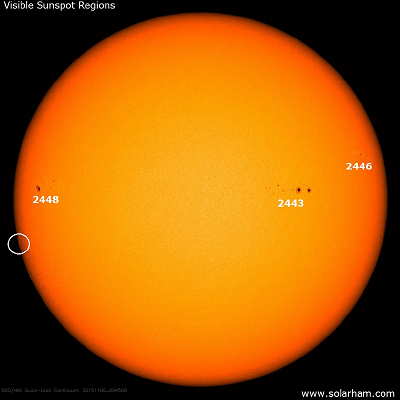
In spite of the sun's nasty and continual huffing and puffing, conditions on 630m continue to surprise many of the nightly diehards. It seems clear, that for the time being, the digital WSPR mode is the one chosen by the majority of operators. I suspect that this will change to a more proportionate mix of both CW and digital, as more Canadians get on the band but more particularly, when U.S. amateurs get permanent access to 630m as a ham band. At present, it's mostly listeners reporting beacons, demonstrating the propagational capabilities to be found at the bottom of the broadcast band.
Last night saw over 80 stations worldwide, either listening or transmitting on 630m, with the majority of them in the 'listening mode' only.
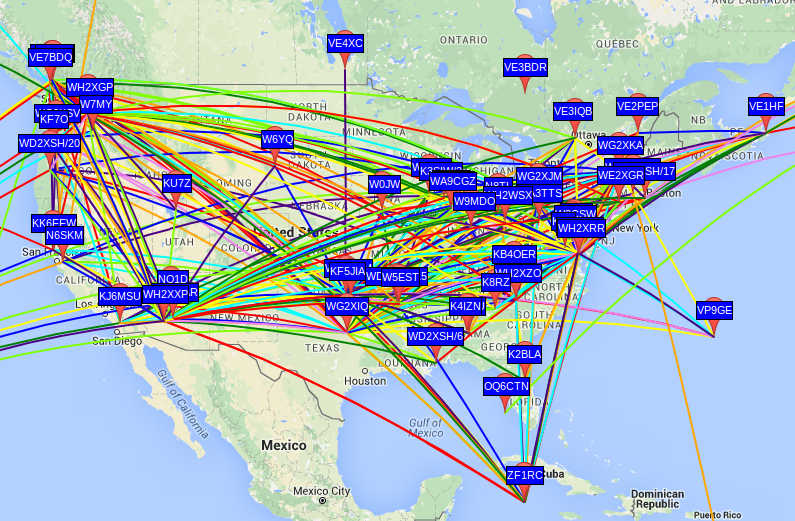 |
| courtesy: http://njdtechnologies.net/ |
It was particularly nice to see locals, VE7BDQ and VE7CNF being heard in the Cayman Islands and Hawaii, respectively ... both suburban backyard operations. The previous morning saw the experimental station run by Larry, W7IUV in Washington state, being heard in Japan by JA1NQI ... a first from the lower 48 into Japan.
Things over in Europe have also been heating-up and the nightly reports read more like a roster of 20m action. FR5ZX on Reunion Island in the Indian Ocean has been reporting many of the Europeans, making things more interesting for the dedicated in that part of the world. All of the reports were on the WSPR mode.
John (KB5NJD / WG2XIQ) in Texas, continues to post his amazingly-detailed nightly updates of 630m action. If you want to know what's been happening both here and in the rest of the world, his daily updates will keep you in the loop ... but be warned, as you will likely find yourself heading for 630m yourself to get in on the nightly activity. In addition, his blog contains a goldmine of information for those wanting to get started with building a 630m MF station. To really keep tabs of real-time happenings, the ON4KST MF chat page is the place to be.
Next weekend, the 630m CW crossband activity will take place, with 5 different Canadian CW stations CQing on 630m CW and listening for callers on various HF frequencies on 80 and 40m. I will have the details up here again shortly, but please give a listen for us on 630m as well as a call on HF, next Friday or Saturday (or both!) nights ... the more the merrier, and tell your friends too!