Posts Tagged ‘Contesting’

I need to follow my own advice

I went downstairs and flipped the K2 on and tuned around 40 Meters – WOW !!!!!!

After a long and full day of work, my brain is simply not ready to wrap around 40 WPM code.  I worked HG3R who was cruising at about 35 WPM and called it a night. Tomorrow, after a good night’s sleep and after the opening hours pandemonium is over, I will be ready to jump into the fray.  Also, during the daylight hours, stations will be spread out more as other bands open.  Seems like right now, everyone is crammed into 40 and 80 Meters.

I’ve been at this Morse game for over 30 years now; and I really admire these guys who can while away at 40 – 50 WPM.  I would love to be able to attain that kind of speed; but right now, it sounds more like a buzz saw than Morse Code.  God bless them, you have to admire and respect that kind of ability.

72 de Larry W2LJ
QRP – When you care to send the very least!

Opening thoughts about ARRL CW contest

Before you knew it 00:00 came and the ARRL international CW contest was a go. During my first 1/2 hour 20m was open but only to non DX to me. So it was off to 40m's and it was alive and hopping! Here at VE3WDM the contest power is 5 watts or less. The band was crowed and the pileups long I did give a few DX stations a call but the KW powered stations going back to the DX really gave me no chance. I did hang in for the whole 1/2 hour but it was just not happening to night. I shut the rig down for the evening just to crazy out there, once the contest adrenaline cools I will get back on. I am looking at Saturday to give 10m, 15m and 20m a go for some DX soup.
Until then....contest on!!

ARRL DX Contest this weekend

This has been a bad week for me as far as the QRP Fox hunts go.  On Tuesday night, I was only able to hear both Foxes at ESP levels.  I “knew” where they were; but they were much too weak to even bother calling – no way they would have heard me. Tonight is a rare QRN free night on 40 Meters, but alas, same problem as Tuesday night.  I can’t hear the Foxes for anything.

So instead, I headed down the lower part of the band and was picking off Caribbean stations that are flexing their CW muscles for this weekend’s big DX contest.  I got Curacao, and Bonaire and Aruba among others. And I even got a “brandy-new” entity for me via QRP. I worked PZ5RO in Suriname on 40 Meters.  I heard him call “QRL?” and he gave out his call and I nabbed him on my first shot. Sweet!

If you’re new to QRP and you’re hesitant about jumping into this contest, don’t be.  Have no fear, jump in and have fun.  But (there’s always a “but”, isn’t there?) you have to be sensible about it.  For the first half or so of the contest, don’t get frustrated if you don’t get the results that you want.  Remember at the beginning, you will be competing with a ton of QRO stations.  As a beginner, you might want to stay with “hunting and pouncing” and working the loudest stations.  If you try and try; but can’t get an answer within a reasonable amount of time – move on.  Work what you can.  As Kenny Rogers sang, “You have to know when to hold ’em, and when to fold ’em”.  Contests like this will really help you learn the capabilities and strong points of your station.

QRPers stand a better chance during the last half of the contest, if my experience means anything.  Towards the end, stations that are still hungry for points seem to hear sharper as they eke out those weaker signals in order to inflate their point totals.  On Sunday afternoon, I would try working just about anyone that you can hear.  At this point, even the weaker stations without super antenna arrays seem to respond to QRPers.

Don’t be surprised when you find out you can work a lot of DX with low power and modest antennas.  A few years ago, as a personal experiment, I decided to get on Saturday night and work the loudest DX stations that I was hearing, while the K2 was turned down to 1 Watt.  I think I earned the “1000 Mile per Watt” award about thirty times over that evening – and that was when we were in the middle of the sunspot doldrums.

And speaking of the “1000 Mile per Watt” award – you should be able to earn that this weekend without breaking a sweat.  And if you’re working on your DXCC – just starting,  in the middle, or near the finish line, this is always a great event for that.  Also keep in mind Diamond DXCC for this year. I am hoping to inflate my country total big time towards that award.

The contest is also a good way to increase your code speed a bit.  Don’t get frustrated with the guys who seem to be sending at 50 WPM,that sound like a buzz saw.  Pay them no attention – move on.  But don’t fall into the trap of only working slower speed guys either.  Work the ones who are a bit faster than you’re comfortable with.  It may take you eight or nine times to get their call correct; but what they hey – it’s not like you’re in this to take the whole shebang, right?

Bottom line is to have fun – be a “Giver of Points”, relax and have a good time.

On quite a different; but sad note ……. I heard on the radio, on the way home from work today, that Gary Carter passed away, losing his battle with cancerous brain tumors.  Gary “Kid” Carter, along with Johnny Bench may arguably have been two of the greatest catchers the National League has ever seen.  His coming to the NY Mets in 1985 was a catalyst that started a series of winning seasons that lasted until the early 90s.  I had the great fortune to meet him at a baseball card show after he had retired from the game.  Not only was he a great baseball player, totally worthy of his induction into the Baseball Hall of Fame, he was also a total gentleman.  The world of baseball (and NY Met fans) is poorer today for Gary’s passing.  But I’m sure he’s being more than welcomed on Heaven’s All Star Team.

72 de Larry W2LJ
QRP – When you care to send the very least!

So what’s been going on………
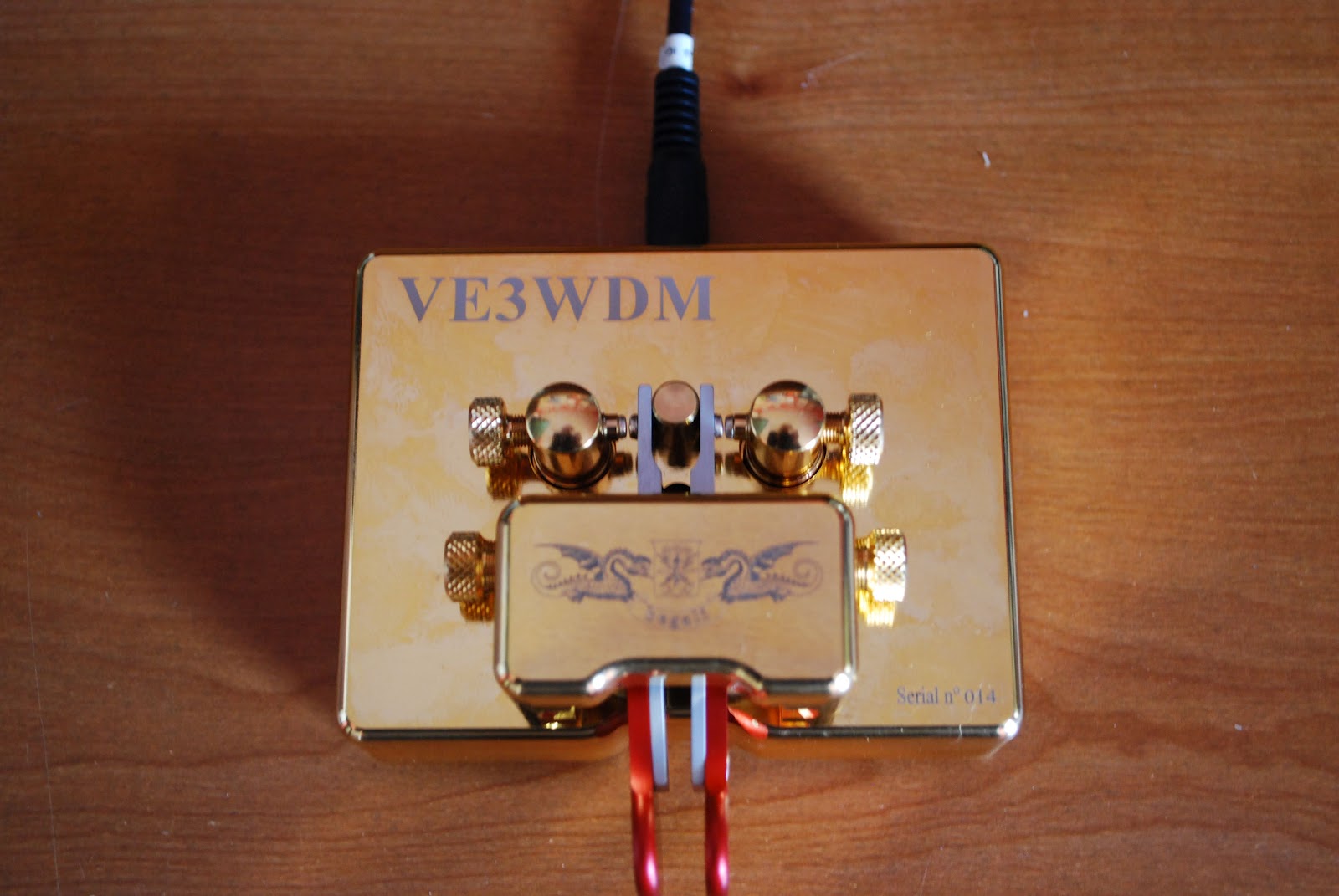
The repaired key ready for action
I have not been able to get around to putting a post out there the last couple of days but I have been busy getting stuff done around the shack and shack related stuff. Some of the action here was been wanting to settle the Begali key issue. I found it to be sending dot's and dash's on it own now and then. The right paddle was sticking very badly so I took it apart. Low and behold  the coffee that splashed some weeks ago here at the operating desk also got on my key in a very hard to see place. So it's all cleaned up, working great and waiting for me to use it!!!
RufzXP happy again
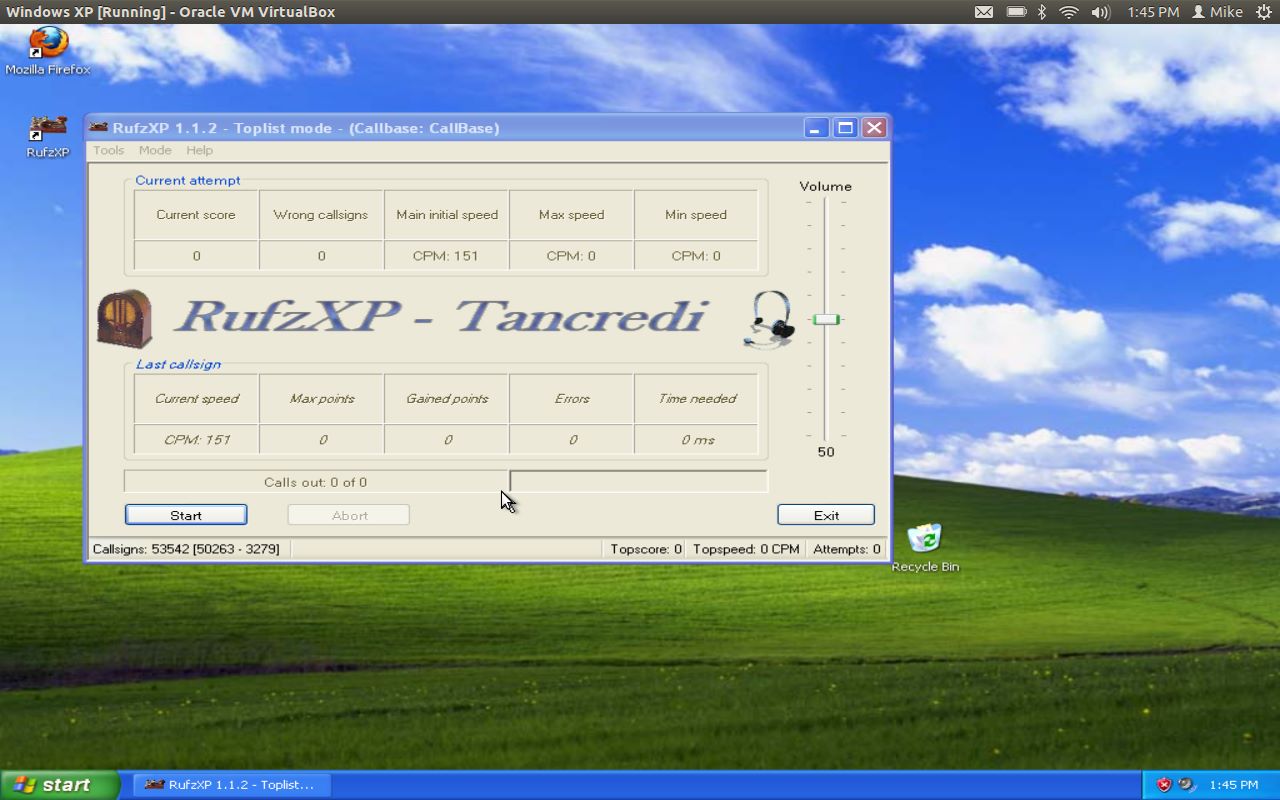
On my laptop I have Ubuntu 11.10 and up until Friday RufzXP was working just great. It was installed using Wine (a program that allows Windows programs to run on Linux machines) along with Netframe 2.0 but for some reason it just went funky and would not load. The error message said Netframe 2.0 needed to be  installed BUT IT WAS!! I tried many times to reinstall it but with no avail. Yesterday I
took the jump and downloaded Virtualbox onto my Ubuntu laptop and installed WinXP. Virtualbox is a great program that allows you to run other operating systems within a "virtual computer" it creates. I now have Windows XP running on my machine and was able to install Netframe 2.0 and RufzXP...all are getting along just fine now.
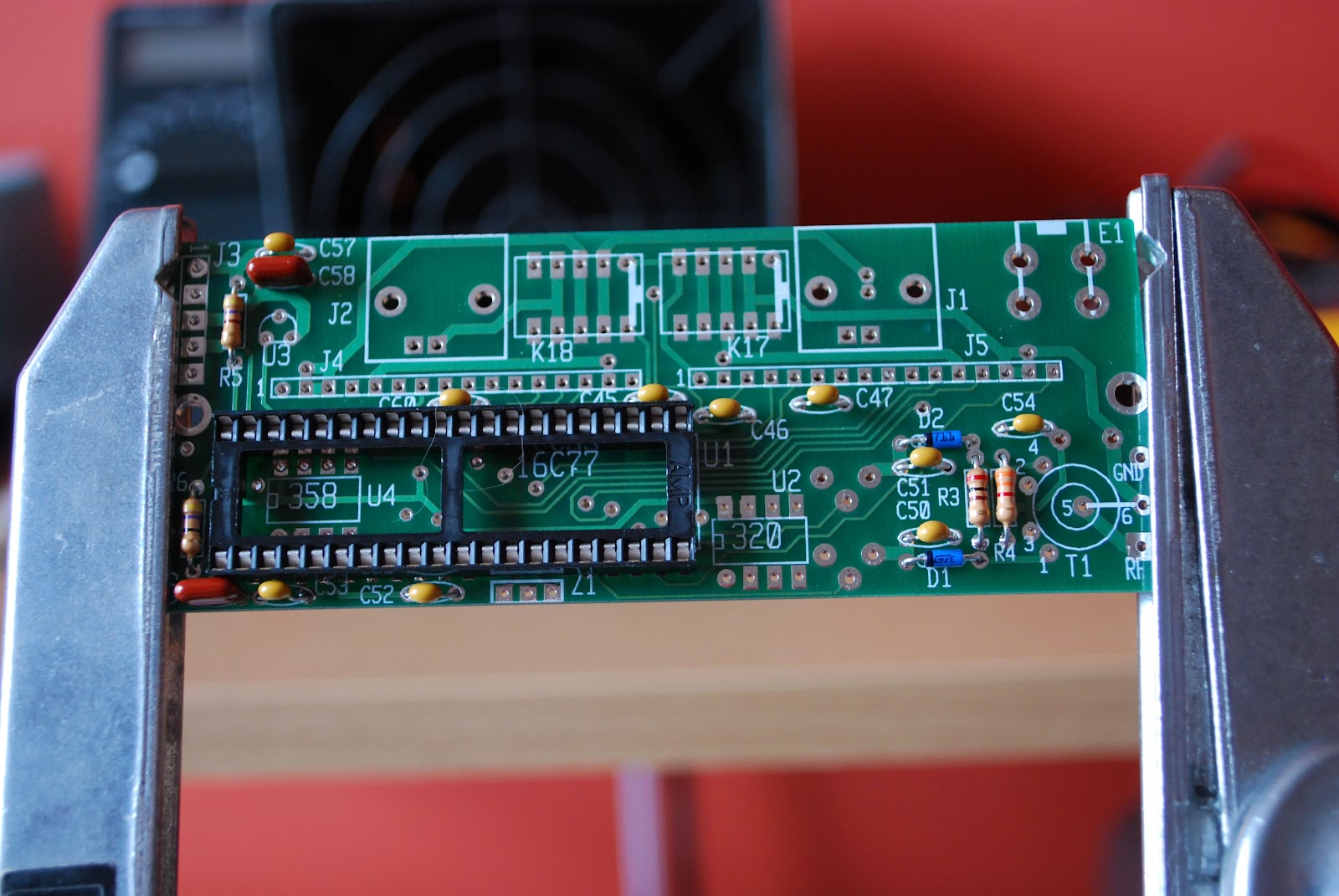
The KAT2 which also has a "cat" hair
Finally I have started my Elecraft KAT 2 antenna tuner for the Elecraft K2 radio.If you enlarge the picture see if you can spot the cat hair.....Oliver knows he is not supposed to be playing with my toys....BUSTED! I also have picked up some nice headphones at a great price along with a nice carry case for a surprising low price as well....but more on that in another post. Finally my Nikon D60 camera I use to photograph most if not all my blog pictures was giving me troubles. The memory card would not stay in the camera. Each time I tried to place it in it just popped out. If it stayed in the camera would tell me it was not installed. The camera is under extended warranty but the turn around time is 6-8 weeks! I took it in and I demonstrated the trouble....but it functioned fine and has ever since.  Now it's time to get some radio time in as most of the household chores and running around have been done. This week it will be time to setup for the ARRL international CW contest coming up next weekend.

FYBO fun

FYBO was fun today.  No big effort as there were way too many other things going on that vied for my attention.  In between chores and duties, I was able to get out to the driveway, where I had the PFR3A on a battery in the back of my Jeep.  The antenna was the Buddistick on the magmount on the top of the roof.  Kudos to Bob W3BBO for suggesting this setup – it worked great!  The car body acts as a much better counterpoise/ground plane than the single wire and using the magmount eliminates the need for mast and guying.  So if you’re not hiking – this is a great way to use a Buddistick.
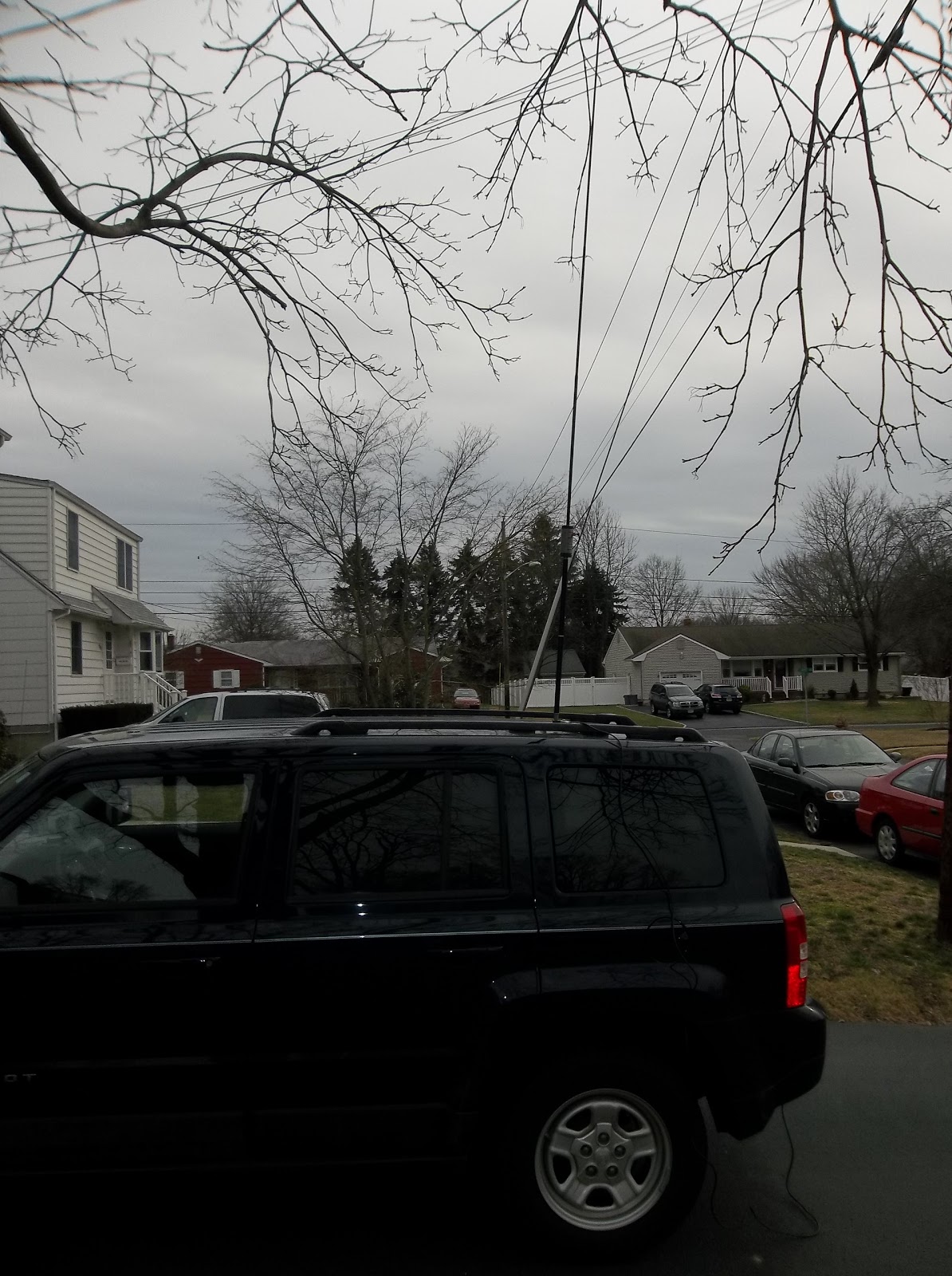
It ends up being much taller than a standard Hamstick (definitely not drivable), but the SWR was very nice and I was able to use the PFR3As internal tuner to even get that ironed out flat.
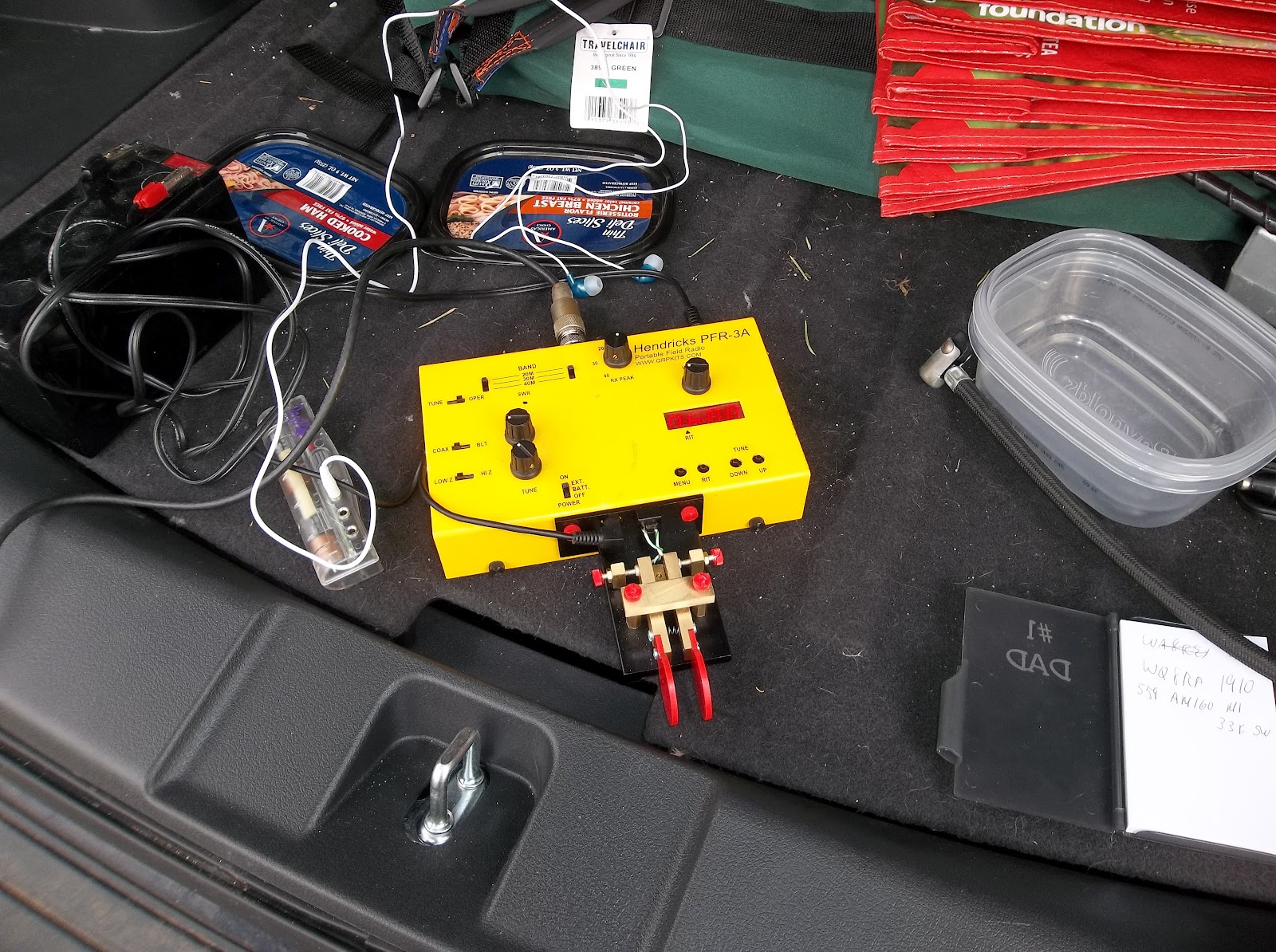
Ham at work – excuse the mess!

First QSO of the day was with Hank N8XX operating as “Amigo” with the WQ8RP callsign.  In all, I made 11 contacts in between grocery shopping, baking some bread for my daughter’s choir bake sale, etc, etc, etc.

Here’s a better look at the antenna.
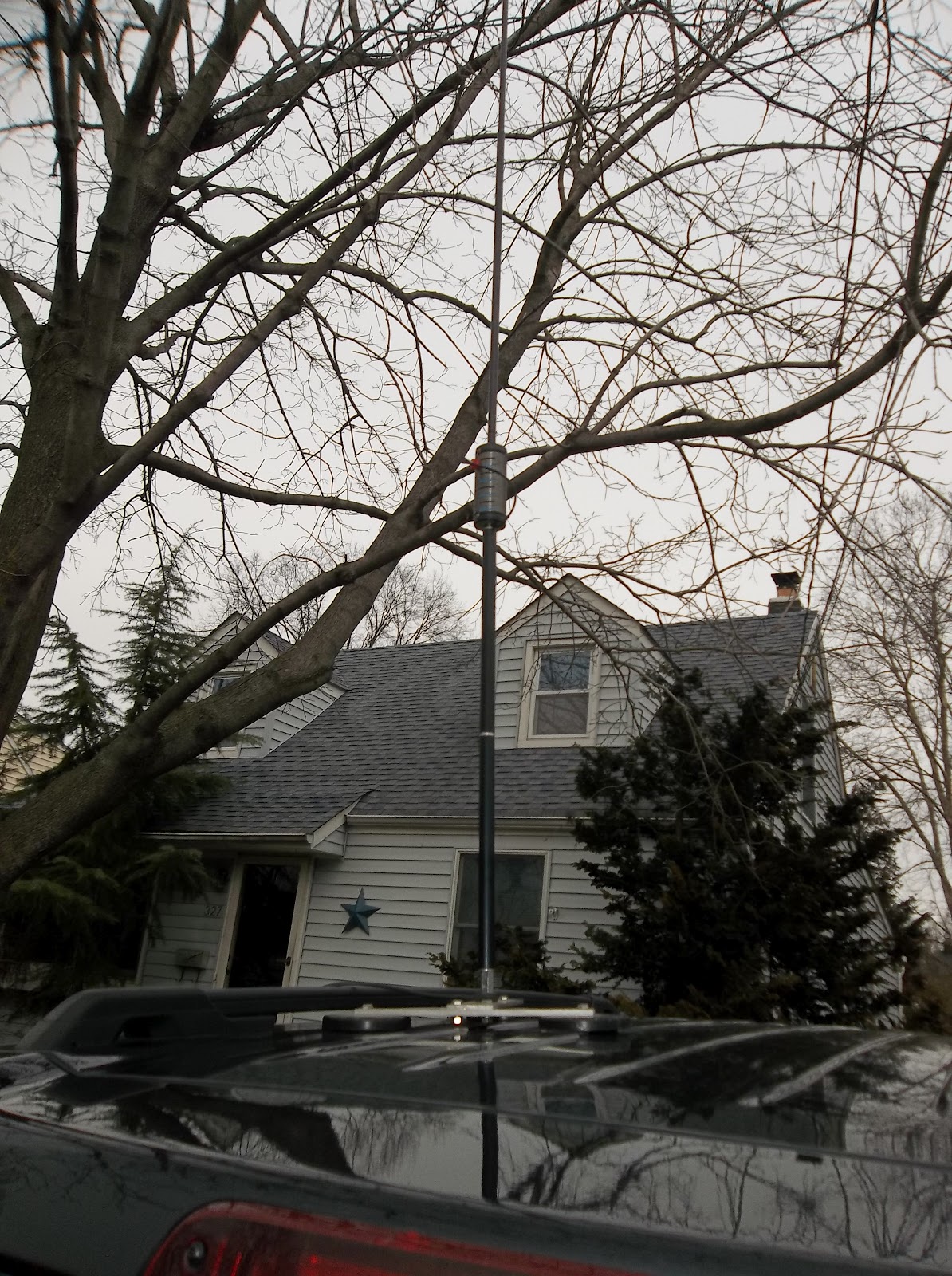
On 40 Meters, I undid the tap and extended the whip all the way.  That gave me about a 1.4:1 SWR.  I only made one contact on 40 Meters and that was with Mark NK8Q in Pennsylvania.  He was using only 1 Watt and almost blew the ear buds out of my ears.  I don’t think I have ever heard 1 Watt as a 599 Plus before today.

The temperature was 45F when I started, so for simplicity sake, I used that throughout, even though I think it started dropping for my last couple of QSOs.  I think the lowest temperature that was reported to me was 32F and the highest was 76F.

72 de Larry W2LJ
QRP – When you care to send the very least!

PSK31 up and running…….

Giving PSK a go
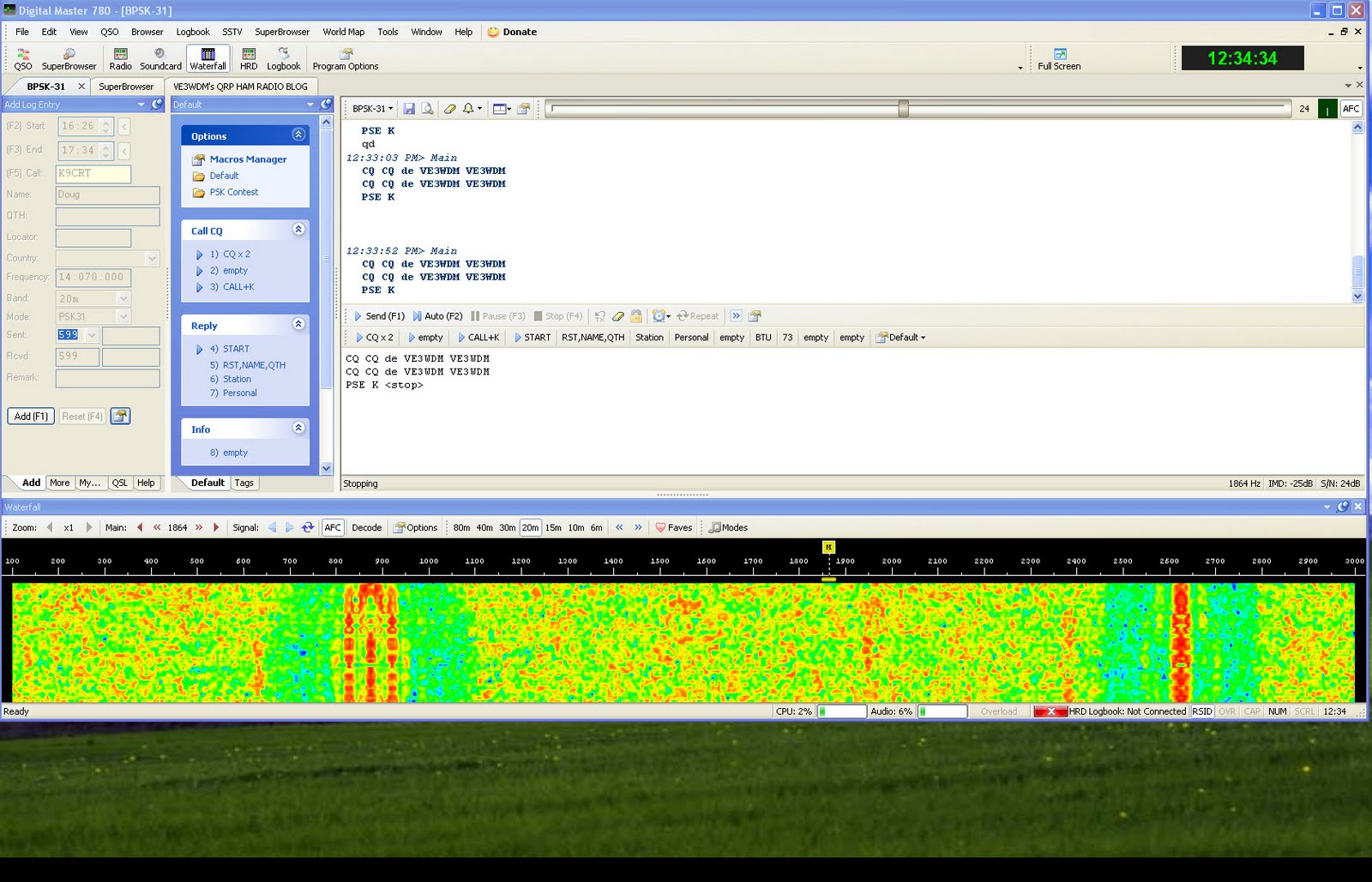
On Wednesday I spent some time familiarizing myself with HRD's DM-780 and getting some custom macros setup. In time I am  going to try out Fldigi and see which program I like better. The only reason I started with DM-780 was the K3 is all setup with HRD so I am half way there when it comes to PSK. So how did it go...well I am operating at 5 watts and there were some stations calling CQ but I was not able to grab their attention with my replies. I setup DM-780 to send info up too PSKreporter but up to this point and including today I just don't seem to be spotted at all. I am not sure if my setup with PSKreporter is wrong or I my signal
Action on the band

is not getting out. I do see on my LP-100 watt meter there is 5 watts getting to the antenna but whether it is readable or not I am not sure. Besides I am still getting the hang of PSKreporter as well so it could be operator error at this end. Also today I was involved in the NAQP CW contest but am now just taking a bit of a break. I was calling CQ on 40m CW a short time ago and KC9SNC came back to me. Our QSO was going well and the CW speed was very comfortable for me.......then came the contester's right over our QSO!!! Now they may not have heard us as I was QRP at 5 watts but that brought the QSO to an end. I did email Matt and gave him some more info about my station and that we may have better luck next time. So up to this point I have not been able to make a PSK contact maybe I will give Fldigi a go on Sunday and see if I can bag my first PSK QSO. It's now time to head back to the NAQP CW contest......and try not to QRM anyone who is not involved in the contest!!!


Post-post Thanksgiving Leftover Leftovers

As I mentioned in my last posting, I’ve still got a few items leftover from Thanksgiving. Unlike the leftover turkey and trimmings, these didn’t have to be tossed out after a couple of weeks, so they are still relatively fresh.
Going back to the CQ WorldWide DX Contest, I did have a few more comments to make. First I really learned to make use of the attenuator on my radio. When conditions are good, stations that are slightly off frequency can make it hard to hear the stations that you’re trying to work. By using the attenuator, it brings down the level of those signals so that I can more clearly hear the station that I’m trying to work. The station I’m trying to work is weaker too, but usually they drop less than the off-frequency station and it makes it possible to better copy what they are sending. This isn’t something that I alone have just magically discovered, it’s just been a while since conditions were good enough that off-frequency stations were so strong that I needed to get them dropped down.
And now, time to jump on my soapbox to talk about two things. The first of these I haven’t seen mentioned much recently in blogs or the contesting lists, but I noticed a number of times where a stations was calling CQ at a relatively slow speed (for a contest), perhaps 18 to 20 words per minute. I was always taught that you should always answer a station no faster than the station is calling, with the idea that you should only call CQ at a speed at which you are comfortable receiving. Why then do stations respond to those “slow” (which is a relative term here) CQs at 30, 35, or even 40 words per minute? I heard this a number of times, and while in some cases the slower station seemed to have no trouble copying the other station, in most other cases the slower station had to repeatedly ask for “fills” (meaning they couldn’t copy the exchange being sent.) If the other stations were too impatient to wait, they should find another station to work. When I work a CW contest, I have the ability to easily adjust my sending speed (I send using the computer, and it’s very easy to adjust my speed up and down in real time) and I have a hard time believing that some of these speed demons can’t do the same.
The second soapbox item is one that has been talked about a lot recently, which is regarding stations that do not ID frequently. For those readers who aren’t familiar with this, here’s the background: The FCC (and their equivalent in other countries) require stations to identify at certain intervals. In the US, you’re required to ID every 10 minutes and under certain other circumstances. Some operators, especially the “big gun” stations who have big signals and many stations calling them, try to shave off a small amount of time on each contact by not IDing after every contact. While a second or so might not seem like much, these are stations that might work 200+ stations in an hour, so assuming there are enough stations to keep them busy (which for those stations may actually be the case), there can, in theory, be enough time saved by not regularly IDing to be able to make more contacts in that time period. As an example, let’s say you can work one station in 20 seconds, or three per minute, which gives you a rate of 180 per hour. If you can shave two seconds off each contact, you can now work 3.33 per minute which translates into 200 per hour. That can add up over the course of a contest, under the right circumstances.
Of course, you need to ID occasionally to fulfill the legal requirements as well as letting the stations listening know who you are. (Yes, some stations can and do just assume that the spot on the packet cluster is correct. Sometimes it is, sometimes it isn’t. I want to hear a callsign myself before I work a station.) While I personally will ID after every contact on those rare occasions when I’m “running” stations, I think it’s OK to do it every 3rd or 4th contact, which means that the listening station have to wait no more than a minute or so to figure out the ID of the station. The problem is that some of these big gun stations have a seemingly endless stream of callers (many of whom are calling because of the aforementioned packet cluster spot) and they don’t ID for many minutes at a time. I’ve read their arguments which I won’t rehash here (if you’re interested, you can check out the archives of the CQ-Contest mailing list) but to me, they are just being selfish. From their perspective, they have plenty of folks trying to work them, and it’s just too bad for those of us who are waiting before calling. Often, I’ll just give up after listening for a short period of time, but I risk missing a valuable multipler if it turns out that the running station was something that I needed.
I don’t know what the right solution to this problem is, since the big guns aren’t going to change their operating processes just because I think that it would be nice to do so. Some contests require the station ID as part of the contest exchange (though sometimes they omit it there as well; I wonder if they will get disqualified if the contest sponsors discovers that?) which solves the issue, but since even minor changes to the contest rules seems to be upsetting to much of the contest community, I can’t see an ID requirement being added to any of the existing contests.


Subscribe FREE to AmateurRadio.com's
Amateur Radio Newsletter

 
We never share your e-mail address.


Do you like to write?
Interesting project to share?
Helpful tips and ideas for other hams?

Submit an article and we will review it for publication on AmateurRadio.com!

Have a ham radio product or service?
Consider advertising on our site.

Are you a reporter covering ham radio?
Find ham radio experts for your story.

How to Set Up a Ham Radio Blog
Get started in less than 15 minutes!


  • Matt W1MST, Managing Editor