 |
 The KP2 Slacker DXpedition Guide
 29 March 2014 | by
 I’ve had several opportunities to take amateur radio along on vacation and do a little radio operating from other countries. I try not to focus too much on ham radio during such a trip, as it has a tendency to create marital discord and can suck the fun out of the vacation. Some people call this a “holiday style” DXpedition, or maybe it’s just the slacker approach.
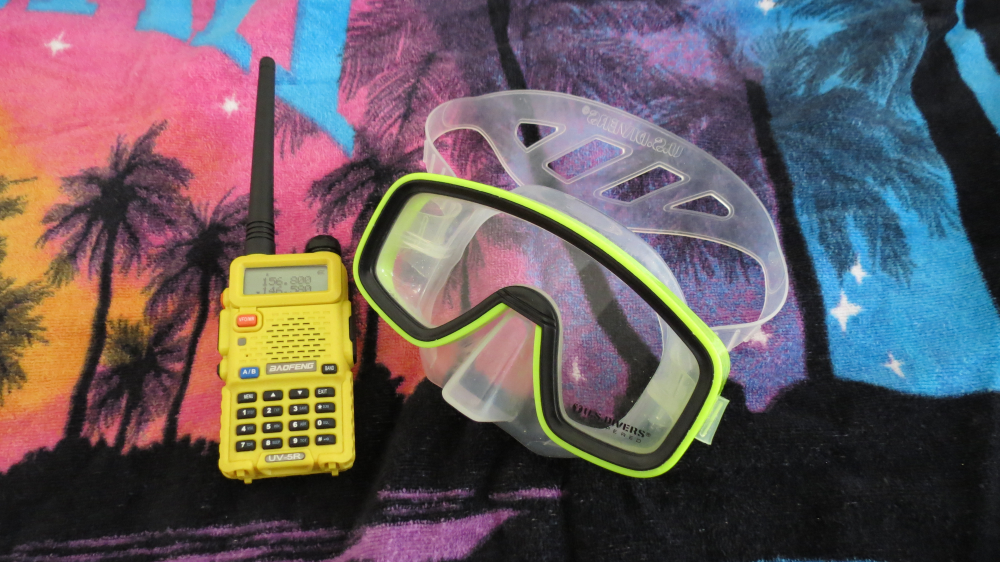
The marine yellow Baofeng UV-5R handheld transceiver got a lot of use.
St John USVI
Joyce (K0JJW) and I were planning a vacation with three other couples that we’ve known for years. It turns out that six of the eight have their ham licenses. (We’re still working on the last two.) Our primary goal was to find an island location with great beaches and snorkeling. Someone proposed the island of St John in the US Virgin Islands and the idea took hold.
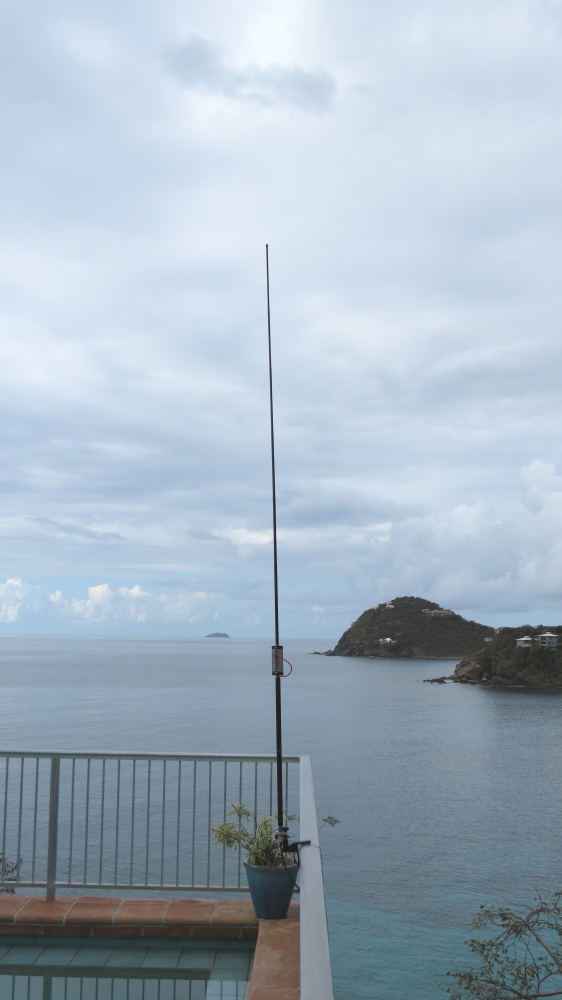
The Buddistick antenna is mounted on the railing of the patio, overlooking the sea.
From a ham radio perspective, USVI is an interesting choice since it does count as a DXCC entity (“country”), even though it is a US possession. See my article on HamRadioSchool.com for more information on how that works. Anyone with an FCC license can operate from there without any special licensing or approval. KP2 is the prefix for USVI, so identify as KP2/<callsign> to indicate that you are operating from USVI.
Radio Gear
We were trying to pack light, so the radio equipment had to fit into our normal luggage. I took my Yaesu FT-817 and a Buddistick™ antenna. Paul (KF9EY) took along a Yaesu FT-100D, while Denny (KB9DPF) transported his FT-817 and a G5RV Junior antenna. Our primary operating mode was using the FT-100D (more power, baby) to drive the Buddistick, which was attached to the railing on the patio.

The FT-100D was the primary operating rig, carefully placed on a random table out by the pool, with the St John Guidebook nearby.
I decided that the true slacker approach required some Official Beach QRP contacts in the style of Buddies in the Caribbean (see the video). One day on the beach, I took along my FT-817 and the Buddistick and set up for some QRP action.
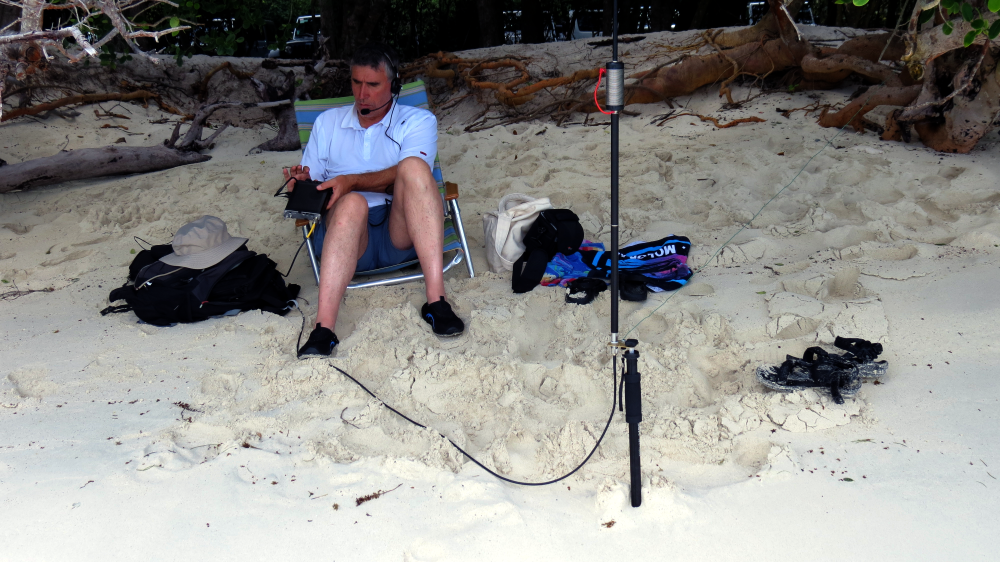
Some slacker beach operating (Bob K0NR).
The Buddistick was mounted on a Dolica WT-1003 camera monopod stuck into the sand, with the radial trailing off into the vegetation. My compact Heil headset was a convenient way to make some phone contacts without blasting my fellow beach bums with noisy audio.
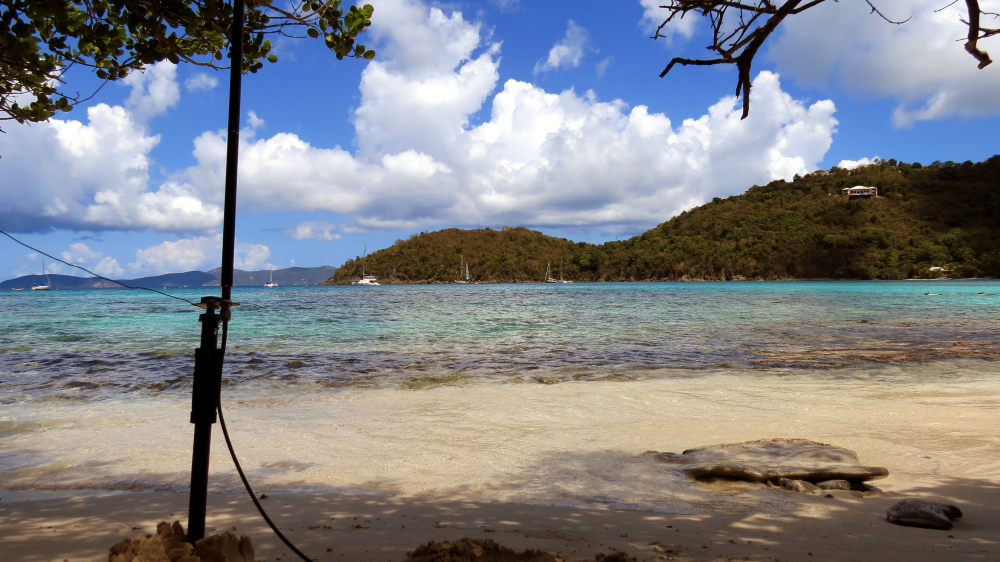
The view looking out from the beach operating location.
How did we do on the HF bands? We managed to make a number of contacts on 20m, 15m and 10m into the Americas and Europe. I was a bit disappointed that we never really got a pileup going. I think our signal was plenty strong but KP2 is maybe just not that rare.
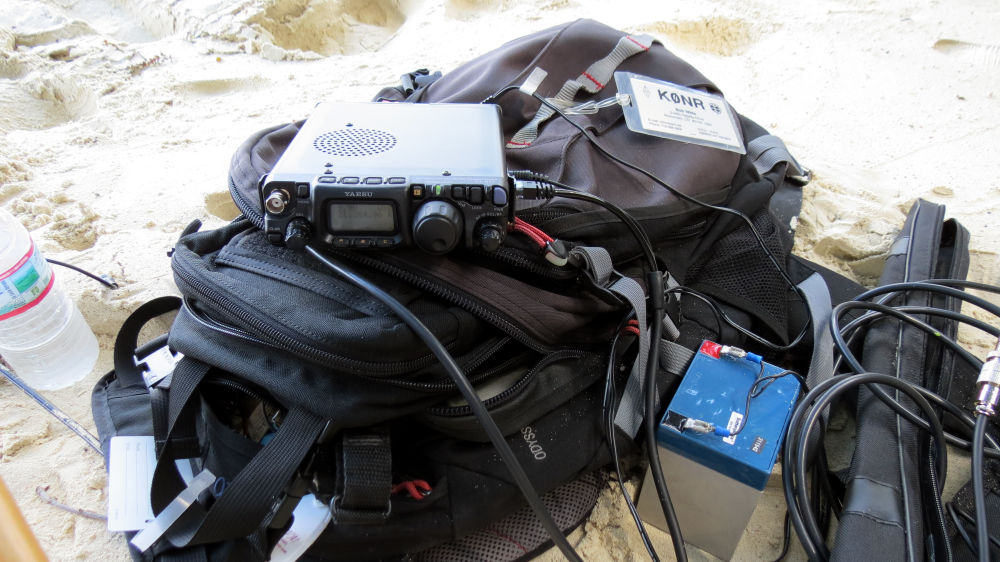
The innovative “plop the rig on top of a backpack” operating configuration.
We spent quite a bit of time exploring the island, driving around in two rental Jeeps. For mobile communications, we chatted back and forth on 146.58 MHz, the Golf-November-Tango frequency, using handheld transceivers. In the end, these radios probably got the most use during the trip. (Did I mention this was a slacker DXpedition?) There are a few 2m repeaters in the islands but we did not make use of them.
I brought a Yaesu FT-60 and a Baofeng UV-5R along on the trip, but mostly ended up using the Baofeng radio. If was the perfect radio to take to the beach — does the job and not that big of a loss if it landed in the ocean. Using the dual receive feature of the HT, I monitored the marine calling frequency, 156.80 MHz, listening to the boat traffic.
So if you are looking for a great place to go to enjoy the sand and water, I highly recommend St. John. Go ahead and take along some ham gear and do some slacker DXing. For more information on KP2 ham radio, see the ARRL Virgin Islands Section web site.
— 73, Bob KP2/K0NR
QSL to KP2/K0NR via Logbook of the World or to K0NR via Buro or Direct with SASE
Bob Witte, KØNR, is a regular contributor to AmateurRadio.com and writes from Colorado, USA. Contact him at [email protected].
Brazil and Thailand with QRPp
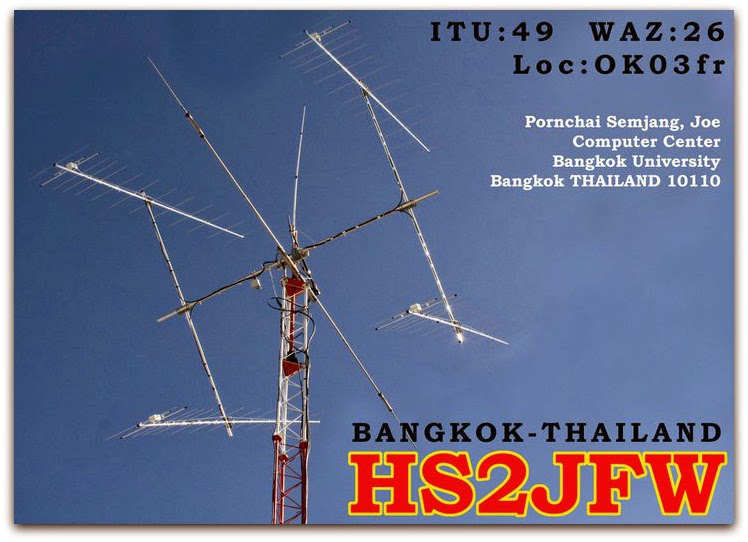
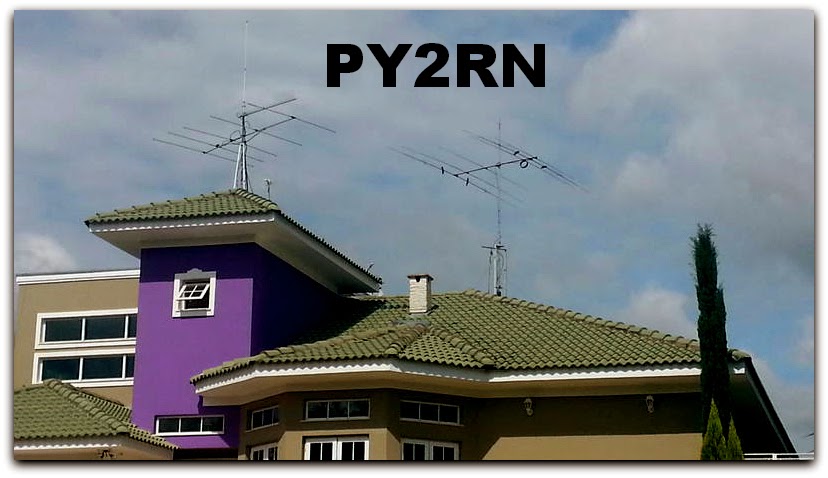
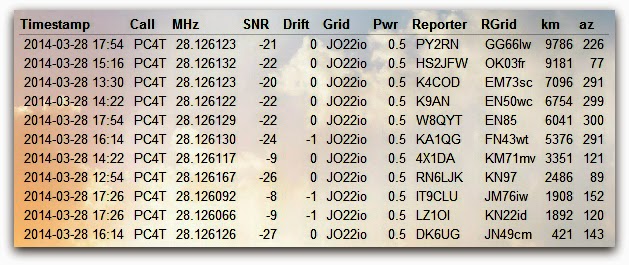
Thailand (9181 km) was one of the spots today with WSPR 500mW on 10 meter. Also spotted by PY2RN (9786 km) with 500 mW. My stats with WSPR 500mW are now 32 DXCC and 15 US States.
Paul Stam, PC4T, is a regular contributor to AmateurRadio.com and writes from the Netherlands. Contact him at [email protected].
BEC Fab Lab
Not strictly Ham Radio but worthy of a mention, I dropped into the BEC Fab Lab today to talk to them about laser cutting some cases for our clubs summer build. We’ll be doing something simple this year ( the Hans Summers, GoUPL Ultimate QRSS kit v3 – mine is on order) and I’m keen to tie in what we do with them as we could use their services and they could potentially open up amateur radio to a wider audience.
I was really impressed and can’t wait to get my hands on their 3d printer, I just don’t know what I ought to print…perhaps a callsign badge
Alex Hill, G7KSE, is a regular contributor to AmateurRadio.com and writes from Cumbria, UK. Contact him at [email protected].
A couple of things
1) Worked a few more DX stations today during lunch. The bands were decent again.Had QSOs with TI8/AA1M in Costa Rica, LZ2HR in Bulgaria and F6ALQ in France. The QSO with Bernard in Soissons, France was a bit more than just your typical “599 TU” DX QSO. We actually conversed a bit! Wow …. Amateur Radio is actually well suited for conversation, don’t ya know?!? Next few days look like rain, so I probably won’t take the gear with me to work tomorrow.
2) Got skunked in the 80 Meter Fox Hunt tonight. I almost worked Ray K9XE in Illinois as he had three out of the four characters of my call sign several times. But he stated more than a few times throughout the hunt that he had S9 noise on his end. Oh well, he tried and I tried – no fault in that.
3) The date and time are set for the 2014 NJQRP Skeeter Hunt – Sunday, August 10th. You can check either http://www.qsl.net/w2lj/, or the Skeeter Hunt page of this blog. The exchange is a bit different this year. Instead of RST, I decided to go with the op’s first name instead. Just trying to be a little different this year. Oh, and Skeeter numbers will be given out starting on June 21st, the First Day of Summer – so please, don’t try to sweet talk a number out of me before then, OK?
Oh, and I had a Skeeter professionally drawn for this year’s logo. Here he is:

72 de Larry W2LJ
QRP – When you care to send the very least!
Larry Makoski, W2LJ, is a regular contributor to AmateurRadio.com and writes from New Jersey, USA. Contact him at [email protected].
Confirmation Requests QRZ log

As you can see, I have 3 confirmation requests waiting. Though I like QRZ logbook, but when I want to confirm I have to fill out the QSO again. Before I had to check, and ready. Now I have to look up QSO data... etc Oh no... too much work. Or do I something wrong?
Paul Stam, PC4T, is a regular contributor to AmateurRadio.com and writes from the Netherlands. Contact him at [email protected].
Embarrassed!

Most of the embarrassment has faded away, so I can write about it now. Having my Cubieboard up and running I went for the next step, connecting my TNC for APRS operation. The Cubieboard has a UART port, but the supplied cable was for a USB connection. I still had my serial converter from my Raspberry Pi and tried to hook it up to the Cubieboard. Either I made a short or some Volts went where they shouldn’t have gone, but all of a sudden there was smoke and that is usually not a good sign.
So now I have two empty cases on my shelf: one for the Raspberry Pi, one for the Cubieboard. Ah well, that’s life. Luckily these mini-PCs are not expensive, but to me also not cheap, so I will wait a while before ordering another.
Hans "Fong" van den Boogert, BX2ABT, is a regular contributor to AmateurRadio.com and writes from Taiwan. Contact him at [email protected].
I think we have a pile-up …
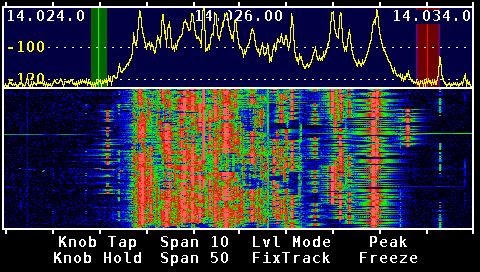
Sverre Holm, LA3ZA, is a regular contributor to AmateurRadio.com and writes from Norway. Contact him at [email protected].
 Ham Radio Deluxe |
 W5SWL Electronics |
 Ham Radio Prep |
 KB3IFH QSL Cards  Hip Ham Shirts  HamRadioAuctions HamRadioAuctions Reliance Antennas Reliance Antennas Enigma Shop Enigma Shop |  morseDX  Ni4L Antennas  R&L Electronics R&L Electronics antennas.us antennas.us QRV QRV |
- Matt W1MST, Managing Editor
