 |
 Winter update from KG9DW
 4 January 2016 | by
 Welcome to 2016! Lots of big projects are going on here at the radio ranch. My youngest is working on an arduino powered weather station that will be located at the FFA field plot along US51 north of Heyworth. We’re going to get the data from the site using the AREDN ham radio mesh software. It’s a real cool project, and my daughter is doing a great job with the programming.
I finally got all of my coax run into the shack in a decent fashion, and I’ve got coax switches in place to be able to toggle between the two hf rigs and the two hf antennas. My next antenna will either be an hf beam, or I’m putting up a sky loop. Or maybe another windom positioned north to south. Who knows!
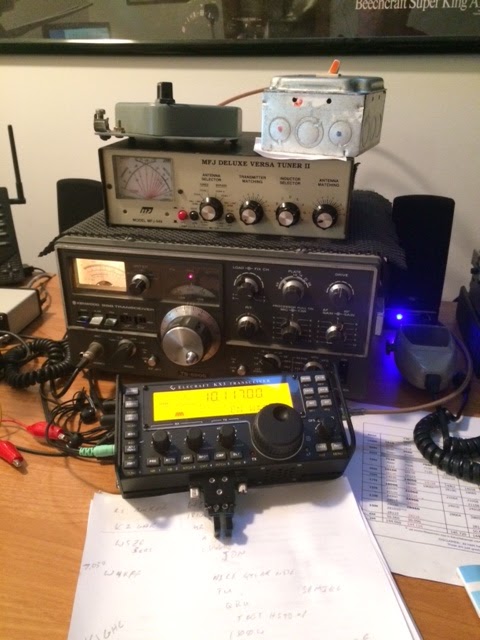
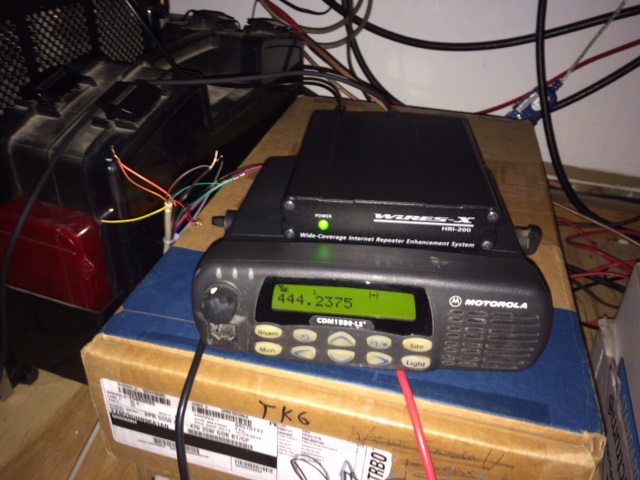
I played with the Yaesu Wires-X software and an HRI-200 box this past week. I hooked it to a Motorola CDM-1550 mobile radio. I really like these Motorola radios – great receive, easy to interface, and just all around bullet-proof. These are the same radios I’ve used for two D-STAR repeaters…hard to beat. Anyway, I’ve got the Wires-X setup on a UHF simplex channel linked into the Central Illinois room. Wires achieves the same as a D-STAR reflector, just done a different way. I’m running Wires in analog mode, and so my analog audio is digitized at my computer and sent on to the server running the room. From there it goes to whoever else is joined into the room. If someone is running Wires in digital mode, the audio comes out digital. If you’re running analog, it comes out analog. I’m not sure if I’m going to hook this into our Heyworth analog machine, or if I’m just going to keep it as a simple simplex node (a hotspot in D-STAR speak).
We’ve got a DR-1X repeater coming to Heyworth to replace the Kenwood TKR-820 the club has up on the elevator. The big benefit for us will be to replace the old Kenwood that sometimes has problems in warm weather, along with getting rid of a crazy long squelch crash. The new repeater arrives on Tuesday, and I’ll let it burn in for a few weeks (or months depending on the weather) before it goes up on top of the elevator.
That’s it for now…have a great year everyone!
Michael Brown, KG9DW, is a regular contributor to AmateurRadio.com and writes from Illinois, USA. Contact him at [email protected].
Winter update from KG9DW
Welcome to 2016! Lots of big projects are going on here at the radio ranch. My youngest is working on an arduino powered weather station that will be located at the FFA field plot along US51 north of Heyworth. We’re going to get the data from the site using the AREDN ham radio mesh software. It’s a real cool project, and my daughter is doing a great job with the programming.
I finally got all of my coax run into the shack in a decent fashion, and I’ve got coax switches in place to be able to toggle between the two hf rigs and the two hf antennas. My next antenna will either be an hf beam, or I’m putting up a sky loop. Or maybe another windom positioned north to south. Who knows!
I played with the Yaesu Wires-X software and an HRI-200 box this past week. I hooked it to a Motorola CDM-1550 mobile radio. I really like these Motorola radios – great receive, easy to interface, and just all around bullet-proof. These are the same radios I’ve used for two D-STAR repeaters…hard to beat. Anyway, I’ve got the Wires-X setup on a UHF simplex channel linked into the Central Illinois room. Wires achieves the same as a D-STAR reflector, just done a different way. I’m running Wires in analog mode, and so my analog audio is digitized at my computer and sent on to the server running the room. From there it goes to whoever else is joined into the room. If someone is running Wires in digital mode, the audio comes out digital. If you’re running analog, it comes out analog. I’m not sure if I’m going to hook this into our Heyworth analog machine, or if I’m just going to keep it as a simple simplex node (a hotspot in D-STAR speak).
We’ve got a DR-1X repeater coming to Heyworth to replace the Kenwood TKR-820 the club has up on the elevator. The big benefit for us will be to replace the old Kenwood that sometimes has problems in warm weather, along with getting rid of a crazy long squelch crash. The new repeater arrives on Tuesday, and I’ll let it burn in for a few weeks (or months depending on the weather) before it goes up on top of the elevator.
That’s it for now…have a great year everyone!
Michael Brown, KG9DW, is a regular contributor to AmateurRadio.com and writes from Illinois, USA. Contact him at [email protected].
NPOTA: ARRL’s Best Idea?
 The National Parks on the Air (NPOTA) is off and running. Making contact with a handful of stations currently operating from NPOTA locations has made me wonder if the ARRL has had a good idea with NPOTA as a way to help celebrate the anniversary of the National Park Service.
From ARRL: “Throughout 2016, Amateur Radio will be helping the National Park Service celebrate their 100th anniversary. Hams from across the country will activate NPS units, promote the National Park Service and showcase Amateur Radio to the public.”
I am a huge fan of both the National Parks and the National Park Service. Anyone who is interested in the history of our National Parks would be well rewarded to start with the Ken Burns documentary The National Parks: America’s Best Idea. Yellowstone generally gets credit for being the first National Park back in 1872. However, the National Park Service was not established until 1916. That period in between provides us a very good reason that there are times when we need a government organization to protect us from ourselves. During that in between period, the Army was given the mission of attempting to protect both Yellowstone and Yosemite. Like most missions the Army received, they were underfunded, under equipped, and undermanned. They did, however, do the best they could to protect these amazing areas. Many Americans saw these new National Parks as areas for economic exploitation. If it wasn’t for many individuals working long and hard for the establishment of the National Park Service, it is very likely we would not be able to enjoy the parks we have today. Stephen Mather and Horace Albright were the two primary individuals who secured the establishment of the National Park Service. Ken Burns talks about these two individuals in his documentary and there are also a few books that do a great job telling the story (Creating the National Park Service: The Missing Years and The Birth of the National Park Service: The Founding Years, 1913-33).

The National Parks exist for our enjoyment. Generally that enjoyment manifests itself in some type of hiking, camping, fishing, watching for wildlife, or learning about history. This interaction between Park and citizen can be passionate, emotional, revitalizing, inspirational, and an educational experience.
With all that being said, I was a bit surprised to hear stations making contacts for NPOTA locations like it was a contest. Each NPOTA location is identified by a letter-number combination. No discussion of where they actually were. No description, no discussion. It is a bit sad to see there is a Leader Board – which only facilitates looking at NPOTA as a contest rather than an actual celebration.
I also wonder how these activations are impacting those non-amateur radio enthusiasts who are visiting a NPOTA site. Is this putting amateur radio in the best light?
Are these NPOTA activations promoting the National Park Service or showcasing Amateur Radio to the public?
If so, how?
What would Stephen Mather and Horace Albright think about NPOTA?
It will be interesting to see how NPOTA progresses over the coming weeks and months.
Scott Hedberg, NØZB, is a regular contributor to AmateurRadio.com and writes from Kansas, USA. Contact him at [email protected].
We’re giving away 10 free copies of Skilman Introduction to Morse Code!
Skilman and AmateurRadio.com
have teamed up to give away TEN free copies of
Skilman Introduction to Morse Code
($49.95 value each)
Open to all US and Canadian residents.
Deadline to enter is 10 January 2016 20:00 UTC.

Editor’s note:
Skilman has sent us a 10% off coupon code ‘U4YDIFM’ (valid through 1/24).
From the description:
Developed by Dr. Jessica Parks, an expert in memory and cognition with a doctoral degree in experimental psychology, this course on six audio compact discs will guide you step-by-step to mastery of Morse code.
Dr. Parks draws on long-standing research and scientifically validated principles to give you every advantage as you learn the letters, numbers, punctuation, and pro-signs that you will need to communicate using Morse code. A booklet and complimentary digital download of the entire course are also included.
Always wanted to learn Morse code? Now’s your chance — for free!
Listen to the sample lessons and then enter to win below…
Skilman Introduction to Morse Code – Lesson 1 (24:02) Download
[sc_embed_player_template1 fileurl=”http://static.skilman.com/learn-1.mp3″]
Skilman Introduction to Morse Code – Lesson 2 (24:32) Download
[sc_embed_player_template1 fileurl=”http://static.skilman.com/learn-2.mp3″]
Prize Packages
Ten (10) 6-disc copies of
 Skilman Introduction to Morse Code
http://www.skilman.com
Eligibility
Residents of the
United States and Canada
(shipping is included!)
How to Enter
It’s simple!
Leave a comment to this post.
(e-mail address will not be shared)
Entry Duration
Only 1 week!
You may enter only once from
3 January 2016 12:00 UTC
to
10 January 2016 20:00 UTC
(multiple entries from the same entrant will be discarded)
Winner Announcement
10 January 2016
We will announce the winner on AmateurRadio.com.
You can get the winner announcement by
subscribing to our free Amateur Radio Newsletter via e-mail,
following our posts via RSS feed, via Twitter (@amatradio),
or via Facebook (facebook.com/amatradio).
Sign up so you won’t miss our next prize drawing!
Please tell your friends about this giveaway!
Thank you to Skilman for offering these fantastic prizes!
http://www.skilman.com
Matt Thomas, W1MST, is the managing editor of AmateurRadio.com. Contact him at [email protected].
GW3UEP 630m Transmitter Tweaks
 |
| DF8UO's GW3UEP 630m Tx |
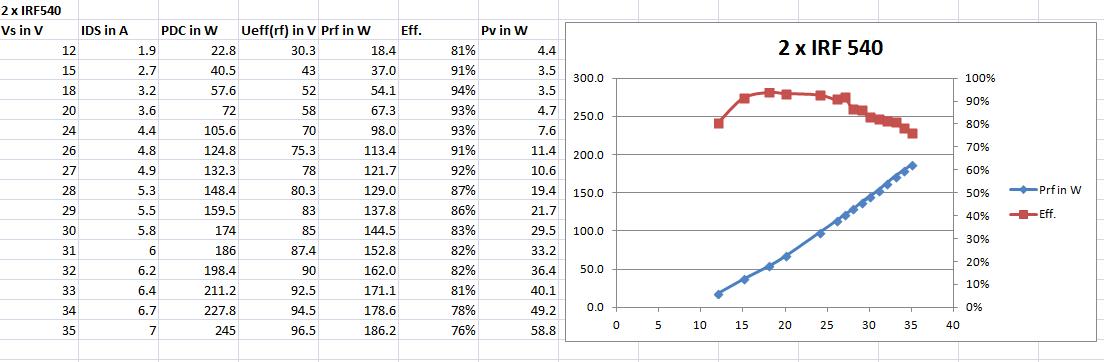
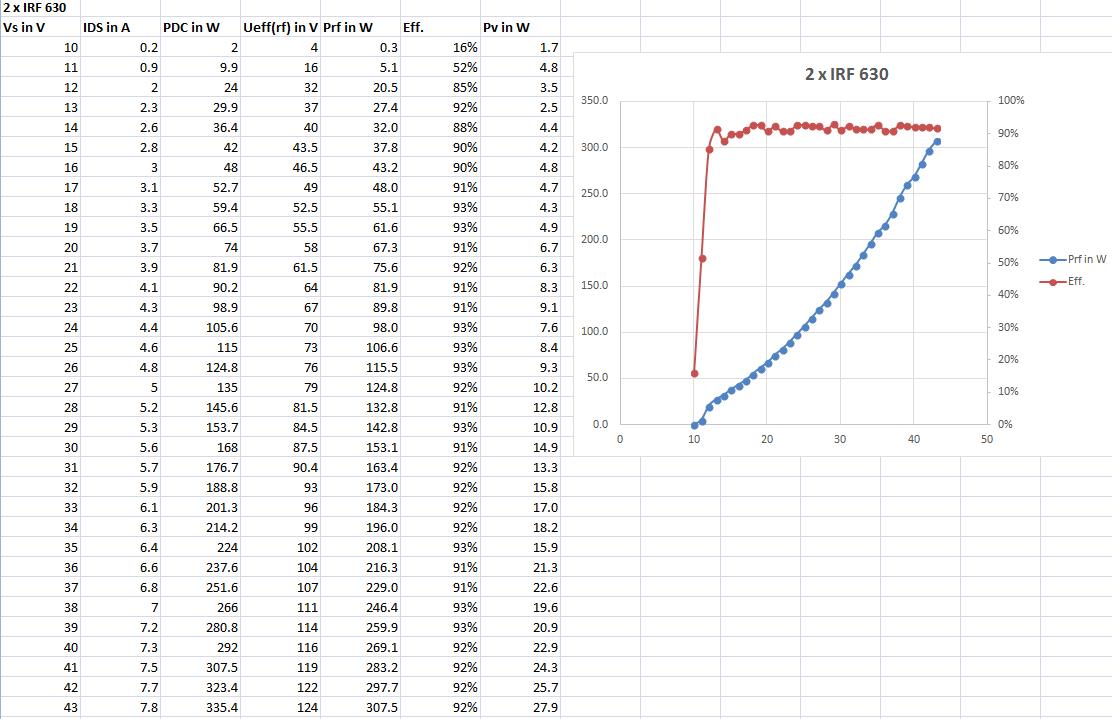
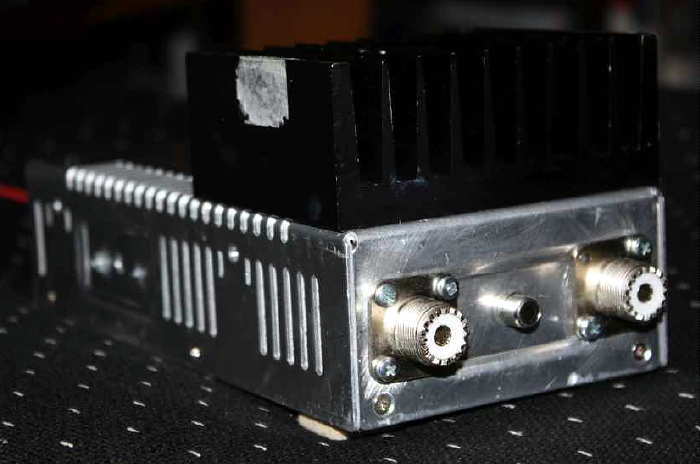
From Daniel's test data, it looks as though the IRF540's are quite happy as long as you keep the transmitter at 100W or less ... anything higher would certainly benefit from the switch to IRF630's as the high efficiency is maintained at least to the 300W level. Something at this level would no doubt benefit from higher-voltage capacitors and heavier inductors as well as a little more heatsinking, enough to shed at least 25 watts of heat between the two FETs.
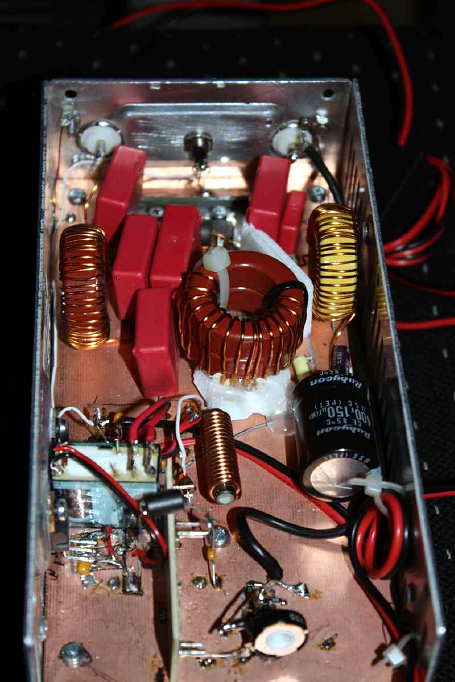
Daniel drives his amplifier with an Ultimate3, followed by a 10db attenuator, a squarer and into the totem pole driver stage. His own version uses toroidal inductors rather than the original air wound coils.
A pair of GW3UEP amplifiers using IRF630's at ~40V into a small power combiner, should provide ~550W of useful output at >90% efficiency ... more than enough power to do some serious work on 630m.
Steve McDonald, VE7SL, is a regular contributor to AmateurRadio.com and writes from British Columbia, Canada. Contact him at [email protected].
Guys who build stuff
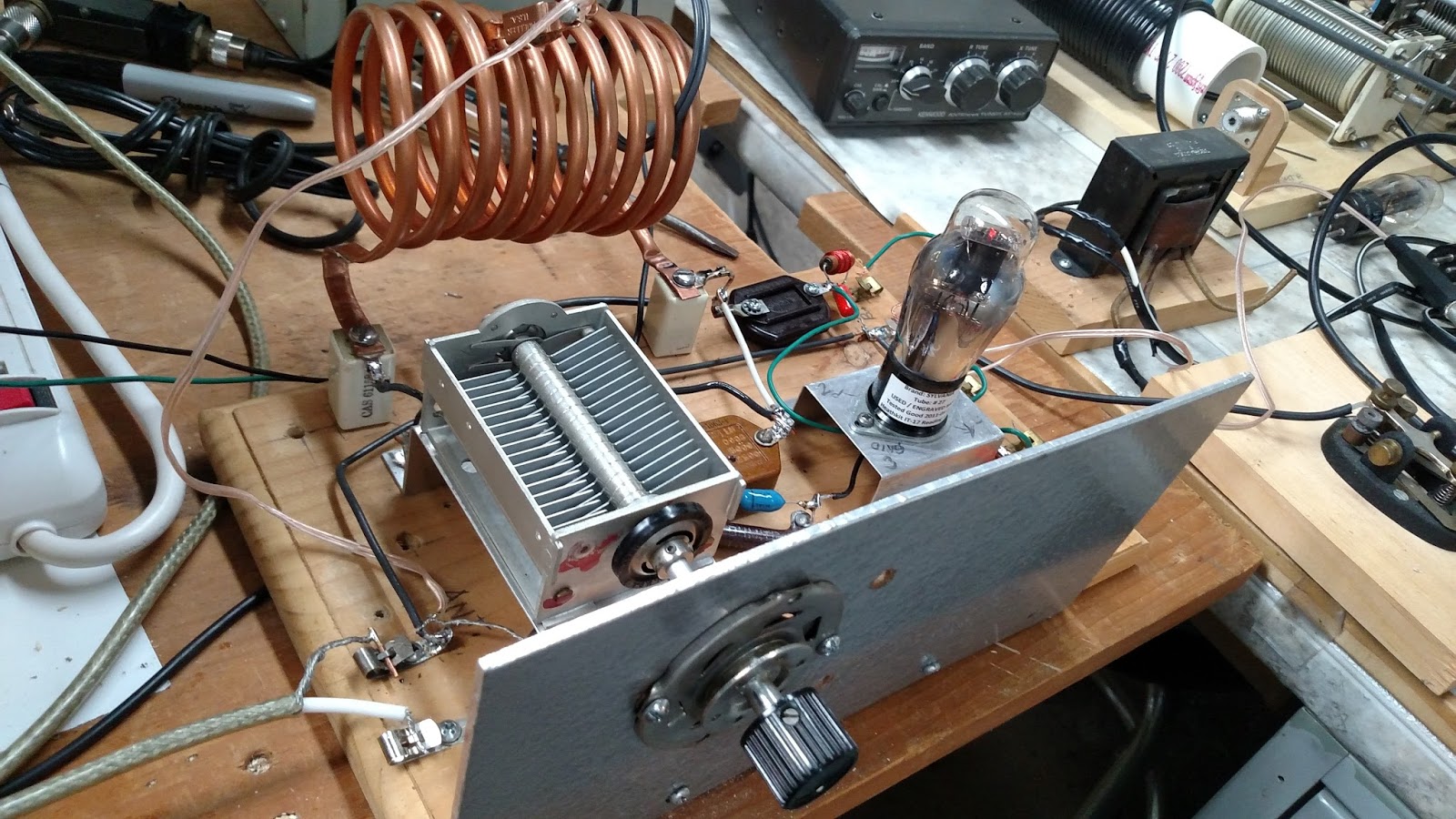
Jim was putting out all of about 2 Watts to his antenna, but it was enough to garner him a 569 report from me. His signal was a little chirpy and a tiny bit raspy, but it was still pleasant to listen to and fully copyable. Shortly after our QSO, Jim e-mailed me the above photo. I know how satisfying it is to build a kit and have it work. I can only imagine how much more satisfying it must be to build something from scratch and have it work. I'm not the greatest scratch builder, but the few times I have and have had the finished product work were enough to make the ol' shirt buttons pop.
Another friend who is into building from scratch is my good buddy, Bob W3BBO from Erie, PA. As mentioned before, Bob is my Ham Radio mentor, and I've learned so much from him that I don't even know where to begin. Here are some photos of a series of regen receivers that he's been homebrewing.
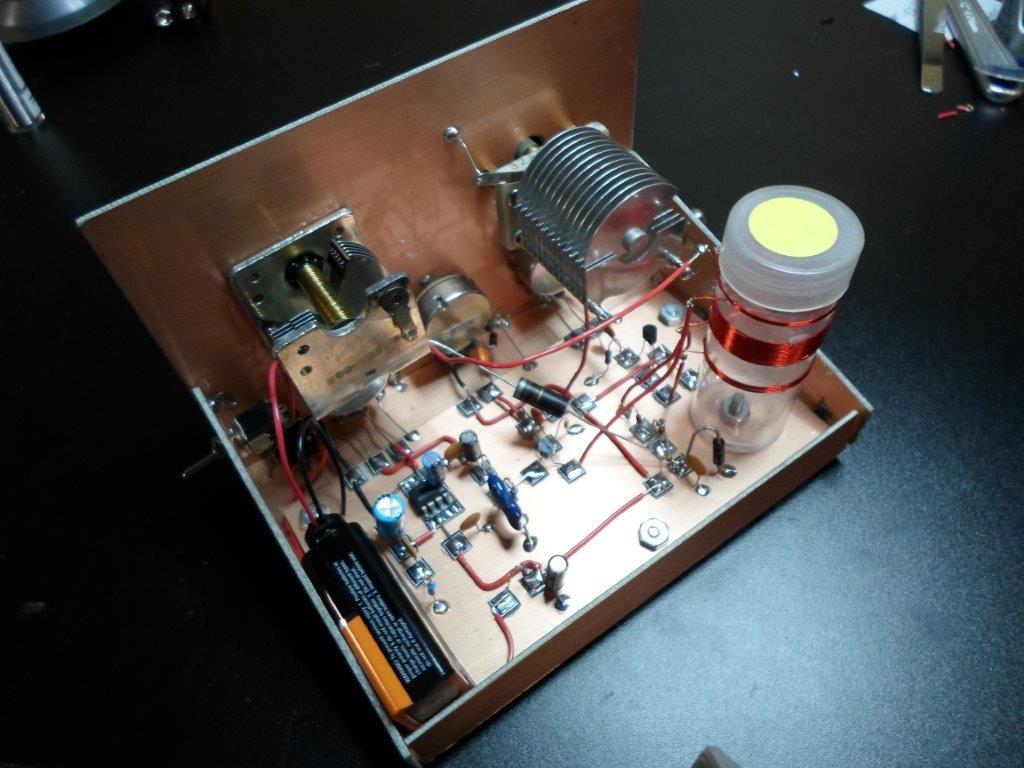
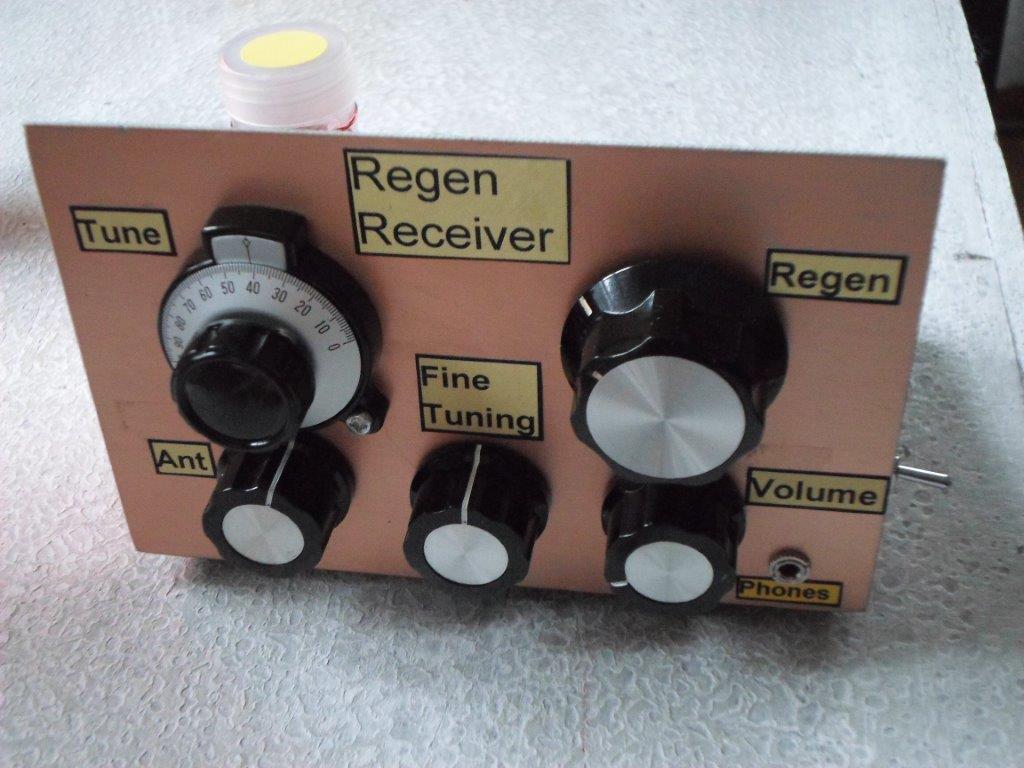

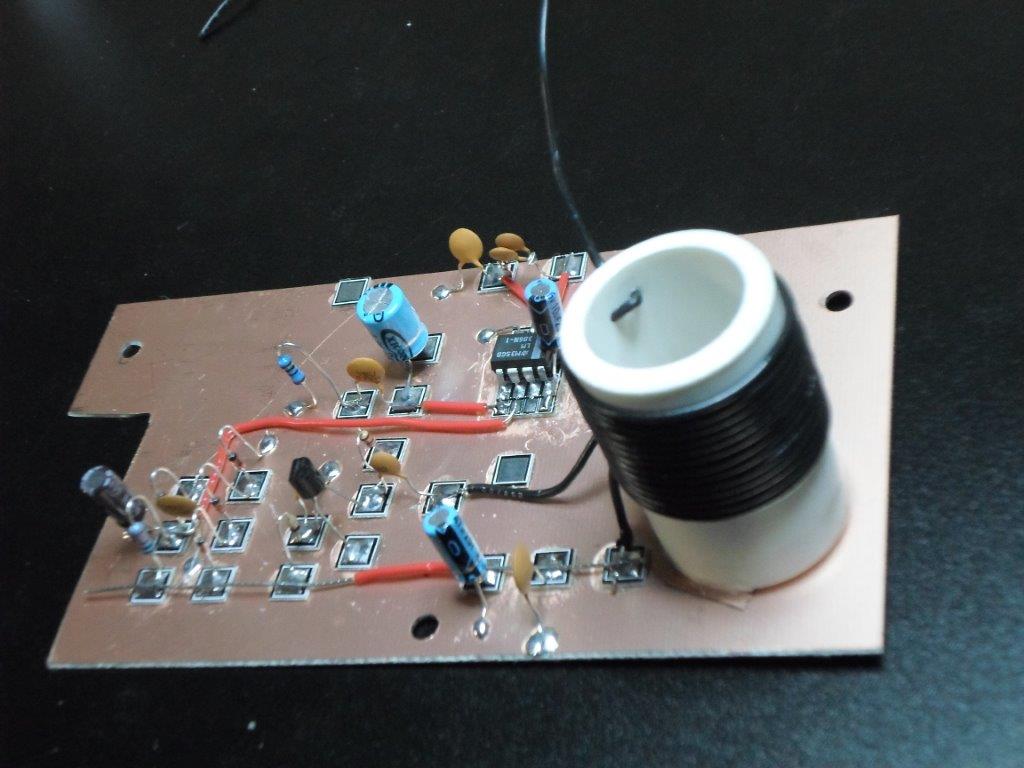

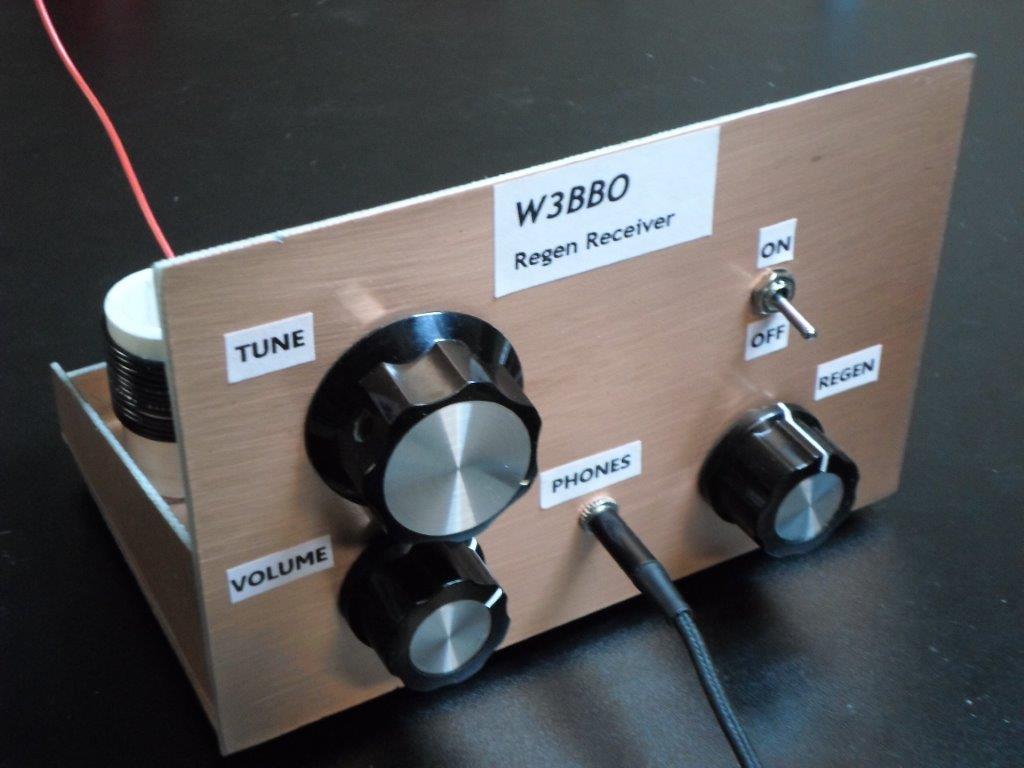
Now does he do nice work, or what? Very nice work, indeed! I know that Bob has been conversing with Dave AA7EE, who's listed on the blog roll to the right. As far as I'm concerned, Dave's one of the Master Builders. His creations come out looking so good as to be museum pieces, in my humble opinion.
I wish I had an nth of the talent that these guys have. My creations always seem to come out looking more like something Dr. Frankenstein would have created. Functional, maybe, but definitely not pleasant to look at.
This afternoon, I worked three more NPOTA stations:
AC9FL - SSB - TR55 - Ice Age National Scientific Reserve
N4MJ - CW - BF04 - Fort Donelson National Battlefield
KS4YT - SSB - NP30 - Hot Springs National Park
Sadly, my SSB pileup breaking skills are nowhere near my CW pileup breaking skills. It's going to be interesting to see if they improve as the year progresses.
72 de Larry W2LJ
QRP - When you care to send the very least!
Larry Makoski, W2LJ, is a regular contributor to AmateurRadio.com and writes from New Jersey, USA. Contact him at [email protected].
Using WSPR for some band analysis
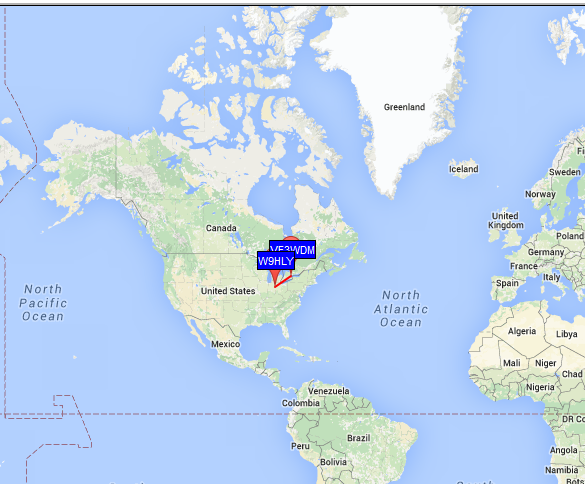 |
| My wet noodle on 40m WSPR on Dec 30 2200 UTC |
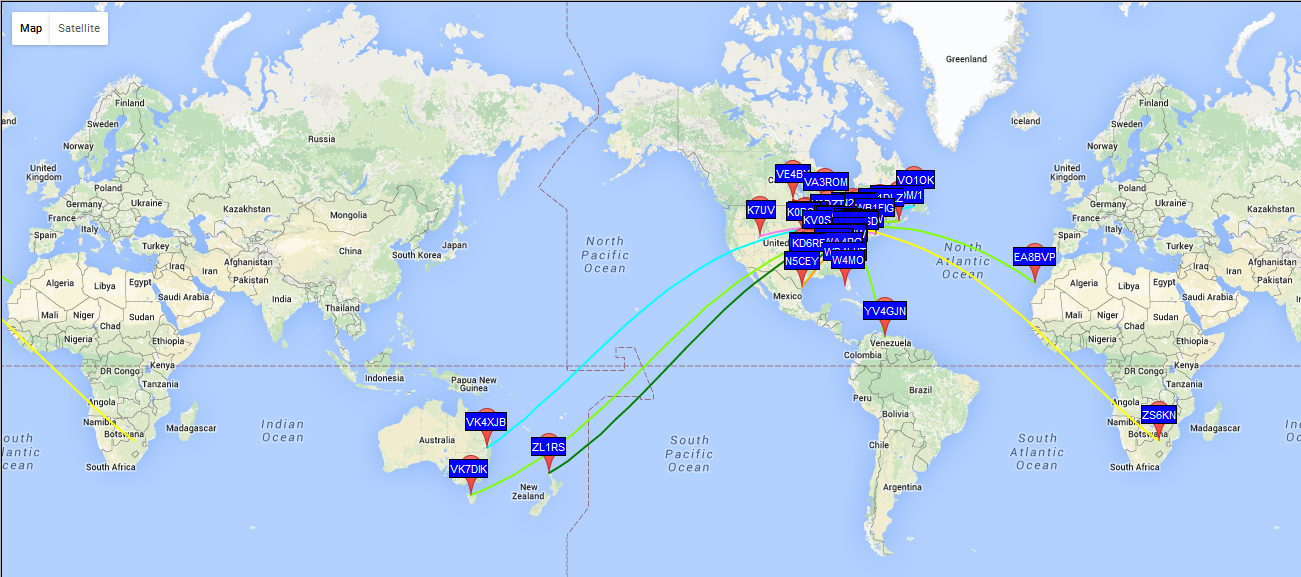 | ||||||
| 30m results at 2100 UTC Dec 30th |
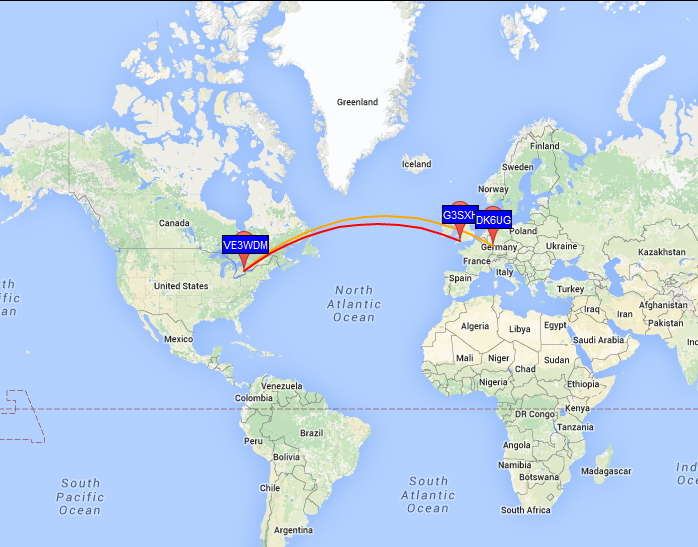 |
| 17m from 1500-1550 UTC Dec 31 |
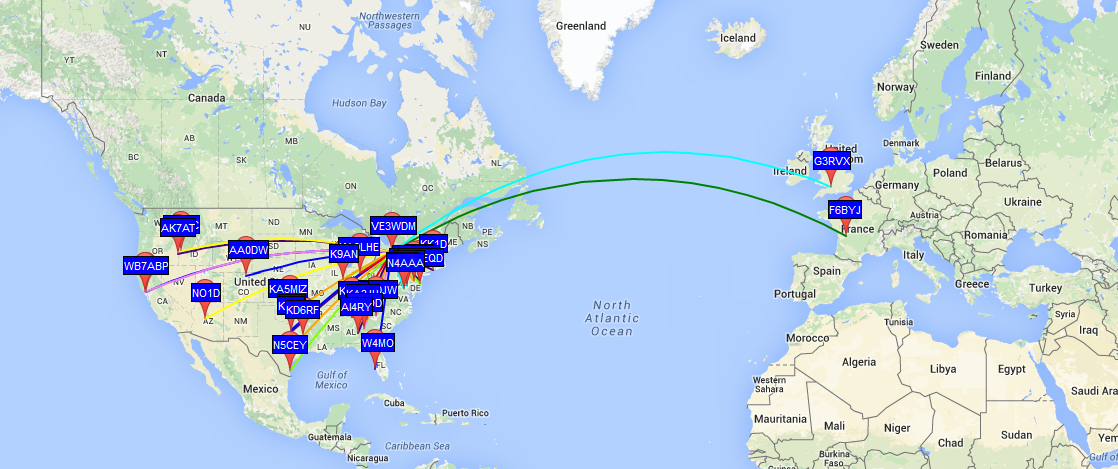 |
| 20m from 1600-1700 UTC Dec 31 |
Mike Weir, VE9KK, is a regular contributor to AmateurRadio.com and writes from New Brunswick, Canada. Contact him at [email protected].
 Ham Radio Deluxe |
 W5SWL Electronics |
 Ham Radio Prep |
 KB3IFH QSL Cards  Hip Ham Shirts  HamRadioAuctions HamRadioAuctions Reliance Antennas Reliance Antennas Enigma Shop Enigma Shop |  morseDX  Ni4L Antennas  R&L Electronics R&L Electronics antennas.us antennas.us QRV QRV |
- Matt W1MST, Managing Editor
