 |
 Inverted L
 23 May 2016 | by
 I needed a cheap and relatively unobtrusive solution and I found one in Len Paget's (GM0ONX) design for an inverted L. The full details were printed in the Practical Wireless magazine several years ago and PDFs are available for download from Len's website. The designs make use of coaxial traps, one for the 80m version, two if you want to add a top-band (160m) option.
Opting for the smaller 80m version I set about building one. Using an old fibre-glass fishing pole about 5m high at the far end of the garden tucked behind the summer house which I could collapse down and then retract the wire elements when not in use so hiding it from view.
The fun and interesting part was building the trap. They are formed by coiling some coax, in this case RG58, round a former such as plastic waste pipe. I had a bit of scrap pipe but it was 32mm not the 40mm diameter type described in the article, thinking it couldn't make 'that much difference' I built one using the same number of turns but the resultant antenna wasn't anywhere near resonant according to the analyser.
I decided I needed to test the trap's frequency response. I found a YouTube video by Dave Tadlock (KG0ZZ) where he demonstrates using a MFJ 'Grid Dip Meter' adapter on an MFJ antenna analyser to test coaxial traps.
The adapter consists of nothing more than a coil of wire on a suitable former so I made my own to use with my AW07A analyser. It worked a treat and I discovered my trap was way off frequency. In the mean time I had located a useful PDF document by David Reynolds (G3ZPF) which informed me I actually needed 180cm of RG58 round a 32mm pipe to make a suitable 7MHz trap, so I made another.
I made a small video showing the traps and how I tested them.
The resulting antenna seems to perform well, but it does sag a little due to the weight of the trap and wire and the flimsiness of the pole. But I have made a number of contacts on it and used it during the RSGB 80m CC Datamode contest a few weeks back. It was my first go at this contest but once I got the hang of operating it was great fun.

Andrew Garratt, MØNRD, is a regular contributor to AmateurRadio.com and writes from East Midlands, England. Contact him at [email protected].
Inverted L
I needed a cheap and relatively unobtrusive solution and I found one in Len Paget's (GM0ONX) design for an inverted L. The full details were printed in the Practical Wireless magazine several years ago and PDFs are available for download from Len's website. The designs make use of coaxial traps, one for the 80m version, two if you want to add a top-band (160m) option.
Opting for the smaller 80m version I set about building one. Using an old fibre-glass fishing pole about 5m high at the far end of the garden tucked behind the summer house which I could collapse down and then retract the wire elements when not in use so hiding it from view.
The fun and interesting part was building the trap. They are formed by coiling some coax, in this case RG58, round a former such as plastic waste pipe. I had a bit of scrap pipe but it was 32mm not the 40mm diameter type described in the article, thinking it couldn't make 'that much difference' I built one using the same number of turns but the resultant antenna wasn't anywhere near resonant according to the analyser.
I decided I needed to test the trap's frequency response. I found a YouTube video by Dave Tadlock (KG0ZZ) where he demonstrates using a MFJ 'Grid Dip Meter' adapter on an MFJ antenna analyser to test coaxial traps.
The adapter consists of nothing more than a coil of wire on a suitable former so I made my own to use with my AW07A analyser. It worked a treat and I discovered my trap was way off frequency. In the mean time I had located a useful PDF document by David Reynolds (G3ZPF) which informed me I actually needed 180cm of RG58 round a 32mm pipe to make a suitable 7MHz trap, so I made another.
I made a small video showing the traps and how I tested them.
The resulting antenna seems to perform well, but it does sag a little due to the weight of the trap and wire and the flimsiness of the pole. But I have made a number of contacts on it and used it during the RSGB 80m CC Datamode contest a few weeks back. It was my first go at this contest but once I got the hang of operating it was great fun.
Andrew Garratt, MØNRD, is a regular contributor to AmateurRadio.com and writes from East Midlands, England. Contact him at [email protected].
Really cheap cheap BM-800’s!
The price proved so irresistable, I decided to purchase another pair and they arrived boxed with all the accessories within a couple of days of clicking the mouse:
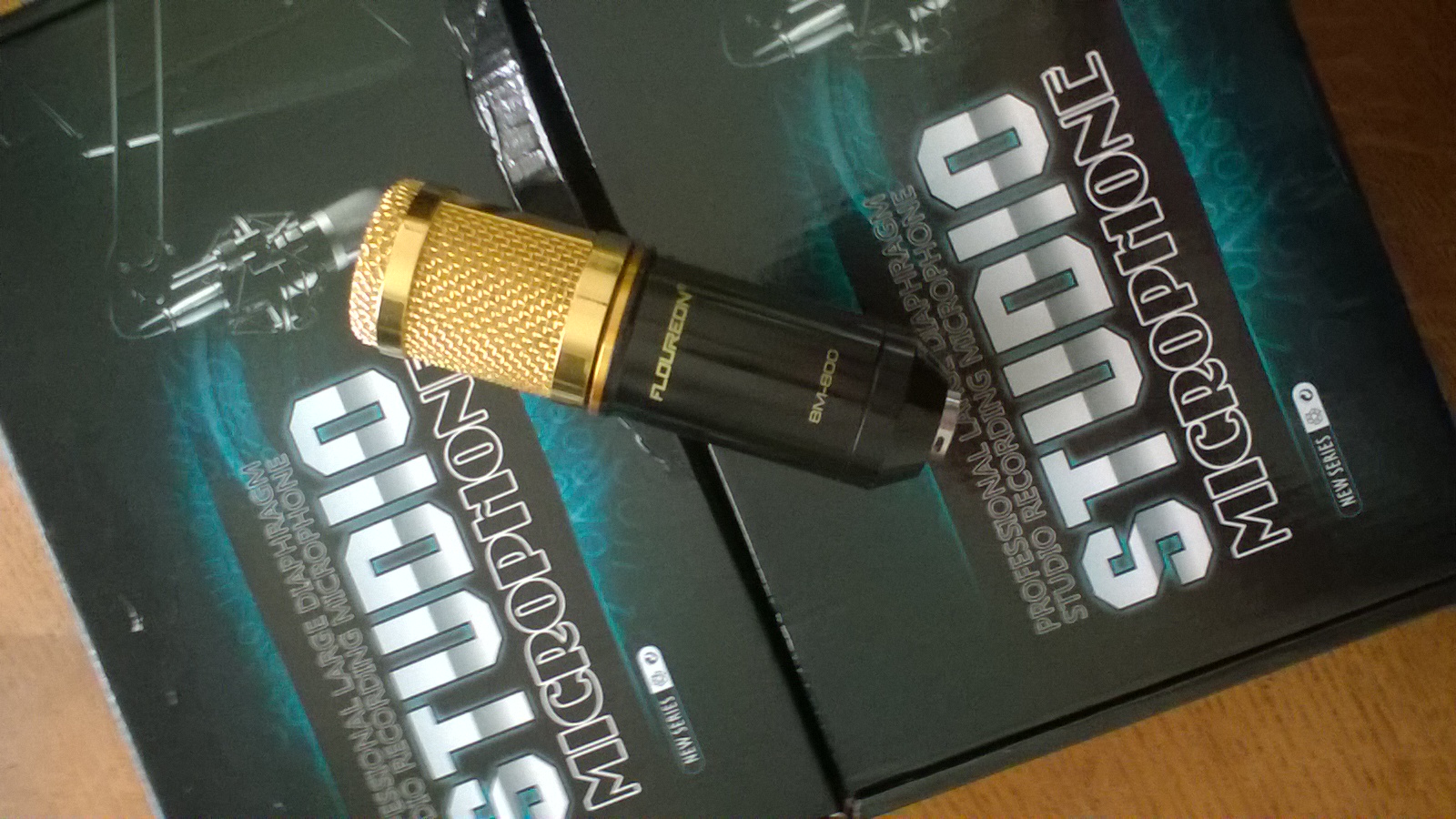
Really the price is so stupid, you could fill the cupboard with a load. If you make a mistake with the mods or a slip with the soldering iron you are not going to end up red faced or feel it on your pocket. The G4IZH project is now really viable for a club, to get your heads together, purchase a shed full and have a modification night.
Link to seller:
(3/7/16) The offer has now ended, so I have removed the sellers link. Hope you got yours?
* Please note this is a UK seller and I don't know if they ship internationally? I have no connection with this company only to spread you Amateurs with the news.
Steve, G1KQH, is a regular contributor to AmateurRadio.com and writes from England. Contact him at [email protected].
Really cheap cheap BM-800’s!
The price proved so irresistable, I decided to purchase another pair and they arrived boxed with all the accessories within a couple of days of clicking the mouse:
Really the price is so stupid, you could fill the cupboard with a load. If you make a mistake with the mods or a slip with the soldering iron you are not going to end up red faced or feel it on your pocket. The G4IZH project is now really viable for a club, to get your heads together, purchase a load and have a modification night.
Link to seller here.
* Please note this is a UK seller and I don't know if they ship internationally? I have no connection with this company only to spread you Amateurs with the news.
Steve, G1KQH, is a regular contributor to AmateurRadio.com and writes from England. Contact him at [email protected].
Out on the trail with the KX3
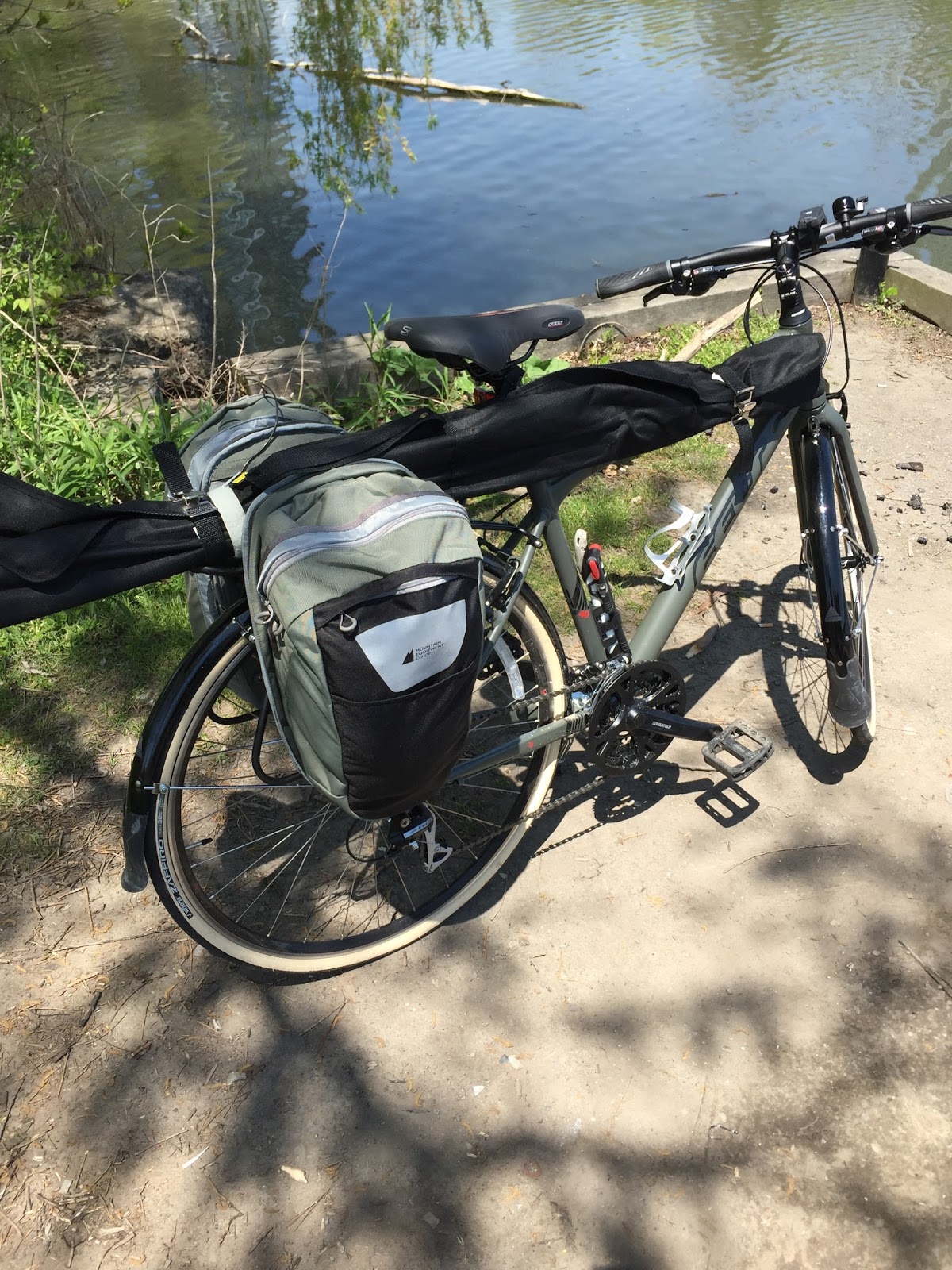 |
| The bike all loaded up |
After loading up the bike the first thing I found out was the kick stand on the bike would not support the bike and the loaded side bags. It turned out to be a fine balancing act when it
 |
| Diamond K400 mount |
Here is a list of the items I am packing:
KX3-on it's own with no Pelican case
Extra battery just in case- The Tracer battery pack
18 gauge counter poise- only for 20m at this time
Pens, paper and 3x5 cards with programming Kx3 instructions
Headphones- I don't use ear buds as my hearing is not that great and any noise around me tunes out CW.
Trunk lip mount base for antenna- Diamond K400
Miscellaneous items- antenna connectors, adjustable wrench, tire repair kit for bike, hat, sunglasses and so on.
Lets get to the trail adventure..........I was able to bike to one of my pre picked spots down at the Lake where a nice size picnic table was available. The antenna mount setup worked great on the bikes rear rack which I mounted back at the condo in case there was issues. I attached the counter poise via a male female 14 gauge connectors. The rig setup was straight forward as I have done this many times in the past. I fired up the rig and I wanted to see at this point if the counter poise was sufficient for a decent SWR and it was. BUT after
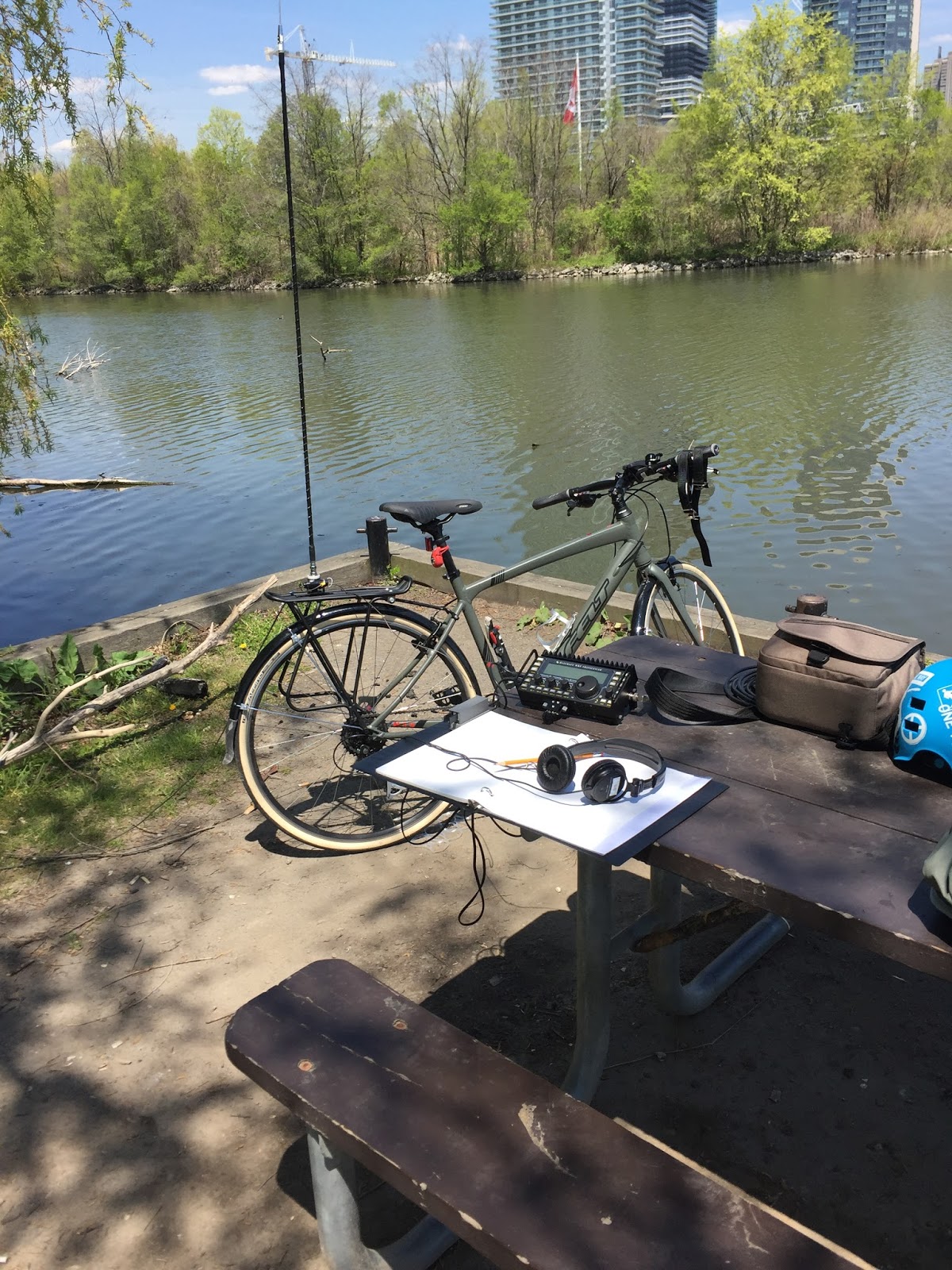 |
| The setup |
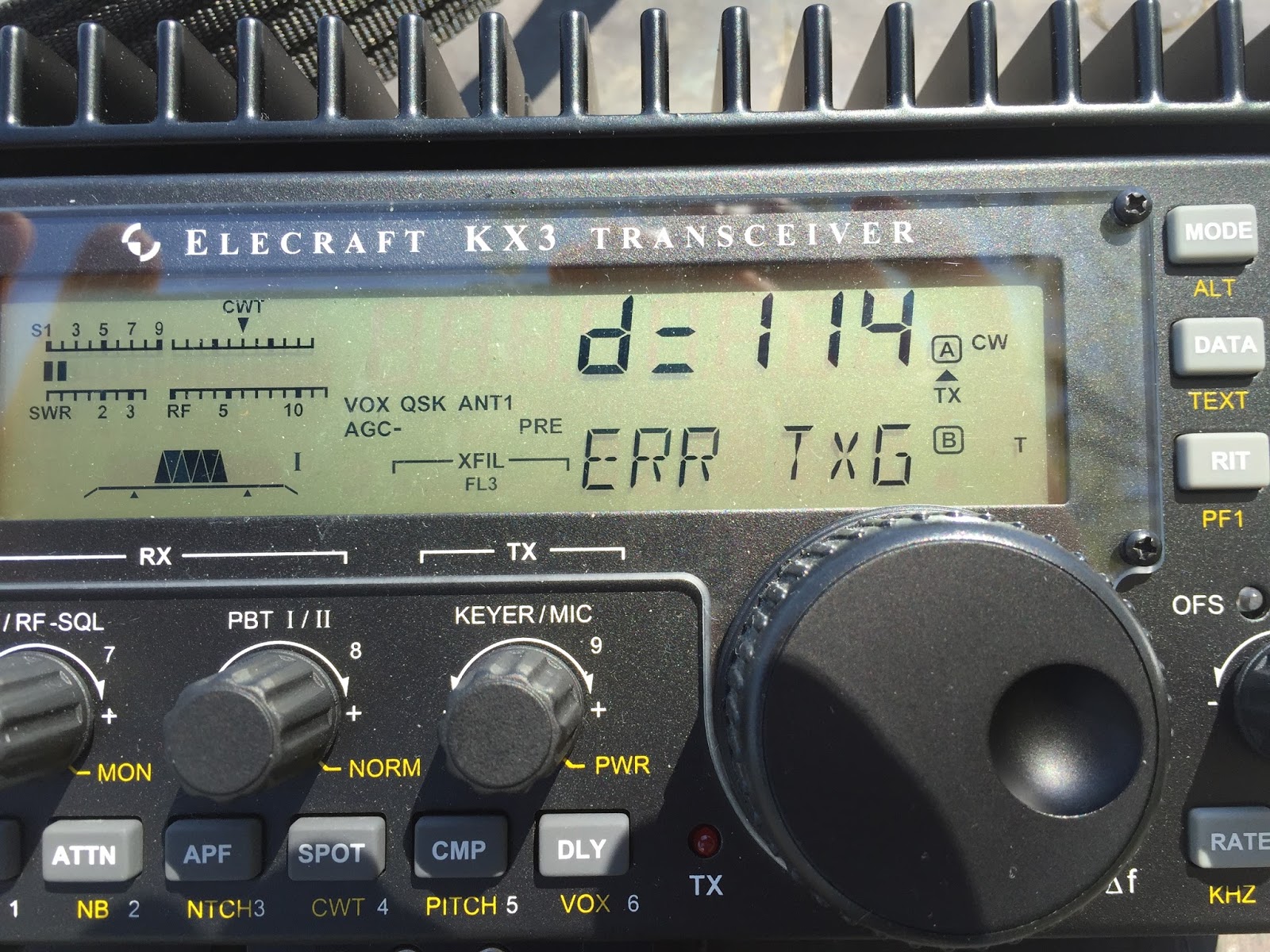 |
| The surprise error code |
Mike Weir, VE9KK, is a regular contributor to AmateurRadio.com and writes from New Brunswick, Canada. Contact him at [email protected].
Amateur Radio Weekly – Issue 112

New D-STAR HT from Kenwood
Tri-band, D-STAR, APRS included. Rumors of August availability at $600.
AmateurRadio.com
New Yaesu FT-891 mobile HF rig
It covers 30kHz to 56MHz on receive and transmits in the amateur bands from 160m to 6m with 100W output.
QRP Blog
HamRadio360 interviews Elecraft co-founder, discusses new KX2
Elecraft gives first peek into the new KX2 transceiver.
HamRadio360
[PDF] Elecraft KX2 brochure
Elecraft
[PDF] Elecraft KX2 data sheet
Elecraft
[PDF] Elecraft KX2 FAQ
Elecraft
Video: KX2 in action for SOTA activation
Elecraft KX2 and KX3 Transceivers in action, side-by-side
WG0AT
DV4home announced, supports D-STAR, DMR, dPMR & P25
The DV4home features direct Internet transceive mode using the microphone and the external speaker.
Wireless Holdings
Uniden announces DMR support for its flagship scanners
Uniden has announced that its flagship BCD436HP and BCD536HP HomePatrol series scanners will soon support DMR monitoring.
VA3XPR
Dayton Hamvention AMSAT demonstration plans
A special demonstration on SO-50 will take place during the 12:19pm (16:19 UTC) pass on Saturday May 21st.
AMSAT
Hackaday at Hamvention
The main purpose of my visit is to document the immense swap meet. There will be over a thousand vendors hocking their wares, from antique radios to gauges and other electronic paraphernalia.
Hackaday
ARRL CEO want to hear from you at Dayton
ARRL CEO Tom Gallagher, NY2RF, said he’s looking forward to hearing in person from ARRL members when he makes his inaugural appearance at Hamvention.
ARRL
DX Engineering announces new acquisitions
DX Engineering has acquired exclusive rights to Clifton Laboratories’ ham radio product line, and it has purchased TW Antennas.
ARRL
Experience Hamvention remotely
Check out some of the webcasts that will emanate from Hara Arena during the big show.
ARRL
NPOTA activations while bound for Dayton
En route to the 2016 Dayton Hamvention, I’m doing a few National Parks On The Air (NPOTA) activations with my my buddy, Eric (WD8RIF).
The SWLing Post
CubeSats with Amateur Radio payloads deploy from ISS
The Slow Scan Television (SSTV) satellite STMSat-1, built by Elementary students at Saint Thomas More Cathedral School (STM), was deployed along with the pair of NODES CubeSats built by students at Santa Clara University.
AMSAT UK
Television signal DXing
Would pristine digital signals make it harder to find unusual stations? And with so many TVs offering digital channel-scanning functionality, would the heavy tweaking so often needed to bring a channel to life eventually make TV DXing impossible?
Motherboard
habhub: Complete high altitude ballooning software tool set
Tracking system, predictor, car chase apps, SSDV, more…
habub
Ham Radio Mesh Networks – fun and fulfilling
The concept is to take commercial off-the-shelf technology and re-purpose it into a mesh data network.
AmateurRadio.com
Amateur Radio Weekly is curated by Cale Mooth K4HCK. Sign up free to receive ham radio's most relevant news, projects, technology and events by e-mail each week at http://www.hamweekly.com.
Kenwood D-STAR tri-band handheld
Reports from Dayton are that Kenwood has a D-STAR tri-band handheld under glass in the booth, along with colorful brochures. None of my sources are reporting on price or availability, and the documents all show “Tentative”. Never the less, this news along with the development going on within the dv4 group are pretty exciting!
— KF7IJZ (@KF7IJZ) May 20, 2016
UPDATE: Tom KJ9P on the ground in Dayton reports that the model name and number haven’t been published yet, but it should be available by year end with an MSRP between $500 and $700.
I also had a D-STAR conversation with Tony N8NNX as he was walking the floor at Hamvention regarding the dv4mobile product. His inquires came back also with a 2016 availability date and prices between $800 and $1000.
Michael Brown, KG9DW, is a regular contributor to AmateurRadio.com and writes from Illinois, USA. Contact him at [email protected].
 Ham Radio Deluxe |
 W5SWL Electronics |
 Ham Radio Prep |
 KB3IFH QSL Cards  Hip Ham Shirts  HamRadioAuctions HamRadioAuctions Reliance Antennas Reliance Antennas Enigma Shop Enigma Shop |  morseDX  Ni4L Antennas  R&L Electronics R&L Electronics antennas.us antennas.us QRV QRV |
- Matt W1MST, Managing Editor
