 |
 Antenna Summer – part 1
 17 July 2017 | by
 The first antenna I put up after we moved in here was a simple 2×5 meter dipole sloping down from the roof into our garden. I wrote about it – and the noise it received – here
Last year summer I finally had time to do some maintenance on my old CB-whip and put it up on the sheet metal roof.

I put it up mainly to get my station licence, because the amount of noise it received on shortwave was as much as the dipole, hence I didn’t log many QSOs with it. Still, it turned out to be a marvelous antenna to do medium- and longwave DXing and I logged some 285 different NDBs on longwave in the last 12 months.
But now, this summer, it is time to get serious about putting up a decent antenna. Being a sensible guy I set myself some goals:
- The antenna has to be cut for the 20 meter band
- It has to have lower noise pickup than the rooftop vertical
- I have to use whatever materials I have lying around
- Money can only be spend on the odd nuts and bolts
Then there is the question on how to determine what is good, better and best. My thoughts were to use WSPR to monitor how well an antenna would receive. If you do this scientifically you use two identical setups with only one variable: the antenna. Unfortunately I don’t have two IC-7200s, so I decided to go for an alternate approach: day one the first antenna, the other day the other antenna. This adds the variable of different conditions during different days, but over the course of a week or two you will get a broad picture, I reckoned.
The first two antennas I compared were the rooftop vertical and the sloping dipole. They were both resonant on 20 meters and I used that bands WSPR frequency to compare. After comparing for two weeks I found only a minimal difference: they were equally good/bad. I did get consistent beacons from VY0ERC, though (probably the most northerly located amateur radio club in the world). But since there are only a limited number of WSPR stations on 20 meters I decided to switch to monitoring JT65 stations for the next comparison.
I had another CB whip laying around and after gutting it and adding two 5 meter radials I put it up in the far end of the garden. Now our garden is only 10 meters deep, but at least it is at some distance from any noise source in our house and the neighbours.

This time I only tested for 10 days, but again I didn’t notice much difference. Even though the rooftop vertical was noisier it would still receive all the JT65/JT9 stations the garden vertical could receive. It was only that I wandered up into the SSB portion of the 20 meter band that I noticed a difference. Comparing stations from Hong Kong, Japan and central Russia was like comparing night and day. Night being signals barely coming out of the noise, day being comfortable copy. The final confirmation came from my Olivia friend Ken in Japan. He calculated an +18 dB advantage of the garden vertical over the rooftop vertical during our most recent QSO.
So part 1 of our Antenna Summer has been a success in the fact that I now know that the garden is a better place for an antenna than the roof top. Less noise, stronger signals. But the question now arises: isn’t a metal roof a very good counterpoise and shouldn’t it be beneficial to the workings of antennas? Why does it degrade the performance of my rooftop vertical?
Hans "Fong" van den Boogert, BX2ABT, is a regular contributor to AmateurRadio.com and writes from Taiwan. Contact him at [email protected].
LHS Episode #194: Dumpster Diving
 In this episode of Linux in the Ham Shack, topics include 630-meter operation, Boy Scouts in West Virginia, slow scan television via the ISS, supercomputing, Linux on your laptop, interesting ham radio projects for Linux, running Windows applications on Linux and much more. Thanks for tuning in, we appreciate it!
73 de The LHS Crew
Russ Woodman, K5TUX, co-hosts the Linux in the Ham Shack podcast which is available for download in both MP3 and OGG audio format. Contact him at [email protected].
AmateurLogic 106: Field Day At The W5JDX Shack
AmateurLogic.TV Episode 106 is now available for download.
Field Day At The W5JDX and Ozone Shacks. Peter mods his BitX transceiver. Emile at the Jupiter Light House. And an old school Megger.
1:12:41
George Thomas, W5JDX, is co-host of AmateurLogic.TV, an original amateur radio video program hosted by George Thomas (W5JDX), Tommy Martin (N5ZNO), Peter Berrett (VK3PB), and Emile Diodene (KE5QKR). Contact him at [email protected].
Skunked on my day out.
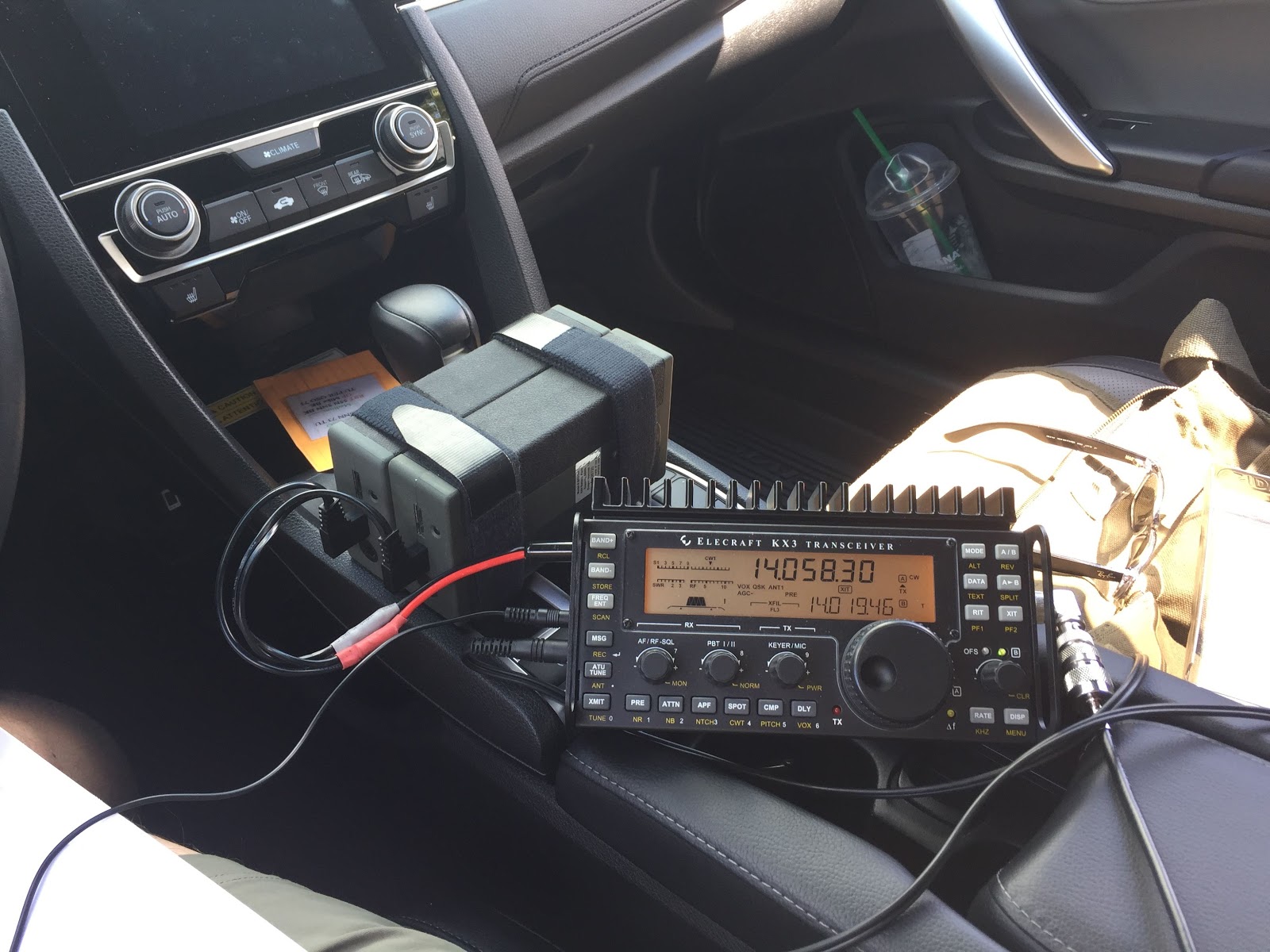 |
| The setup in the car |
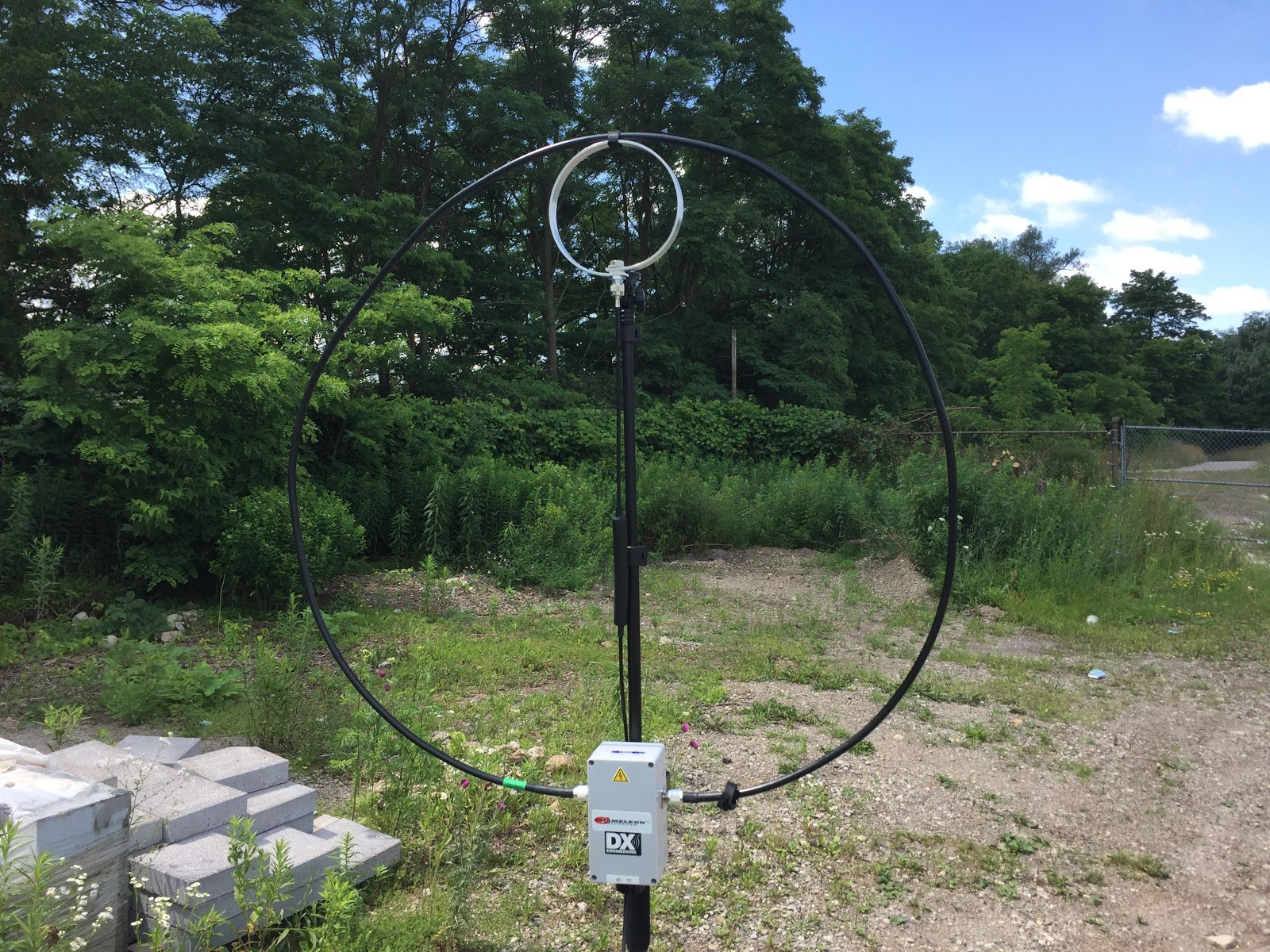 |
| The CHA P loop |
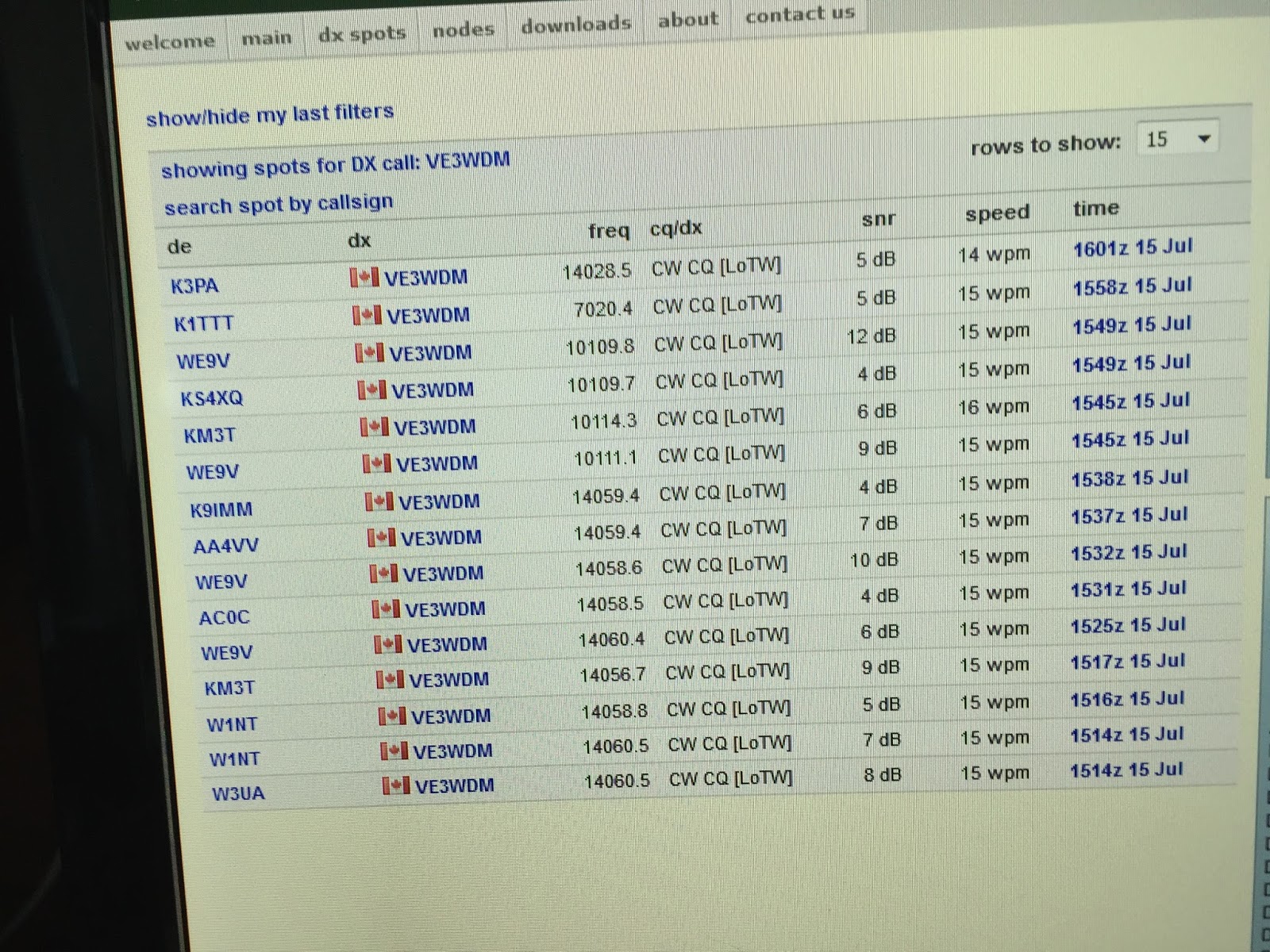 |
| Reverse Beacon Network |
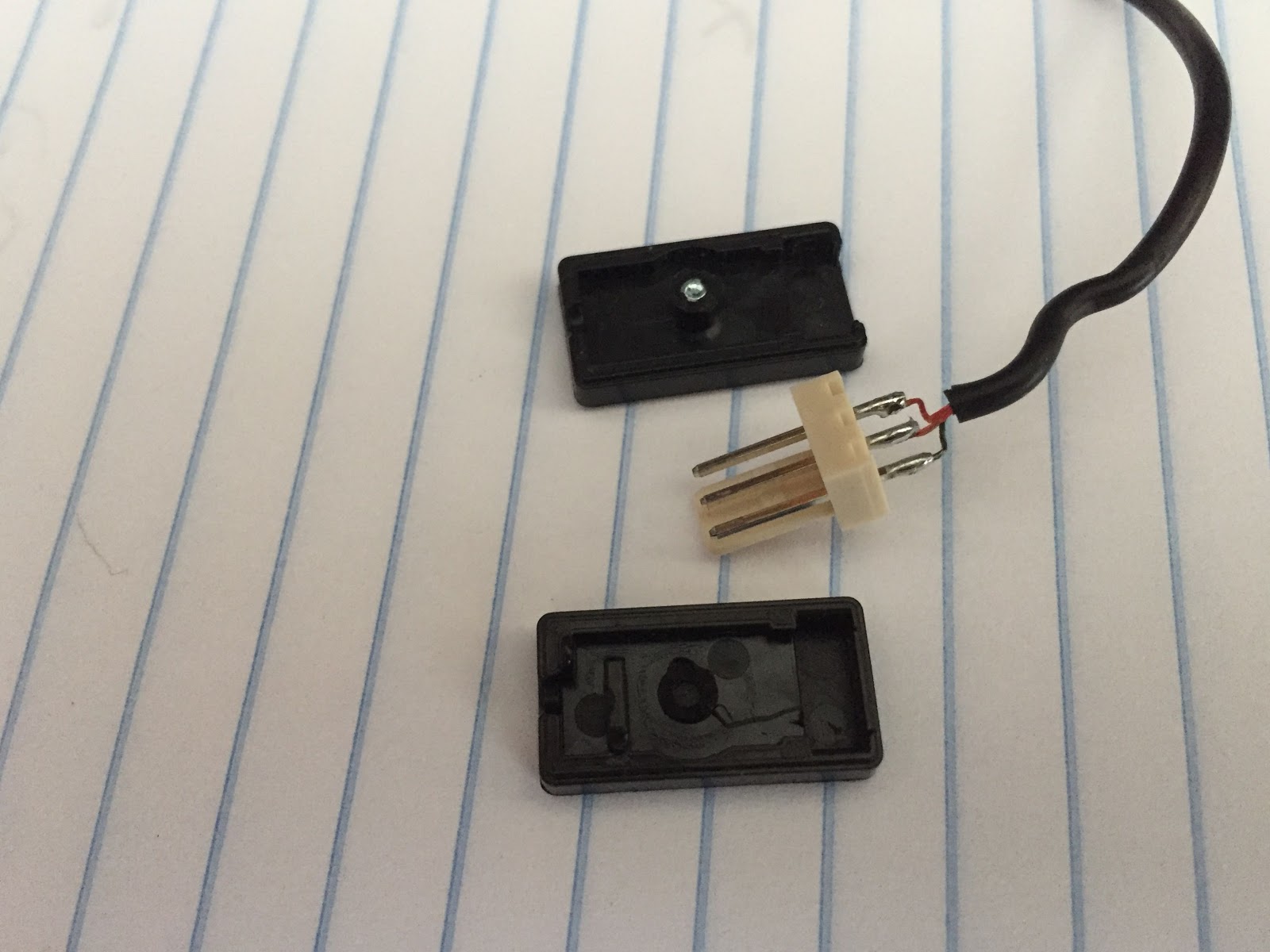 |
| The broken connector |
Mike Weir, VE9KK, is a regular contributor to AmateurRadio.com and writes from New Brunswick, Canada. Contact him at [email protected].
Skunked on my day out.
|
| The setup in the car |
|
| The CHA P loop |
|
| Reverse Beacon Network |
|
| The broken connector |
Mike Weir, VE9KK, is a regular contributor to AmateurRadio.com and writes from New Brunswick, Canada. Contact him at [email protected].
WWV’s New Antenna On 25MHz – QSA?
 |
| New Turnstile Antenna / WWV - 25MHz |
Last week's ARRL announcement regarding WWV's new circular polarized Turnstile antenna tests on their 25MHz transmitter quickly garnered my interest.
Their 25MHz signal used to be heard world-wide on F2 until it was dropped in 1977, but somewhat surprisingly, was resurrected in 2014.
I recall hearing its 2nd harmonic on sporadic-E very routinely on 50.000MHz when I first became active on 6m back in the late 60's. Back then it was also not uncommon to hear the 3rd and 4th harmonics of ship CW stations operating on 12 and 16MHz, at the very low end of 6m and just below the band edge on 49MHz.
 |
| 6m Prop Indicator From The 70's! |
Having not listened for WWV's 25MHz signal for several decades, I set up yesterday to see if it could be heard here in mid-summer. Using my Perseus SDR and my LF/MF inverted-L, self-resonant in the middle of the broadcast-band (gosh knows what the pattern looks like up on 25MHz!), I started monitoring just after lunch. I could detect their carrier which was very weak but steady, probably arriving on ionospheric scatter via the e-layer.
A few hours later I re-checked after hearing a few Colorado signals on 6m Es and sure enough, there they were with a fairly robust signal. It too, was no doubt arriving via sporadic-E as it was again today during another widespread Es opening from the PNW to as far south as Puerto Rico.
Here is a recording of the 25MHz signal made this morning with my Perseus SDR along with a comparison recording of their 20MHz signal, made about 30 seconds later.
There is not a lot of difference between the two and both run similar powers ... 2.5kW on 20MHz and 2kW on 25MHz. The 20MHz system uses a half-wave vertical on a 7.5m tower while the 25MHz outlet uses the crossed-dipole circular polarized Turnstile shown at the top of the blog.
Reception reports of their 25MHz signal are being sought and can be e-mailed to WWV at this address.
Steve McDonald, VE7SL, is a regular contributor to AmateurRadio.com and writes from British Columbia, Canada. Contact him at [email protected].
WWV’s New Antenna On 25MHz – QSA?
|
| New Turnstile Antenna / WWV - 25MHz |
Last week's ARRL announcement regarding WWV's new circular polarized Turnstile antenna tests on their 25MHz transmitter quickly garnered my interest.
Their 25MHz signal used to be heard world-wide on F2 until it was dropped in 1977, but somewhat surprisingly, was resurrected in 2014.
I recall hearing its 2nd harmonic on sporadic-E very routinely on 50.000MHz when I first became active on 6m back in the late 60's. Back then it was also not uncommon to hear the 3rd and 4th harmonics of ship CW stations operating on 12 and 16MHz, at the very low end of 6m and just below the band edge on 49MHz.
|
| 6m Prop Indicator From The 70's! |
Having not listened for WWV's 25MHz signal for several decades, I set up yesterday to see if it could be heard here in mid-summer. Using my Perseus SDR and my LF/MF inverted-L, self-resonant in the middle of the broadcast-band (gosh knows what the pattern looks like up on 25MHz!), I started monitoring just after lunch. I could detect their carrier which was very weak but steady, probably arriving on ionospheric scatter via the e-layer.
A few hours later I re-checked after hearing a few Colorado signals on 6m Es and sure enough, there they were with a fairly robust signal. It too, was no doubt arriving via sporadic-E as it was again today during another widespread Es opening from the PNW to as far south as Puerto Rico.
Here is a recording of the 25MHz signal made this morning with my Perseus SDR along with a comparison recording of their 20MHz signal, made about 30 seconds later.
There is not a lot of difference between the two and both run similar powers ... 2.5kW on 20MHz and 2kW on 25MHz. The 20MHz system uses a half-wave vertical on a 7.5m tower while the 25MHz outlet uses the crossed-dipole circular polarized Turnstile shown at the top of the blog.
Reception reports of their 25MHz signal are being sought and can be e-mailed to WWV at this address.
Steve McDonald, VE7SL, is a regular contributor to AmateurRadio.com and writes from British Columbia, Canada. Contact him at [email protected].
 Ham Radio Deluxe |
 W5SWL Electronics |
 Ham Radio Prep |
 KB3IFH QSL Cards  Hip Ham Shirts  HamRadioAuctions HamRadioAuctions Reliance Antennas Reliance Antennas Enigma Shop Enigma Shop |  morseDX  Ni4L Antennas  R&L Electronics R&L Electronics antennas.us antennas.us QRV QRV |
- Matt W1MST, Managing Editor
