 |
 Radio Bench Fun!
 3 January 2019 | by
Every once in awhile I’m reminded of the magic of radio and why this hobby is so much fun!
For the past week and a bit, in between power outages of up to four days, I’ve been optimizing a circuit from the December ‘36 ‘Radio’ magazine.
It looked like it might be something that would be fun to use during the weeknight NRN (Novice Rig Nights) activities ... a Jone’s-style push-pull crystal power oscillator using a pair of 6V6s. The original article called for 6L6s but my power supply can probably not provide much more power than is already coming from the 6V6s and these will likely be easier on my few precious novice-band crystals.
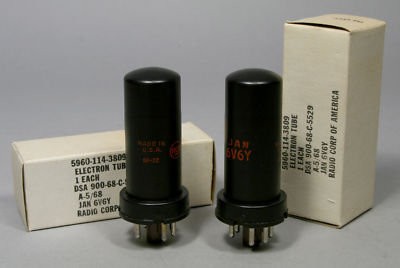
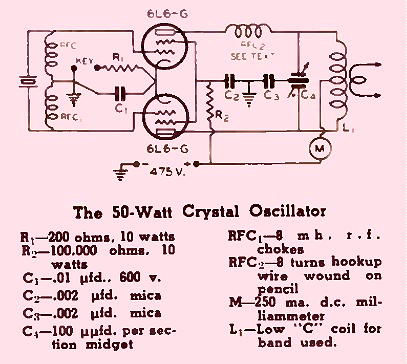
The circuit is lashed-up on my very well-worn 'aluminum breadboard', which is peppered with numerous convenient holes punched or drilled for mounting various crystal sockets, tube / coil sockets, variable caps etc ... it really looks awful but allows easy parts swapping to test out different configurations.
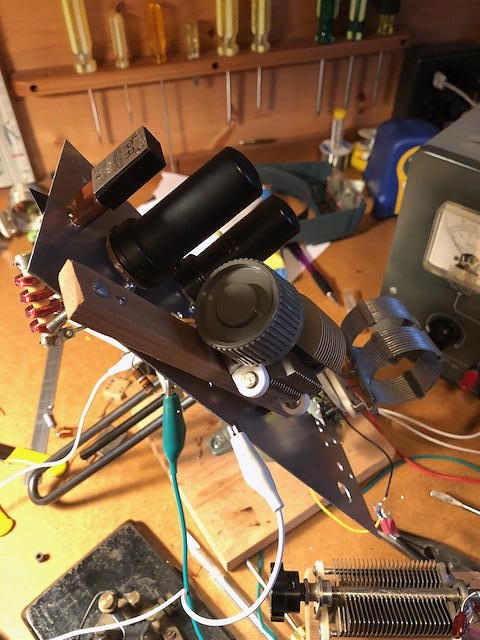
This afternoon I had the thing perking to my satisfaction, along with a very sweet-sounding CW note, using my WWII - era 7121kc crystal. Everything looked good into the dummy load so I connected the 40m antenna through the tuner, clipped the bug to the cathode resistor and at about 40 minutes before sunset, sent a short ‘CQ’, hoping for a nearby local but not really expecting a reply ... now this is the magic part.
My CQ was immediately pounced-upon by John, N2BE, on the other side of the continent, in New Jersey! I shook my head at the dangling pile of clip leads and just-barely soldered components clamped in the bench vice and had to smile when he gave me a 589 report! John was working the AWA's Linc Cundall CW Contest, where rigs must be pre-1950 designs or builds. I was happily able to give him a legitimate point, using my 1936 Jones oscillator!
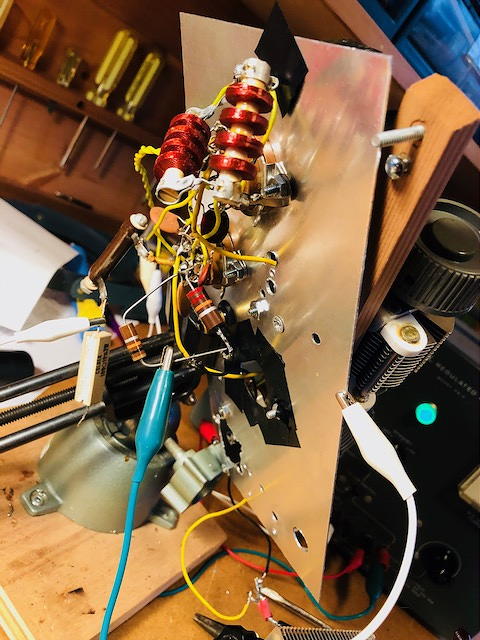
At 400V on the plates, the little lash-up puts out 18 watts and seems to be about 45% efficient ... not too bad for a power oscillator. As well, the crystal current must be low as it keys nicely and doesn't sound stressed.
I’ll soon be rebuilding the little transmitter into something more presentable, probably similar to my Tri-Tet-Ten, using the short-lived but visually attractive mid-30’s building style that mated a shiny aluminum plate to a nice wooden base.
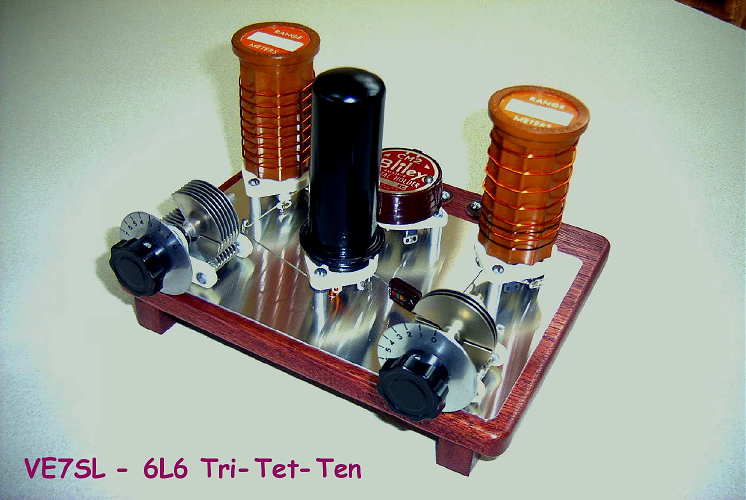
Stay tuned ... I’ll hopefully have it completed over the next few weeks and will be looking for some 80 / 40m NRN Monday night fun!
Steve McDonald, VE7SL, is a regular contributor to AmateurRadio.com and writes from British Columbia, Canada. Contact him at [email protected].
AmateurLogic 125: Happy New Year
AmateurLogic.TV Episode 125 is now available for download.
The official unedited version of our almost 4 hour 2018 New Year’s Eve Celebration live stream.
An International group of guest help ring in the New Year with tales of the past year in Ham Radio and projects.
Plus classic AmateurLogic.TV ‘Half Speed Theater.’
George and Tommy welcome:
Mike Morneau, VE3MIC
Laird Nigel P Lawrence G0MEJ KG0PL
Andy Anderson, KP4AAN
Carmen M Centeno Calero, WP4QER
Dan Van Evenhoven, N9LVS
Amanda Alden, K1DDL
Jeff Carrier, K0JDS
A cameo appearance by Emile Diodene, KE5QKR.
3:56:45
George Thomas, W5JDX, is co-host of AmateurLogic.TV, an original amateur radio video program hosted by George Thomas (W5JDX), Tommy Martin (N5ZNO), Peter Berrett (VK3PB), and Emile Diodene (KE5QKR). Contact him at [email protected].
Top Five K0NR Blog Posts for 2018

Closing out 2018, here are the top five blog posts at k0nr.com during the year. Apparently these posts are “evergreen content” because they were all written years ago, well before 2018. With the exception of the Baofeng cable article, they were all on the top five list last year.
Happy New Year and 73 from Bob/K0NR
The post Top Five K0NR Blog Posts for 2018 appeared first on The KØNR Radio Site.
Bob Witte, KØNR, is a regular contributor to AmateurRadio.com and writes from Colorado, USA. Contact him at [email protected].
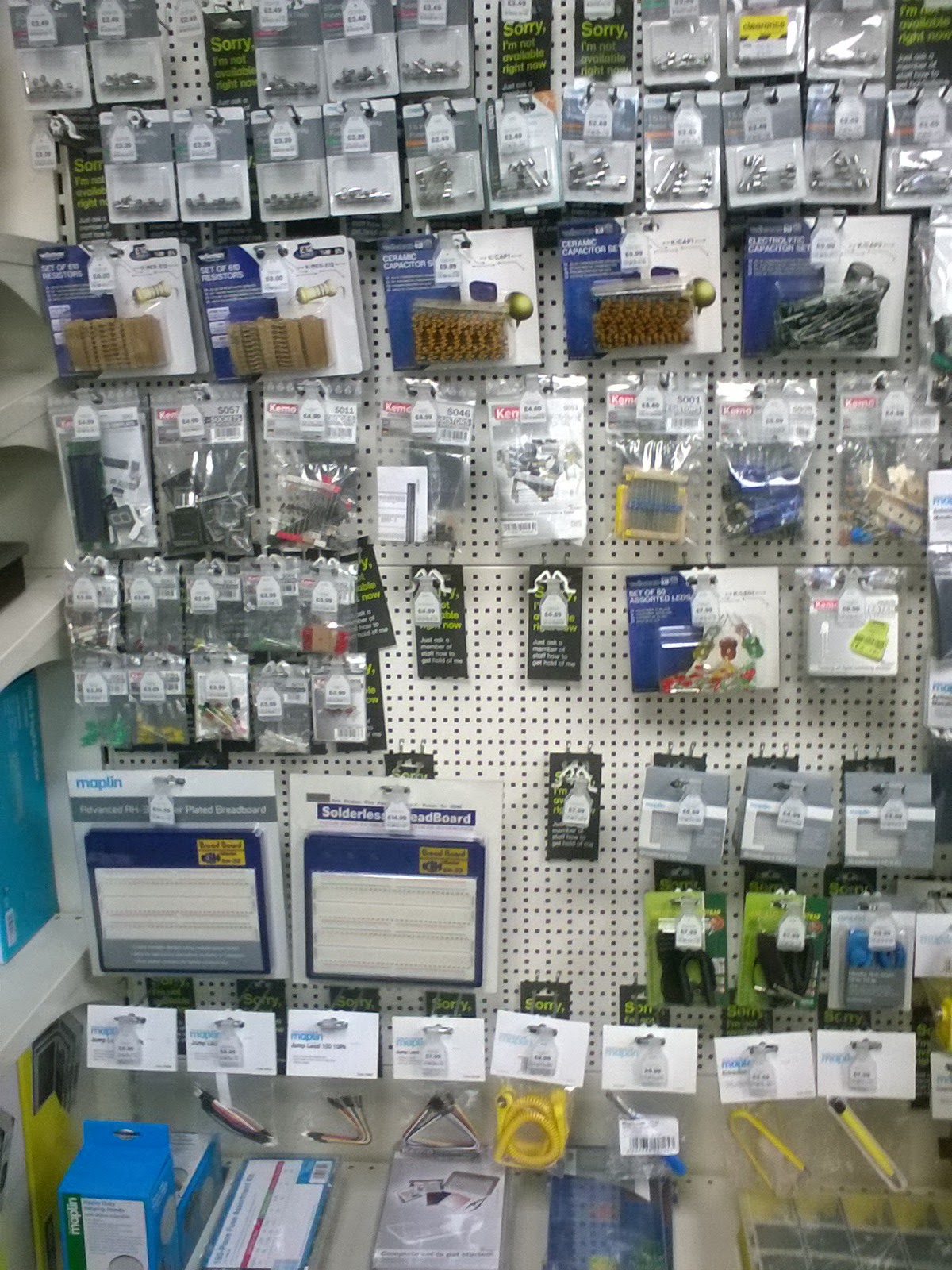
Maplin the end or is it?



Steve, G1KQH, is a regular contributor to AmateurRadio.com and writes from England. Contact him at [email protected].
Ham College 48
Ham College episode 48 is now available for download.
General Amateur Radio Exam part 19. Overmodulation and Test Equipment.
1:16:01
George Thomas, W5JDX, is co-host of AmateurLogic.TV, an original amateur radio video program hosted by George Thomas (W5JDX), Tommy Martin (N5ZNO), Peter Berrett (VK3PB), and Emile Diodene (KE5QKR). Contact him at [email protected].
Christmas morning surprise!!!


There is going to be an Expert Electronics Sun SDR2 pro rig that is just over 6 month old up for sale very soon.
Mike Weir, VE9KK, is a regular contributor to AmateurRadio.com and writes from New Brunswick, Canada. Contact him at [email protected].
G3XBM the PYE PF1 nostalgia
Rogers recent ramble here made me reach for the desk drawer. Out I pulled a PF1 receiver still complete with case.

I cut my teeth on a PF1 with my first taste of 70cm receive back in the early 1980's. What I seem to remember I picked up quite a few of these at a radio rally for about £5 each! But the crystal was about the same price again, which was required to replace the original to get them working on one lonely channel, or tuned up on a single repeater frequency, in my case being Stafford GB3ZI (433.275MHz). What I seem to remember tune up was quite a fiddle, they used to break into oscillation, as the pull was quite a bit out of the zone of where they had originally been working in the commercial world.
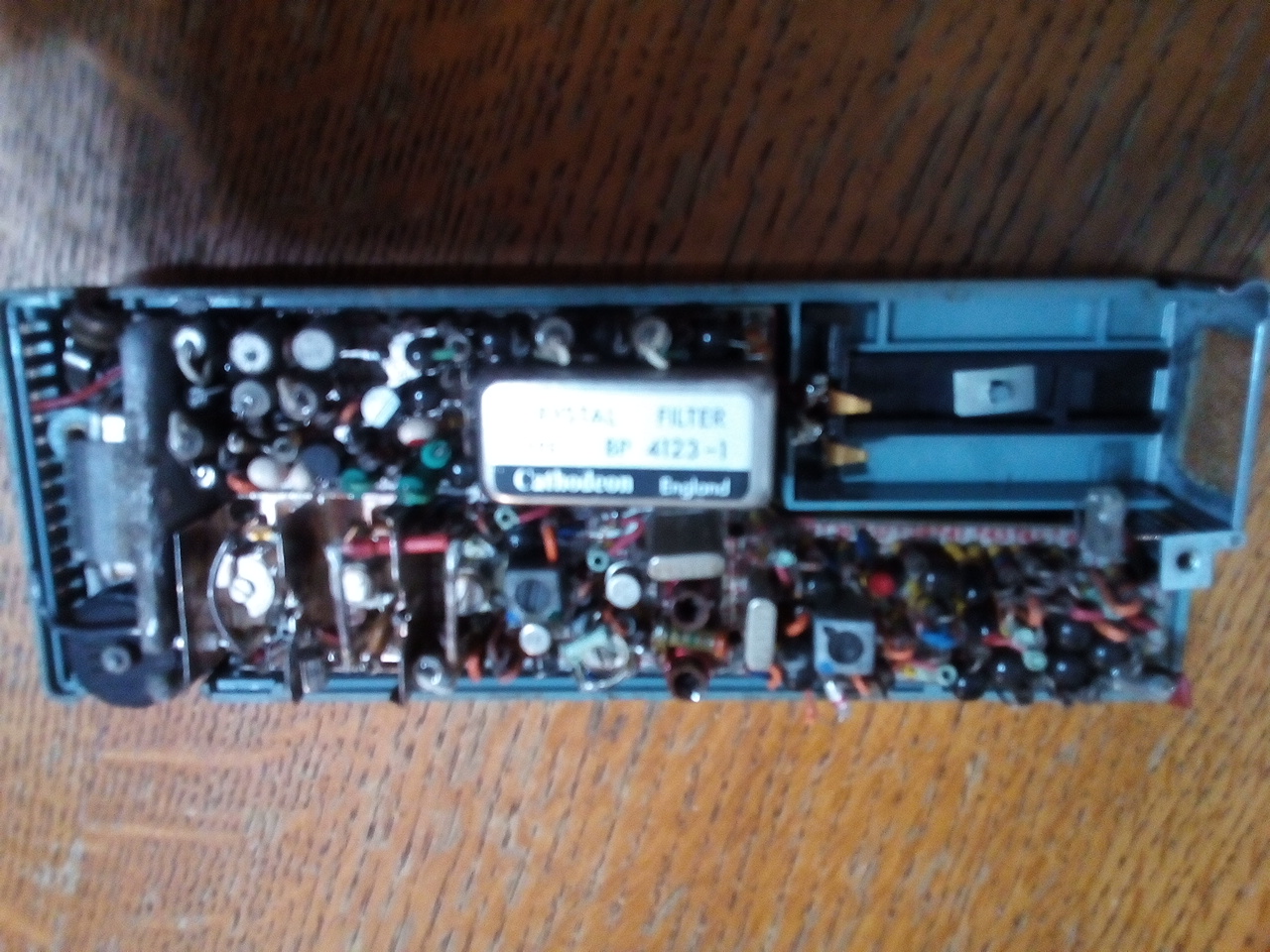
This one has seen better days, but most of it is still quite complete apart from the metal shield over the front end. The battery was rechargeable 9V long time expired, but soldering in a 3F23 or PP3 would make it burst into life. So as you can see I have been around quite a while to remember the older PYE generation, but not quite as long as G3XBM. :-)
Steve, G1KQH, is a regular contributor to AmateurRadio.com and writes from England. Contact him at [email protected].
 Ham Radio Deluxe |
 W5SWL Electronics |
 Ham Radio Prep |
 KB3IFH QSL Cards  Hip Ham Shirts  HamRadioAuctions HamRadioAuctions Reliance Antennas Reliance Antennas Enigma Shop Enigma Shop |  morseDX  Ni4L Antennas  R&L Electronics R&L Electronics antennas.us antennas.us QRV QRV |
- Matt W1MST, Managing Editor
