 |
 QRP TTF 2010 * Disappointed in Orlando!
 25 April 2010 | by
 On the road again… happy feet dance! K4UPG is loaded and ready for a good day by the lake operating the QRP To The Field event for 2010.

K4UPG ready to roll to QRP TTF site

Loaded with ALL the options!
Then came the wind knots in the antenna launching rig! I wanted to get a doublet up as high as possible. Took nearly 2 hours to get my antennas up in the air. LESSON LEARNED: It is really helpful to have another person along to help untangle all the knots that wire and string seem to make all by themselves. Getting the antenna up quickly is a key to portable ops. Grrrrr!

One of several tangled messes that delayed the antenna deployment
LESSON TWO: After a delayed start, I spent a lot of time moving my portable table to keep out of the direct sun! With temperatures in the upper 80′s it was HOT and direct sun causes my Sierra to drift a bit which makes qso’s more difficult. Need to get a sun shade setup and not waste time moving my position.
The band conditions were pretty poor and I did not hear as many stations as I had hoped. The ones I did work were tough going and seemed like others could not hear me responding to their CQ’s. I didn’t even hear a lot of Florida QSO party ops, but sounds like others that were farther away did. In 5 hrs I managed three whole qso’s with TTF stations. I did hear one Polar Bear– Martin operating as VA3OVQ but he could not hear me when I replied to his CQ.

Warning sign about 30 feet from my operating site!
It was fun to be outdoors and playing radio! I did not get eaten by our neighborhood gator either! Maybe next time out will be better contact-wise.
Kelly McClelland, K4UPG, is a regular contributor to AmateurRadio.com and writes from Florida, USA. Contact him at [email protected].
ICQ Podcast Series Three Episode Nine (25 April 2010) – A day at the RSGB
Series Three Episode Eight of the ICQ Amateur / Ham Radio Podcast. News Stories include:-
- Rescue at Sea
- Belgium to New Zealand with ROS
- The Secrets Of Radar
- Ham foxhunting season begins
- AO-51 CTCSS experiment
- Ham helps victims of heavy Brazilian rains
- 3400 MHz allocation for Estonia
- GB3VHF antenna rigging completed
- Solar powered D-STAR repeater
- MB7PI increase APRS coverage
- Iran’s rejects jamming claim
- Scotish repeater problems solved
- WIA Centenary Award
- Changes to licence application procedures
- Entry level Amateur Radio licence for NZ?
- World DX Club introduces e-membership
- New test version of PC-ALE released
- Beta of SDR-RADIO
Your feedback, upcoming events and Martin (M1MRB) tells us about his day at the RSGB AGM.
Colin Butler, M6BOY, is the host of the ICQ Podcast, a weekly radio show about Amateur Radio. Contact him at [email protected].
Project Future Of Ham Radio | Diana Eng, KC2UHB
Diana Eng at the QRP Ham Radio Convention from make magazine on Vimeo.
How-To: Set up an HF portable radio while hiking from make magazine on Vimeo.
Diana Eng, KC2UHB is gifted talent. I have watched a zillion ham radio related videos and, like SQ8X, Diana is well spoken in addition to an editing team who crafts a crossover message that is a credit to ham radio.
Sometimes, serious talent is found outside the box of conventional thought and, Diana is not industry standard. In fact, because she is not inside the box, her passion for ham radio exceeds that of the tired formula. Her biography speaks to a highly motivated individual who has taken on the establishment and wins.
If CQ and QST have not then Women’s Wear Daily, Wired, and Craft magazine have.
73 from the shack relaxation zone.
See Also.
Diana Eng | Fashion Nerd.

Scot Morrison, KA3DRR, is a regular contributor to AmateurRadio.com and writes from California, USA.
My first new entity for 2010
Yesterday morning, I got a nice surprise. I was working from home in the morning and chatting on the computer with Larry, N4VA. He was also at home and told me that Jimmy, BX5AA was coming in very strong on 20 meters. Jimmy is located in Taiwan, and that’s a DXCC entity that I’d never worked before, so I was anxious to try to make a contact. I tuned to the frequency and at first, I only heard a very weak station, which I assumed was Jimmy, and figured that I wasn’t going to have a chance to work him. It wasn’t surprising that he’d be louder to Larry, since he’s got a beam on his tower instead of just a G5RV (wire) up in the air.
However, it turns out that I was hearing a local station that Jimmy was working, and when it was Jimmy’s turn to transmit I heard him very well. (I had heard him and tried to work him in the past, but the signals were much weaker.) Although he had a pretty good pileup, he heard part of my callsign (the “BK” part always seems to get through), and he asked just for the “Bravo Kilo” station. It took a few tries, but he was patient and eventually he got the complete and correct callsign, and gave me a 5×5 signal report. (I gave him a 5×9). That was that, and he moved on to working other stations.
I noticed on his website that he uses Logbook of The World, so that night I uploaded my contact with him, and to my surprise I found that he’d already uploaded his contacts and there was a confirmed QSL record generated. The time from contact to confirmation was probably under 12 hours. Not bad for a station from Taiwan!
I’ll be sending for a paper card anyway, as while I think LoTW is fantastic, there’s nothing like having an old-fashioned QSL card to look at.

David Kozinn, K2DBK, is a regular contributor to AmateurRadio.com and writes from New Jersey, USA. Contact him at [email protected].
ShackTech
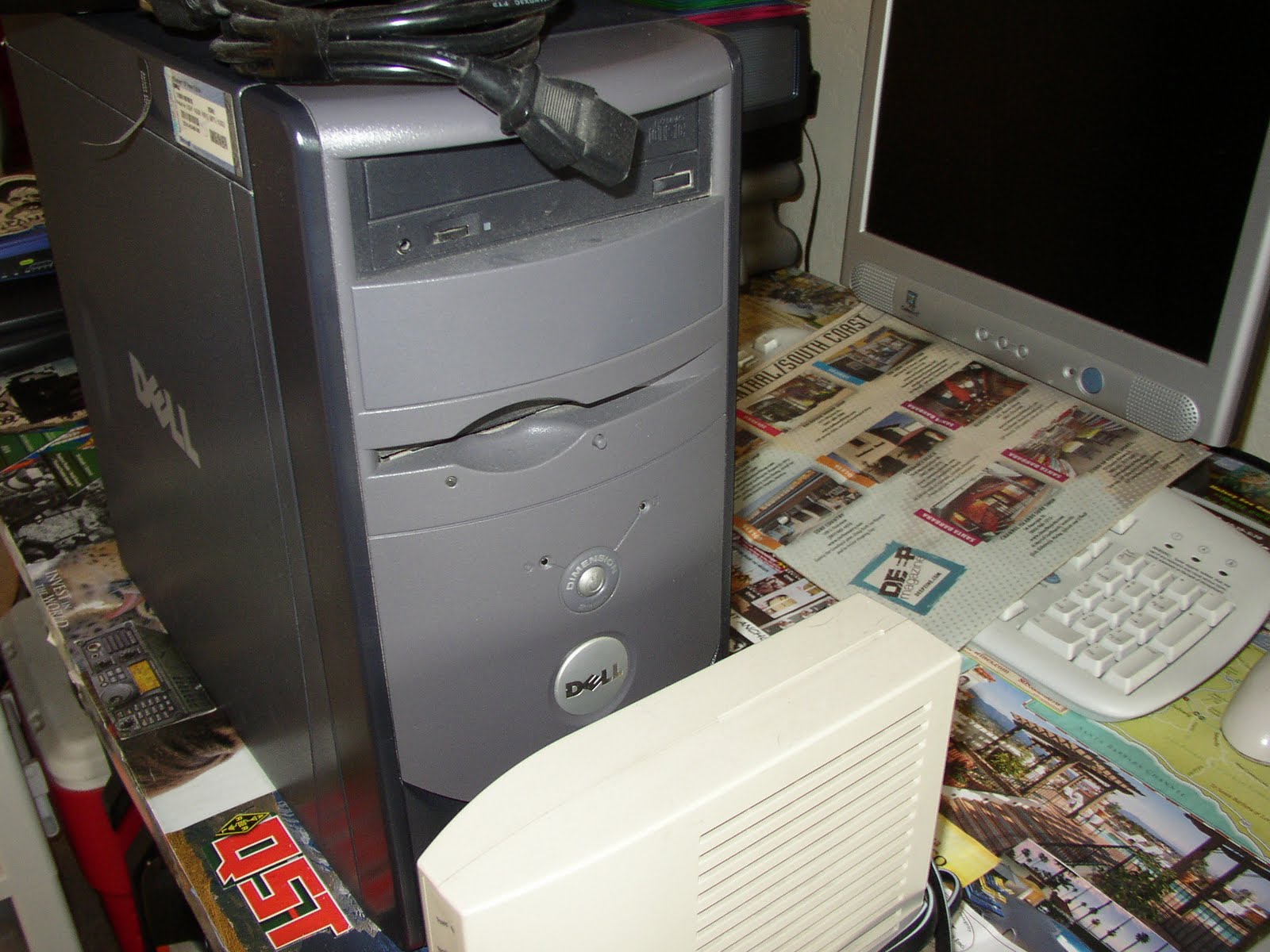 Photograph One is a retired Dell Dimension 2350 after my catastrophic hard disk failure. I could not depart with the machine keeping in mind the frugality of my Grandparent’s generation. I wondered why Grandpa collected those old screws, nails, nuts, bolts, and washers in baby food jars and his sensible wisdom is hot conventional wisdom in the shack relaxation zone.
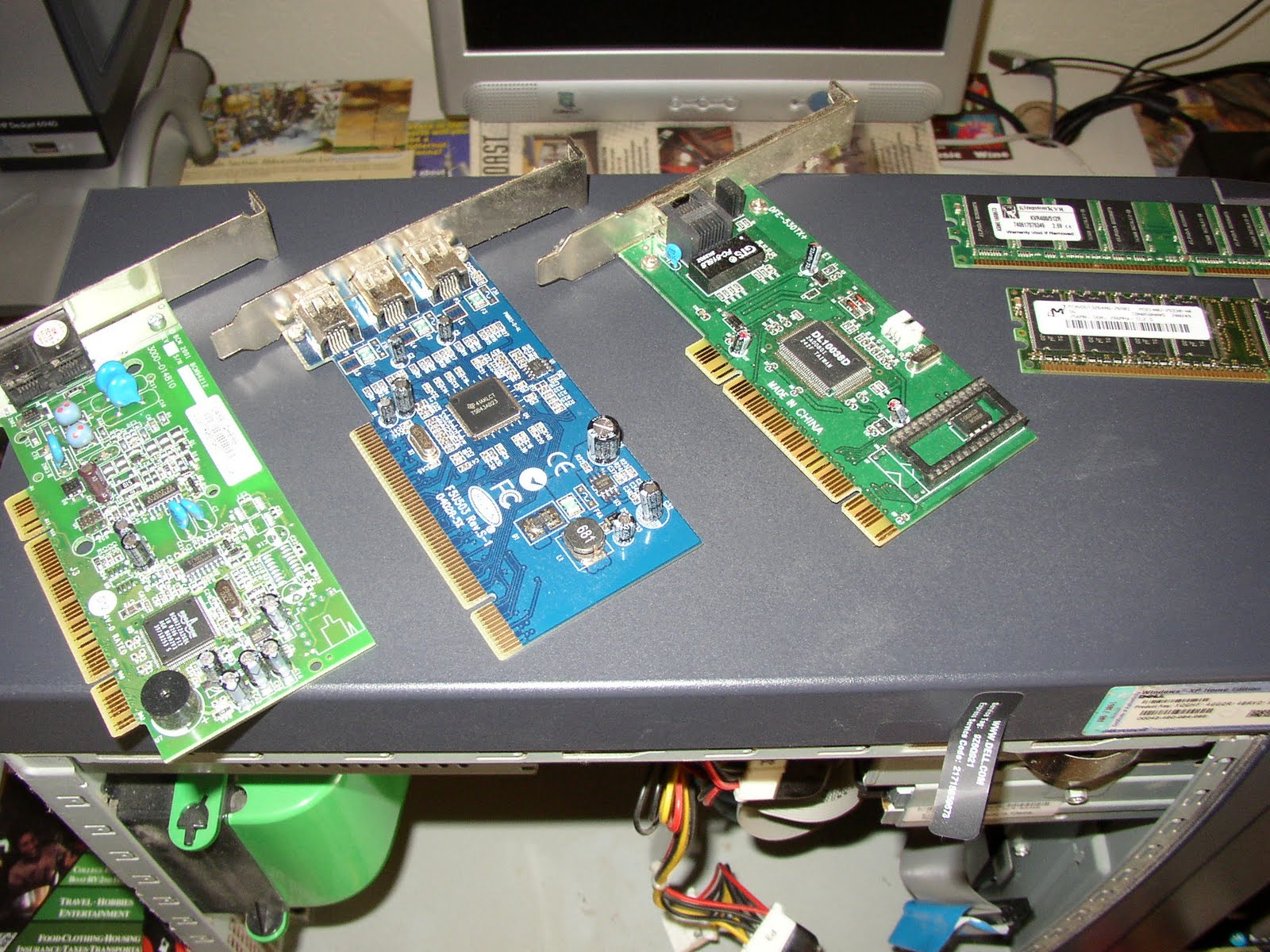 Photograph two taken of salvaged memory, fire wire card, ether net card, and video card. The only tool required was a Philips head screw driver, a flashlight for my tired eyes, and my pair of hands.
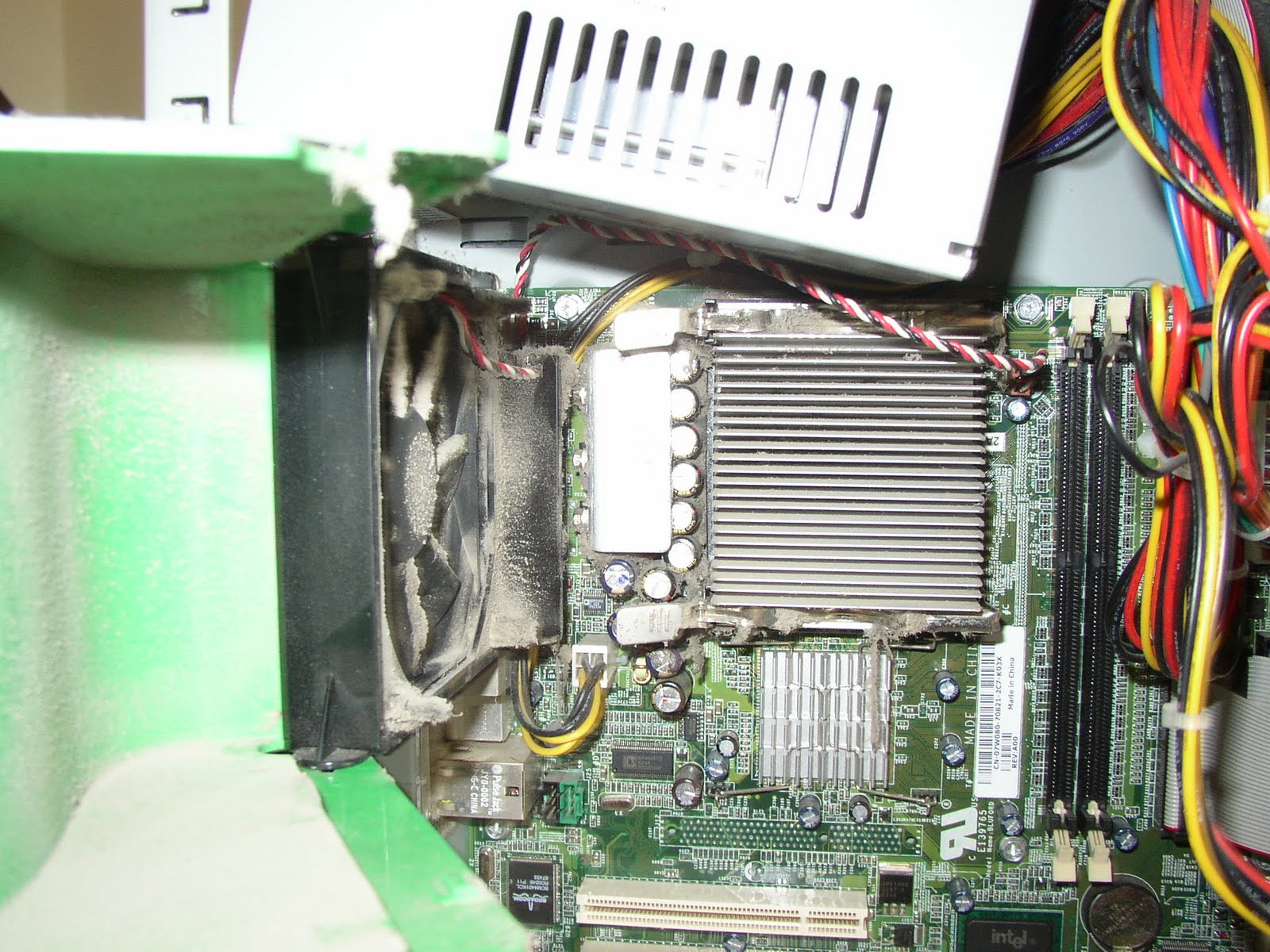 Photograph three looks at the central processing unit heat sink and hinged ducting for cooling air. The collection of dust on the components was astounding at least for this neophyte geek. An annualized desk top computer cleaning program goes into motion inside the shack.
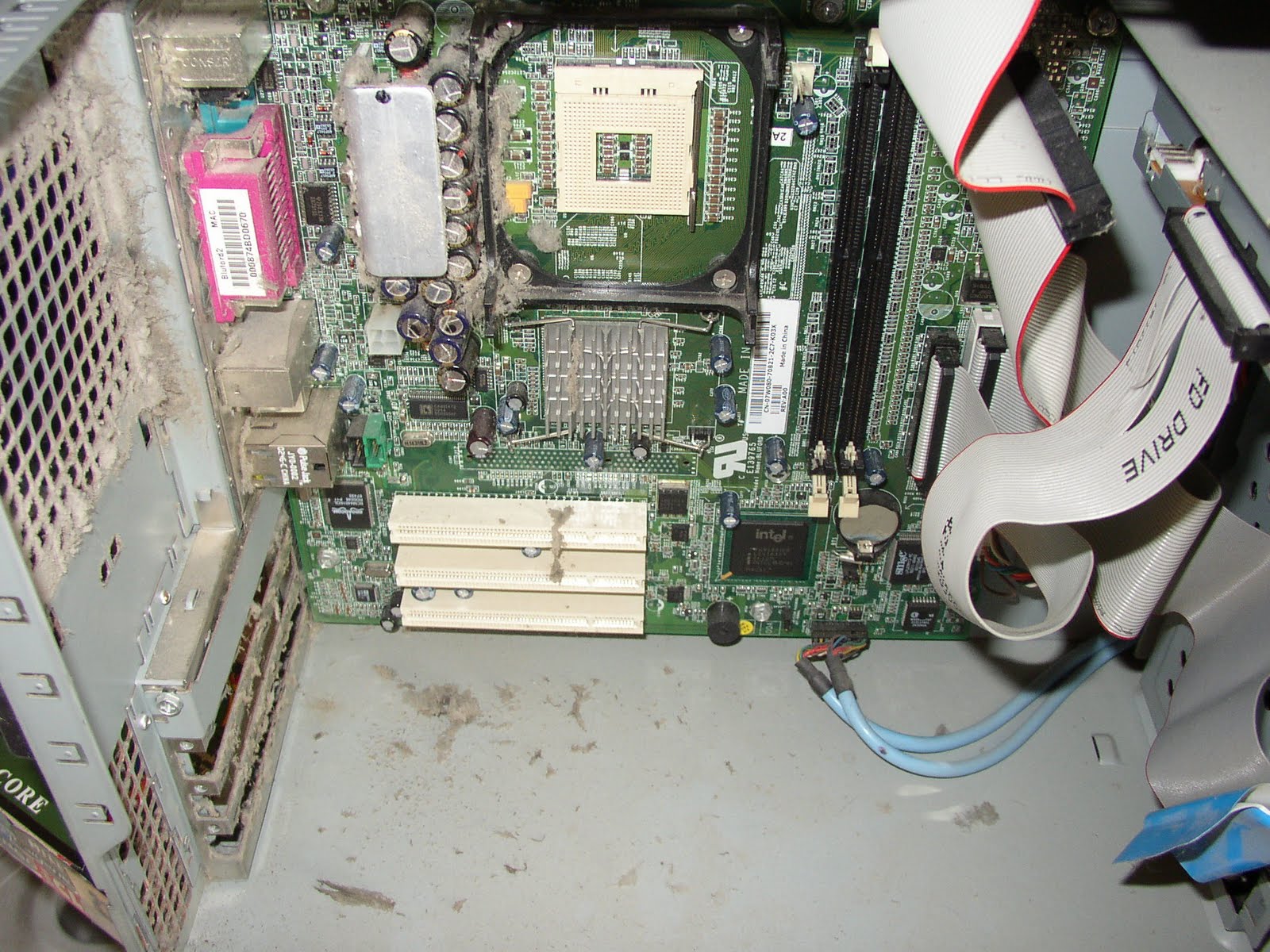 Photograph four reveals all plug-in cards removed in addition to the power supply and fan.
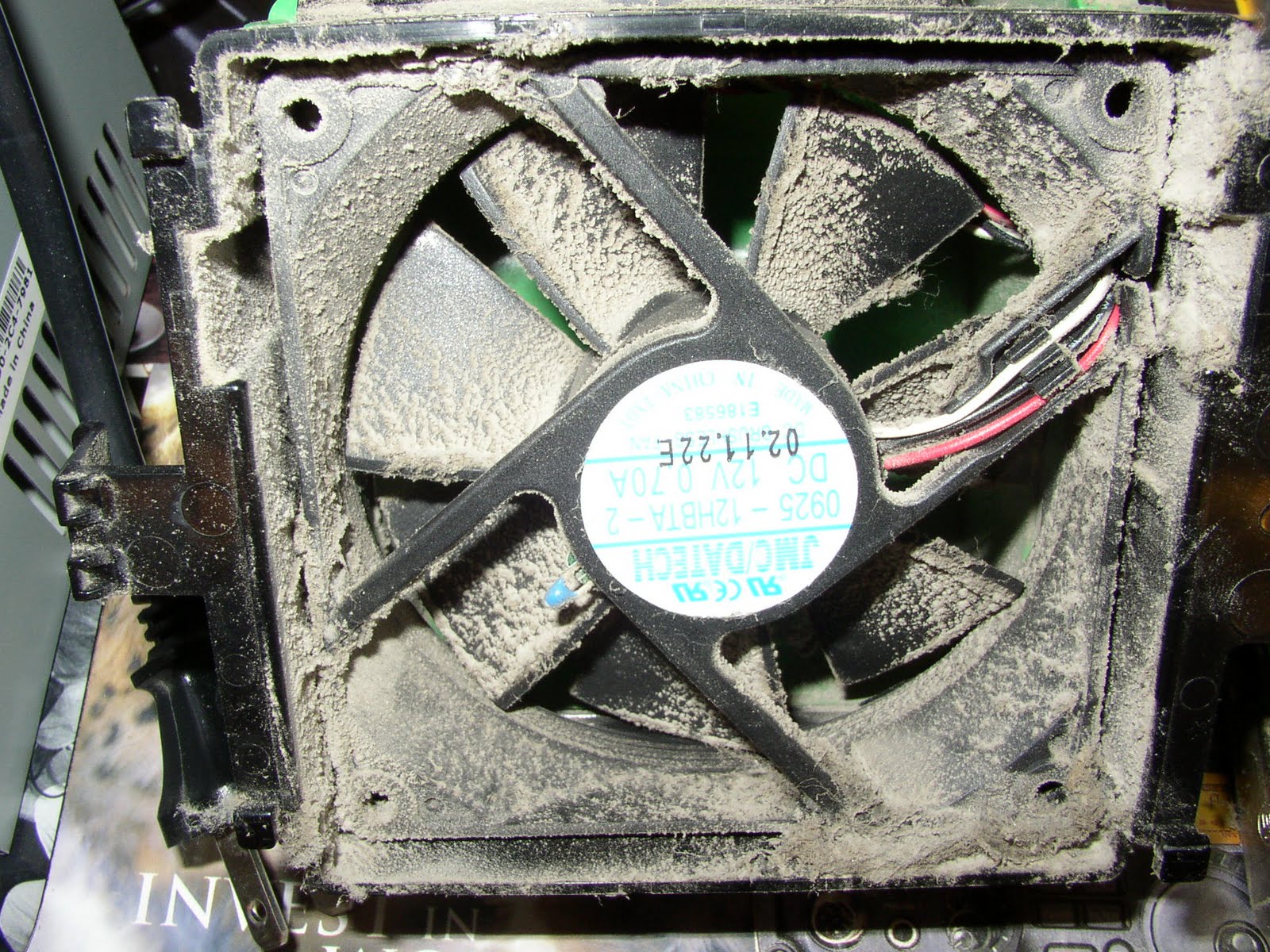 Photograph five illustrates how much dust really collects on one’s fan across several years. I recommend taking a serious look at cooling fans, especially, if one cannot recall its last scrubbing.
Additionally, rather than donate the Surfboard SB4100 Cable Modem as directed by Charter Communications, why not re-purpose this device? I want to thank NYC Resistor for their inspiration and my Grandfather for his relevant wisdom.
73 from the shack relaxation zone.

Scot Morrison, KA3DRR, is a regular contributor to AmateurRadio.com and writes from California, USA.
Temporary QRT
This afternoon I disconnected all the equipment in my shack and removed it. I shall be off the air for a while.
The room I use for my shack is very small and I have run out of space to store all my electronic parts, tools and books. There is no space to permanently set up all my radios, so my K2 and FT-817 rarely get used in the shack although they could be. The only solution is to make some proper built-in cupboards and shelving. Before I do that it makes sense to rip out the worn-out carpet and replace it with something better. So I have to completely dismantle the shack and remove everything.
Hopefully it won’t be too many days before I can get the radios and computer back up and running again. No doubt, whilst I am unable to take advantage of them, there will be some major band openings!

Julian Moss, G4ILO, is a regular contributor to AmateurRadio.com and writes from Cumbria, England. Contact him at [email protected].
Darnnit!

Anthony Good, K3NG, is a regular contributor to AmateurRadio.com and writes from Pennsylvania, USA. Contact him at [email protected].
 Ham Radio Deluxe |
 W5SWL Electronics |
 Ham Radio Prep |
 KB3IFH QSL Cards  Hip Ham Shirts  HamRadioAuctions HamRadioAuctions Reliance Antennas Reliance Antennas Enigma Shop Enigma Shop |  morseDX  Ni4L Antennas  R&L Electronics R&L Electronics antennas.us antennas.us QRV QRV |
- Matt W1MST, Managing Editor
