Archive for the ‘Uncategorized’ Category
 GP300 success
 April 28th, 2010 |
  Author:
  Two more items for the Motorola GP300 arrived from Hong Kong today, an 1800mAH NiMH battery pack and a charger. I’m a bit dubious about the charger. I put the battery pack on the radio and started charging it, and when I checked six hours or so later the battery pack and radio were really hot. I would have thought the charger should have shut off by that point. So I’ll have to watch the charge times.
I wanted to have another try at programming the radio using a newer version of the software from the hampedia site but when I started up the Toshiba Satellite 1800 and tried to go into the Bios to re-enable the cache (which I disabled yesterday to slow the computer in the hope of overcoming the programming problem) it asked for a password. Somehow when I disabled the cache I must have accidentally enabled a Bios password, but of course as I didn’t do it intentionally I have no idea what the password is. I tried to start Windows 98SE but it took 20 minutes to load and was unusable once it eventually did. So that’s that.
But in the end another solution was found. I registered with the forum at the curiously named Batwing Laboratories website, which apparently is the fount of all knowledge for all things Motorola, and posted about my problem there. Tom in D.C. (W2NJS) replied that the DOS in Windows 98SE wouldn’t do, I must use MS-DOS 6.22.
Now I was programming micros since before IBM invented the PC. I’ve read Ray Duncan’s “Programming MS-DOS” from cover to cover several times so I was pretty much an expert on the subject at one time (though I’ve forgotten just about all of it now) and I would never have thought that there were any differences between the two versions affecting the use of the serial port. But Tom was firm enough in his advice that I downloaded an MS-DOS 6.22 boot CD image and made myself a boot disk. It wouldn’t recognize my Windows 98SE partition so I had to vape that, reformat under MS-DOS 6.22 and set everything up from scratch. Fortunately I still remembered enough about things like config.sys and autoexec.bat to get it to work.
I reinstalled the programming software, connected the interface, and this time I got “Radio Communication OK!” Tom in D.C. probably heard my cheers from there. So I was finally able to program eight 2m frequencies into the radio – five simplex channels plus the three local repeaters – and have just completed two QSOs on the GB3LA repeater from inside the house using a quarter wave telescopic whip, so it works!
The Motorola GP300 seems to work a bit differently to ham radios. For example, there are three power levels but the power level is fixed for each channel, so if I set High power in order to access a repeater from home I can’t reduce the power to Low to save batteries when I’m in line of sight of it from a hilltop. And if you want a Scan function you have to dedicate a channel to that.
Possibly there are some tips for setting up these radios for ham band use that I’m not aware of yet. But even if there aren’t, it’s still a nice radio for £1. Even if by the time you add in the cost of the programming interface, the battery pack, the charger and the adapter that converts the Motorola proprietary antenna socket into a BNC it ended up costing more like £40.

Motorola programming frustration
The renovation of the G4ILO shack is about half completed. The wood for the new shelf module needs another coat of paint, then it can be built and everything put back in again. Unfortunately old age is catching up with me and I am just sooooo tired and have so many aches and pains from all the work so far that progress is (literally) painfully slow. I missed the talk on SOTA at the radio club on Monday evening because I would probably have just fallen asleep!
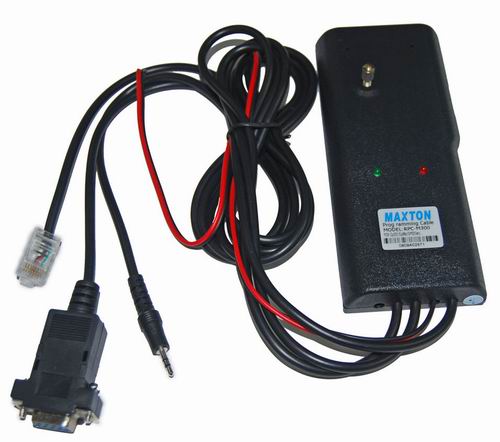 After the flying hiatus some items I ordered from China and Hong Kong are starting to filter through including the programming interface for the Motorola GP300 radio. It is a Maxton RPC-M300, pictured on the right, and it came with a CD containing the necessary programming software. (The software can also be found on the hampedia website, so please don’t ask me for a copy.)
The software runs under real MS-DOS, not a DOS window. My researches had already established that it doesn’t run properly on newer, faster computers, so I installed it on the oldest PC I had available, a 2002 vintage Toshiba Satellite 1800, which happens to have both a floppy drive and a serial port. It doesn’t have network access, so getting anything on and off it is a bit of a headache, but I still have a copy of a Windows 98SE install CD and the required boot disk, so I was able to use that to provide the MS-DOS access.
No instructions came with the interface. It’s obvious that it clips on the back of the radio, and the red and black wires are used to provide power, but there is no indication of what voltage to use. Some DIY interfaces that have been published use a 9V battery so I set the variable power supply to 9V. The other two plugs – one like a telephone plug and the other a 3.5mm stereo jack – are presumably for other radios that the interface can be used with, so I left them dangling free.
I applied power and the red light on the interface came on. I then tested communication between the software and the radio, and the green light flashed for a few seconds, then I got an error #2 “No acknowledgement.” I tried again, this time after switching the radio on with the volume control, but then I got an error #7 “Invalid opcode.”
I had read that the programming software may not run properly on any Pentium computer at all, due to its use of timing loops. One of the suggestions to slow a faster computer down is to disable the CPU cache, so I went into the Bios and did this. This didn’t make any difference to my inability to program the radio, but it did make Windows 98 take 20 minutes to load and be unusable once it has done so. Unfortunately I discovered this morning that I had somehow managed to set a password on the Bios which of course I don’t know, so now I can’t get back in to the Bios to re-enable the cache. 🙁
It seems as if I will have to give up on the idea of programming this radio myself. My only hope now is that someone at my radio club is able to help with this. Unless anyone has any other suggestions?

3830 Claimed Scores | 2010 NS Summer Ladder VIII | Low Power

Atlantic Single Operator.
- NO3M | 53 Qs | 39 Mults | 2,067 Points [NCC].
- N4AF | 49 Qs | 35 Mults | 1,712 Points [PVRC].
- W4OC | 49 Qs | 34 Mults | 1,666 Points [SECC].
n = 10 scores submitted in this division.
East Central Single Operator.
- N4OGW | 53 Qs | 36 Mults | 1,908 Points [ACG].
- K9BGL | 51 Qs | 36 Mults | 1,836 Points [SMC].
- W9RE | 51 Qs | 35 Mults | 1,785 Points [SMC].
n = 16 scores submitted in this division.
West Central Single Operator.
- WD0T (@KD0S) | 52 Qs | 37 Mults | 1,924 Points.
- K0AD | 48 Qs | 35 Mults | 1,680 Points [MWA].
- N3BB | 48 Qs | 35 Mults | 1,680 Points [CTDXCC].
n = 10 scores submitted in this division.
West Single Operator.
- KQ7W | 49 Qs | 35 Mults | 1,715 Points [Kaunas Univ of Technology].
- K0UK | 37 Qs | 25 Mults | 925 Points [Grand Mesa].
- KI7Y | 21 Qs | 14 Mults | 294 Points [WVDXC].
- K7SS | 1 Q | 1 Mult | 1 Point [WWDXC].
n = 4 scores submitted in this division.
NCCC in CA/NV Single Operator.
- K6VVA | 56 Qs | 37 Mults | 2,072 Points.
- N6RO | 51 Qs | 36 Mults | 1,836 Points.
- N6ZFO | 48 Qs | 33 Mults | 1,584 Points.
n = 7 scores submitted in this division.
Three more Qs in the log is enough and congratulations Ric, K6VVA on a stunning victory for his remote station while propelling the North California Contest Club into this week’s banner position!
His commitment to the fastest 30 minutes in RadioSport paid significant dividends. I’d call this a 12th round, gone the distance competition between Ric, K6VVA affectionately known as “The Locust” and Eric, NO3M.
Contest on!

Project Future Of Ham Radio | Diana Eng, KC2UHB
Diana Eng at the QRP Ham Radio Convention from make magazine on Vimeo.
How-To: Set up an HF portable radio while hiking from make magazine on Vimeo.
Diana Eng, KC2UHB is gifted talent. I have watched a zillion ham radio related videos and, like SQ8X, Diana is well spoken in addition to an editing team who crafts a crossover message that is a credit to ham radio.
Sometimes, serious talent is found outside the box of conventional thought and, Diana is not industry standard. In fact, because she is not inside the box, her passion for ham radio exceeds that of the tired formula. Her biography speaks to a highly motivated individual who has taken on the establishment and wins.
If CQ and QST have not then Women’s Wear Daily, Wired, and Craft magazine have.
73 from the shack relaxation zone.
See Also.
Diana Eng | Fashion Nerd.

ShackTech
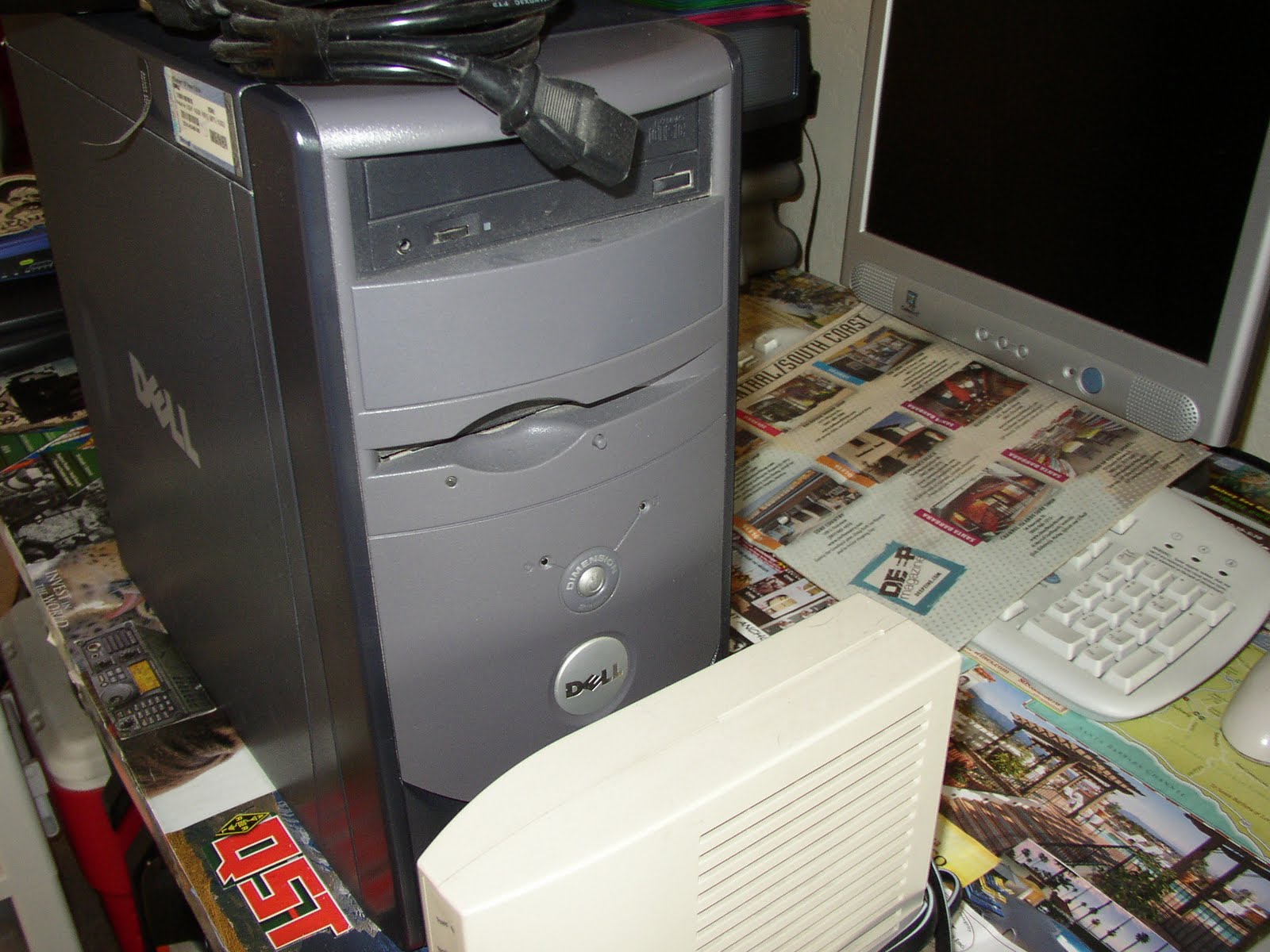 Photograph One is a retired Dell Dimension 2350 after my catastrophic hard disk failure. I could not depart with the machine keeping in mind the frugality of my Grandparent’s generation. I wondered why Grandpa collected those old screws, nails, nuts, bolts, and washers in baby food jars and his sensible wisdom is hot conventional wisdom in the shack relaxation zone.
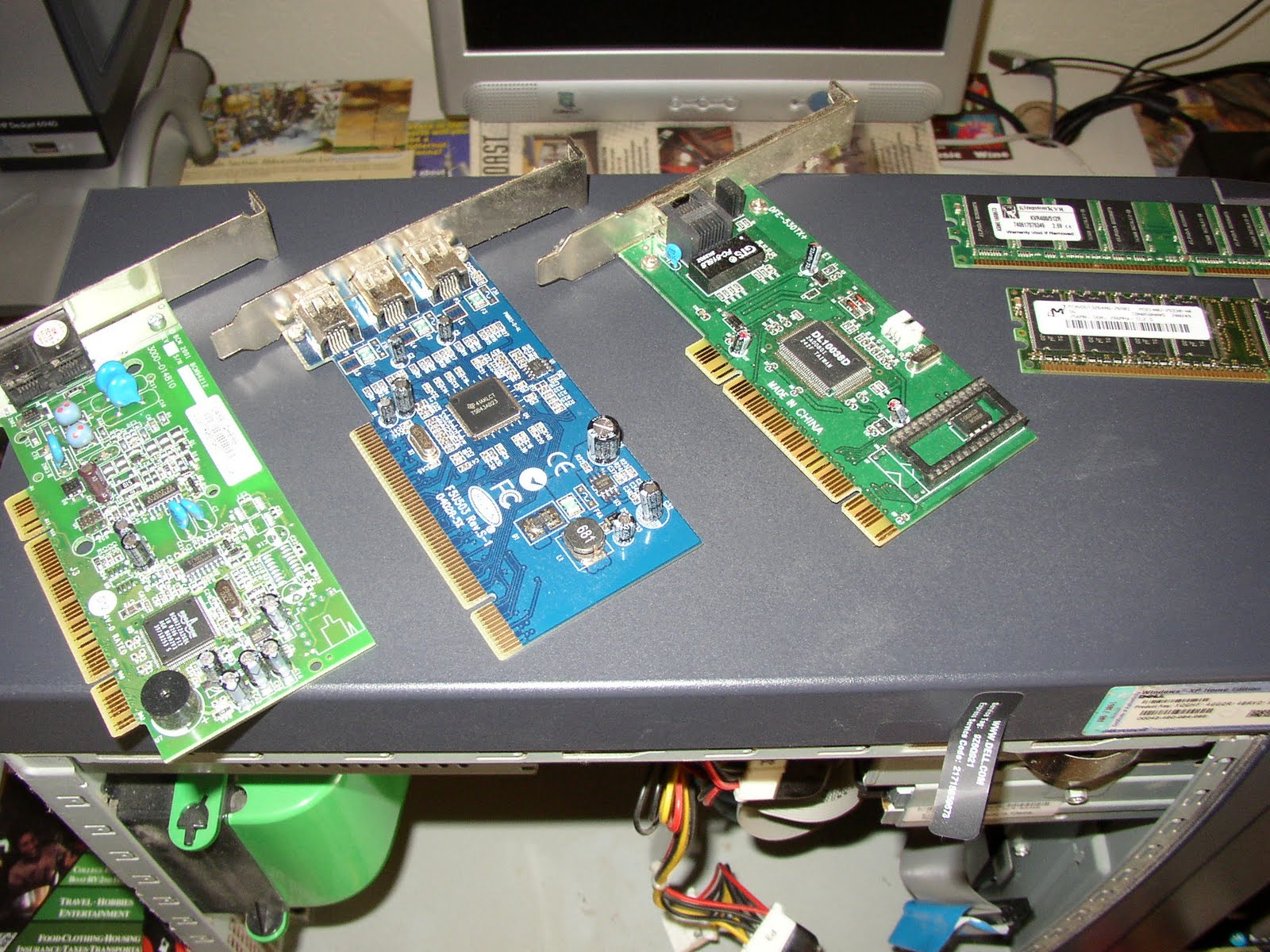 Photograph two taken of salvaged memory, fire wire card, ether net card, and video card. The only tool required was a Philips head screw driver, a flashlight for my tired eyes, and my pair of hands.
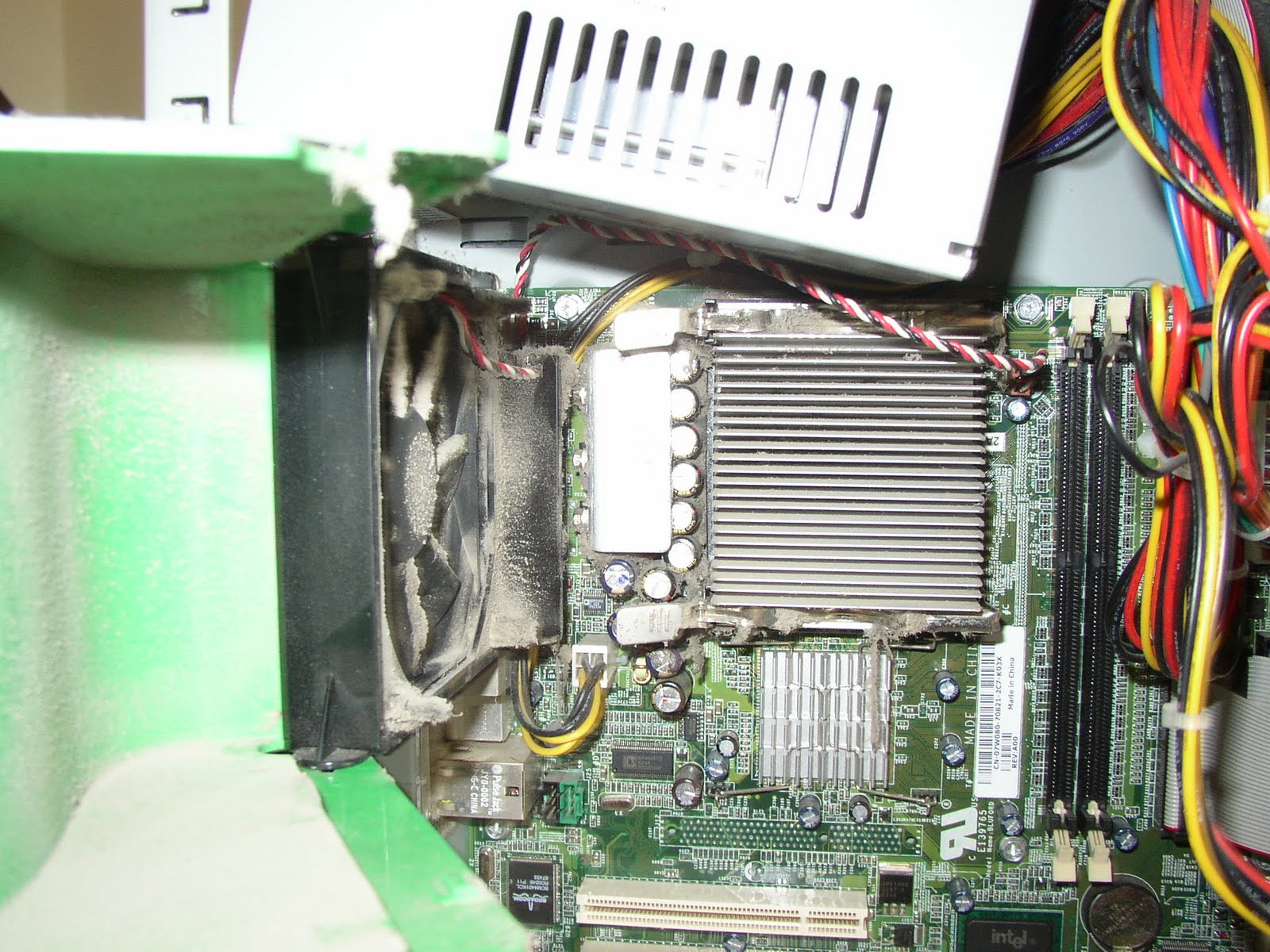 Photograph three looks at the central processing unit heat sink and hinged ducting for cooling air. The collection of dust on the components was astounding at least for this neophyte geek. An annualized desk top computer cleaning program goes into motion inside the shack.
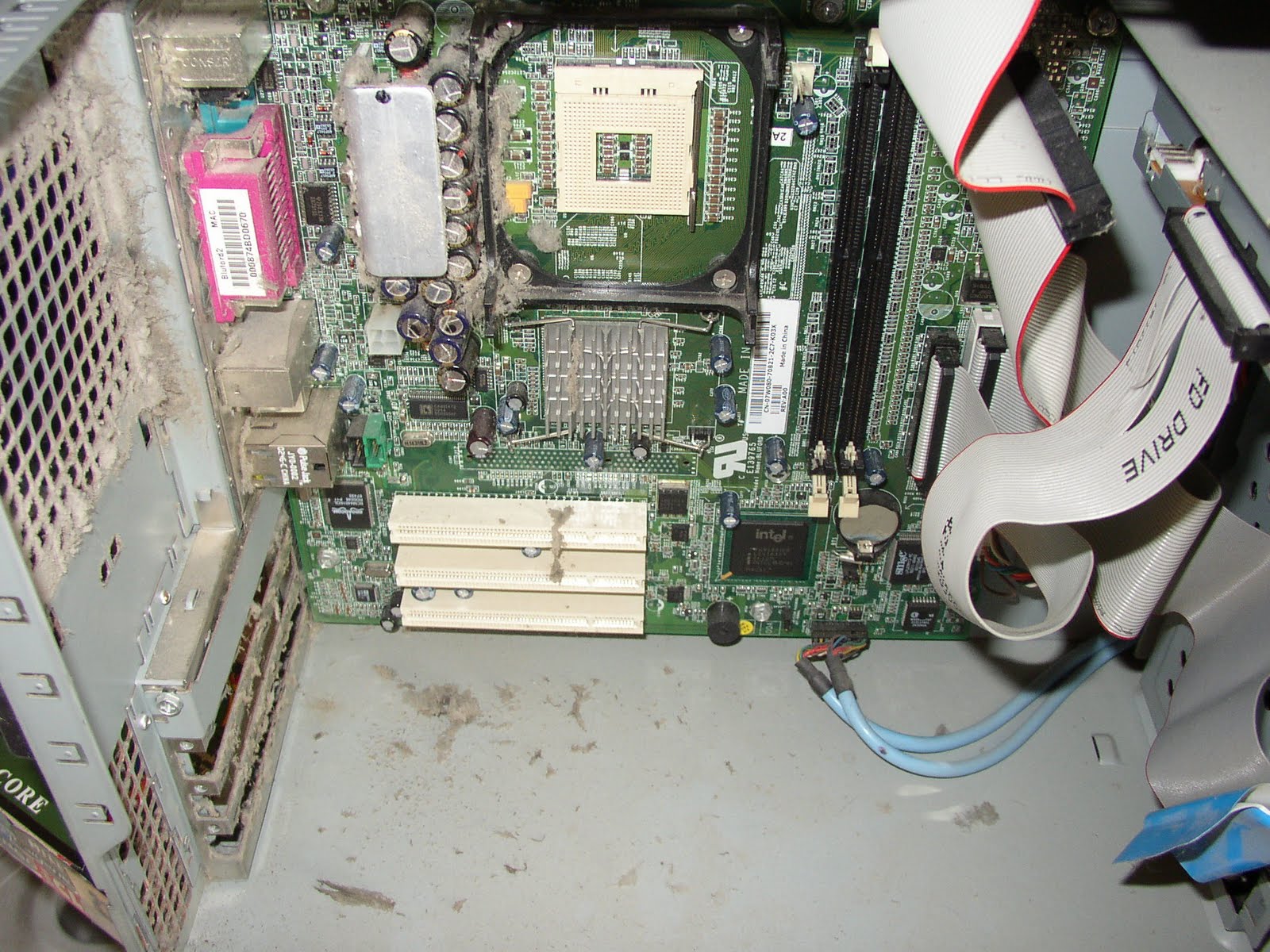 Photograph four reveals all plug-in cards removed in addition to the power supply and fan.
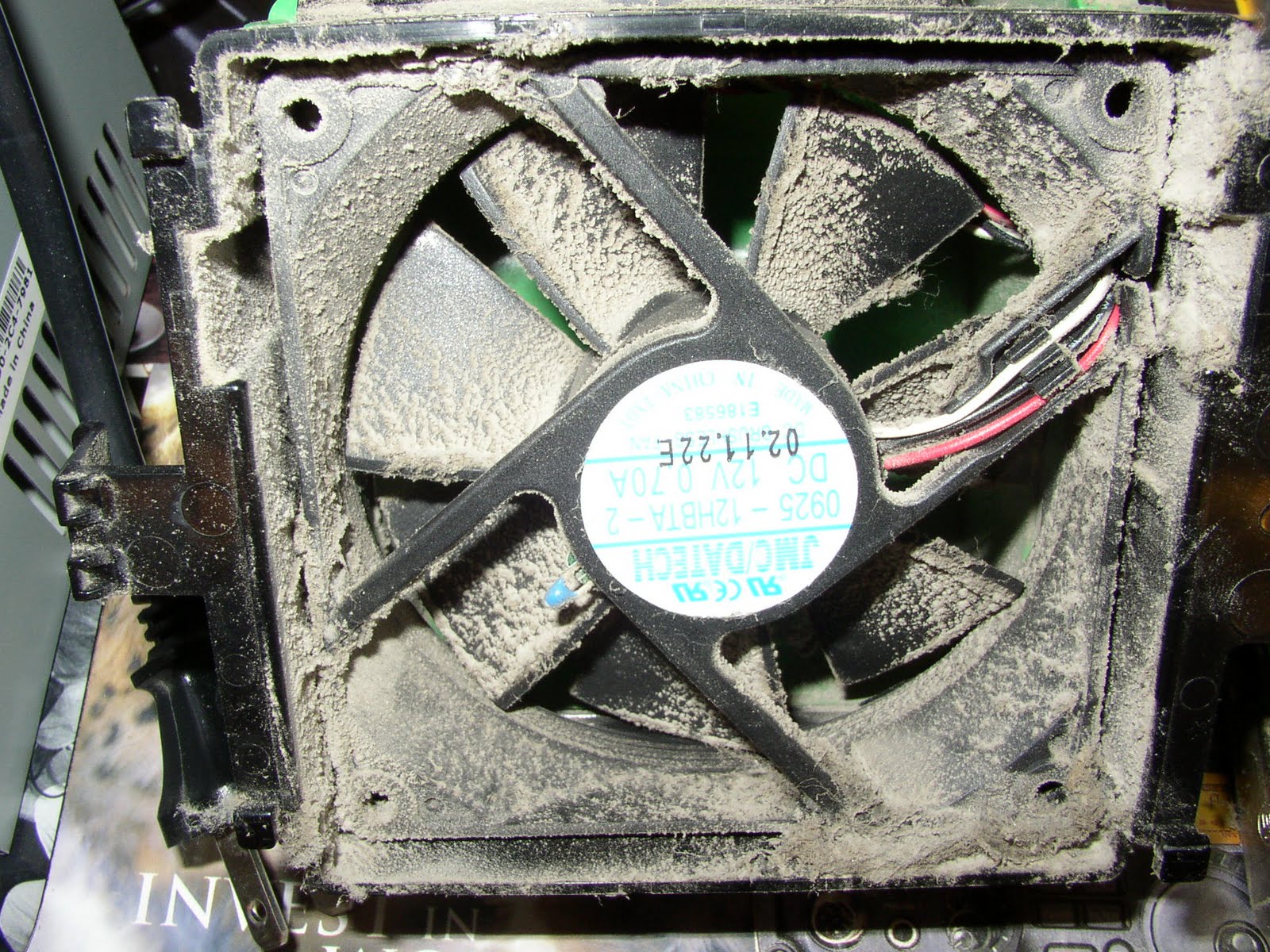 Photograph five illustrates how much dust really collects on one’s fan across several years. I recommend taking a serious look at cooling fans, especially, if one cannot recall its last scrubbing.
Additionally, rather than donate the Surfboard SB4100 Cable Modem as directed by Charter Communications, why not re-purpose this device? I want to thank NYC Resistor for their inspiration and my Grandfather for his relevant wisdom.
73 from the shack relaxation zone.

Temporary QRT
This afternoon I disconnected all the equipment in my shack and removed it. I shall be off the air for a while.
The room I use for my shack is very small and I have run out of space to store all my electronic parts, tools and books. There is no space to permanently set up all my radios, so my K2 and FT-817 rarely get used in the shack although they could be. The only solution is to make some proper built-in cupboards and shelving. Before I do that it makes sense to rip out the worn-out carpet and replace it with something better. So I have to completely dismantle the shack and remove everything.
Hopefully it won’t be too many days before I can get the radios and computer back up and running again. No doubt, whilst I am unable to take advantage of them, there will be some major band openings!

Darnnit!














