Archive for the ‘qrp’ Category
 KX3 troubles
 August 16th, 2014 |
  Author:
  |
| A happy looking KX3 |
 |
| Not so happy KX3 |
QRP 1,000 Miles per Watt….from the Campground
 |
| KX3 bathed in light from my red headlamp |
The kids are starting back to school this week, so we thought we would get in one more family outing before life gets crazy. So last week we went camping from Wednesday morning until Saturday morning. Its great to be at the campground during the week – almost nobody else is there!
It rained every night – the days were hot and humid. We spent most afternoons out on the lake in my Dads boat he loaned to use – nice and cool with lots of swimming and tubing.
Friday night I had time to play radio! I setup the KX3 running on internal batteries on the picnic table. Hooked up the portable QRP antenna that I lashed up to the canopy and I was off to the races.
I used my headlamp with a red light to see what I was writing and the radio controls. This worked exceptionally well – and kept the bugs away. I have used the white light before and it really draws in the bugs!
When I turned the rig on it was on 20 meters – I expected it to be dead since it was about 03:45 UTC (10:45 PM local) – but I immediately heard signals. As I tuned around, I was hearing DX everywhere!
I listened to some of the exchanges, and could tell it was a contest – RST and Serial was the exchange. Turns out it was the Worked All Europe HF Contest.
So I dove into the mix and started pouncing! Wow it was fun….
UA7K – Russia (I think, could not find in QRZ)
UW2M – Ukraine (1,172 miles per watt)
UT0U – Ukraine (1, 134 miles per watt)
AI6O – California
K1XM – Massachusetts
UY5ZZ – Ukraine (1,115 miles per watt)
RW1A – Russia (1,091 miles per watt)
RM5D – Russia (1,091 miles per watt)
YP9W – Romania (1,139 miles per watt)
HA8VV – Germany (1,055 miles per watt)
S57DX – Slovenia (1,054 miles per watt)
HG7T – Hungary (1,091 miles per watt)
HG8R – Hungary (1,115 miles per watt)
DJ5MW – Germany (1,004 miles per watt)
SN6A – Poland (1,019 miles per watt)
I finally shut it down at 05:21 (12:21 AM local time) – but the band was still hoping. I did tune around 40 meters and heard some signals, but the antenna just needs to be longer for good 40 meter operation.
What a blast! Almost everyone came back to me on the first call – only 3 times did I have to repeat my call. Everyone I called, I worked!
It was fascinating to think about working Russia and Ukraine with all the tensions in that part of the world right now – guys are still having fun playing with the radio.
I am really enjoying dipping my toe into these contests – it is a great way to work a bunch of stations – and some DX to boot.
 |
| Nick KE0ATH working 2 meters |
Nick (KE0ATH) also did some operating on 2 meters using a collapsible portable J-pole that we built together. He had a blast. He is working on putting together a go-box 2 meter station for camping and outdoor adventures.
Be sure and check out, and subscribe to my YouTube channel – I am working on several more videos – stay tuned!
QRP Works – QRO Works Better
For more than a decade, beginning in 1996, I adopted the QRP lifestyle and had more fun building kits, learning about antennas, making friends and filling the log than I had during any other period of my many decades in the hobby. Granted, my goals during that period were modest, but I’ve never had much problem making contacts using QRP and CW with wire antennas.
Count me as a believer in the magic of QRP. But while contacts can be made using QRP, that doesn’t mean it’s always easy for the guy on the other end of the link, who may struggle mightily just so I could put him in the log and publicly proclaim, “QRP Works!” Low-power enthusiasts should always acknowledge that any success is not so much theirs as it is the guy on the other end of the contact.
Beyond that, admitting that there are benefits to be derived from generating a potent signal is important because they are many. You don’t read much about that in the posts of QRP blogs. Most seem to take great pleasure in pointing out that “QRP works” without mentioning the obvious — if low power CW works then high power CW works too.

This last weekend, John Shannon, K3WWP, a devoted QRP and CW enthusiast and co-founder of the North American QRP CW Club (NAQCC) surpassed the 20 year point in a continuing “streak” of days (7,305) making at least one CW contact. Using low-power and simple wire antennas. From a less than desirable HF radio location. It’s an impressive show of perseverance and tenacity that he says was done to show that QRP CW works. He wrote:
“This is dedicated to all those who say things like ‘You need high power, big antennas, and a great location to be able to make ham radio contacts’, or ‘Life is too short for QRP’, or ‘CW is dead’ and other such remarks denigrating QRP/CW.”
But I would suggest that there are fewer operators who claim “QRP doesn’t work”, than there are QRP enthusiasts willing to concede that finding a potent signal that pops out of the noise floor is one of the great joys of abiding in the shortwaves.
The “right tool for the right job” is an eternal wisdom. It’s always been good advice. “If all you have is a hammer, every problem begins to look like a nail” is another nugget of wisdom. Putting them together and stretching them to fit, I came up with a corollary:
If all you want to use is QRP, you’ll spend your life preaching how well it works.
Common sense, and physics, support the notion that if a five watt CW signal can be copied, a 1,000 watt signal will be easier to copy despite the vagaries of propagation, QRN, and QRM — though you won’t find that truism bandied about much.
QRP Works – QRO Works Better.
I’m going to have that tee-shirt made. Who wants one?


Replacement rechargeable battery for Elecraft KX3
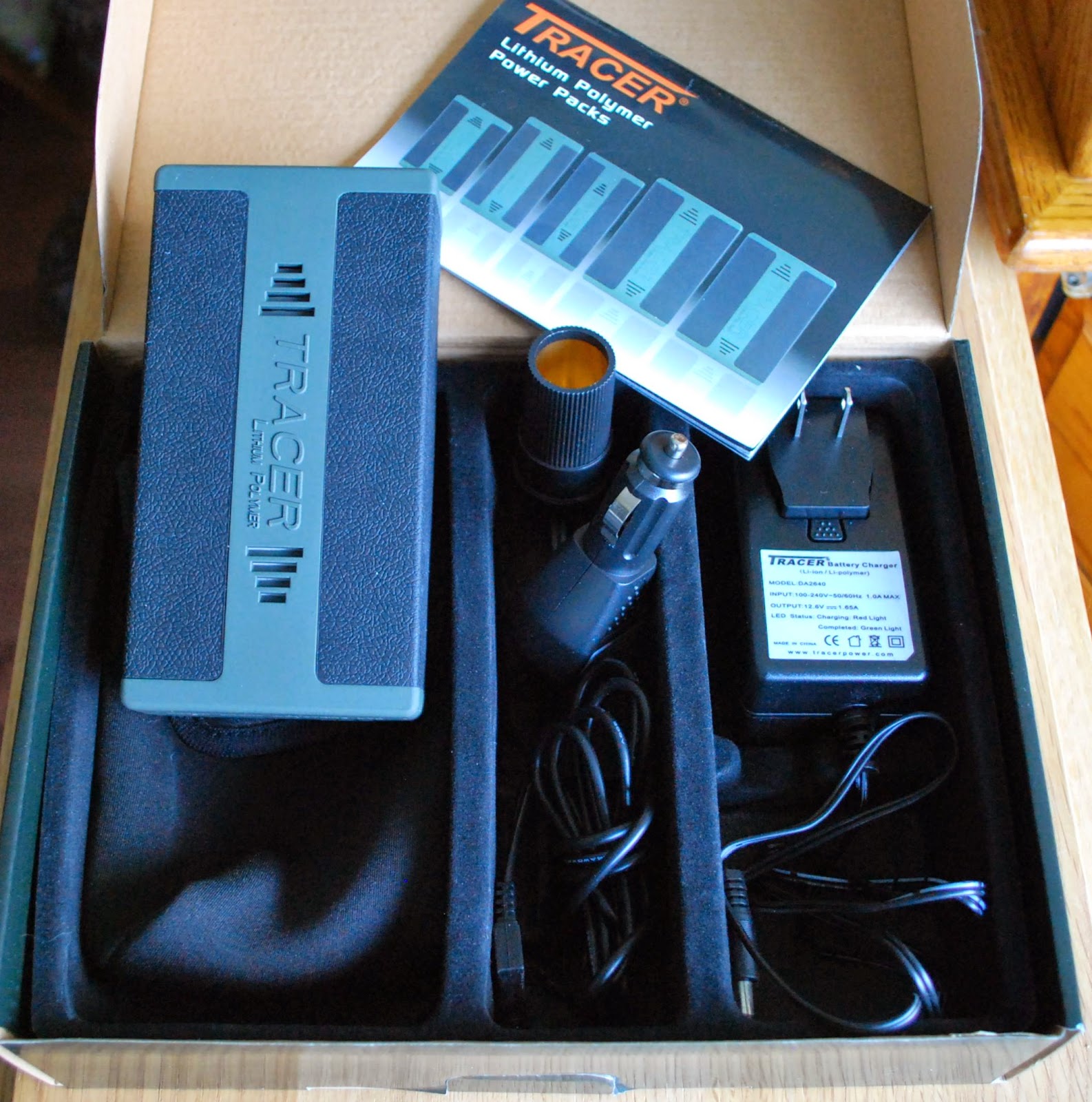 |
| Tracer Battery kit |
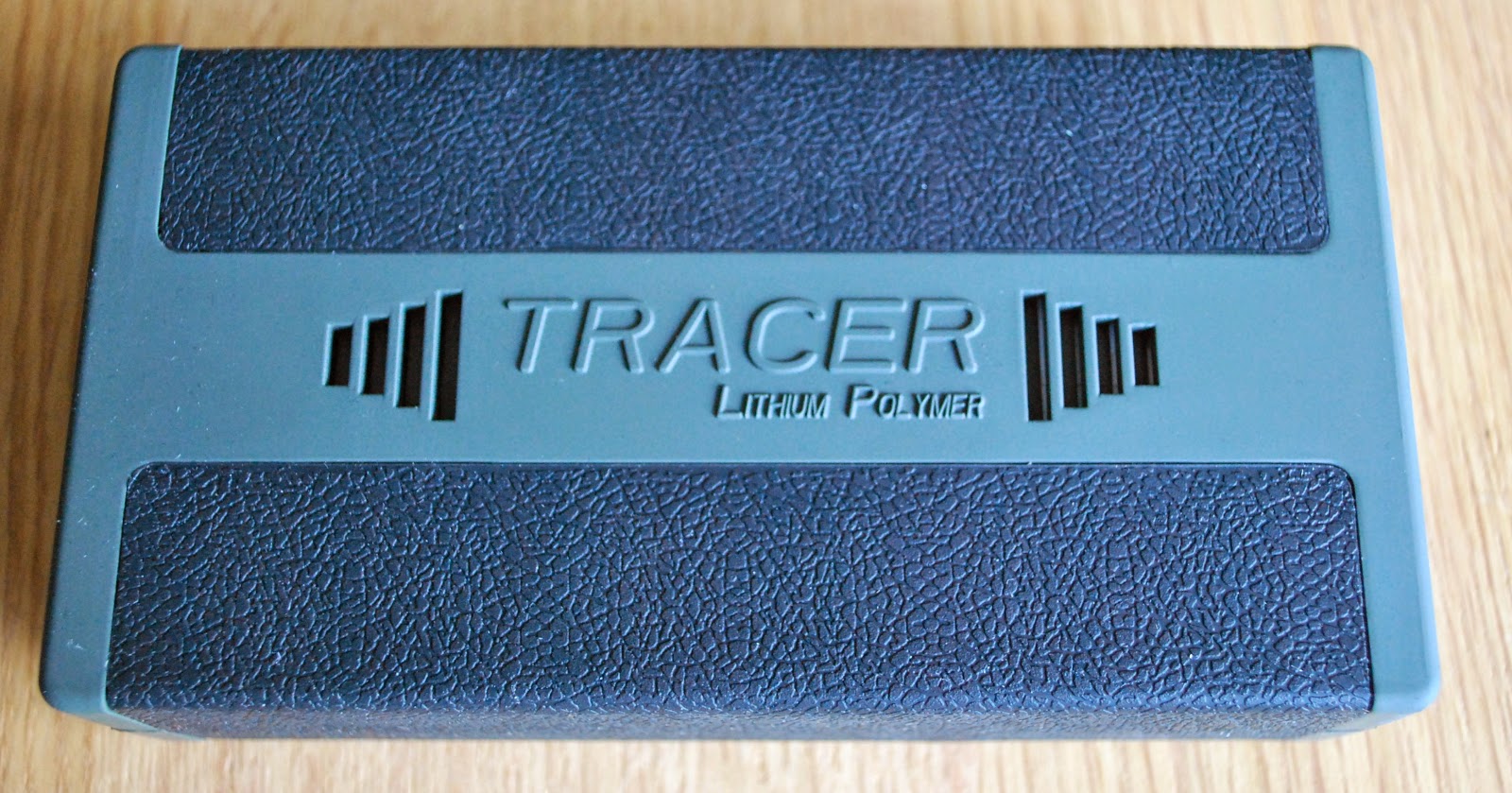 |
| Closer look at the battery |
 |
| Status indicator light |
Some operating time in the park.
 |
| The setup in the car |
 |
| 20m mobile whip |
Random Antenna Musings and Power Line Noise
As I have shared in the past I have a 66′ dipole in the attic fed with ladder line. I live in a HOA controlled neighborhood so my antenna options are pretty limited.
Last night I set WSPR up running 2 watts on 20 meters. Started about 2200 UTC. Wow it really seemed open. My 2 watts was spotted multiple times into Europe, Alaska and all over the USA. This antenna does not have a problem getting out.
The problem with my antenna setup is on receive. I have minimum S5 noise on 40 and 30 meters. Typically S7 on 20 meters. Interestingly enough 15 is quieter and 10 meters is typically S2 or so. The noise is static with some noticeable “crackling”.
Last night on WSPR was a great example. I was getting heard ALL over, but I was only decoding about 2 or 3 stations – all in the USA. Also on PSK31 or JT-65 I see guys working DX that I can’t even here or see on the waterfall – my noise level is just too high.
Sometime soon I am going to cut all the power to my QTH and see what the noise level is. If significantly reduced, I will see what I identify as noise sources in my QTH.
Beyond that, less than a 1/4 mile as the crow flies I have identified some very noisy power lines. They are so noisy that it they will completely blank the AM radio in your car when you drive past them.
Here is a picture of where my house sits in relation to the power lines (my dipole runs parallel to the power lines):
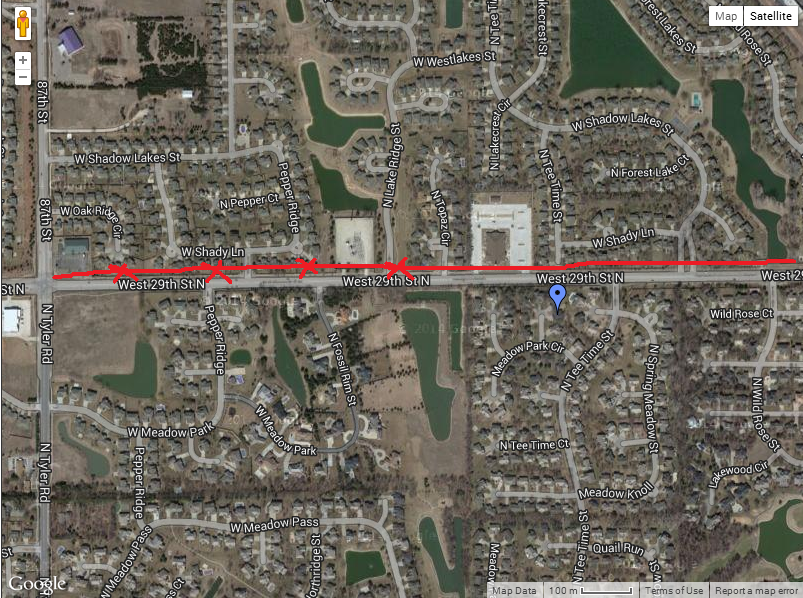 |
| Blue marker is my QTH – Red line is power line (X’s are noisy poles) |
I will be contacting the utility company at some point, but first I want to see how much of the noise is coming from my own QTH.
 |
| Red markers are trees – red line would be horizontal leg of inverted L |
Shut down two days in a row!
 |
| A foggy view of Toronto from my setup |
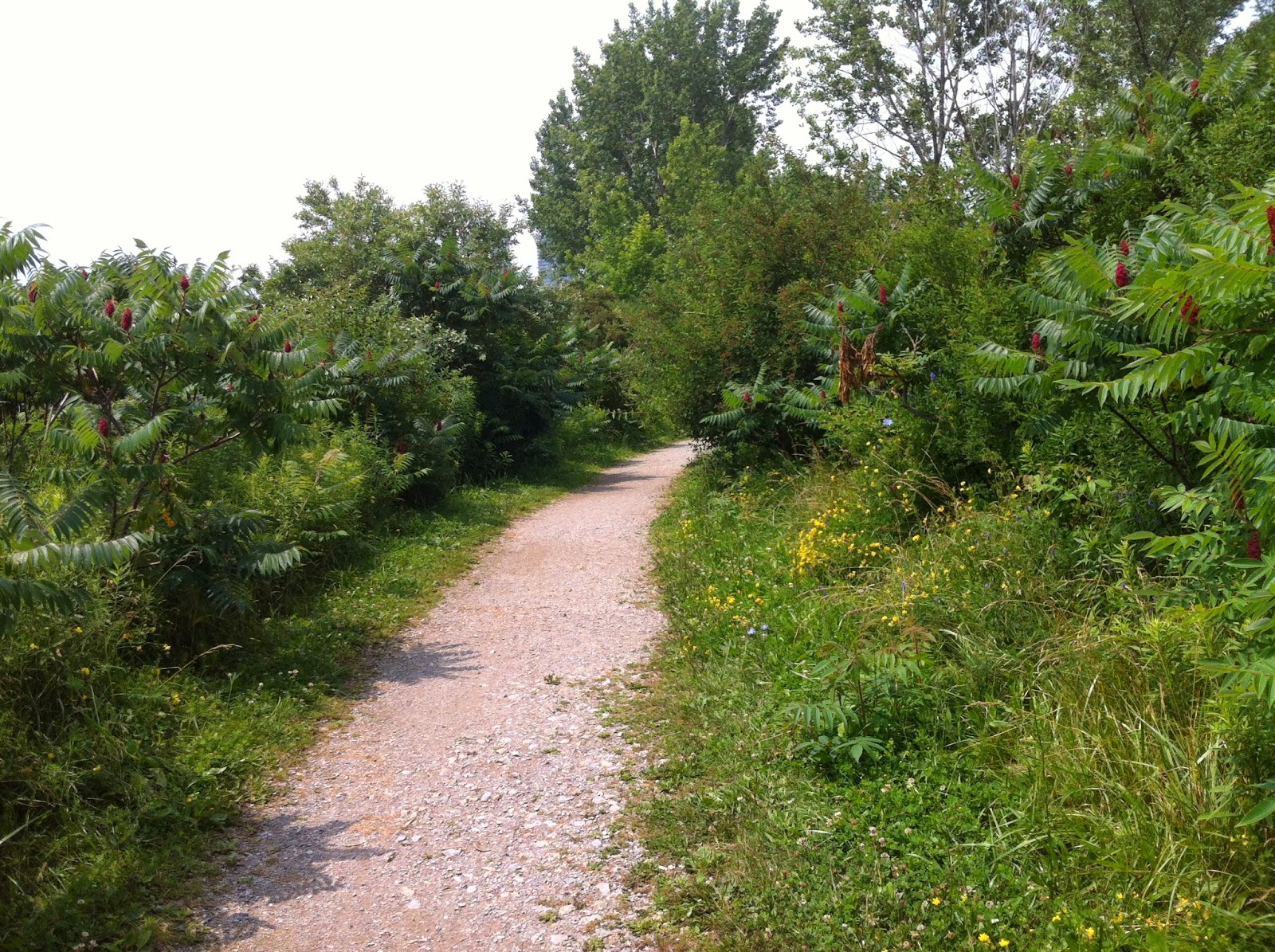 |
| Trail on the way there. |
 |
| Small river on my way home. |
 |
| One of the many beaches |













