Archive for the ‘qrp’ Category
 PIXIE 2 QRP Transceiver build
 July 4th, 2015 |
  Author:
PIXIE 2 QRP Transceiver build
Mizuho QRP SSB rigs

I don’t think this company still exists.
At one time you could buy Mizuho single band SSB handhelds for many bands up to 2m including many HF bands. I owned the 2m 200mW pep version (MX2) and managed to work some decent SSB DX with mine mostly with a 1/2wave whip on the rig. The main issue was the poor battery life, so I tended to use an external 9.6V battery.
My rig was used in the main with a homebrew 2m-10m transverter and I worked all over the world on 10m with just the tiny Mizuho rig on the desk.
If I remember right I covered the CW and main SSB parts of 10m by having a couple of crystals in the transverter. Somewhere I still have the transverter, although it has not been used for years.

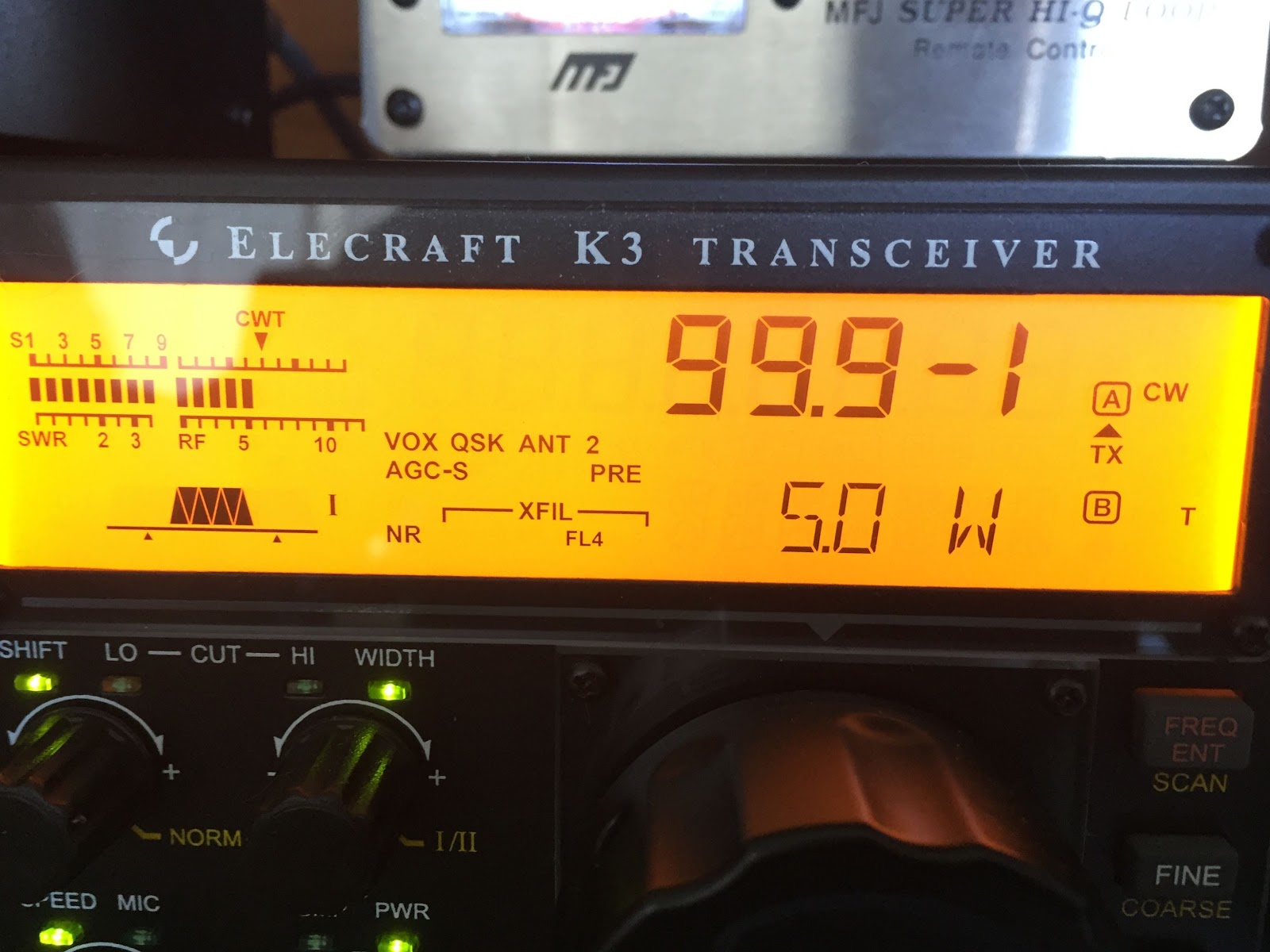
WHAT an SWR of 99:9!!
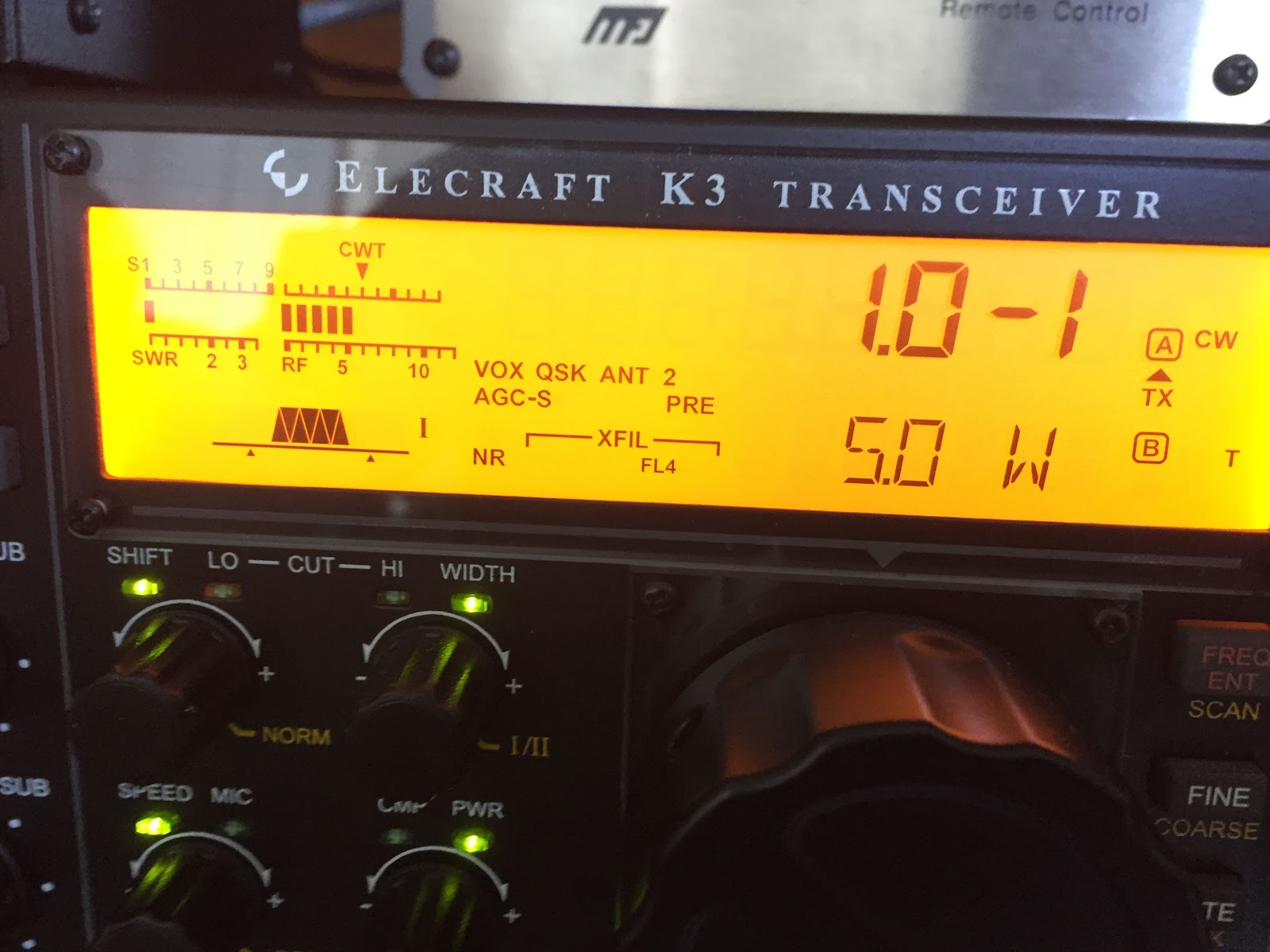 |
| Without LDG antenna switch |
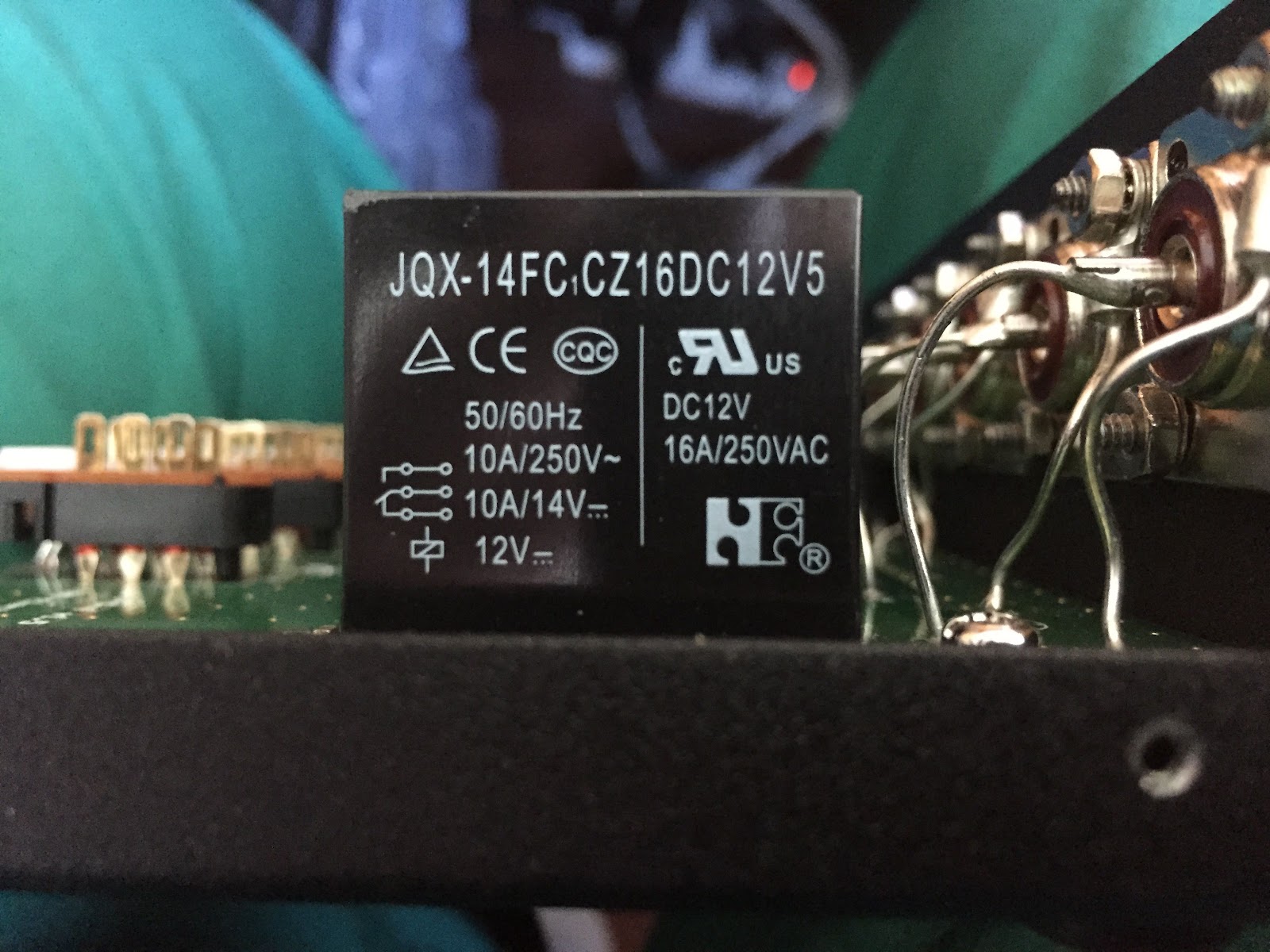 |
| Relay in the LDG antenna switch |
VK3YE homebrew 7MHz SSB transceiver
Steve G1KQH (font, or is it fount (?) of all knowledge) sent me this link of the homebrew 7MHz SSB transceiver by VK3YE:
New Homebrew 7MHz QRP rig from VK3YE

How simple?
Some years ago I attempted to see how few components were needed to communicate on 10m. The Lesser Chirpy was the best I could manage. This was a derivative of The Chirpy, which worked, but had far too much chirp!
Looking at the circuit I see I could save 1 component by replacing C1 and C2 by preset C’s and shorting out C3. This would allow the TX-RX offset to be set. If one was made a variable rather than a preset the RX-TX offset could be adjustable.
Since being ill I have not tried the rig. A limitation was the limited RX sensitivity, meaning only stronger stations would be workable. However, the rig does work and is very simple. Another possibility is to switch to an external RX but allow the internal RX to be used when signals are strong enough. The TX power is certainly enough to span the Atlantic and work all over Europe.
The secret to low chirp on 10m is the use of FSK rather than CW. Essentially the TX changes frequency rather than go from RX to TX every time. This means full break-in is not possible in such a simple circuit. Can you do better? If so, I’d love to see the schematic please. I make no great claims for my circuit, which is an amalgam of ideas. Pure fun!

Inexpensive Kit From China
 |
| courtesy: http://www.banggood.com/ |
A recent posting to the GQRP Yahoo Group brought my attention to another inexpensive offering from China. This time it's Bangood's complete "Pixie" type 40m QRP transceiver for the incredible sum of $4.16 (U.S.)! The price includes all components, a nicely silk-screened PCB and free shipping. One really wonders how it is possible to make any profit with such an offering but it obviously is. However, all may not be what it seems. One purchaser, IK1ZYW (Paolo) who built the kit, described his findings in a recent blog posting of his building experience.
In spite of the problems noted above (with some now corrected), the kit still seems a bargain, if one takes the necessary care with construction.
Playing with QRP can often provide ham radio's best "fun for the money" as DX- capable transmitters can often be built for just a few dollars. I vividly recall the fun I had one winter while pursuing the first-ever Tuna Tin W.A.S. endeavour on 7040kHz.
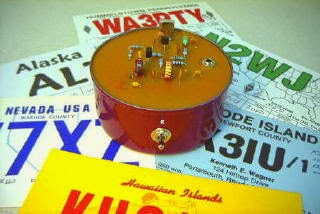
I made many new friends on 7040 that winter and every weekend many of them would listen-in or call to see how my progress was going. The highlight of the adventure was late one Saturday night when I had three New England stations all answer the same CQ ... what amazing fun for a handful of parts at less than $10 ... not including the cost of a can of Tuna!
The little Pixie kit offered above has a power level fully capable of W.A.S. on 40m and with the decrease in solar conditions, 40m will just keep improving. If you purchase and build one of these kits, please let us know how your experience went. The 'interesting' construction notes may be found here.













