JT65-HF is now working!

PSK reporter
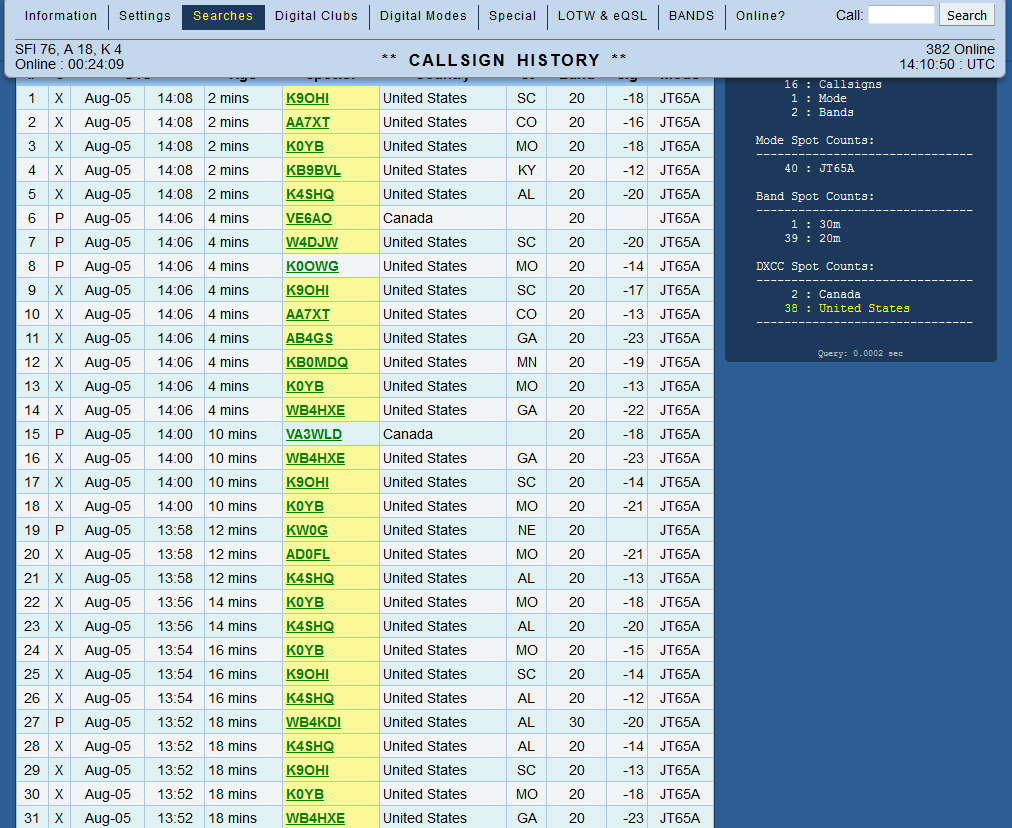
Over the weekend I tried some JT-65 HF again after getting great feedback from my last blog post, I was under the impression I had some JT-65HF hits and in fact it turns out I netted ZERO contacts. The reports I was seeing on PSK reporter were stations I was hearing and  not hearing me! One of those who commented advised me to listen to the signal WSJT-X was sending. It turns out that was one of my problems, the software was not sending out CQ but a solid tuning tone. Seems this was a software issue with WSJT-X if I was to use the "tune" button on the software to see my ALC it would then send the same tone when TX was enabled. The way around this was to just restart WSJT-X and don't use the tune button on the software. There is a bata test software out now version 1.7 and I may download and try it. My results have been much better once this error was corrected.
Ham spots report

JT65-HF is now working!

PSK reporter
Over the weekend I tried some JT-65 HF again after getting great feedback from my last blog post, I was under the impression I had some JT-65HF hits and in fact it turns out I netted ZERO contacts. The reports I was seeing on PSK reporter were stations I was hearing and  not hearing me! One of those who commented advised me to listen to the signal WSJT-X was sending. It turns out that was one of my problems, the software was not sending out CQ but a solid tuning tone. Seems this was a software issue with WSJT-X if I was to use the "tune" button on the software to see my ALC it would then send the same tone when TX was enabled. The way around this was to just restart WSJT-X and don't use the tune button on the software. There is a bata test software out now version 1.7 and I may download and try it. My results have been much better once this error was corrected.
Ham spots report

JT-65 signal reports

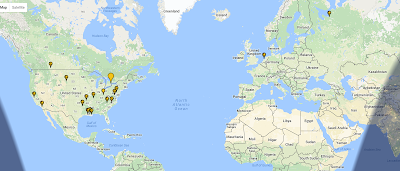
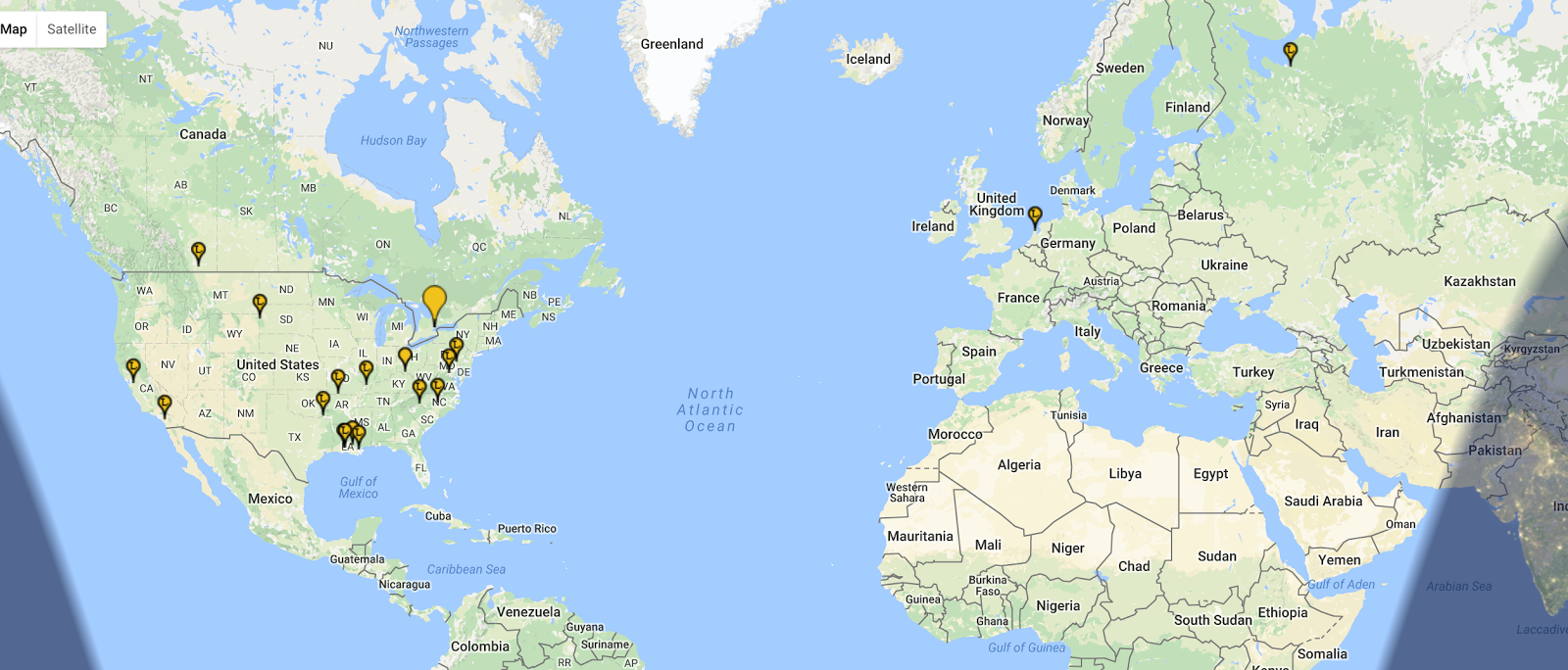
On Sunday I decided to move from CW to digital and see how my small antenna setup preformed using JT-65.  I first made sure the software and the rig would "talk" with each other. The software I use is WSJT-X by K1JT along with Win4K3 suite for rig control. I find K1JT's software very easy to use, it has been some time since I used it but I had no issues getting it up and running. I then went to PSK reporter to see which bands were preforming well. I ended up choosing 20m, I did bounce around to 15m, 17m and 30m but ended up staying with 20m. My power was set to 5 watts and the antenna was my trusty MFJ 1788 loop antenna. I am in a condo on the 6th floor which seems to be a good hight for the antenna. The only issue I have is other tall condo's to the left and right of me and one right dead centre. I had called CQ for about 4 hours off and on and the PSK reporter did show my signal was getting out. I was pleased with the results as with CW the Reverse Beacon network at the best of times only gave me between 3 to 10 hits that were all state side and fairly local to me as well. I was very pleased to be heard in the Netherlands and European Russia! Below is a screen shot of the results using PSK reporter.
 I also wanted to mention that on Saturday I tried to run WSPR and I say "tried" as I had ZERO spots reported and that was after having it up and running for several hours. I was not sure if something was wrong with my setup. I again was using WSJT's program and it showed no issues. My power was set to 1 watt and I ended up raising that to 4 watts but still no one heard my signal. I was pleased to see a decent response to my JT-65 effort and I then knew my signal was getting out.
JT-65 signal reports

On Sunday I decided to move from CW to digital and see how my small antenna setup preformed using JT-65.  I first made sure the software and the rig would "talk" with each other. The software I use is WSJT-X by K1JT along with Win4K3 suite for rig control. I find K1JT's software very easy to use, it has been some time since I used it but I had no issues getting it up and running. I then went to PSK reporter to see which bands were preforming well. I ended up choosing 20m, I did bounce around to 15m, 17m and 30m but ended up staying with 20m. My power was set to 5 watts and the antenna was my trusty MFJ 1788 loop antenna. I am in a condo on the 6th floor which seems to be a good hight for the antenna. The only issue I have is other tall condo's to the left and right of me and one right dead centre. I had called CQ for about 4 hours off and on and the PSK reporter did show my signal was getting out. I was pleased with the results as with CW the Reverse Beacon network at the best of times only gave me between 3 to 10 hits that were all state side and fairly local to me as well. I was very pleased to be heard in the Netherlands and European Russia! Below is a screen shot of the results using PSK reporter.
 I also wanted to mention that on Saturday I tried to run WSPR and I say "tried" as I had ZERO spots reported and that was after having it up and running for several hours. I was not sure if something was wrong with my setup. I again was using WSJT's program and it showed no issues. My power was set to 1 watt and I ended up raising that to 4 watts but still no one heard my signal. I was pleased to see a decent response to my JT-65 effort and I then knew my signal was getting out.
IARU HF World Championship contest
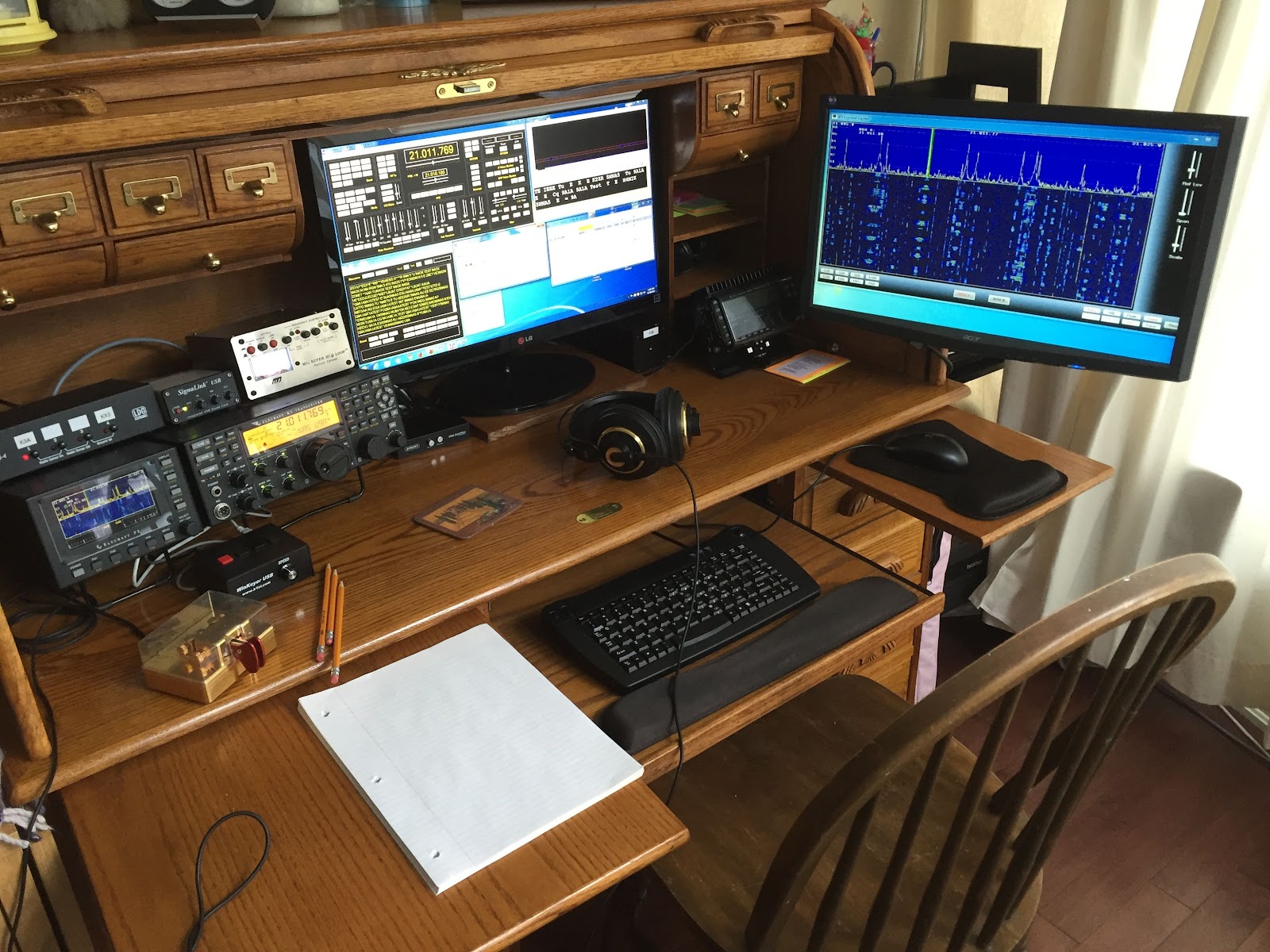
I always enjoy participating in this contest and in years gone past it allowed me add to my DXCC list. This year was a whole other story.......I was only able to contact and hear Canadian and U.S stations only. I came across a VE2 station calling CQ and he sounded like a distant DX station! I was not sure if it was just my station not hearing any Europe stations. I decided to listen in on a few of the big gun U.S station to see who they were contacting. The stations I choose to listen in on were contacting fellow U.S and Canadian stations only.  I made 10 or so contacts all on 20m and with 5 watts QRP.  My station setup was the Elecraft K3, MFJ 1788 loop antenna on the balcony, N1MM+ logging software and Win4K3 Suit rig control software. Also I use MRP40 CW decoding software for the "machine gun" code senders. I found in this contest the top end code speed was in around 35 wpm so no decoding software was needed. I have not been on the radio much as work has been very busy once again. It was nice to sit down and get on the rig again, I knew it had been a long time away from the radio when I wanted to spot a CW station and I had to actually look and look for the spot button on the rig!

IARU HF World Championship contest

I always enjoy participating in this contest and in years gone past it allowed me add to my DXCC list. This year was a whole other story.......I was only able to contact and hear Canadian and U.S stations only. I came across a VE2 station calling CQ and he sounded like a distant DX station! I was not sure if it was just my station not hearing any Europe stations. I decided to listen in on a few of the big gun U.S station to see who they were contacting. The stations I choose to listen in on were contacting fellow U.S and Canadian stations only.  I made 10 or so contacts all on 20m and with 5 watts QRP.  My station setup was the Elecraft K3, MFJ 1788 loop antenna on the balcony, N1MM+ logging software and Win4K3 Suit rig control software. Also I use MRP40 CW decoding software for the "machine gun" code senders. I found in this contest the top end code speed was in around 35 wpm so no decoding software was needed. I have not been on the radio much as work has been very busy once again. It was nice to sit down and get on the rig again, I knew it had been a long time away from the radio when I wanted to spot a CW station and I had to actually look and look for the spot button on the rig!

In the park with 5 watts, KX3 and new Endfed antenna

My outdoor shack 
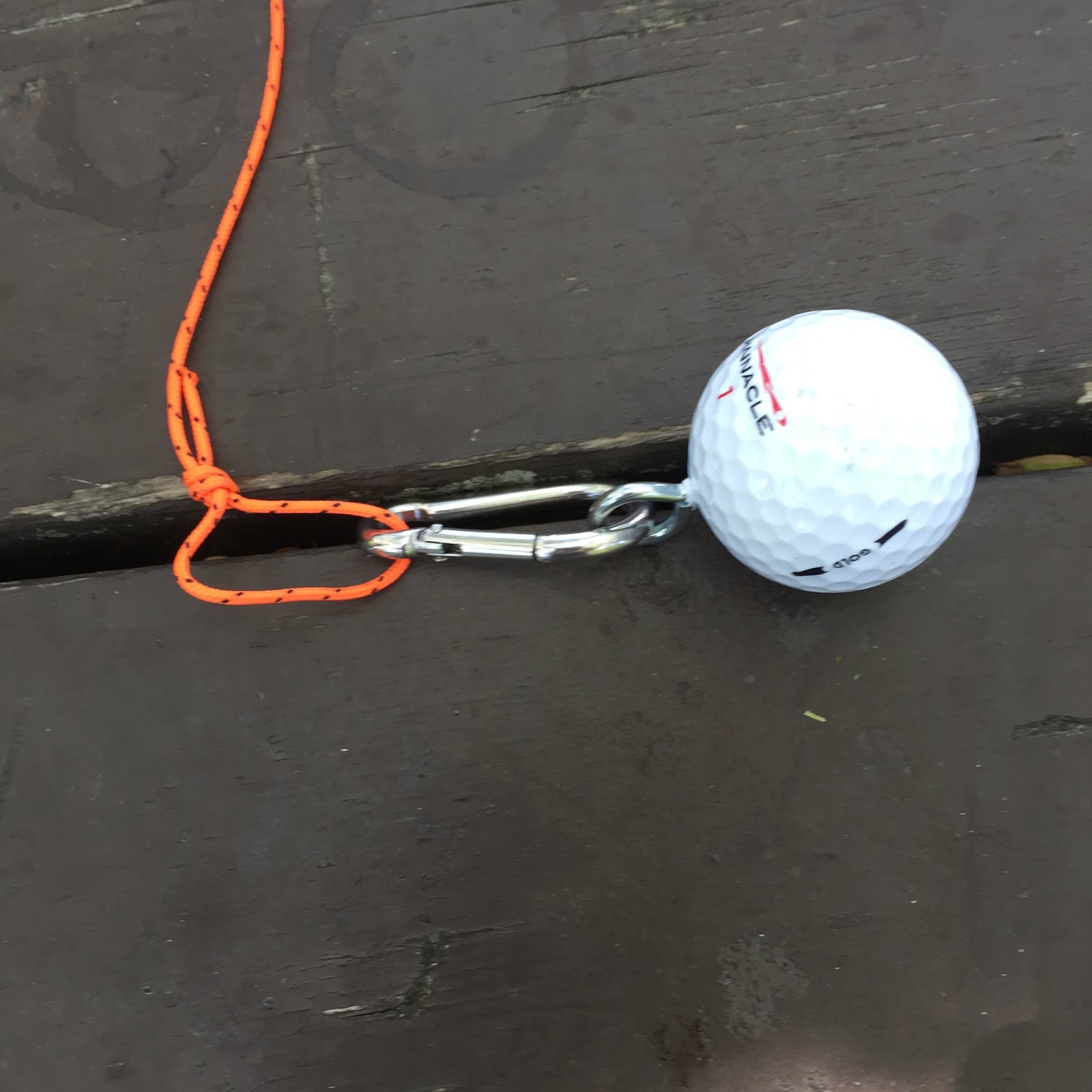
I had this past Thursday off work and it was time to take my KX3 out on the trail again. In my last outing I used mono band whip antenna that was mounted on my bike along with a counterpoise. After giving this setup several tries I came to the conclusion that it was time to look at another setup option. I ordered the Endfed 40-6m antenna and it came in last week and it was now time to give it a go. To get the Endfed 40-6m antenna up on a tree branch I used an idea that was emailed to me by a fellow ham. I purchased some golfballs, closed ended "eye" hooks that are threaded on one end,  carabiners and rope. The "Eye hook is screwed into the golfball, one side of the carabiner is hooked onto the eye  and the rope is loop knotted and the other side of the carabiner is hooked onto the rope loop. I chose to use  a double sided carabiner at both ends of the antenna as it allows me to fast connect and disconnect without playing around with knots. I think using the golf ball is great as it has some
Golfball setup 
weight to it and is smooth on all sides allowing it pass through leaves and not getting hung up on branches. This method worked great for me and I was able to have good control with regards to placing the golfball in the tree right where I wanted it. Once the rope was in the tree I pulled the Endfed antenna up into the tree and got down to working the bands. When using this style of antenna I was informed that an antenna tuner is a must but I wanted to check out the SWR without using my tuner.
10m                    Frequency                    SWR
                           28.020                          3.8
                           28.060                          3.8
15m
                           21.020                          2.9
                           21.060                          2.9
20m
                           14.020                         3.8
                           14.060                         3.8
40m
                           7.020                           8.4
                           7.040                           8.4
The antenna was mounted in a sloper configuration the high end at about 20 feet off the ground and the other end ground mounted. The tuner in the KX3 was able to bring all bands but 40m to a flat match, I was able to get 40m down to 1.5. The bands were very quite but I did spend some time
Anchor point 
calling CQ with the goal of checking the Reverse Beacon Network when I got home to see how my signal faired. I was not heard by any European stations but I was spotted on all bands by stations south of the boarder. The Solar conditions have not been all that great lately so I was very pleased with these results. I plan on heading out again on Saturday morning and this time my plan is to try to get the antenna higher up so a portion of my antenna is not at ground level. Since the weekend is here and I hope the bands will be more busy maybe a contact or two would be nice as well.

Subscribe FREE to AmateurRadio.com's
Amateur Radio Newsletter

 
We never share your e-mail address.


Do you like to write?
Interesting project to share?
Helpful tips and ideas for other hams?

Submit an article and we will review it for publication on AmateurRadio.com!

Have a ham radio product or service?
Consider advertising on our site.

Are you a reporter covering ham radio?
Find ham radio experts for your story.

How to Set Up a Ham Radio Blog
Get started in less than 15 minutes!


  • Matt W1MST, Managing Editor