 |
 Weekend
 14 July 2013 | by
 We arrived home from Lake George yesterday. I went to go pick up Sandy, our cat, from the place where we took her and Jesse to be boarded while we were away. When Sandy got home, she was as upset as I was. She was looking all over the house for her “big brother”.
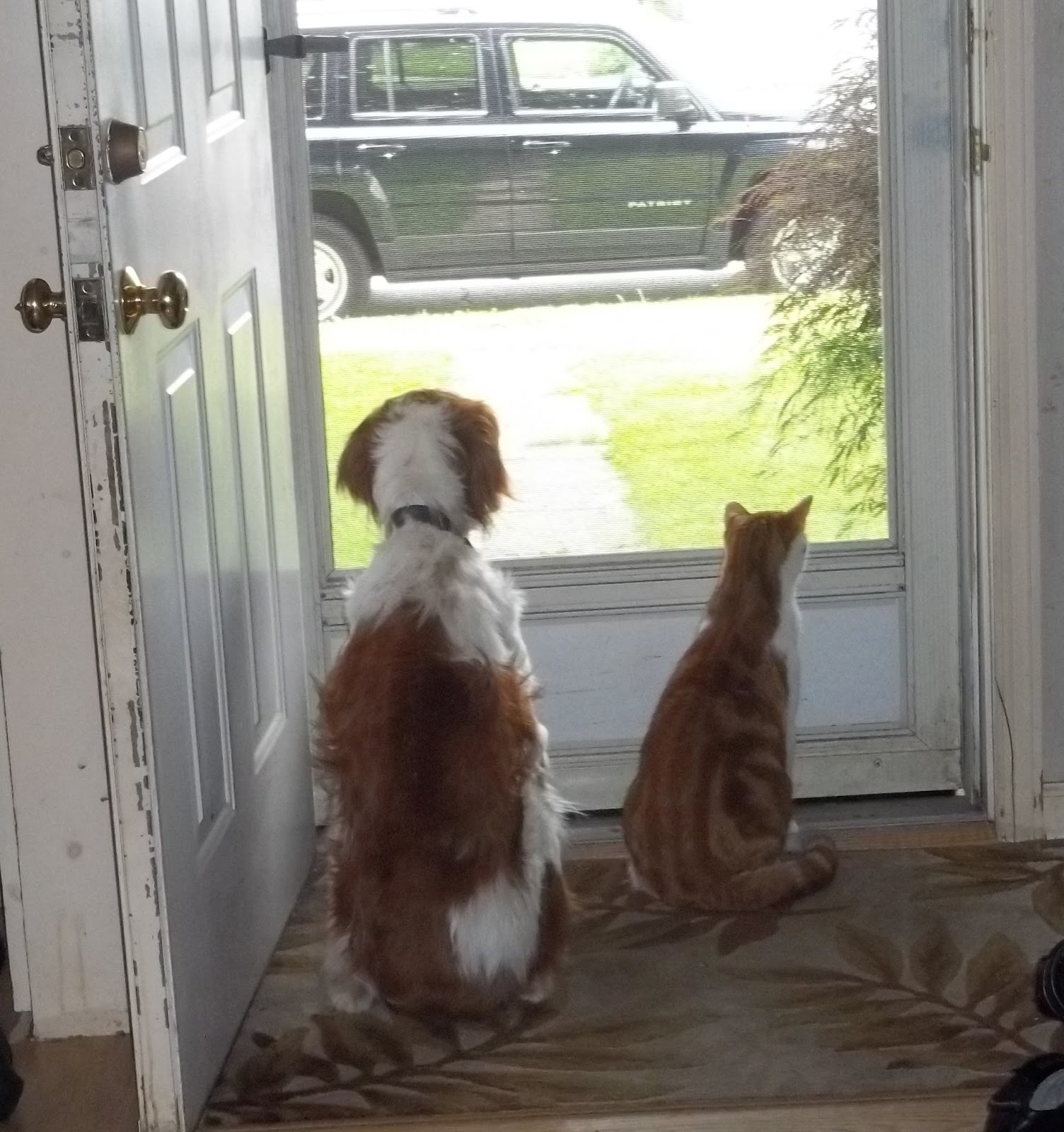
They were real good buddies and it’s quite obvious that I’m not the only one around here who has a bit of a broken heart right now.
The manager of Best Friends came over and explained to me that last Tuesday morning they found Jesse laying on his bed, which wasn’t unusual at all. He was an older dog and was no longer very active. They thought he was asleep and when they tried to wake him, well ……… he didn’t. The manager told me that one of her own dogs did the same thing. He was old and hanging on and hanging on and waited until she and her husband were away to pass. I don’t know if it has any merit or not, but she told me that some dogs do that. It’s like they want to spare their owners the hardship of seeing them pass.
This house is not the same without him, and I am definitely not the same without my pal. The sun just seems to be a little bit dimmer than it used to be. And while I am thinking of Jesse, I’d like to thank all of you who left very kind comments or sent me an e-mail with the same. I appreciate it and thank you so much – you’re all in my prayers.
But life goes on, so even though I really wasn’t in the mood, I decided to go to the Sussex Amateur Radio Club hamfest anyway – to at least take my mind off of Jesse for a while. I got there at 8:30 AM, about a half hour after the doors officially opened. I got there to a double line of cars, backed up, paying admission and waiting to get in. When was the last time you saw THAT at a hamfest that isn’t Dayton or one of the other true “biggies”?
It was sunny and hot and humid! I was sweating just walking around at a leisurely pace. I ran into Don W2JEK who I have worked so many times in various QRP Sprints. I walked up to the table where he was selling stuff and shook his hand and said “Hello”. You could tell he was taken aback for half a split second until he noticed my call sign on my cap. We talked for a bit and then I continued to meander around.
I noticed a lot of QRP stuff on the tables. There were at least two HW-8s and one HW-7 that I saw. There were at least two of the Chinese/TenTec HB-1As and there were several MFJ QRP rigs for sale. I will take it as a good sign for QRP, that when I made my last pass of the tables, all the QRP equipment seemed to have been sold and in the hands of eager, new users.
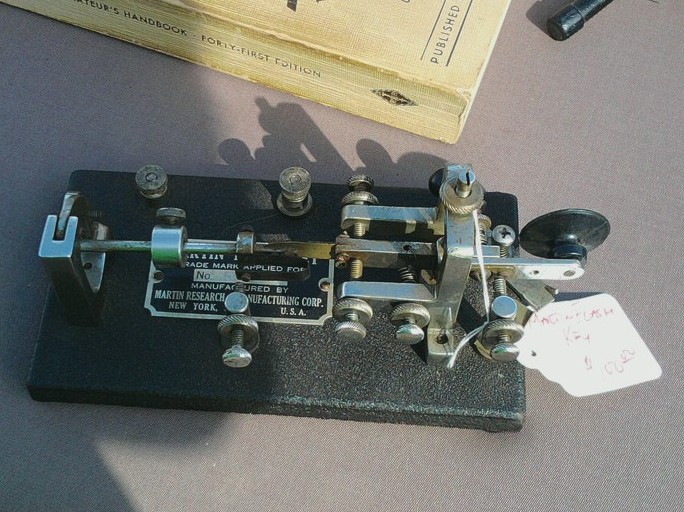
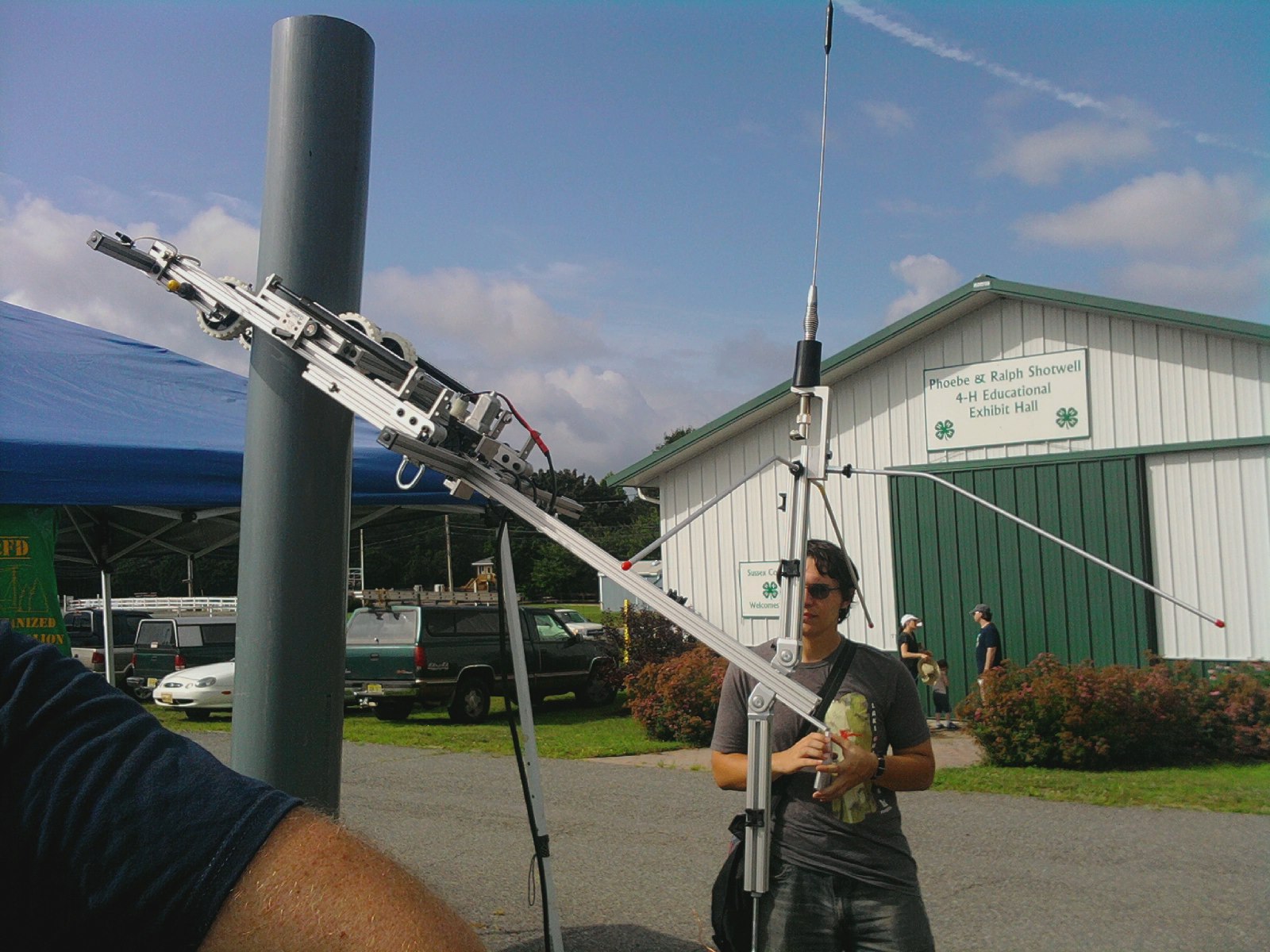
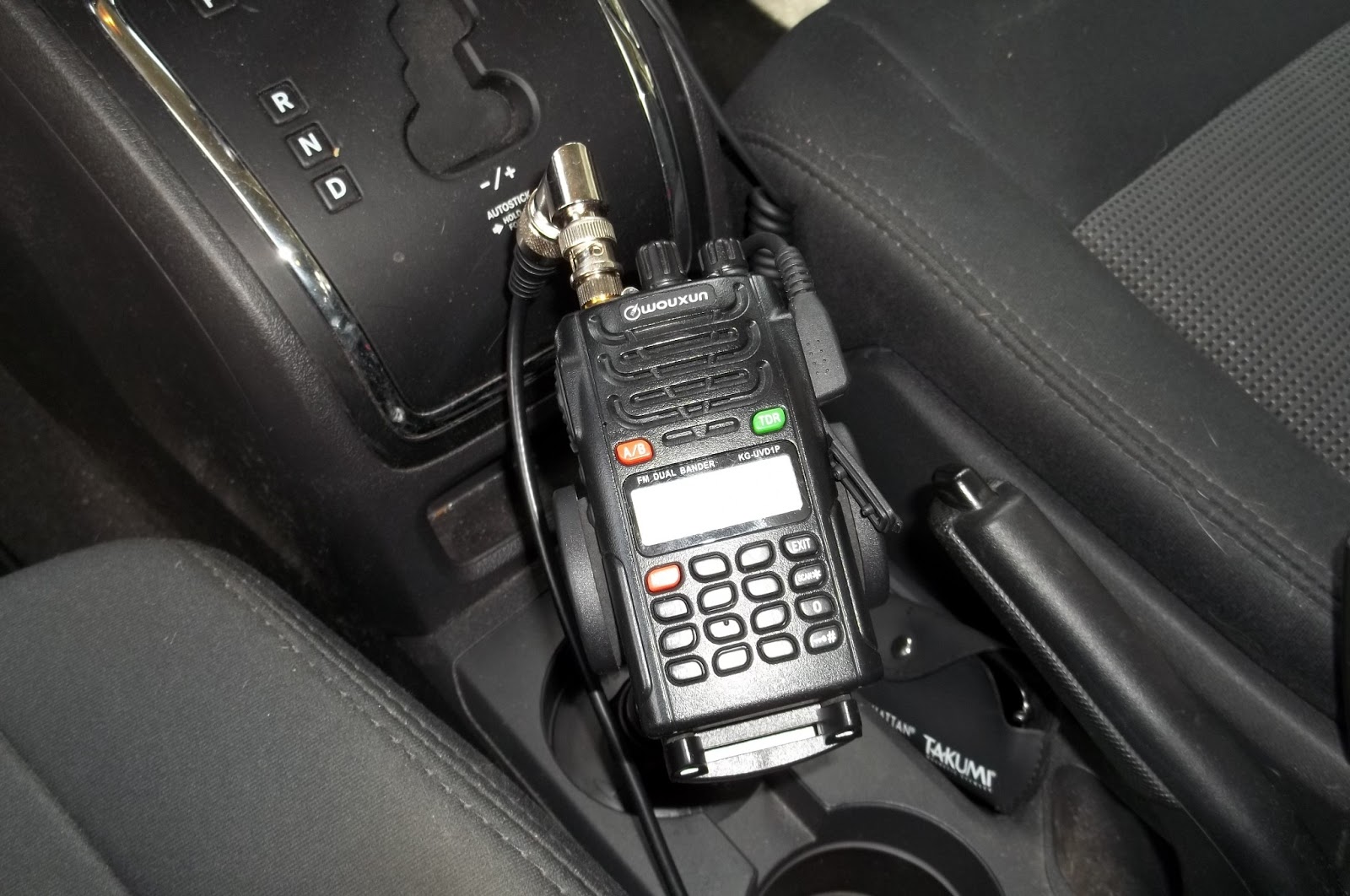
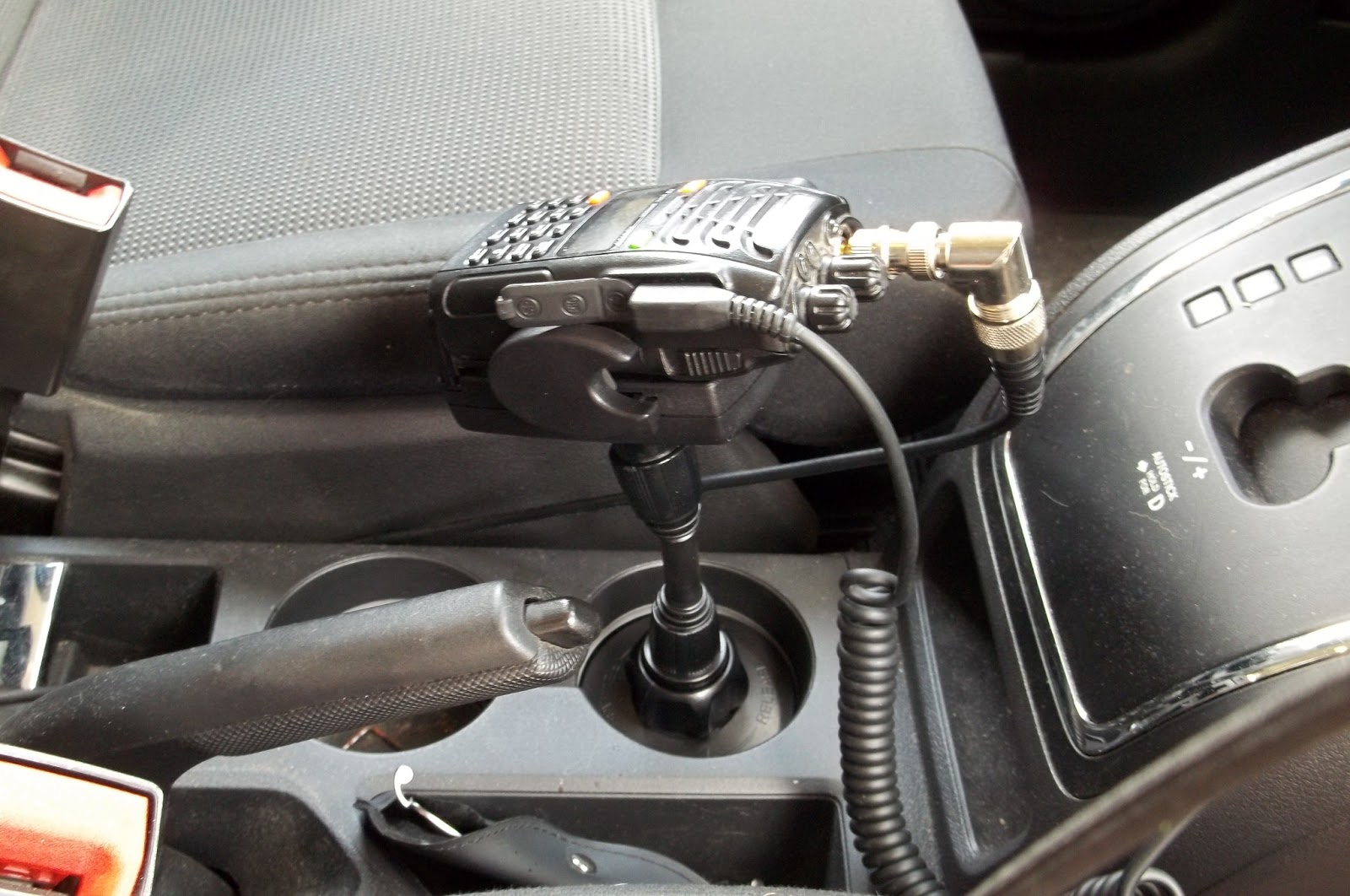
There was lots of other interesting stuff, too, including this:
Larry Makoski, W2LJ, is a regular contributor to AmateurRadio.com and writes from New Jersey, USA. Contact him at [email protected].
DX #88 HH5/KC0W
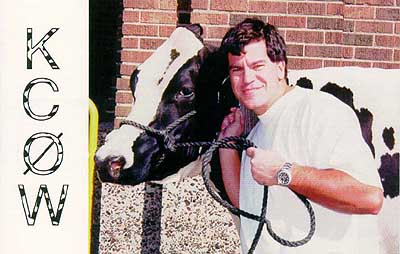
It took me several times to find the correct “split” but I was able to work another new DX country this evening. I put HH5/KC0W in the log book operating from the island of Haiti in the Caribbean.
This station marks my 88th DX entity.
I’ve made very little entries on the blog in the last few weeks. My back continues to improve and I find myself spending as much time outside as possible. Lot’s of other stuff happening too, so the entries may be a little sparse in the near future. It feels really good to move around again. It seems I’ve dodged the bullet once more concerning surgery.
John Smithson, Jr., N8ZYA, is a regular contributor to AmateurRadio.com and writes from West Virginia, USA. Contact him at [email protected].
AmateurLogic.TV 56: Field Day at Johnson Space Center

AmateurLogic.TV Episode 56 is now available for download.
George visits the NASA Johnson Space Center Amateur Radio Club and Clear Lake Texas ARC for field day. Tommy drops by the JARC. Peter searches for comets. And Tommy shows us how to set up a DVAP for D-Star.
Viewer mail, comments, a little comedy, and a special show announcement.
1:02:44 Out of this world adventure.
View in web browser: YouTube
Editors Note: There is a typo on the title of the Johnson Space Center segment. George was talking with John. John does not own a space center.
George Thomas, W5JDX, is co-host of AmateurLogic.TV, an original amateur radio video program hosted by George Thomas (W5JDX), Tommy Martin (N5ZNO), Peter Berrett (VK3PB), and Emile Diodene (KE5QKR). Contact him at [email protected].
IARU contest in the books
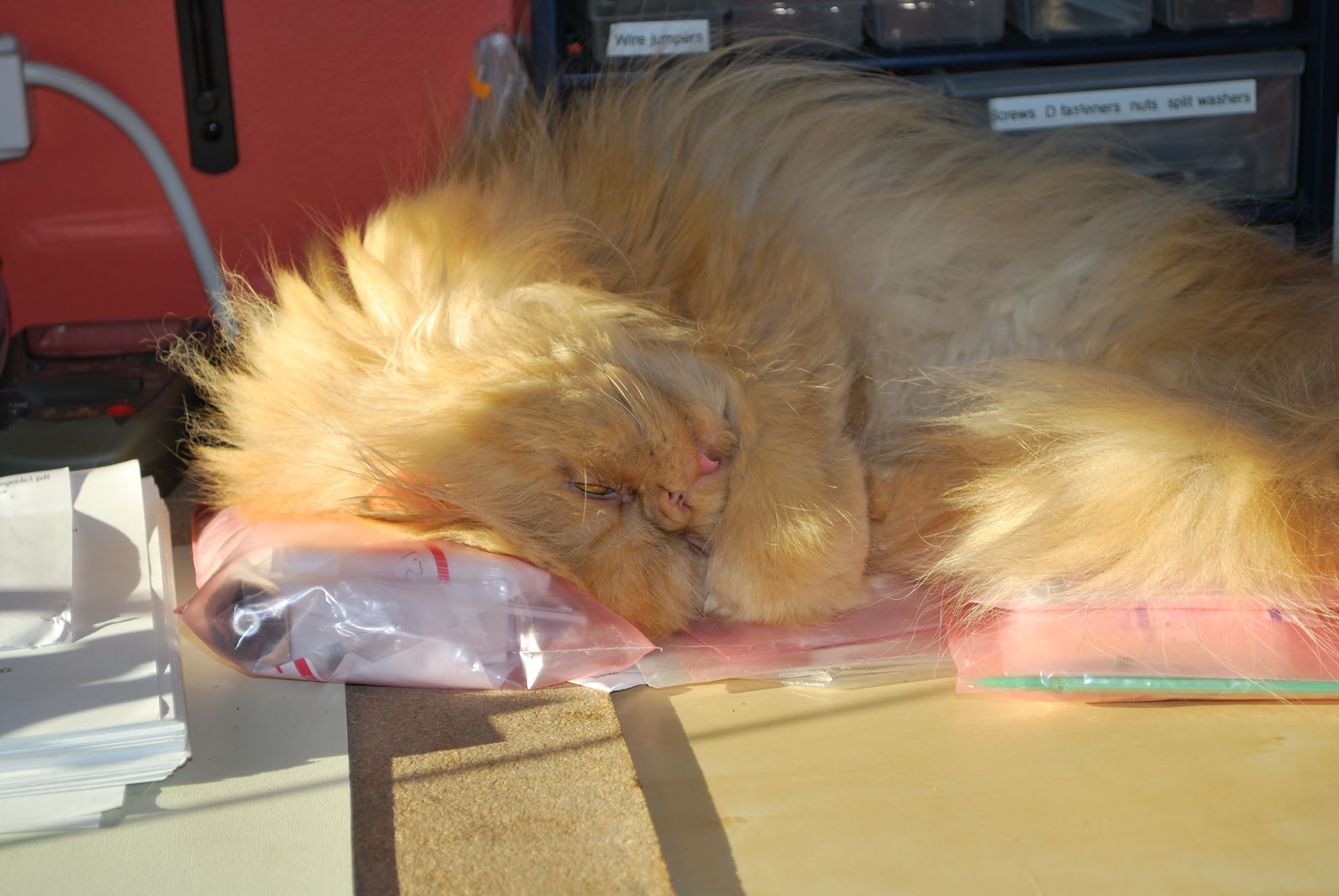 |
| I told Oliver (A.K.A RF) sleep is for after the contest |
I found the bands during Saturday morning and afternoon were really only open to the U.S. There was very occasional openings on 10m and 15m. It seemed 20m was the way to go and I found myself just checking 10 and 15m now and then . I did have what I considered a DX contact during the afternoon which was Mexico! Pretty sad for that being my early afternoon DX!!
The solar conditions were not to bad considering how the last few weeks had gone for solar flares and high K index's. As the afternoon wore on 20m started to have opening to Europe and South America. But again with only 5 watts it was a challenge. As the evening rolled around 40m was busy with lots of action. Europe was booming in but for some reason I have always had it tough on 40m. I am not sure why but the U.S has never been a problem but getting over the pond has been frustrating. Having said that I did make it into Germany, England, France and Italy. I was very surprised but did have to make many repeats and I got the feeling I was just making it over there.
My score is as follows.
144 contacts
23 HQ stations
21 ITU's
Overall I had a blast and again am looking forward to it again next year.
Mike Weir, VE9KK, is a regular contributor to AmateurRadio.com and writes from New Brunswick, Canada. Contact him at [email protected].
Receiving SO-50 satellite signals on the UV-5R and NA771 antenna
During the week, I noticed that there were some good, overhead SO-50 passes in the evenings. The weather has been so good we have often been out in the garden later on. It’s been very simple, therefore to take the UV-5R and the NA771 antenna out into the garden and have a listen for the SO-50 satellite as it passes over.
Results have been good, with a number of stations received, including ES6DO, DG0BBE, DL9ZAD (who almost heard me!) and OM0AD. I am sure it will be possible to make a QSO when the conditions are right.
The FT817 and Elk gives much better results, but of course, the advantage of the UV-5R/NA-771 combo is that it is available very quickly and does not require any setting up!
Tim Kirby, G4VXE, is a regular contributor to AmateurRadio.com and writes from Oxfordshire, England. Contact him at [email protected].
Series Six Episode Fourteen – Friedrichshafen Amateur / Ham Radio Show
Series Six Episode Fourteen of the ICQ Amateur / Ham Radio Podcast has been released. The latest news and Ed Durrant (VK2JI) reports from the Amateur / Ham Radio Show - Friedrichshafen.
- UK Radio Ham plans Lunar CubeSat
- 915-921 MHz to be licence exempt in UK
- Olivier ON4EI back in Ireland
- Australian SKI DXepedition
- British Railways Amateur Radio Society GX4LMR
- Air waves are affecting the Airways
- 15-year-old develops body heat powered flashlight
- The CCXD Award - the ultimate award

Colin Butler, M6BOY, is the host of the ICQ Podcast, a weekly radio show about Amateur Radio. Contact him at [email protected].
Repeater work on Sandia Crest
I had the opportunity of a lifetime to traverse through the nation’s most RF dense mountaintop towersite, and possibly reduce my chances of having children by a large amount…in any case, today’s work was bucket loads of fun.
 |
| Towers lining the crest. [Wikimedia user Skoch3, Photo] |
The work at the site was simple — some regular maintenance to the W5MPZ D-STAR repeater and gateway.
So, I got up early and headed off to Ed’s (KA8JMW) place to pick up the caravan to the peak. We packed the truck with some server rack shelves and tools, and headed to pick up Brian (N5ZGT), then Chris (NB5T).
And then, the 10,768 ft (3,255m) summit.
The road was blocked by the Forest Service since the park was closed due to fire danger. Thanks to some prior planning, we had no trouble getting past.
And not two turns in to the curvy mountain road, we meet our first deer, head on. Thanks to Ed’s quick foot on the break (maybe he was practicing for QLF?) the deer zipped across the road, perhaps only with a bruised tail.
We were warned that with the lack of humans, nature tends to take over a bit
The one thing I though of going up the road is, what if you had this road all to yourself (like we did then) with a nice, fast rally car?
I think deer would have a problem with that.
Anyway, we got to the top, and met the first obstacle:

Chris dispatched the lock on the well-signed gate and we were in. At that point, we had entered the danger zone; the steel forest. With at least 26 FM stations, almost half being over 20 kilowatts, 33 TV stations, more than half over 100 kW, and an uncountable number of microwave dishes, log periodics, yagis, verticals, radomes, funny looking phased arrays and dipoles supported on dozens of massive towers, I swear I could hear KOB in my teeth.


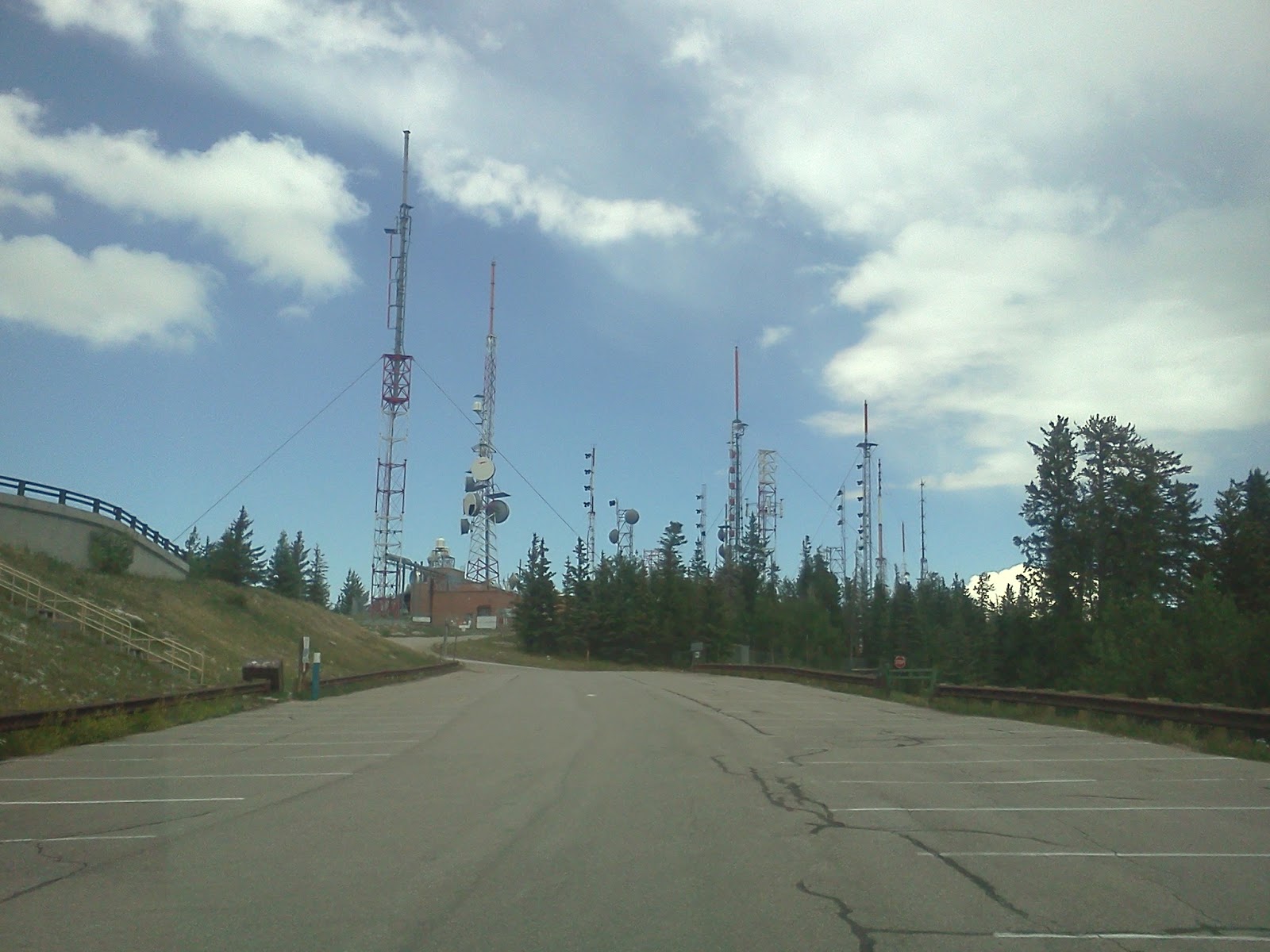
After driving through the entire site, we arrived at our final destination: the Sandia Nat’l Lab’s personal radio playhouse.

The guys began working on equipment, while I snapped photos and gazed in awe of the city of Albuquerque all within my field of view.
 |
| Chris, Ed, and Brian “working.” |

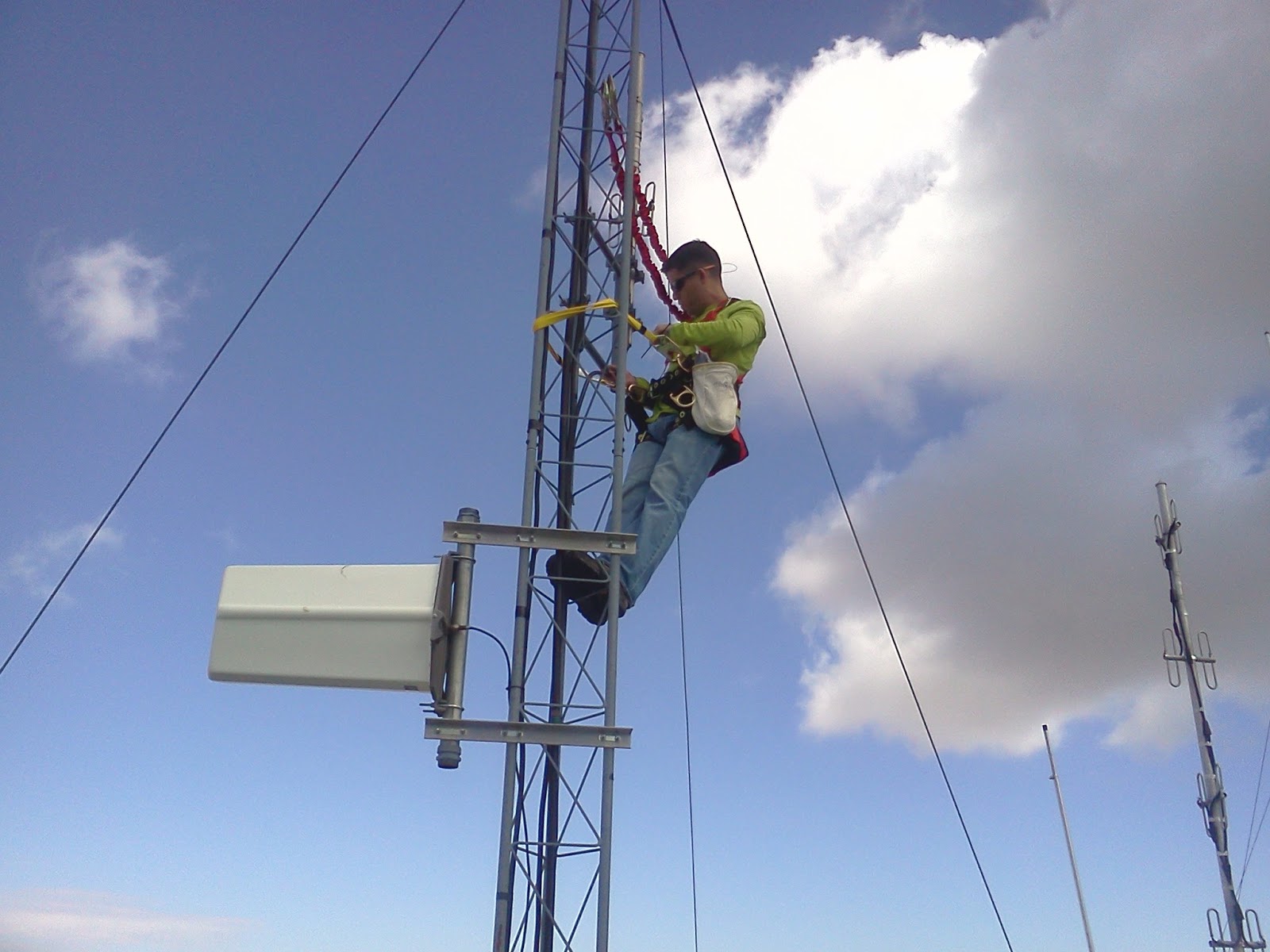
Brian took the job of tightening the D-STAR antenna, which he did adamantly, without falling, thanks to his fancy harness. It’s funny how dinky that antenna seems, but being over 3,000 ft ( 914m) above the rest of the world, it can see almost 100 radio miles (150km). With my 40w mobile radio, it comes in full signal in Socorro, NM, 75 miles (50km) away.
The team was successful of getting things done, cleaning up the shelves of an obtrusive monitor, keyboard and mouse (by going SSH only) and installing a NetIO internet-controlled AC power killswitch.
 |
| Before… |
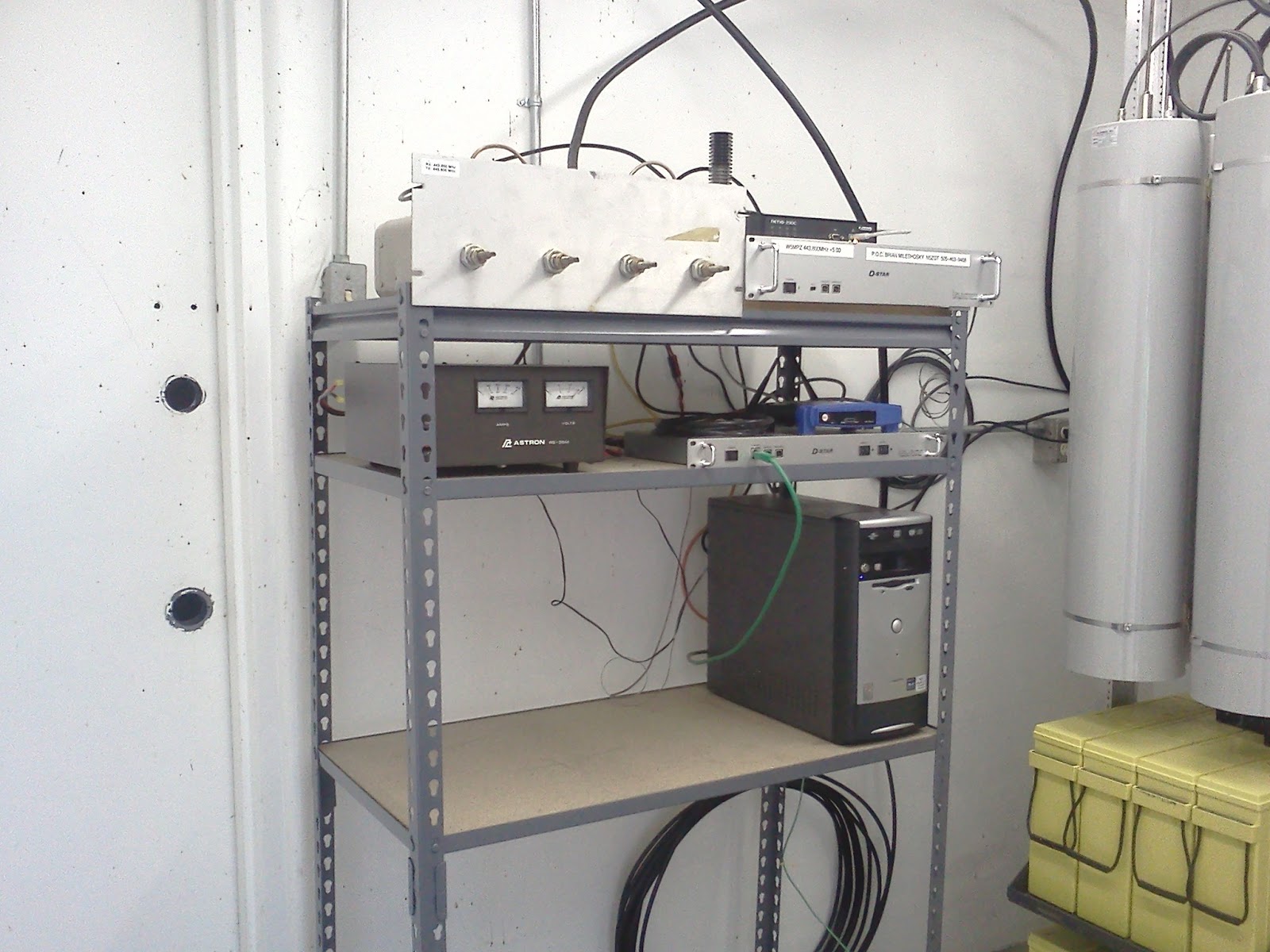 |
| After. Notice the new black box on the top right. That controls power for the whole thing via the web. |
The work was complete right on the dong of noon, and we had ribs for lunch. YUM! After that, Chris’s wife treated us to some homemade ice cream at his place, and we toured his shack, nestled on the edge of a HOA-restricted subdivision. That doesn’t stop him from loving ham radio!
Next on the list is to move this stuff to its permanent home on server racks. Sadly, I won’t be here, with only two weeks left in my VLA internship. I don’t wanna leave! 🙁
I would like to thank Ed James KA8JMW, Chris Aas NB5T and last but not least, Brian Mileshosky N5ZGT for taking me on this mighty heighty outing. Perfect timing for knocking another thing off my New Mexico to-do list.
The only part I forgot on that list was to bring a spectrum analyzer up there. It would have probably blown up in my hands.
 |
| Me, Ed, Chris and Brian on the edge of the crest. |
Sterling Coffey, NØSSC, is a regular contributor to AmateurRadio.com. He is ARRL Youth Editor and an electrical engineering student at Missouri S&T. Contact him at [email protected].
 Ham Radio Deluxe |
 W5SWL Electronics |
 Ham Radio Prep |
 KB3IFH QSL Cards  Hip Ham Shirts  HamRadioAuctions HamRadioAuctions Reliance Antennas Reliance Antennas Enigma Shop Enigma Shop |  morseDX  Ni4L Antennas  R&L Electronics R&L Electronics antennas.us antennas.us QRV QRV |
- Matt W1MST, Managing Editor
