 |
 New release of WSJT-X (February 2014)
 3 February 2014 | by
 I wondered why there had been so many hits on an old WSJT-X post over the last week. I guess you were all looking for a new version.
The good news is that it is available on K1JT’s WSJT-X page now.
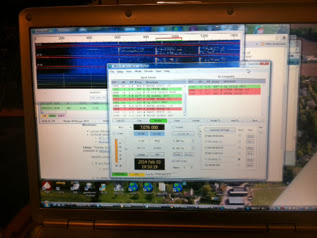
I’ve downloaded it this evening and had a quick 7MHz JT65A QSO with CT3IB and everything seems well. I can’t see any huge differences so far, so guess it is a maintenance release, fixing any issues that the team have become aware of.
I’m looking forward to when some of the other WSJT modes are included in the new WSJT-X interface, as hinted at on Joe’s site.
Tim Kirby, G4VXE, is a regular contributor to AmateurRadio.com and writes from Oxfordshire, England. Contact him at [email protected].
FUNCube-1 a thank you received from space!
What seems to have been the issue is a reduced quality of received signal. Operators with higher gain, optimised antennas appear not to have seen problems. Why there has been such a fall off isn't clear, the power output of FUNCube-1 hasn't altered and appears not to be tumbling.
The FUNCube team have now released a new version of the Dashboard Software. Version 820 can be downloaded from http://funcube.org.uk/working-documents/funcube-telemetry-dashboard/ The major change in Version v820 centres on improved decoding routines which give better results, especially with weak signals at low elevations and simpler antennas.
I have been running this now for several days and can confirm it is much better, as promised low elevation passes now get successful decodes and night time passes when the telemetry is on low power get successful decodes something I wasn't getting before.
Now I have the shack sorted I have set up a dedicated receiver using the original FUNCube Dongle using the X-30 white stick collinear and this has been pulling in decodes nicely.
This morning I had surpassed the 2000 telemetry decodes milestone, as can be seen on the rankings page.
Another nice result over the weekend was seeing my callsign in one of the FITTER messages
Rx'd my callsign in the 'Thank You' Fitter messages from FUNCube-1 over the weekend, nice touch! pic.twitter.com/MvJt8p6tVUIt is a nice touch that the FUNCube-1 have started acknowledging the receivers, hopefully with the improved software there will be more participants.
— Andrew Garratt M6GTG (@nerdsville) February 3, 2014
The next stage for me? Well must sort out trying to have a QSO via FUNCube-1 and the other satellites..
Andrew Garratt, MØNRD, is a regular contributor to AmateurRadio.com and writes from East Midlands, England. Contact him at [email protected].
QRP Go pack. Again.
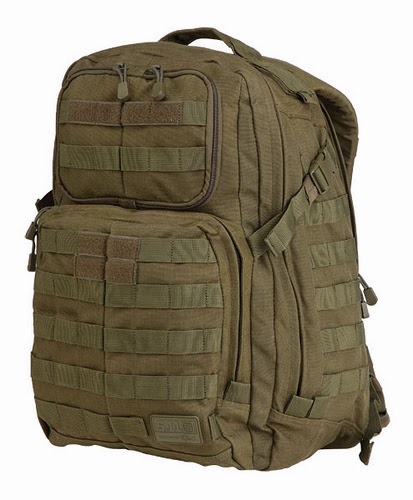
It’s a constant theme on this blog – the frequent updates of my QRP go Pack. Well I’ve reached a point where I think I’m happy with the current configuration. My pack differs to many I’ve seen on YouTube. I include more than just the radio equipment. I also include some basic tools and items that make for a comfortable set up when I’m out portable. The ability to make a wind break, or even a shelter and also to be able to have a warm drink means that in actual fact I can stay out portable for quite some considerable time.
Have a look at my latest configuration of my pack. This I have decided is the autumn winter configuration. I have already started thinking about what I would remove and add for a summertime set up.
Dan Trudgian, MØTGN, is a regular contributor to AmateurRadio.com and writes from Wiltshire, England. He's a radio nut, IT guru, general good guy and an all round good egg. Contact him him here.
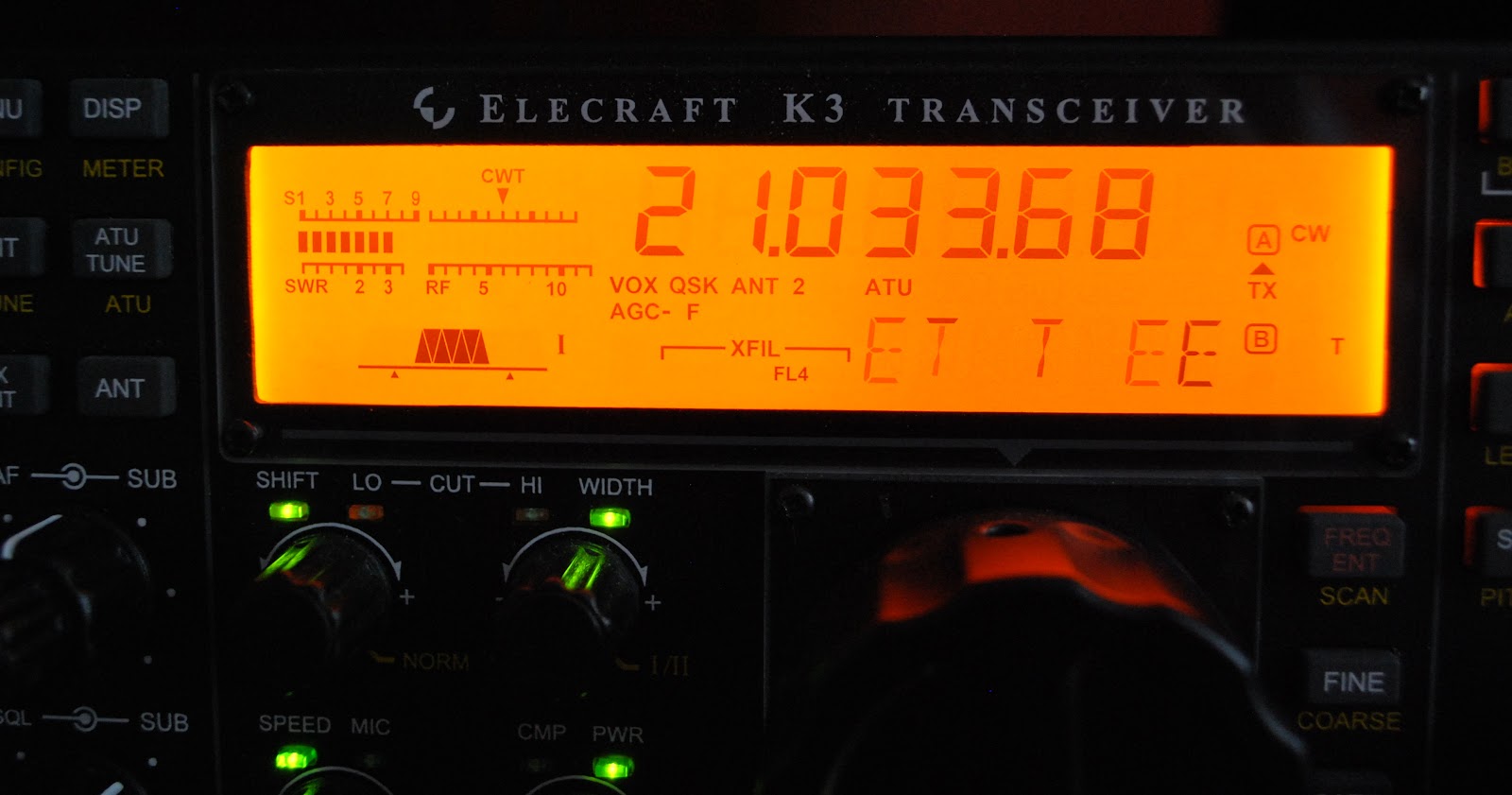
MFJ 1788 loop contacts
Mike Weir, VE9KK, is a regular contributor to AmateurRadio.com and writes from New Brunswick, Canada. Contact him at [email protected].
DSTAR: ON8JL’s Babystar and – the chickens speak with South Korea
In the course of my reading around about DMR yesterday, I came across some interesting DSTAR developments that I had missed.
ON8JL has an interesting range of standalone gateways, the Dadystar and the Babystar. The Babystar, in particular, looks like an alternative to the DVAP/Raspberry Pi gateway. It retails around EUR280 and comprises of a standalone unit with a 430MHz 10mW transmitter, receiver and Ethernet interface.
You can plug the Babystar into your internet router and use your 70cms DSTAR handheld to access the DSTAR network. It looks like you can program the necessary settings into the Babystar by means of a web interface hosted on the device.
See ON8JL’s webpage about the Babystar device
See MM0DUN’s page on using the Babystar
Meanwhile here, it was a more pleasant February morning, so I was able to get out into the garden for some chores this morning, taking the IC-E92 handheld. I’d just completed cleaning out the henhouse when Joe HL5KY put a call out on REF001C
I gave Joe a call and we had a very pleasant chat, and the chickens made their voices heard in South Korea!
Tim Kirby, G4VXE, is a regular contributor to AmateurRadio.com and writes from Oxfordshire, England. Contact him at [email protected].
DMR talk – and a great blog (Grapevine Ham Radio)
I keep an eye on e-Bay, of course, and had seen the Kirisun units around. These, it seems, are DPMR, using FDMA and whilst are no doubt very interesting to try out, they won’t get you anywhere down the DMR route.
A DMR handheld that won’t break the bank is the Connect Systems CS700 which is retailing in the US at around USD180. There’s a really nice writeup over at the Grapevine Ham Radio blog. Incidentally, I can’t believe I have missed Jason’s blog up until now. There’s lots of great stuff there. And to make it even more embarrassing, he kindly includes a link to my blog on his site. Sorry, Jason – this will be fixed! Hans, PD0AC also carries an interesting item about the CS-700 on his blog.
It will be interesting to see if or how the talk develops and whether DMR makes any sort of impression in terms of on-air activity over the next few months
Tim Kirby, G4VXE, is a regular contributor to AmateurRadio.com and writes from Oxfordshire, England. Contact him at [email protected].
FYBO 2014
I didn’t have a whole lot of time to spend, so I did FYBO “down and dirty” this year. I operated for about an hour from my driveway using the same setup that I use from the parking lot at work – the KX3 with the Buddistick mounted on top of the Jeep. It seems to work fine for me there, so I figured “What the heck”.
I stayed on 20 Meters the whole time and made about 8 or so contacts, and called CQ a lot! Among others, I QSOed with Steve K4JPN, Jim N0UR, Dave AB9CA and Greg N4KGL. Not really an FYBO QSO, but by far the best DX was with Guru EA2IF, who is located in Navarra, which is in the western part of Spain in the Pyrenees. Guru, who was also QRP was using a 3 element Yagi. Obviously his altitude and his antenna made the big difference. I gave him 559 and got the same in return.
My reported temperature was 45F. I was a bit surprised when Jim N0UR sent me a 55F from Minnesota. I was not surprised at all that the QSOs from the South were all in the 60s and 70s. Even though it felt chilly after a while, on the whole it sure felt warmer than it has in weeks. This looks to be a brief respite only, as we are being told that there’s a chance for more snow on Monday.
Later on this evening, I was able to hear FT5ZM on 30 Meters, the best that I have heard them so far. They were 559 and the QSB was bad. But they were readable. In fact, I heard them work fellow Fox hunter, Steve WX2S. Unfortunately, I was not able to break the pileup ….yet. But I will get there!
72 de Larry W2LJ
QRP – When you care to send the very least.
Larry Makoski, W2LJ, is a regular contributor to AmateurRadio.com and writes from New Jersey, USA. Contact him at [email protected].
 Ham Radio Deluxe |
 W5SWL Electronics |
 Ham Radio Prep |
 KB3IFH QSL Cards  Hip Ham Shirts  HamRadioAuctions HamRadioAuctions Reliance Antennas Reliance Antennas Enigma Shop Enigma Shop |  morseDX  Ni4L Antennas  R&L Electronics R&L Electronics antennas.us antennas.us QRV QRV |
- Matt W1MST, Managing Editor
