 |
 Ostrich
 5 May 2014 | by
 Not much special going on lately. Worked some SKCC members, spent some time on 6 meters and worked my first station over 3000 km there. My weather station always seems to be in need of repair and my website’s CMS needed upgrading. Oh yes, there is the daytime job, too. Busy, busy, busy.
But, my wife was so nice to bring me a 2.6 meter telescopic whip from one of her trips to China. And so, last Saturday afternoon, while my little girl was horseback riding, I took the KX3 and MP1 with the new whip for a spin. The longer whip proved okay, although now the loading coil is much too large. Without the coil the whip needs to be shortened to be resonant on 12 meters and lower. I made four QSOs: HL0HQ (the KARL HQ station), JD1BLY (from Ogasawara), 7M2ALZ and JL1NMB. The resident ostrich took interest in my setup and decided the counterpoise set was a nice toy to play with and so he took it from me. Who said QRP is not dangerous? Power levels may be low, but those beaks do have a lot of force in them.

A curious ostrich interested in my counterpoise set.
Hans "Fong" van den Boogert, BX2ABT, is a regular contributor to AmateurRadio.com and writes from Taiwan. Contact him at [email protected].
Water + PL-259 = no radio for the day!
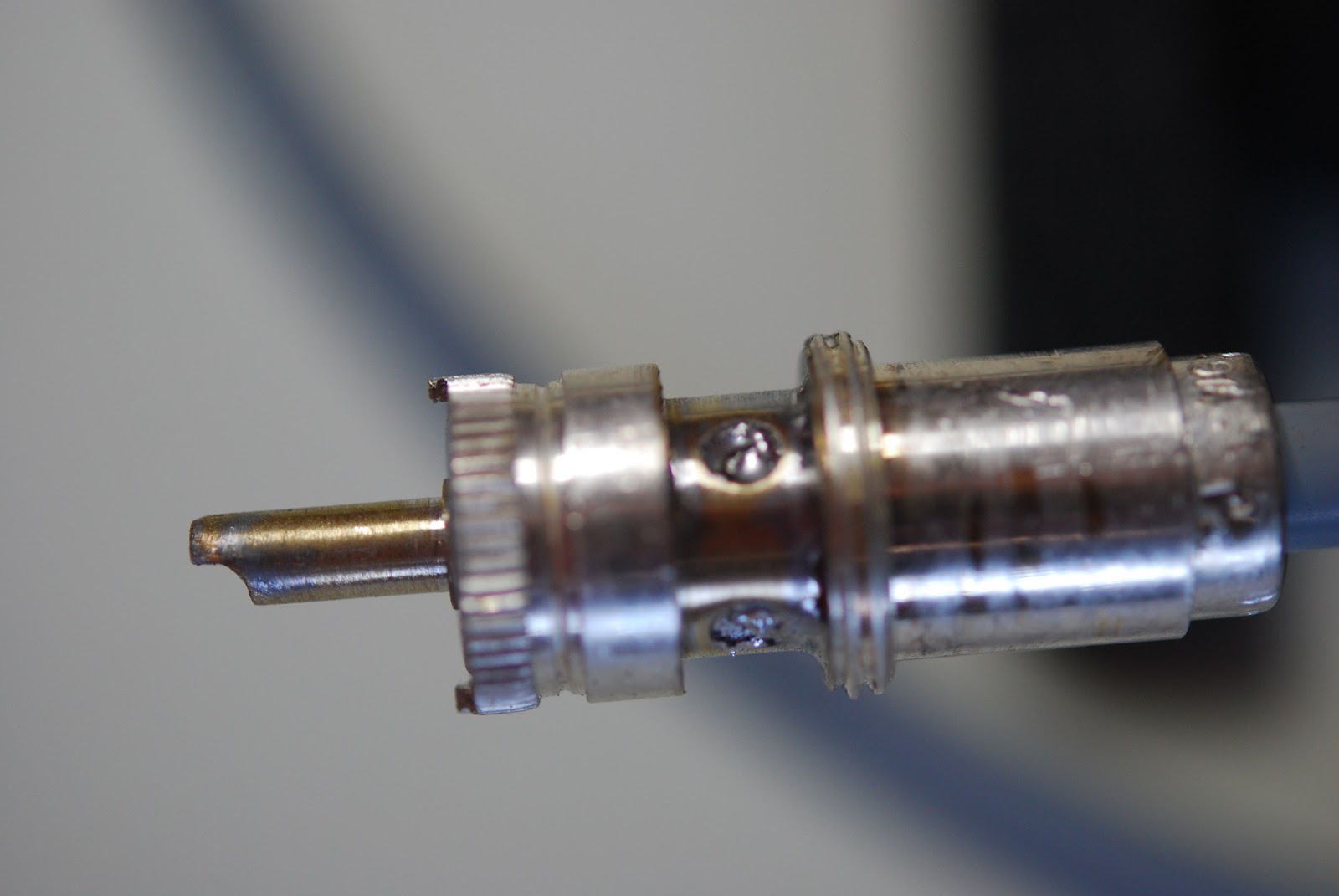 |
| The waterlogged PL-259 |
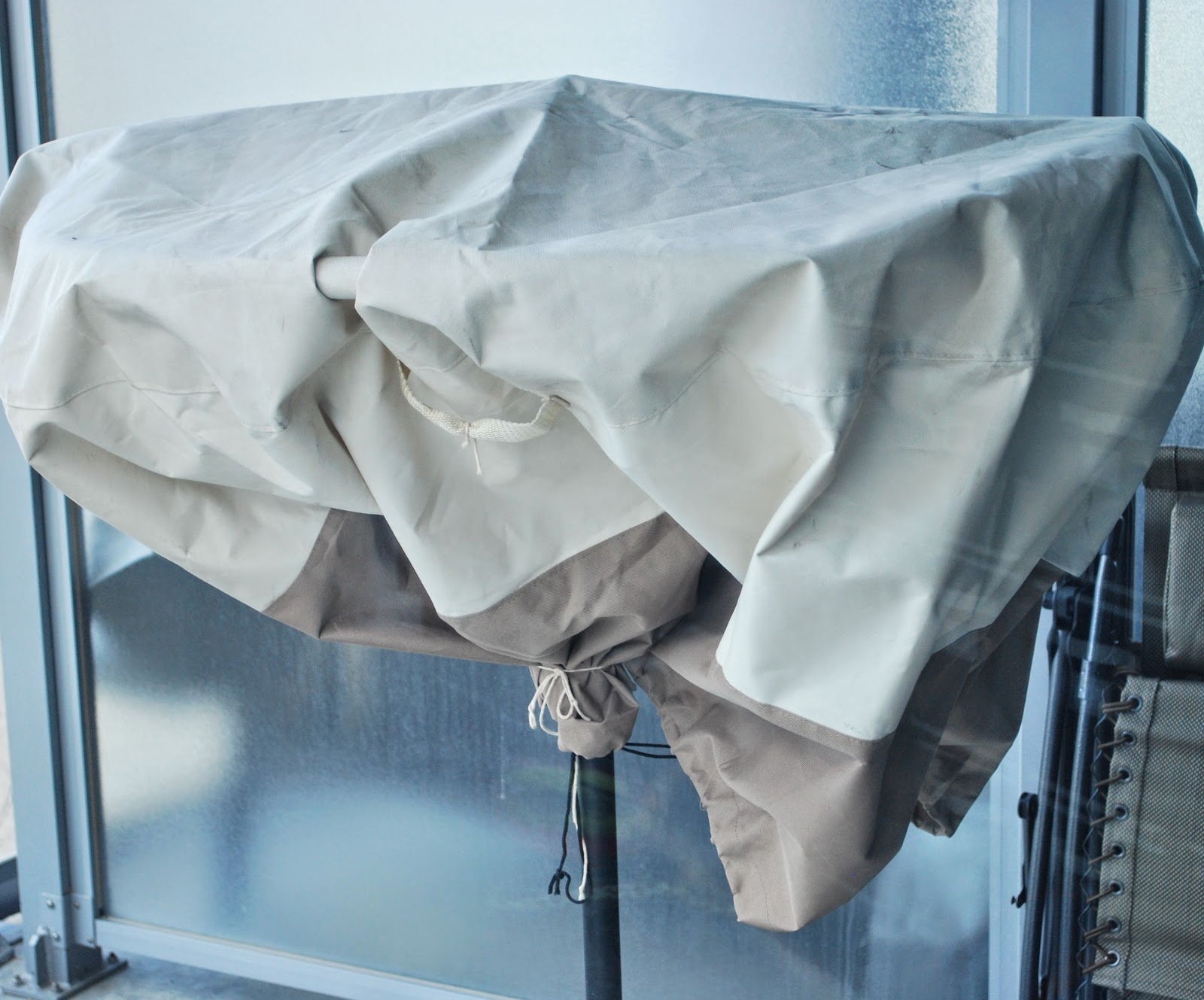 |
| A shot of the balcony antenna open for suggestions. |
Mike Weir, VE9KK, is a regular contributor to AmateurRadio.com and writes from New Brunswick, Canada. Contact him at [email protected].
Arrowhead Radio Amateur Club Swapfest
Took a drive down to Superior WI yesterday May 3rd to take part in the A.R.A.C. Swapfest in Superior Wisconsin. Got up at 5 am, picked up Wayne VA3WRL and Clarence VE3WCW and we proceeded for our 3.5 hour tour down the lake-shore. Stopped in Two Harbors for breakfast before heading into Duluth MN and then over the bridge to Superior. Had rain/drizzle from Thunder Bay to Two Harbors but was sunny after that. Arrived at the fairgrounds on Tower Ave. and went into the building to see what was on the tables for grabs. Lots of vintage radio gear, computer parts, hand helds, coax and almost anything that folks have been collecting in their garages that they wanted to get rid was there. There were having hourly draws as well for prizes. Had a chance to talk with lots of the folks that I have not seen in a while and the Thunder bay group had a good showing at the swapfest as well.


73 Fred VE3FAL
Thunder Bay, Ontario
Fred Lesnick, VE3FAL, is a regular contributor to AmateurRadio.com and writes from Thunder Bay Ontario, Canada. Contact him at [email protected].
MQ26-SR. 2 years on.
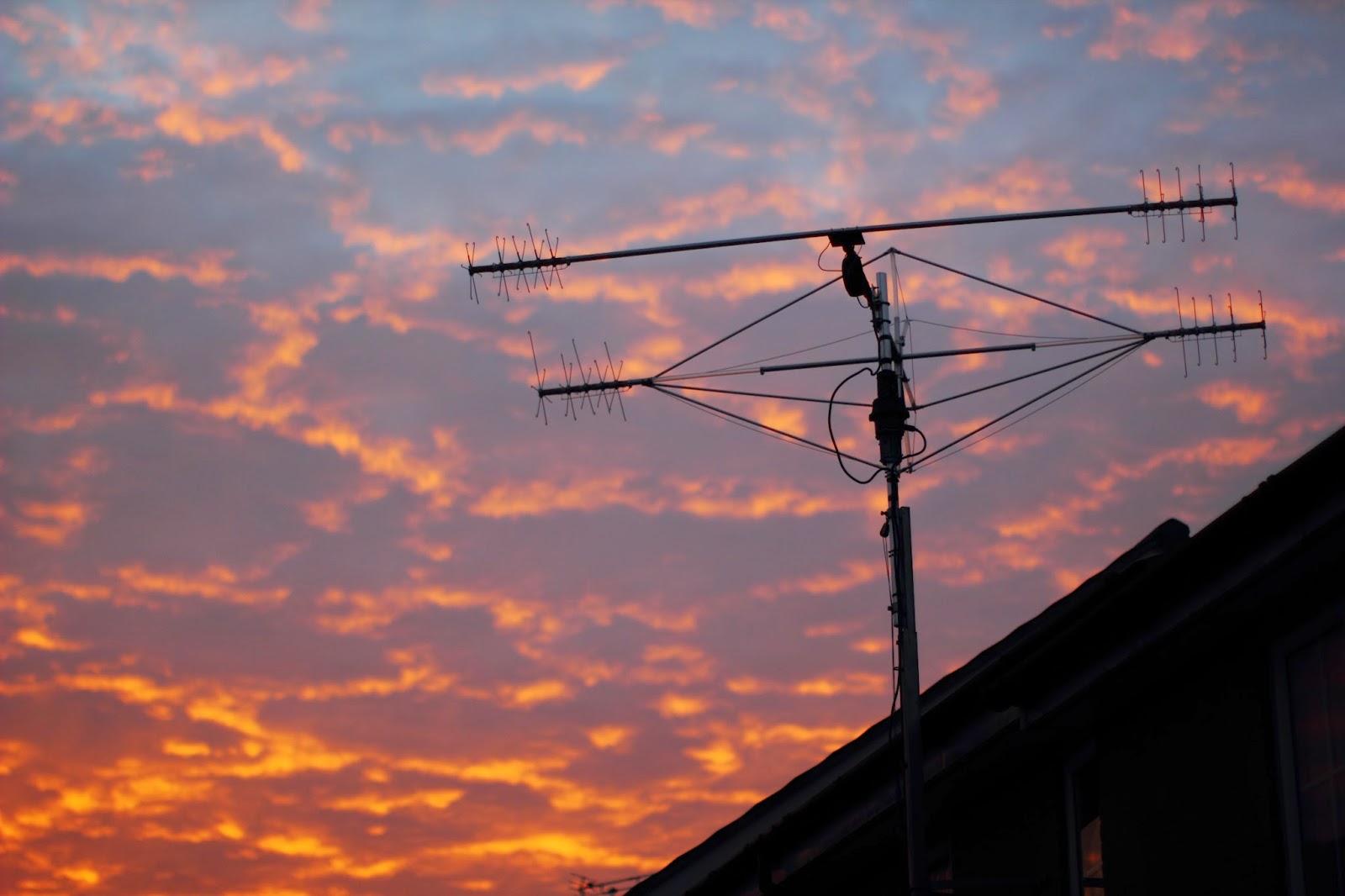
One of my most read posts on this blog is “Which Antenna” it describes the comparison between 2 antennas. The MA5B and the MQ26-SR. As my readers will know I opted for the MQ26-SR. and 2 years on its only fair I tell you how I have gotten on with the antenna.
I can hardly believe that 2 years exactly has passed where I hosted an erecting party, to install my new mast, antenna and rotator. The first year of the antenna was perfect I was able to find the DX weak signals pick them out and get heard over the majority of the European pileups. I had a great deal of fun. The antenna remained unchanged in that first year.
But suddenly over a period of 3 months I found the SWR was changing, and the antenna was becoming more and more deaf on 20m. Something clearly had changed on the antenna. My initial thoughts were water ingress in the Balun. I never really trusted the balun and found the construction of it crude. But in fact the balun was fine. I did however find that every clamp, bracket and connection on the antenna extremely corroded. “dissimilar metals” was the culprit.
A huge strip down clean and reassemble job was needed. And so this was completed with the antenna still in place, and although better the antenna still isn’t quite right. It really does need bringing down to earth and cleaning thoroughly and wrapping up in self amalgamating tape.
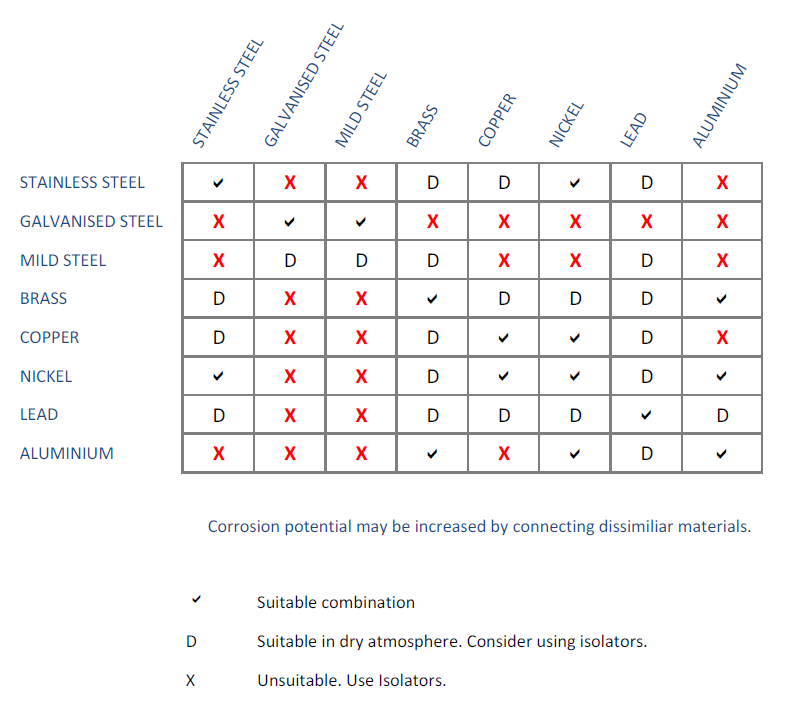
So 2 years on. What do I think ? the antenna is excellent. But do look closely at the spreader arms, clips and any screw terminal. You may need to buy some new hardware in order to achieve a compatible metal. Have a look at the chart below. For a cross match on metals used to clamp the antenna up. As a guide I had a stainless steel screw, brass washers, clamping an aluminum ring clip. Not a great combination.
Also make sure the clear acrylic tubes do indeed have a place for water to drain from. 2 of mine do not and I have the bottom bracket nearly half full of water at any given time.
Dan Trudgian, MØTGN, is a regular contributor to AmateurRadio.com and writes from Wiltshire, England. He's a radio nut, IT guru, general good guy and an all round good egg. Contact him him here.
QRPttF 2014
Today was QRP to the Field for 2014, and it was also my birthday. What a present! Although I didn’t get to spend anywhere near as much time on the air as I would have liked, I got a little air time in and that’s always a good thing.
The theme for today was Tres de Mayo in honor of Cinco de Mayo. Well, here in New Jersey there really aren’t an abundance of locales with a Mexican flair. So I got a little creative.
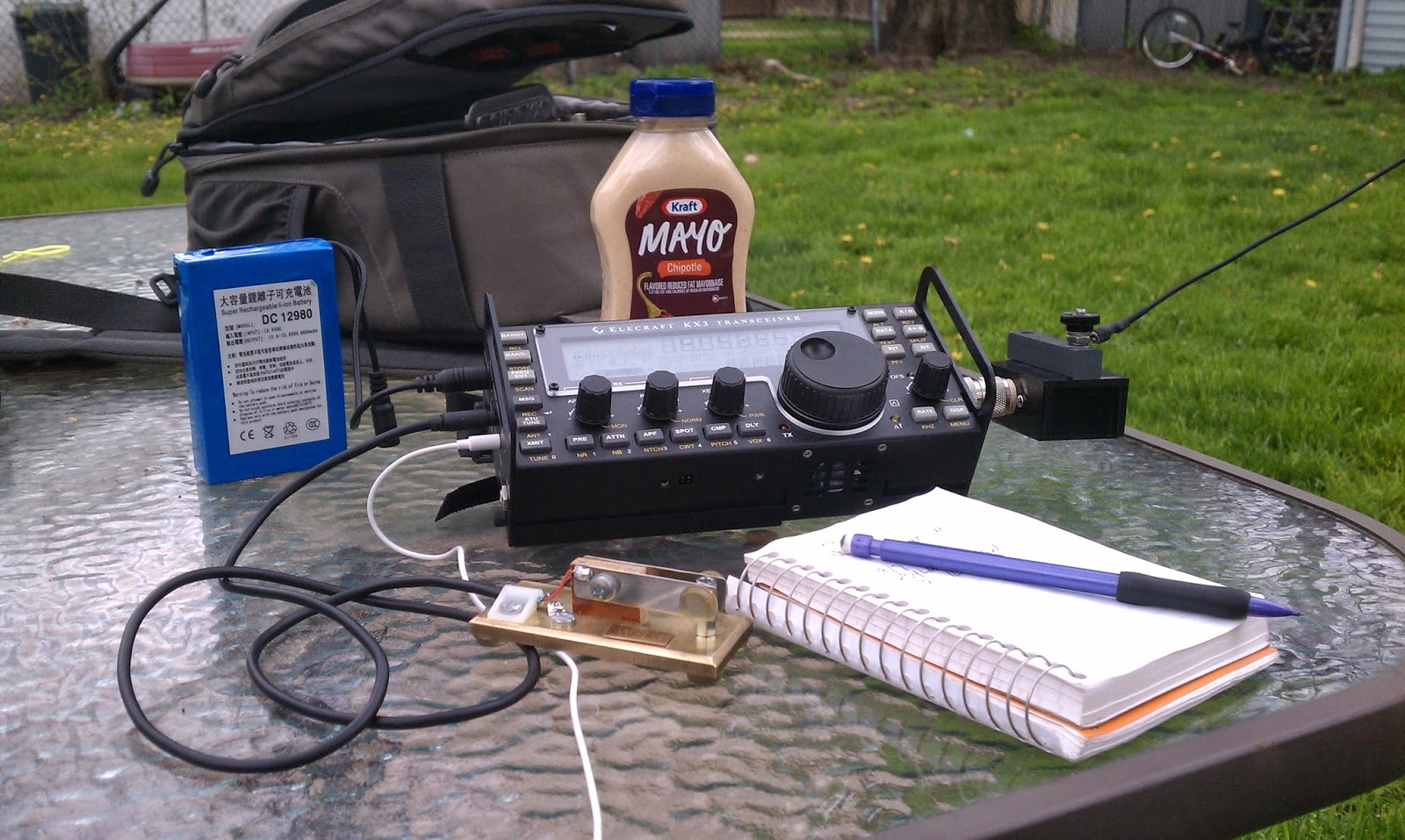
Yes, I placed some Chipotle Mayo next to me while I operated.
I got to experiment a bit too. I used both my Par EndFedz and the EARCHI 9:1 Unun with a 36 foot radiator. The Par EndFedz performed as expected. The EARCHI performed much better than last time. The extra three feet of wire made a big difference. The KX3 handled the wire well on all bands, 40 through 10 Meters with minimal clicking and clacking from the auto tuner.
In the hour or so of operating time that I got in, I worked about a dozen or so stations. Included were some very familiar calls like Mert W0UFO, Jerry N9AW, Rick NK9G, Dave AB9CA, Gene N5GW and Kelly K4UPG among others.
So even though I didn’t get a lot of operating time in, I did learn more about the EARCHI end fed. I think it will serve well as an all around multi band antenna for portable ops.
72 de Larry W2LJ
QRP – When you care to send the very least!
Larry Makoski, W2LJ, is a regular contributor to AmateurRadio.com and writes from New Jersey, USA. Contact him at [email protected].
Series Seven Episode Nine – Questions Anwsered & Repair Tips (4 May 2014)
Series Seven Episode Nine of the ICQ Amateur / Ham Radio Podcast has been released. The latest news, Martin (M1MRB) and Colin (M6BOY) discuss Anonymous use of Ham Radio, Ed Durrant (DD5LP formerly VK2JI) joins us with his first report since moving to Germany and Martin (M1MRB) answers questions and gives repairs tips.
- Ofcom active in Somerset
- Coalhouse Fort Easter Activation
- 4m addition to Mt. Leinster repeater
- 16 New England communities to host International RadioSport competition
- ICASA awards long-term 5MHz license to SARL
- SARL 5MHz Activity Weekend
- AM Broadcasters and Radio Hams have common interest
Colin Butler, M6BOY, is the host of the ICQ Podcast, a weekly radio show about Amateur Radio. Contact him at [email protected].
Texas SOTA Trip – The Law of Averages
As I have written here recently, the SOTA program recently added 40+ one point summits in South Texas. These summits are within a reasonable drive for me, so I was enthusiastic to activate them and after all, they are all one pointers, they should be easy enough. Just as a reminder for those who haven't caught the SOTA virus yet, point values range from 1 - 10. Oddly enough, 1 is the only odd number used in the valuation scale. Summits can be worth 1,2,4,6,8 or 10 points. Don't ask, I have no idea.
I've already activated Peak 2002, which was the first South Texas group summit activation. I ended up walking 8 miles for that point. Not to worry though, they can't all be that long. So in the spirit of adventure (and not point accumulation), I planned to activate two of these summits during the International SOTA day and the QRP to the field (QRPTTF) events. My two targets were Bullhead Mountain, W5T/ST-007, and Pikes Peak, W5T/ST-029. Yes there is a Pikes Peak in Texas. The one in Colorado is worth 10 points, the Texas version is worth, the aforementioned, one point.
I'd done my research and determined that there was a better than even chance these summits would be accessible. While on private land, these peaks are in sparsely populated areas that likely aren't posted. However you never know until you get there.
Bullhead Mountain, W5T/ST-007, is a limestone peak north of Vance (formerly Bullhead) and the intersection of Farm roads 335 and 2631 in far western Real County (at 29°49' N, 100°00' W). The summit, at an elevation of 2,042 feet above sea level, rises on the southern edge of the Edwards Plateau. Local vegetation includes open stands of live oak, Ashe juniper, and mesquite on the uplands and ridges and live oak and Ashe juniper woods on the hills and escarpments.
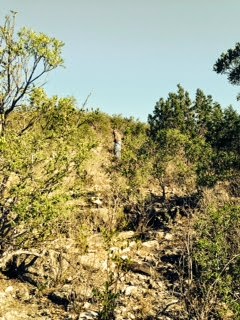 |
| The Trail up Bullhead, One of more open areas |
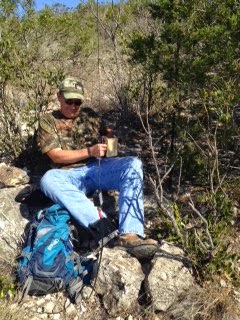 |
| Operating from Bullhead Mountain |
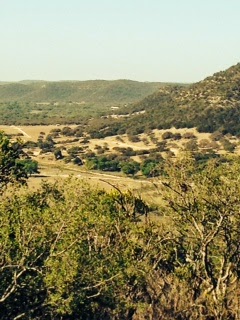 |
| View from Bullhead Mountain |
The bands were a little finicky. Only made QSO's on 20 meters. Nothing on 12m despite the RBN hearing me at PJ2T.
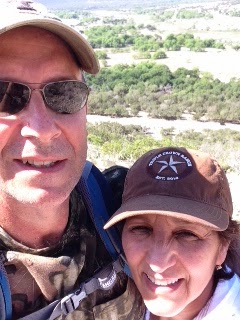 |
| Cris and I. Our Jeep is the black speck on the road |
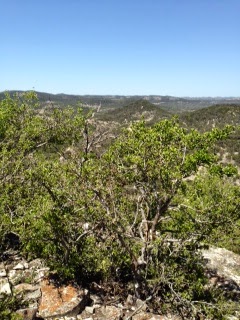 |
| View from Pikes Peak |
This summit was every bit as tough a Bullhead. There is a road that goes over the shoulder of the mountain which means you only have to climb 300 feet in about 1/3 of a mile. Again, that's steep and again no trails. I operated from the very top of the summit. A nice breeze cooled us down for the now 85F temperatures.
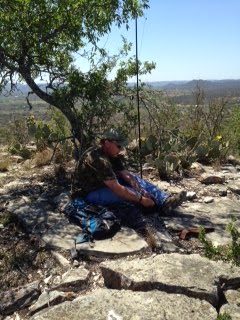 |
| Operating from the Summit of Pikes Peak, Texas |
We had contemplated doing Wildcat Peak also. Another one pointer, not too far from Pikes Peak, however, we were tired. These ascents and descents were taxing because of the steepness and the full time bushwhacking through brush and the temperatures were warming up. My thermometer in my jeep read 90F when we got down. We had a nice Texas lunch in Camp Wood. A lunch buffet with Mexican food and Chicken Fried Steak. It doesn't get much better than that.:-)
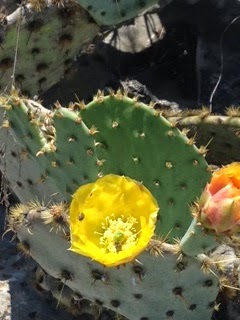 |
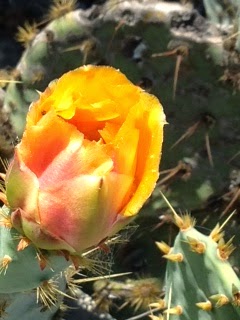
| Cactus Flowers |
 |
| Texas Mountain Fauna |
So, what about this Law of Averages? Well, in the SOTA world there are some easy summits. Some you can even drive up to the summit or park near the top and take a nice trail a few yards to the summit. I have felt a little guilty about that in the past, getting so many points for so little effort, but no more. The Law of Averages does apply to SOTA. These one pointers were intense, difficult mountains to do. However, I suppose it all averages out. After doing these mountains, my guilt in doing an easy one has disappeared:-)
Photo credits to my XYL Cris, KC5HZQ
Excerpts above were taken from the Texas State Historical Association.
Mike Crownover, AD5A, is a regular contributor to AmateurRadio.com and writes from Texas, USA. Contact him at [email protected].
 Ham Radio Deluxe |
 W5SWL Electronics |
 Ham Radio Prep |
 KB3IFH QSL Cards  Hip Ham Shirts  HamRadioAuctions HamRadioAuctions Reliance Antennas Reliance Antennas Enigma Shop Enigma Shop |  morseDX  Ni4L Antennas  R&L Electronics R&L Electronics antennas.us antennas.us QRV QRV |
- Matt W1MST, Managing Editor
