 |
 Amateur Radio Weekly – Issue 56
 11 April 2015 | by
RadioShack’s blueprint for a rebirth, planned by a hedge fund
“It’s time for a new day,” Mr. Kim said, his voice tense yet steady. “We’re here today because we know this can work.”
New York Times
South African Hams get 40MHz access
Amateurs have been given ‘propagation studies’ permission to transmit between 40.675MHz and 40.685MHz.
VE7SL
Amateur Radio and Ingress
Those of us licensed have found that taking radios out on missions is a real boon, and if you ever hear simplex chat talking about “portals,” “hacking” and “deploying,” that’ll be some of the local Ingress players.
Essex Ham
TEN-TEC and Alpha purchased from RF Concepts
Less than a year after TEN-TEC and Alpha Amplifiers merged under the RF Concepts banner, the companies have changed hands.
ARRL
Infrared light offers alternative for wireless charging
Wi-Charge’s wireless charging technology claims to deliver up to 10 W of power over 10 meters.
Southgate
Spurious emissions and harmonics on Baofeng radios?
If this were correct, the Baofeng UV-5R would be the most horrible design ever. But wait, we did this already a long time ago, and the UV-5R wasn’t too bad at all.
PD0AC
A Worked All States and DX Net
Amateur Radio’s Late Night Net on 40 Meters
hhhnet.net
Time and frequency station back on the air
Time and frequency standard station WWV silenced its 25 MHz signal in 1977, but it returned to the air on an “experimental basis” a year ago, and it’s still up and running.
ARRL
How to
DRA818: A weekend VHF/UHF Radio audio transceiver project
On the board you will also find a microphone preamplifier.
Jurij Mikeln
Video
Antenna testing using WSPR
You can use a website to view a map of the station that you have heard and stations that have heard you.
K7AGE
Yaesu FT-757GX II in action
YouTube
Review
Review: Atom 40S Mobile HF Antenna
My previous experiences with HF mobile antennas have not been so great.
M0SPN
Amateur Radio Weekly is curated by Cale Mooth K4HCK. Sign up free to receive ham radio's most relevant news, projects, technology and events by e-mail each week at http://www.hamweekly.com.
Amateur Radio Newsline Report 1960 April 10 2015
- ARRL tells the FCC that ham radio and vehicle radar can co-exist at 76 - 81 GHz
- UK hams get 70.5 to 71.5 MHz for digital experimentation by special permit
- South Africa hams gain full kilowatt power privileges
- NCDXF announces a grant of $50,000 to the VK0EK Heard Island DXpedition
- Radio tracking tiny birds as they fly south over the Atlantic
THIS WEEK'S NEWSCAST
Script
Audio
A getting started guide for AREDN
I’m enjoying experimentation with AREDN. Using off-the-shelf equipment, you can build a mesh IP network running in ham frequency allocations. Getting started is a bit tricky at the moment…I’ve joined the project team to help with some documentation and to do some release testing. Here’s a link to a Getting Started guide I’m working on.
If you’re interested in playing with mesh networks, take a look at the guide and let me know what you think!
Michael Brown, KG9DW, is a regular contributor to AmateurRadio.com and writes from Illinois, USA. Contact him at [email protected].
Part 2 of the K3 surgery.
 |
| It's time for the surgery |
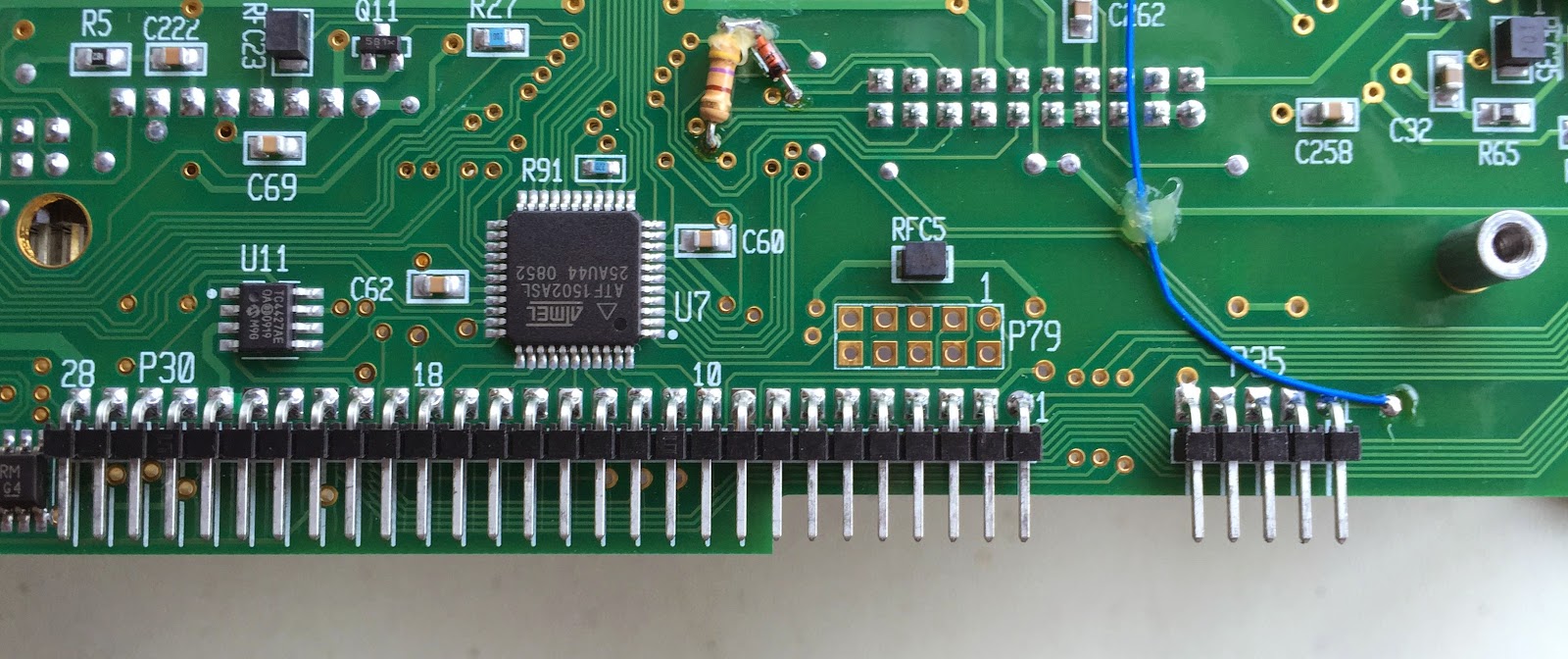 |
| Beware of other components |
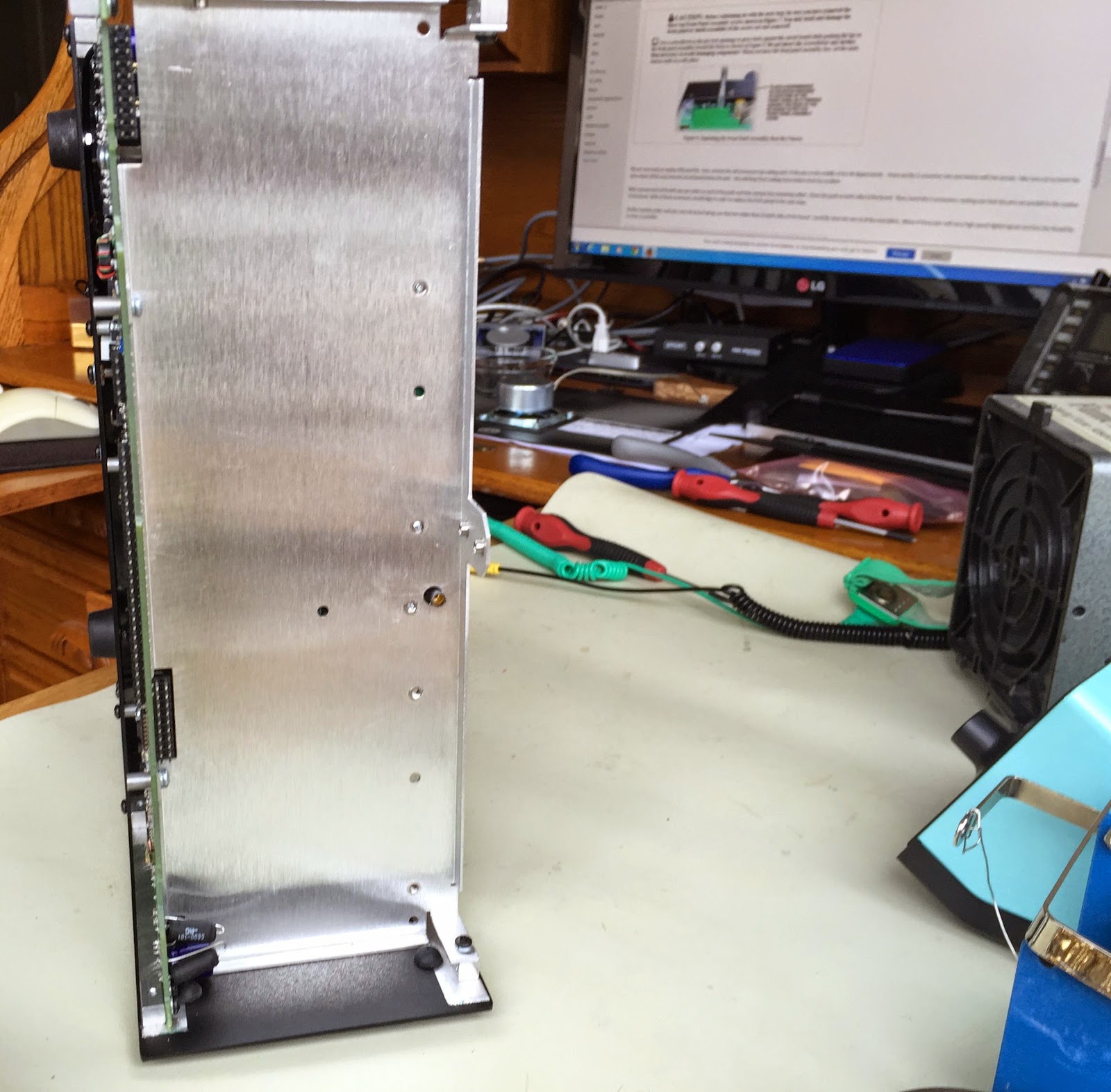 |
| Front control head removed |
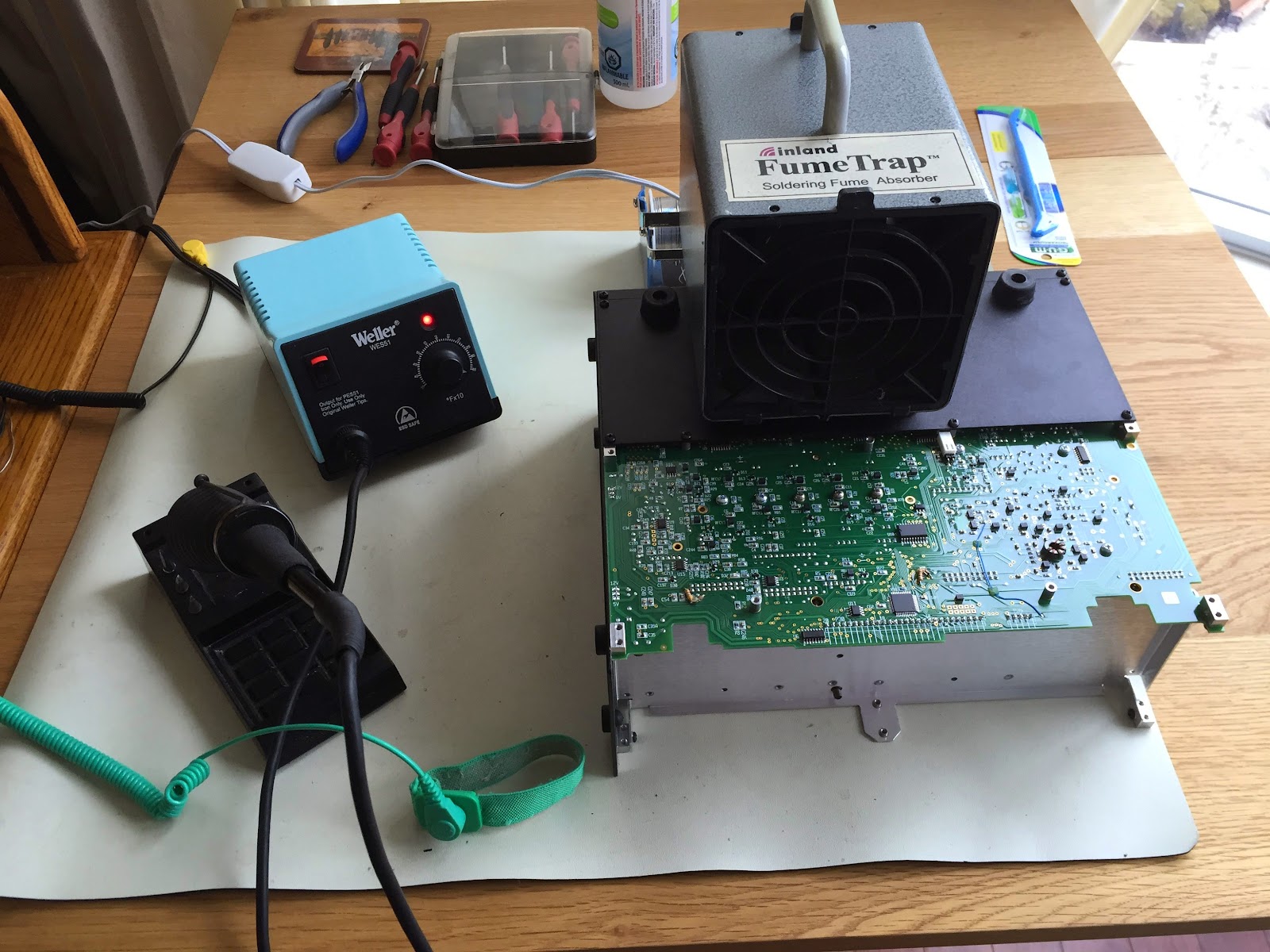 |
| Fume trap and soldering iron ready |
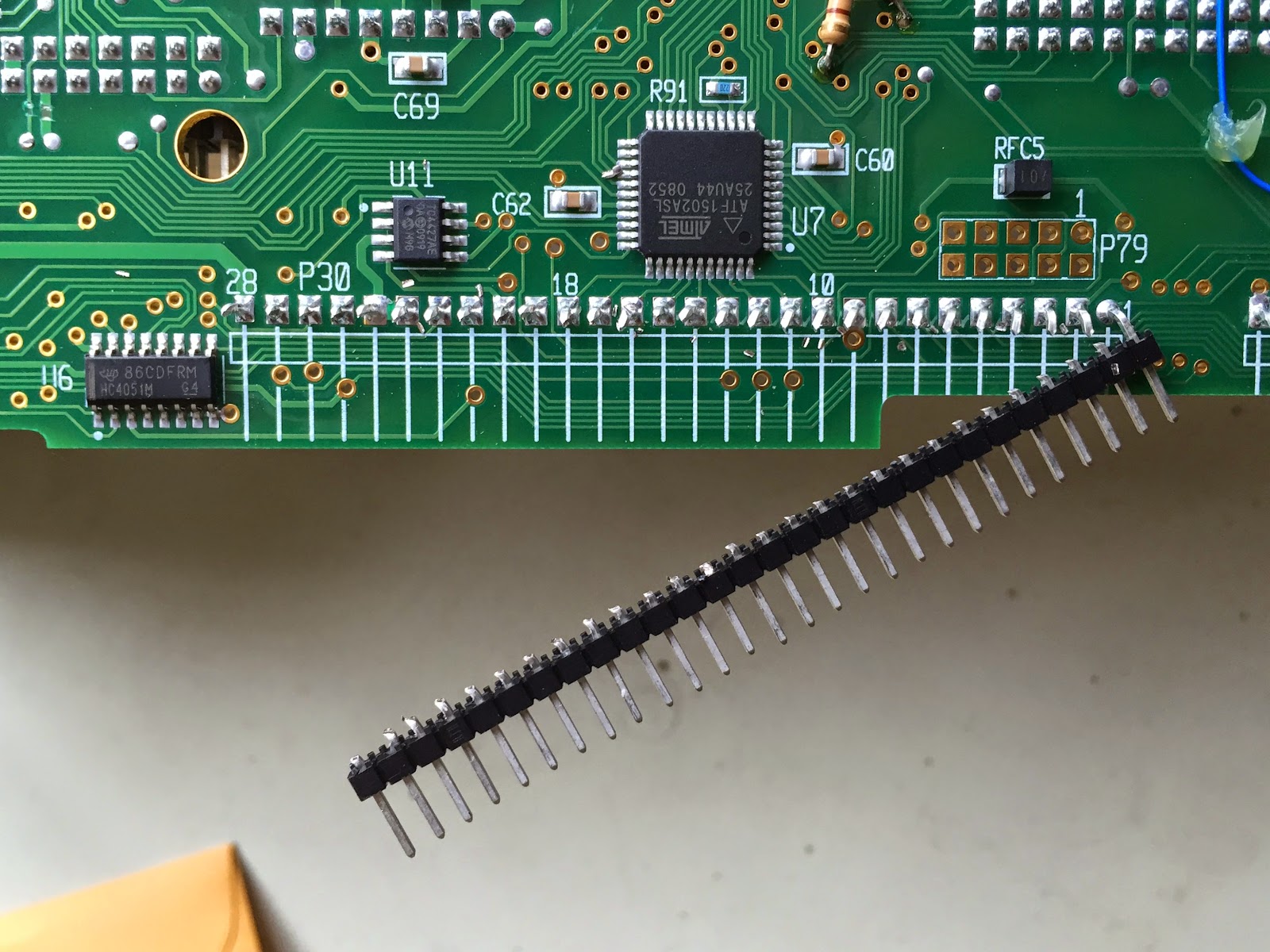 |
| Trimming the header pins |
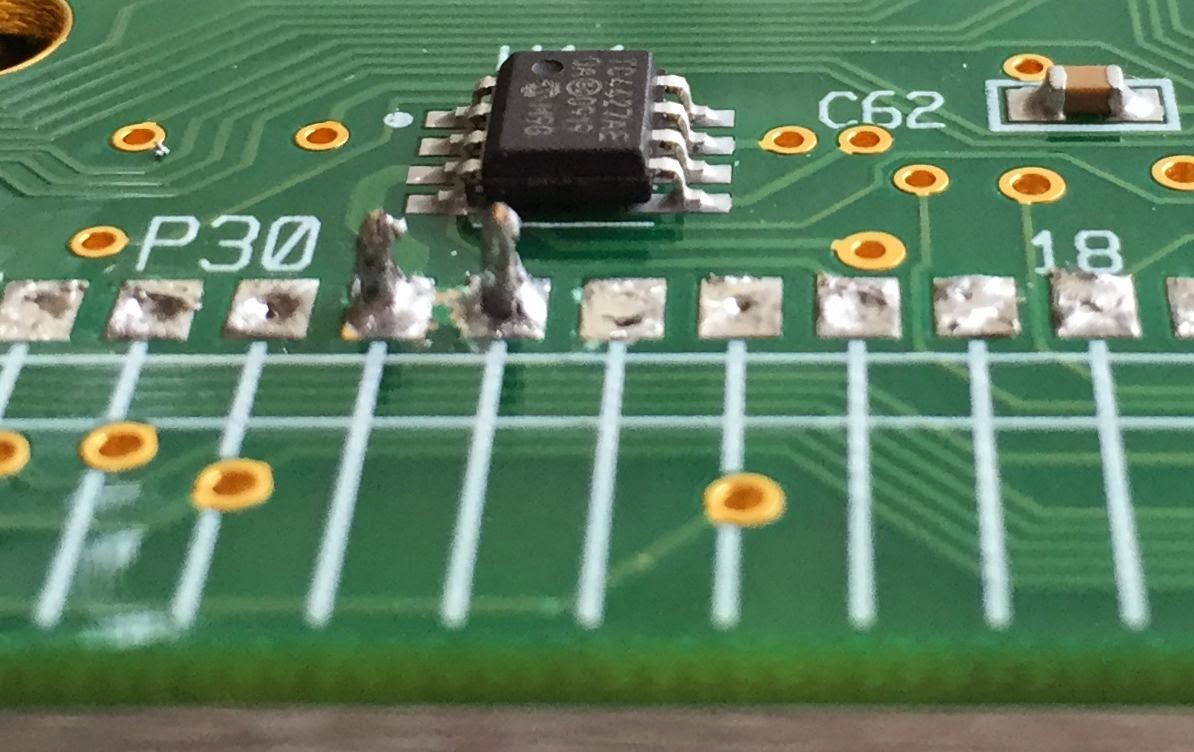 |
| The two stubborn pins |
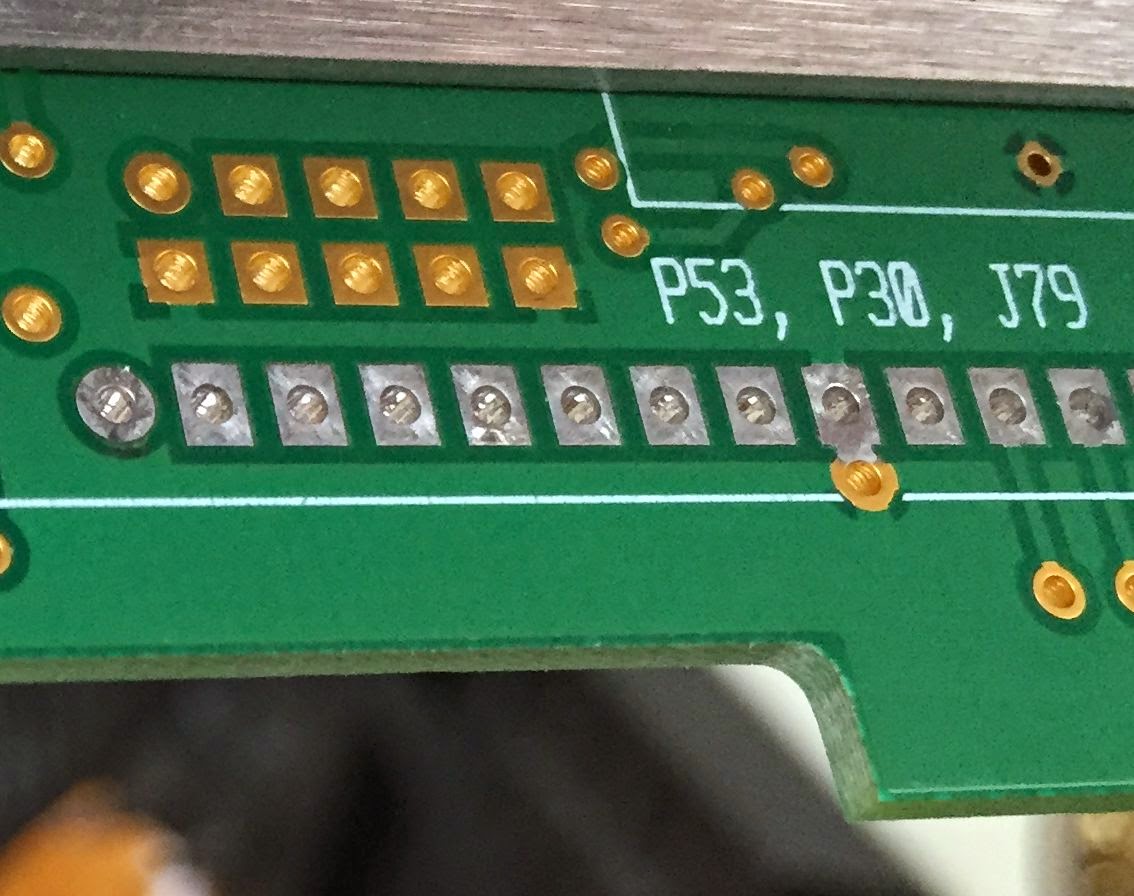 |
| After using Hakko 808 |
 |
| Old out and new ready |
.
Mike Weir, VE9KK, is a regular contributor to AmateurRadio.com and writes from New Brunswick, Canada. Contact him at [email protected].
VE7SKA’s New Skywire
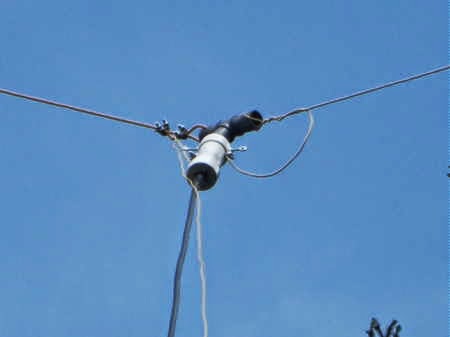
Mike, VE7SKA, AM/FM DXer from Saltspring Island, a nearby island here in the oceans of south-west BC, has sent me a description of his latest doings. Mike took advantage of the recent warm sunny weather to do some antenna work.
Mike calls his new antenna the SDSS (Super Drooper Sleuther Sloper)! It is 110' long, made of #18 wire and hangs from near the top of his 48' tower, drooping to a low sturdy Fir branch, about 10' high.
Using a section of Belden 9913 that was already on the tower (it used to feed his 6m array), Mike feeds the 'drooper' via a 9:1 balun / matching transformer... with the antenna feeding one leg of the transformer and the other side going to a section of #18 wire dropping straight down and terminated in a small ground system at the base of the tower.
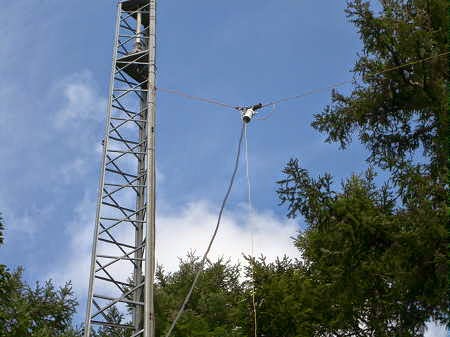
The antenna runs ESE at 112 degrees by WNW at 292 degrees ... the bread and butter direction from SW Canada. For phasing and comparison, Mike uses a much lower wire, 30' long x 7' above ground level, running SE at 140 degrees by 320 degrees NW.
Mike reports: "An immediate test done after launch at 3pm logged a new 10 watt TIS on 1630kHz from just north of Marysville, WA on I-5 freeway. Little daytimer KBRD 680 Lacey, WA with 250 watts wasn't even audible on the Quantum QX Pro v3 amplified loop ... recent MW condx have been favorable ... a sunset tentative of 1460 KLTC N.Dakota (5kW); logging rarity 930 KTKN AK (1kW) on a very busy frequency ... new logging 1580 KKTS WY at 220 watts, phasing out pests KGAL and KMIK."
Mike goes on to say that phasing the new antenna against its smaller and lower little cousin allowed him to log several of the stations noted above, although the lower antenna picks up more noise.
This is really the key to any antenna system and one of the reasons we were always taught to get antennas as high as possible ... to get away from those nasty noise sources in or near the house.
With several antennas to play with now, Mike is looking forward to some interesting work on both the BCB, the beacon band and the lower SW bands but plans to get the antenna up much higher in some of his tall Firs before too long. As well, a high Low Noise Vertical is also on the 'to build' list.
So far the SDSS is proving the old myth wrong ... that antennas put up in anything less than the foulest of weather just don't work.
Steve McDonald, VE7SL, is a regular contributor to AmateurRadio.com and writes from British Columbia, Canada. Contact him at [email protected].
Even lower cost Pixie kits!
Steve, G1KQH has pointed me to a link with 40m Pixie kits at incredible prices. At these prices there is no way the parts could be bought for less than the kit. The version I bought for $10 looks identical. All you need is a morse key, battery 40m antenna and walkman type headphones and you have a credible 40m CW transceiver. It really works.
Yoohoo Roger,
Now I back in front of the Pixie bargain game hunt, after finding the the best price!!!
http://www.banggood.com/DIY-Radio-40M-CW-Shortwave-Transmitter-Kit-Receiver-7_023-7_026MHz-p-973111.html
£2.89!!!!!!!
and if you buy more than 2 it gets cheaper!!
Not forgetting this includes free shipping. Unbelievable.

Roger Lapthorn, G3XBM, is a regular contributor to AmateurRadio.com and writes from Cambridge, England.
AmateurLogic Live Friday, April 10th
We will be shooting the next episode of AmateurLogic live this Friday night at 7:00 PM CDT, 000 UTC. Join us at www.live.amateurlogic.tv for the uncut version.
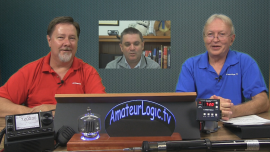
George Thomas, W5JDX, is co-host of AmateurLogic.TV, an original amateur radio video program hosted by George Thomas (W5JDX), Tommy Martin (N5ZNO), Peter Berrett (VK3PB), and Emile Diodene (KE5QKR). Contact him at [email protected].
 Ham Radio Deluxe |
 W5SWL Electronics |
 Ham Radio Prep |
 KB3IFH QSL Cards  Hip Ham Shirts  HamRadioAuctions HamRadioAuctions Reliance Antennas Reliance Antennas Enigma Shop Enigma Shop |  morseDX  Ni4L Antennas  R&L Electronics R&L Electronics antennas.us antennas.us QRV QRV |
- Matt W1MST, Managing Editor
