 |
 MFJ / Timewave Noise Canceller Shootout
 1 July 2017 | by

I'll let Mark describe the results:
NoiseCancellerShootout 2017 Report:


Findings:
For practical purposes Timewave’s ANC-4 and MFJ’s 1026 are equal performers for eliminating interference in the HF spectrum.
- main antenna in the tests was a multiband dipole at 30m above the ground.
- noise sense antenna was a Cushcraft R7 vertical antenna located 20m away from the main antenna.
- receiver was an Icom IC-746Pro.
- both units tested have the same nulling capability.
- the Timewave and MFJ filters have a learning curve to figure out how to quickly and precisely null out noise. A couple of evenings of tinkering was required to figure out how to use the unit with different noise sense antennas and different types of noise.
- having two noise cancellers in series was also discussed as a means of nulling noise from two directions. An issue with this approach is that more processing electronics are put ahead of the front end of the receiver and this introduces its own noise and may create intermodulation.
We’re open to any questions on these findings.
Steve McDonald, VE7SL, is a regular contributor to AmateurRadio.com and writes from British Columbia, Canada. Contact him at [email protected].
Amateur Radio Weekly – Issue 163

13 Colonies Special Event July 1 – 7
13 Colonies is an annual Special Event held during the 4th Of July Week. Those who participate try to make contact with all 13 Colony Stations, and the 2 Bonus Stations.
13colonies.net
Key to soldering: pace yourself
This nine-episode-long series is what retaught me to solder, and is a masterpiece, both in content and execution.
Hack A Day
RaspberryPi automatic NOAA SDR receiver dropbox uploader
Detailed how-to document.
S55MA
Receiving Jupiter noise bursts
The planet Jupiter is known to emit bursts of noise via natural ‘radio lasers’ powered partly by the planet’s interaction with the electrically conductive gases emitted by Io, one of the the planet’s moons.
RTL-SDR.com
Observe August’s eclipse with your AM radio
Distant radio stations along and near to the path of totality might briefly experience enhanced propagation.
Sky & Telescope
Setting up JT modes with the Elecraft KX3
With quicker turn around times – the JT modes will become even more attractive for folks operating portable (less power consumption) and contesting (quicker contacts)!
K5ACL
Radio meteor detection via NWS Weather Radio
It appears most of the bursts are being caused by reflections from local aircraft.
The Net of Stars
Field Day Photos: Nashville Amateur Radio Club
Bow & arrow and all.
K4CPO.org
Ya gotta love Field Day
I got all of about two hours sleep on Sunday morning, finally just crashing out on one of the camping chairs.
W2LJ
N9TAX 2m Slim Jim Antenna review
Erroneous specs aside, the N9TAX VHF SlimJim antenna is an exemplary dipole.
Ham Radio . Magnum Experimentum
Video
WI Valley Radio Association ARRL Field Day 2017
The Wisconsin Valley Radio Association, an amateur radio club in Wausau, WI participated in the ARRL Field Day event with a 4A station (callsign W9NA).
YouTube
Ham Radio satellite tracker by K4WOF
Filmed at the 2017 ARRL Field Day event in Vero Beach Florida of Jerry K4WOF and his satellite tracker he built himself using plans available online.
YouTube
N5OAK Amateur Radio Club ARRL Field Day 2017
Cardboard shack!
YouTube
KC2OUR ARRL FD 2017
Some of the sights and sounds of ARRL Field Day 2017 hosted at the Orange County EOC.
YouTube
FSQ: A new digital chat mode
Overview and demo of FSQ digital mode.
YouTube
Amateur Radio Weekly is curated by Cale Mooth K4HCK. Sign up free to receive ham radio's most relevant news, projects, technology and events by e-mail each week at http://www.hamweekly.com.
Oscilloscope music
The other day I was pottering around Facebook and stumbled across an amusing story via BBC News I think about a young couple who had decided to set themselves the challenge of visiting every one of the over 2,500 railway stations across Britain. I later discovered it’s connected to a Kickstarter project and has a website http://allthestations.co.uk. Reading some of the comments to the video – always a risky activity – I discovered a reference to the videos made by Geoff Marshall (of the same couple) exploring the secrets of the London underground and another youtube video – via https://www.youtube.com/user/geofftech2 – where he talks about cassette tapes. He also has a website at http://geofftech.co.uk.
In the comments to this clip there were a number of pointers to another youtuber who focuses on old analogue technology called ‘Techmoan’ – https://www.youtube.com/user/Techmoan. One of the first videos of his I watched featured what Techmoan described as his holy grail of 1970s consumer electronics – something that featured both Nixie tubes and an oscilloscope to visualise the music – a bizarre old silver SAE hi fi amplifier you can see on https://www.youtube.com/watch?v=ZkCIdufSGS8.
About half way through the video he demonstrated the way the small oscilloscope worked. Normal music resulted in an animated but pretty fuzzy trace jumping about the screen. Then he put some different audio into the amp and the oscilloscope which resulted in regular geometric images appearing on the small screen. Quite amazing! I was aware of the neat regular waveforms that can be created with different frequency ratios on the X and Y plates. The Australian ABC’s logo was created by using a 3 to 1 ratio many years ago. But what I was seeing on the screen was lightyears beyond that.
He got a lot of comments pointing him to resources on oscilloscope music and a follow-up youtube video had pointers to a number of clips and sites, most notably Jerobeam Fenderson’s site at http://oscilloscopemusic.com.

You can view a number of his pieces on his Youtube channel – https://www.youtube.com/user/jerobeamfenderson1.
Techmoan also provided links to an Oscilloscope Emulator for Windows, Mac & Linux https://asdfg.me/osci/ which works on my Mac and a Reddit Oscilloscope Music Page https://www.reddit.com/r/oscilloscopemusic/ with further links and info about this bizarre art form.
Jerobeam Fenderson also offers a program to create oscilloscope music called OsciStudio via his website.
Done….finally!
Two years ago this day we moved into our own house in Daxi and exactly two years later I can finally say that my shack is finished. Done, completed, set and sorted. After I fixed the walls and painted them bright during Chinese New Year 2016 it took more than a year before the itch of a dedicated bookshelf for all my radio stuff became too much to bear, so CNY 2017 saw this addition….

The lighting was too cold for my taste, so I made this with some old wood and LED lights I got for free from a defunct coffee house…..

Then I really got going and made shelves on top of my ham desk so I could finally stack all my rigs in one place. Heaven! The first time ever I got things organized this well. I also put in a new vent for the cables going to the outside, color coded everything et voila, we were done!
I haven’t been on air yet, but monitoring instead to see how my antennas perform reception wise. At first I used WSPR, but as there are only so many stations I switched to JT65. I have been spending quite a bit of time on pskreporter.info, which is fascinating website. Within 12 hours you can get a view of what you can receive and from where. Do it for a couple of days and you will get a feel of how good conditions are at the moment.

Even though noise on 20 meters is huge I can still hear a lot, but there is room for improvement. With the shack and antenna cables in place I can finally start working on my antennas and see if I can get the noise down a bit. Noise on 20 meters is the worst, 40 meters is fine, but I don’t have a resonant antenna for that band. The 5 meter vertical on the roof performs well for NDB DXing, but not for much else. The summer is always hot here, but I will beat the heat and make those improvements so I can work the world again this fall.
Hans "Fong" van den Boogert, BX2ABT, is a regular contributor to AmateurRadio.com and writes from Taiwan. Contact him at [email protected].
ETH075 – RFinder
If you are anything like me you have used those little repeater  directories and strained your eyes in the process. I use to hate trying to find a repeater to use while I was on a trip. Most of the time, while I was on a trip, the town that I was in didn’t have any repeaters in it, but the next town over did. Maybe it was two towns over, or the third of fourth town that I look at in the directory. Either way, it was a pain in the…well you know.
Bob had the same thinking that I did all those years ago, but he acted on it. He went and digitized all the repeater data that was available and made it into an Android app. It is now available to IPhone, Android and on the web for just a small fee.
RFinder is the official repeater directory of Canada, the United Kingdom as well as 13 other countries. This year the ARRL partnered with RFinder to print the 2017 ARRL repeater directory. This years directory has 10,000 more listings and is the first time that the ARRL has crowd sourced the repeater information. The data that RFinder uses comes from many different places including Repeater societies, club websites and directly from repeater owners.
For more information about RFinder, hear it from Bob himself in the latest episode of the Everything Ham Radio Podcast at http://www.everythinghamradio.com/podcast/75
Curtis Mohr, K5CLM, is the author/owner of Everything Ham Radio Blog and Youtube channel. Contact him at [email protected].
CLE 220 Results
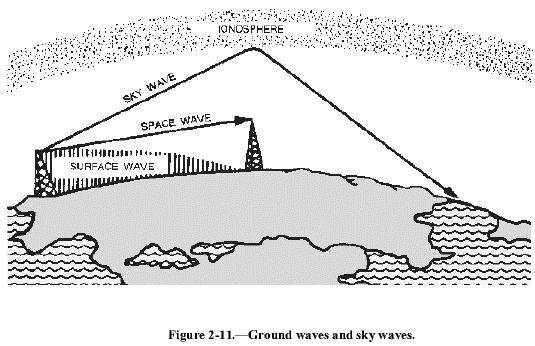
Participants in the central states seemed to enjoy much greater groundwave coverage than here on the west coast. It seems that the rugged Coastal ranges and the Rockies do have a pronounced effect on daylight propagation when skywave is not involved. Beacon ERP cannot be ignored as well as location and ground system efficiency ... some definitely get out much better than others even though output powers may be the same.
Anthony Casorso, ADØVC, listening near Denver, Colorado with an Elad SDR and a 17' Low Noise Vertical (LNV), managed several +500 mile catches but all N-S or to the east.
Bill Riches, WA2DVU, in Cape May, NJ, found SJ-212 in Saint John, New Brunswick, 635 miles to the north with his Perseus and Wellbrook loop.
Dave Tomasko, K9QU, in Galena, Illinois, caught OKS-233 in Oshkosh, NE at 625 miles and FOR-236 in Forsyth, Montana, at a whopping 845 miles with his R-75 and Wellbrook ALA100 loop.
These were heard here at 11 a.m. local time using my Perseus SDR and inverted-L tuned to 300kHz:
24 18:00 200.0 YJ Victoria - Sidney Island, BC, CAN
24 18:00 203.0 YBL Campbell River, BC, CAN
24 18:00 214.0 LU 'Cultus' Abbotsford, BC, CAN
24 18:00 216.0 GRF GRAYE - Fort Lewis, WA, USA
24 18:00 223.0 YKA Kamloops, BC, CAN
24 18:00 227.0 CG Castlegar, BC, CAN
24 18:00 236.0 YZA Ashcroft, BC, CAN
24 18:00 240.0 BVS Skagit/Bay View - Burlington, WA, USA
24 18:00 242.0 ZT Port Hardy, BC, CAN
24 18:00 248.0 ZZP Dead Tree - Queen Charlotte Is, BC, CAN
24 18:00 251.0 YCD Nanaimo, BC, CAN
24 18:00 257.0 LW Kelowna - Wood Lake, BC, CAN
24 18:00 266.0 VR Vancouver - Lulu Island, BC, CAN
24 18:00 269.0 YK 'Brilliant' Castlegar, BC, CAN
24 18:00 272.0 XS Prince George, BC, CAN
24 18:00 284.0 FHR Friday Harbor Apt, WA, USA
24 18:00 290.0 YYF Penticton, BC, CAN
24 18:00 293.0 MB Mill Bay - Sidney, BC, CAN
24 18:00 312.0 UNT Naramata, BC, CAN
24 18:00 325.0 YJQ Bella Bella (Campbell Island), BC, CAN
24 18:00 326.0 DC Princeton Municipal Apt, BC, CAN
24 18:00 328.0 LAC 'Lacomas' Fort Lewis, WA, USA
24 18:00 332.0 WC White Rock (Abbotsford), BC, CAN
24 18:00 338.0 K Ediz Hook - Port Angeles, WA, USA
24 18:00 344.0 XX Abbotsford, BC, CAN
24 18:00 348.0 MNC 'Mason Co' Shelton, WA, USA
24 18:00 350.0 NY Enderby, BC, CAN
24 18:00 353.0 RNT Renton Municipal Apt, WA, USA
24 18:00 356.0 ON 'Okanagan' Penticton, BC, CAN
24 18:00 359.0 YQZ Quesnel, BC, CAN
24 18:00 359.0 YAZ Tofino - Vancouver Island, BC, CAN
24 18:00 362.0 BF 'Nolla' Seattle, WA, USA
24 18:00 368.0 ZP Sandspit - Moresby Island, BC, CAN
24 18:00 371.0 YK 'Donny' Yakima, WA, USA
24 18:00 374.0 EX Rutland (Kelowna), BC, CAN
24 18:00 378.0 AP Active Pass (Mayne Island), BC, CAN
24 18:00 382.0 YPW Powell River, BC, CAN
24 18:00 382.0 AW WATON - Marysville, WA, USA
24 18:00 385.0 WL Williams Lake, BC, CAN
24 18:00 389.0 YWB Kelowna, BC, CAN
24 18:00 400.0 QQ Comox, BC, CAN
24 18:00 408.0 MW PELLY - Moses Lake, WA, USA
24 18:00 414.0 YZK Harper Ranch, BC, CAN
24 18:00 515.0 CL ELWHA - Cresent Beach, WA, USA
Steve McDonald, VE7SL, is a regular contributor to AmateurRadio.com and writes from British Columbia, Canada. Contact him at [email protected].
CLE 220 Results
Participants in the central states seemed to enjoy much greater groundwave coverage than here on the west coast. It seems that the rugged Coastal ranges and the Rockies do have a pronounced effect on daylight propagation when skywave is not involved. Beacon ERP cannot be ignored as well as location and ground system efficiency ... some definitely get out much better than others even though output powers may be the same.
Anthony Casorso, ADØVC, listening near Denver, Colorado with an Elad SDR and a 17' Low Noise Vertical (LNV), managed several +500 mile catches but all N-S or to the east.
Bill Riches, WA2DVU, in Cape May, NJ, found SJ-212 in Saint John, New Brunswick, 635 miles to the north with his Perseus and Wellbrook loop.
Dave Tomasko, K9QU, in Galena, Illinois, caught OKS-233 in Oshkosh, NE at 625 miles and FOR-236 in Forsyth, Montana, at a whopping 845 miles with his R-75 and Wellbrook ALA100 loop.
These were heard here at 11 a.m. local time using my Perseus SDR and inverted-L tuned to 300kHz:
24 18:00 200.0 YJ Victoria - Sidney Island, BC, CAN
24 18:00 203.0 YBL Campbell River, BC, CAN
24 18:00 214.0 LU 'Cultus' Abbotsford, BC, CAN
24 18:00 216.0 GRF GRAYE - Fort Lewis, WA, USA
24 18:00 223.0 YKA Kamloops, BC, CAN
24 18:00 227.0 CG Castlegar, BC, CAN
24 18:00 236.0 YZA Ashcroft, BC, CAN
24 18:00 240.0 BVS Skagit/Bay View - Burlington, WA, USA
24 18:00 242.0 ZT Port Hardy, BC, CAN
24 18:00 248.0 ZZP Dead Tree - Queen Charlotte Is, BC, CAN
24 18:00 251.0 YCD Nanaimo, BC, CAN
24 18:00 257.0 LW Kelowna - Wood Lake, BC, CAN
24 18:00 266.0 VR Vancouver - Lulu Island, BC, CAN
24 18:00 269.0 YK 'Brilliant' Castlegar, BC, CAN
24 18:00 272.0 XS Prince George, BC, CAN
24 18:00 284.0 FHR Friday Harbor Apt, WA, USA
24 18:00 290.0 YYF Penticton, BC, CAN
24 18:00 293.0 MB Mill Bay - Sidney, BC, CAN
24 18:00 312.0 UNT Naramata, BC, CAN
24 18:00 325.0 YJQ Bella Bella (Campbell Island), BC, CAN
24 18:00 326.0 DC Princeton Municipal Apt, BC, CAN
24 18:00 328.0 LAC 'Lacomas' Fort Lewis, WA, USA
24 18:00 332.0 WC White Rock (Abbotsford), BC, CAN
24 18:00 338.0 K Ediz Hook - Port Angeles, WA, USA
24 18:00 344.0 XX Abbotsford, BC, CAN
24 18:00 348.0 MNC 'Mason Co' Shelton, WA, USA
24 18:00 350.0 NY Enderby, BC, CAN
24 18:00 353.0 RNT Renton Municipal Apt, WA, USA
24 18:00 356.0 ON 'Okanagan' Penticton, BC, CAN
24 18:00 359.0 YQZ Quesnel, BC, CAN
24 18:00 359.0 YAZ Tofino - Vancouver Island, BC, CAN
24 18:00 362.0 BF 'Nolla' Seattle, WA, USA
24 18:00 368.0 ZP Sandspit - Moresby Island, BC, CAN
24 18:00 371.0 YK 'Donny' Yakima, WA, USA
24 18:00 374.0 EX Rutland (Kelowna), BC, CAN
24 18:00 378.0 AP Active Pass (Mayne Island), BC, CAN
24 18:00 382.0 YPW Powell River, BC, CAN
24 18:00 382.0 AW WATON - Marysville, WA, USA
24 18:00 385.0 WL Williams Lake, BC, CAN
24 18:00 389.0 YWB Kelowna, BC, CAN
24 18:00 400.0 QQ Comox, BC, CAN
24 18:00 408.0 MW PELLY - Moses Lake, WA, USA
24 18:00 414.0 YZK Harper Ranch, BC, CAN
24 18:00 515.0 CL ELWHA - Cresent Beach, WA, USA
Steve McDonald, VE7SL, is a regular contributor to AmateurRadio.com and writes from British Columbia, Canada. Contact him at [email protected].
 Ham Radio Deluxe |
 W5SWL Electronics |
 Ham Radio Prep |
 KB3IFH QSL Cards  Hip Ham Shirts  HamRadioAuctions HamRadioAuctions Reliance Antennas Reliance Antennas Enigma Shop Enigma Shop |  morseDX  Ni4L Antennas  R&L Electronics R&L Electronics antennas.us antennas.us QRV QRV |
- Matt W1MST, Managing Editor
