 |
 ICQ Podcast Episode 261 – Amateur/Ham Radio Book Review
 4 March 2018 | by
 In this episode, Martin M1MRB is joined by Edmund Spicer M0MNG, Leslie Butterfield G0CIB, Bill Barnes N3JIX and Chris Howard M0TCH to discuss the latest Amateur / Ham Radio news. Colin M6BOY rounds up the news in brief, and this episode’s feature is - Book Review 2018
We would like to thank our monthly and annual subscription donors for keeping the podcast advert free. To donate, please visit - http://www.icqpodcast.com/donate
- Ada Lace Book Features Ham Radio
- Experimental Homebrew Equipment Does Not Require Type Approval
- Radio Hams Assist GirlGuides to go International
- Maplin Collapses as Rescue Talks Fail
- Shoe Tap to Morse Code
- New Swedish Driving Law to Effect Amateur Radio
- Argentinian Balloon Flight Completes 2nd Round World
- MacLoggerDX Version 6.17 Released
Colin Butler, M6BOY, is the host of the ICQ Podcast, a weekly radio show about Amateur Radio. Contact him at [email protected].
Amateur Radio Weekly – Issue 196

ARRL requests expanded HF privileges for Technician licensees
ARRL has asked the FCC to expand HF privileges for Technician licensees to include limited phone privileges on 75, 40, and 15 meters, plus RTTY and digital mode privileges on 80, 40, 15, and 10 meters.
ARRL
A KX2 to FT-818 comparison
In terms of form factor, the 818 is essentially unchanged from the 817. So it’s worth asking again: just how “ultra portable” can an HF radio be?
W2LJ QRP
N8RMA’s 2018 State of Hobby
I’m hosting my own survey, to collect the opinions from the community on topics that I care about. 2017 Results.
N8RMA
UCF to manage Arecibo Observatory
A consortium led by the University of Central Florida will start formal transition activities to take on the management of the National Science Foundation’s Observatory.
University of Central Florida
Keep the faith, having fun with no sunspots
Keep the Faith. Go call CQ. I was glad I did.
AmateurRadio.com
Instant GNU Radio
A customizable, programmatically generated VM and live environment for GNU Radio.
bastibl.net
Finding noise with an antenna
The main culprit in K5ACL’s house is the ceiling light that’s right there in the shack.
Hack A Day
Morse code shoes send toe tapping texts
A pair of smart shoes has been created to let industrial workers keep in touch via toe-typed coded messages.
BBC
Video
Point to point networking line of sight in Google Earth
How to make straight lines to see if there’s a line of sight between our point to point 5Ghz nodes. The google earth 3D buildings and terrain are insanely accurate and useful for line of sight analysis.
N0SSC
Soldering 101
See all sorts of soldering devices and learn how it’s done with lots of tips and techniques.
KE0OG
Amateur Radio Weekly is curated by Cale Mooth K4HCK. Sign up free to receive ham radio's most relevant news, projects, technology and events by e-mail each week at http://www.hamweekly.com.
Icom IC-7610 In Depth
It’s the IC-7610 video you’ve been waiting for…
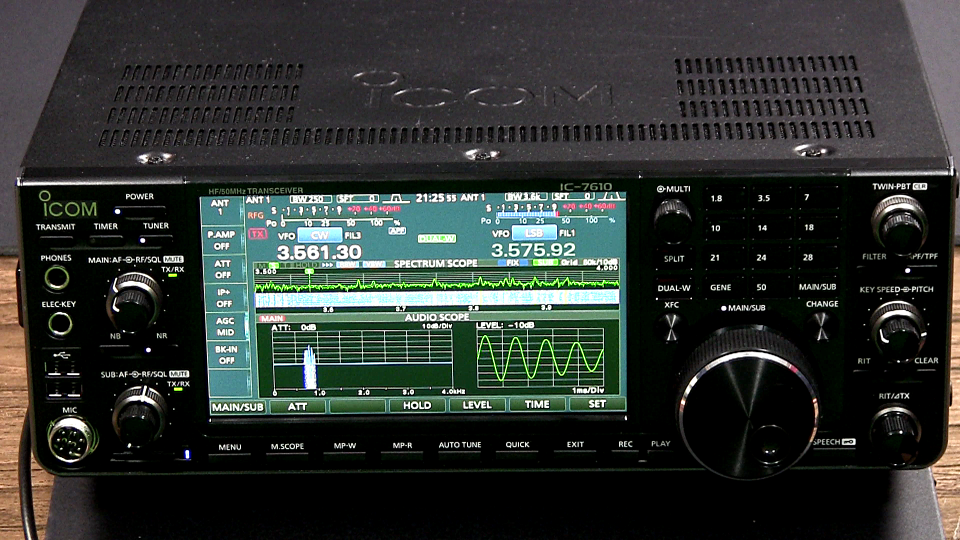
Ray Novak, N9JA joins George, W5JDX and Tommy, N5ZNO of AmateurLogic.TV for an in depth look at the new IC-7610.
Lots of detailed information about this great new transceiver plus comparisons with the IC-7600 and IC-7300.
View on YouTube .
George Thomas, W5JDX, is co-host of AmateurLogic.TV, an original amateur radio video program hosted by George Thomas (W5JDX), Tommy Martin (N5ZNO), Peter Berrett (VK3PB), and Emile Diodene (KE5QKR). Contact him at [email protected].
NooElec Giveaway Winners — March 2018

NooElec and AmateurRadio.com have picked the winners of our
March 2018 NooElec Giveaway!
Prize Package Winners
 Jon KD9AMP
HackRF Bundle
w/ aluminum enclosure, TCXO module & ANT500 antenna

Ted KK4LXY
Ubertooth Bundle
w/ aluminum enclosure

Len KA1LOR
Jan ZS6VOL
NESDR SMArt HF Bundles
Amazon Exclusive

Viktor UA6ATG
Dean K6DIN
John WA3UHZ
Ham It Up Plus HF Upconverters

Del KG6LS
George AB2MI
Arne K5ARN
Ham It Up Plus Upconverter PCBs

Jason KE7IET
Michael N0PDG
Randy K4LJA
Joe K0NEB
Ville OH2VSY
NESDR Nano 3 OTG Bundles

Phil KU0Z
James WU7G
Jerry W3CDE
Justin KN4JZB
Ryan WC6Q
Flamingo AM & FM Filter Bundles

Matt KD9AEZ
Kevin KF7MF
Igor RA3XDX
Bob W2RWM
Jeff VE6DV
NESDR SMArTee SDR Bundles

Geoff G8BMI
Jeff KD3AR
Kevin M0XLT
Bruno W6USC
George DU1GM
SMA Cable Connectivity Kits

Guido LU8EQ
Paul KG7OWO
Vladamir RV9U
Lowell NE4EB
Keith KN4CRI
Craig KO5S
John KK4QYM
John KI4CFH
Mika KF4IVM
Dean KC9REN
NESDR SMArTee SDRs

Stewart KM4APN
Stormy AA1ES
John KB5HCT
Bill KD5YYK
Peter G4EYV
SMA Adapter Connectivity Kits

Mark KG5HEM
JoAnne K9JKM
John WI6P
Robert VE3TXF
Lynette MI3WLW
Ratlsnake M5 Antenna Bundles
Claiming Your Prize
Winners will be receive an e-mail shortly.
We must hear back from you by Saturday, 3 March 2018 at 20:00.
You can get future winner announcements by
subscribing to our free Amateur Radio Newsletter (subscribe below),
following our posts via RSS feed, via Twitter (@amatradio),
or via Facebook (facebook.com/amatradio).
[widgets_on_pages id=”Inline Subscription”]
Sign up so you won’t miss our next prize drawing!
Thank you to NooElec for offering these fantastic prizes!
Visit their website at NooElec.com / eBay store / Amazon store
Please follow NooElec on Facebook and Twitter for the latest news about their great products!
Matt Thomas, W1MST, is the managing editor of AmateurRadio.com. Contact him at [email protected].
Keep The Faith, Having Fun With No Sunspots
As it would happen today, with the flux at 67, I did my 258th SOTA activation on a summit near Santa Fe, NM that has no name, but goes by it's elevation, 8409. There are beautiful views in every direction, from the summit of 8409, and I enjoyed them immensely. With me, on my trek up the mountain, was my KX2, a 21ft. collapsible pole to support a 29 ft. piece of wire through an 81 to 1 transformer. I feed the antenna about a foot above the ground and run the wire up the pole in an inverted L configuration. The pole was propped up among the branches of a pine tree and I tied off the antenna to a close-by pine branch. I had the power set to 5 watts and tuned the wire with the KX2. I operated CW using the Elecraft plug-in paddle and I logged with a golf pencil on a, write in the rain, index card. The temperature was a crisp 39 degrees, but the sun was shining and not wisp of a breeze. It was a good day to be on the mountain top.
I was on the air from 1642z - 1722z. I operated on 40, 30m, 20m and 17m and completed 40 QSO's in the 40 minutes that I was on the air from 8409. Also, with the flux at 67, I managed to work two EU stations, ON and EA. I heard a 9A calling me but we couldn't complete the contact. So, 40 QSO's, coast to coast in the US and 2 DX QSO's from EU was my catch for the day. Not bad for a short QRP/portable outing. Keep in mind that's with the flux at 67. I'm glad I didn't look at the numbers before I left or I might have been a bit discouraged and perhaps wouldn't have gone out at all. I would have missed the beautiful views, the warming sunshine and a QSO a minute QRP operation. I wouldn't have worked EU with 5 watts and a wire. I would have had to put off my 258th SOTA activation for another day.
The moral of this story is simple, don't look at the numbers. In fact I would recommend that you ignore them. There is plenty of fun to be had keying up your radio even when conditions, or at least the numbers, are this bad.
Keep the Faith. Go call CQ. I was glad I did.
Mike Crownover, AD5A, is a regular contributor to AmateurRadio.com and writes from Texas, USA. Contact him at [email protected].
Condo Hamming, The NRR and Ron’s Logs
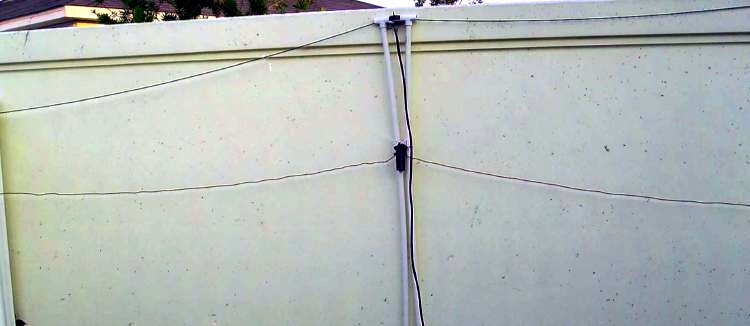 |
| courtesy: K4VRC Group |
Rick, KB2NAT, describes the learning curve in his 'How To Overcome Some Condo Issues' post.
Amateurs contemplating downsizing to a restricted development or those finding themselves in a similar situation to Rick will likely soon be subjected to more noise, less space, more neighbours and an abundance of rules. Hopefully the comments of Rick and others will be helpful if this is your situation.
For many restricted hams, Mag loops appear to be a popular choice and one of the comments points to a good deal of information on building one for yourself. The Villages Amateur Radio Club (K4VRC) group's 'resources' link will provide some interesting ideas for restricted antenna builders. As well, they have put together an informational presentation, full of great antenna ideas for those contemplating ways to get on the air from antenna-restricted locations.
If you live in the USA, the 'Freedom to Display the American Flag Act of 2005' has been used by many antenna-restricted hams, to legally erect their own 'antenna flagpole'! It may be an easy route for a nice antenna system for you as well.
The 'Novice Rig Roundup' Starts Tomorrow!
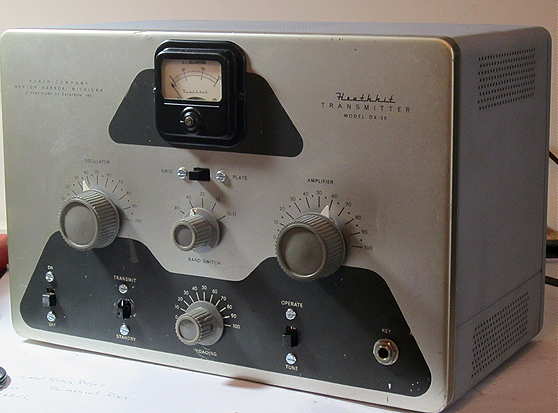
Just a reminder that 9 days of CW operating fun begins tomorrow afternoon. After last year's most enjoyable event, the NRR is now one of my 'must do' operating activities. You can read all about it here.
Ron's Logs
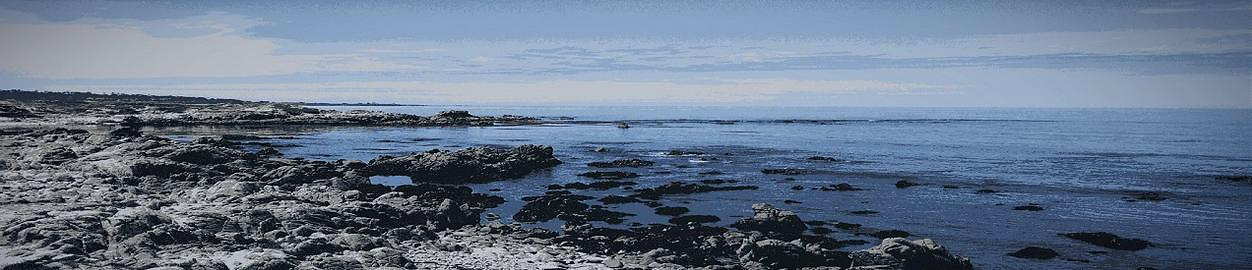 |
| courtesy: California State Parks |
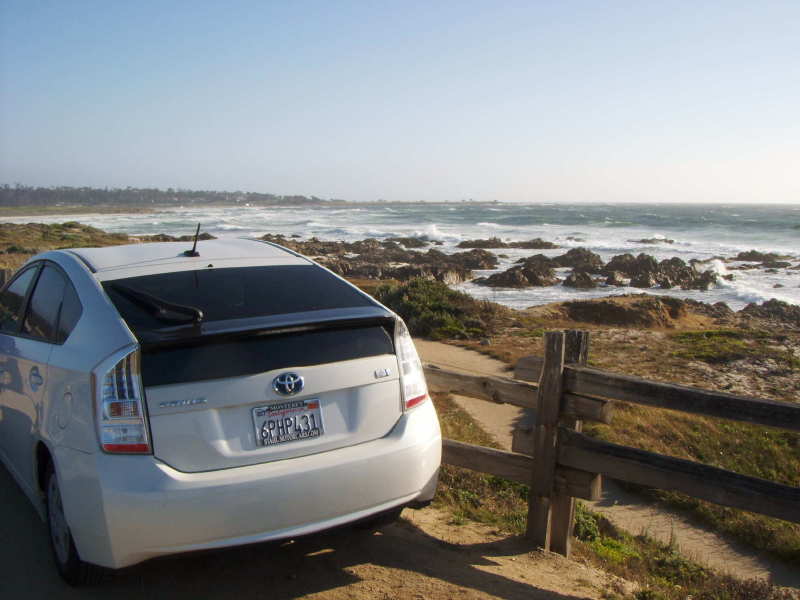
Ron lives in the seaside city of Monterey (CA) and on most mornings he makes the short pre-dawn drive to Asilomar State Beach (CA), a spectacular location on the coast.
After stringing out his 100' wire antenna on the nearby fence posts, Ron proceeds to log and record some truly exotic stuff before heading home.
Early last Fall, before being aware of Ron's daily regime, I had visited his exact location and after watching the big sea lions playing in the surf, had drooled over the location's great DX potential, little knowing that Ron had likely packed his gear up a headed home just a few hours before my arrival! I'm sure you'll be inspired to tune around the SW broadcast bands after checking out theses Group's daily posts.
Steve McDonald, VE7SL, is a regular contributor to AmateurRadio.com and writes from British Columbia, Canada. Contact him at [email protected].
Feeling gassy
Ionization is a beautiful thing
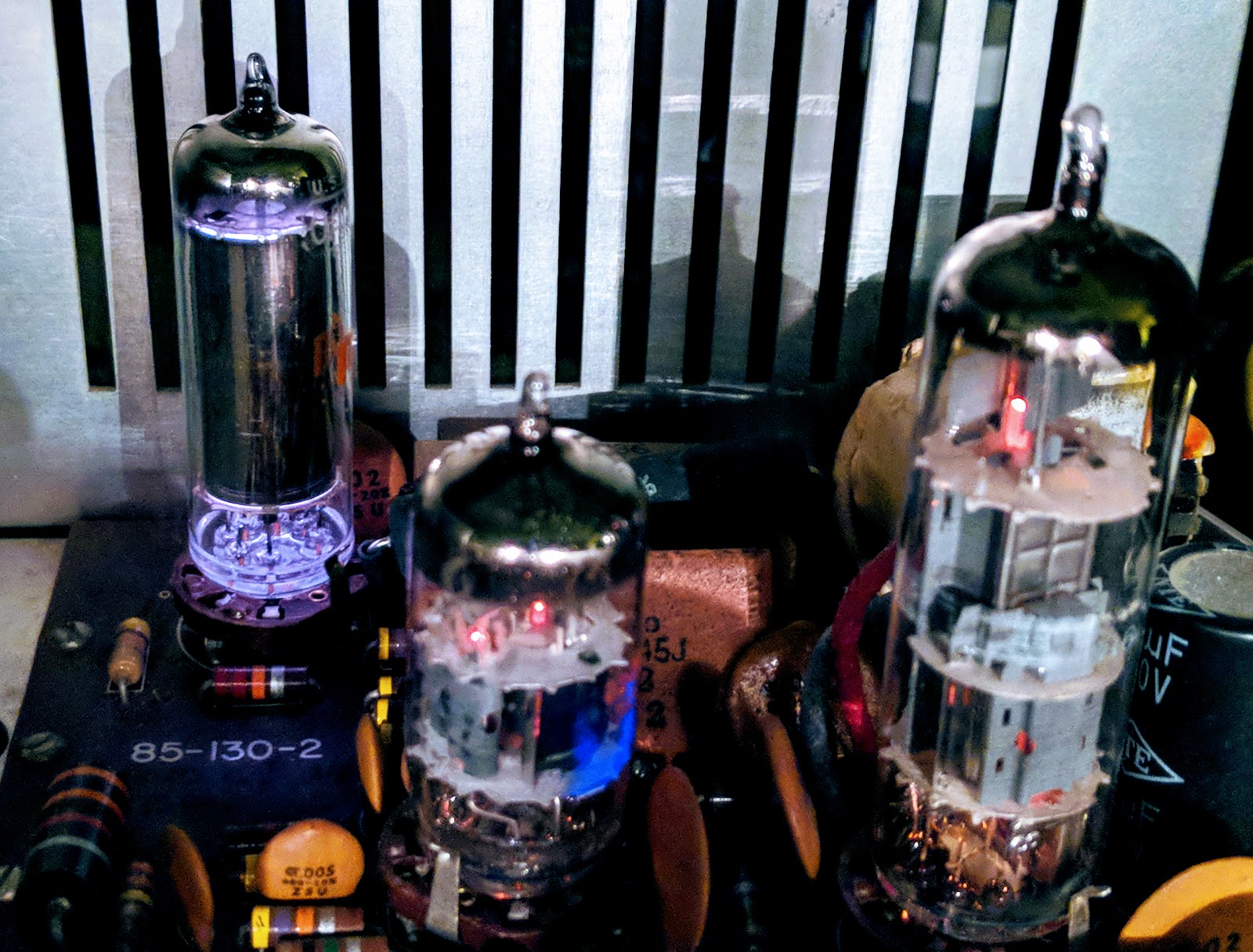 |
| OA2 VR tube glowing beautifully in back corner |
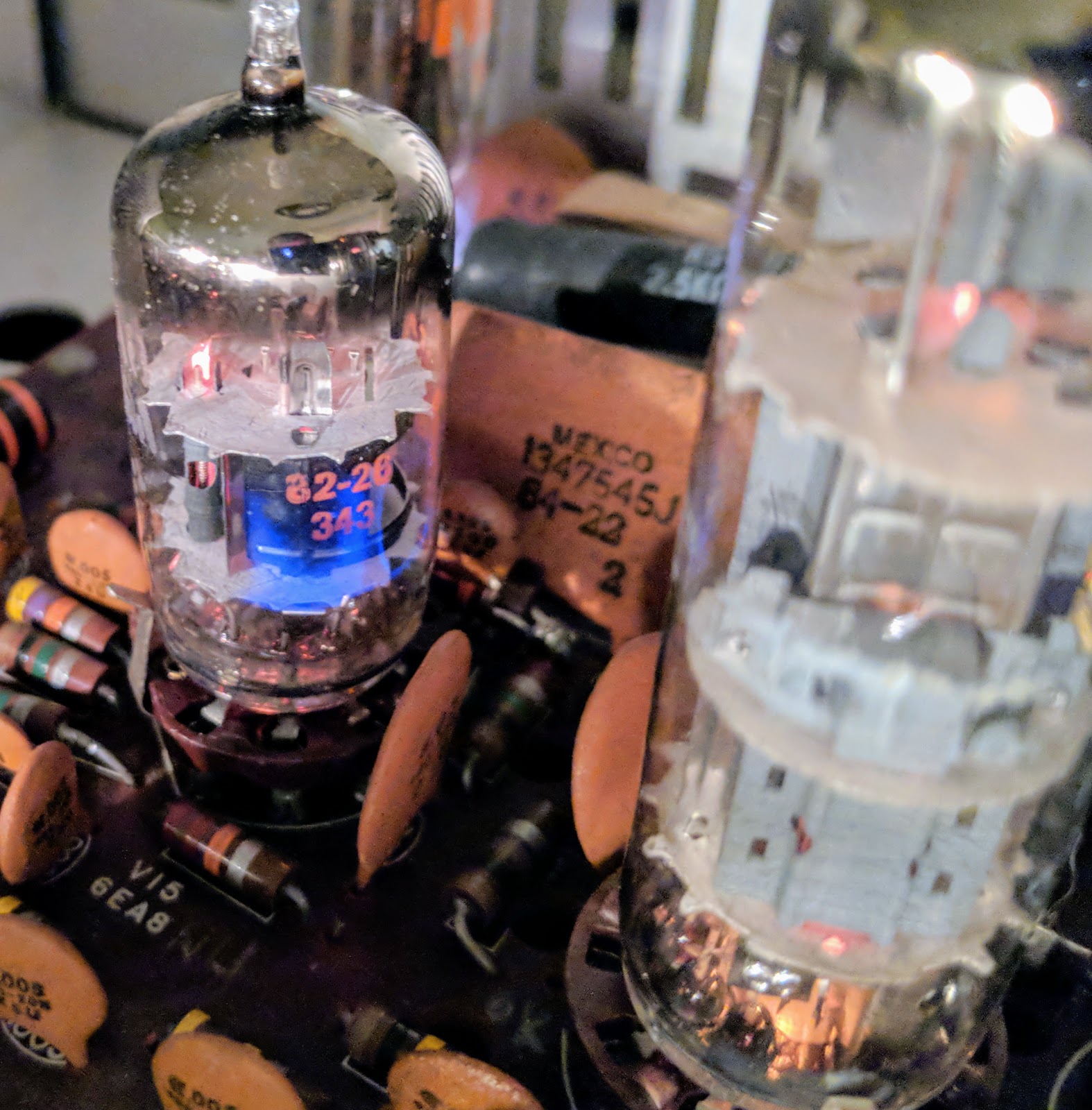 |
| Tbis 6EA8 should not be glowing violet |
Lots of flatulent tubes
Solved a bit of a mystery tonight
 |
| Tube shield needed to be grounded to the socket spring |
Richard Carpenter, AA4OO, is a regular contributor to AmateurRadio.com and writes from North Carolina, USA. Contact him at [email protected].
 Ham Radio Deluxe |
 W5SWL Electronics |
 Ham Radio Prep |
 KB3IFH QSL Cards  Hip Ham Shirts  HamRadioAuctions HamRadioAuctions Reliance Antennas Reliance Antennas Enigma Shop Enigma Shop |  morseDX  Ni4L Antennas  R&L Electronics R&L Electronics antennas.us antennas.us QRV QRV |
- Matt W1MST, Managing Editor
