 |
 LHS Episode #064: Winlink and AX.25
 31 August 2011 | by
 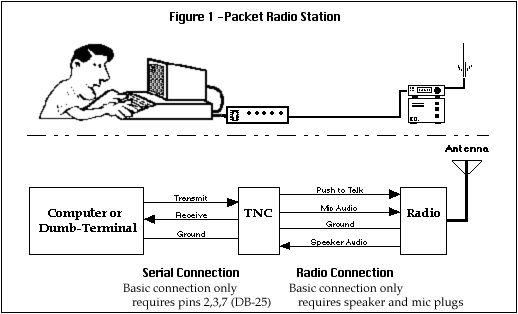 Welcome to Episode #062 of Linux in the Ham Shack. Today Richard has decided he’s going to talk a bit (OK, a lot) about Winlink, AX.25 and packet radio under Linux. In the meantime, I get to discuss some useful Linux utilities like modprobe, wget and the SysV init script system. So get comfortable in your easy chair, put on your headphones and relax for a deep dive into packet radio with Linux. Captain Nemo has nothing on us.
73 de The LHS Guys
Russ Woodman, K5TUX, co-hosts the Linux in the Ham Shack podcast which is available for download in both MP3 and OGG audio format. Contact him at [email protected].
ATS-4 b due late September / early October
UPDATE: As of mid October the new availability date for the ATS-4B is November 2011. Also Steven Weber is developing a daughter board to enable the ATS-4B to decode PSK and CW – which has a January 2012 delivery date. This board can’t be added to the earlier ATS-4A.
Since late June, Steven Weber’s site at http://kd1jv.qrpradio.com has displayed a short announcement that the next batch of ATS-4a kits will be available in the “fall of 2011″.

- Steven Weber KD1JV’s ATS-4 5 band trail friendly transceiver
On the AT_Sprint Yahoo group Steven has just confirmed that he anticipates having the kits available from late September or early October. He’s expecting the boards to be delivered “soon”.
This will be a revision ‘b’ as there are some minor circuit and layout changes. These include
- a simple AGC circuit to add to the audio output to limit the volume of very strong signals. The AGC should limit the audio output to about 200 mV p-p.
- a change of LCD display, reverting back to the graphics type used in the first run ATS-4 rigs.
- using the 28 pin version of the now scarce 20 pin SOIC MSP430 chip in the new board layout.
These kits enjoy a passionate following – especially the ATS-3b – and they sell out very quickly. Monitoring the AT_Sprint group closely over the next few weeks is the best way to avoid disappointment. An automated alert (such as changedetection.com) when the kd1jv.qrpradio.com page changes might help.
Stephen Rapley, VK2RH, is a regular contributor to AmateurRadio.com and writes from New South Wales, Australia. Contact him at [email protected].
Hidden DX Opportunities
Or…So this is where all the cool DX hangs out! But I thought that title was a bit too long and opted for the shorter version.
When I arrived home with my signed CSCE on Saturday, 28 August I did want to run downstairs and spin the dial into the extra class portion of 20m and work a station (contest or otherwise) as KD0BIK/AE. However, I also wanted to make sure I treated my #1 supporter in this hobby to lunch and spend the day with her doing some of the things she wanted to do. I’ve spent so much time over the past few weeks with my head in a book or on the PC, Laptop or iPad taking practice exams. So we went to lunch and then spent a few hours digging through antique shops.
After dinner and also somewhat tired/bored of watching Geraldo get blown around the streets of NYC, I decided I would head down and see what was happening on the ham bands. This was around 20:00 local (02:00 UTC). The 20m band was alive with activity with the Ohio and Hawaii QSO parties. I worked about three Hawaii stations and one Ohio station and then spent about 30 minutes trying to work W9IMS. While I had missed working them in May for the 500, I did work them in July for the Brickyard 400. Next year I’ll plan to try to score the Trifecta and work all three special event stations for that special certificate.
Anyway, I finally gave up on W9IMS and decided to see if the Yaesu FT-950 VFO would turn down past 14.225. I should have stopped by Ham Radio Outlet on the way home from the VE session to have them check the serial number on my 950 to determine if it had the pre-installed AE module installed. Ha ha ha
While I had occasionally turned the VFO down below 14.225, it was not something I did often. I do a lot more listening than I do talking on my radio, but I guess I just always thought I would just listen on the band segments I actually could operate on. Plus this was a built in safety net incase I heard a really rare DX calling and my excitement clouded by vision of double-checking what frequency I had been listening to. In any event, my FT-950 tunes down nicely below 14.225 and on Saturday evening, my ears were certainly surprised at all that I heard.
In just a matter of minutes I managed to work CT9/RW9JZ operating from Maderia Island, then I worked RJ3AA in Moscow, a few minutes later I worked RG4F in Kuznetsk, Russia. I closed my DX hunting down by adding CO6LC in Cuba. This was the first time I had worked Cuba on SSB phone.
Now I’m just wearing out the FCC ULS search watching for my upgrade to be noted. This VE Team did state it should appear within a few days so I’m sort of thinking Wednesday, Thursday or hopefully on Friday. It would certainly be nice to have that record showing as extra class prior to the Colorado QSO party coming up this weekend. But for now, I’ll continue to be KD0BIK/AE.
Until next time…
73 de KD0BIK/AE
Jerry Taylor, KD0BIK, is a regular contributor to AmateurRadio.com and writes from Colorado, USA. He is the host of the Practical Amateur Radio Podcast. Contact him at [email protected].
Checking for Damage from Tropical Storm Irene [VIDEO]
There was a lot of news coverage for then Hurricane Irene and what people should do and not do during the storm as well as get ready. Kim, my YL, and I did what we needed, to get ready and we felt pretty set and ready to ride out the storm. But as luck would have it, there really wasn’t that much to ride out where we were. We got lucky.Most of the damage from Irene was in other areas. Flooding and power outages were the main things. But there was a mudslide up in Troy, N.Y. that occurred because of the storm. But here at my home QTH, we saw mostly small limbs down. When I went out to check this morning, it was just a bit messier from the wind we had last night. But still nothing major on our end.
All through out, Kim, my daughter and I were inside from about 6pm Saturday night till about 6:30pm Sunday evening. All that time was TV, movies and news about the storm, except for a few hours I got on the local repeaters and helped out Tom, N2SQO with a Skywarn net for WX2ALY, the National Weather Service station in Valatie, N.Y.
So here is the video from our little “walkabout” on Sunday night during a break in the storm.
73.
Rich also writes a Tech blog and posts stories every Tuesday and Thursday on Q103, The Rock of Albany’s website, as well as Amateur Radio stories every Monday thru Friday on AmiZed Studios and hosts a podcast called The Kim & Rich Show with his fiance’ Kim Dunne.
Rich Gattie, KB2MOB, is a regular contributor to AmateurRadio.com and writes from New York, USA. Contact him at [email protected].
Installing Elecraft’s general coverage option
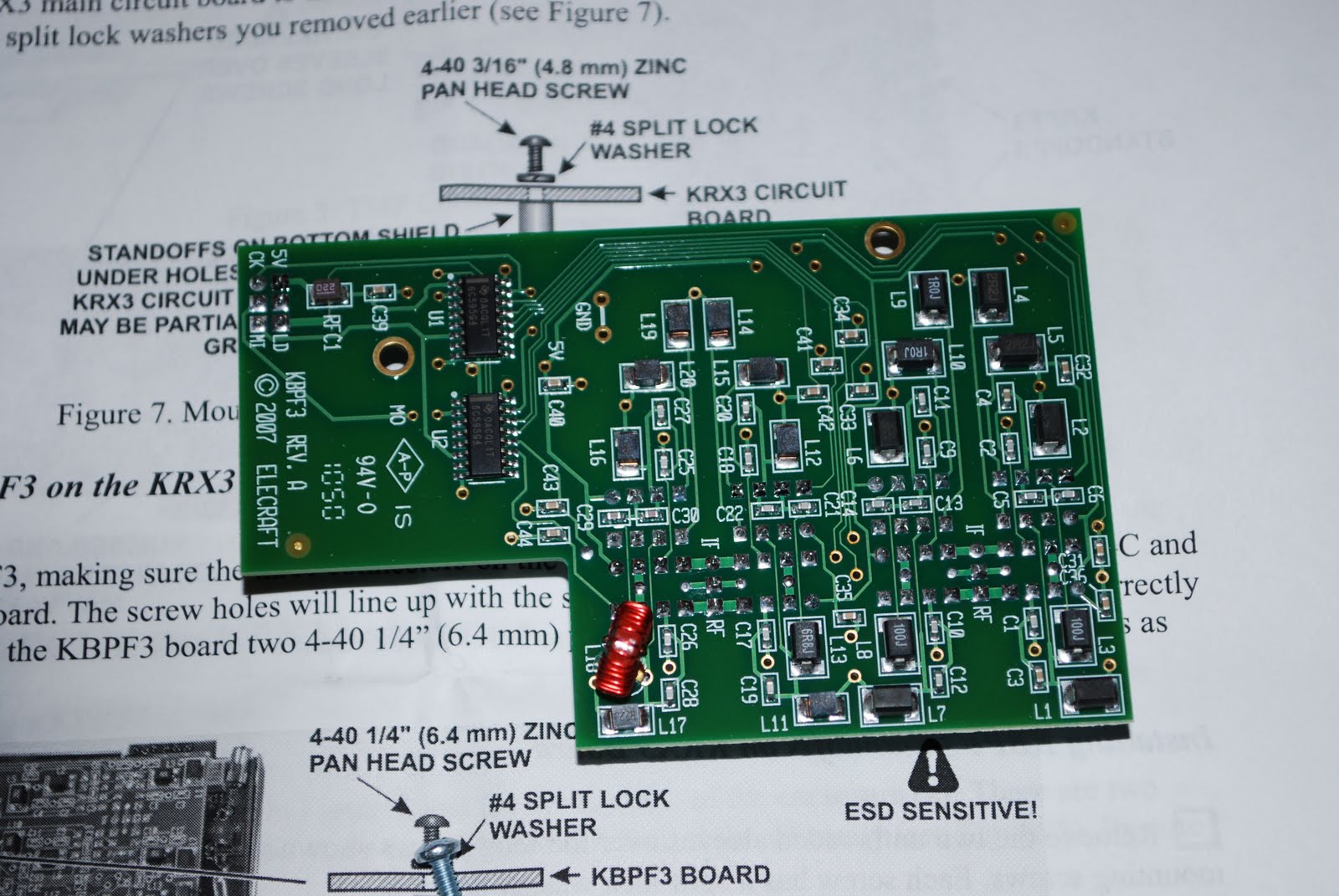 |
| KBPF3 board |
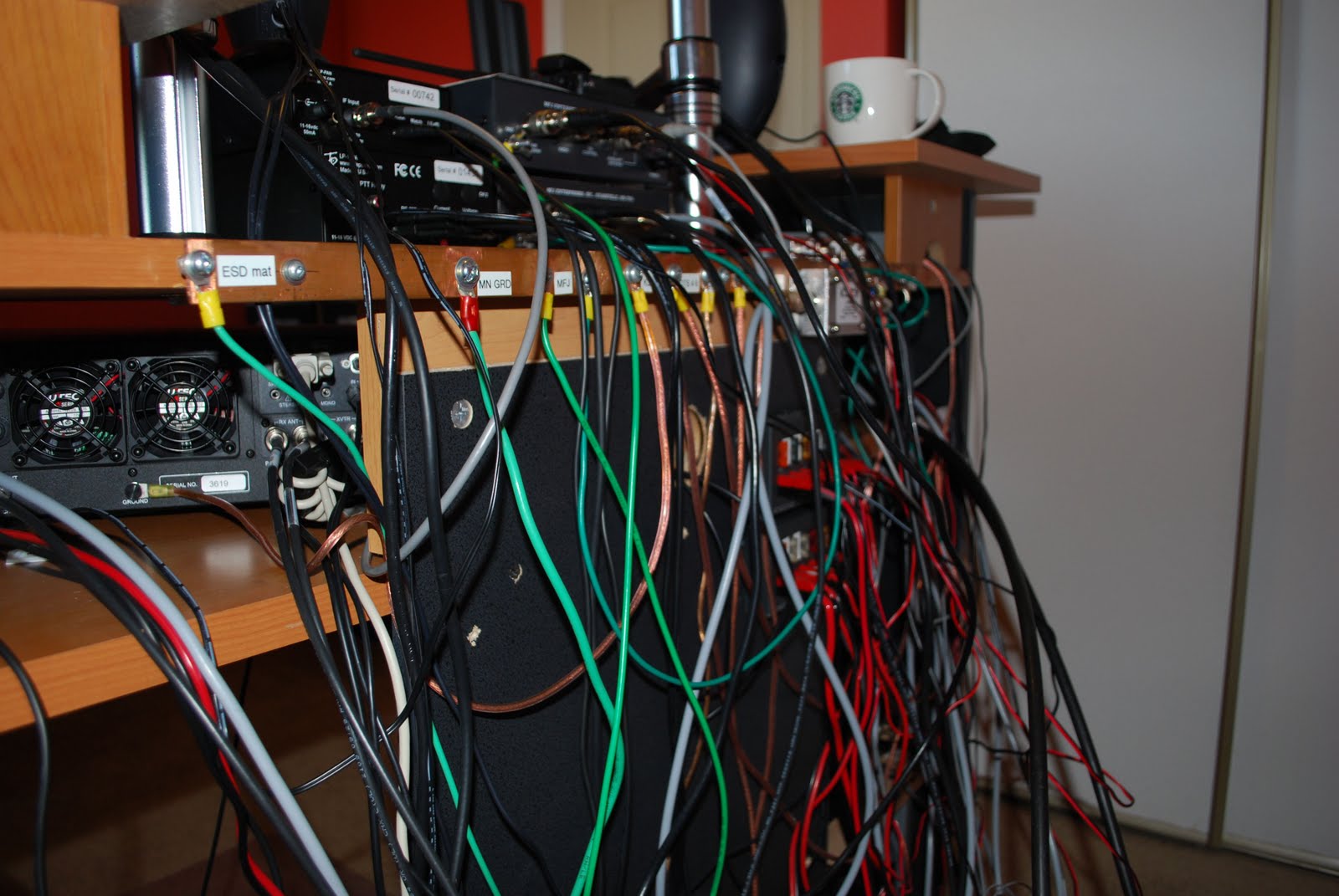 |
| The mess |
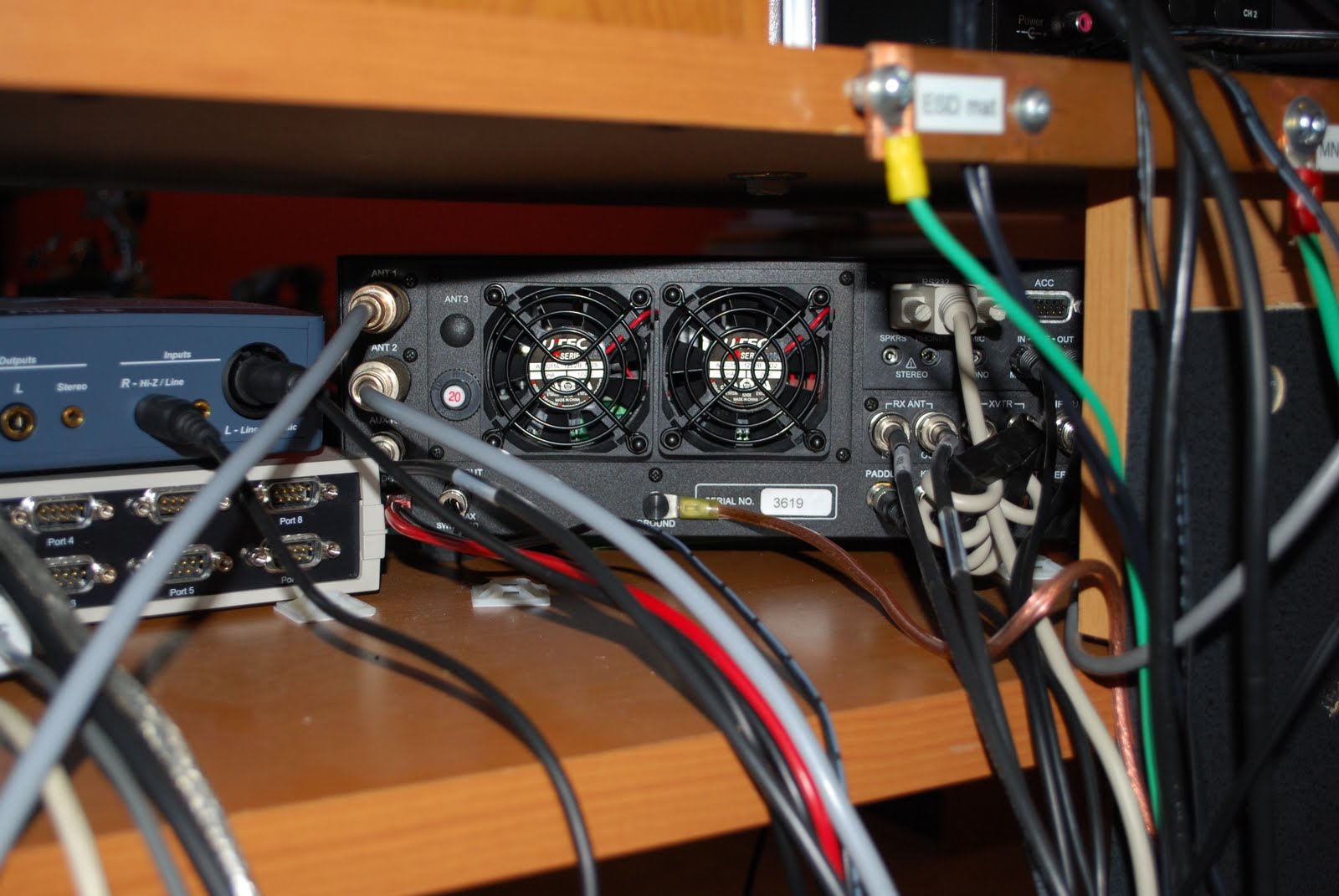 |
| K3 hookup |
 |
| Top cover off |
 |
| Sub-receiver |
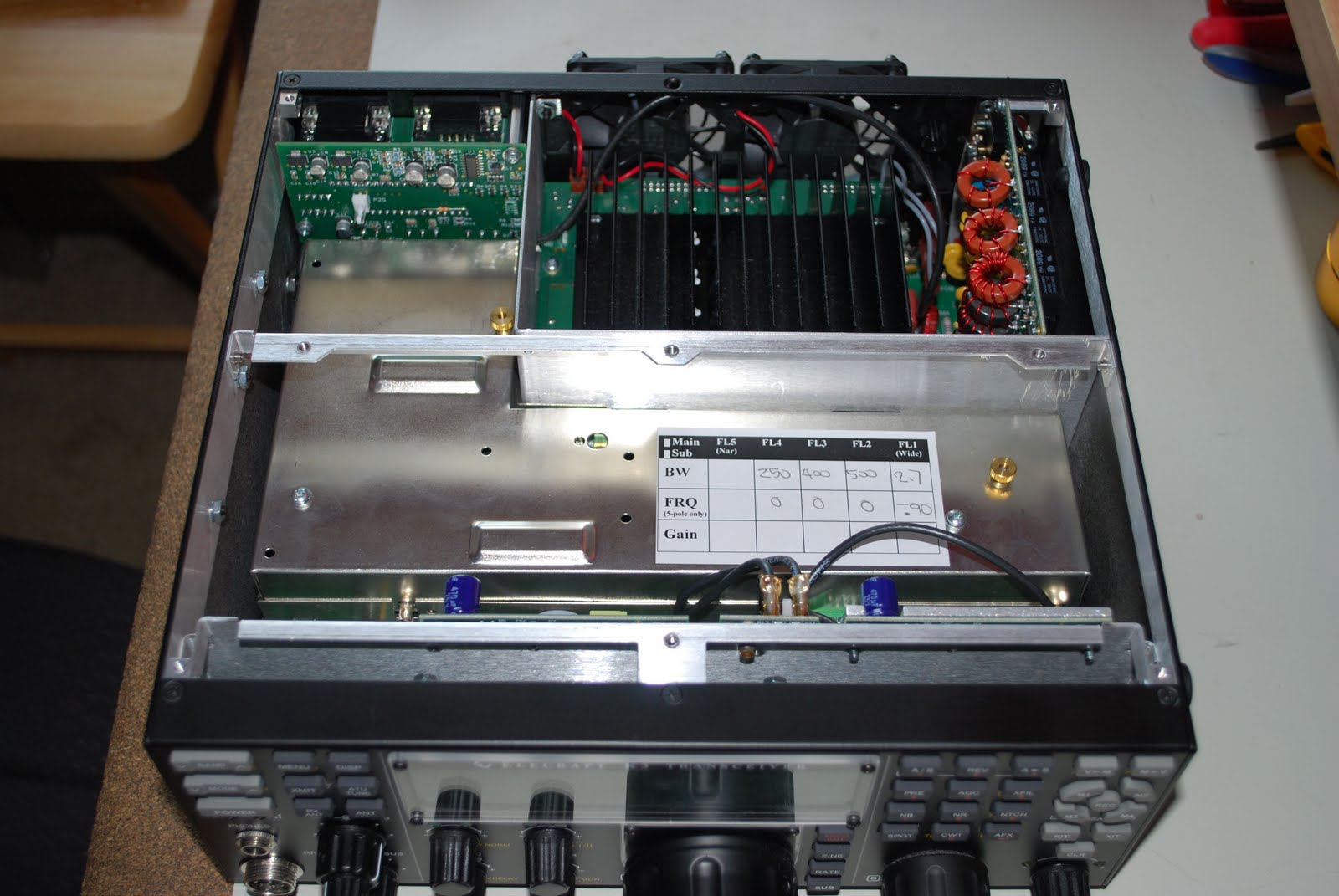
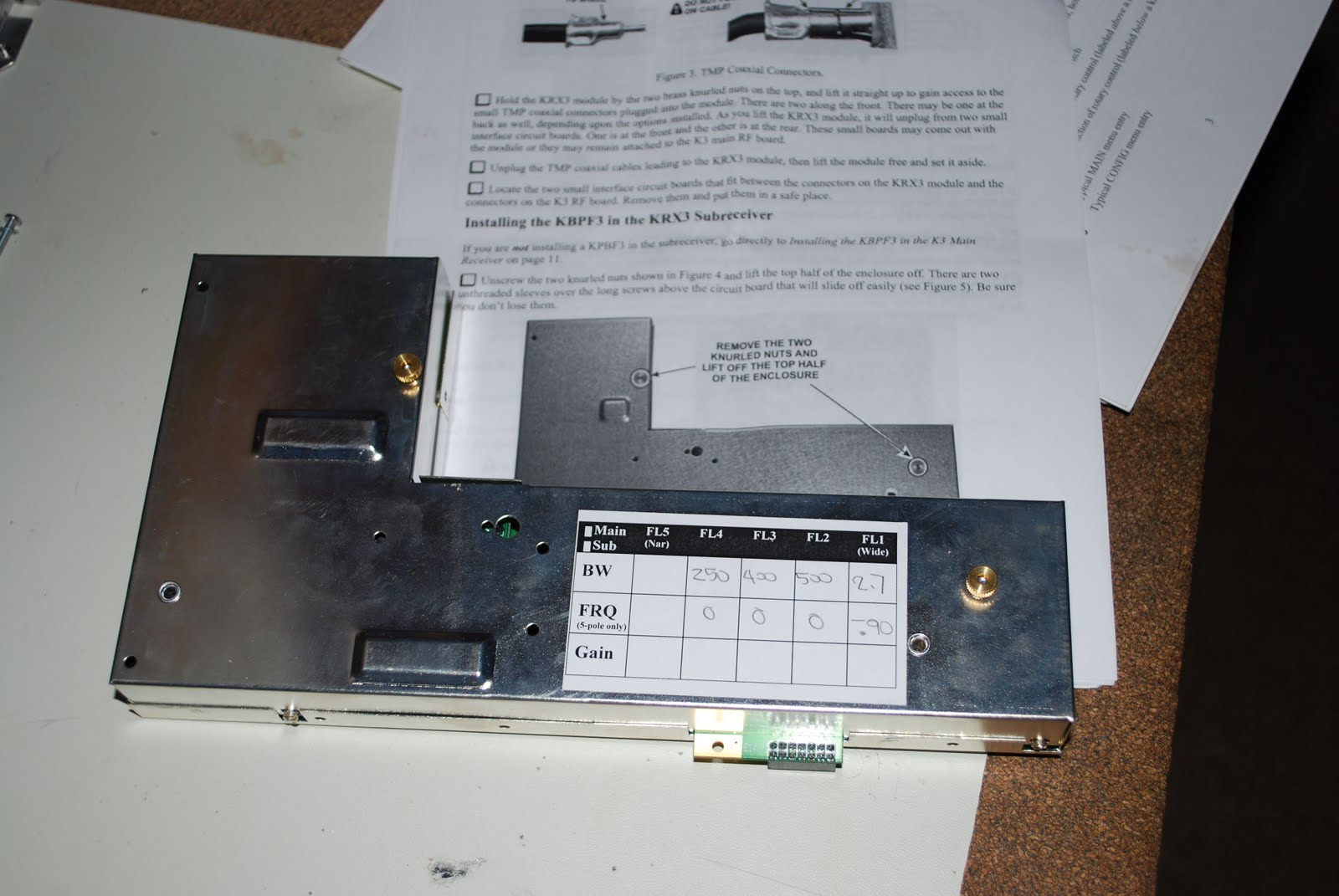
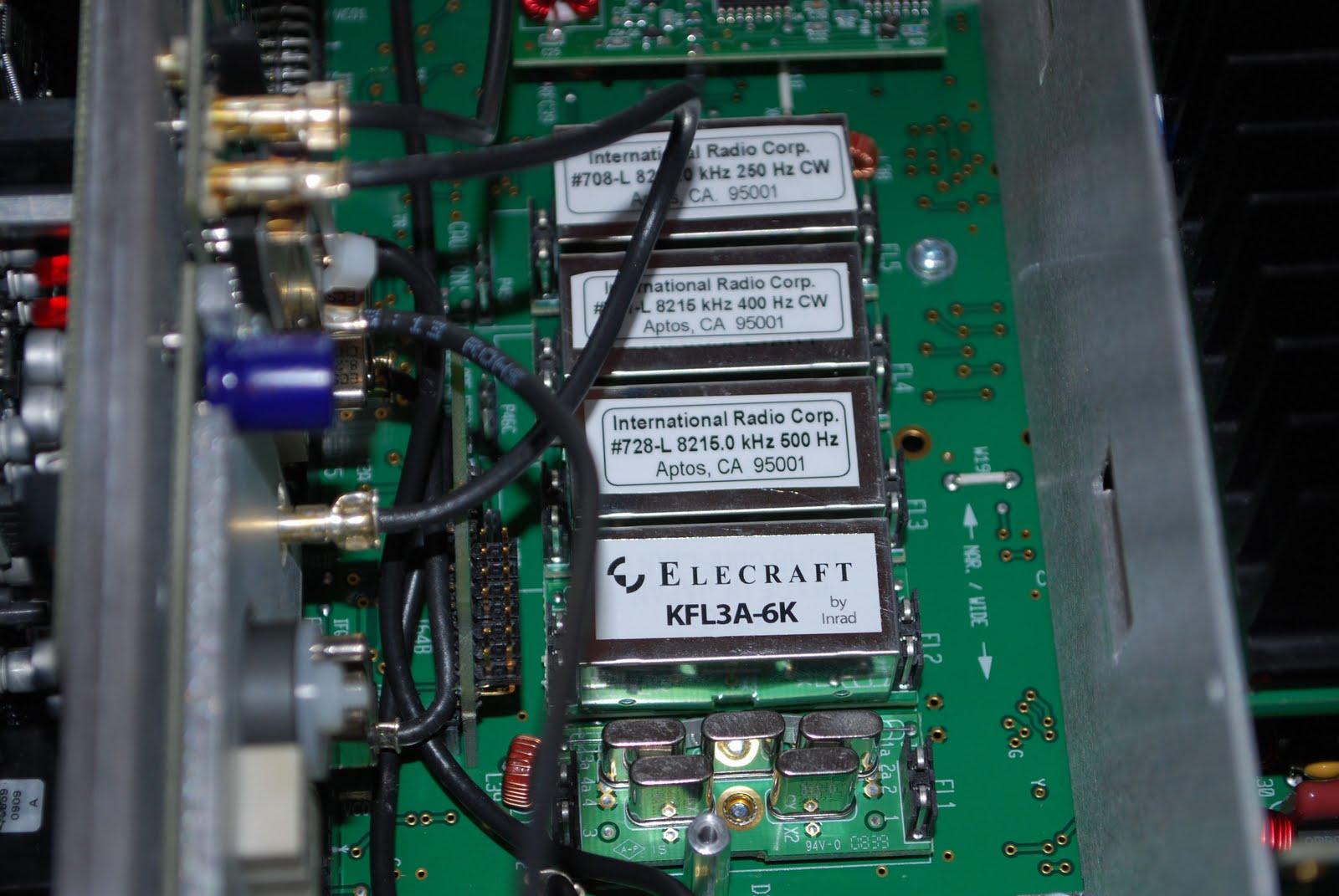
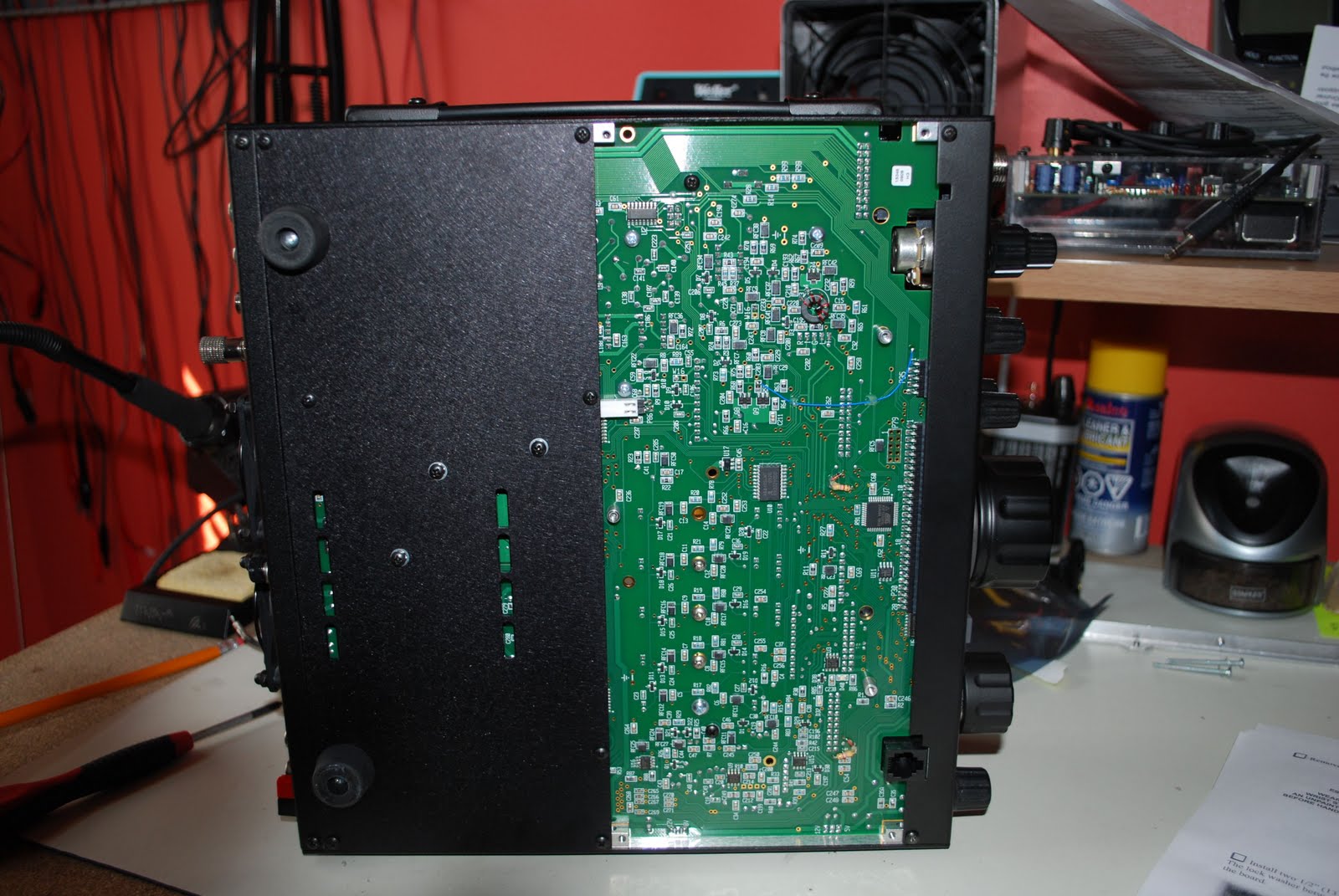
was time for me to move filters around to accommodate the new wide filter. Removing a bottom cover was in order to expose the filter's fastening screws. With the KBPF3 board in, sub-receiver back in....just a note of caution make sure the plastic cover is on the battery on the K3's main board. If it inadvertently came off and was left off it will come into contact with the sub-receiver's case and that is not good. Next all the covers went on
 |
| KBPF3 installed |
 |
| Note the wrong order of filters!! |
 |
| Bottom cover off |

Mike Weir, VE9KK, is a regular contributor to AmateurRadio.com and writes from New Brunswick, Canada. Contact him at [email protected].
Extra, Extra, Extra…Read all about it!
 I realize it was just Wednesday, 24 August when I blogged about reaching the 50% mark in the amateur extra training course I’ve been attending. I also realize it’s been less than a month (21 days to be exact) since I blogged about getting serious about extra….Again!! I have some great news I’ll share with you all in just a minute.
When I first got my license in August 2007, I knew I wanted to upgrade to the general class and I wanted to do it in relatively short time. I will admit that I quickly grew bored with working local VHF/UHF repeaters and while I did manage to work 10m HF, the QSO’s made on that band were few and far between. I became intrigued in PSK31 after watching Randy Hall’s K7AGE Youtube videos. Within a few weeks of earning my technician license, I was actively reading and preparing for general. I tested for my general ticket on 5 January 2008, just four months after getting my ticket.
Something else I need to admit is once I had my general in hand, I was satisfied. I had all the HF privileges that I believed I needed and wanted. I was happy as a pig in mud with being able to work PSK31, RTTY and of course phone on all the bands generals have access to. I even remember a conversation with a colleague from my office who was also a general. We both discussed how general was all we felt we would ever need.
Now keep in mind this was inside of my first six months of the hobby. In May of 2008 I started the Practical Amateur Radio Podcast and the Elmer bug bit me. Also, it was through the podcast and social media sites like Facebook and Twitter where I really became friends with many hams who were either already extra class or working to become extra class.
I believe it was very soon after I started the podcast and really started to get more involved with my Elmer activities that I realized I did see more to the hobby than staying at general. Sometime during the summer of 2008 I picked up the ARRL extra class study guide and started reading. But sadly over the last three years the ARRL extra class study guide spent more time on the shelf than it did in my hands.
Now jump forward three years and as I blogged on 8 August, I had once again pulled the book from the shelf and began studying. The approx. 50% of the material I had previously read all came back to me relatively easy. Plus the SCARS Echolink training was adding additional knowledge and confidence to my overall process. Again, just as I blogged last Wednesday, I truly felt on-track to take the exam in late September or early October. While I didn’t state this in writing, my unofficial target date was prior to October 4. On October 4 I turn 45 years old. Birthday present to myself???
On Thursday (just one day after the blog update) I had been passing the sample tests from QRZ in the high 80’s to low 90 range. My ideal practice score is in the upper 90’s as I don’t feel I am the best at taking exams. I told my wife that I couldn’t see a reason for me to delay taking the exam and she supported my decision to take a chance. She actually suggested I go into the exam thinking it was just another practice exam. If I didn’t pass, I still had several weeks of the SCARS class to continue to build my understanding of the material (this has always been my #1 goal versus memorization). Another reason to give it a try is my schedule at work is also starting to pickup speed again. I was recently promoted and had a few added responsibilities sent my way. I feared if I delayed, something would happen and I would lose the momentum.

I went to bed on Friday night feeling pretty nervous, but feeling confident. I slept remarkably well and woke up with enough time to enjoy some coffee and a bagel and just ease into the morning. I didn’t take any sample tests…I just enjoyed the peacefulness of the morning. With a cup of coffee for the road (a roadie) I started the 25 mile journey to Franktown, Colorado for the Colorado ARES sponsored VE session. By 9:45 AM, I had the CSCE in my hand and had finally made extra.
In closing, I don’t view the extra class as the only true ham class. For those who are technician, general, advanced….if you are happy then this is what matters. You are just as much a part of this hobby and service as anyone else is. However, if you are interested in upgrading I say go for it. I’m glad I finally got serious about it and followed through….ALL THE WAY through.
Finally, thanks to all who over the past several weeks have taken the time to post comments to the blog and even email me to lend words of encouragement. This meant a lot to my study and preparation process. I felt like I had all of you with me yesterday cheering me on as I worked through the 50 questions and answers.
Until next time….
73 de KD0BIK/AE
Jerry Taylor, KD0BIK, is a regular contributor to AmateurRadio.com and writes from Colorado, USA. He is the host of the Practical Amateur Radio Podcast. Contact him at [email protected].
ICQ Podcast S04 E18 – Lord Howe Island DXPedition (28 August 2011)
Series Four Episode Eighteen of the ICQ Podcast has been released. News Stories include :-
- Baltimore QSL card exhibition
- National special prefix for Parks Canada Centenial
- FUNcube Dongle as a Radio Telescope?
- Lining up for TV hook-up
- Vanity call sign fee to increase
- CASHOTA UK & Ireland Heritage event
- 2 metre DXCC achievement
- Dutch authorities get tough with radio pirates
- G5RP Trophy nominations sought
- Heathkit returns to market
- FO-29 15 years old
- 70th Anniversary for ham couple
Your feedback and Ed Durrant (VK2ARE) provides a report from the Lord Howe Island DXPedition.
Colin Butler, M6BOY, is the host of the ICQ Podcast, a weekly radio show about Amateur Radio. Contact him at [email protected].
 Ham Radio Deluxe |
 W5SWL Electronics |
 Ham Radio Prep |
 KB3IFH QSL Cards  Hip Ham Shirts  HamRadioAuctions HamRadioAuctions Reliance Antennas Reliance Antennas Enigma Shop Enigma Shop |  morseDX  Ni4L Antennas  R&L Electronics R&L Electronics antennas.us antennas.us QRV QRV |
- Matt W1MST, Managing Editor
