 |
 New 1000 mile per watt record………
 22 December 2011 | by
 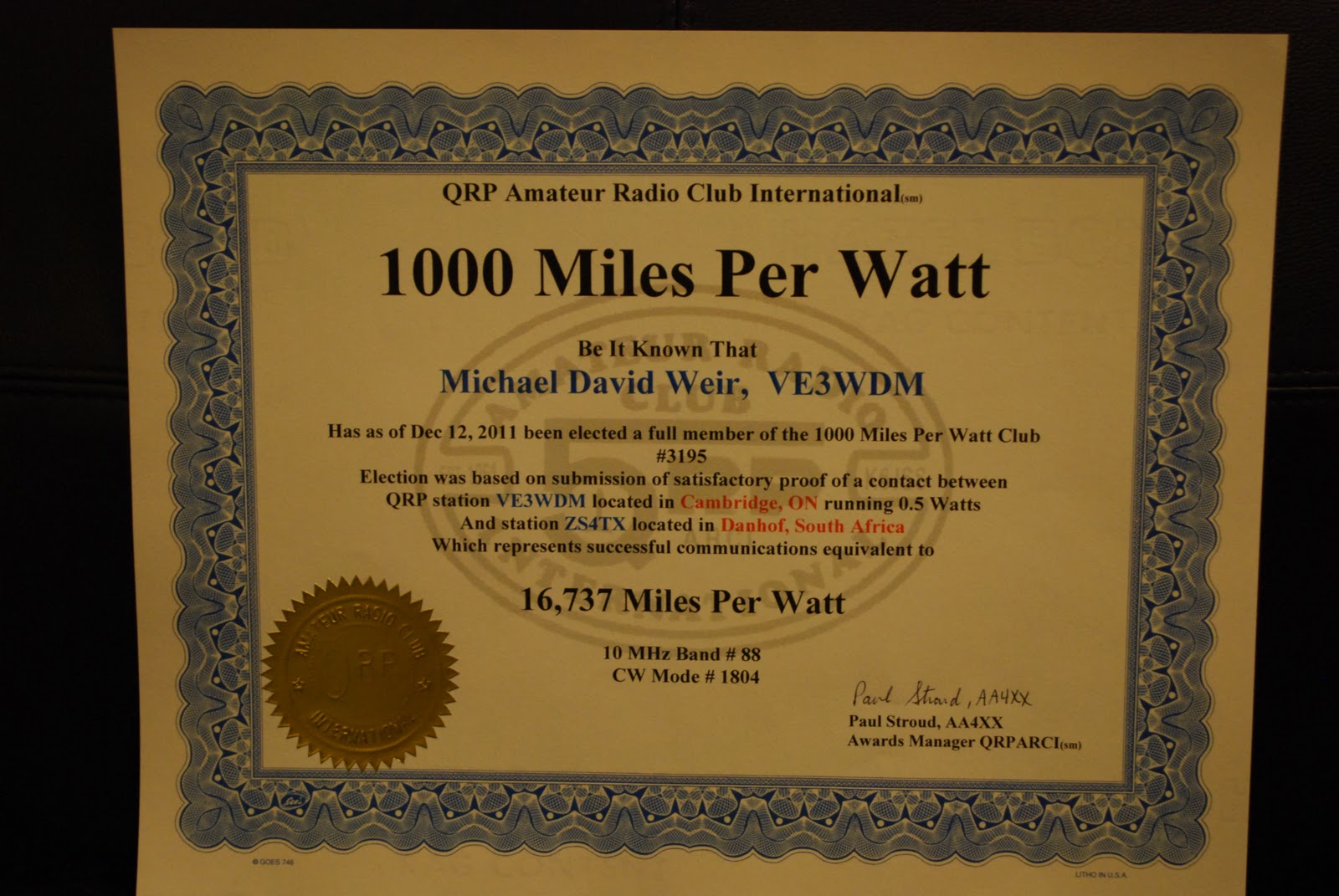 |
| The excitement had me fill in the wrong band a new one is coming for 14 MHZ (click for full size) |
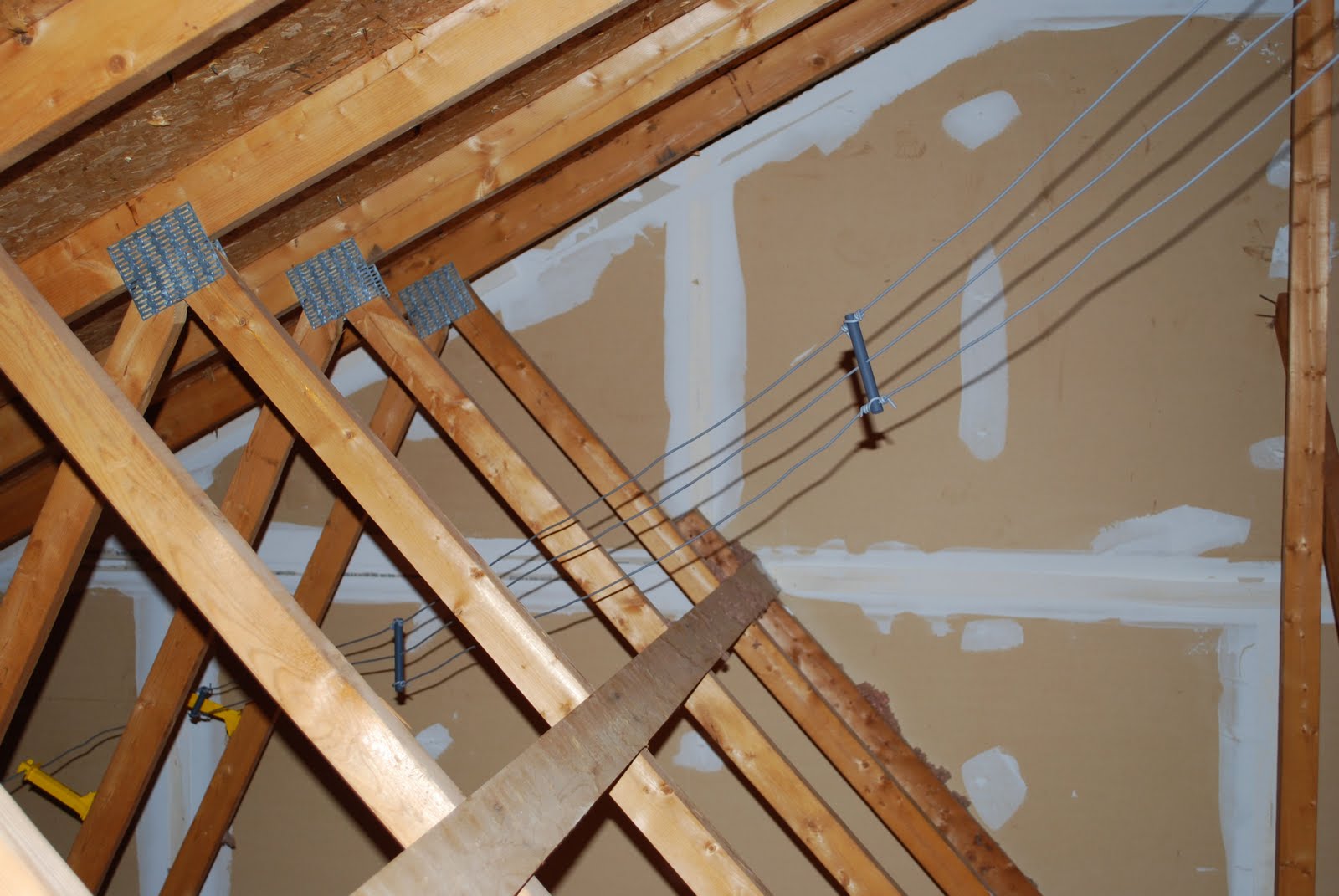 |
| Attic dipole (click to enlarge) |
my miles per watt all time high was 8325 miles per watt!! Now you also have to remember I am not running a huge tower loaded with eye candy beams. My radio waves into ham land are done with an attic dipole in a "Z" configuration (Alpha Delta DX-EE), so it has a nice wooden roof above an insulated ceiling below. Yes it is not the latest and greatest of antennas but I'm not doing to bad with it. During the contest I dropped the Elecraft K3's power to 500mW's to see what I could do. To my surprise ZS4TX came back to me... I made contact and exchanged contest info. After the contest I emailed ZS4TX (Bernie) and he was shocked that I was running QRPp at 500mW's. My signal according to Bernie was above average into South Africa. So my new "to beat record" is 16,737 miles per watt I more than doubled my last record!!!
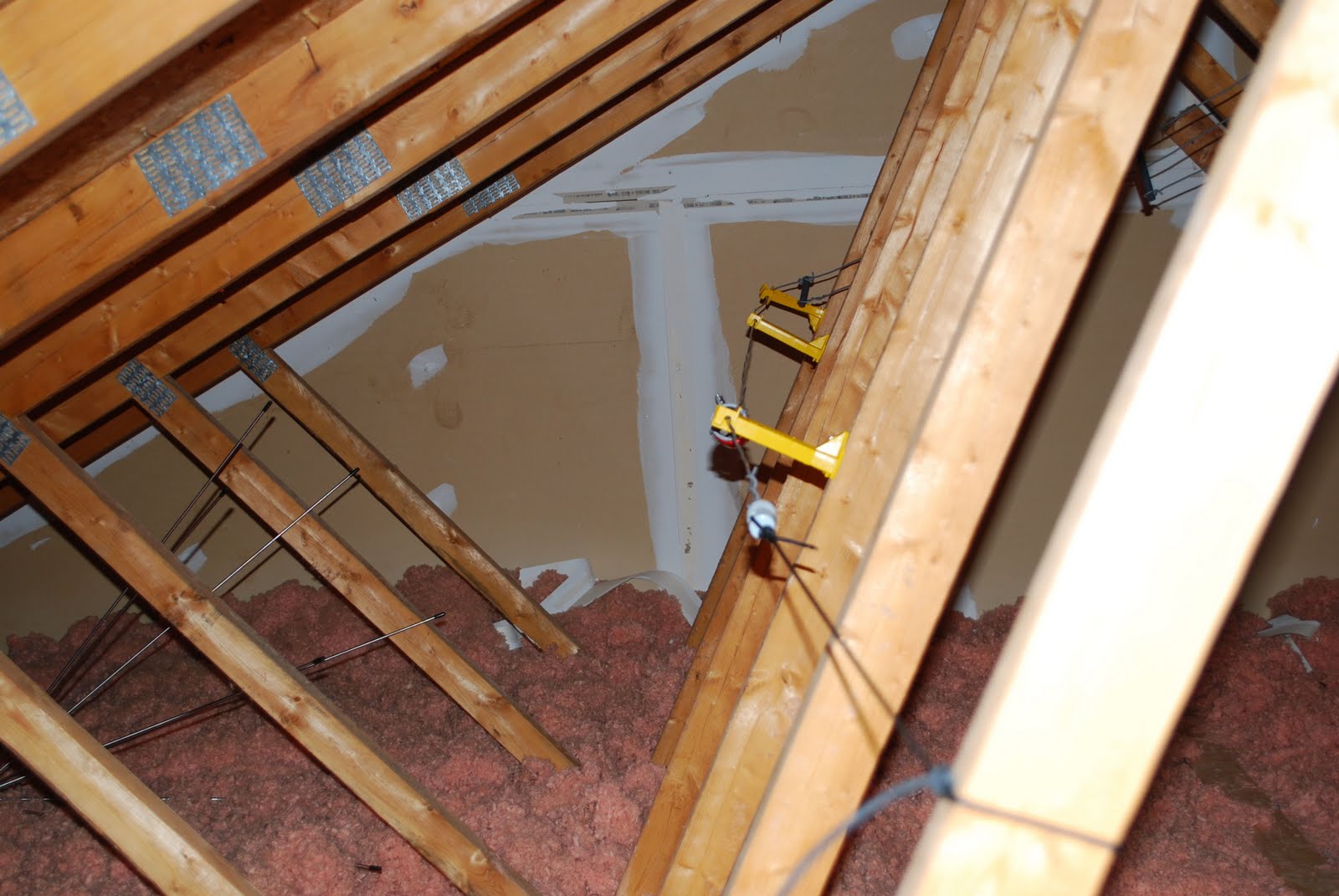 |
| The folded or "Z" part (click to enlarge) |

Mike Weir, VE9KK, is a regular contributor to AmateurRadio.com and writes from New Brunswick, Canada. Contact him at [email protected].
LHS Show Notes #071
Announcements:
- The Black Sparrow Media web site has been updated. If you use the aggregate feed from there, you’ll receive Linux in the Ham Shack, QSK Netcast, and Resonant Frequency (or Richard’s Radio Adventures) podcasts.
Topics:
- D-RATS
- Bruce, VE2GZI, asks for help installing D-RATS on his Linux Mint computer. He tried adding the repository per the instructions on the D-RATS website, but received errors.
- Richard has several suggestions: Make sure the whole line “deb http://d-rats.com/apt karmic release” gets entered into your sources.list file and that you are using the right repo for your distribution. Linux Mint normally falls a version behind Ubuntu. You might also try the tar file labeled “source” from the website, and use the archive manager to install it. Since D-RATS is written completely in Python, and Dan normally tries to stay with the most current version, check to see if you have the most recent version of Python installed. Finally, you could subscribe to the D-RATS mailing list from the website for more help.
- Russ adds: If you wish to add the repository via the command line, there are a couple of ways to do it: (a) Edit the file /etc/apt/sources.list and add the “deb http://d-rats.com/apt karmic release” line, OR (b) Create a file in the /etc/apt/sources.list.d directory called, say, d-rats-repo.list, and add the “deb http://d-rats.com/apt karmic release” line to it. However, back in April, 2011, Steve Conklin, AI4QR, said his packaging of D-RATS had been accepted into both Debian Testing and Unstable branches. So, if you’re running Debian or Linux Mint Debian Edition, it’s already in the repository. Just issue the command “apt-get install d-rats”. For Ubuntu, there’s a PPA at https://launchpad.net/~sconklin/+archive/hampackages. That should work with Ubuntu 10.04 (Lucid Lynx), 10.10 (Maverick Meerkat), and 11.04 (Natty Narwhal). (It may not work with Ubuntu 11.10, Oneric Ocelot, but then again, it might).
- Ed. Note: After this episode was recorded, the D-RATS website was updated to say:Ubuntu users should use the ubuntu-hams PPA in order to get packages for D-RATS. To install the PPA, go to a terminal and type:
sudo apt-add-repository ppa:ubuntu-hams-updates/ppa
sudo apt-get update
sudo apt-get install d-rats
The package manager will do the rest!
- Chirp
- Chirp was written by Dan Smith, KK7DS, who is also the author of D-RATS.
- From the Chirp wiki: CHIRP is a FREE cross-platform, cross-radio programming tool. It works on Windows and Linux (and Mac OSX, with a little work). It supports a growing list of radios across several manufacturers and allows transferring of memory contents between them.
- Chirp currently supports 41 different model radios from Alinco, Yaesu, Kenwood, Icom, and others.
- Richard tested it with his Icom IC-91 and IC-2200.
- Chirp has a bare-bones interface, using a basic spreadsheet style, and is primarily for entering memory channel information. It will allow entry of call signs for D-STAR operation.
- There are packages for Fedora and Ubuntu, and a source package for all other distributions of Linux. Chirp is written in Python, so be sure to have the latest version of Python installed.
- There is also a self-extracting .exe file for Windows, and an app package for Mac OS-X. You must install the Python runtime package, available on the Chirp website, for the Mac version.
- There is a Chirp mailing list, among others, at http://intrepid.danplanet.com/mailman/listinfo/.
- Russ and Richard then discuss the cost of various D-STAR radios.
- Linux Tip: apt-cache policy
- Russ offers a tip on how to determine which Debian repository is providing a given package.
- Use the command apt-cache policy <package name>
- For example: apt-cache policy libpulse0
- The results of that command will show you which version is installed, if any, which version would be installed, and all other versions available.
Feedback:
- Dan, K4FD, thanks us for the podcast. It has inspired him to return to the hobby after a 10 year hiatus. Thanks, Dan, and welcome back to the hobby!
- We received a donation from Jim G. Thank you, Jim!
Contact Info:
- Contact Richard at [email protected], Russ at [email protected], or both at the same time at [email protected].
- Listen to the live stream every other Tuesday at 8:00pm Central time. Check the LHS web site for dates.
- Leave us a voice mail at 1-909-LHS-SHOW (1-909-547-7469), or record an introduction to the podcast.
- Sign up for the LHS mailing list.
- Sign up for the MAGNetcon mailing list.
- LHS merchandise is available at the Merch link on Web site. Check out the Badgerwear or buy one of the other LHS-branded items at PrintFection.com/lhs or Cafe Press. Thanks!
- Thanks to Dave from Gamma Leonis for the theme music.
Music:
- To be added.
Russ Woodman, K5TUX, co-hosts the Linux in the Ham Shack podcast which is available for download in both MP3 and OGG audio format. Contact him at [email protected].
Handiham World for 21 December 2011
Welcome to Handiham World!

- Get on the club Internet mailing list and immediately complain about the newsletter, the editor, and the overall lack of quality in “this day and age”?
OR…
- Notify the newsletter editor politely about the error and offer to help get the word out about the correct date for the event?
[email protected]
Handiham Manager

Pat Tice, WA0TDA, is the manager of HANDI-HAM and a regular contributor to AmateurRadio.com. Contact him at [email protected].
LHS Episode #071: Nudge, Nudge
 In Linux in the Ham Shack’s sexiest episode ever, the guys take on some sensuous applications from the Python world. Dan, KK7DS, has been writing cross-platform software for D-STAR and rig programming for some time. Richard and Russ take on a couple of his more prominent works: d-rats and chirp. On the purely Linux and Open Source side of the program, there are some valuable nuggets that we’ll let you all listen to find out about. And they try not to get too excited, but with this being Episode #071, it’s hard not to. Thanks to everyone for downloading the show and have a Merry Christmas and bountiful New Year.
73 de The LHS Guys
Russ Woodman, K5TUX, co-hosts the Linux in the Ham Shack podcast which is available for download in both MP3 and OGG audio format. Contact him at [email protected].
LHS Show Notes #070
Promo:
- The 2nd Annual Northeast GNU/Linuxfest will be held March 17, 2012 in Worcester, MA.
Introduction:
- Welcome to another installment of Linux in the Ham Shack.
- After the holidays, consider attending a Skywarn training class so you’ll be prepared for the next storm season.
Topics:
- Contesting software for Linux
- Ian, KM4IK, wrote that he’s now using Ubuntu 11.04 in his ham shack, but wants suggestions for a native Linux contest logging program. Good question, Ian, and we have a few suggestions. However, as neither Russ nor Richard are contesters, these may or may not be suitable for you.
- JL Logger is a Java application that supports all of the major contests.
- YFKlog and YFKtest are curses-based programs that run in a terminal session. YFKtest uses the hamlib libraries for rig control.
- TLF also runs in a terminal session and uses hamlib for rig control.
- KB is still in development. It runs in the Gnome window manager. Radio control for the Yaesu FT-1000 only.
- Fldigi has a built-in logger, and will also work with CQRLog.
- N1MM Logger has been reported to work under Wine. Others have had problems.
- Russ tried installing N1MM under Wine, and while the installer ran fine, N1MM didn’t run properly when launched. Apparently, you must have the ALSA libraries installed. Note that the N1MM website warns that you should perform the Full Install, then install the latest update. Do not run the Full Install without first installing the update. Russ also tried the JL Logger, but it crashed. After realizing that it requires that the Java Development Kit, he installed that, but it still crashed. Look for an update in a future episode.
- VLC media player
- Richard was having an issue with the VLC plugin for Firefox 7.0.1; the LHS music stream would play one song then stop. The VLC Media Player should work.
- Our hosts briefly digress into a discussion of the DEFCON system; DEFCON 1 is the most serious, while 5 is the least. Hollywood often gets it wrong.
Feedback:
- Burt, K1OIK: please contact us about recent emails we’ve received from you. It may be that your email account may have been compromised.
- Leif, KC8RWR, wrote us regarding the discussion of EchoLink clients in episode 66. He tried QTEL and it worked fine. Thanks, Leif. (Also look at SvxLink.)
- Tom, KA2D, who is on the committee for Ham Radio University in New York, asks if there are any LHS Ambassadors in the Long Island, NY area. No, Tom, so you’re it!
- Andy, KC2ZWR, of the Suffolk County Radio Club, will also be at Ham Radio University on January 8, 2012, and offers his services as ambassador for that event.
- Tony, K7ISS, wrote to say he was happy that Richard had a good time at the Texoma Hamarama. Richard blogged about his visit to the event.
- Mike S., sent a VERY generous donation to the podcast. Thank you, Mike!
- The second annual Indiana Linuxfest will be April 13-15, 2012 at the Wyndham Indianapolis West Hotel. Russ is planning to be there, and so should you.
Contact Info:
- Contact Richard at [email protected], Russ at [email protected], or both at the same time at [email protected].
- Listen to the live stream every other Tuesday at 8:00pm Central time. Check the LHS web site for dates.
- Leave us a voice mail at 1-909-LHS-SHOW (1-909-547-7469), or record an introduction to the podcast.
- Sign up for the LHS mailing list.
- Sign up for the MAGNetcon mailing list.
- LHS merchandise is available at the Merch link on Web site. Check out the Badgerwear or buy one of the other LHS-branded items at PrintFection.com/lhs or Cafe Press. Thanks!
- Thanks to Dave from Gamma Leonis for the theme music.
Music:
- To be added.
Russ Woodman, K5TUX, co-hosts the Linux in the Ham Shack podcast which is available for download in both MP3 and OGG audio format. Contact him at [email protected].
40m JT65 surprise
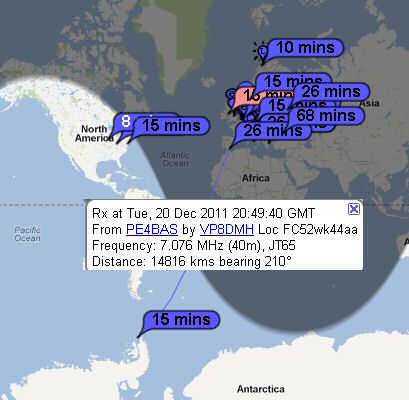
I was using JT65 this evening with 5W from my FT817 on 40m. Antenna was the 84m loop. The surprise was my signal being received by VP8DMH at the Halley Research station, Brunt Ice shelf, Antarctica. Didn’t see hime making QSOs so I guess he was just listening!
Bas, PE4BAS, is a regular contributor to AmateurRadio.com and writes from Groningen, Netherlands. Contact him at [email protected].
Building Your First Station
A few weeks ago, I posted a video from Tyler, N7FTP, who posted a “Getting Started” kind of video on how to use an antenna tuner. And I am a firm believer in getting back to basics. It’s saved my bacon a bunch of times. When I came across this video, it was a no brainer on if I should post it or not. So Tyler is back with a video and tips on building your first Amateur Radio station. He demonstrates equipment that is important to have in a first station.
73.
Rich Gattie, KB2MOB, is a regular contributor to AmateurRadio.com and writes from New York, USA. Contact him at [email protected].
 Ham Radio Deluxe |
 W5SWL Electronics |
 Ham Radio Prep |
 KB3IFH QSL Cards  Hip Ham Shirts  HamRadioAuctions HamRadioAuctions Reliance Antennas Reliance Antennas Enigma Shop Enigma Shop |  morseDX  Ni4L Antennas  R&L Electronics R&L Electronics antennas.us antennas.us QRV QRV |
- Matt W1MST, Managing Editor
