 |
 Boxing Day holiday tropo
 27 December 2011 | by
 I remember a couple of years ago, VHF/UHF tropo conditions were good around Boxing Day. Well, although today wasn’t Boxing Day, it was our Boxing Day Bank holiday.
This morning as I was dealing with some e-mails, I had the VHF FM rig running on 145.500 and heard a selection of stations from G6XOR up in Derby to others in the Midlands. Sadly, I wasn’t able to respond at the time. However, I did later work John M6CTI near Heathrow, who was running 5W.
After Julie and I had come back from a walk this afternoon and the Christmas Cumulatives had ended, I checked the bands anyway. The GB3VHF beacon was loud and PI7CIS and ON0VHF on 144MHz above average. Oddly, PI7CIS on 432MHz was inaudible with me. I was just about to close when I heard DL6NAA from JO50 call 2E0NEY on 144MHz.
Happily, Rene, DL6NAA called CQ and after a couple of calls I was able to work him with good signals. He runs 750W to a good antenna system so I was not sure he would hear my little station. I listened for a while and heard him move to 432MHz. I was pleased to find I could hear him there too. Something of a pileup developed so I decided to drop my call in on CW, which seemed to work and I was delighted to work him.
Check out the DL0AR website to see pictures of the antenna system that DL6NAA uses. You’ll see why he’s so loud. Thanks for the contacts Rene!

Tim Kirby, G4VXE, is a regular contributor to AmateurRadio.com and writes from Oxfordshire, England. Contact him at [email protected].
PARP 50–Now Available

A few days ago I recorded and made available the 50th episode of the practical amateur radio podcast. A few hours later I started coming down with cold-like symptoms and spent a few days resting to try to get ahead of this prior to Christmas Eve and Christmas Day. I’m glad to report I did manage to get just slightly ahead and at least appeared to be alive and coherent. Thank God for cold meds, chicken noodle soup and my wonderful wife.
If you’ve been around from the beginning, you already know I started PARP in May 2008. The 50th episode wraps up the 4th season and I truly look forward to 2012 and many, many more episodes.
Episode 50 is devoted to SOTA or Summits On The Air. I realize I’ve recently blogged about and have also talked a lot about SOTA. While the activity is certainly a new passion, I realize there is much, much more to the hobby. However, based on comments I’ve received from listeners via email, Twitter and Facebook…I know many have an interest and wanted to discuss the topic so you might plan and conduct your own SOTA chasing and/or activations.
PARP is available and you can subscribe via iTunes, Zune or stream directly from MyAmateurRadio.com. Want to stream on the go from your favorite smart phone device? You can do that as well from our mobile site.
Finally, as a Christmas gift to my family and I suppose to the podcast, I now own a small HD Sony video camera. I do plan to create some supplemental video content for PARP and will also document some (perhaps) all of my SOTA activations.
Thank you for listening.
Until next time….
73 de KD0BIK
Jerry Taylor, KD0BIK, is a regular contributor to AmateurRadio.com and writes from Colorado, USA. He is the host of the Practical Amateur Radio Podcast. Contact him at [email protected].
Stubby Index Finger
For some reason around the Christmas season every year, I think of one of my favorite films… Evil Roy Slade. This year, I had planned to do some serious kit and homebrewing on my days off. But I managed to cut my stubby index finger while trying to fix our dishwasher. Somehow some broken glass was in the drain basket when I went feeling around. OUCH… ever try to solder and handle small parts with a wounded finger? How about operating a straight key like I do?
So I share a clip from my buddy Mickey Rooney and his character in the movie. Hope you have a Happy Holiday!
Kelly McClelland, K4UPG, is a regular contributor to AmateurRadio.com and writes from Florida, USA. Contact him at [email protected].
Merry Christmas and best wishes to all!
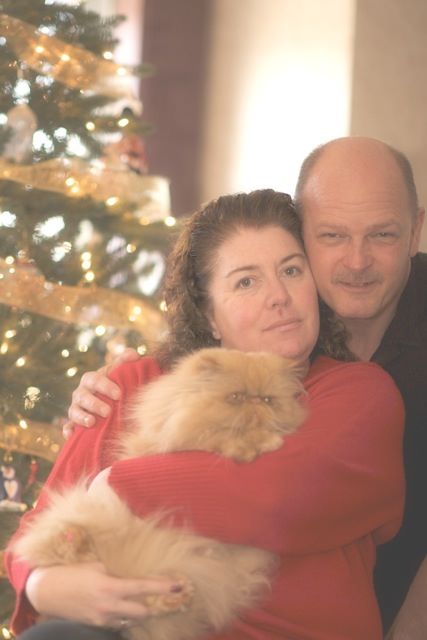
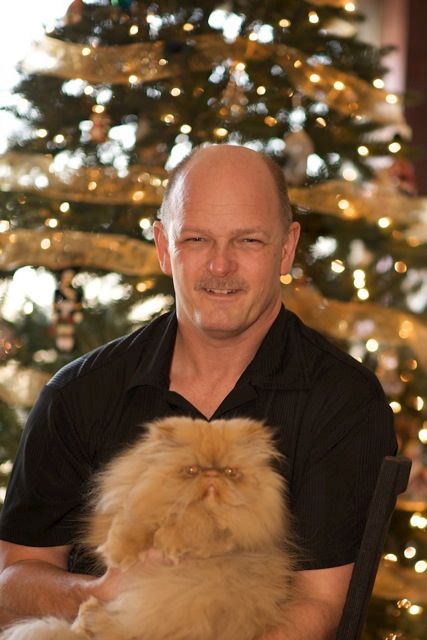
Myself , Julie and Oliver wish you all a very Merry Christmas and a Happy New Year!!

Mike Weir, VE9KK, is a regular contributor to AmateurRadio.com and writes from New Brunswick, Canada. Contact him at [email protected].
Beam up
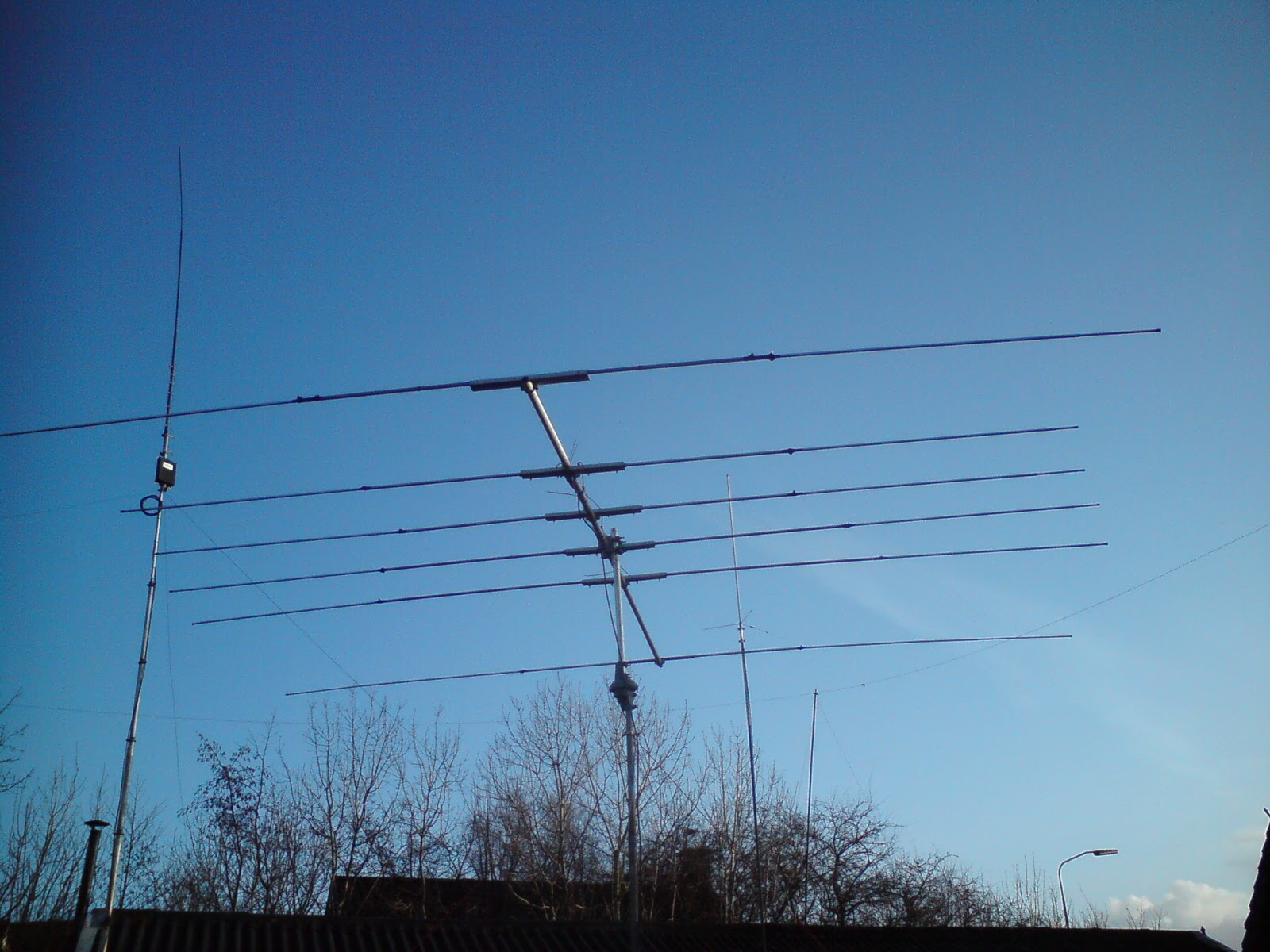
Since I didn’t want the beam lying in the grass the whole winter I did temporarely mount it on a 4m pole. I have it in a fixed position to the USA now. It’s far to low to give good performance but still it equals the vertical already in that direction. Merry Christmas everyone…
Bas, PE4BAS, is a regular contributor to AmateurRadio.com and writes from Groningen, Netherlands. Contact him at [email protected].
You cannot always believe spots via the internet…
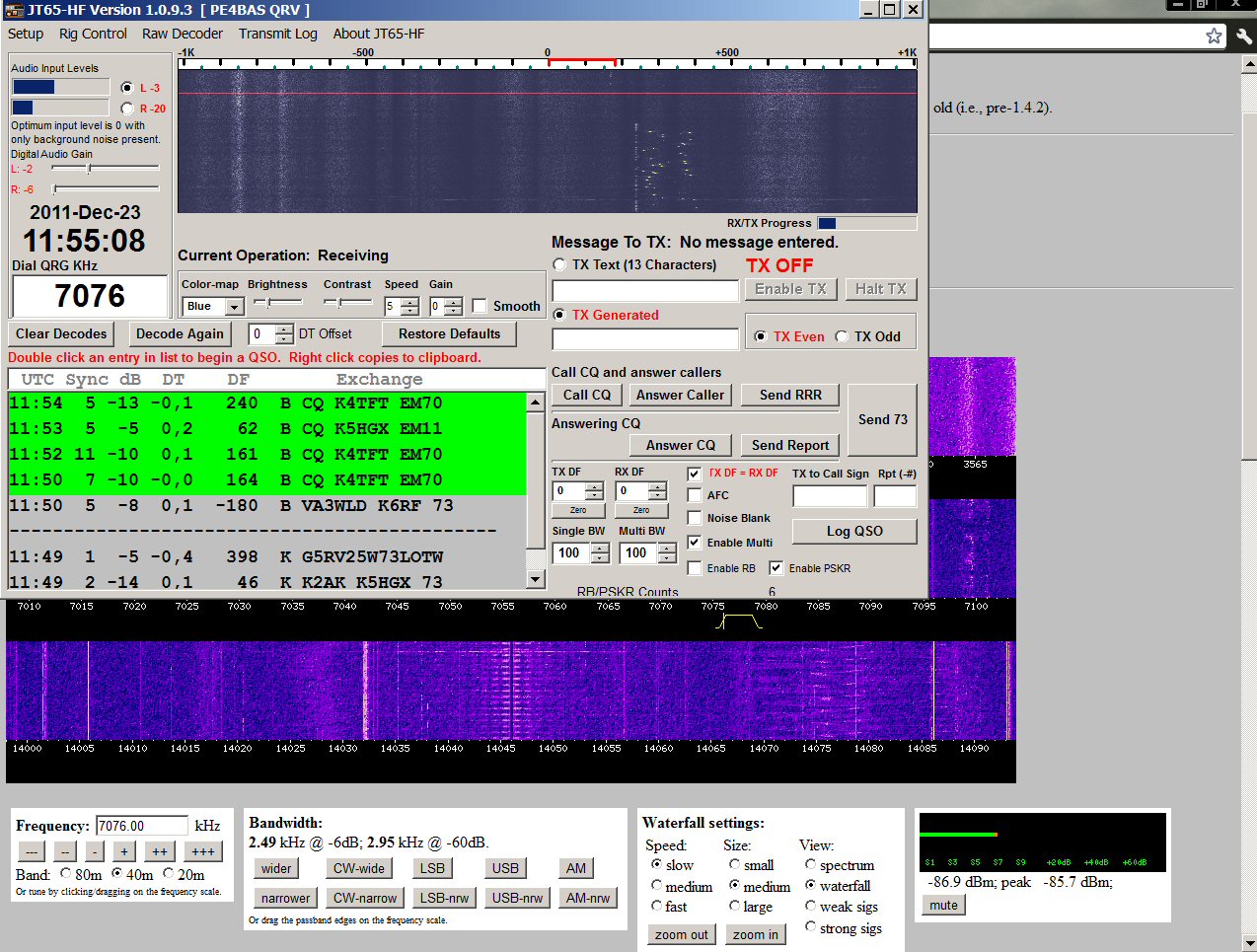 |
| JT65 HF with webSDR |
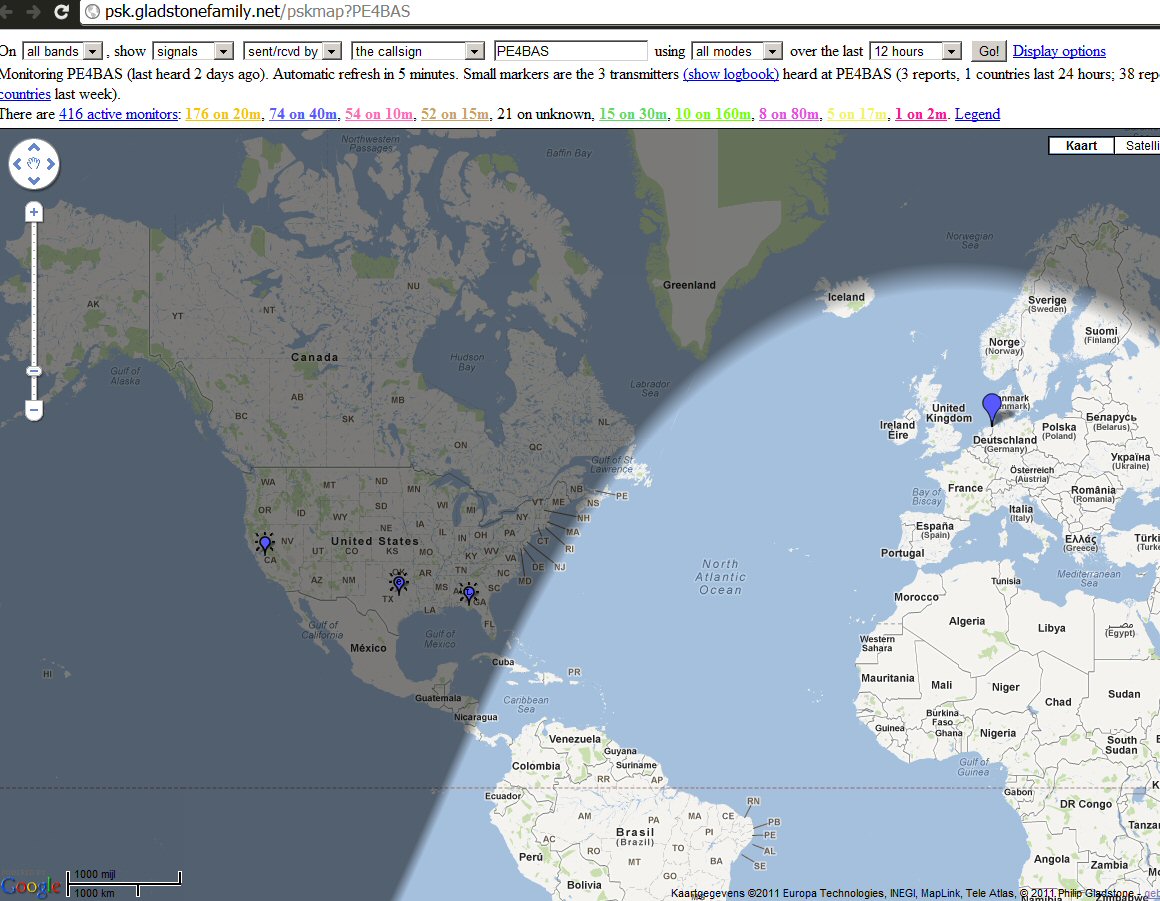
It’s cheating I know. But considering I still had my thoughts about my 5W 40m signal being received in daylight by VP8DMH Mike in Antarctica. It came across my mind that Mike could have been testing with a webSDR located in Europe. Is that possible, as JT65 is time related and internet has a bit delay. So, I would like to test it and set up JT65 with a webSDR in the USA. At the middle of the day I reported some American JT65 calls to PSK reporter. So, you cannot always believe spots via the internet. Although received by radio, the reporting station can be everywere, propagation or not! With that in mind I mailed Mike down on Antarctica, I wished to solve the mystery. Did he use a webSDR in Europe or his own receiver?
Here our small conversation:
On 23/Dec 04:15, BasLev wrote:
> Hello Mike,
>
> I hope you don’t mind writing you but I have something on my
> mind that I would like to solve. I was received by your
> station at 20-12-2011 see my
> blogpost:?http://pe4bas.blogspot.com/2011/12/40m-jt65-surprise.html
> But since you were in daylight and far from the greyline this
> would be impossible in my opinion. You also wrote??on
> QRZ.com?your equipment would not arrive before christmas. It
> could be received by a SW receiver of course. But it could also
> be that you were listening/decoding via a webSDR?
>
> Can you help me out with this??
Hi Bas,
Thanks for the mail. My main radio is indeed on the ship, and
won’t be with me for another week or so, but I do have my FT-817
with me, and I’ve been using that for WSPR and JT-65A in the
meantime.
As for propagation, strange things happen down here! We have a
suprisingly good nighttime path to the EU on 40m, even though
it’s 24-hour daylight here at the moment. I recently did some
tests over a few days using WSPR, which I wrote about here:
http://clarkema.org/posts/2011-12/2011-12-12-propagation-videos.html
You might be interested in the video linked at the bottom of the
4th paragraph, which shows propagation from here to Europe as
night falls.
I did make a couple of European JT65 QSOs on teh 20th as well as
just listening, so hopefully I’ll see you in the log at some
point.
73,
—
Mike, VP8DMH
P.S. my location given the pskreporter website is out of date; my
current QTH is HB64ok.
A very fast reply and amazing that I can just e-mail to someone in Antarctica. So he did receive me on his FT-817. And he even made a few QSOs to Europe. And most interesting of all he has his own blog and actually does something usefull with the WSPR data. I was really surprised and can recommend this video. It gives a nice insight in the Antarctic propagation. Anyway, e-mail still is the best way to verify if you want to be certain a station heard your signal, especially in suspicious situations. Internet can be usefull but also very misleading and that concerns not only amateurradio !!
 |
| A small JT65 cheat.. |
Bas, PE4BAS, is a regular contributor to AmateurRadio.com and writes from Groningen, Netherlands. Contact him at [email protected].
Don’t Get Stuck On 2 Meters
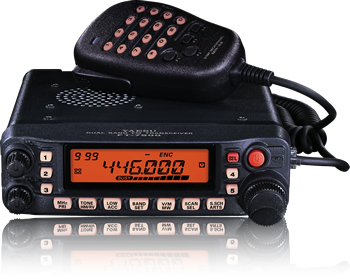 When I first got started in amateur radio (many years ago), one of the engineers that I was working with at a summer job told me “Don’t get stuck on 2 Meter FM”. At the time I was a college student and felt lucky enough to have 1) found time to pass my Novice exam, including Morse Code test, 2) found time to travel 150 miles to the regional FCC office and pass my Technician exam, and 3) scraped up enough money to buy a basic 2 Meter FM mobile rig. I was in Technician ham heaven, playing around on 2 Meter FM, both simplex and repeaters. Oh, and we had this cool thing called autopatch that let you make actual phone calls from your car. I really wasn’t worried about getting “stuck on two”.
Even though my discussions with this Old Fart Experienced Radio Amateur revealed that he didn’t see 2 Meter FM as Real Ham Radio, I could see that he had a point. Two meter FM is only small part of the ham radio universe and it would be easy to just hang out there and miss out on a lot of other things. I was reminded of this recently by K3NG’s post: Things I Wish I Knew When I Was A Young Radio Artisan. I agree with most of his comments with the exception of this one:
Don’t get your start on 2 meter repeaters.
This took me back to the comments from the Experienced Radio Amateur from years ago. I get the point — starting out on 2 Meter FM and Repeaters can give you a limited view of ham radio — but I see it as the perfect platform for getting started. Here’s what is working in my area with new Techs: get them started with a dualband FM rig (usually an HT) so they have some on-the-air success. This also puts them in touch with the local ham community, where we not-so-subtlely expose them to other bands, modes and activities. They hear the other guys talking on the repeater about working DX on 10 Meters and start thinking about how to pursue that as a Tech. From there, it just expands out to all kinds of bands and modes.
Just for the record, I guess I did follow the advice of the Experienced Radio Amateur and managed to not “get stuck on two” (i.e., I’ve worked all of the bands from 80M to 10 GHz, earning WAS, WAC, DXCC and VUCC.)
73, Bob K0NR
Bob Witte, KØNR, is a regular contributor to AmateurRadio.com and writes from Colorado, USA. Contact him at [email protected].
 Ham Radio Deluxe |
 W5SWL Electronics |
 Ham Radio Prep |
 KB3IFH QSL Cards  Hip Ham Shirts  HamRadioAuctions HamRadioAuctions Reliance Antennas Reliance Antennas Enigma Shop Enigma Shop |  morseDX  Ni4L Antennas  R&L Electronics R&L Electronics antennas.us antennas.us QRV QRV |
- Matt W1MST, Managing Editor
