 |
 One of those things
 14 February 2012 | by
 that doesn’t make sense to me.
I am about ready to sit down and fill out the log sheet for the certificate for working K6JSS Golden Jubilee Stations. As I mentioned before, I’ve worked 47 of the 50.
Anyway, I am looking at the WAS map that the QRP-ARCI so graciously provided along with the log sheet. And I’m noticing something I don’t think I’ve ever really payed attention to before in all my 30+ years in the hobby. I’d bet good money that someone else noticed this before and that I’m just really slow on the uptake.

We start in the North East – Call section 1. Next we come down to New York and New Jersey – Call section 2. Pennsylvania, Delaware and Maryland – the Middle Atlantic states – Call section 3. The great South East – Call section 4. Now on to the Central Southern states – Call section 5. Out West to California – Call section 6. Up to the great North West and other Western states – Call section 7.
Sense the pattern? We started in the North East and we’re working around the perimeter of the country (more or less) in a clockwise pattern (more or less) – in numerical order.
So now, after the great North West, we move over to the Central Northern and Central states – Call section 0 ????? What happened? Why do sections 0, 9 and 8 seem to be backwards? We were working our way, nicely around the country in a nice numerical order and all of a sudden – chaos!
I’m sure there’s an excellent explanation. Any Amateur Radio history buffs out there that can enlighten me?
72 de Larry W2LJ
QRP – When you care to send the very least!

Larry Makoski, W2LJ, is a regular contributor to AmateurRadio.com and writes from New Jersey, USA. Contact him at [email protected].
PACC 2012 story

What can I tell. This contest was enervating. My XYL was not too happy with 24 hours of contesting. And I have to admit I wasn’t that much of use to her and my little daughter with only contesting in my mind. But I have to thank her that once in a year she let me go for a whole weekend to do my most important radio contest of the year. Luckely they were away to my mother-in-law at Saturday so I had no distractions. Propagation was bad on Saturday, it was improving Sunday. But of course Sunday I had some distractions, you can not totally ignore family live of course. Anyway I guess I missed some multipliers like VK, I actually didn’t hear VK on any band but know that there was some activity. No interesting DX this time like last year, you got to have some luck with that of course. I made a note from some calls and names from felow bloggers and readers so I could greet them with their names. But at the end I only worked PA1HHO Pleun, I actually made a short but nice QSO with him on 80m so he tested his new “Rode” mike and let me hear the original mike so I could tell the difference. I made a 40m QSO with him as well. After all a interesting contest and I improved my score from last year, actually broke the 600 QSO barrier. Side effect after the contest, extreme tiredness and a headache.

Bas, PE4BAS, is a regular contributor to AmateurRadio.com and writes from Groningen, Netherlands. Contact him at [email protected].
Chris N7ICE’s first steps with the Flex-1500 SDR
If like me, you’re interested in seeing how SDR performs ‘for real’ you may well enjoy Chris, N7ICE’s HamBrief video about getting started with his new Flex-1500. As with all Chris’ podcasts and videos, it’s fun and informative in the right proportions! Take a look
Not for the first time, I am tempted to save up for one of these!

Tim Kirby, G4VXE, is a regular contributor to AmateurRadio.com and writes from Oxfordshire, England. Contact him at [email protected].
A visit to the Harwell Radio Rally, 2012
Although we had a busy weekend, I was keen to visit the Harwell Radio Rally at Didcot yesterday. After all, it is only half an hour’s drive from home and many friends were planning to be there.
I arrived just as the doors were opening – and delighted to meet Pete 2E0SQL, his Dad, Paul M3JFM and David, 2E0DAB in the queue. The queue wasn’t too long, but it was good to see plenty of people wanting to visit.
Once inside, I had a quick spin around; great to see my bosses from PW there; Rob, G3XFD and Tex, G1TEX with Phil, G3XBZ who often features in the magazine. The Harwell club had a good ‘junk’ stand and it was great to see many familiar faces there, including Des G3NNG, John G3VPW and Mike G0MJW. Mike was kind enough to mention that I hadn’t updated my blog much recently.
This is true! It’s not a lack of interest, so it’s just a temporary thing. Unfortunately Julie’s Mum has been quite ill for the last month, so we have been doing a lot of travelling back and forth to Cheltenham Hospital where she’s being looked after (happily, we hope that she is slowly, very slowly, on the mend). Add to that the fact that the recent Blogger changes mean that I can no longer update the blog from work in the lunchhour (we’re on IE7 at work…) and you can see why updates have been sporadic.
Another stall that I enjoyed was being run by my friends from the Cheltenham ARA; Derek G3NKS and Tom, G3XMM. They had some really lovely classic Drake gear with them which was from a silent key sale. I hope it found a good home – it truly deserved to. I should really have bought the enormous, but lovely NATO style morse key that was on the stand but it was a bit big and I don’t use a hand key much!
I met lots of other people whilst I was wandering around including Andrew M6BBP, who I first met when I was very first interested in amateur radio, probably over 30 years ago! Andrew is friends with Jon, G6BHS who lived three doors away from me in Cheltenham. I first realised I was living close to a radio amateur when I heard Jon and Paul G8VSH on my airband receiver! Exciting times.
So – a great hour spent with friends. Congratulations to the Harwell Club for organising such a successful event. Here’s to next year.
Oh – and I bought a copy of RadioUser magazine – not too expensive a morning!

Tim Kirby, G4VXE, is a regular contributor to AmateurRadio.com and writes from Oxfordshire, England. Contact him at [email protected].
Thanks!
Thanks to all of you here and on AmateurRadio.com who were so kind as to express condolences and kind words upon our Sadie’s passing.
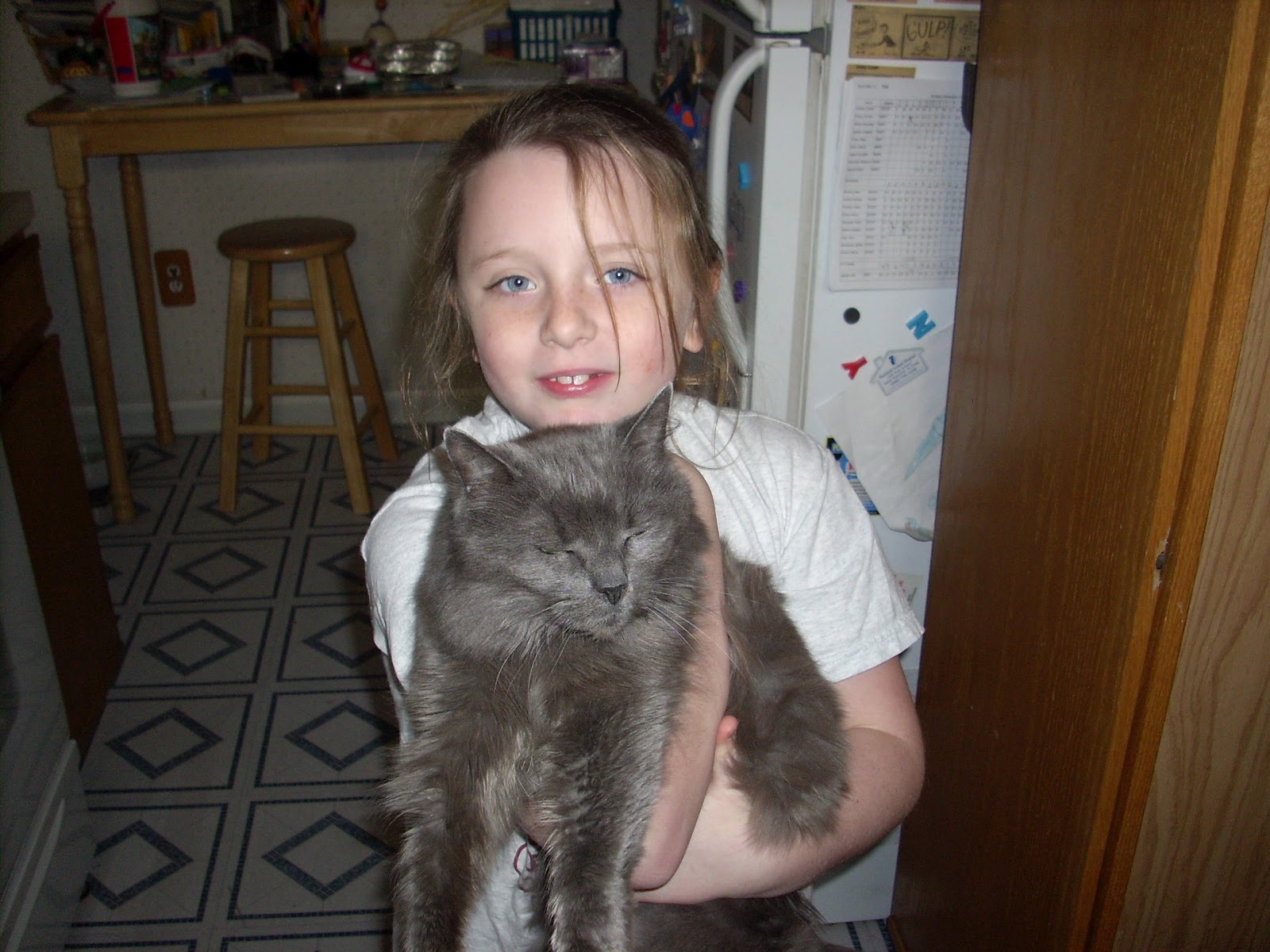
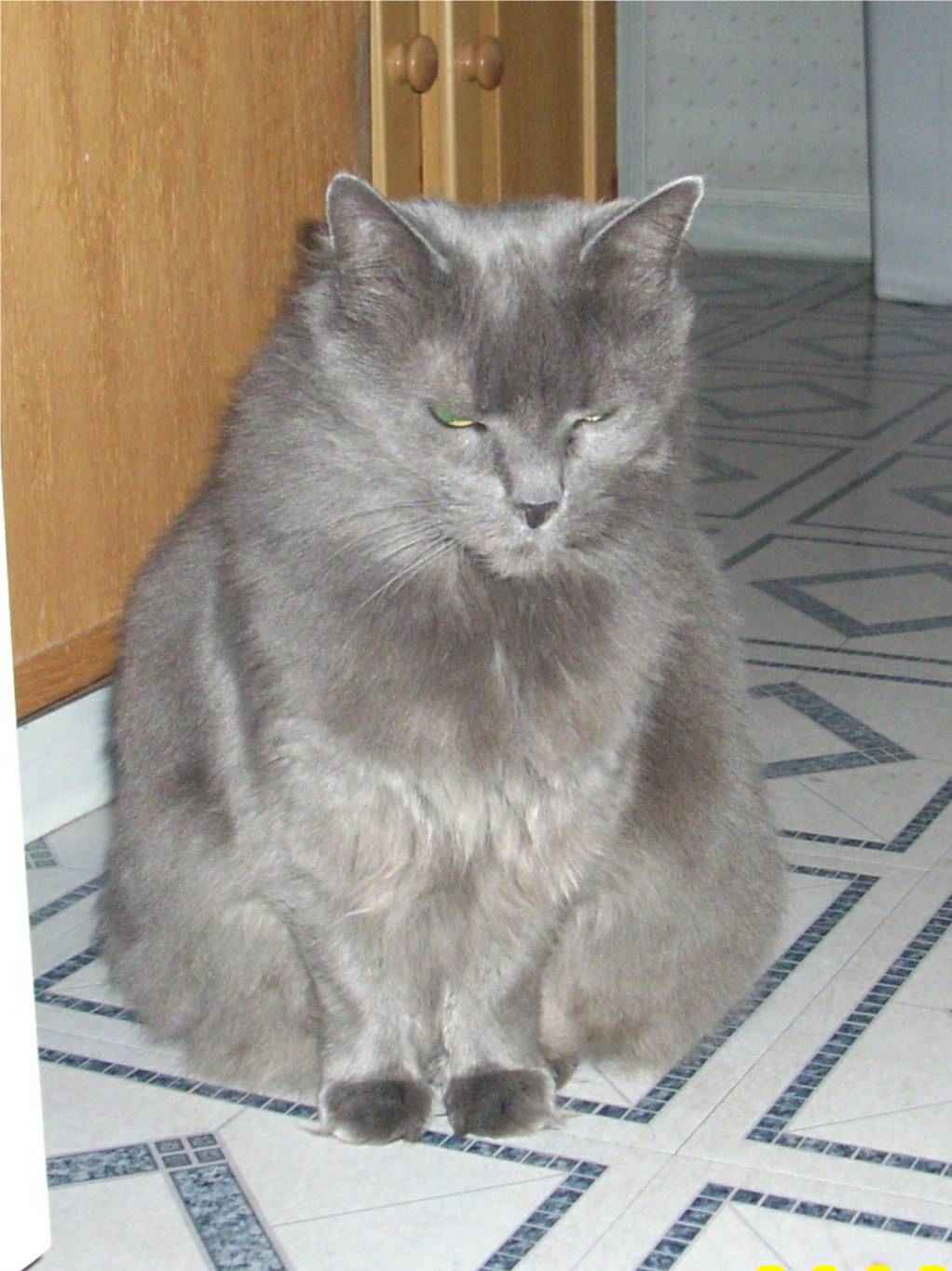
This is going to take a while to get over – but life does go on.
So …… on an Amateur Radio note, the bands did not seem to be active at all today. For a few brief minutes this afternoon, I was able to get on and listen. I heard and worked EI4AA on 12 Meters and was surprised by the fact.
Bernard was pretty weak hear – 569 or there abouts, maybe a little louder – 589 on QSB peaks, maybe? As I called him, I thought to myself, “There’s no way I am going to get an answer here.” But sure enough, I did and on my first call – and I received a 559 report for my efforts. And I was very happy to receive that. Then I went down to 20 Meters and worked a station in Texas who was working the SKCC Weekend Sprint.
After that, I had to QRT as my daughter Cara (holding Sadie above), who is a member of the children’s choir at Church, was part of a free concert this afternoon. The theme was “A Night on Broadway” and the children’s choir, the adult choir, the hand bell and hand chime choirs all participated, performing various Broadway tunes. It was a very enjoyable two hour event.
Today was very windy and cold – winter has come back to New Jersey with a vengeance. Yesterday, the forecast was for 1-3″ of snow, but that forecast was a bust. We barely got a dusting – and please don’t misunderstand – I am in no way complaining!
As soon as it turns to 2/13 UTC, I am going to head downstairs to see if I can get a daily QSO or two in and then off to bed.
72 de Larry W2LJ
QRP – When you care to send the very least!

Larry Makoski, W2LJ, is a regular contributor to AmateurRadio.com and writes from New Jersey, USA. Contact him at [email protected].
Heathkit’s first amateur transmitter – Heathkit AT-1
The Heathkit AT-1 represents the commercial embodiment of the simple Master Oscillator Power Amplifier (MOPA) transmitter using a crystal controlled 6AG7 oscillator plus a 6L6 final output tube.
Although it was possible to design and build a simpler transmitter, the goals of output power and stability could become mutually exclusive when trying to operate with only one tube. For a novice class license holder of 1951 the Heathkit AT-1 represented a solid performing rig that would be relatively easy to construct and operate.
The Novice remained the primary entry license until the Morse code requirement was eliminated for Technician licenses in 1990. On HF it permitted code transmissions only, with a maximum power of 75 watts, (input to the transmitter’s final amplifier stage) on limited segments of the 80, 40 and 15 meter bands.
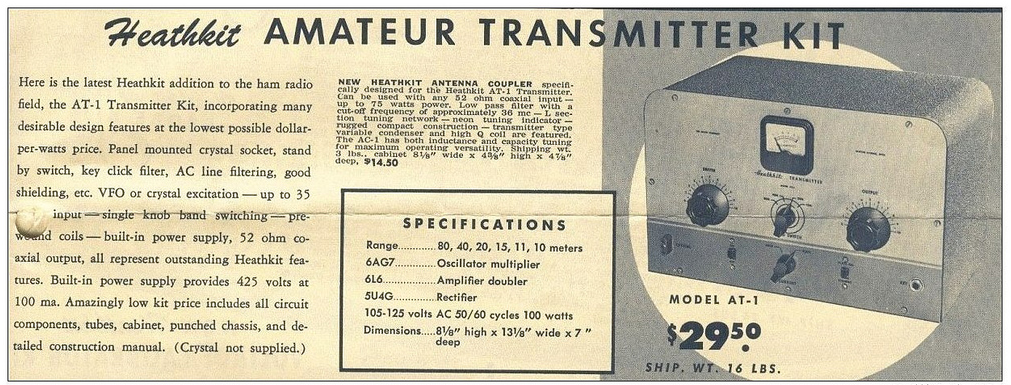 |
| For $29.50 and the loan of a few tools you could get some use out of that new novice license |
The earlier MOPA circuit from the ARRL handbook of 1941 below shows a layout remarkably similar to the circuit of the AT-1 although it is designed for plug in coils rather than the band-switching arrangement of the later Heathkit transmitter.
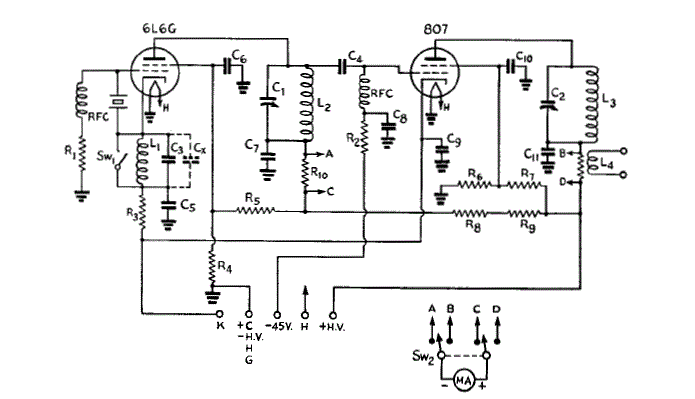 |
| MOPA transmitter using a 6L6 and an 807 as the power amplifier (ARRL Handbook 1941) |
For a little added complexity MOPA transmitters generally offered better stability of frequency and keying waveform than single tube crystal controlled or self exited rigs. The straight forward design of the AT-1 should have looked familiar to novice class hams after studying the ARRL handbook or other radio publications.
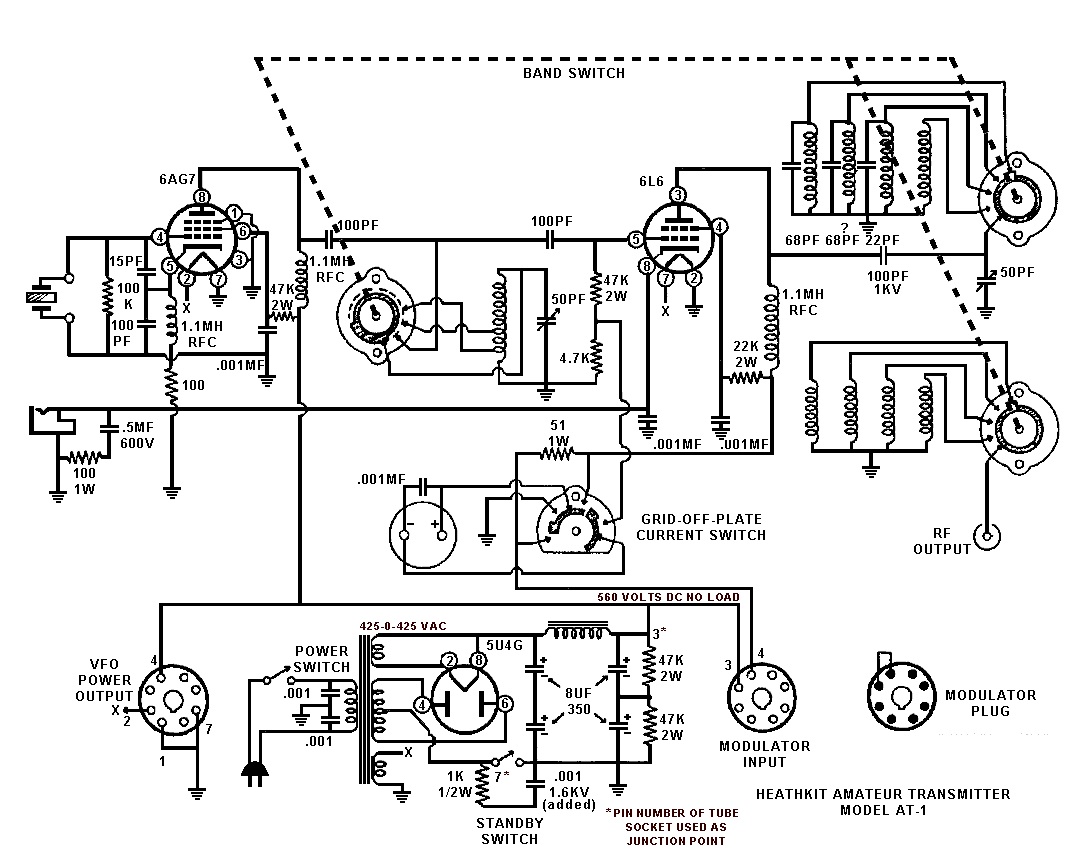 |
| Heathkit AT-1 Circuit diagram showing band-switching arrangement and link coupled output |
Once the novice had upgraded his license the AT-1 could be expanded by the addition of the Heathkit VF-1 variable frequency oscillator to allow transmission on any frequency within the allowed band.
 |
| The Heathkit VF-1 Variable Frequency Oscillator |
The VF-1 covered 160-80-40-20-15-11-10 meters and used an OA2 voltage regulator tube to provide a stable voltage for the oscillator. Ceramic coil forms, solid construction and high quality components were used to help increase stability.
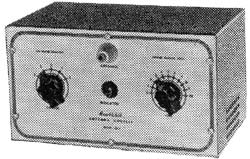 |
| The Heathkit AC-1 Antenna Coupler. Designed to attach to a single wire by the insulated post on the front panel. |
 |
| Heathkit AC-1 Antenna Coupler circuit diagram |
Although Heathkit did not produce a AM modulator for the AC-1 there is provision for modulator connection on the rear panel. The earlier ARRL manuals have several suitable circuits for modulators that would work with the AC-1. Most functioned by driving a modulation transformer with the output from an audio power amplifier. The secondary of the modulation transformer would be carrying the DC plate supply for the power amplifier tube plus or minus the instantaneous voltage of the audio waveform. By changing the plate voltage to the final amplifier tube the radio frequency output would be controlled by the amplified audio frequency resulting in amplitude modulation.
Owen Morgan, KF5CZO, is a regular contributor to AmateurRadio.com and writes from Texas, USA. Contact him at [email protected].
So what’s been going on………
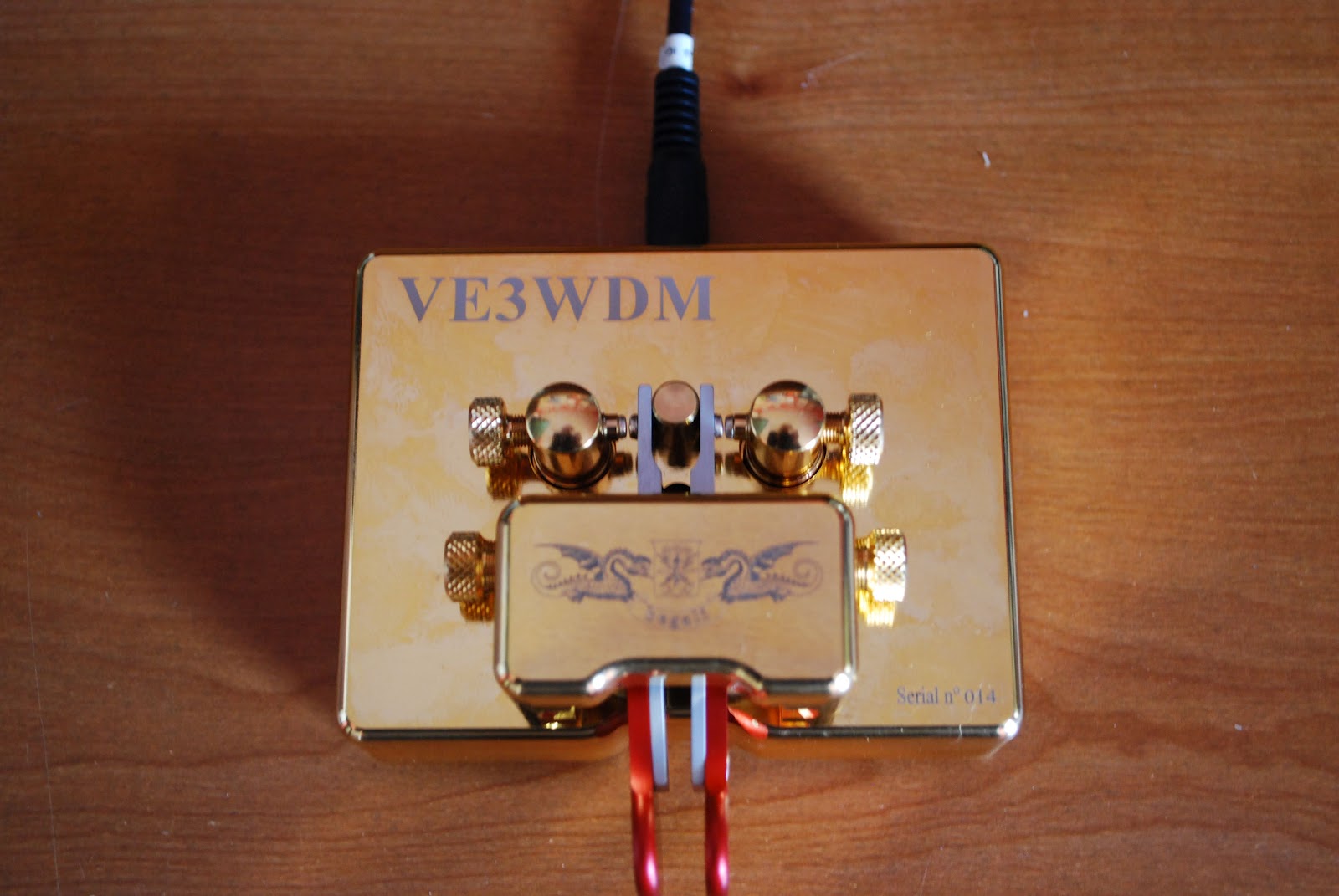 |
| The repaired key ready for action |
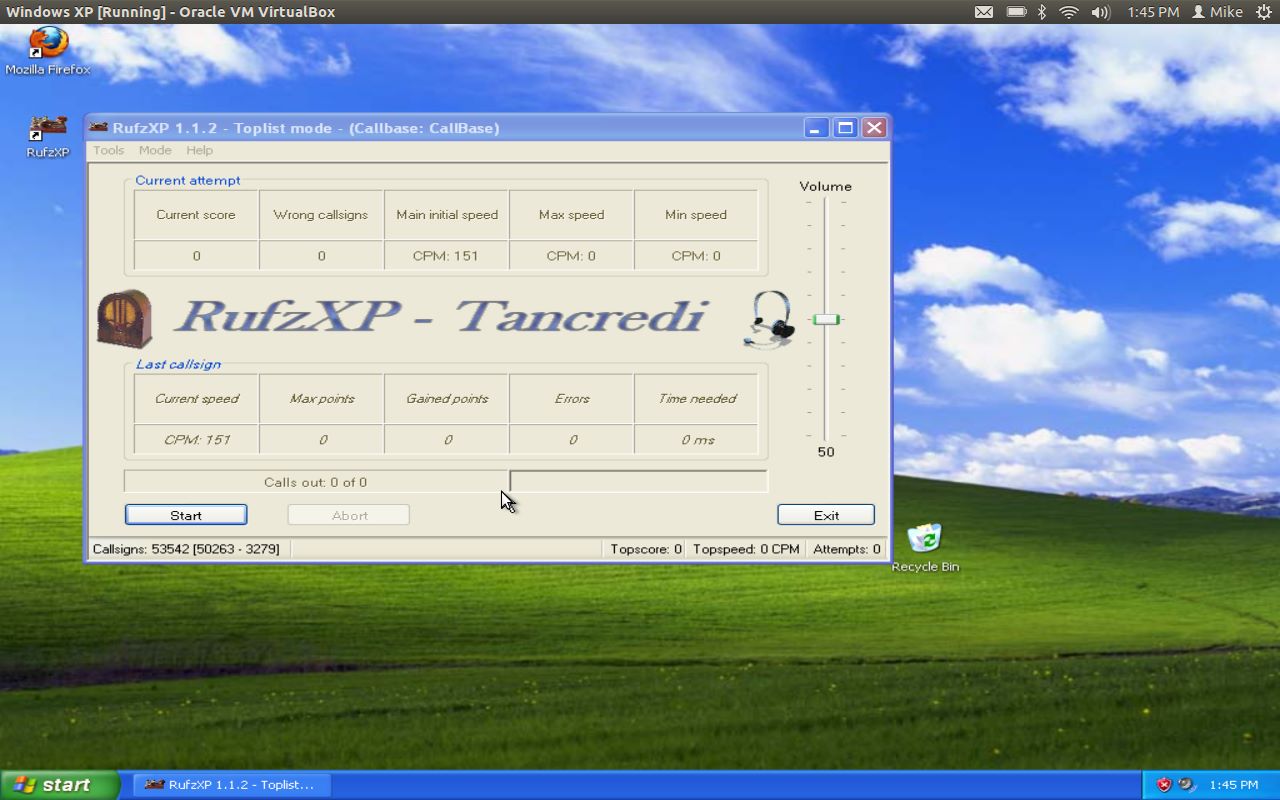 |
| RufzXP happy again |
took the jump and downloaded Virtualbox onto my Ubuntu laptop and installed WinXP. Virtualbox is a great program that allows you to run other operating systems within a "virtual computer" it creates. I now have Windows XP running on my machine and was able to install Netframe 2.0 and RufzXP...all are getting along just fine now.
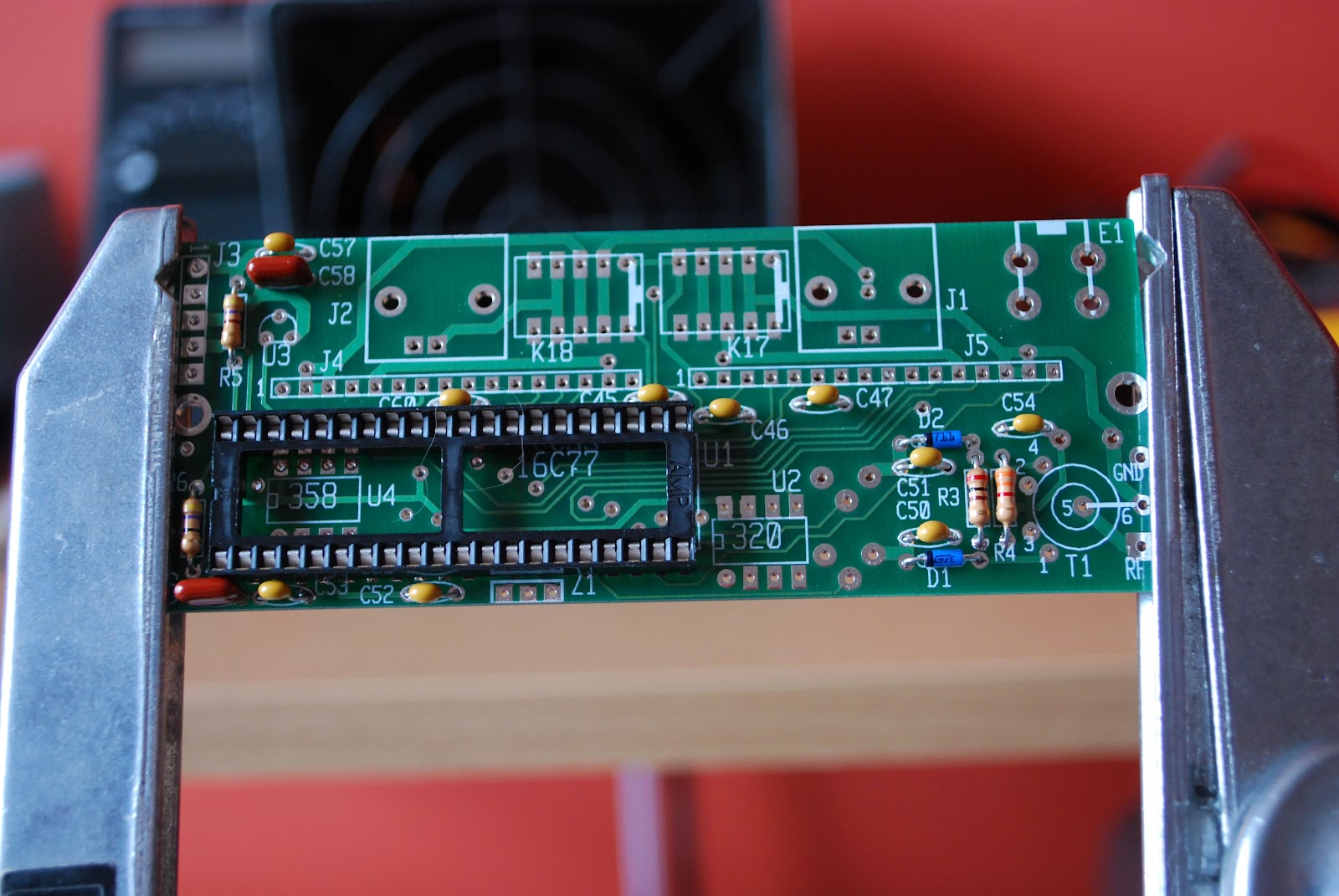 |
| The KAT2 which also has a "cat" hair |

Mike Weir, VE9KK, is a regular contributor to AmateurRadio.com and writes from New Brunswick, Canada. Contact him at [email protected].
 Ham Radio Deluxe |
 W5SWL Electronics |
 Ham Radio Prep |
 KB3IFH QSL Cards  Hip Ham Shirts  HamRadioAuctions HamRadioAuctions Reliance Antennas Reliance Antennas Enigma Shop Enigma Shop |  morseDX  Ni4L Antennas  R&L Electronics R&L Electronics antennas.us antennas.us QRV QRV |
- Matt W1MST, Managing Editor
