 |
 A nice audio report
 19 May 2013 | by
 I just finished a contact with a very loud Austrian station, OE3DIA on 10 metres, who took time out while working a string of stations to give me a complimentary audio report, quite unsolicited. It’s good when that happens! The comment was “Very nice audio cutting through the QRM” I was using the K3 at 80 watts and the mike was one of those Heil mikes with the dual insert, set to “narrow”. The K3 transmit audio equalisation is factory standard, in other words flat.
As it happens I had just been doing some audio comparisons between the KX3 and the FT-817. There has been a thread going on the KX3 Yahoo group started by a disenchanted American ham who claims that the FT-817 has punchier audio than the KX3. It’s rubbish, to put it politely. The KX3 has a built-in speech compressor, while my 817 has an RF processor made by Joachim, DF4ZS (more details on my FT-817 page) built into the microphone. Without it there is just no comparison.
I recorded some audio clips so you can hear for yourself:
- FT-817 with standard microphone, no compression
- FT-817 with standard microphone and DF4ZS compressor
- KX3 with MH3 microphone, mic gain and compression both set to 30
There is a bit of distortion on those clips which was not noticeable when listening on the radio. I think I might have a problem with my sound card.
I’m not sure if the difference are that noticeable in those clips, but when you look at the needle of the power meter the KX3 certainly has the more punchy signal.
Both the FT-817 and the KX3 were running off 13.8V and set to 5 watts output. I couldn’t compare them on battery power as I don’t have the charger board for the KX3 and the external battery pack (10xAA NiMH cells) I intended to use appears to be past it and the KX3 kept cutting out on voice peaks.
Julian Moss, G4ILO, is a regular contributor to AmateurRadio.com and writes from Cumbria, England. Contact him at [email protected].
ICQ Podcast S06 E10 – Squelch Systems (19 May 2013)
Series Six Episode Ten of the ICQ Podcast has been released. News Stories include :-
- British Amateur Radio Lighthouse Society Change
- Help Hurricane Net Control Stations
- Cambodia and possible Myanmar op
- VK9 now SOTA classified
- New 24 GHz EME world record
- South Africa allocates two 5 MHz channels
- VO-52 satellite completes eight years in orbit
- VK hams invited to use VI 103 WIA
- Raising the public profile of Amateur Radio
- Isle of Man special callsign
- SSB using a Raspberry Pi
- HamTV from the International Space Station
North American report from Frank Howell (K4FMH) and Martin Butler (M1MRB & W9ICQ) discusses Squelch Systems
Colin Butler, M6BOY, is the host of the ICQ Podcast, a weekly radio show about Amateur Radio. Contact him at [email protected].
ICQ Podcast S06 E10 – Squelch Systems (19 May 2013)
Series Six Episode Ten of the ICQ Podcast has been released. News Stories include :-
- British Amateur Radio Lighthouse Society Change
- Help Hurricane Net Control Stations
- Cambodia and possible Myanmar op
- VK9 now SOTA classified
- New 24 GHz EME world record
- South Africa allocates two 5 MHz channels
- VO-52 satellite completes eight years in orbit
- VK hams invited to use VI 103 WIA
- Raising the public profile of Amateur Radio
- Isle of Man special callsign
- SSB using a Raspberry Pi
- HamTV from the International Space Station
North American report from Frank Howell (K4FMH) and Martin Butler (M1MRB & W9ICQ) discusses Squelch Systems
Colin Butler, M6BOY, is the host of the ICQ Podcast, a weekly radio show about Amateur Radio. Contact him at [email protected].
Series Six Episode Ten -Squelch Systems
Series Six Episode Ten of the ICQ Amateur / Ham Radio Podcast has been released. The latest news, Martin Butler (M1MRB & W9ICQ) and a report from our north American correspondent Frank Howell (K4FMH).

- British Amateur Radio Lighthouse Society Changes
- Help Hurricane Net Control Stations
- Cambodia and possible Myanmar op
- VK9 now SOTA classified
- New 24 GHz EME world record
- South Africa allocates two 5 MHz channels
- VO-52 satellite completes eight years in orbit
- VK hams invited to use VI 103 WIA
- Raising the public profile of Amateur Radio
- Isle of Man special callsign
- SSB using a Raspberry Pi
- HamTV from the International Space Station

Colin Butler, M6BOY, is the host of the ICQ Podcast, a weekly radio show about Amateur Radio. Contact him at [email protected].
Not quite Dayton
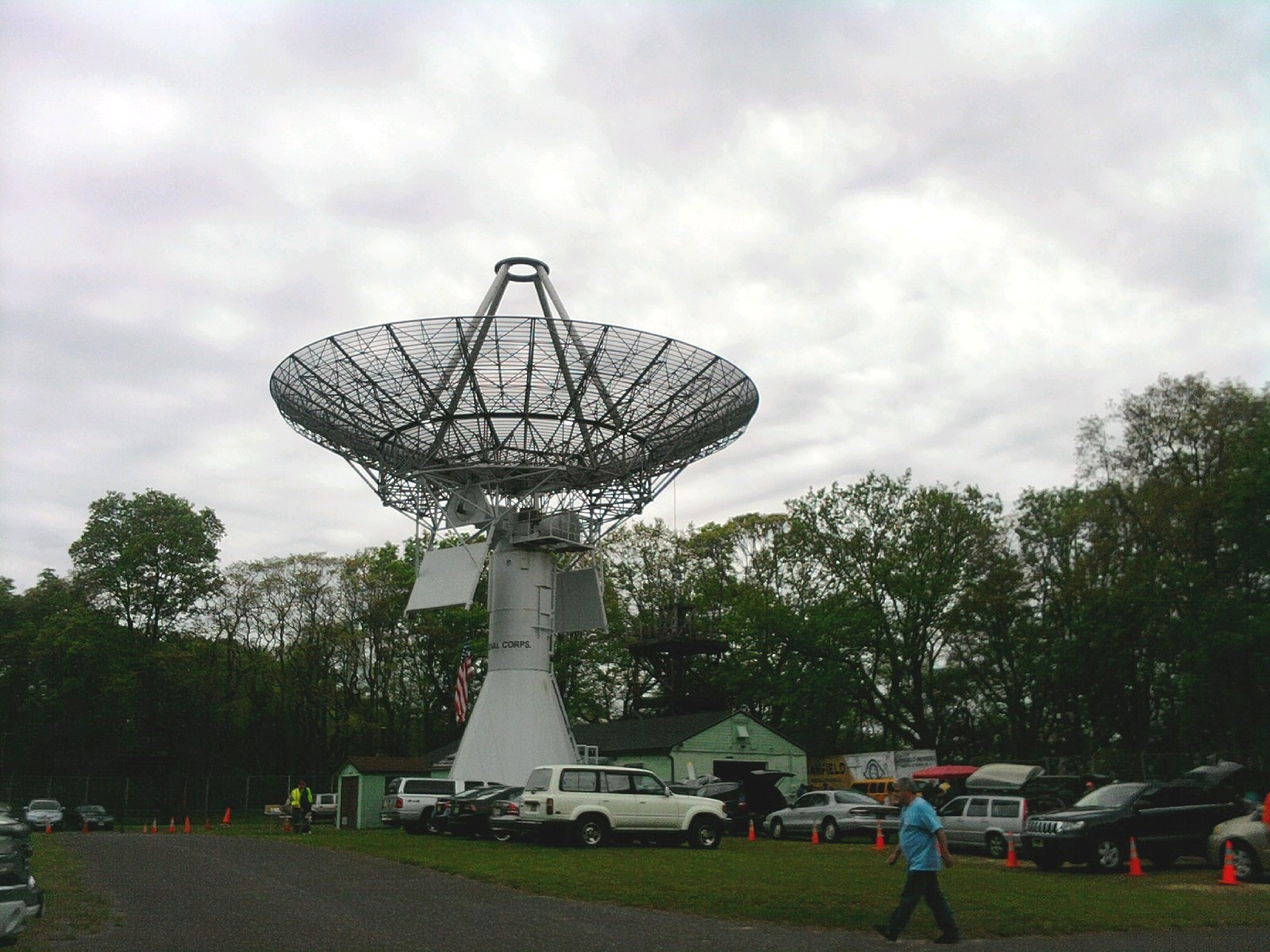
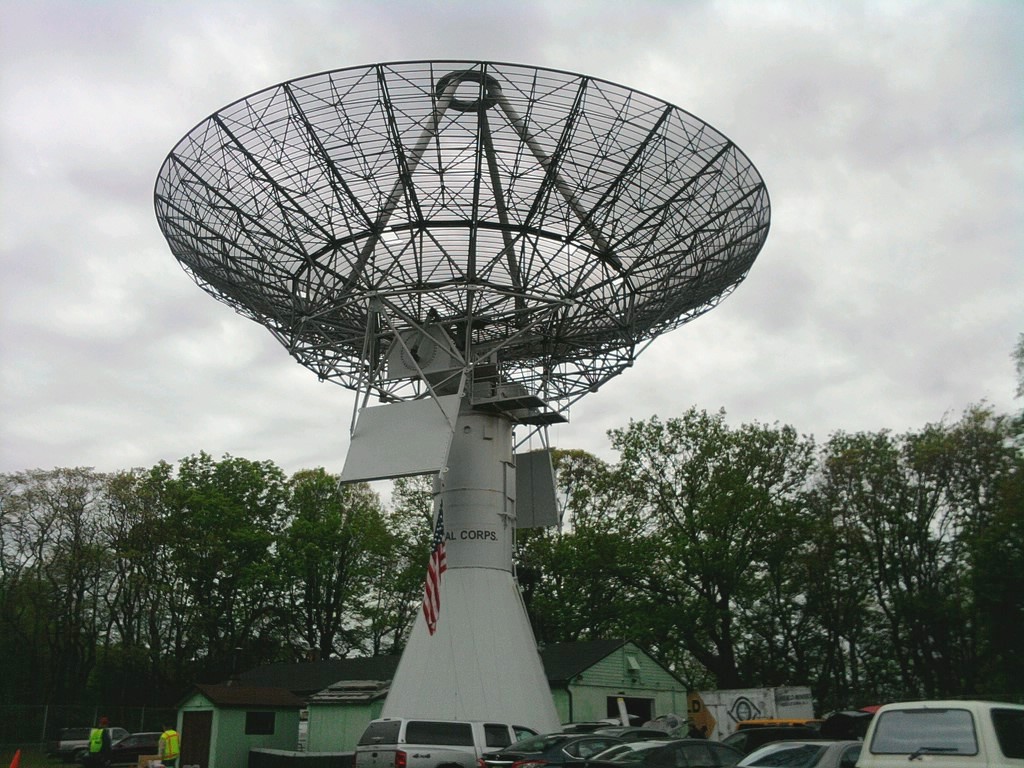
But I’m willing to lay down a bet that they didn’t have one of THESE there! And no, it wasn’t for sale!

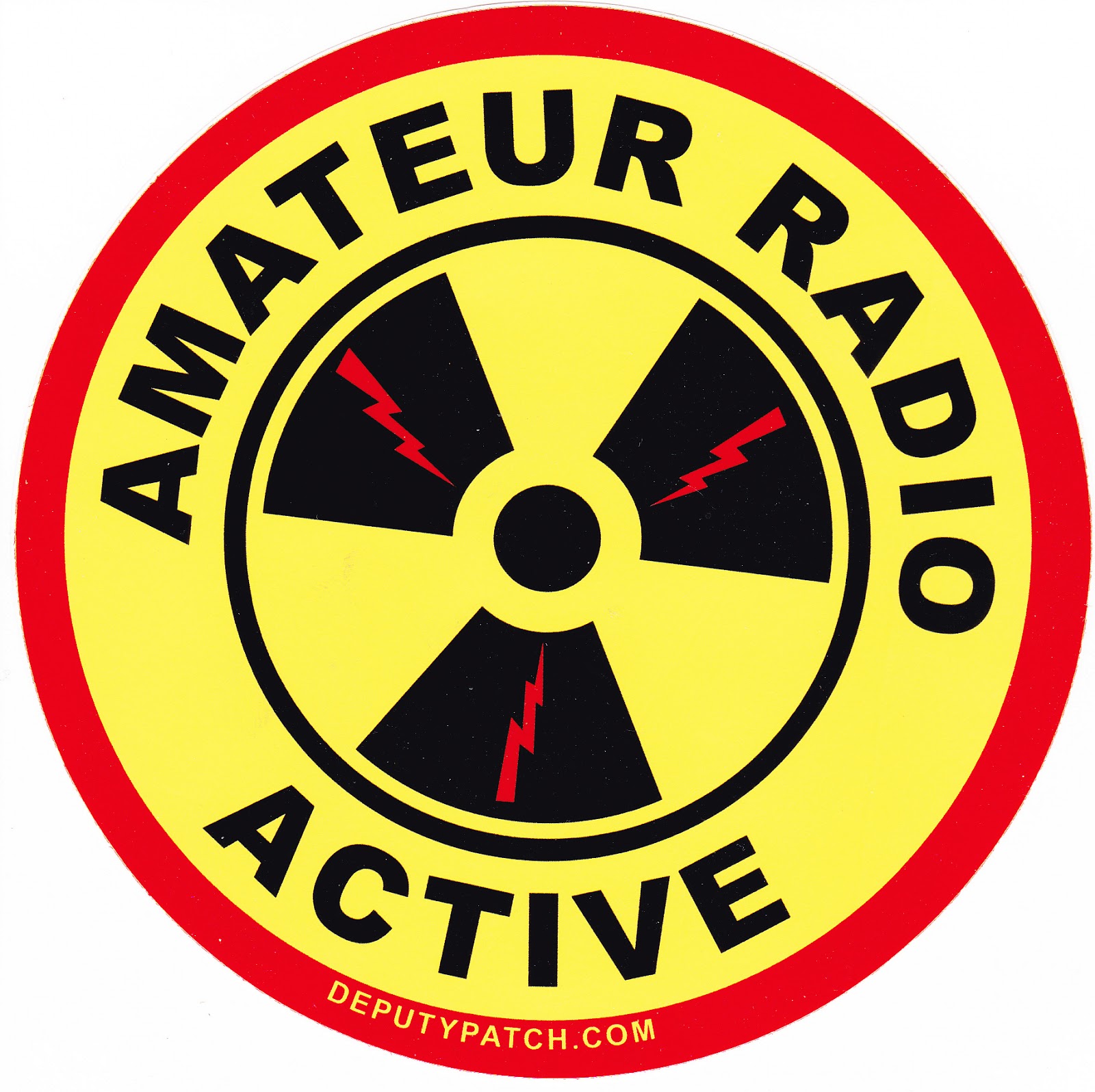
A large one to tack onto the shack door and a small one to slap on my tool box.
72 de Larry W2LJ
QRP – When you care to send the very least!
Larry Makoski, W2LJ, is a regular contributor to AmateurRadio.com and writes from New Jersey, USA. Contact him at [email protected].
WSPR up and running
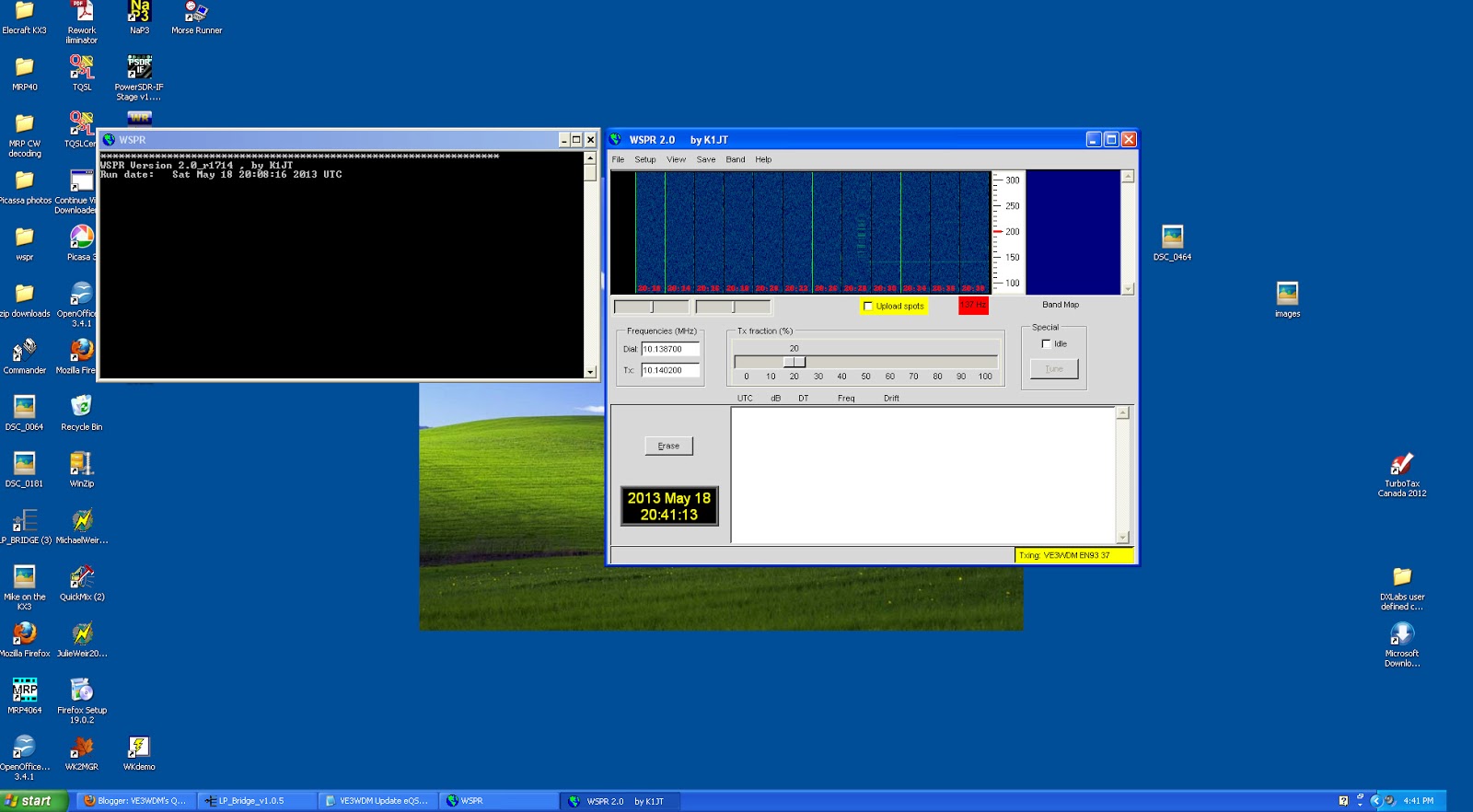 |
| No contacts heard or made but it's working |
Mike Weir, VE9KK, is a regular contributor to AmateurRadio.com and writes from New Brunswick, Canada. Contact him at [email protected].
PSK on 50MHz: Good activity on datamodes
It’s been a good Es day. From the time that I came into the shack this morning, 50MHz has been open pretty much all the time – sometimes a little less and a little more. There have been some nice contacts to be made, nothing very distant or rare, but very enjoyable none-the-less. And some 70MHz Es too – always welcome.
Zipping up and down 50MHz this morning to see what was on, I was surprised to note a fair amount of PSK activity around 50.250. So much so that I stopped off there, and started up the Datamodes window in PZTLog. There was even some PSK63. However, all my QSOs were on PSK31, the best DX being IK8YSS down in JN70, who actually, I could barely hear on the speaker (always a test of a good QSO!).
A call that got my attention coming back to a CQ on PSK was YV5JDT/I1 !
Plenty of more traditional CW and SSB QSOs during the opening, but I shall have to keep an eye on the datamodes section during other openings. I did try a couple of CQs on JT9-1 around 50.293, but had no takers – although I notice my signals were heard by IZ0MIT, IK2WJT and my neighbour, Neil, G4BRK. It would be nice to find JT65A activity too.
Tim Kirby, G4VXE, is a regular contributor to AmateurRadio.com and writes from Oxfordshire, England. Contact him at [email protected].
 Ham Radio Deluxe |
 W5SWL Electronics |
 Ham Radio Prep |
 KB3IFH QSL Cards  Hip Ham Shirts  HamRadioAuctions HamRadioAuctions Reliance Antennas Reliance Antennas Enigma Shop Enigma Shop |  morseDX  Ni4L Antennas  R&L Electronics R&L Electronics antennas.us antennas.us QRV QRV |
- Matt W1MST, Managing Editor
