Posts Tagged ‘CW’
 Cheap ‘flight deck’
 November 20th, 2018 |
  Author:
 My LNR Precision MTR5b always comes away with me and for good reason. It’s small, portable and xyl friendly. It does however, suffer from a lot of wires and bits loosely hanging around. Mrs g7kse regularly takes the opportunity to ‘tidy’ stuff up. This means I can no longer find it. This is ok at home because it hasn’t gone far but a pain when I’m not at home.
Ikea has long been a source of cheap stuff and their chopping boards are just the thing to make into a small flight deck. The one I got is approximately 24cm by 15cm and came as a pack of two with a much larger one that is in use in the kitchen.
I thought the first thing to do would be make up a small tray that I can sit the MTR5b into and then still that to the board. Duly designed and 3d printed. Next up was a small notebook like the boys in blue use, after that some magnets for my palm key (it has a magnetic base). Lastly some velcro tape and 4 m4 nuts, bolts and washers. he optional part is a DC buck converter (just be careful to check dimensions as they change shape and size a bit) that I use to regulate the voltage to 12v (I got carried away and made a really bad case for it)
I thought I’d sink the magnets into the board at then epoxy them in. Mainly because its polypropylene and nothing sticks too well to these waxy plastics. All this took was a bit of careful dremelling and you’re done. The notebook is clipped to the board and the velcro strips stuck down onto the back. The ast ting to do was put 6 feet on it so I didn’t scratch any surface I carelessly chucked the thing on. Here’s a few photos and a link to the parts on Thingiverse.


Here Comes The ’29 QSO Party!
 |
| courtesy: Lou, VE3AWA |
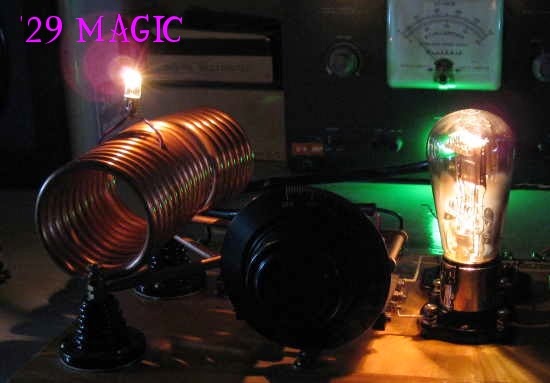
This Saturday night as well as the next will be the annual Bruce Kelley 1929 QSO Party, otherwise known as the '1929 BK'.
Only transmitters that are 'era-appropriate' are allowed to be used. More specifically, transmitters must employ tubes that were available in 1929 or earlier, and transmitters must be self-excited. No crystals allowed! Crystals were new and largely unaffordable for most hams back in the depression days.
The year of 1929 marked a real turning point in amateur radio as governments finally cracked-down on things such as frequency stability, out of band operations and re-alignment of call districts. In short, hams were henceforth required to behave themselves and to clean up their signals and methods of operation.
 |
| courtesy: http://www.arrl.org/ |
If you tune across the CW bands during the next two Saturday nights, you will have the rare opportunity to hear exactly what the bands must have sounded like back in the early '30s'.
For the most part you will hear single-tube Hartley, Colpitts or TNT oscillators along with a few two-tube MOPAs thrown in. Many of them will suffer the same problems encountered by the boys of '29 ... chirp, drift, buzzy notes and frequency instability from antennas swaying in the wind.
Again this year, signals should be a little louder as well, since the previous long-time power limitation of 10W input has been increased to 25W.
The MOPAs will sound much better but some surprisingly nice-sounding signals can be heard coming from properly tuned and optimised single-tube oscillators. I recall being blown away by the lovely sounding signal I heard from such a rig when first tuning into the BK activity several years ago, only to learn that it was a self-excited Hartley using 1/4" copper tubing for the oscillator tank circuit!
The '29 watering-hole on 80m will be around 3550-3580 kilocycles (be careful not to confuse this with kilohertz!) while the early afternoon to post-sunset 40m activity will be found from 7100-7125 kc. There may even be a few on the very low end of 160m. Although many of these transmitter styles were used on 20m and higher, BK rule-makers have wisely decided not to inflict these sounds on the present populace as it would likely keep the 'Official Observers' busy for several days writing pink-slips.
This year I will leave the MOPA on the shelf and set up my Hull Hartley as I haven't used it since building the MOPA a few years ago. If it's very windy (almost assured), the Hartley will really sound like 1929!
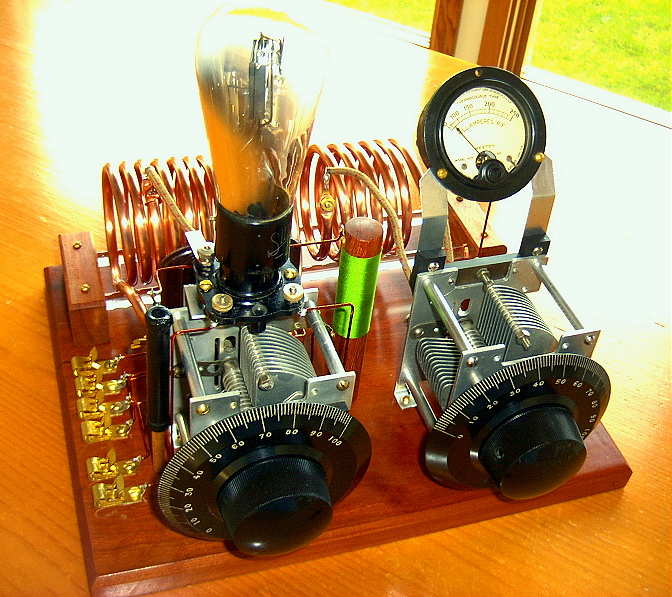 |
| My own Hull Hartley |
You can learn more about amateur radio happenings leading up to and following the 1929 crackdown in my earlier series of 'Why '29' blogs here:
Part 2
Part 3
Part 4
Those wishing to put something together for next year's event can find everything needed here:
Building '29-Style - Part 1
Building '29-Style - Part 2
Let's hope for good conditions for this event as the last few years have been adversely affected by geomagnetic storming. Poor propagation or not, I guarantee there will be plenty of '29ers busy calling 'CQ AWA' on the low bands.
Complete BK details are available here.
CLE237 Results
 Last weekend's CLE237 was truly a workout. Not only was the format challenging, hunting for different grid square fields, but propagation was superb ... a vast departure from the normal CLE propagation-curse!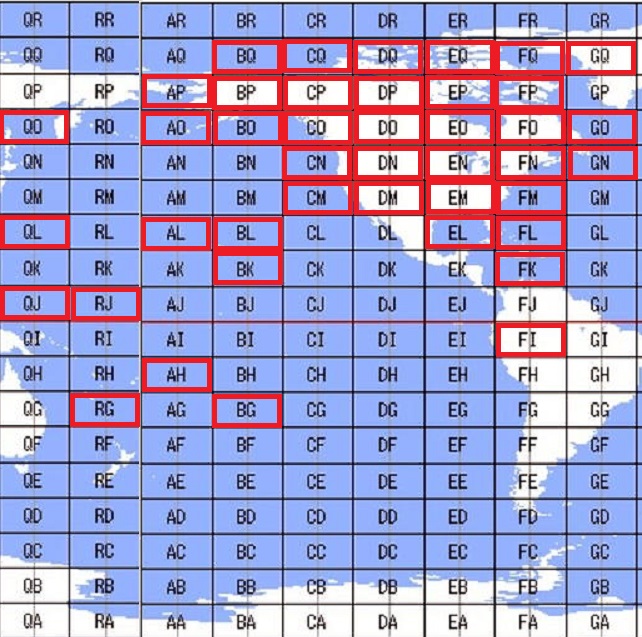
All told, 118 NDBs in 41 different grid fields were logged. Of these 118 stations, 12 were 'new catches'. After DXing NDBs since 1985, new catches are getting harder and harder to find but last week's great conditions were the best heard here in several years.
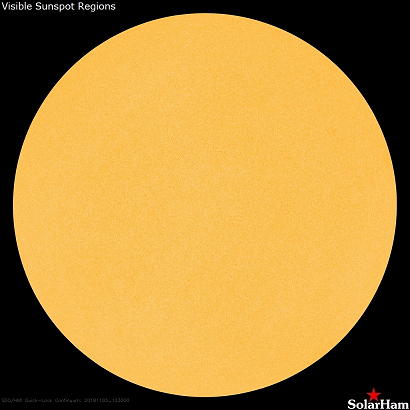 |
| Today's quiet Sun! |
With a very quiet Sun for a couple of weeks now, these great MF conditions are what many have been waiting for since the last solar low many years ago ... propagation below the broadcast band can be truly remarkable when these quiet conditions continue for many weeks at a time.
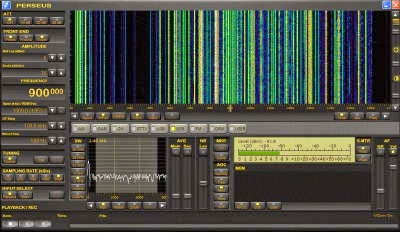
Here are a few interesting CLE catches as recorded on the Perseus SDR.
NDBs QY (Sydney, Nova Scotia), YBB (Pelly Bay, Nunavut)and 3Z (Russell, Manitoba) all sharing 263kHz within a few Hz of each other.
My full CLE237 log is shown below. As usual, a Perseus SDR and an 'inverted-L' (resonated to 300kHz) was used for the activity.
AH
28 13:30 403 TUT Pago Pago, SMA
AL
28 13:30 400 MDY Midway, MDW
AO
27 12:30 283 DUT Dutch Harbor, ALS
27 12:30 341 ELF Cold Bay, ALS
27 12:30 385 EHM Cape Newenham, ALS
27 12:30 390 HBT Borland, ALS
AP
27 06:00 263 OAY Norton Bay, ALS
27 13:30 275 CZF Cape Romanzof, ALS
27 13:00 325 BVK Buckland, ALS
27 13:30 347 TNC Tin City, ALS
27 13:00 356 HHM Kotzebue, ALS
BG
27 13:30 352 RG Rarotonga, CKS
BK
27 13:30 332 POA Pahoa, HWA
BL
27 14:00 353 LLD Lanai, HWA
BO
27 12:00 277 ACE Kachemak, ALS
27 12:00 355 AUB King Salmon, ALS
27 12:00 394 RWO Kodiak, ALS
27 12:00 411 ILI Iliamna, ALS
27 12:00 429 BTS Dillingham, ALS
BP
27 12:00 212 CGL Juneau, ALS
27 13:00 257 CUN Fairbanks, ALS
27 12:00 346 OLT Soldotna, ALS
27 12:30 347 DJN Delta Junction, ALS
27 12:00 350 VTR McGrath, ALS
BQ
27 13:00 376 PVQ Deadhorse, ALS
CN
27 06:00 378 AP Mayne Island, BC, CAN (MY NEAREST)
27 12:00 266 SLE Salem, OR, USA
27 07:00 356 PND Portland, OR, USA
27 06:00 356 MEF Medford, OR, USA
27 06:00 404 MOG Montegue, CA, USA
CM
27 07:00 203 TCY Tracy, CA, USA
29 04:00 385 MR Pacific Grove, CA, USA
CO
27 12:00 266 ICK Annette Island, ALS
27 12:00 414 IME Sitka, ALS
27 12:00 529 SQM Sumner Strait, ALS
CP
27 13:30 222 WY Wrigley, NT, CAN
27 08:00 380 YUB Tuktoyaktuk, NT, CAN
27 12:00 392 ZFN Tulita, NT, CAN
CQ
29 06:00 321 YSY Sachs Harbour, NT, CAN
DM
27 08:30 242 EL El Paso, TX, USA
27 10:00 278 CEP Ruidoso, NM, USA
27 13:00 341 OIN Oberlin, KS, USA
DN
27 09:00 233 BR Brandon, MB, CAN
27 09:00 275 HIN Chadron, NE, USA
27 09:00 383 CNP Chappell, NE, USA
27 09:00 400 FN Fort Collins, CO, USA
27 09:00 414 GRN Gordon, NE, USA
DP
27 08:00 207 PY Fort Chipewyan, AB, CAN
27 08:00 212 BY Beechy, SK, CAN
27 08:00 219 ZRS Regina, SK, CAN
27 08:00 221 QU Grande Prairie, AB, CAN
27 08:00 230 VG Vermilion, AB, CAN
DQ
27 08:30 361 HI Holman, NT, CAN
EL
27 06:00 260 MTH Marathon, FL, USA
27 10:00 269 AR New Iberia, LA, USA
27 10:00 329 HMA Hondo, TX, USA
27 06:00 332 FIS Key West, FL, USA
27 07:00 332 IC Wichita, KS, USA
27 07:00 335 BV Batesville, AR, USA
27 07:00 338 UMP Indianapolis, IN, USA
27 07:00 349 GW Greenwood, MS, USA
EN
27 12:00 257 JYR York, NE, USA
27 06:00 329 PMV Plattsmouth, NE, USA
27 06:00 360 SW Warroad, MN, USA
27 08:00 368 VIQ Neillsville, WI, USA
27 09:00 368 PNM Princeton, MN, USA
EO
27 07:00 212 YGX Gillam, MB, CAN
27 08:00 216 YFA Fort Albany, ON, CAN
27 08:00 218 RL Red Lake, ON, CAN
27 08:00 224 MO Moosonee, ON, CAN
27 08:00 258 ZSJ Sandy Lake, ON, CAN
EP
27 06:00 224 BK Baker Lake, NU, CAN
27 09:00 241 YGT Igloolik, NU, CAN
27 08:00 263 YBB Kugaaruk, NU, CAN
27 10:00 329 YEK Arviat, NU, CAN
27 10:00 335 YUT Repulse Bay, NU, CAN
EQ
27 04:00 365 YGZ Grise Fiord, NU, CAN
FI
27 05:00 365 PAL Palma, EQA
FK
28 05:00 369 ZDX Saint Johns, ATG
27 06:00 391 DDP Vega Baja, PTR
27 05:00 415 CBC Cayman Brac, CYM
FM
29 05:00 198 DIW Dixon, NC, USA
FN
27 08:00 289 YLQ La Tuque, QC, CAN
27 05:00 407 ZHU Montreal, QC, CAN
27 07:00 516 YWA Petawawa, ON, CAN
FO
27 10:00 208 YSK Sanikiluaq, NU, CAN
27 18:37 323 KR Schefferville, QC, CAN
27 10:00 351 YKQ Waskaganish, QC, CAN
27 10:00 390 VP Kuujjuaq, QC, CAN
27 08:00 396 YPH Inukjuak, QC, CAN
FP
27 09:00 277 YLC Kimmirut, NU, CAN
27 10:00 338 YPX Puvirnituq, QC, CAN
28 10:00 358 YKG Kangiqsujuaq, QC, CAN
FQ
29 07:00 256 YCY Clyde River, NU, CAN
GN
27 10:00 263 QY Sydney, NS, CAN
27 08:00 280 QX Gander, NL, CAN
27 08:00 350 DF Deer Lake, NL, CAN
GO
28 08:00 220 BX Lourdes de Blanc, QC, CAN
28 08:30 281 CA Cartwright, NL, CAN
28 10:00 396 JC Rigolet, NL, CAN
GQ
28 06:00 399 UP Upernavik, GRL
QJ
27 12:00 366 PNI Pohnpei Island, FSM
QL
27 13:00 343 ML Minami Tori Shima, MTS
27 12:00 360 OX Iwo Jima, VOI
QO
28 13:30 437 OG Okha, RSE
RG
27 12:30 260 NF Norfolk Island, NFK
RJ
27 12:00 316 MAJ Majuro Atoll, MHL
27 12:00 393 UKS Kosrae, FSM
As always, complete CLE results (worldwide) can be viewed in detail here.
All-in-all, an exhausting but delightful weekend of listening and great propagation ... so many signals to hear ... welcome to solar-low!
Monday’s ‘NRN’ CW Fun
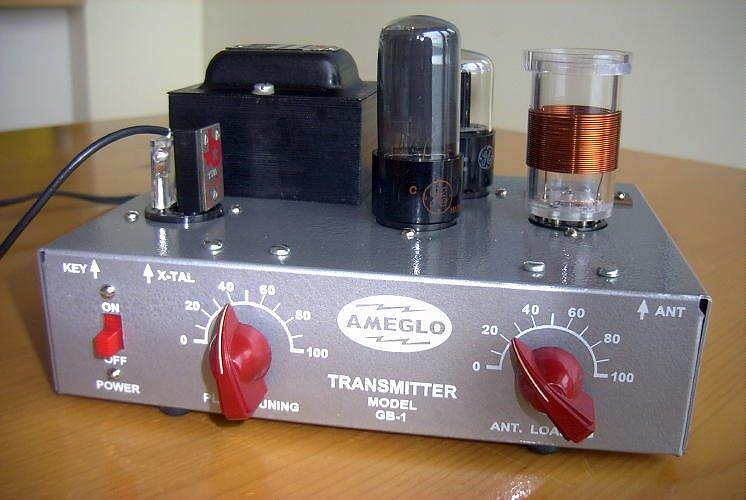 |
| My homebrew Ameco AC-1 clone |
A weekly CW operating activity that seems to be growing in popularity is the Monday “NRN”.
The NRN get-togethers are an offshoot of the annual “NRR” or Novice Rig Roundup. Monday’s “Novice Rig Night” gradually grew from those that wanted to see the NRR fun continue, in one form or another, without waiting an entire year for the event to roll around again.
Operating times run from sunup on the east coast to midnight on the west coast ... but basically, people just get on the air whenever they can on Monday and call “CQ NRN”. I suspect that most of the activity takes place between late afternoon and bedtime, with 40m probably seeing the most action. As winter arrives, we may see more activity on 80m but these are only my personal observations from the west coast.
Most folks are using typical Novice-era transmitters and / or receivers, with the Drake 2NT, early Heathkits, Eicos, homebrews and Hammarlunds being popular. The previous Monday I was active with my homebrew Ameco AC-1 clone, a 6V6 crystal power oscillator, at about 6 watts out. Good contacts were had with several eastern stations. There are several AC-1s around and there has been at least one suggestion of an 'AC-1 Night' ... what fun that would be as well!
For last night’s NRN, I brought out my homebrew Paraset.
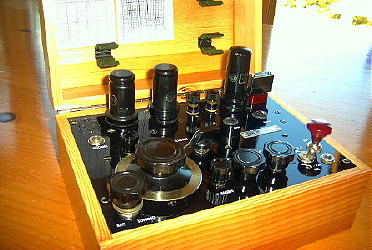
Once again, good contacts were had with the easterners on 40m: W9BRD in NJ, W3NP in WV, KD2E in NJ and VE3LYX using his No.19 tank radio ... two WWII radios talking to each other in 2018, one real and one a reproduction!
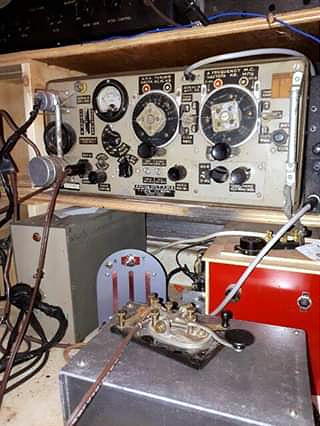 |
| VE3LYX's No.19 set operating position |
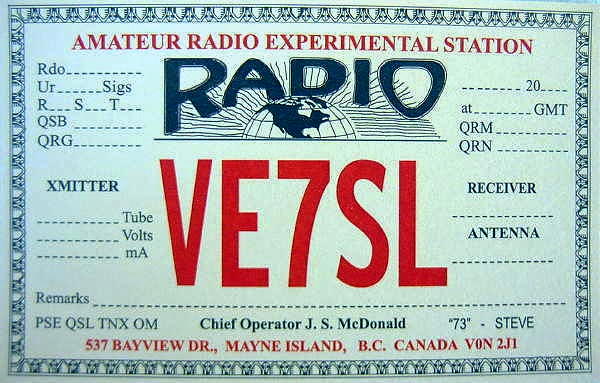
Here is the formal announcement for the Monday events, with a few additional details. Hopefully you can join the fun (any rig is fair game!), next week.
Hunting For NDBs in CLE 236
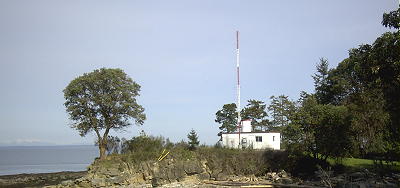 |
| AP-378 Mayne Island, BC |
How time flies. Once again it's a CLE weekend. It seems like the last one was just a week ago!
'CLE's are 'Co-ordinated Listening Events, and NDB DXers around the world focus their listening time on one small slice of the NDB spectrum.
This time the hunting ground is the 15 kHz slice from 370.0 - 384.9 kHz.
This is a somewhat dreaded range for me since my local blowtorch NDB, 'AP' (378 kHz), sits right in the middle of the range. 'AP' is located at the entrance to Active Pass, the main ferry route to Vancouver Island, and the antenna is about 3/4 of a mile down the beach from me. Needless to say, the beacon is about 40db over S9! With careful loop nulling, I can reduce this by about 25db but it's still an enormous signal to deal with.
Hopefully you can put 'AP' in your own log this weekend but its 25-watt signal will be much weaker for you. It's been logged as far east as Illinois and with your receiver in the CW mode, can be found on 378.399 kHz.
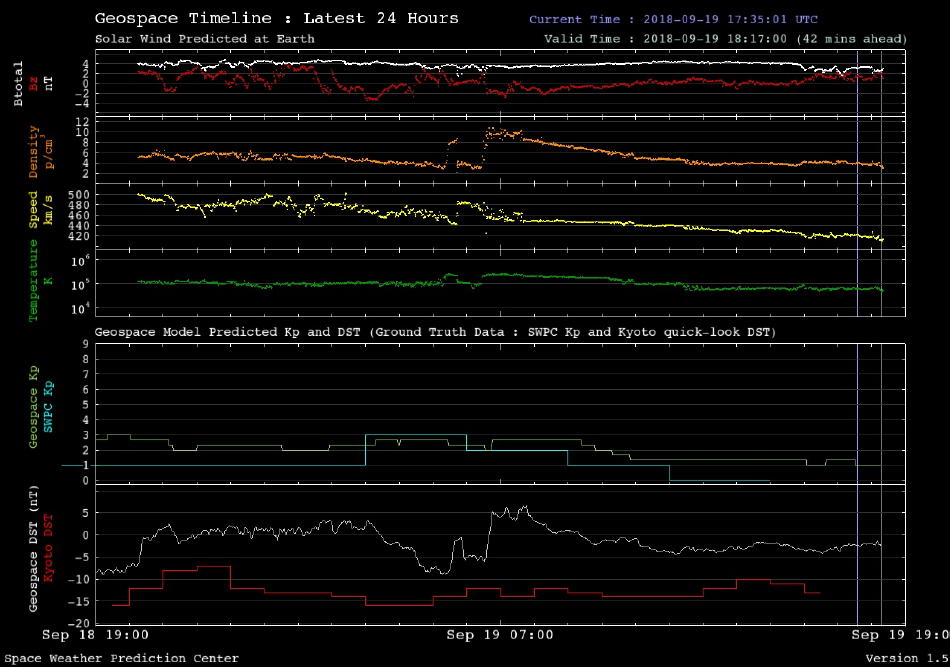
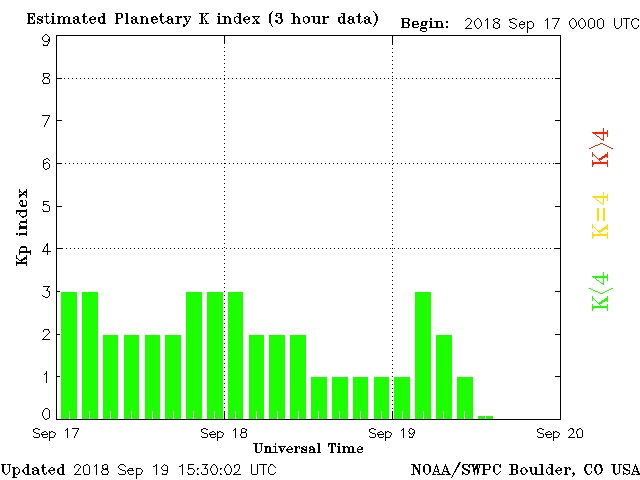
All too often our CLE weekends get hammered by geomagnetic disturbances, possibly because our monthly schedule syncs up nicely with the Sun's rotation and the disturbance from the previous month once again rotates into position. Conditions this time surely can't be much worse than for our previous event and today's mid-week check looks promising.
 |
| courtesy: NOAA |
 |
| courtesy: NOAA |
Things seem geomagnetically quiet at the moment so lets hope they stay that way. LF and MF propagation can often be amazing in the fall and as summer storms start to dissipate, the band can become much less noisy.
From CLE coordinator Brian Keyte (G3SIA), comes the following CLE info:
Hi all,
Please join us in our 236th coordinated Listening Event which starts
this Friday and celebrates the arrival of the Equinox this weekend.
CLEs are not contests - if you enjoy taking part you will be a winner!
Days: Friday 21 September - Monday 24 September
Times: Start and end at midday, LOCAL TIME at the receiver
Range: 370 - 384.9 kHz
Just log all the NDBs that you can identify with their nominal (listed)
frequencies in the range (it includes 370 kHz, but not 385 kHz)
plus any UNIDs that you come across there.
Please send your CLE log to the List in a plain text email if possible
(not in an attachment) with CLE236 and FINAL at the start of its title.
Show on each log line:
# The date (e.g. 2018-09-21, etc., or just 21) and UTC
(the date changes at 00:00 UTC)
# kHz (the nominal published frequency, if known)
# The Call Ident.
Show those main items FIRST - other optional details such as Location
and Distance go LATER in the same line.
If you send interim logs, please also send a 'FINAL' (complete) log.
As always, tell us your own location and brief details of the equipment
that you were using during the weekend.
Joachim or I will send the usual 'Any More Logs?' email at about 17:00
UTC on Tuesday - you can then check that your log has been found OK.
All logs must arrive on the list at the very latest by 08:00 UTC on
Wednesday 26th September. We hope to complete making the combined
results within a day or two.
To help you to plan your listening, seeklists and maps for your part of the
World are available via the CLE page http://www.ndblist.info/cle.htm
Good listening - enjoy the CLE.
Brian
------------------------------------------------------------------
From: Brian Keyte G3SIA ndbcle'at'gmail.com
Location: Surrey, SE England (CLE coordinator)
------------------------------------------------------------------
If you are interested in some remote listening - maybe due to local difficulties - you could use any one remote receiver for your loggings, stating its location and with the owner’s permission if required. A remote listener may NOT also use another receiver, local or remote, to make further loggings for the same CLE.
-------------------------------------------------------------------
- determine, worldwide, which beacons are actually in service and on-the-air so the online database can be kept up-to-date
- determine, worldwide, which beacons are out-of-service or have gone silent since the last CLE covering this range
- will indicate the state of propagation conditions at the various participant locations
- will give you an indication of how well your LF/MF receiving system is working
- give participants a fun yet challenging activity to keep their listening skills honed
The Yahoo ndblist Group has been moved to Groups.io and The NDB List Group will now be found there! The very active group is a great place to learn more about the 'Art of NDB DXing' or to meet other listeners in your region. There is a lot of good information available there and new members are always very welcome. As well, you can follow the results of other CLE participants from night to night as propagation is always an active topic of discussion.
You need not be an NDB List member to participate in the CLEs and all reports, no matter how small, are of much value to the organizers.
Remember - 'First-time' logs are always VERY welcome!
Reports may be sent to the NDB List Group or e-mailed to CLE co-ordinator, Brian Keyte (G3SIA), whose address appears above. If you are a member of the group, all final results will also be e-mailed and posted there.
Please ... give the CLE a try ... then let us know what NDB's can be heard from your location! Your report can then be added to the worldwide database to help keep it up-to-date.
Have fun and good hunting!
The Fall “Classic Exchange”
 |
| W7OS - Radio Club of Tacoma working the CX |
The "CX" encourages participants to use older vintage gear including any homebrew equipment, both receivers and transmitters. A unique scoring system provides bonus points for various equipment and combinations as well as encouraging 'repeat contacts' when you switch to different equipment.
 |
| W8KM and his wonderful vintage station |
No vintage gear? ... no problem! All amateurs are invited to participate and get in on the fun no matter what they are using and submit their scores.
 |
| K3MD's Heathkit AT-1 and Hallicrafters HT-37 ready for the CX |
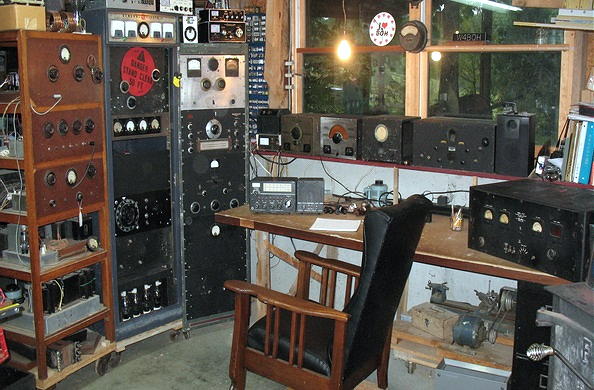
The CX is a low-key relaxing affair and the 'extra' Tuesday operating period should encourage a lot of midweek activity from the vast numbers of retired operators who cherish and run older gear.
 | ||||||||||||||||||||||||
| Lots of combos ready at W4BOH's CX setup |
 |
| K6ZI, Las Vegas - WWII ARC-5s ready to go |
For complete details, see the web site announcement here.
If you've never entered the Classic Exchange, why not give it a try this year as it truly is a case of 'the more the merrier' ... and eastern operators, make sure to keep the porch light on for us out west!
The 630m Portable Adventures of EIØCF
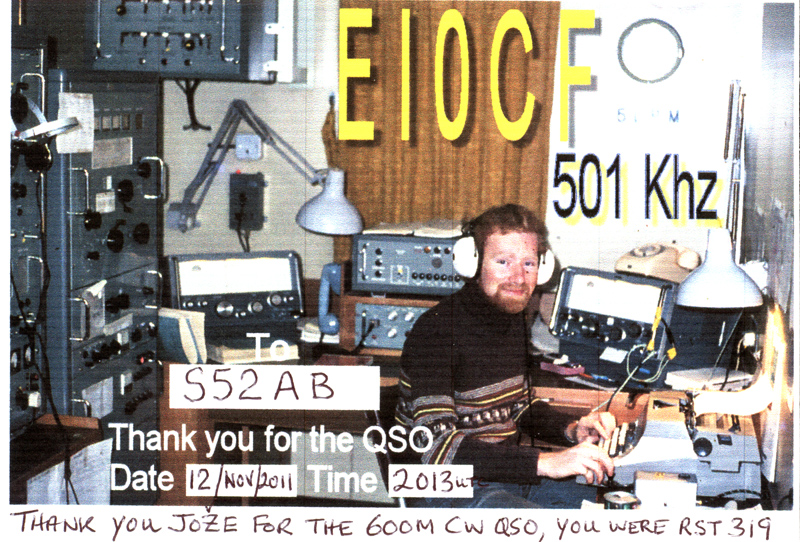
In the years before amateurs in the UK had access to the 630m band as we know it today (472-479kHz), hams there could apply for a 'special research permit' allowing them to operate between 501 and 504kHz.
One of the first and most active stations was operated by Finbar O'Connor, EIØCF, located in the most northern part of Ireland, near Malin Head. In the early days, Finbar might as well have been AC4YN in Lhasa, Tibet, as a 630m or a 2200m QSO with EIØCF was a much prized DX trophy and a genuine 'right of passage' for many little backyard LF and MF stations throughout Europe.
Nowadays, 630m activity in Europe is not as robust as it once was but Finbar is still active on MF from his modest station. He reports being copied in North America on several occasions. Although mainly active in the WSPR mode, Finbar is now considering the two-way JT9 weak signal QSO mode and may hopefully once again, tease east coast North American MF operators with a new rare entity from his seaside location.
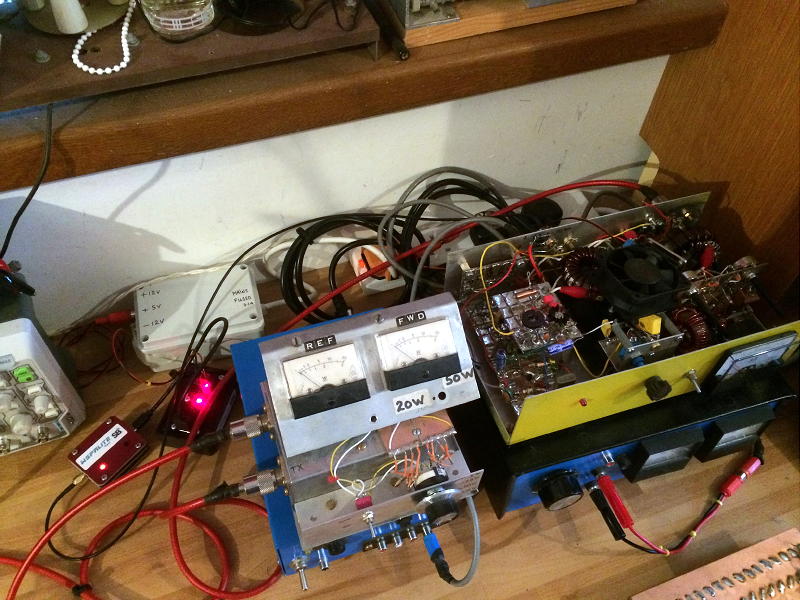 |
| Finbar's WSPRlite setup for 630m |
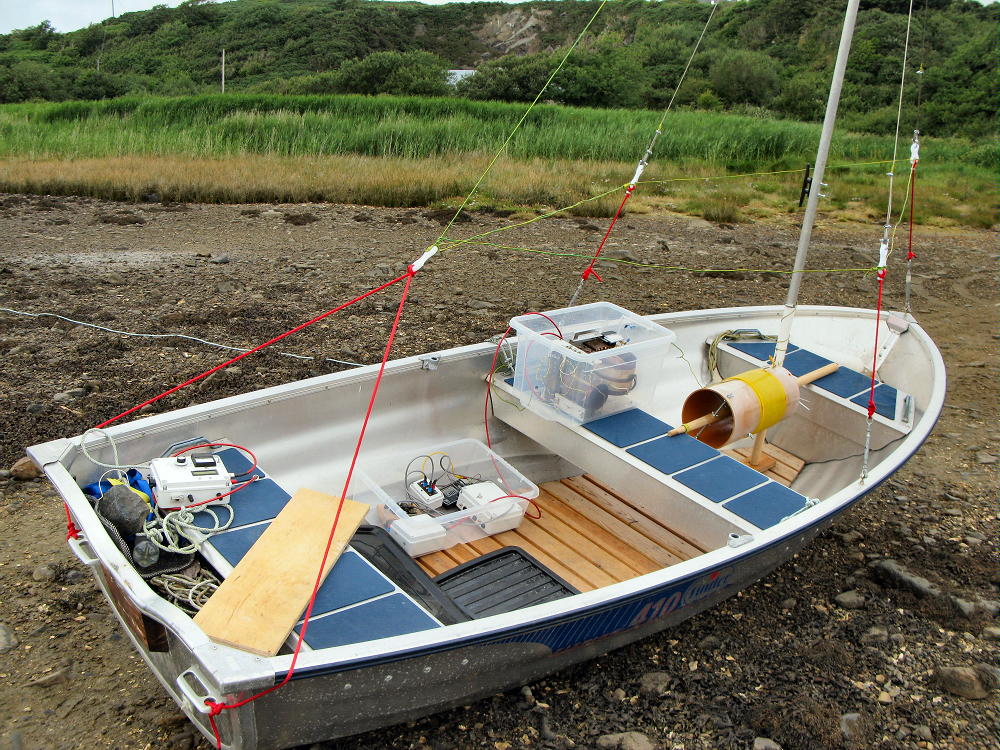 |
| EI0CF/marine on 630m! |
What follows is a delightful adventure, in Finbar's own words, describing some of his field trips back in the 500kHz experimental days ... perhaps it will inspire some North American portable work or provide ideas for an emergency prep 630m grab-and-go kit, or just get you excited about our newest amateur allocation.
******************
Operating Portable on 501 - 504 khz Medium Wave
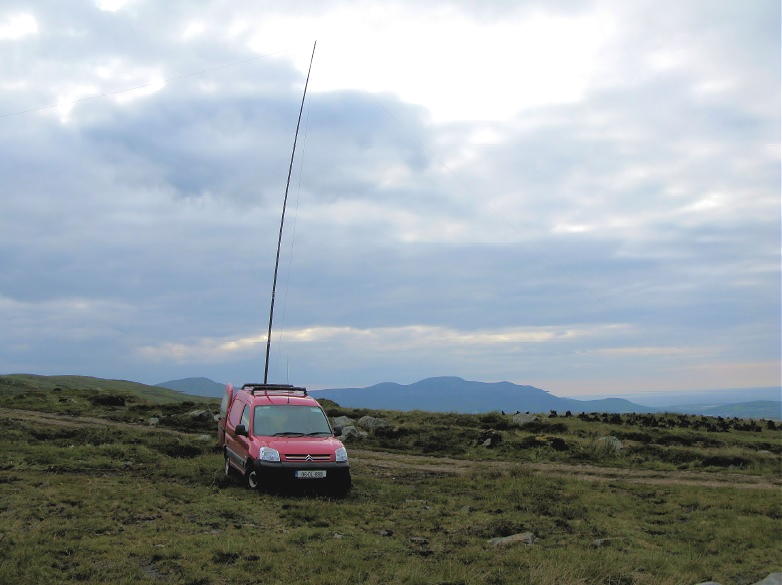
Operations on the north flank of Slieve Snacht Inishowen Peninsula.
In June 2009 Ireland joined a growing number of countries permitted to operate on a small portion of the medium wave band, just below the commercial broadcast segment, in the range 501 - 504 khz. Several stations were granted permission and operations commenced. As has been documented elsewhere many stations have been worked, both in band and cross band, at home and abroad, ranging from Continental Europe, across the Atlantic to the USA and Canada, down to the southern end of Ukraine and finally up to Iceland, Norway, Sweden, Finland and also being heard in Moscow.
A notable feature of this band is the steady reliable nature of groundwave coverage and with this in mind I recently availed of the facility whereby portable operations can take place. Comreg, together with the IRTS and the individual involved, require that each event is applied for, giving relevant dates, location, contact details, hours of operation and the power of the transmitter being used.
In the period leading up to all this it was necessary to build and test a viable portable station based on the use of my Berlingo van. A 30' part of a 40' Spiderbeam fibreglass pole was used with a simple round wooden peg to secure the 'Tee' wire antenna, which was fabricated from twin twisted multistrand speaker wire. The vertical used both, while the rest was pulled apart to form the two horizontal legs.
A 100 metre roll of 1.5 mm insulated earthing wire was cut into 16 lengths to provide radial wires, with lugs soldered to one end and a bonding bolt used to secure a single point for the radial kit. The far ends formed a small loop which was sealed and secured with insulating tape. The loop provided an eye for a small L shaped stiff wire, fashioned from discarded coat hangers, an ideal and cheap way to hold the ends of the radial wires in place in the ground.
To secure the antenna support to the van, I refer you to the excellent idea described by John EI7BA, on his web page, for a ball hitch connection:
http://www.qsl.net/ei7ba/a_ball_hitch_mobile_mount.htm
Using this superb idea, I got the welder out and made one for myself. It worked perfectly.
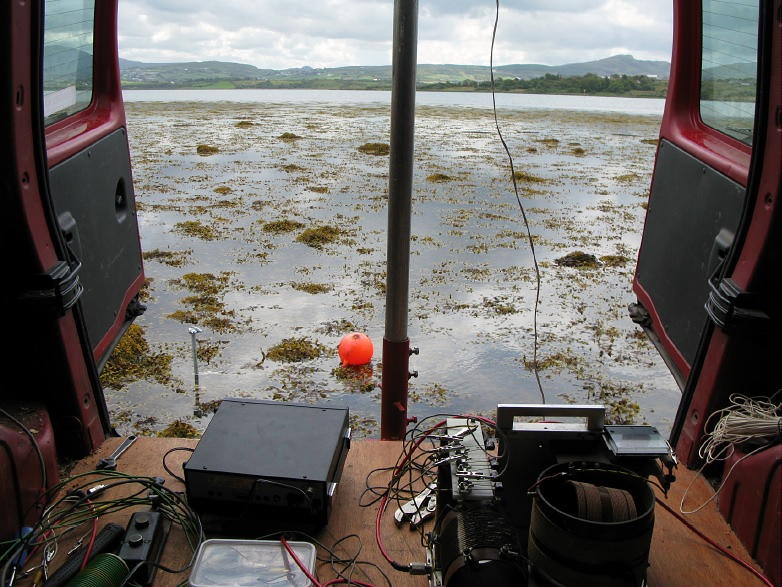
I now had the support and wire antenna, with a ballpark figure for what might resonate, along with the radial kit. I next needed a dedicated antenna tuning unit. An old variometer and two extra fixed multitap coils were selected. A home made 1 amp ammeter and SWR twin meter unit completed the fit-out. These were all assembled on a base with a handle on the top, making it easy to move around whilst out and about.
The main antenna for 500kHz was disconnected and left floating and the van set up with all this gear, but no transmitter. Instead, my little antenna bridge running off a 9-volt battery provided the necessary signal to start testing for basic resonance.
Whether from sheer good luck or some sub-conscious input, resonance fell within the range of the variometer with only one of the two extra coils in circuit. The relative height and length also play a part in the range of resonance secured. Matching to 50 ohms was then optimized by selecting 4700 pf Mica capacitors using Croc Clip links. The available value ranged from 1 nF to 14 nF.
I have a selection of 500khz transmitters, two of which are to the design of Roger, GW3UEP, who lives 10 miles inland from the coast, in south Wales. His 500khz web site is well worth checking out, containing plans for versions of his 500khz transmitters, test equipment pictures and recordings of 500khz activities.
http://www.gw3uep.ukfsn.org/
One of these was used to put some RF into this first portable style installation, and by arrangement, Roger listened and heard my signal. We delightedly completed a short contact, with my transmitter running just 10 watts.Things were looking good.
One of the very valuable things about portable operations stems from the need to bring together several elements to secure a working radio station, without the usual backup we enjoy from home. Planning is essential. Doing a dry run, i.e. actually physically building the intended station then notating all the gear required and making a list as well as providing backup items, particularly those that which if broken or lost, would render the whole radio station non-viable. This also extends to the operator of the equipment. Will they be warm or cool enough, have shade, food, water and enough needed rest? Always be prepared to abandon the project if safety is compromised, for whatever reason.
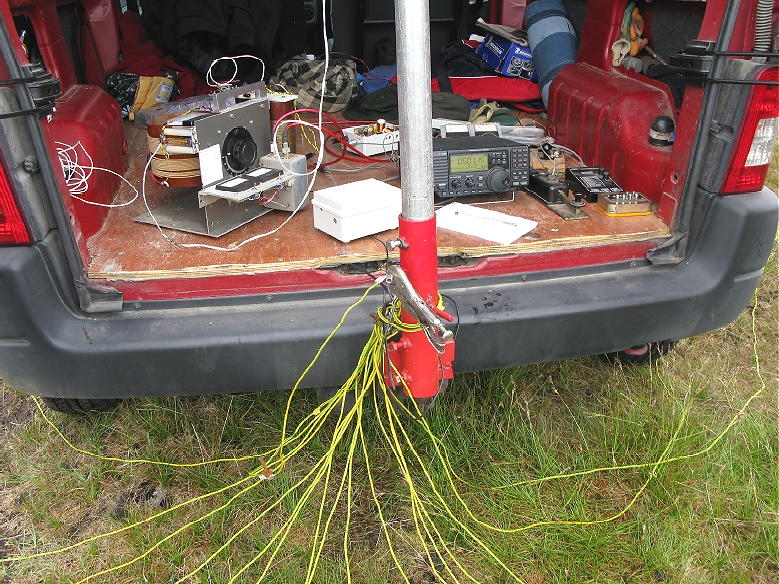
Now that I had a viable portable station for 500kHz working, it was time to head off and test both the equipment and myself in the real world, but without any live transmissions taking place.
Several sites were chosen and tested, with particular emphasis placed on remoteness, i.e. high up on mountains or near the sea. All sites worked very well, but those by the sea proved really excellent. Reception of NDB’s (Non Directional Beacons) provided a ready supply of medium to low frequency signals for range testing. I was now itching to “ have a go “ out in the wilds, on 500kHz! Using the method required by Comreg, an application was made for several sites, on specific days.
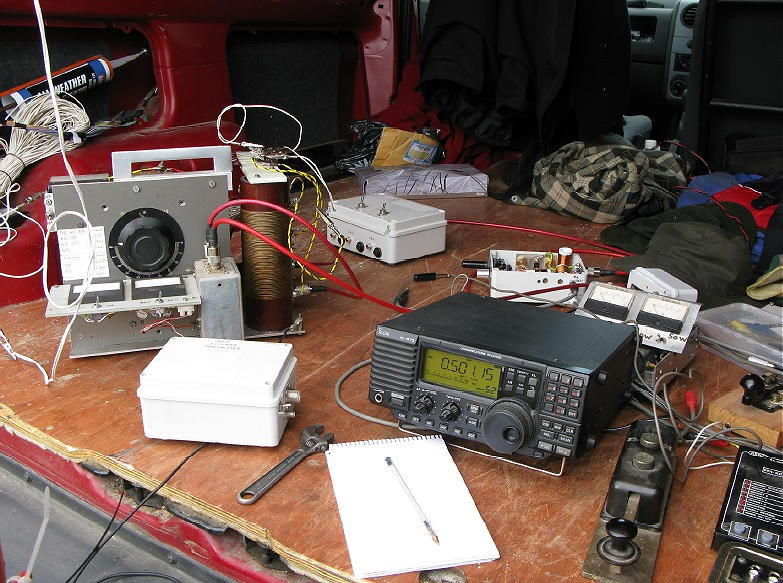
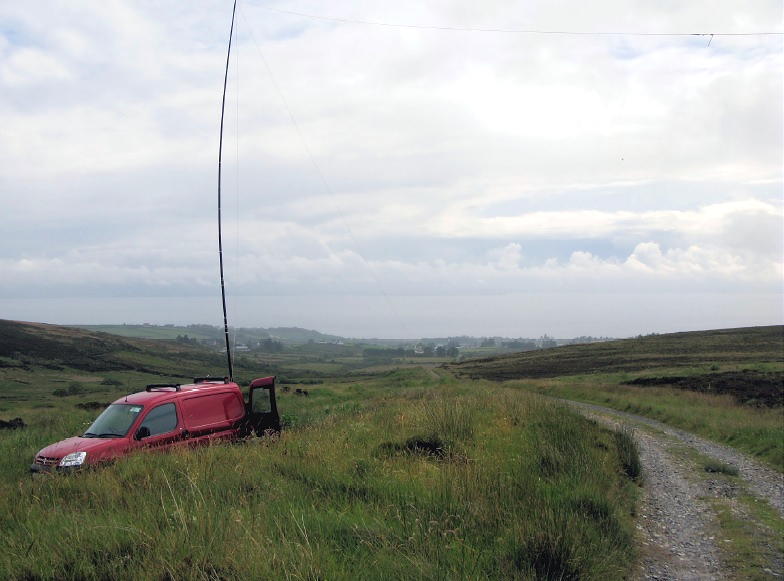
In early June I loaded up the van with all the gear and headed off for the mountain above Redcastle, County Donegal. Using a narrow track and climbing higher, to about 270 meters, a place was found leading to an old quarry. Typically, it had started to rain. By the time I had erected the support pole, pulled out and secured the top hat wires using light nylon line and deployed the radial wires around and below the vertical drop wire, my trouser ends were very wet!
Plugging in the 12-volt supply, the receiver was very quickly perked up, using the variometer. The Morse key connected to the QTX transmitter and the transmit / receiver switch flicked over. Time to get some RF flowing in the antenna. Sure enough, on key down, the antenna current meter shot right up to 400 mA, but the SWR match was not exactly perfect. Time to work those Croc Clips and start selecting shunt capacitors to find the perfect match. Soon I had that sorted to my satisfaction, with antenna current now up to 550 mA. A quick return to receive showed that Roger, GW3UEP was already tuned up on frequency.
"..... GW3UEP DE EIØCF/P HW K"
He came back straight away! Oh joy, we were on the air on 500, in a remote mountain area, the top of my antenna almost tipping the clouds as they swept past. I was open to the elements, standing at the back door of the van with the tips of my fingers reaching for the knob of my very favourite old Amplidan morse key, snug beside the other bits and pieces of equipment on the van floor!
My logbook, with its pages flapping back and forward in the wind, soon had the first 500kHz portable contact documented. A full hour later, solid steady signals continued at a distance of 250 miles. Proving just how good groundwave signals can be, I terminated communications from the remote portable location, happy with the results. Within 12 minutes I had dismantled the station and was on my way to Moville, along with a strong cup of coffee at the café on the town's main street.
Several other portable operations have since taken place. A number have also occurred at my home location. We live right beside the sea; high tides lap up on to the salt marsh, which is part of the property.
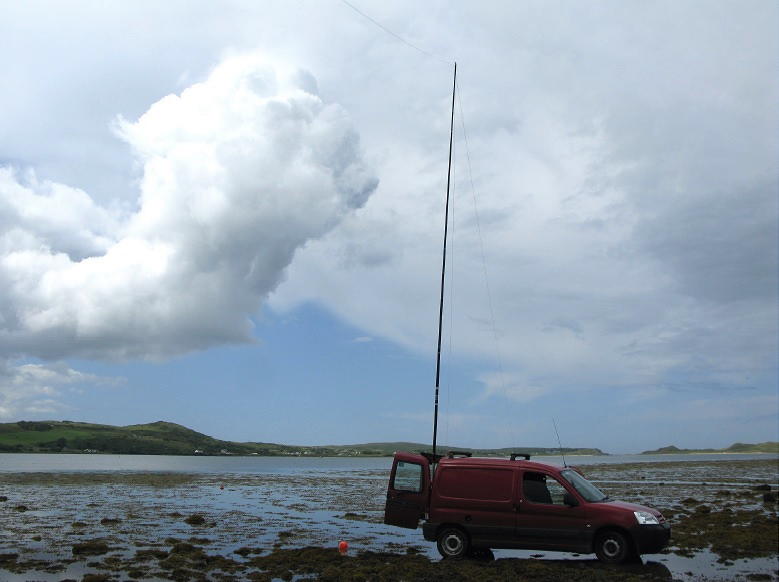
Driving a single earth rod into the sea shore to a depth of 1 metre, with no radials and just a single wire between the rod and the ATU earth, the 1 amp RF meter had its meter needle slamming against the end stop. Lots of antenna current for 15 watts transmitter output power. Those same 15 watts only providing, at best, 550 mA, whilst up on the mountain sites.
Finally, it was thought productive to try a kite-supported antenna from the seashore portable set up. Winds on the day selected seemed strong enough to enable my Delta shape kite to head aloft with a flying line and antenna wire attached. The Berlingo van was driven down on shore, everything connected and tuned up. All was well, or was it?
The receiver now seemed quite dead with no band noise and no antenna current on transmit. Looking skywards I could see nothing. My eye followed the antenna wire heading for deeper water. Then I saw it. The kite had plunged into the sea! The following 30 minutes entailed untangling loads of seaweed with the line wrapped around rocks, barnacles and everything imaginable. What a mess! I almost gave up, but knew that Roger would be coming up on frequency, on sked, in about 15 minutes.
Eventually I managed to get the kite skywards again but by now the wind was acting more unpredictably. I established contact with Roger and he immediately gave me an S 7 report for my 15 watts. This equated to the report I would get from my main station antenna running 100 watts. My single ground rod and 150 feet of wire were doing the business.
We carried on our contact, but what remained became a battle of wits, with a kite constantly diving down and soaring up again. Several times the antenna wire was in part lying on the sea shore and antenna current way down to 200 mA or lower. My left hand was on the variometer tuning knob, tweaking the setting as best as possible, while pulling in the slack to keep the antenna wire off the ground. Feeding the wire out again to a misbehaving kite, I kept keying away with my right hand, keeping Roger updated so he could understand why my signal was changing both in pitch (sudden antenna mis-match conditions) and signal strength.
Luckily he was also making a recording, which proved later to be a fascinating record of a difficult portable antenna and station operation. It’s remarkable how tolerant, despite the wildly changing antenna conditions, the system actually was in practice. Communications were maintained despite all these negative factors and severely decreased radiated power at times.
Several other tests were conducted within these experiments which would have been almost impossible to conduct without the challenges thrown up by my portable operations. To my mind the 501 – 504khz band exhibits a distinct advantage for enhanced groundwave coverage over that available to higher frequencies.
Relatively simple equipment deployed in remote locations, with or without the availability of the power grid, would provide a solid backbone link or network in times of emergency. Transmitter power output was kept deliberately low to ensure that a higher ERP would not mask any possible weakness in the system. I am happy to conclude that Medium Frequency CW proved it’s worth once again.
Already I have further plans to test smaller, more compact portable antenna and earthing systems in more remote locations.
Finbar O’Connor EIØCF Malin, County Donegal.














