 |
 SOTA Activity Weekend, September 7th and 8th
 24 August 2013 | by
 Participants are invited to collect points toward certificates and trophies offered by the eleven-year-old international SOTA group (SOTA.org.UK). As we learned in past years, this is a barrel of fun for both hill climbers and home operators. See you then.
The folks at NA-SOTA.org
Mike Crownover, AD5A, is a regular contributor to AmateurRadio.com and writes from Texas, USA. Contact him at [email protected].
What’s been going on around here for the past 2 weeks!!
 |
| Interference caused my AOC monitor |
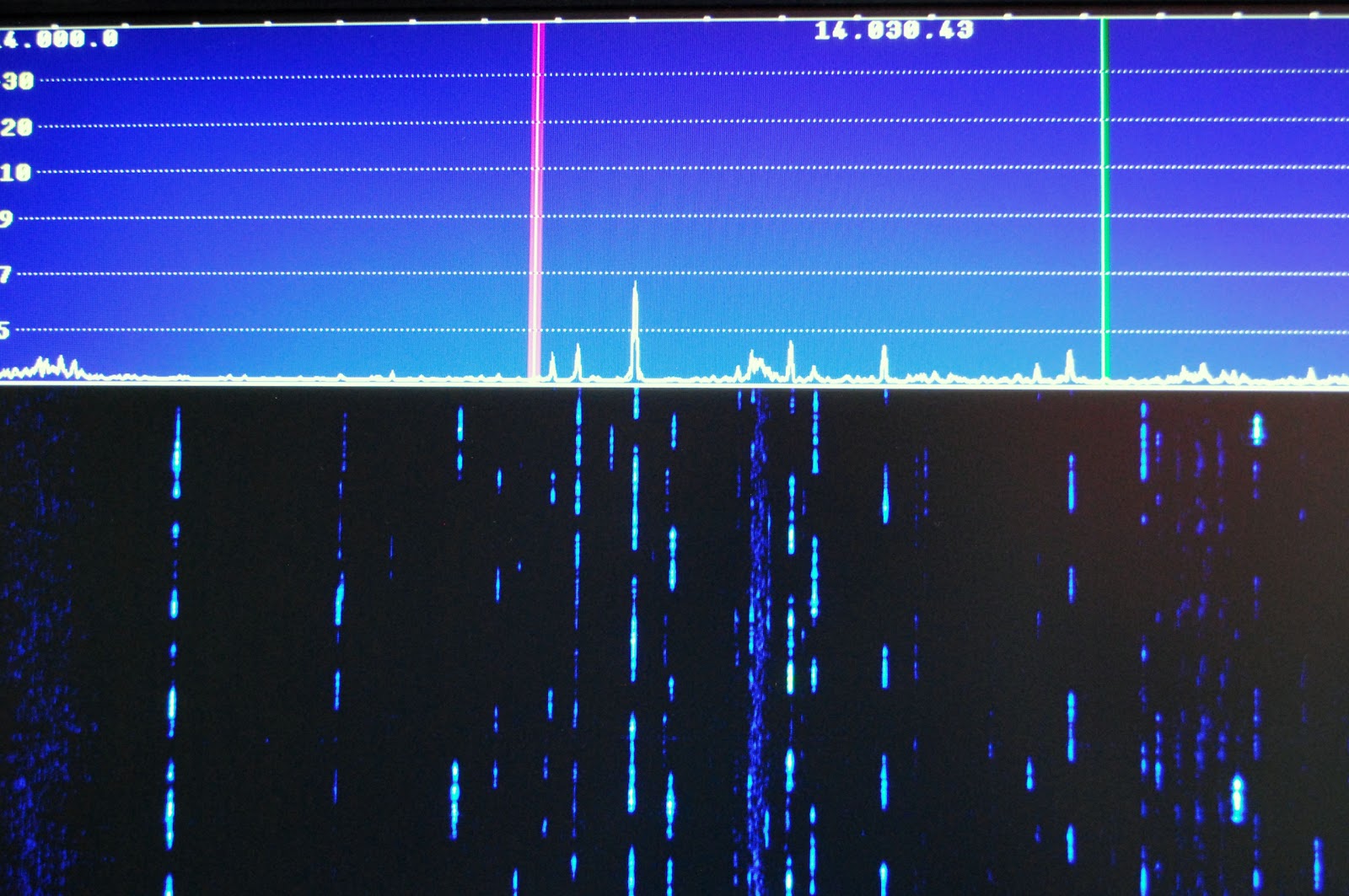 |
| Nothing from the LG monitor. |
At one time but sold the LP Pan and the Creative Labs E MU 0202 USB external sound card. This combo worked great and gave me a super pan-adapter. I was able to with the click of a mouse (using PowerSDR software) control my K3 and also click on signals on the bands scope and the rig would go there. Well I
purchased a used LP Pan and E MU 0202 device. I have not as of yet hooked it up I have gotten as far as
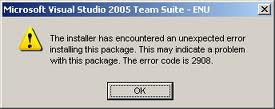
to download the software I am going to use with it which is NaP3 software. At this point when I tried to install the software (or any other SDR software) I get an error message entitled 2908. This error message and what I have tried to cure it is a whole blog post on it's own. This is still a work in progress and I hope I don't have to resort to reformatting my hard drive!
 The final happenings here have been....working on my Elecraft K2 kit and the accompanying blog where the progress is being shown.
 Mike Weir, VE9KK, is a regular contributor to AmateurRadio.com and writes from New Brunswick, Canada. Contact him at [email protected].
Thoughts on QRP
I recently read an excellent post by W2LJ on non-QRPers’ perceptions of “the frustration of QRP.” While I’m in 100% agreement with what he writes—essentially to “act loud” when you’re operating QRP—I’m guilty of the very first sin he calls out at the beginning: advising new hams not to start on HF with [a] QRP [rig].
I stand by this advice. Here’s why. The advice is often solicited in the context of saving money by buying a QRP radio (e.g., FT-817, IC-703, KX3, etc) versus a full-power unit (e.g., FT-857, IC-706/IC-7000, KX3+KXPA3, respectively). Everybody wants to save money, not everyone wants to operate QRP, whether they realize it or not. It’s a whole heck of a lot easier to crank a 100-watt radio down to 5 watts than it is to crank a 5-watt radio up to 100 watts. So why does that matter since we’re talking about why people should or shouldn’t start with QRP? If you operate QRP, look at your log. You should see a pattern. Most of your QSOs are on CW or digital and on the “core” HF bands, 40/30/20/17/15 meters.
QRP is not frustrating at all, as long as you operate CW (or digital) into decent antennas on certain bands. Knowledge and skill indeed trump power. But, if you are just acquiring knowledge and skill for the first time, a little reserve power doesn’t hurt. Just my thoughts.
Ethan Miller, K8GU, is a regular contributor to AmateurRadio.com and writes from Maryland, USA. Contact him at [email protected].
Busy Days, Fun Days, Two Summits in New Mexico
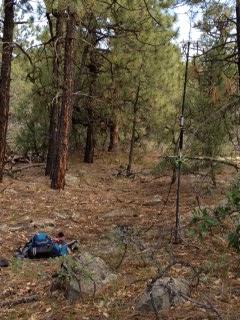
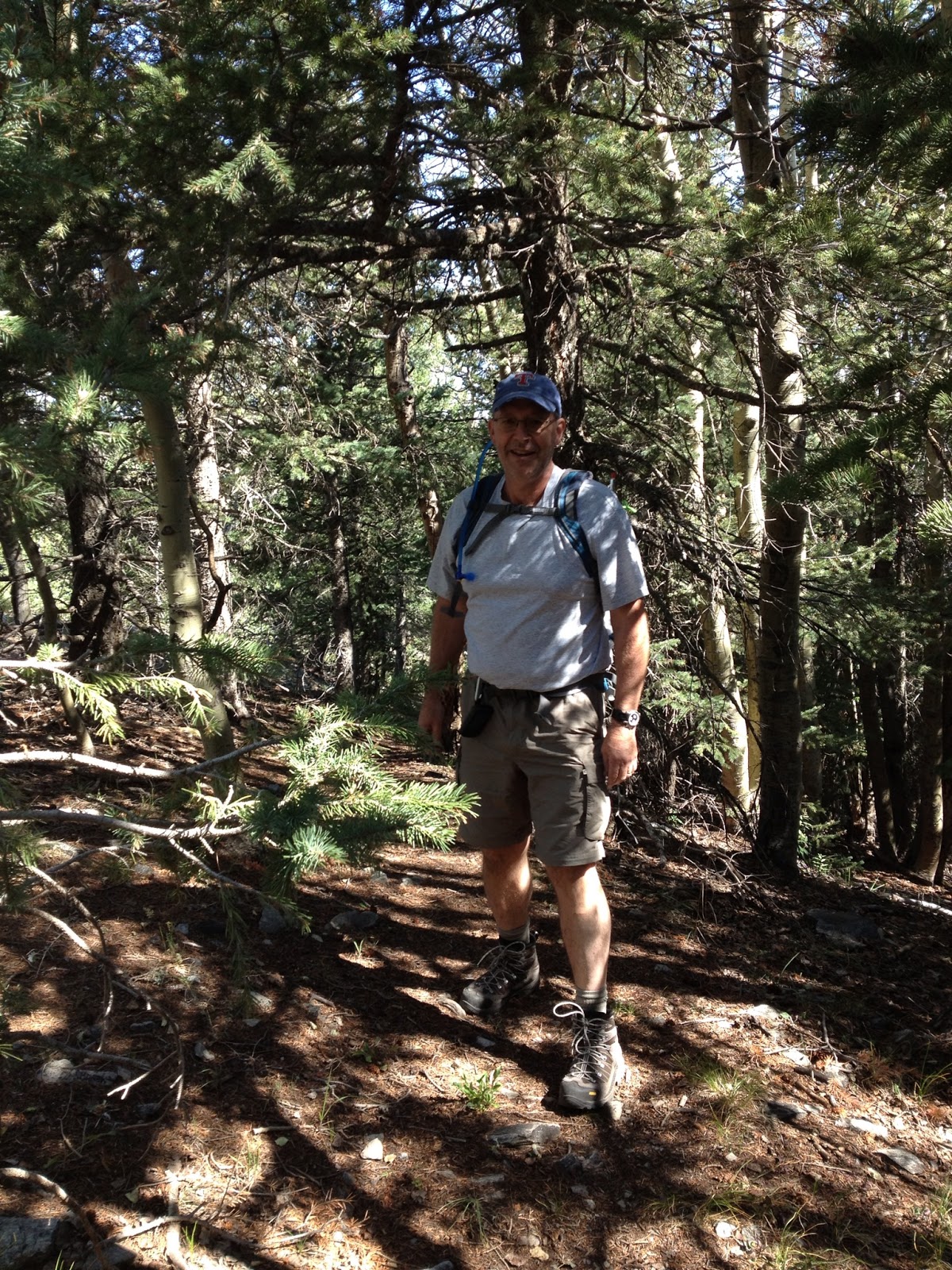
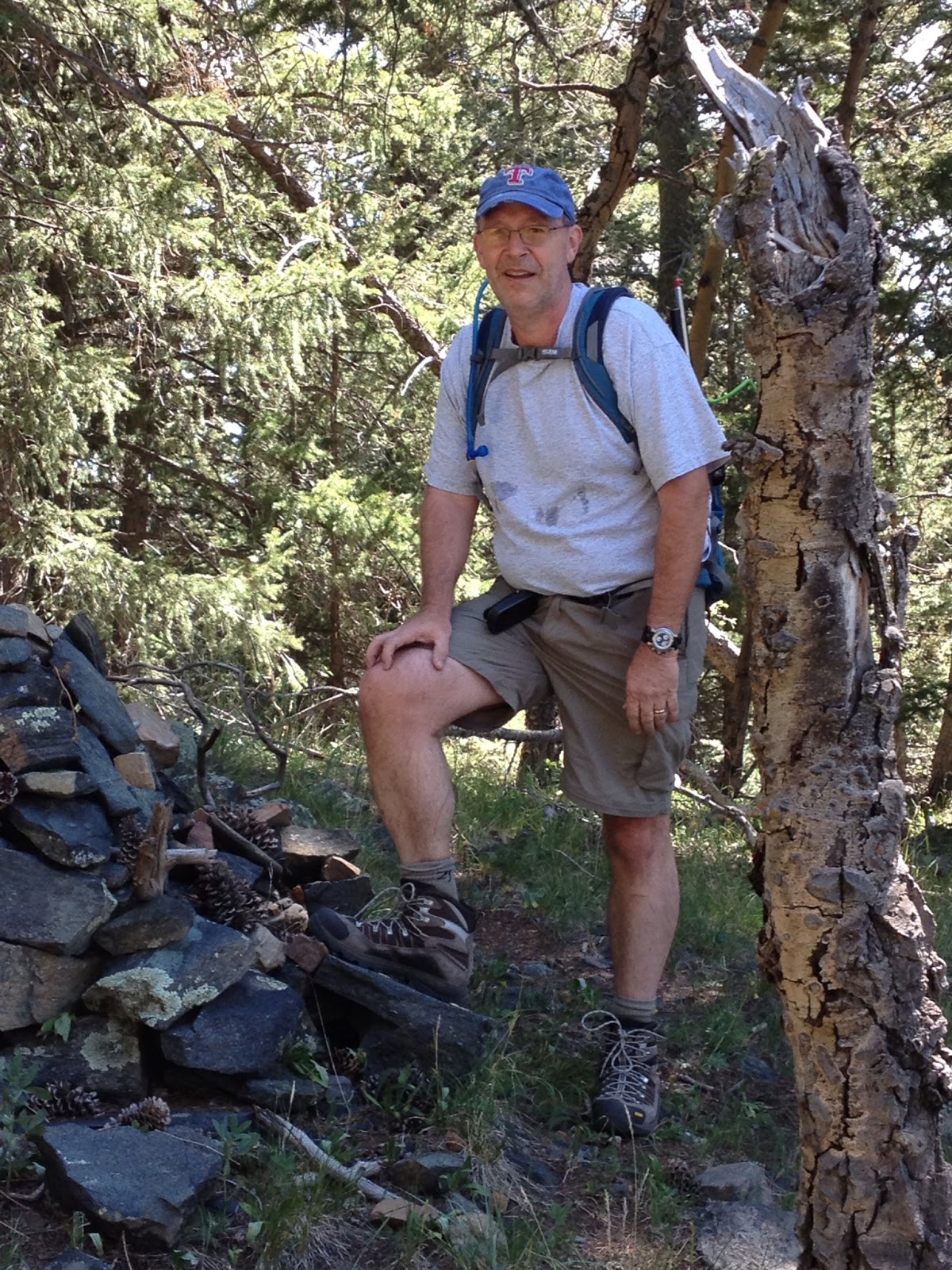
Glorieta Mesa W5N/PW-032 August 16, 2013
This was my first solo summit. I've done summits with other activators and my wife often does the hike with me, however this time I was on my own. Glorieta Mesa is an 8 point summit whose elevation is just over 8,000 ft. Finding the route required a little research but the SOTA website is very valuable in finding routes if previous activators have uploaded their activation notes. Such was the case here and I was able to get two sets of coordinates, the first directed me where to park and the second pinpointed the previous operating location of another activator. Given those two points the hike was fairly straight forward. Only about 300 feet elevation gain over 1.5 mile climb isn't too bad.
I used my GPS unit with it's TOPO map to navigate to the activation zone. There is no trail per se on this climb. I would classify it as a minor bushwhack. While there are no trails the forest is very walk-able with a few brushy areas that you have to walk through, but not bad.
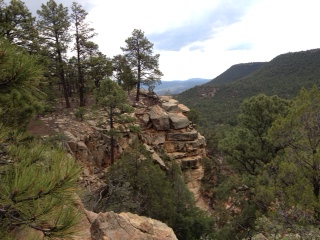 |
| On The Way Up |
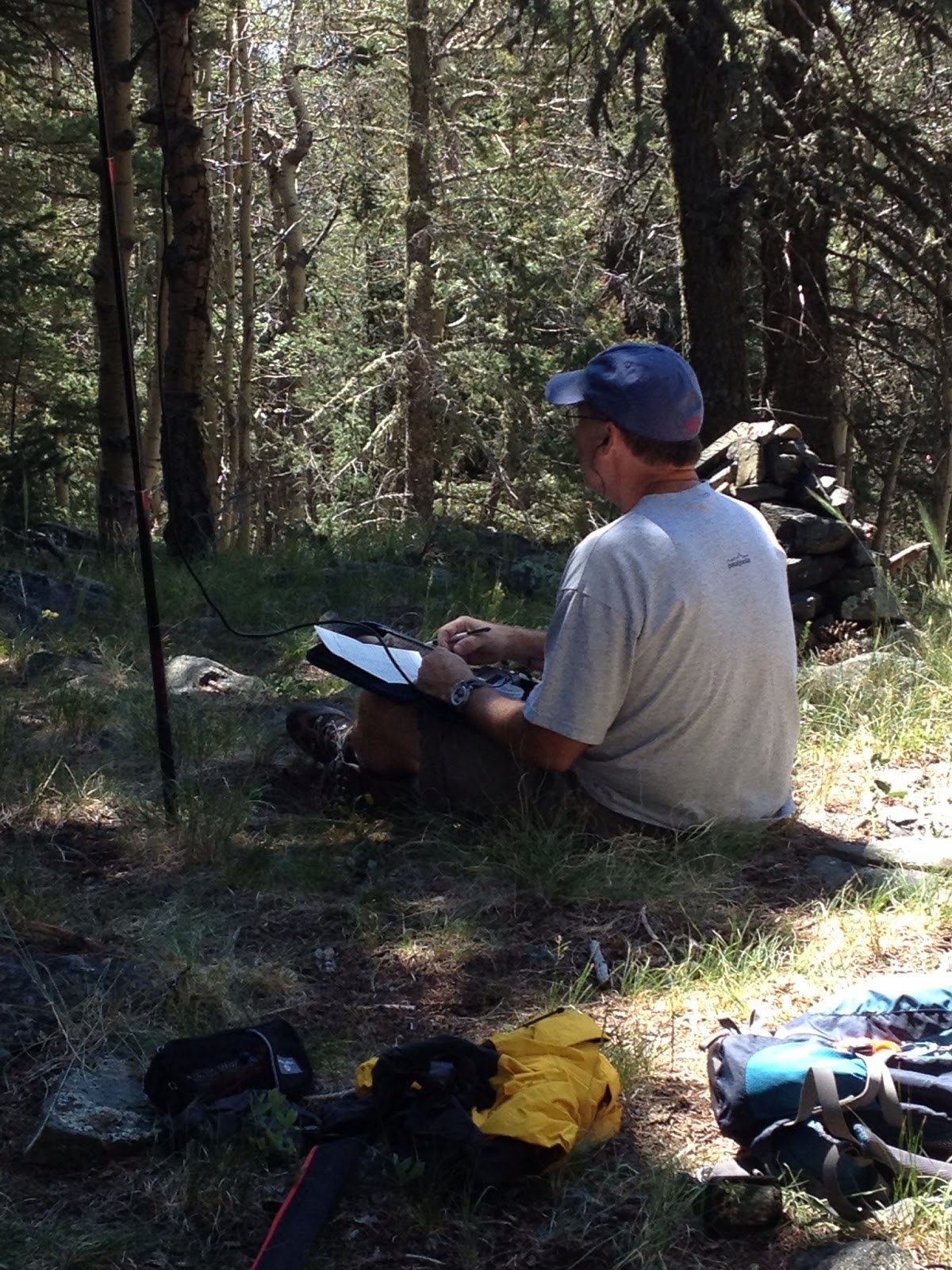
Once on the top I used my ATS-4 and my modified Buddi-Stick vertical. Conditions were decent and after couple of CQ's I had a nice SOTA Chaser pile-up. I managed to work 18 stations in a 20 minute span working stations Coast to Coast.
A Chaser pile-up is the ultimate QRP thrill in my opinion. You are operating a station that you carried up the hill on your back, using a portable antenna and other stations are actually chasing you. The signals were loud and I was getting some 569 and 579 reports.
Mike Crownover, AD5A, is a regular contributor to AmateurRadio.com and writes from Texas, USA. Contact him at [email protected].
Playing Around With Reverse Beacon Network
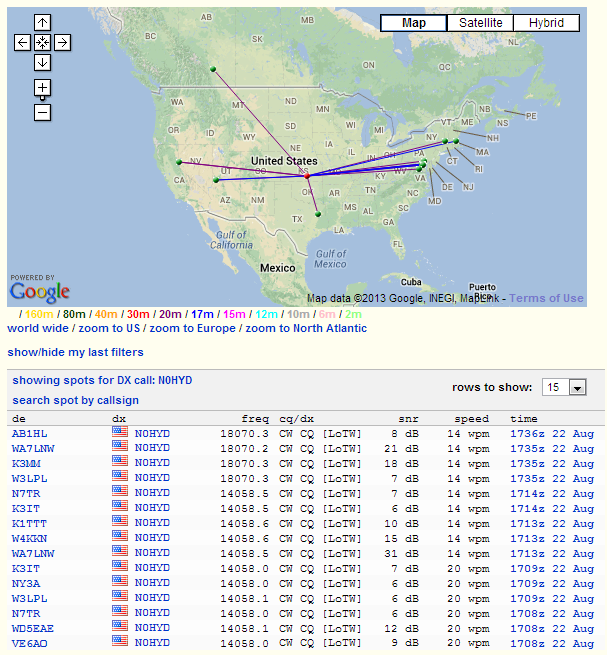
After parking at my usual lunch time portable operating position, and not hearing much on the bands, I decided to do something I had been wanting to do for awhile now.
I have been wanting to play around with the Reverse Beacon Network using my portable QRP antenna. When not hearing much on the bands, I wanted to see if there was just not many operators, or if the band was actually dead. The other thing is that many times when I call CQ I call at less than 15 wpm because that is where I am most comfortable. I have never seen many reports on RBN in the past when calling CQ so I wanted to see if speed made a difference.
So I started off with 20 WPM and called CQ for about 3 minutes on 20 meters. You can see the spots on the photo, but I was heard mainly to the East coast and West part of the country – and one Canadian station.
Then I went down to 14 WPM and called CQ again – as you can see on the photo. At 14 WPM, my signal was still decoded and I got spotted by 5 stations. Where at 20 WPM I was spotted by 6 stations. So not really much difference. I did change frequency so that it would show the new spots.
I didn’t call as long at 14 WPM because I heard someone answering!
KO4OP – Rick was answering my CQ and had a nice sounding signal. He was in King William, VA. He was 599 and he gave me a 559. We went on to have a nice 15 minute exchange – really nice QSO Rick! Thanks for giving me a call!
As you can see in the picture I then went to 17 meters and put out a CQ at 14 WPM and was spotted by 4 stations (3 on the east coast and one out west). I did hear someone call ..__.. (?) after one of my CQ calls but I never could reach him, and they never gave a call.
After this I did hear NE1SJ very, very weakly calling from a SOTA summit on 20 meters. I gave him a call and he heard me, but when he came back he got weaker and I just could not pick him out of the noise. Sorry we couldn’t make it today – I would have liked to pick up some more points!
It seems my SOTA chasing has stalled a bit. Lately 20 meters seems to be skipping right over me here in Kansas!
So the RBN site was fun to play around with. It just tells me that even when you don’t hear anything, it doesn’t mean that you aren’t getting out! Put out some CQ’s and have some fun!
Burke Jones, NØHYD, is a regular contributor to AmateurRadio.com and writes from Kansas, USA. Contact him at [email protected].
Amateur Radio Newsline Report 1880 August 23 2013
- Trans-Pacific emcomm demonstration will involve US MARS
- FCC and Industry Canada reach spectrum sharing agreement
- Vanity call sign fee goes to $16.10 immediately
- ARRL says no to TCB expansion
- City takes an unlicensed broadcaster off the air
- YHOTY recipient KC9UUS honored at the Huntsville Hamfest
High Quality HyEndFed

The HyEndFed antenna is momentarily my only HF antenna. Just 11,85 meters long (38.878 ft), very stealth, and a great performer. It was much better than my dipole. And it absolutely outperformed all my verticals I've had. The antenna is made for 40-20 and 10 meter. A high quality Dutch product. Of course when someone is handy you can made it yourself. But I know my restrictions and capabilities for technical skills. I tune this antenna with a MFJ-925 for all other HF bands. On 40, 20 and 10 meter I don't need a tuner. I know, a perfect SWR says nothing about the effectiveness of the antenna. Nevertheless, here are my SWR readings on the other HF bands with the HyEndFed.
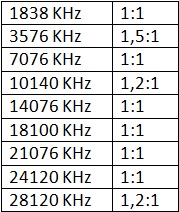
Maybe I replace the 6 meter antenna, after the Es season, for a ground plane antenna for 30 meters.
Useful links: http://www.hyendfedantenna.nl/joomla/ and http://www.hyendcompany.nl/
Paul Stam, PC4T, is a regular contributor to AmateurRadio.com and writes from the Netherlands. Contact him at [email protected].
 Ham Radio Deluxe |
 W5SWL Electronics |
 Ham Radio Prep |
 KB3IFH QSL Cards  Hip Ham Shirts  HamRadioAuctions HamRadioAuctions Reliance Antennas Reliance Antennas Enigma Shop Enigma Shop |  morseDX  Ni4L Antennas  R&L Electronics R&L Electronics antennas.us antennas.us QRV QRV |
- Matt W1MST, Managing Editor
