 |
 Pondering
 27 January 2014 | by
 I am pondering the possibility of acquiring a single lever paddle, possibly the Bengali Simplex Mono, with the palladium base.
I have always been more comfortable with single lever paddles, and have always used any iambic paddles that I have owned that way. I am not a squeeze keyer.
The Sculpture Mono would be great, but the price tag is too hefty for my wallet. Any of you readers have a recommendation for a good single lever paddle other than Begali? Maybe there’s a good one out there that I am not aware of?
72 de Larry W2LJ
QRP – When you care to send the very least!
Larry Makoski, W2LJ, is a regular contributor to AmateurRadio.com and writes from New Jersey, USA. Contact him at [email protected].
Pileup
Last night after I had enough of writing software code I decided to turn on 160 meters. There was a contest going on, the CQ 160 meter CW contest. I like 160 meter contests for some reason. There’s something just a bit different about them. I have a decent, though modest antenna, an inverted L running about 30 feet vertically and 65 feet horizontally, with a six foot long loading coil on a piece of 1.5 inch PVC pipe. I have only eight or so radials, short by this band’s standards, but the antenna works rather well. My experiences with this antenna lead me to believe that a lot of people could do 160 meters if they just attempted to build an antenna like this, even on space-challenged lots. The antenna I have could fit in a quarter acre property. But I digress.
I turned on 160 and got my contest program going. I did the usual search-and-pounce starting from the bottom of the band and worked my way up. It was like shooting fish in a barrel, and I was starting to get bored with it. What the heck, let’s park somewhere and call CQ. I worked a few stations in the next 10 minutes and then it was like someone opened the floodgates. I had three, four, or five guys calling me each round. Amazingly I was able to pluck stations out of the pileup most of the time with no problem. This was going on for what seemed like an eternity. I started watching my rate meter and it hit 258 QSOs per hour at the peak and later settled down to around 150. This went on for about 45 minutes. I was in shock over the number of stations and how it was just relentless, but somehow I just went into overdrive and commanded the frequency. I’m not rare DX and I don’t have a super big signal on this band, but it was like everyone wanted me. The pileup started to subside and settled down to a few QSOs here and there and I was getting tired from a long day. I wished I had planned to make a serious effort in this contest; it probably would have been fun to start rested up right at dark when the band opened and work the band until the wee hours of the morning, maybe even attempting to crank up the CW speed up a bit.
All in all, I was really pleased with my performance with this unexpected pileup. Recently I have been training with Morse Runner while on business trips, mainly to break up the monotony of long flights. I can tell this practice has made a difference in my ability to manage pileups, pick out stations from the chaos, and rack up the QSOs. This could get interesting.

Anthony, K3NG, is a regular contributor to AmateurRadio.com.
QRP/SOTA Fun Without Climbing A Mountain
So I set up my operating position just as I would on a summit. I was testing one of the SOTA beams EFHW antenna with counterpoise and a homebrew 29 ft. wire. I brought along two tuners including Hi-Tee Tuner from SOTAbeams and a recently acquired Hendricks SLT+ 80m-10m end fed half wave tuner.
The SOTAbeams combo was my first configuration. I put the antenna over a limb about 15ft. up and let it slope down to another limb about 7 feet up and then down to the radio. The antenna wire terminated into a 4mm plug that prevented me from running through the eyelets of my pole. I plugged the wire into the tuner (which will only take a 4mm plug, there is no binding post) as well as the counter poise. The antenna tuned nicely and I had QSO with a station in Arizona. As I finished that QSO I tuned across the SOTA frequencies and heard W0CCA calling CQ SOTA from a summit in Arizona on 20m. Cool, now could I work him with this set-up? I usually don't have to wait long in a pile-up but for this QSO I would have to. I was tempted to run over to the QRO shack and make the contact to ensure I got the points since he was on a 10 pointer, however I resisted the temptation. My faith in QRP was rewarded, Cap finally heard me and gave me a 229. Cool.
So now I set-up the simple 29 ft. wire. Since it didn't have the banana plug on it, the Hi-Tee Tuner was useless, so I set up on the SLT+. I was able to use my pole this time, so the wire was higher off the ground in an inverted L configuration. By that time KX0R was calling CQ SOTA on 20m from a summit in Colorado. Evidently the pile-up had run it's course because I got him on the first call. So my little tuned wires had netted 12 SOTA chaser points. I am regularly amazed by QRP, how much you can do with a few watts and some wire.
A great day of QRP/SOTA fun.
Mike Crownover, AD5A, is a regular contributor to AmateurRadio.com and writes from Texas, USA. Contact him at [email protected].
All systems go…
I have disposed of a lot of junk being quite ruthless to reduce the clutter and have completely changed the layout, increasing the size of the desk and putting it on the other side of the room next to the workbench, which is much more logical.
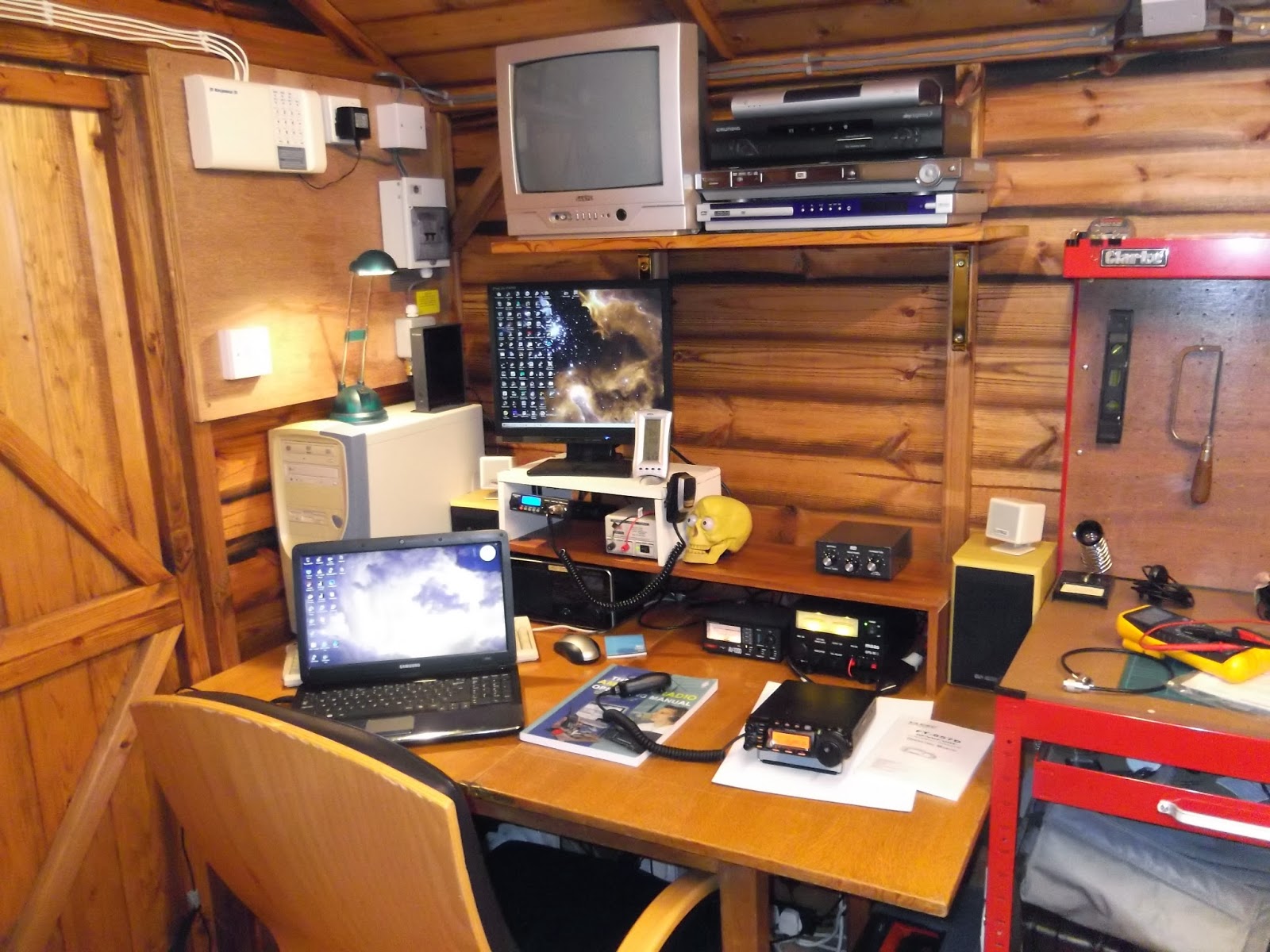 |
| The new look operation centre |
Unfortunately the weather this weekend has been horrendous, yesterday I planned to erect the antenna but gave up following the intense squall which hit in the afternoon with thunder, lightning and hail! Today hasn't been much better with heavy rain for most of the day, the rain did finally eased off so I managed to erect a temporary mast with the 144/430MHz collinear on the top and the HF antenna underneath. I know this isn't ideal as the mast is metal and may affect the HF, but seems okay. The forecast for the next few days is also a bit worrying but the mast is guyed at two heights so should be secure.
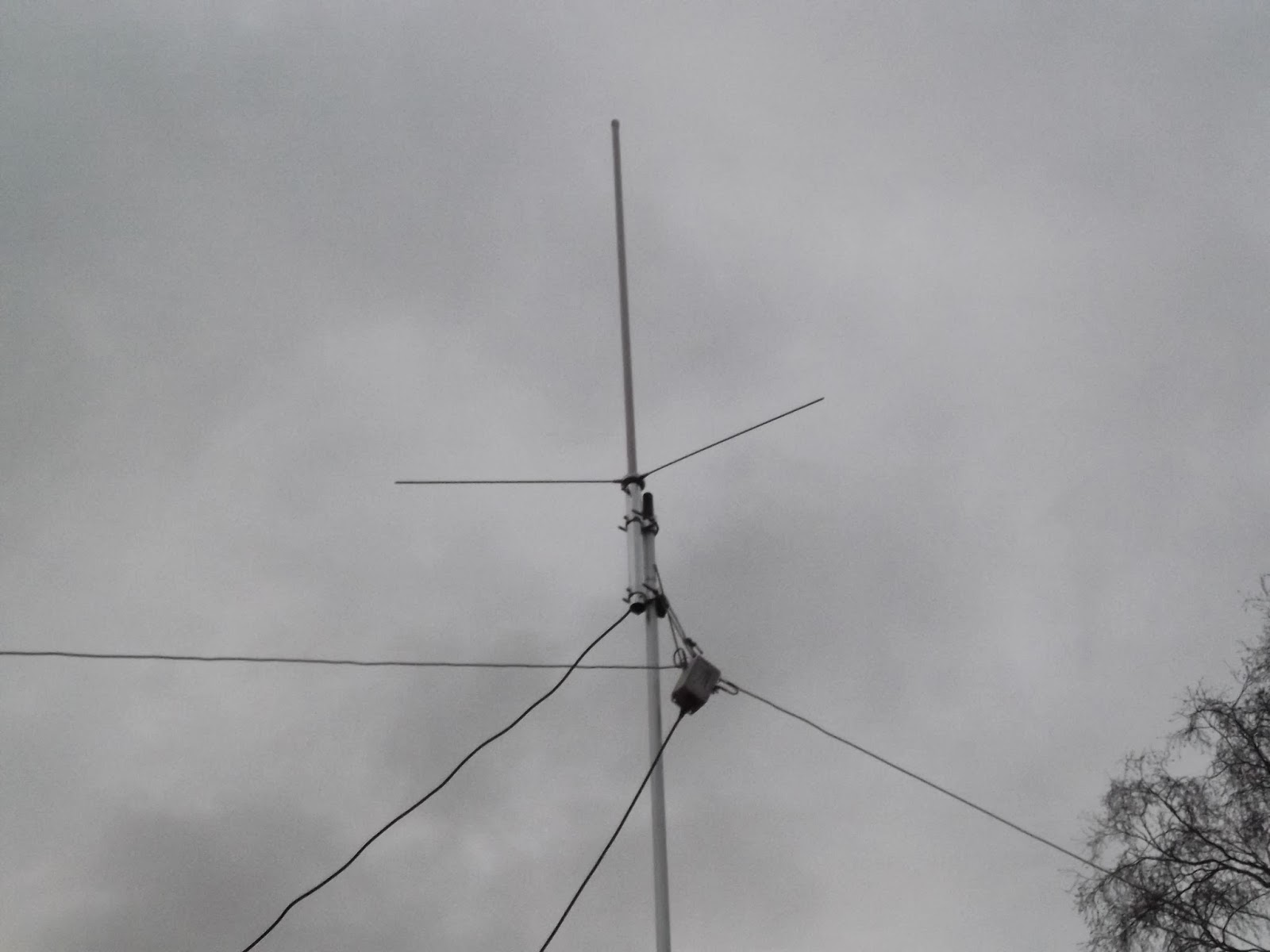 |
| The antennas, with the stormy sky behind |
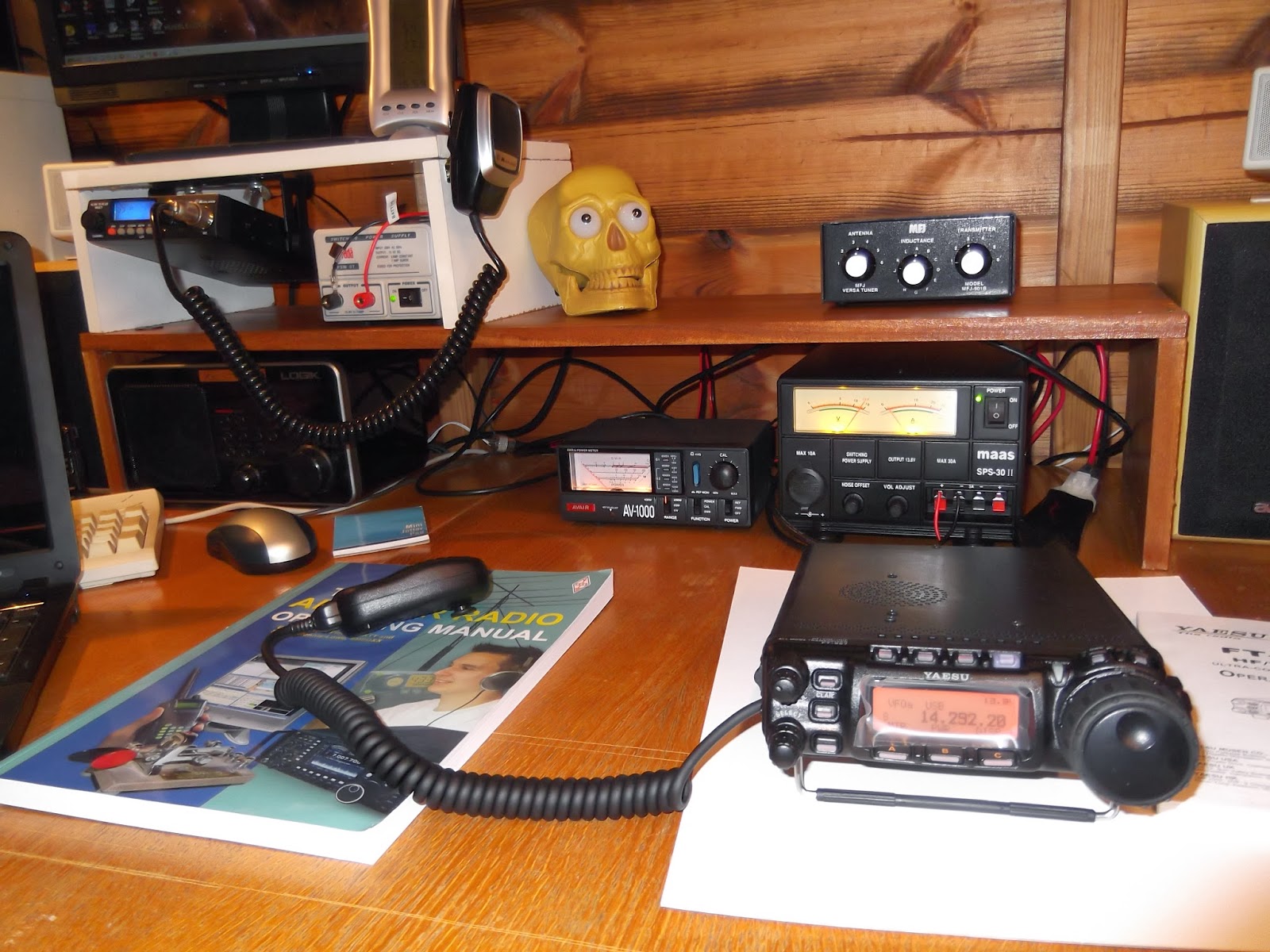
I have a power/swr meter suitable for HF/VHF and UHF I purchased at last years Hamfest and I have it connected in the setup, and was trying to check the SWR but it wasn't registering anything when I pressed the PTT then I realised that with SSB enabled it wouldn't!! Switching to FM and I was able to check that everything was okay... Beginners mistake I know!
Now off to read the manual..
Andrew Garratt, MØNRD, is a regular contributor to AmateurRadio.com and writes from East Midlands, England. Contact him at [email protected].
Tracking wildlife
I watching a wildlife programme on TV the other day which had a feature about urban foxes. The naturalists had fitted radio collars to some of the foxes and were able to track them over a wide area.One fox went off on a trek that lasted a couple of weeks and covered a distance of several kilometres.
In another programme radios have been attached to larger birds such as geese and ospreys to track their migration paths.
I wonder what frequency is used? One of the maturalists in the urban fox project seemed to be trying to DF a fox using what looked auspiciouslylike a 3 element 2m Yagi. I’ve seen similar antennas used o locate larger animals in Africa.
I would love to know what technology they use. My Kenwood TH-D7E APRS radio – despite being too big to use as a tracker for anythimg much smaller than an elephant – can run for only a few hours with the GPS enbled and the power set to a sufficient level to enable tracking over a reasonable distance.using a less than optimal transmitting ntenna.
Julian Moss, G4ILO, is a regular contributor to AmateurRadio.com and writes from Cumbria, England. Contact him at [email protected].
Series Seven Episode Two – 150th Episode International Roundtable (26 January 2014)
Series Seven Episode Two of the ICQ Amateur / Ham Radio Podcast has been released. The latest news, Martin (M1MRB) and Colin (M6BOY) discuss the e-licencing and Ed Durrant VK2JI and Frank Howell K4FMH join us for an International roundtable discussing the issues in Anateur / Ham Radio.
- Solar activity delays CubeSat launch
- Ulster Amateur Radio Foundation Course
- New Eastbourne Radio and Electronics Club
- Ham Radio growth in the US 2013
- W5KUB Streaming Video
- UK team for Youngsters On The Air 2014
- DMR Digital Voice repeaters licenced
- Australian tour
Colin Butler, M6BOY, is the host of the ICQ Podcast, a weekly radio show about Amateur Radio. Contact him at [email protected].
The captcha has finally arrived!
 |
| Out with the old |
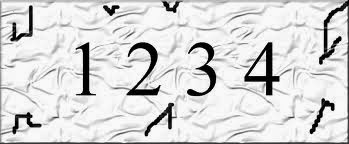 |
| In with the new and may it stay! |
Mike Weir, VE9KK, is a regular contributor to AmateurRadio.com and writes from New Brunswick, Canada. Contact him at [email protected].
 Ham Radio Deluxe |
 W5SWL Electronics |
 Ham Radio Prep |
 KB3IFH QSL Cards  Hip Ham Shirts  QRV QRV Reliance Antennas Reliance Antennas |  morseDX  Ni4L Antennas  R&L Electronics R&L Electronics antennas.us antennas.us |
- Matt W1MST, Managing Editor
