 |
 Fast
Fast
 31 January 2014 | by
I made a few QSO's today with PSK31 on 20 and 40 meter. And all of them were in a hurry. No exchange of power, antenna or any thing else. No, QSL 73 GL and gone are they. What is happening? No more time for a normal QSO? If is is an exclusive DX station, okay I can understand. But a normal range QSO... everything must be done in a hurry. I need a new thrill I guess. Most of the QSO's are boring. Sometimes I think I should stop for awhile.
Paul Stam, PC4T, is a regular contributor to AmateurRadio.com and writes from the Netherlands. Contact him at [email protected].
This happens to everyone else but not me…….
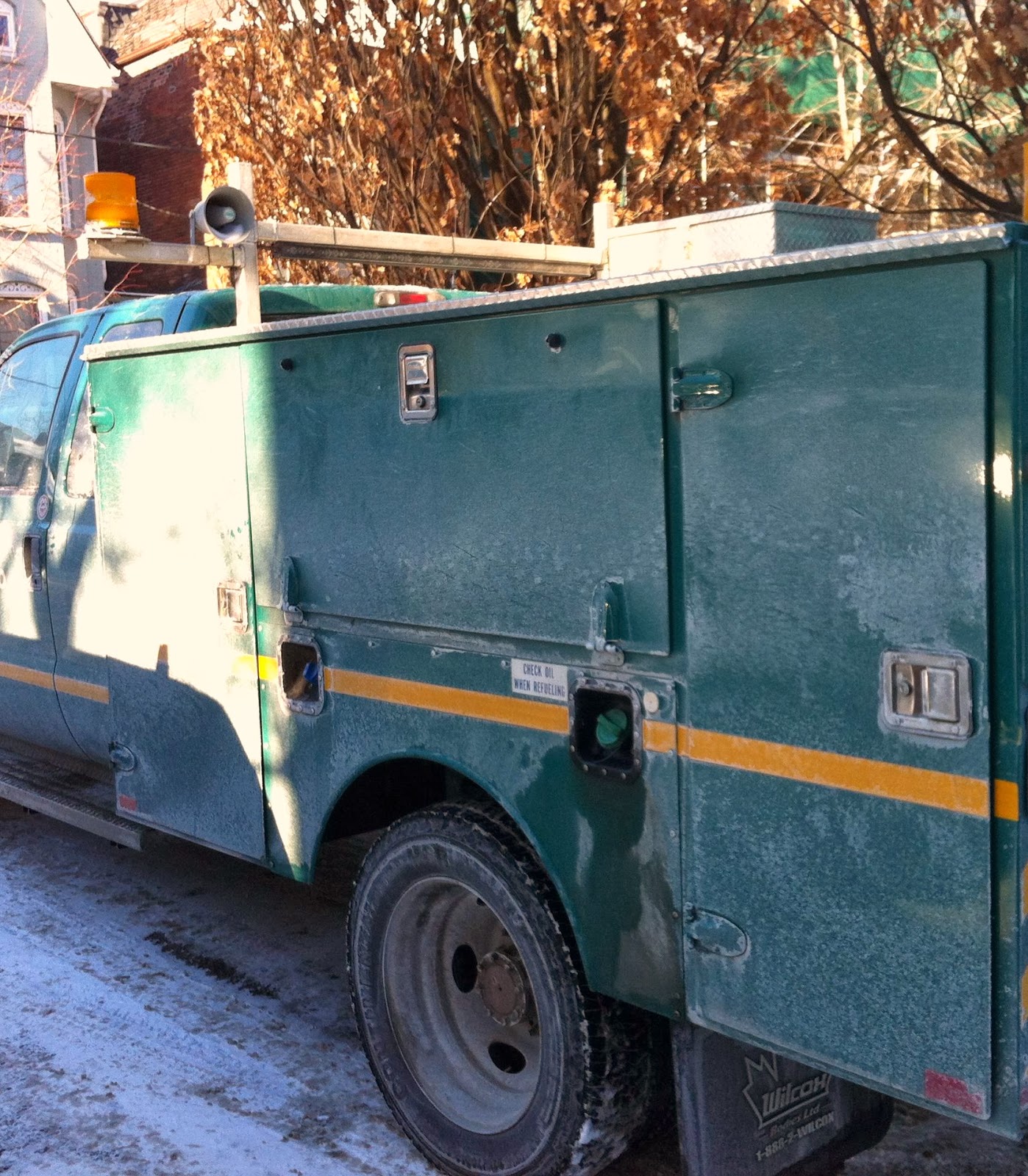 |
| Iphone meets truck |
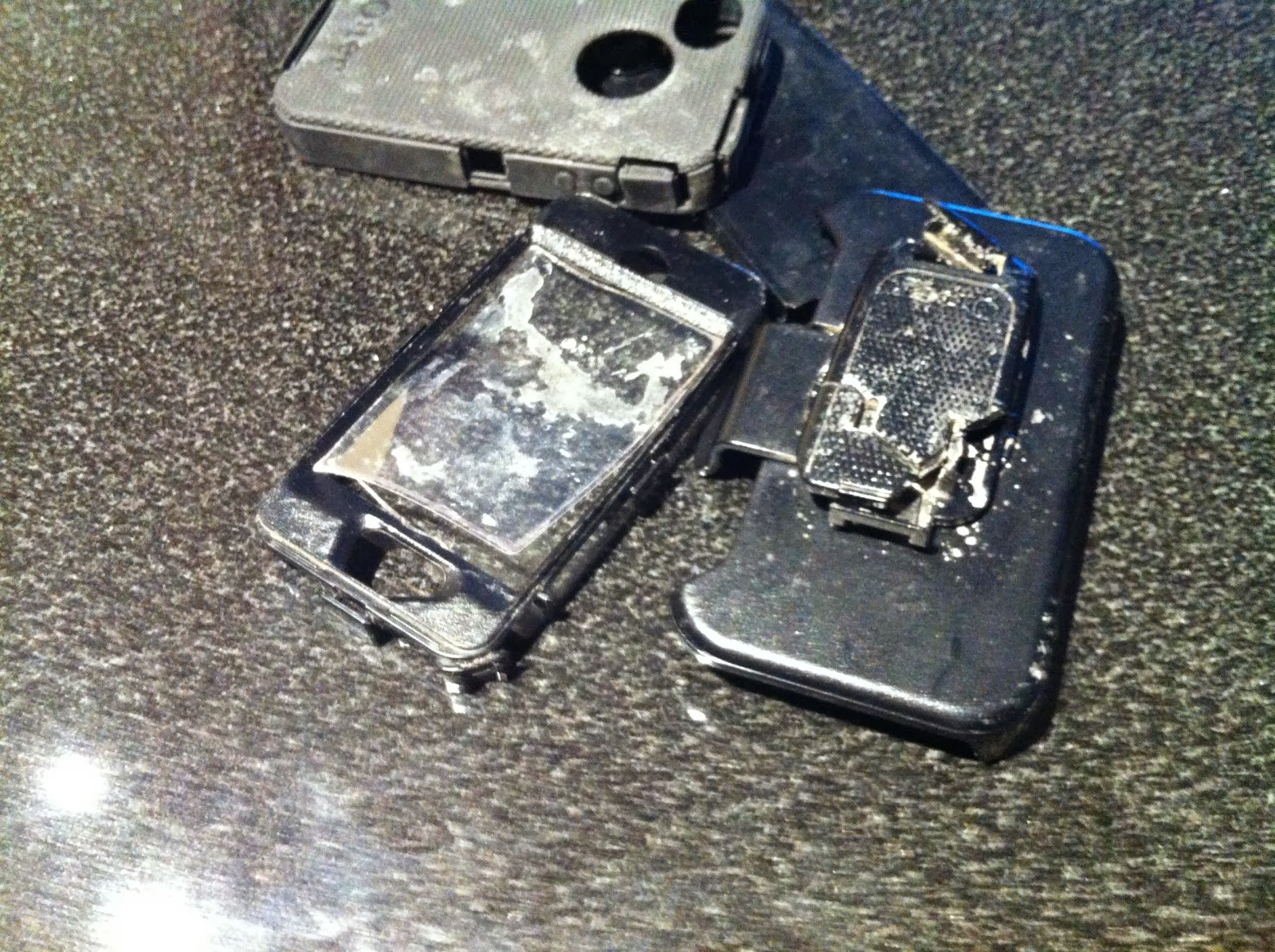 |
| Otterbox defender case |
Mike Weir, VE9KK, is a regular contributor to AmateurRadio.com and writes from New Brunswick, Canada. Contact him at [email protected].
Amateur Radio Newsline Report 1903 January 31 2014
- Two hams in Europe monitor the Rosetta spacecraft over a 500 million path
- Severe weather forces the cancellation of ARISS contact
- Some new propagation forecasts for the current solar cycle
- Cuba gives hams access to 5 MHz but with strings attached
- Ham radio and Facebook team up to find a sailor out of touch with his family
- A permanent makeover for the FCC’s home website page
Vintage J-38 telegraph key.
Its finally arrived. My Lionel J-38 Morse key from the world war 2 era.
I found the key on Ebay at a fairly reasonable price but because the auction ended in the middle of the night I decided to set a stupidly high bidding amount so I cold hopefully win the auction.
In the end I really didn’t need to bother the price never increased at the end of the auction so I won the key for $61 and $42 for shipping. So not cheap, but the condition of the key really did warrant the price.
It had been stuck in customs for 3 weeks in the UK until I got the bill from UK Customs asking for yet more money due to a calculation error on the VAT oh and this letter will cost you £8. So another £20.41 was spent unlocking the key from the customs.
Anyway. Its here now. After a very long and quite awful day of work I decided to break out the Brasso and have a go at cleaning the key. I did learn 1 thing about stripping these things down, and that is to keep the left / right parts of the key separate. That proved really useful advice and everything went back exactly in the same place with no fuss.
These keys are lovely to use. Thus far I haven’t plugged it into a radio (that happens this weekend) but just getting the gap spacing, feel and tension right really makes this key a true pleasure to get your hands on.
The first portable outing with this key will be with my newly constructed FOXX3 transceiver. I’m really looking forward to sitting outside and using the key to talk to the world. Albeit slowly and quite quietly. But that’s some of the joy or going out portable.
I did make a small video of the before and after the cleaning processes, I think you will agree the key looks a lot better.
Dan Trudgian, MØTGN, is a regular contributor to AmateurRadio.com and writes from Wiltshire, England. He's a radio nut, IT guru, general good guy and an all round good egg. Contact him him here.
Happy Chinese New Year of the Horse!
 The fire crackers have been lit and the red envelopes handed out: Welcome to the year of the horse. Listen up for some extra activity from east Asia where we all celebrate the beginning of a new lunar year. Gongxi Facai to all of you.
73 de Hans
Hans "Fong" van den Boogert, BX2ABT, is a regular contributor to AmateurRadio.com and writes from Taiwan. Contact him at [email protected].
LHS Episode #122: The Russian Woodpecker
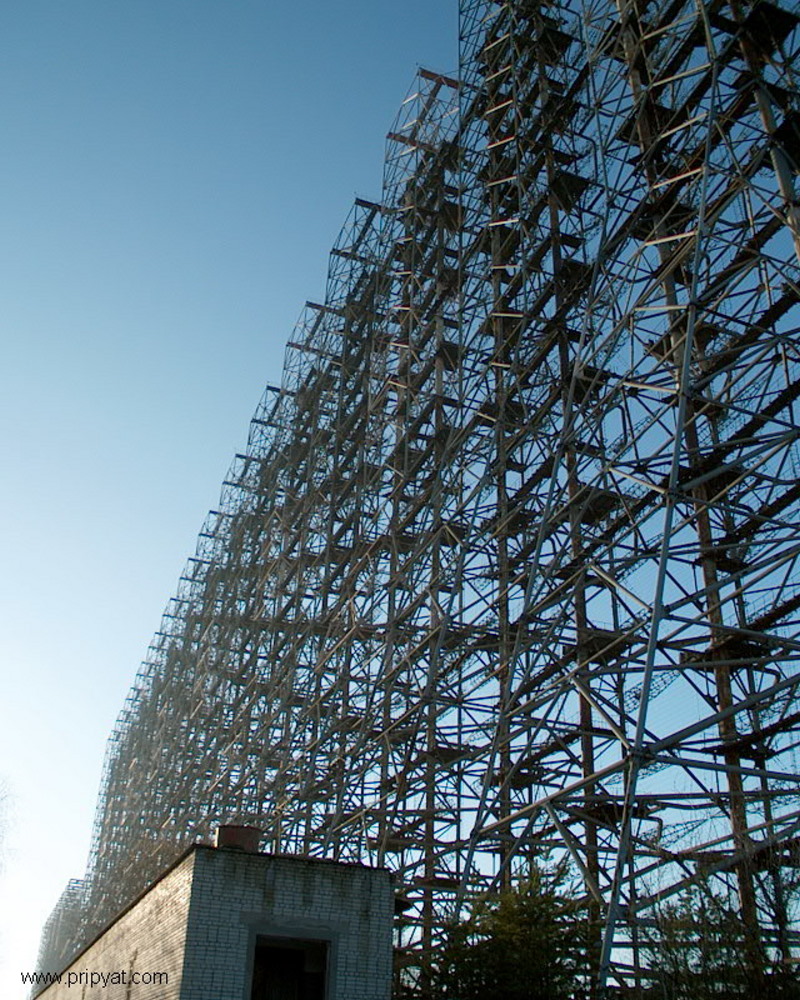 Hey, folks. It’s time for another episode of your favorite podcast about Linux and ham radio! In this episode, your fine feathered co-hosts kind of get their act together, report on news of interest, the new version of Shackbox and a bunch of other open source-y and ham radio-y topics. Hope you’re all having a great start to 2014, and we look forward to seeing you at Hamvention this year. Don’t forget about our Indiegogo campaign and our Raspberry Pi contest, ending soon!
73 de The LHS Guys
Russ Woodman, K5TUX, co-hosts the Linux in the Ham Shack podcast which is available for download in both MP3 and OGG audio format. Contact him at [email protected].
Of course ……..
The annual Freeze Your Butt Off contest, which is sponsored by the Arizona ScQRPions is this Saturday. QRPers are very familiar with this Wintertime outdoor QRP operating event. The lower the temperature at your operating position, the higher your multiplier, and hence, the higher your score. Your reward for braving the outdoors during the coldness and enduring the misery.
For the last three weeks in New Jersey, I think it has gone above the freezing mark of 32F (0C), maybe once. We have been in the deep freeze for a while now. So what’s the forecast for FYBO day? Rain and 45F (7C). Compared to the last three weeks, it’s going to feel like Springtime! Of course, there’s no multiplier given for enduring wet, sloppy conditions. So if it’s pouring, I guess I’ll give it a go from indoors, and save my KX3 from making like a duck.
I guess I should keep my mouth shut and not complain, but couldn’t the thaw come the day AFTER the FYBO Sprint? I’m just a giver of points, but it would be nice to have the bigger multiplier so I could at least halfway compete with the Big Boys! 😉
.jpg)
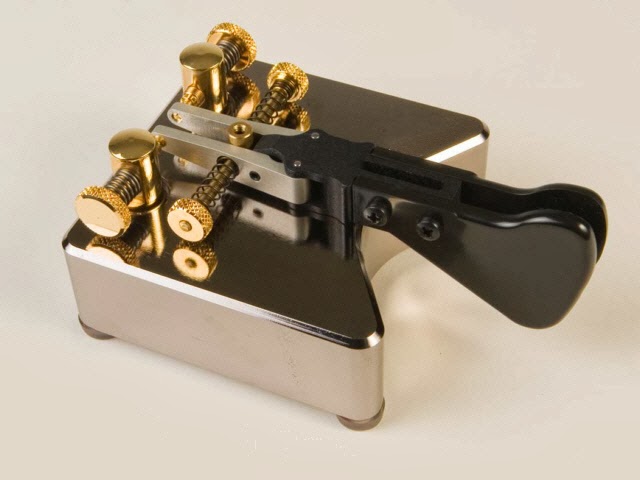
I took the plunge and ordered the Begali Simplex Mono tonight with the palladium base, and the gold contacts (30 Euros extra). I did not get the key engraved with my callsign. I was tempted, but I wanted to keep the price down as much as I could. I figured that going with the gold contacts was the better option for more reliable keying. Function over form, I guess. I am really excited now and am looking forward to finally having a Begali key. This is something I have wanted for a long time, but could never bring myself to actually purchase until now.
72 de Larry W2LJ
QRP- When you care to send the very least!
Larry Makoski, W2LJ, is a regular contributor to AmateurRadio.com and writes from New Jersey, USA. Contact him at [email protected].
 Ham Radio Deluxe |
 W5SWL Electronics |
 Ham Radio Prep |
 KB3IFH QSL Cards  Hip Ham Shirts  HamRadioAuctions HamRadioAuctions Reliance Antennas Reliance Antennas Enigma Shop Enigma Shop |  morseDX  Ni4L Antennas  R&L Electronics R&L Electronics antennas.us antennas.us QRV QRV |
- Matt W1MST, Managing Editor
