 |
 It came!
 11 February 2014 | by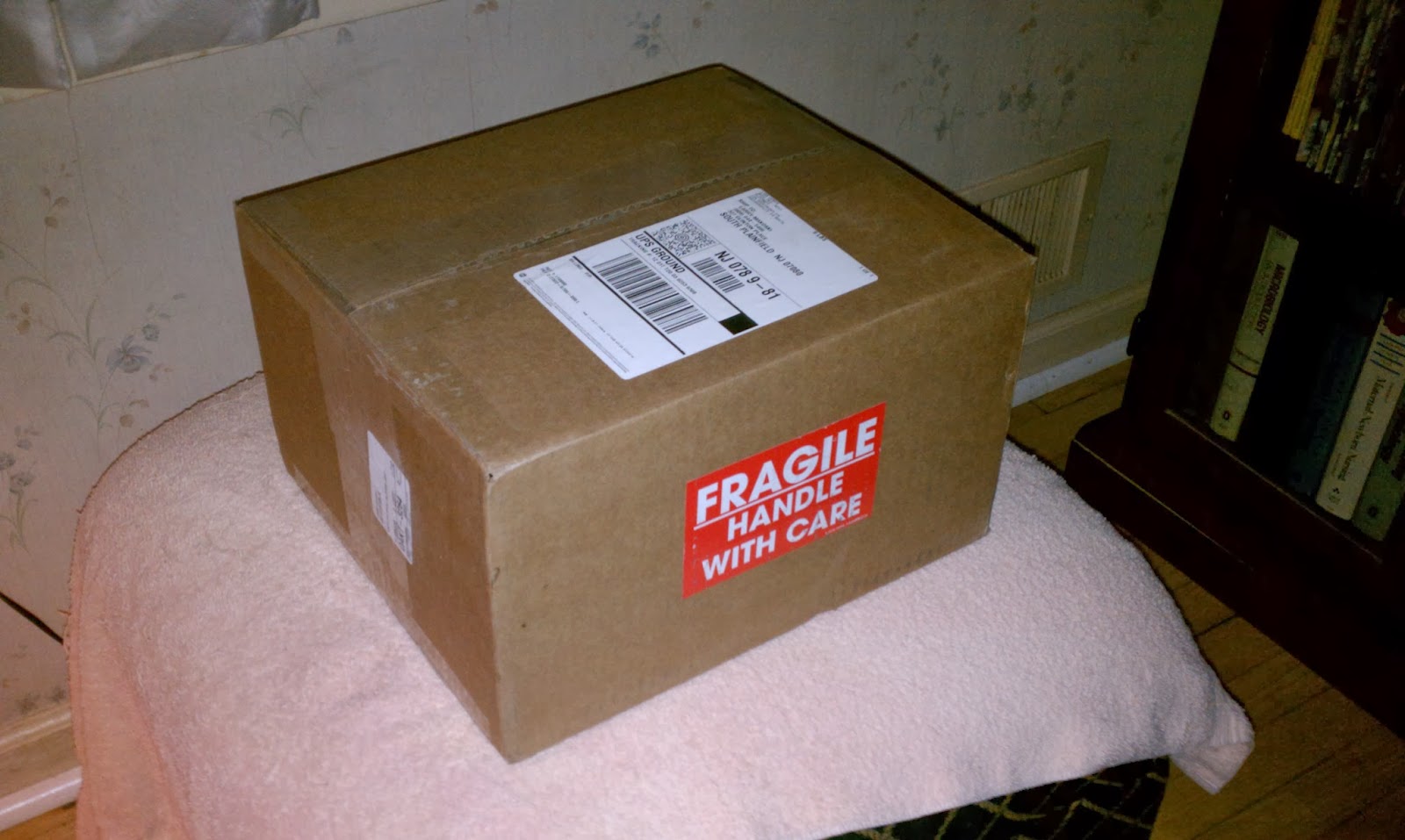
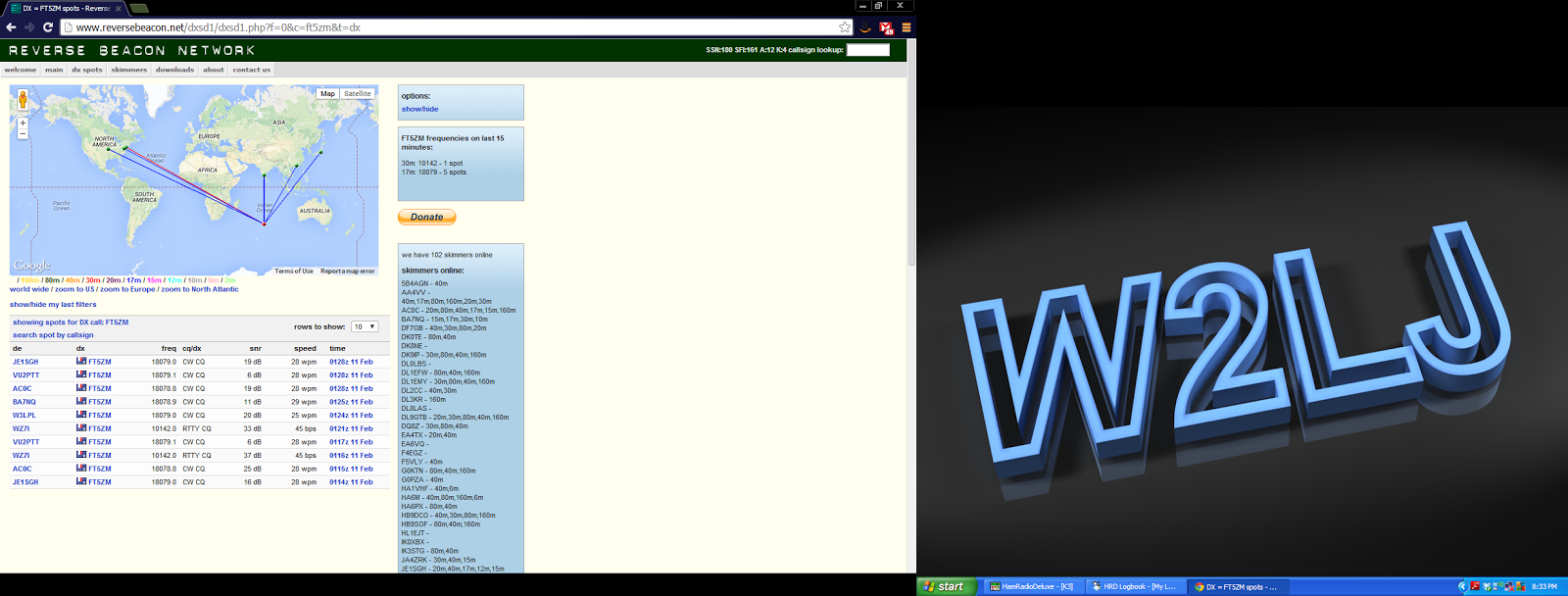
One KXPA100 kit from Aptos, California. It will be assembled this coming weekend. Tonight, I am listening for FT5ZM, and they are nowhere to be found, that I can hear them (of course). They seem to be concentrating on 17 Meters tonight, and all I can hear is their pileup – not them. Crud buckets!
72 de Larry W2LJ
QRP – When you care to send the very least!
Larry Makoski, W2LJ, is a regular contributor to AmateurRadio.com and writes from New Jersey, USA. Contact him at [email protected].
Thank you FT5ZM!
While I write this they are still booming in with S9 signals on 15 meter, but boy, the operator sounds tired. He takes frequent breaks, just to ease the pile-up.
Still, after a few calls he got me and after the usual 59 exchange I thanked him on-air. You could hear he appreciated it and the whole team does deserve a lot of praise. They had to handle a lot of messy pile-ups, but they did well. In the end I worked them on 17, 15, 12 and 10 meters, both in CW and SSB and that is more than enough for me. No need to bother them anymore, they deserve a good rest as from coming Wednesday. Cheers, guys.
Hans "Fong" van den Boogert, BX2ABT, is a regular contributor to AmateurRadio.com and writes from Taiwan. Contact him at [email protected].
A Radio Free Weekend!

I did manage to get along to Maplins at the end of last week and grabbed some expensive N-Type connectors (as well as some other connectors, a cheap dummy load and an antenna switch!) So this evening I am hoping to sort out my Moonraker 7-element 70cm ZL-Special for the 432MHz UKAC contest tomorrow night.
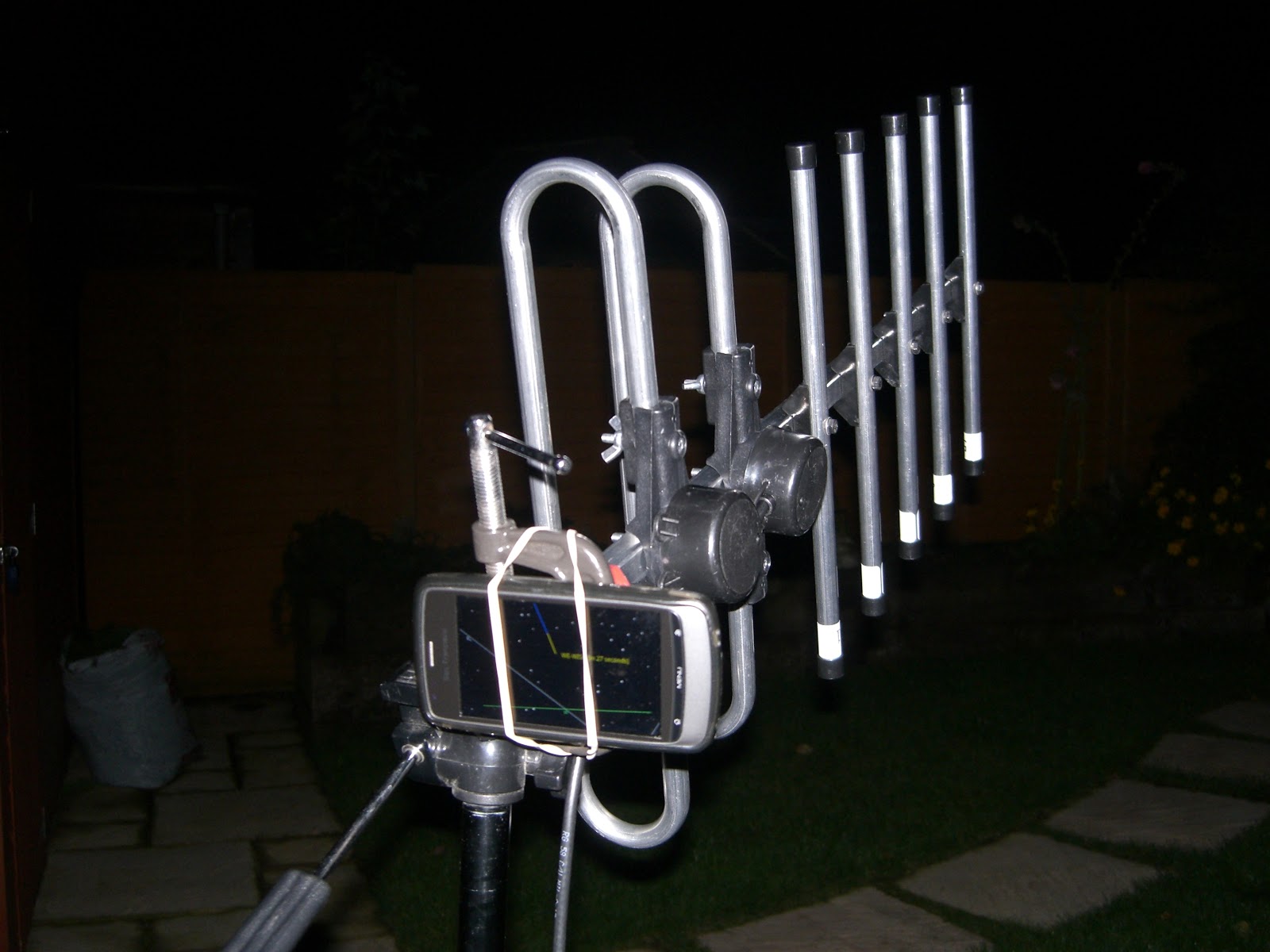
I have been reading up on the ZL since I have always been a bit confused by the antenna.
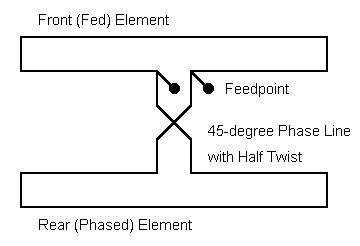
The assembly instructions for the Moonraker one were very poor and the joining of the two phased elements was achieved using simple straight wire, rather than the twisted transmission line I was expecting. It has worked reasonably well as a RX antenna but I haven't used it for TX yet.
I have found a small section of ladder line from an old FM radio antenna, so will be using that now that I have more of an understanding of how it works, the front element and the larger rear element are supposed to be approx 1/8 wavelength apart (I haven't measured it yet) the two are joined using a twisted section of transmission line 1/8 wavelength in length.
Andrew Garratt, MØNRD, is a regular contributor to AmateurRadio.com and writes from East Midlands, England. Contact him at [email protected].
LHS Episode #123: Busted for Jaycasting
 Hello, folks! It’s February 2014, and we finally announce the winner of our Raspberry Pi contest! But before all that excitement, we have a great interview with a fellow radio amateur. Around that, we have news and information about the usual suspects, and covering it all is a thick layer of fun. Thanks for tuning in, and we hope to see you all in Dayton in May. Please donate to our Indiegogo campaign if you can. Every little bit helps. And don’t forget about the perks!
73 de The LHS Guys
Russ Woodman, K5TUX, co-hosts the Linux in the Ham Shack podcast which is available for download in both MP3 and OGG audio format. Contact him at [email protected].
Upgrading My FT-817
I have both radios but favor the FT-817 for SOTA expeditions when I choose to carry an all band radio. (I usually carry CW only radio that is much lighter, but carry the FT-817 on some trips). Clearly the out of the box filtering is better on the KX3, but so is the price. You can buy two 817's for the price of a KX3. However that said, I set out to modify my 817 to see if I could close the gap between the two. So I added the W4RT On Board Filter ($284) with both SSB and CW (300Hz) filters. I also added the BHI DSP filter ($169). These prices include installation by W4RT, if you do it yourself you can save a few bucks. These modifications, in my opinion help to close the gaps between the two radios considerably.
Below are some very basic, unscientific, comparisons of the two radios on SSB and CW.
CW Comparison
SSB Comparison
As you heard in the videos the differences boil down to a matter of taste. I think the 817, with the 300Hz filter comes very close if not better than the KX3 on CW, on SSB the KX3 has the advantage but the DSP does clean up the noise and the SSB filter does sharpen the 817 audio considerably. I favor 817 for outdoor work and the KX3 for the in-shack QRP radio.
In future blogs I will discuss a couple cool additions to the 817.
Mike Crownover, AD5A, is a regular contributor to AmateurRadio.com and writes from Texas, USA. Contact him at [email protected].
Colorado 14er Event – August 3, 2014
 During the Colorado 14er Event, Amateur Radio operators will be climbing many of Colorado’s 14,000-foot mountains and SOTA summits to set up amateur radio stations to communicate with other radio amateurs across the state and around the world. Join in on the fun on Sunday August 3 and see how many of the mountaintop stations you can contact.
The new Colorado 14er Event logo is now available on t-shirts and more.
Starting in 2012, Summits on The Air (SOTA) is part of this event. This means there are over 1700 summits that you can activate in Colorado, with a wide variety of hiking difficulty. This opens up the event to a lot more people and a lot more summits. See the new SOTA page.
Radio operators with 14er climbing experience who plan to activate a summit should log their name and intended peak at the Ham14er Yahoo group. This is also the email list for discussing the event and asking questions.
Bob Witte, KØNR, is a regular contributor to AmateurRadio.com and writes from Colorado, USA. Contact him at [email protected].
Special Event News
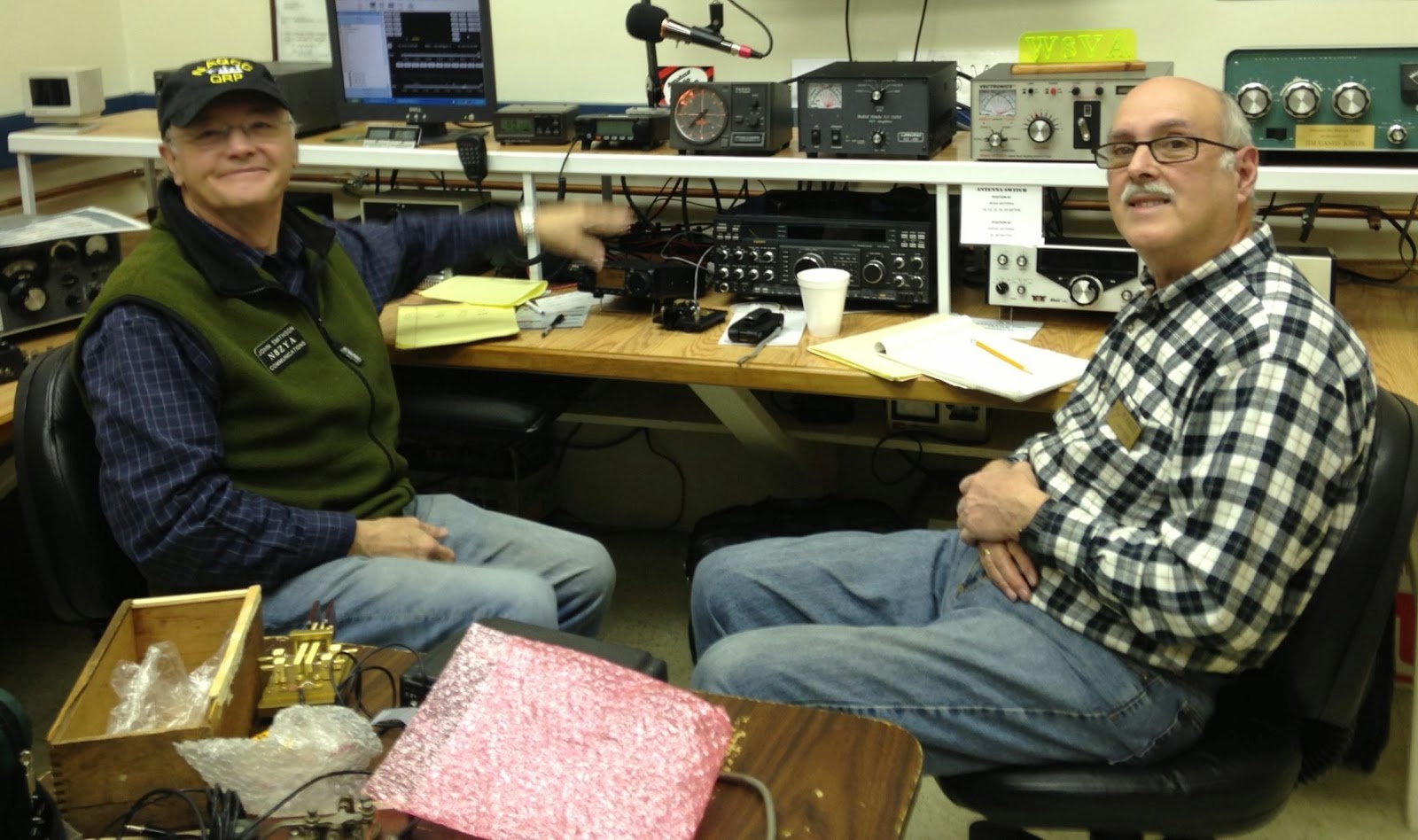
The West Virginia Chapter of the NAQCC club had a delightful day at the Huntington Museum of Radio and Technology. Joining me above is (N8ZYA) on left and Joe (WA8SIE) from Charleston. In the bottom pictures are Bill (KB8QLG) from Sissonsville, WV and Steven (KC4URI) from Mineral Wells, WV
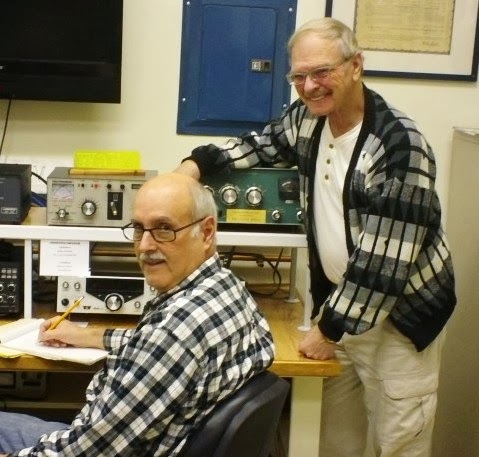
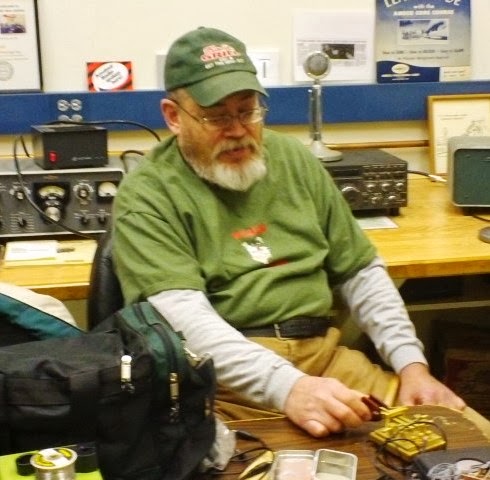
This was the first time I’ve put a nine element Mosley beam behind a five watt QRP radio. The results were both puzzling and amazing. I rotated the beam 360 degrees several times on 40 meters but only made a few contacts with KD3CA and WB3GMC in Pennsylvania and N4EDE in North Carolina. I heard very little on this band and soon came to the realization that I was shooting right over the heads of anything remotely thought of as “routine” contacts. By days end, I was able to work only six more United States stations WB0PYF, WD4EXI, K5BOT, KA2KGP, K4CQF, in Missouri, Georgia, Texas, South Carolina, and New York.
This nine element beam was a totally different animal to me with it’s directional characteristics but specific selectivity and sensitivity. I’ve mixed feelings about it’s effectiveness for multiple short distance QRP contacts. I was forced to spent most of the day on the 15 and 20 meter bands with the hopes of working more stations. Upon the change to those bands:
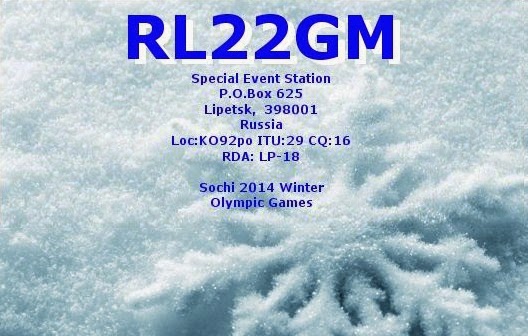
I immediately worked VE3EDX in Thunder Bay Canada, and soon afterwards, I worked an unfamiliar “RL” call, which I knew was a Russian station, but an unknown new “prefix”. I’ve worked Russia many times (20) but this was the first “RL” call I’ve heard and there’s a good reason for it.
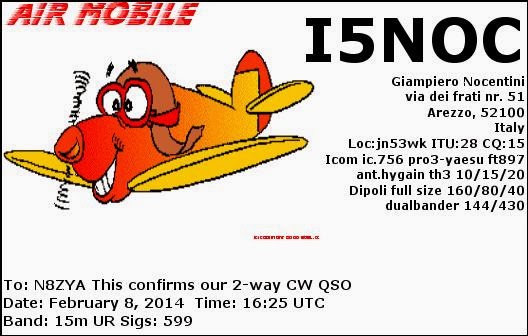
I worked Italy twice during the next hour. The first station (I3UKY) was what I would call “normal DX” but the second Italian station was a real prize, not because it was the second contact in Italy, but because this station (I5NOC) was operating QRP at 5 Watts of power! Here’s a confirmation e-mail from him:
Hello John,I confirm our qso on 15 meters 8-02 at 16,25 cw.My station is qrp by Elecraft KX3 only 5 wats and antenna 3 elements Hygain.Hope receive ur qsl via k3wwp,my qsl sure via bureau.Tks again for the qso and hope call you again.Best 73 and greetings from Italy.…………..ciao I5NOC Giampiero
The QRP station in Italy ((I5NOC) is the most distant 2 x QRP contact I’ve ever made at any time. The distance was 4,570 miles.
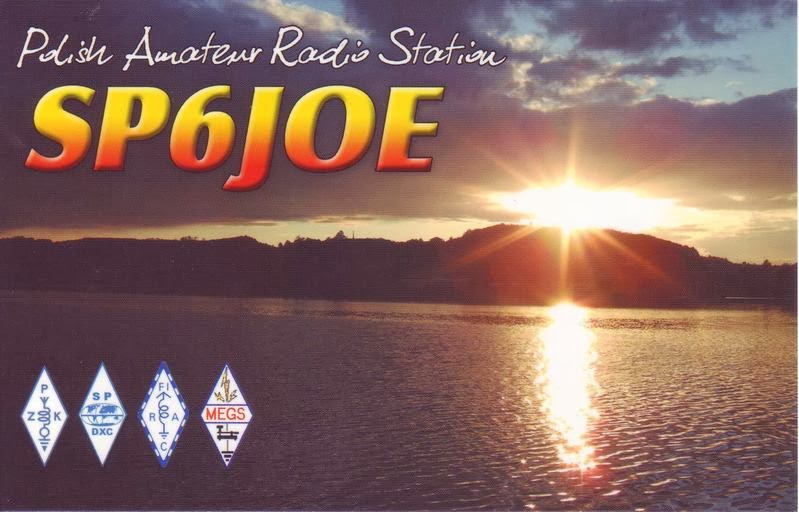
We found this station from Poland (SP6JOE) to be an interesting catch. I asked for the name and he responded with, what else?, “Joe”.
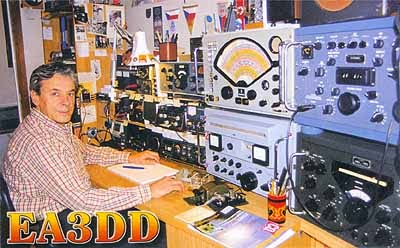
I’m somewhat disappointed in the number of club stations we worked while at this event but think it had more to do with poor 40 meter band conditions and a “beast” of an antenna in the hands of a new operator. Those two combinations demanded operation on the longer range bands.
I can’t say enough about the Museum of Radio and Technology. We plan to operate there again during these cold winter months. They were the perfect hosts for us and we rejoiced in the fellowship of the operating staff which were there during the special event.
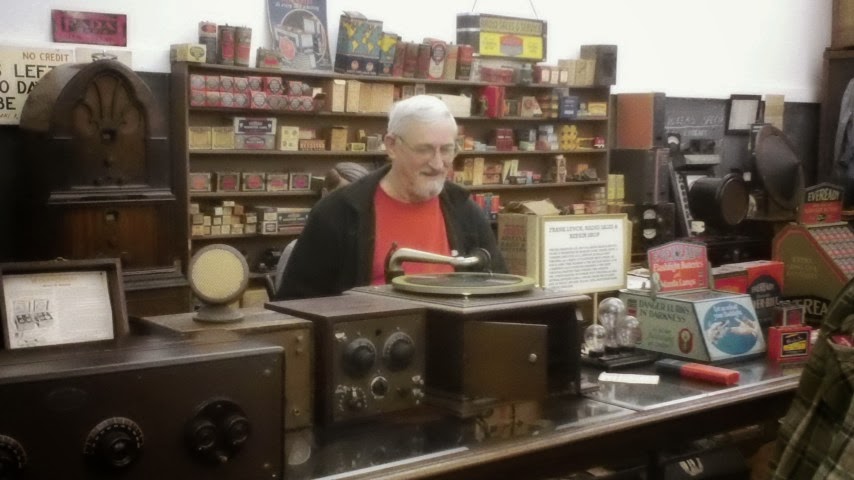
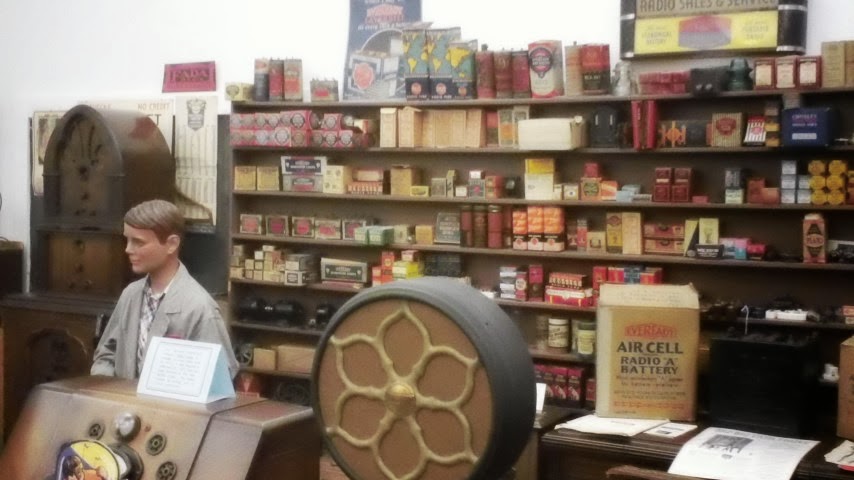
There were times when the radio room was actually crowded with those interested in the QRP event. The Tri State Amateur Radio Association held VE testing that morning and added three new ham to the HF portions of the hobby. There were also hams from other states wandering around the museum.
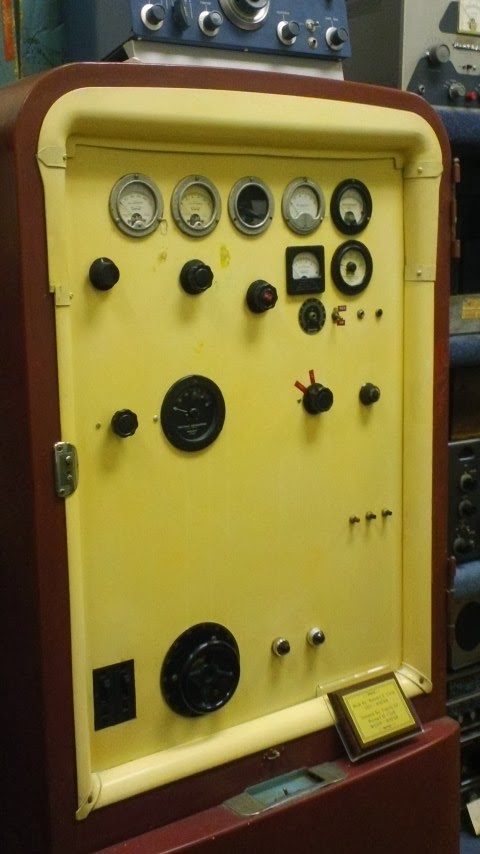
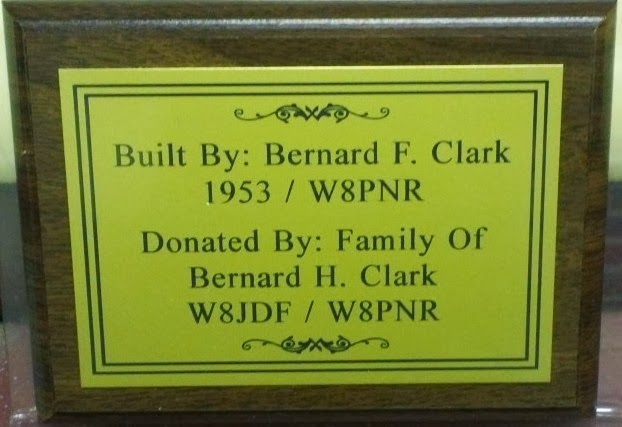
The Museum of Radio and Technology also has dipole antennas. On our next trip, I’ll use them to make more club QRP contacts. The beam had good and bad points. It brought us some great DX contacts but when right overhead of most local stations.
John Smithson, Jr., N8ZYA, is a regular contributor to AmateurRadio.com and writes from West Virginia, USA. Contact him at [email protected].
 Ham Radio Deluxe |
 W5SWL Electronics |
 Ham Radio Prep |
 KB3IFH QSL Cards  Hip Ham Shirts  HamRadioAuctions HamRadioAuctions Reliance Antennas Reliance Antennas Enigma Shop Enigma Shop |  morseDX  Ni4L Antennas  R&L Electronics R&L Electronics antennas.us antennas.us QRV QRV |
- Matt W1MST, Managing Editor
