 |
 Chameleon Antennas F Loop Field Test 03-21-2105
 22 March 2015 | by
The nice thing about the area we are operating from is not only the view of Pine Bay and Lake Superior but there is no line noise or man-made noises that affect us, only things we hear are the wind, birds and small wind chime that is hanging in a tree.

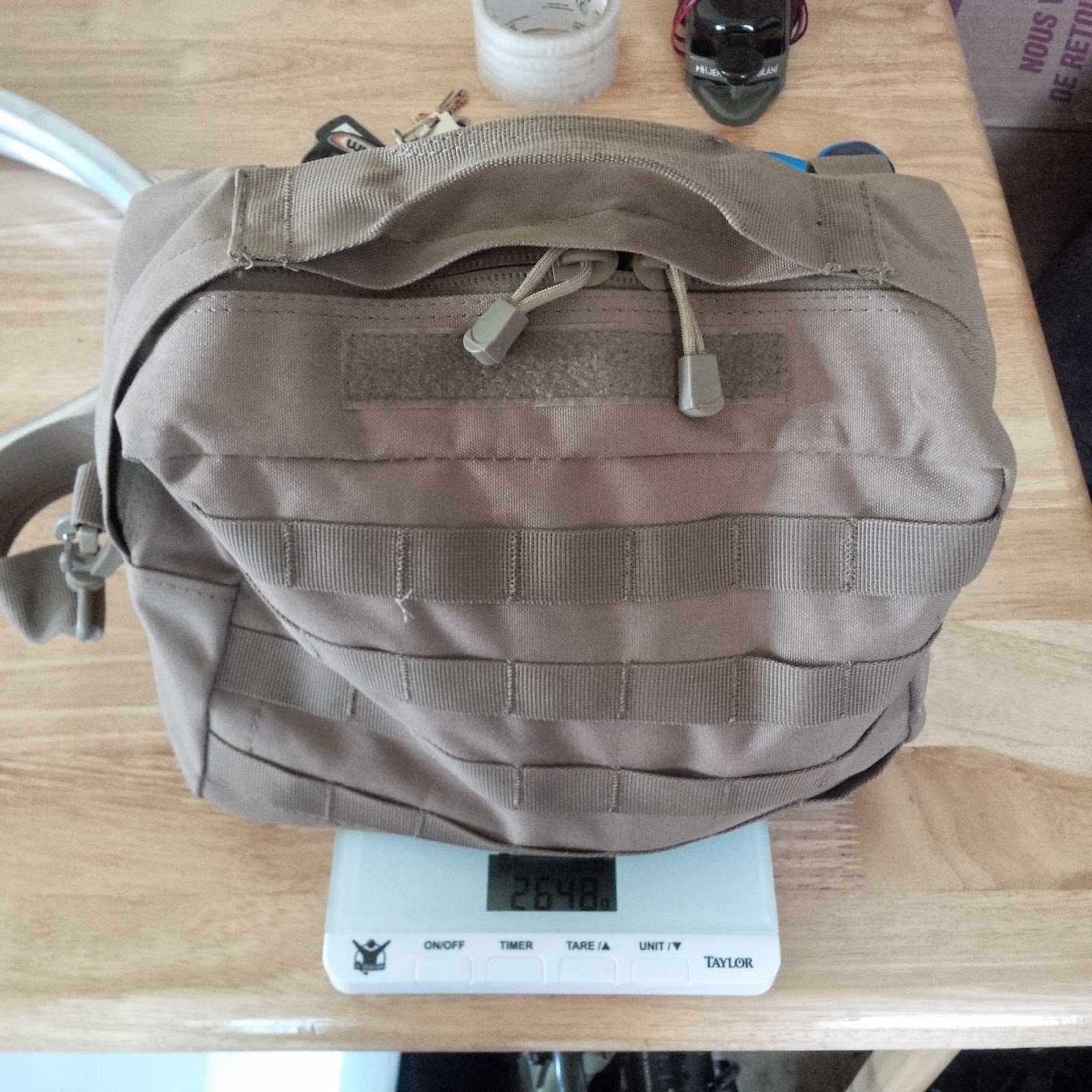


So I then switched to the KX3, I think the cold was affecting the radio though as I had to crank the volume to 50 in able to hear the signals, combine that with weak signals on the band and was a bit of a chore to hear with the small speaker, but the best thing was I made a contact into Florida with KD4ZU running 5 watts on SSB from this rig. He said I had a great signal at his end was very much copyable with no problems. So 3 contacts on initial setup of the new Chameleon F Loop was indeed a great success for us, assembly was easy with no issues at all, and packing and unpacking into the Condo bag was easy as well. The tuner can also be mounted on a tripod if needed as it has a hole pre-drilled for that purpose, as you seen we had it sitting on the rock and had no issue running it.
A quick test of WWV on 10 megs also showed the directivity qualities of the side of the loop and the signal peaked quite well. It was now 1900z and we decided to pack up and head back down from the lookout and head home knowing we had another successful RaDAR and HFNow operating day after bands being so bad all week.
My latest video can be found here on my YouTube Channel:
Thanks goes out to:
Carl at Chameleon Antennas
HFNow group
RaDAR Group
Gary VE3ODE (Camera man and friend)
Teresa (VE3TLL) my YL who encourages me to get out and play radio
Elecraft for making a great radio like the KX3
ICOM for the hardy IC-703 of which Gary and I both own
Propagation Godz for opening up the bands
George and Mary-Anne who have allowed this beautiful spot to be viewed by others
Take care gang and be back shortly with more reviews, test and just plain fun.
Fred VE3FAL
The Ice Man
Fred Lesnick, VE3FAL, is a regular contributor to AmateurRadio.com and writes from Thunder Bay Ontario, Canada. Contact him at [email protected].
40m Pixie kit at INCREDIBLE price
I bought my 40m Pixie kit for $10 and thought this was a bargain. Then Andy Cutland sent me this link.
Hi Roger, this is the cheapest i’ve seen yet. What fantastic value !Check out this item I found on eBay:End time: 15 Apr 2015 10:33:10(Sent from eBay Mobile for Android)

At £3.19 with free shipping there is no way you could make this cheaper in my view. Remember this price includes a crystal, PCB and all the board mounted parts. This looks identical to mine which works very well. This is a refined Pixie and performance has exceeded expectations. Netting is excellent TX to RX and AM breakthrough very modest. My power out is about 400mW and a 1uV signal level very good on RX. A totally usable 40m CW rig for not much more than a cup of coffee.
Even with the after-effects of my cerebellum brain bleed I was able to build the kit without any issues.

Roger Lapthorn, G3XBM, is a regular contributor to AmateurRadio.com and writes from Cambridge, England.
Series Eight Episode Six – Making PCB’s (22 March 2015)
Series Eight Episode Six of the ICQ Amateur / Ham Radio Podcast has been released. In this episode, Martin M1MRB / W9ICQ is joined by Ed Durrant DD5LP and Martin Rothwell M0SGL to discuss the latest Amateur / Ham Radio news. Colin M6BOY rounds up the news in brief, and this episodes feature is - Making PCB’s by Matthew Nassau 2E0MTT
- Amateur / Ham Radio Statistics - March 2015
- Winner of UK CanSat 2015 Announced
- Scientist Radio Ham Named for Prestigious Award
- World Amateur Radio Day 2015
- 80th ARRL Anniversary of North Dakota Radio Amateur
- PyQSO v0.2 Released
- Amateur Radio Parity Act of 2015 Introduced in Congress
- SARL Assist Zambians with the Licensing of Amateurs
Colin Butler, M6BOY, is the host of the ICQ Podcast, a weekly radio show about Amateur Radio. Contact him at [email protected].
Series Eight Episode Six – Making PCB’s (22 March 2015)
Series Eight Episode Six of the ICQ Amateur / Ham Radio Podcast has been released. In this episode, Martin M1MRB / W9ICQ is joined by Ed Durrant DD5LP and Martin Rothwell M0SGL to discuss the latest Amateur / Ham Radio news. Colin M6BOY rounds up the news in brief, and this episodes feature is - Making PCB’s by Matthew Nassau 2E0MTT
- Amateur / Ham Radio Statistics - March 2015
- Winner of UK CanSat 2015 Announced
- Scientist Radio Ham Named for Prestigious Award
- World Amateur Radio Day 2015
- 80th ARRL Anniversary of North Dakota Radio Amateur
- PyQSO v0.2 Released
- Amateur Radio Parity Act of 2015 Introduced in Congress
- SARL Assist Zambians with the Licensing of Amateurs
Colin Butler, M6BOY, is the host of the ICQ Podcast, a weekly radio show about Amateur Radio. Contact him at [email protected].
VE3WDM is back into QRPp very low power contacts!
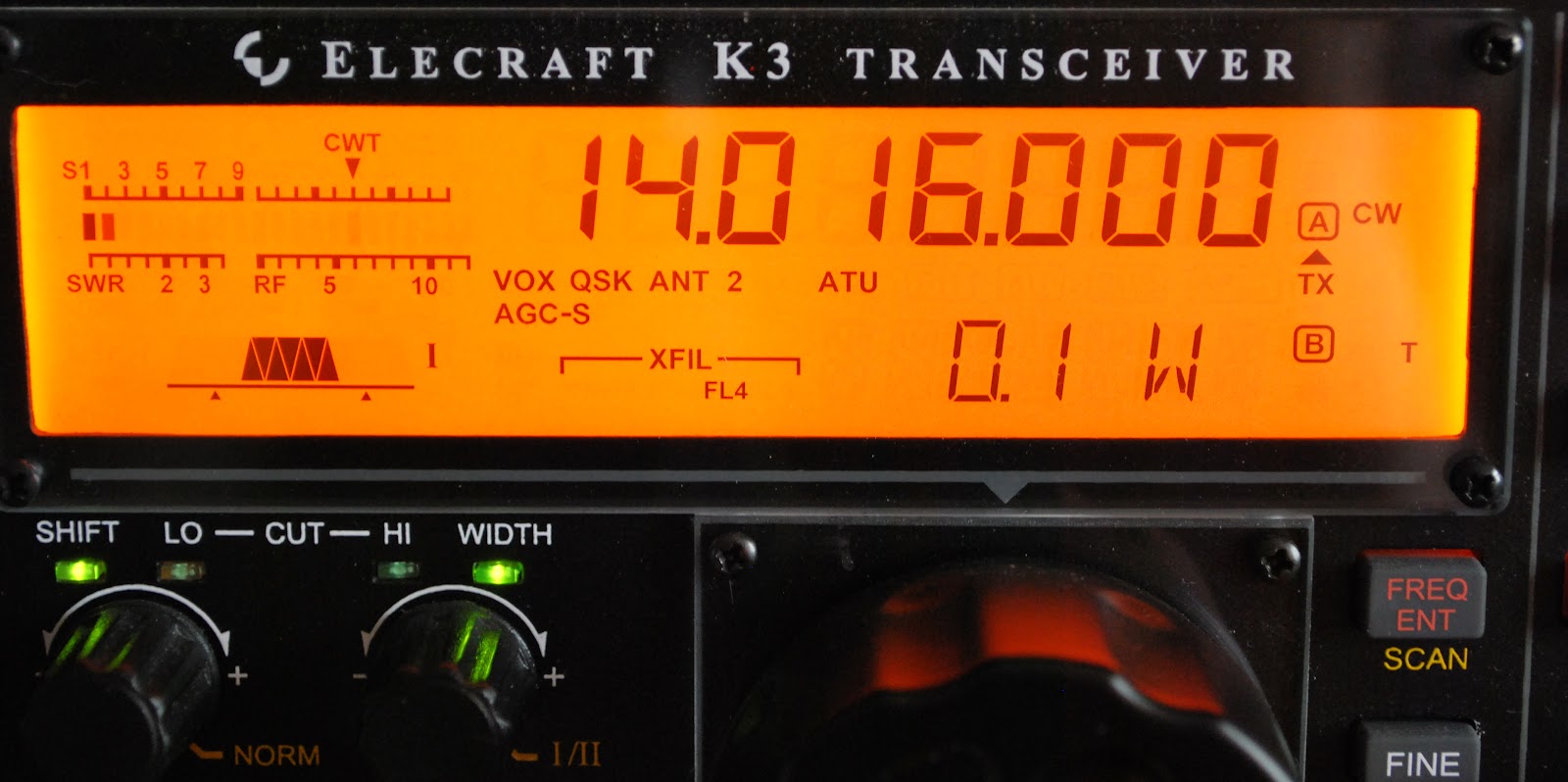
Mike Weir, VE9KK, is a regular contributor to AmateurRadio.com and writes from New Brunswick, Canada. Contact him at [email protected].
Amateur Radio Weekly – Issue 53

Colorado Governor signs Amateur Radio antenna bill into law
Friday the 13th turned out to be a lucky day for Colorado hams, as Gov John Hickenlooper signed into law an Amateur Radio antenna bill that mirrors the PRB-1 federal pre-emption policy.
ARRL
The tallest towers in the world
Name the tallest structures in the world. You’re almost certainly not thinking of TV towers. But dozens of nearly anonymous towers around the United States, most in small rural communities, dwarf all but the tallest man-made structures in the world.
Medium
Strongest geomagnetic storm of Solar Cycle 24
It didn’t take long for the VHF bands to start filling up with auroral signals as 6m diehards soon discovered that something was amiss.
VE7SL
Ubuntu Hams
The Ubuntu Hams Team exists to bring together Amateur Radio Operators and developers of Amateur Radio packages who use Ubuntu.
Ubuntu
Why you should learn to love Ham Radio
When I joined as a squeaky-voiced 12-year-old in the 1990s, it was like discovering the Internet before the Internet.
PopularMechanics
TNC-Pi: TNC-X for Raspberry Pi
TNC-Pi is a special version of TNC-X designed to interface directly with the Raspberry Pi computer. It can connect to the Pi either via the Pi’s serial port, or via the I2C protocol.
TNC-Pi
FUNcube team has received two million packets of telemetry data
FUNcube-1 (AO-73) was launched on November 21, 2013 and since then radio amateurs and schools have been receiving the telemetry packets and passing them to AMSAT UK.
AMSAT UK
Minimalist VHF Software Defined Radio
Our next step will be to mix this signal to VHF and add a PA to produce 1 Watt of signal on 2M, to support our VHF FreeDV work. Please contact us if you can help us with a VHF PA design!
Rowetel
Video
1st contact as a licensed Ham made via satellite
There probably are not any other 8 year olds who can claim that!
Vimeo
Tower demolition
This video features the demolition of a 300′ cable head end tower in Jackson, MN. Built in 1953, it did not want to fall over.
YouTube
New products
RUMlogNG now available
RUMlogNG is the next-generation of Thomas’ (DL2RUM) excellent RUMlog logging software and incorporates logging, rig control, Winkey support, DX Cluster, LoTW/eQSL/Clublog, support for HamQTH or QRZ.com XML lookups, award tracking, QSL printing, integration with Fldigi for digital modes, and much more.
Mac Ham Radio
CQmaps: Professional maps for Amateur Radio
At CQmaps, you will find that all the maps offered have been drafted with the utmost care and precision gained from 10 years of experience as a Geographic Information System (GIS) Analyst and cartographer.
CQmaps
Reviews
Baofeng FF-12P (UV-5X)
A clip on YouTube suggested that the UV-5X / FF12P scans faster. This proves to be true: the FF-12P outperforms all other Baofeng radios I own, including the GT-3 Mark II. Scan speed is about 5-6 channels/sec.
PD0AC
SSTRAN AMT3000 AM transmitter kit
The AMT3000 can be configured to work with the supplied simple wire antenna, which will essentially broadcast AM to radios throughout your home, or it can be configured for a Part 15 compliant outdoor base-loaded vertical antenna which will extend your range up to 3/4 of a mile, should your shack be down the road or in an outbuilding.
The SWLing Post
Amateur Radio Weekly is curated by Cale Mooth K4HCK. Sign up free to receive ham radio's most relevant news, projects, technology and events by e-mail each week at http://www.hamweekly.com.
Amateur Radio Newsline Report 1957 March 20 2015
- Sunspot AR-2297 hurls a massive solar flare toward Earth
- Cyclone Pam devastates Vanuatu cutting it off from the world
- Dayton Hamvention names its 2015 award winners
- GAREC 2015 to take place this June in Finland
- Colorado hams now have their own tower and antenna protection law
- Proof that wireless power can be transmitted using microwaves
THIS WEEK'S NEWSCAST
Script
Audio
 Ham Radio Deluxe |
 W5SWL Electronics |
 Ham Radio Prep |
 KB3IFH QSL Cards  Hip Ham Shirts  HamRadioAuctions HamRadioAuctions Reliance Antennas Reliance Antennas Enigma Shop Enigma Shop |  morseDX  Ni4L Antennas  R&L Electronics R&L Electronics antennas.us antennas.us QRV QRV |
- Matt W1MST, Managing Editor
