 |
 Weekly Propagation Summary – 2016 Sep 05 16:10 UTC
 5 September 2016 | by
Here is this week’s space weather and geophysical report, issued 2016 Sep 05 0405 UTC.
Highlights of Solar and Geomagnetic Activity 29 August – 04 September 2016
Solar activity was at low levels from 29-31 Aug. Regions 2583 (N13, L=025, class/area Dao/130 on 29 Aug) and 2585 (N08, L=222, class/area Ekc/590 on 03 Sep) were responsible for the C-class activity. Activity dropped to very low levels for the remainder of the period. No Earth-directed CMEs were observed.
No proton events were observed at geosynchronous orbit.
The greater than 2 MeV electron flux at geosynchronous orbit was at high levels on 29 Aug and 02-04 Sep due to CH HSS influence.
Geomagnetic field activity was at quiet to unsettled levels on 29-31 Aug with active conditions late on 30 Aug due to CH HSS effects. Mostly active to major storm conditions were observed on 01-03 Sep due to effects from an extension of the northern polar coronal hole. Active to minor storm levels prevailed on 04 Sep due to continued CH HSS effects.
Forecast of Solar and Geomagnetic Activity 05 September – 01 October 2016
Solar activity is expected to be at very low to low levels throughout the forecast period.
No proton events are expected at geosynchronous orbit.
The greater than 2 MeV electron flux at geosynchronous orbit is expected to reach high to very high levels on 05-12 Sep due to CH HSS influence. Normal to moderate levels are expected from 13-20 Sep and 26-28 Sep. High levels are expected on 21-25 Sep and 29 Sep-01 Oct due to effects from anticipated recurrent CH HSS events.
Geomagnetic field activity is expected to be at unsettled to active levels on 05-06 Sep with minor storms expected early on 05 Sep as CH HSS effects continue. Quiet to unsettled conditions are expected on 07-08 Sep as effects begin to subside. Mostly quiet conditions are expected from 09-18 Sep with isolated unsettled periods likely on 13, 14 and 17 Sep due to weak recurrent CH HSS events. Quiet to unsettled levels are expected on 19-21 Sep with active periods possible on 19 Sep due to effects from a recurrent, negative polarity CH HSS. Mostly quiet conditions are expected from 22-25 Sep. Quiet to unsettled conditions are expected on 26-27 Sep followed by active to major storm levels from 26 Sep-01 Oct due to effects from the northern polar coronal hole extension.
Don’t forget to visit our live space weather and radio propagation web site, at: http://SunSpotWatch.com/
Live Aurora mapping is at http://aurora.sunspotwatch.com/
If you are on Twitter, please follow these two users: + https://Twitter.com/NW7US + https://Twitter.com/hfradiospacewx
Get the space weather and radio propagation self-study course, today. Visit http://nw7us.us/swc for the latest sale and for more information!
Check out the stunning view of our Sun in action, as seen during the last five years with the Solar Dynamics Observatory (SDO): https://www.youtube.com/watch?v=zXN-MdoGM9g
We’re on Facebook: http://NW7US.us/swhfr
Visit, subscribe: NW7US Radio Communications and Propagation YouTube Channel
September Prop Awakens
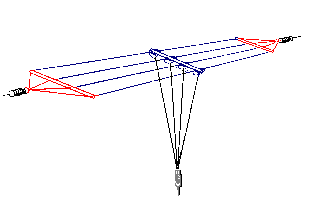
As our sunsets start to come earlier and dawn arrives later and later, the sun's accelerated southerly excursion has brought sudden changes to 630m propagation.
This past weekend's CLE activity saw universally poor propagation as well as weather related QRN from lightning ... but as usual at this time of the year, things can change rapidly. Wednesday's overnight map of my own 630m WSPR activity illustrates why September propagation on LF and MF can often be spectacular and this is with just 65 watts total power output:
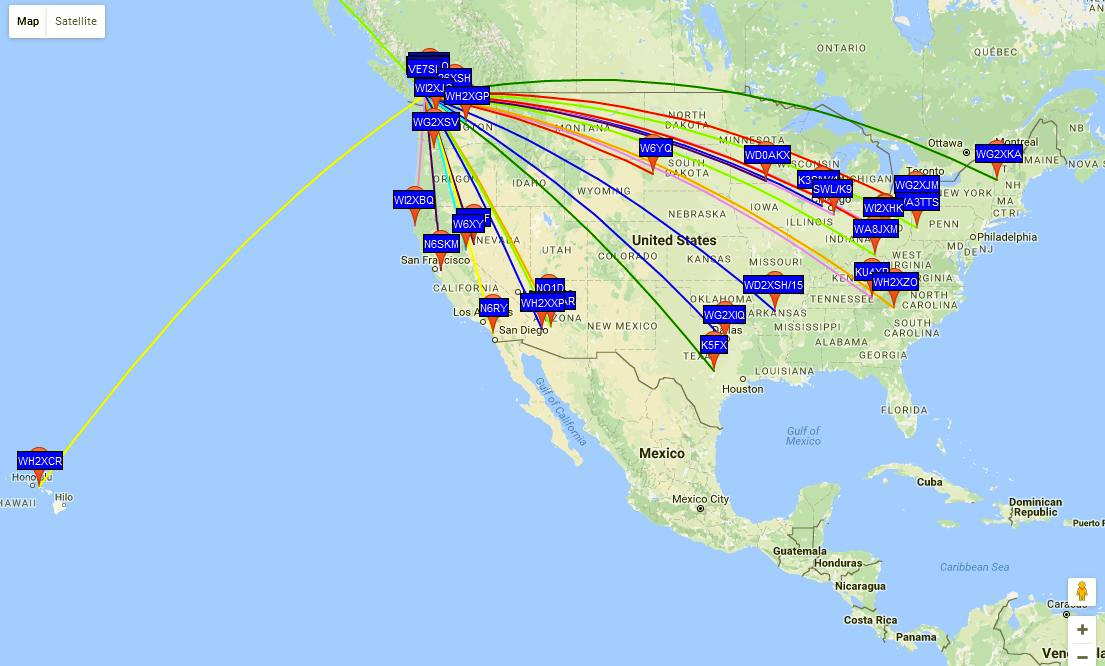 |
| courtesy: http://wsprnet.org/drupal/ |
Among other things, the map indicates the growing interest among U.S. amateurs in the 630m band. Hopefully they won't have to wait too much longer, although I seem to be saying this more often than I would like to. It is of interest to note that even though these were WSPR reports, signal levels at most reporting stations were either into the 'audible CW' levels or at 'JT9 workable' levels ... all stations should be workable once the 630m ham band becomes a reality for all North Americans. Midwinter conditions over the next several years should see an abundance of transcontinental contacts on both CW and on JT9!
The east-west path is the bread and butter direction for interesting possibilities, when it comes to those of us in VE7 land. Normally it only really sets in when geomagnetic conditions are quiet but, as a result of coronal hole streaming, this week's geomagnetic field has been anything but quiet. As John Langridge, KB5NJD / WG2XIQ reported today in his invaluable '630m daily reports':
The geomagnetic field was extremely active, with many reporting periods at storm levels. The Bz is pointing to the South and solar wind velocities are very high, peaking at 700 km/s. This event is significant and I am just glad to see that it is helping and not hurting propagation. When will the bottom drop out? Clearly there is a lot going on here that we do not understand.
With stormy conditions continuing throughout the week, Friday's path to down-under enjoyed some enhancement as well, not unusual when the east-west path is disturbed. VK4YB's 90 watt signal was widely heard by several VE7's (VE7CNF, VA7MM and VE7BDQ) in the predawn hour, as Roger's signal peaked up briefly for several WSPR decodes.
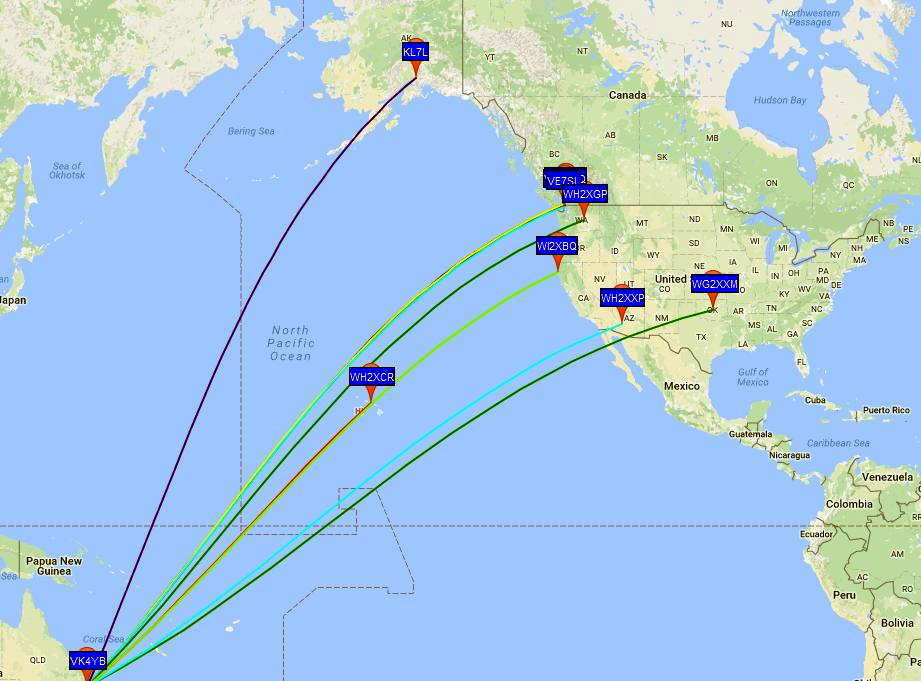 |
| courtesy: http://wsprnet.org/drupal/ |
As the coronal hole streaming continues, this morning's path to VK seemed even better along with a new antenna at VK4YB favoring the northwest:
12:24 VK4YB 0.475622 -21 VE7BDQ 11844 km
12:12 VK4YB 0.475621 -22 VE7BDQ 11844 km
12:08 VK4YB 0.475622 -17 VE7BDQ 11844 km
11:04 VK4YB 0.475622 -24 VE7BDQ 11844 km
11:02 VK4YB 0.475623 -22 VE7BDQ 11844 km
10:54 VK4YB 0.475623 -22 VE7BDQ 11844 km
12:28 VK4YB 0.475626 -21 VE7SL 11820 km
12:24 VK4YB 0.475625 -23 VE7SL 11820 km
11:54 VK4YB 0.475623 -25 VE7SL 11820 km
11:04 VK4YB 0.475623 -23 VE7SL 11820 km
11:02 VK4YB 0.475625 -26 VE7SL 11820 km
10:54 VK4YB 0.475626 -21 VE7SL 11820 km
11:22 VK4YB 0.475614 -28 VA7MM 11872 km
11:04 VK4YB 0.475614 -28 VA7MM 11872 km
11:02 VK4YB 0.475615 -33 VA7MM 11872 km
10:54 VK4YB 0.475615 -26 VA7MM 11872 km
I should mention that the other VE7 stations are all operating from noisy suburbs near Vancouver ... clearly fine examples of what can be done on 630m under less than ideal operating conditions and by paying close attention to system optimization. Please don't let living in the city stop you from enjoying the mysteries and challenges that our latest ham band has to offer ... as mentioned earlier, there is still much to be learned about using this band at amateur radio power levels and small backyard antennas. How exciting is that!
Steve McDonald, VE7SL, is a regular contributor to AmateurRadio.com and writes from British Columbia, Canada. Contact him at [email protected].
ICQ Podcast Episode 219 – Trouble with Mobile Antennas
In this episode, Martin M1MRB / W9ICQ is joined by Martin Rothwell M0SGL, Dan Romanchik KB6NU and Matthew Nassau M0NJX to discuss the latest Amateur / Ham Radio news. Colin M6BOY rounds up the news in brief, and this episodes feature is Trouble with Mobile Antennas
- FO-29 20th Birthday
- NIST’s Rolling Wireless Net Helps Improve First-Responder Communications
- 18th World ARDF Championship
- Illegal GPS Sea Buoys on 10m
- UK Amateur Radio Club 50 Years on the Air
- Latvia Gains Two New Amateur Radio Bands
- Ham Radio Around the World Balloon
Colin Butler, M6BOY, is the host of the ICQ Podcast, a weekly radio show about Amateur Radio. Contact him at [email protected].
ICQ Podcast Episode 219 – Trouble with Mobile Antennas
In this episode, Martin M1MRB / W9ICQ is joined by Martin Rothwell M0SGL, Dan Romanchik KB6NU and Matthew Nassau M0NJX to discuss the latest Amateur / Ham Radio news. Colin M6BOY rounds up the news in brief, and this episodes feature is Trouble with Mobile Antennas
- FO-29 20th Birthday
- NIST’s Rolling Wireless Net Helps Improve First-Responder Communications
- 18th World ARDF Championship
- Illegal GPS Sea Buoys on 10m
- UK Amateur Radio Club 50 Years on the Air
- Latvia Gains Two New Amateur Radio Bands
- Ham Radio Around the World Balloon
Colin Butler, M6BOY, is the host of the ICQ Podcast, a weekly radio show about Amateur Radio. Contact him at [email protected].
A great day for portable op’s.
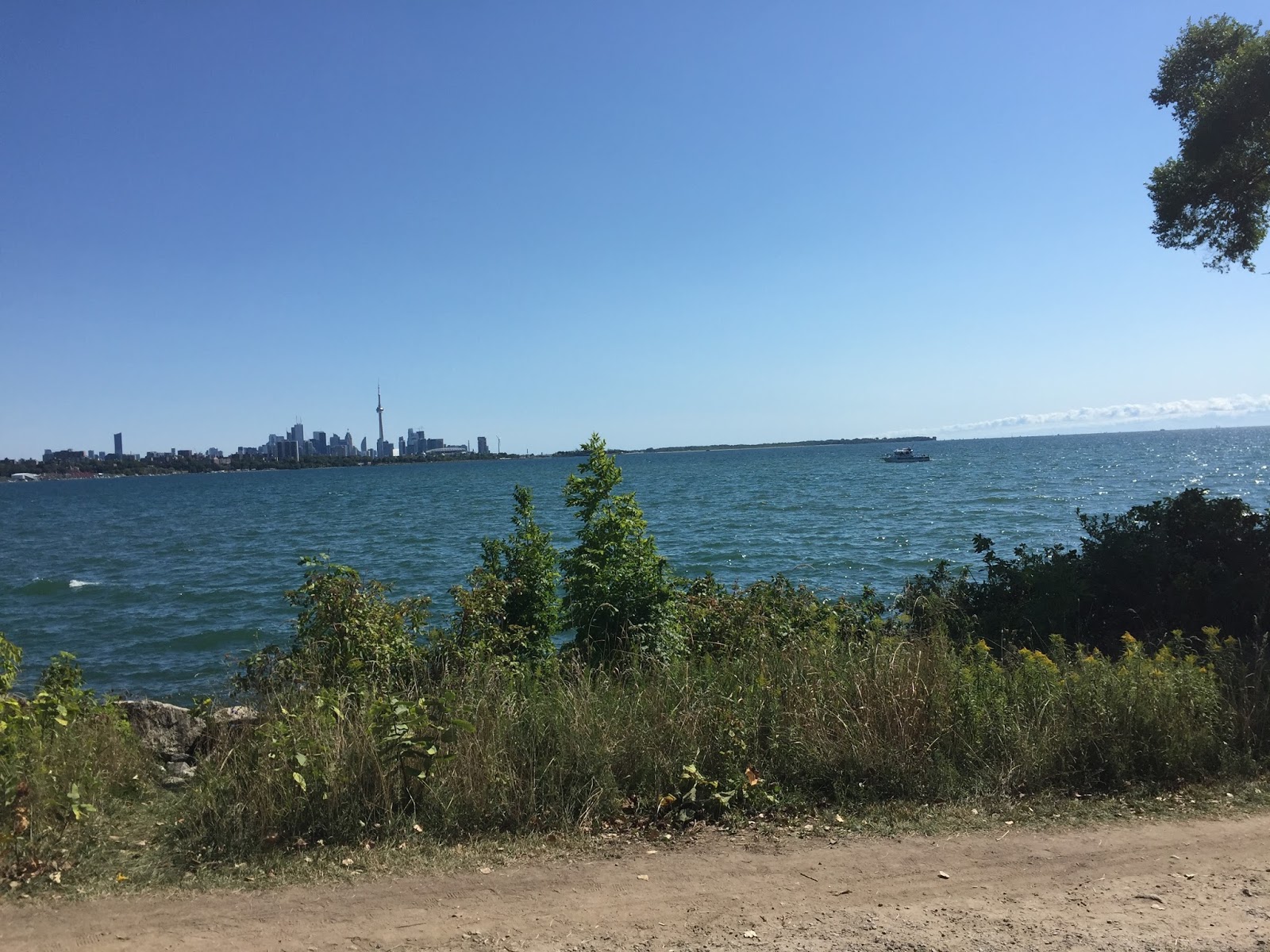 |
| View from the portable op's position. |
N4OX on 20m from FL
AF4RK on 20m from FL
K5WK on 20m from MS
N6ER on 20m from CA
KZ5D on 20m from LA
N5XZ on 20m from TX
W9ILY on 40m from IL
AA3B on 40m from PA
N8BJQ on 40m from OH
I found the contacts on 40m were no repeat backs and all the info was conveyed on the first try. As for 20m I was asked for repeats on my call, name and serial by most if not all the contacts. I raise the output of the KX3 to 10 watts and the external power supply seemed to handle it just fine.
Mike Weir, VE9KK, is a regular contributor to AmateurRadio.com and writes from New Brunswick, Canada. Contact him at [email protected].
A great day for portable op’s.
|
| View from the portable op's position. |
N4OX on 20m from FL
AF4RK on 20m from FL
K5WK on 20m from MS
N6ER on 20m from CA
KZ5D on 20m from LA
N5XZ on 20m from TX
W9ILY on 40m from IL
AA3B on 40m from PA
N8BJQ on 40m from OH
I found the contacts on 40m were no repeat backs and all the info was conveyed on the first try. As for 20m I was asked for repeats on my call, name and serial by most if not all the contacts. I raise the output of the KX3 to 10 watts and the external power supply seemed to handle it just fine.
Mike Weir, VE9KK, is a regular contributor to AmateurRadio.com and writes from New Brunswick, Canada. Contact him at [email protected].
An afternoon in the park.
 |
| The park setup |
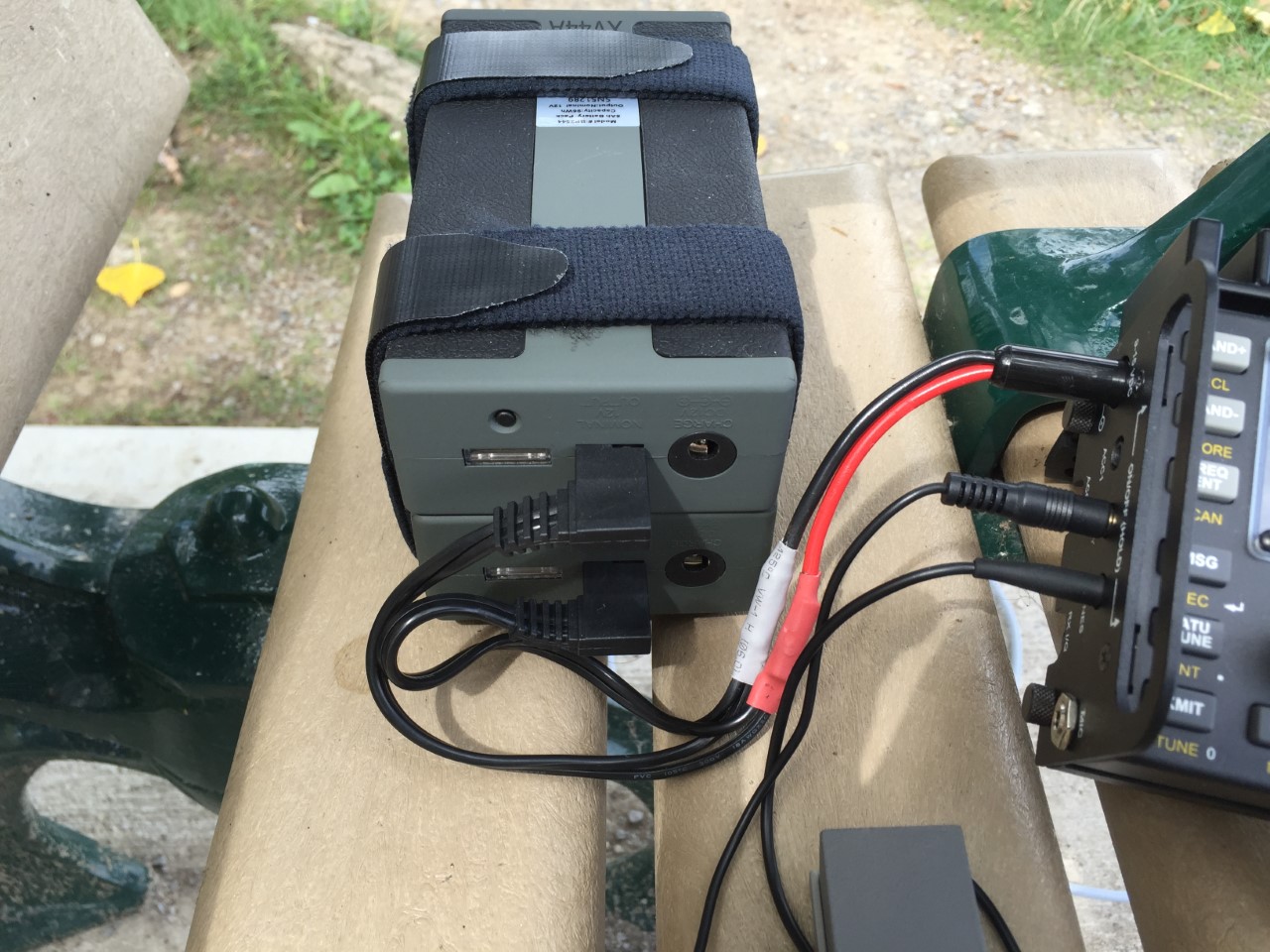 |
| New power config |
Mike Weir, VE9KK, is a regular contributor to AmateurRadio.com and writes from New Brunswick, Canada. Contact him at [email protected].
 Ham Radio Deluxe |
 W5SWL Electronics |
 Ham Radio Prep |
 KB3IFH QSL Cards  Hip Ham Shirts  HamRadioAuctions HamRadioAuctions Reliance Antennas Reliance Antennas Enigma Shop Enigma Shop |  morseDX  Ni4L Antennas  R&L Electronics R&L Electronics antennas.us antennas.us QRV QRV |
- Matt W1MST, Managing Editor
