 |
 Powering the K-Pod via its RJ12 cable.
 5 January 2017 | by
 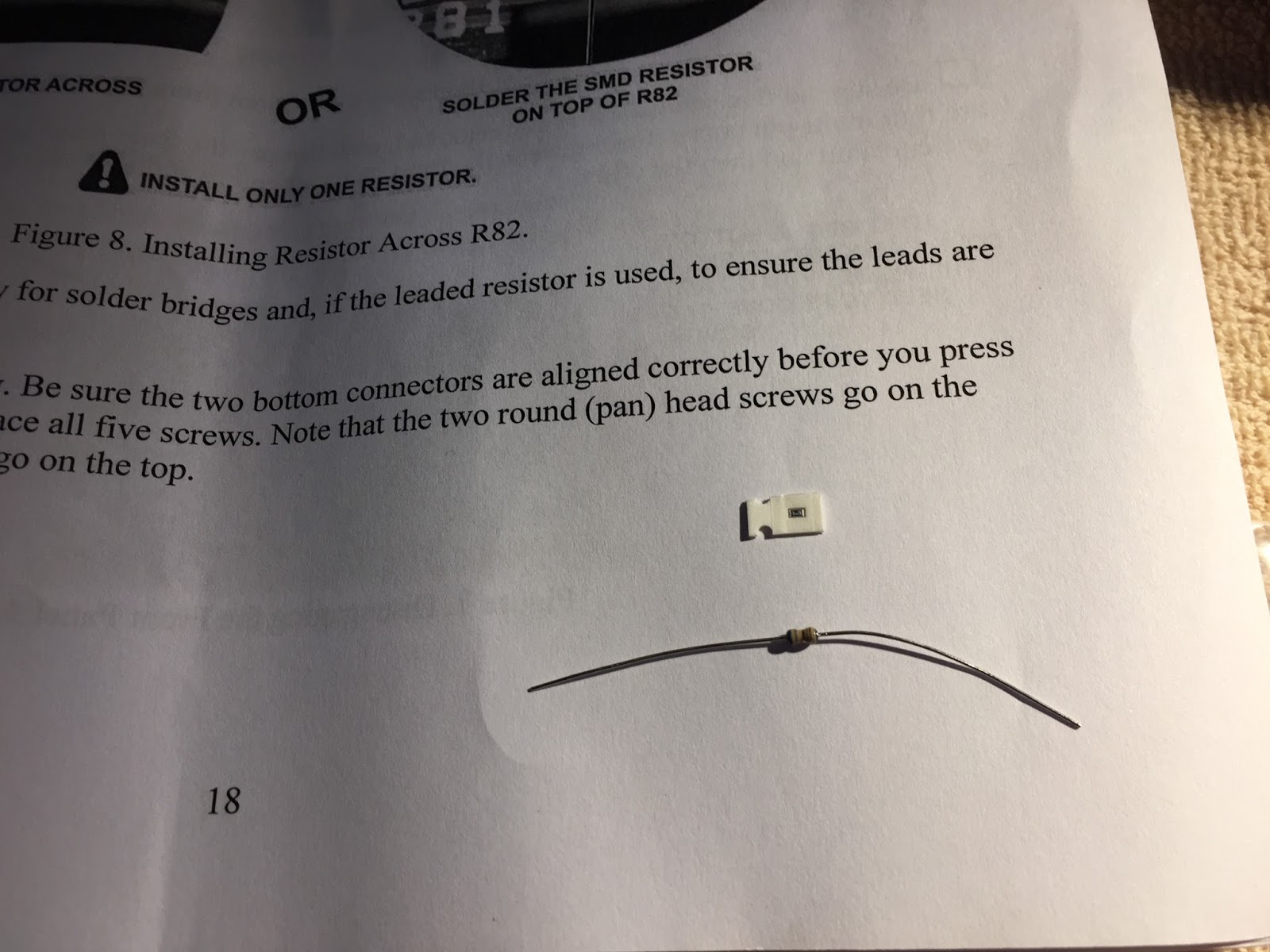 |
| The 2 resistor through hole and SMT |
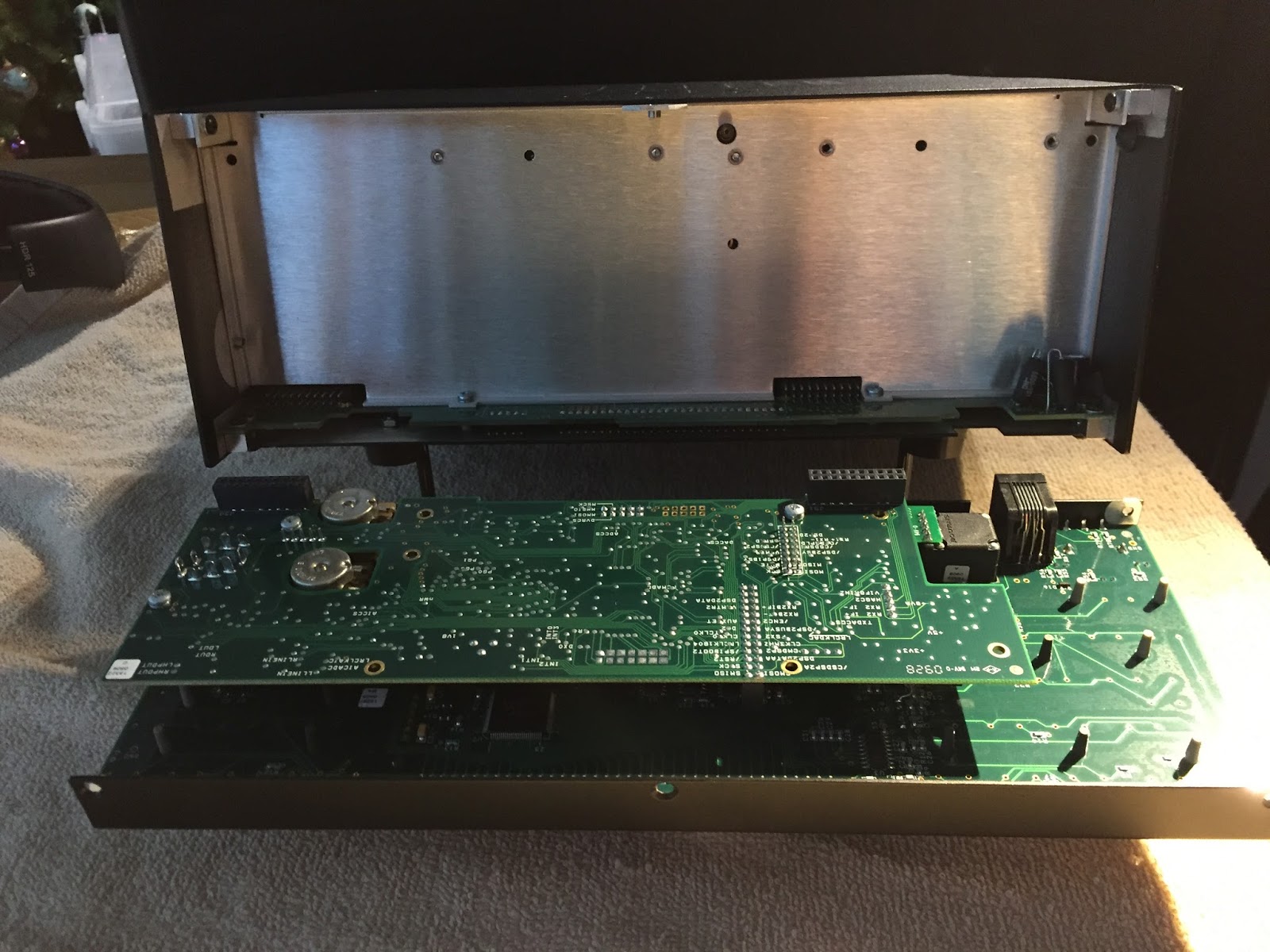 |
| Front panel removed |
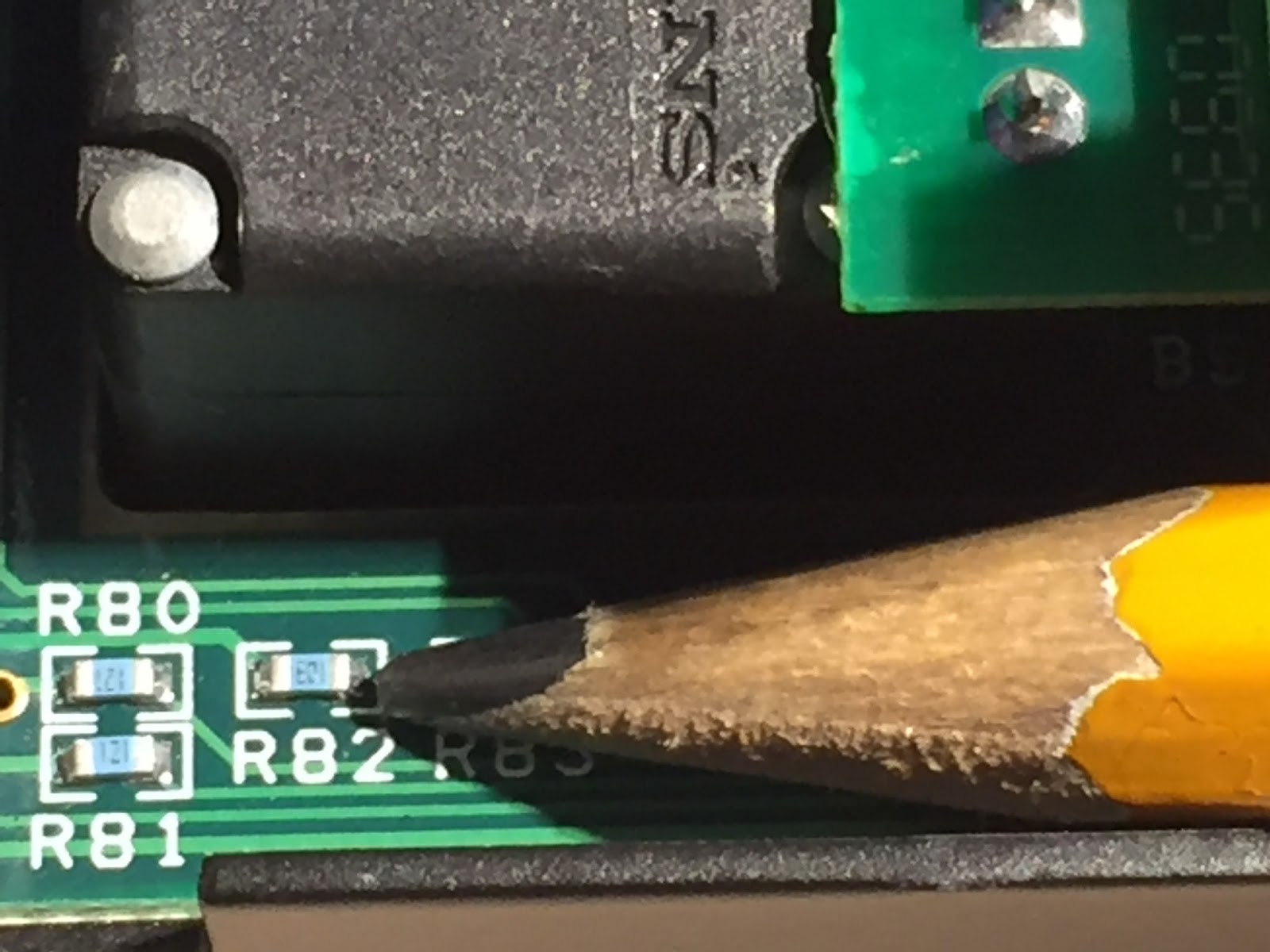 |
| Now that is small!! |
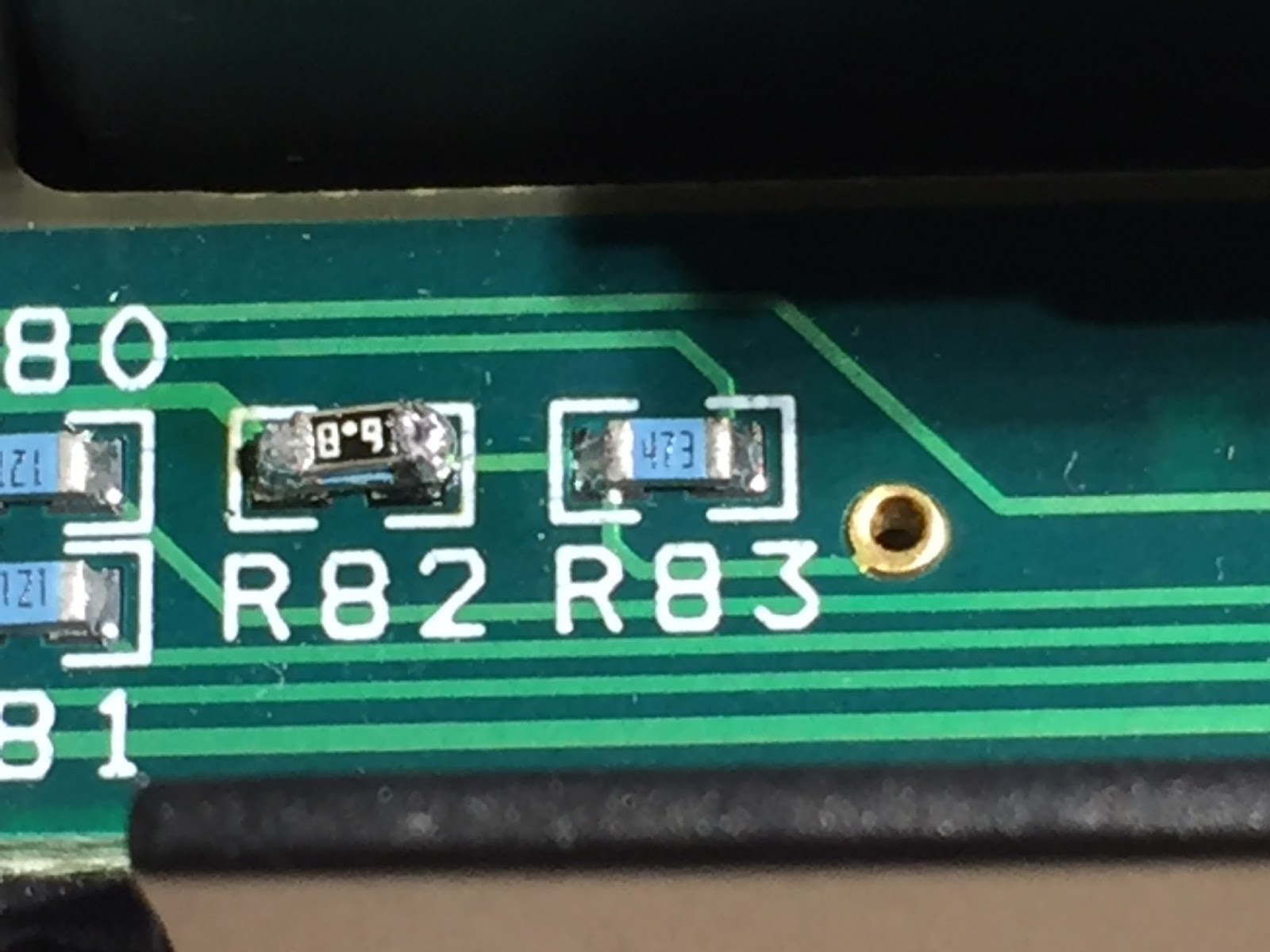 |
| The deed was done not pretty but it works fine. |
Mike Weir, VE9KK, is a regular contributor to AmateurRadio.com and writes from New Brunswick, Canada. Contact him at [email protected].
» Leave a Comment (0)
Powering the K-Pod via its RJ12 cable.
|
| The 2 resistor through hole and SMT |
|
| Front panel removed |
|
| Now that is small!! |
|
| The deed was done not pretty but it works fine. |
Mike Weir, VE9KK, is a regular contributor to AmateurRadio.com and writes from New Brunswick, Canada. Contact him at [email protected].
» Leave a Comment (4)
To help with your NPOTA withdrawal
There IS a Parks On The Air program that has been up and running for a while. In the USA, POTA is part of the World Wide Flora and Fauna program, which is international in scope. Like NPOTA, WWFF was devised in order to get Amateur Radio ops off their duffs and into the Great Outdoors. I love their catch phrase - "Make nature your shack!"

POTA is the United States arm of WWFF and POTA encompasses not only NPOTA, but State Parks as well. So if NPOTA was difficult for you as an activator, POTA should be easier as it will include many places that were not part of POTA.
Take for instance, the Great Swamp Wildlife Refuge (KFF-0454) here in NJ. I drive through it every time I go up to HP28, Morristown National Historical Park (KFF-0746), which is part of NPOTA. Since the Refuge is administered by the US Fish and Wildlife Service, it was not part of NPOTA - but it IS part of POTA. My favorite portable operating spot, Washington Rock State Park, is also part of POTA (KFF-1635).
Activation requirements for WWFF are a bit stricter. For a valid activation, WWFF requires 44 QSOs, while NPOTA required only 10. Happily, according to my good friend Greg N4KGL, POTA also requires only 10 QSOs for a valid activation. A good day's worth of portable operations should cover you. If you're bound and determined to work towards Activator awards, then you have a good program here to fill your heart's desire.. Me? I'll just be happy to have the "excuse" to go out and put some NJ parks on the air.
I've only just registered and have not looked into all the details about how to upload logs and stuff; but I am bound and determined to put some parks in New Jersey on the air this coming Spring and Summer for the chasers that are really into this.
72 de Larry W2LJ
QRP - When you care to send the very least!
Larry Makoski, W2LJ, is a regular contributor to AmateurRadio.com and writes from New Jersey, USA. Contact him at [email protected].

POTA is the United States arm of WWFF and POTA encompasses not only NPOTA, but State Parks as well. So if NPOTA was difficult for you as an activator, POTA should be easier as it will include many places that were not part of POTA.
Take for instance, the Great Swamp Wildlife Refuge (KFF-0454) here in NJ. I drive through it every time I go up to HP28, Morristown National Historical Park (KFF-0746), which is part of NPOTA. Since the Refuge is administered by the US Fish and Wildlife Service, it was not part of NPOTA - but it IS part of POTA. My favorite portable operating spot, Washington Rock State Park, is also part of POTA (KFF-1635).
Activation requirements for WWFF are a bit stricter. For a valid activation, WWFF requires 44 QSOs, while NPOTA required only 10. Happily, according to my good friend Greg N4KGL, POTA also requires only 10 QSOs for a valid activation. A good day's worth of portable operations should cover you. If you're bound and determined to work towards Activator awards, then you have a good program here to fill your heart's desire.. Me? I'll just be happy to have the "excuse" to go out and put some NJ parks on the air.
I've only just registered and have not looked into all the details about how to upload logs and stuff; but I am bound and determined to put some parks in New Jersey on the air this coming Spring and Summer for the chasers that are really into this.
72 de Larry W2LJ
QRP - When you care to send the very least!
Larry Makoski, W2LJ, is a regular contributor to AmateurRadio.com and writes from New Jersey, USA. Contact him at [email protected].
» Leave a Comment (0)
To help with your NPOTA withdrawal
There IS a Parks On The Air program that has been up and running for a while. In the USA, POTA is part of the World Wide Flora and Fauna program, which is international in scope. Like NPOTA, WWFF was devised in order to get Amateur Radio ops off their duffs and into the Great Outdoors. I love their catch phrase - "Make nature your shack!"
POTA is the United States arm of WWFF and POTA encompasses not only NPOTA, but State Parks as well. So if NPOTA was difficult for you as an activator, POTA should be easier as it will include many places that were not part of POTA.
Take for instance, the Great Swamp Wildlife Refuge (KFF-0454) here in NJ. I drive through it every time I go up to HP28, Morristown National Historical Park (KFF-0746), which is part of NPOTA. Since the Refuge is administered by the US Fish and Wildlife Service, it was not part of NPOTA - but it IS part of POTA. My favorite portable operating spot, Washington Rock State Park, is also part of POTA (KFF-1635).
Activation requirements for WWFF are a bit stricter. For a valid activation, WWFF requires 44 QSOs, while NPOTA required only 10. Happily, according to my good friend Greg N4KGL, POTA also requires only 10 QSOs for a valid activation. A good day's worth of portable operations should cover you. If you're bound and determined to work towards Activator awards, then you have a good program here to fill your heart's desire.. Me? I'll just be happy to have the "excuse" to go out and put some NJ parks on the air.
I've only just registered and have not looked into all the details about how to upload logs and stuff; but I am bound and determined to put some parks in New Jersey on the air this coming Spring and Summer for the chasers that are really into this.
72 de Larry W2LJ
QRP - When you care to send the very least!
Larry Makoski, W2LJ, is a regular contributor to AmateurRadio.com and writes from New Jersey, USA. Contact him at [email protected].
POTA is the United States arm of WWFF and POTA encompasses not only NPOTA, but State Parks as well. So if NPOTA was difficult for you as an activator, POTA should be easier as it will include many places that were not part of POTA.
Take for instance, the Great Swamp Wildlife Refuge (KFF-0454) here in NJ. I drive through it every time I go up to HP28, Morristown National Historical Park (KFF-0746), which is part of NPOTA. Since the Refuge is administered by the US Fish and Wildlife Service, it was not part of NPOTA - but it IS part of POTA. My favorite portable operating spot, Washington Rock State Park, is also part of POTA (KFF-1635).
Activation requirements for WWFF are a bit stricter. For a valid activation, WWFF requires 44 QSOs, while NPOTA required only 10. Happily, according to my good friend Greg N4KGL, POTA also requires only 10 QSOs for a valid activation. A good day's worth of portable operations should cover you. If you're bound and determined to work towards Activator awards, then you have a good program here to fill your heart's desire.. Me? I'll just be happy to have the "excuse" to go out and put some NJ parks on the air.
I've only just registered and have not looked into all the details about how to upload logs and stuff; but I am bound and determined to put some parks in New Jersey on the air this coming Spring and Summer for the chasers that are really into this.
72 de Larry W2LJ
QRP - When you care to send the very least!
Larry Makoski, W2LJ, is a regular contributor to AmateurRadio.com and writes from New Jersey, USA. Contact him at [email protected].
» Leave a Comment (1)
AmateurLogic 99 Part 3 of 3
AmateurLogic.TV Episode 99-3 is now available for download.
Our 2016 Year End Closeout.
Part 3 of 3 from out New Year’s Eve live stream event.
42:50
George Thomas, W5JDX, is co-host of AmateurLogic.TV, an original amateur radio video program hosted by George Thomas (W5JDX), Tommy Martin (N5ZNO), Peter Berrett (VK3PB), and Emile Diodene (KE5QKR). Contact him at [email protected].
» Leave a Comment (0)
AmateurLogic 99 Part 2 of 3
AmateurLogic.TV Episode 99-2 is now available for download.
Our 2016 Year End Closeout.
Part 2 of 3 from out New Year’s Eve live stream event.
1:05:43
George Thomas, W5JDX, is co-host of AmateurLogic.TV, an original amateur radio video program hosted by George Thomas (W5JDX), Tommy Martin (N5ZNO), Peter Berrett (VK3PB), and Emile Diodene (KE5QKR). Contact him at [email protected].
» Leave a Comment (1)
AmateurLogic 99 Part 1 of 3
AmateurLogic.TV Episode 99-1 is now available for download.
Our 2016 Year End Closeout.
Part 1 of 3 from out New Year’s Eve live stream event.
1:08:09
George Thomas, W5JDX, is co-host of AmateurLogic.TV, an original amateur radio video program hosted by George Thomas (W5JDX), Tommy Martin (N5ZNO), Peter Berrett (VK3PB), and Emile Diodene (KE5QKR). Contact him at [email protected].
» Leave a Comment (0)
Please support our generous sponsors who make AmateurRadio.com possible:
 Ham Radio Deluxe |
 W5SWL Electronics |
 Ham Radio Prep |
 KB3IFH QSL Cards  Hip Ham Shirts  HamRadioAuctions HamRadioAuctions Reliance Antennas Reliance Antennas Enigma Shop Enigma Shop |  morseDX  Ni4L Antennas  R&L Electronics R&L Electronics antennas.us antennas.us QRV QRV |
- Matt W1MST, Managing Editor
