 |
 RF Choke
 19 October 2011 | by
 The New Carolina Windom uses part of the feedline as a vertical radiator — the voltage balun used to feed the off-center fed dipole allows common mode current to travel down the feedline. How do you determine how much of the feedline radiates? From what I’ve read, you do this by placing an RF choke (sometimes called a “line isolator”) at some point in the feedline to clamp off the common mode current. For an 80 meter version, you put the RF choke 20 feet below the feedpoint. For a 40 meter version (like I’m building), you put it 10 feet below the feedpoint.
To build my RF choke I followed the instructions provided by Len Carlson, K4IWL. In an addendum published here, Mr. Carlson wrote:
A note about the choke [between the balun and the feedline]: The choke [line-isolator] is simply a straight piece of coax with ferrite cores strung on it. Just use the same coax that you are using for the field line from the Xceiver to the choke. I have made a mod to the choke also. Instead of bending it back inside of the CPVC tube, make it a straight piece of coax about 0.3 meter. The length is not critical but should be no shorter than about 12 inches. Use as many ferrite tubes that will fit in-line on that length.
I built my RF choke using 12 FB-56 ferrite beads (mix 43) from Palomar Engineers strung on a piece of RG-58 coax and secured on each end with wire-ties. While Mr. Carlson chose CPVC for a lighter enclosure, I used PVC. In order for the SO-239 bulkhead-mount coax connectors to fit in the endcaps, I had to go with 1 1/4″ pipe. This did make for a pretty large enclosure — the beaded coax in the pipe does slop around a bit in there when shaken. If I have to do this all over again I’ll figure out some way to secure the innards of this thing (maybe by injecting some expanding foam?). As it was I inserted a few inches of double-sticky foam mounting tape inside the last end to be sealed, which did help somewhat.
I attached one end of the beaded coax directly to an SO-239 connector/end cap, but the other end required several inches of slack to stuff into the tube when it came time to push the final end-cap onto the pipe.
Here is a slideshow of my RF choke. After I took these photos I covered the coax connectors with cling-wrap and spray-painted the whole thing forest green.


Todd Mitchell, NØIP, is a regular contributor to AmateurRadio.com and writes from Minnesota, USA. He can be contacted at [email protected].
Battery boost

A couple of years ago I won a 25 year old “spares or repair” Kenwood TH-205E for a few pounds in an eBay auction. I successfully repaired it, but the ni-cad pack had failed short-circuit. I then had a stroke of luck as I found someone selling an 25 year old but unused KNB-4 battery pack for a couple of quid. It held a charge, so the problem was solved. The only disadvantage was that it was the large high capacity battery pack, much taller than the original, making the radio even bulkier than it already is. I nicknamed it “the brick.”
A few days ago I was looking at the Strikalite web site and noticed that they do battery pack refurbishment. I enquired whether they could repair the 205E’s original battery pack. “Send it to us and we’ll take a look at it” they said, so I did.
A few days later I received a phone call from Strikalite saying “We need to take some money off you.” I was a bit concerned as to how much it would be as they had not provided me with an estimate before starting. But I need not have worried. The total cost including postage and VAT was £19.99 which I think is very reasonable. They did quite a neat job, with only a little marking of the case where they had to pry the two halves apart.
£20 may seem like more than a 25 year old boat anchor that doesn’t support 12.5kHz spacing nor CTCSS for repeater access is worth. But actually the TH-205E has the best, most intermod-resistant receiver of any of my HTs due to the fact that it is designed for the 2m band only, not wide band coverage. If I ever get out on the fells again, the TH-205E would be a strong candidate to take. There’s life in the old thing yet!

Julian Moss, G4ILO, is a regular contributor to AmateurRadio.com and writes from Cumbria, England. Contact him at [email protected].
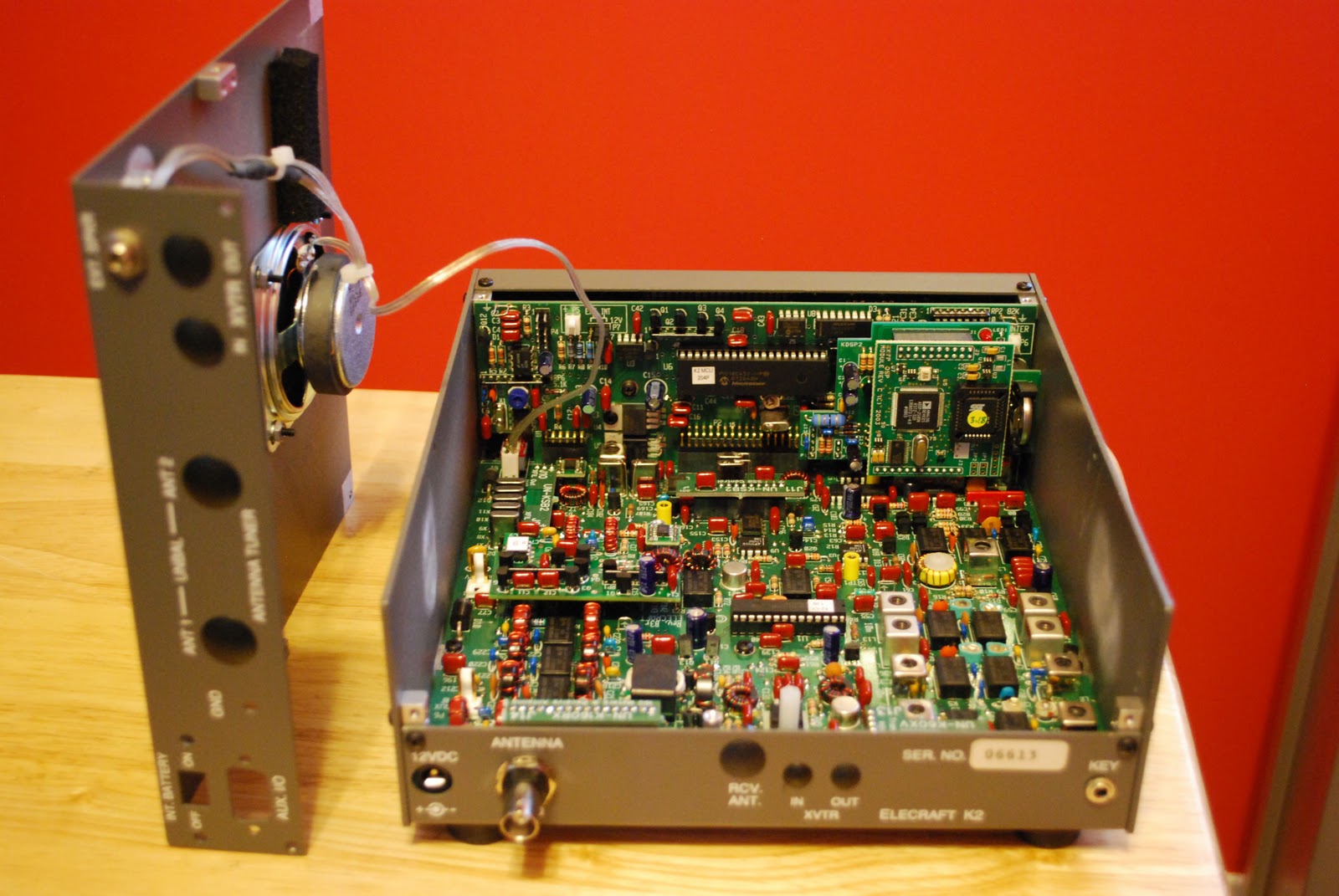
Making the K2 portable……..
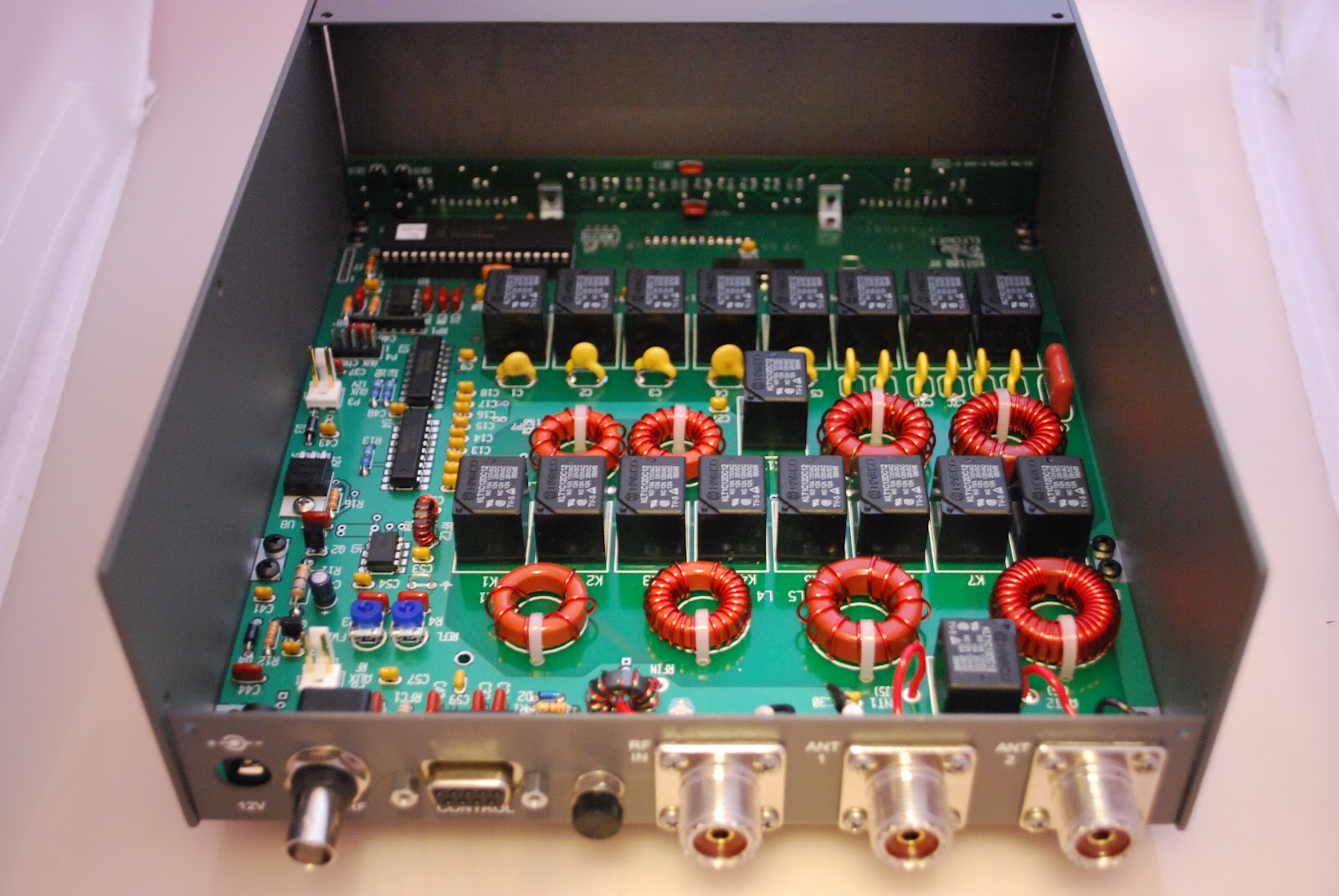 |
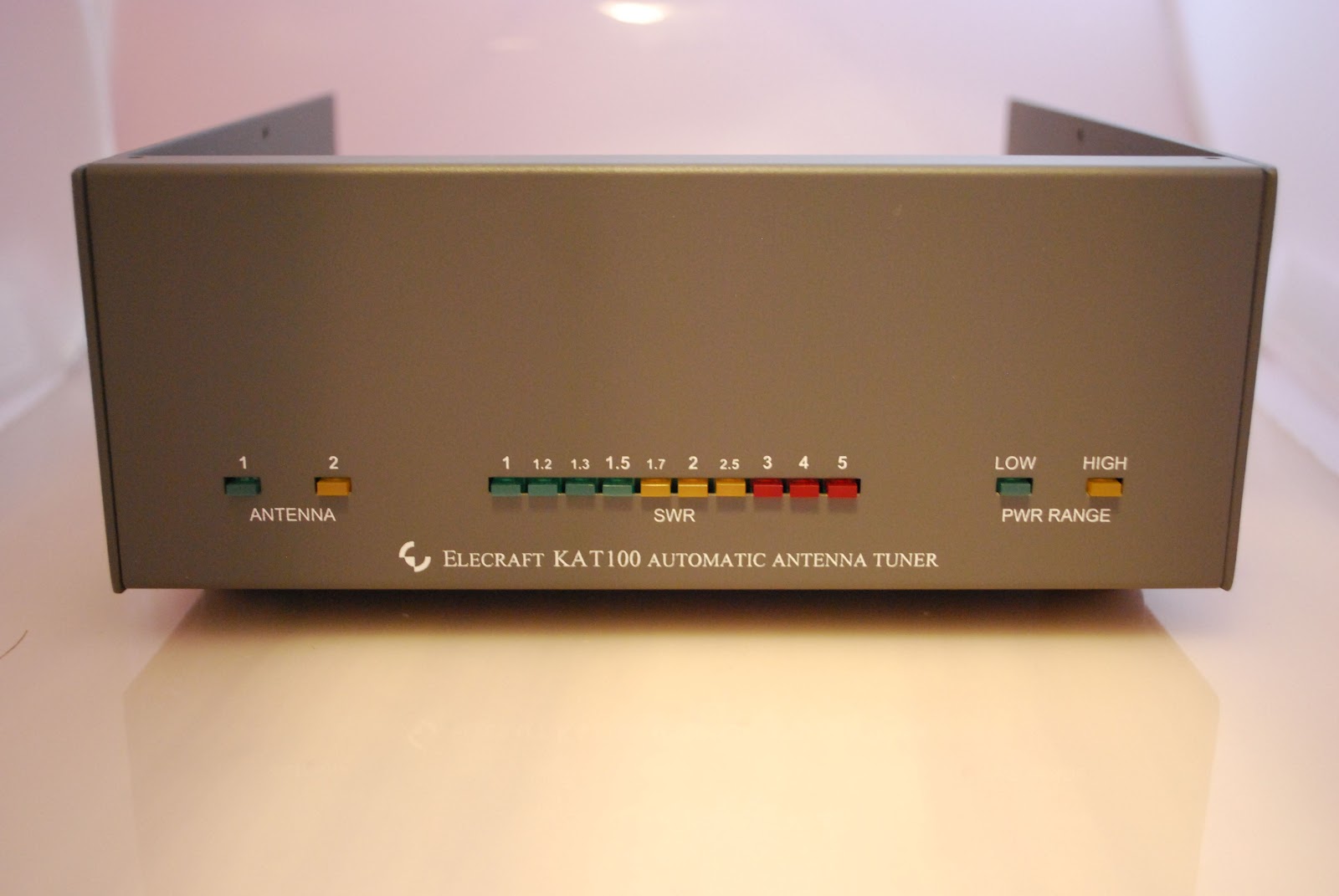
| KAT100 in new enclosure |

enclosure to house both the KAT100 and KPA100. I have completed the external antenna tuner. It went very smooth
 |
| Toroid lineup |
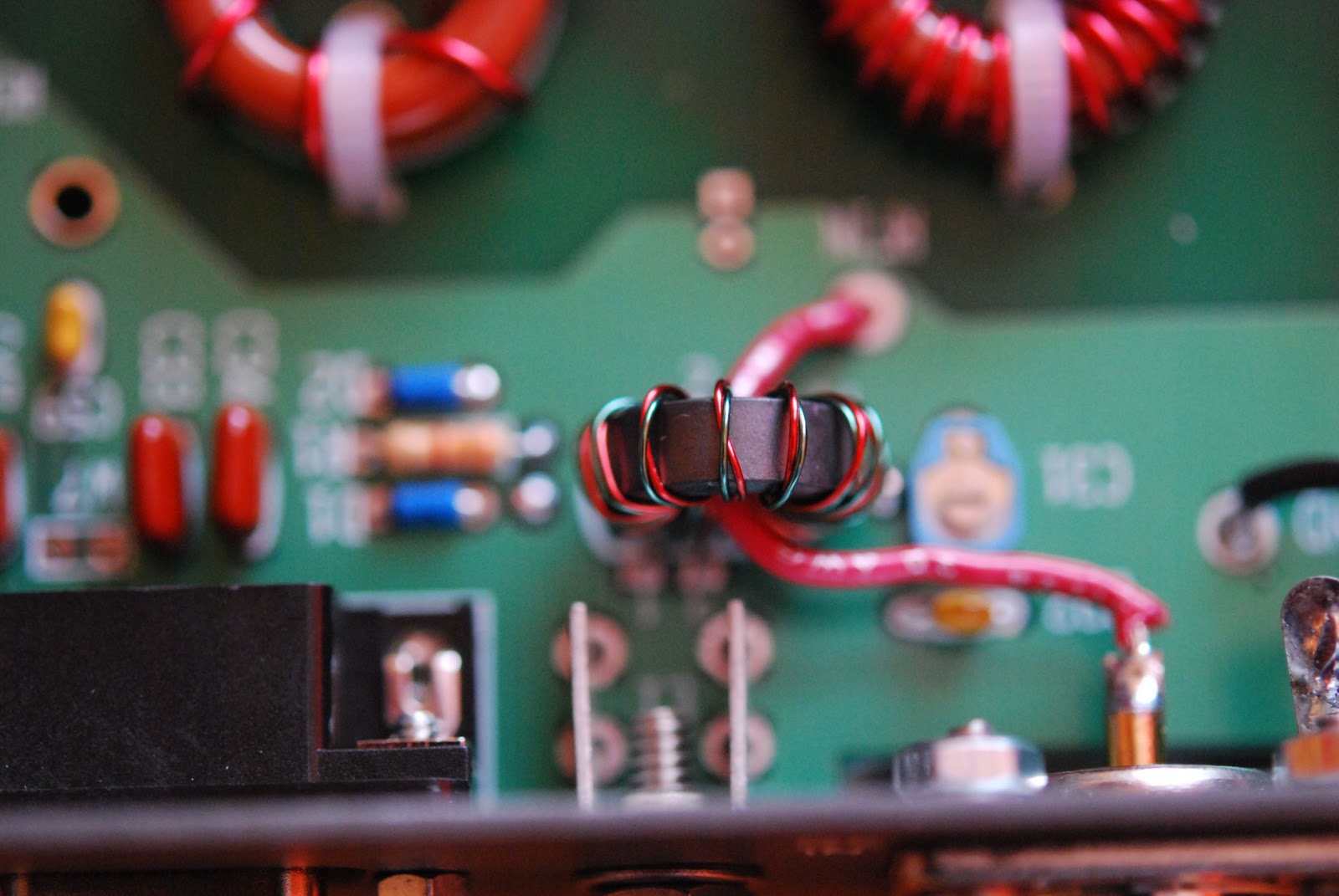 |
| Bifilar winding |
 |
 below from panel assembly |
If you are ever thinking of doing this project with your K2 below are some links that helped me out.
KK7P offers some very good advice along with some excellent pictures as well.
Wilcox Engineering also have some nice pictures of the unit and advice.

Mike Weir, VE9KK, is a regular contributor to AmateurRadio.com and writes from New Brunswick, Canada. Contact him at [email protected].
Results: 2011 Colorado FM Sprint
 The logs have been sent in, the scores tabulated and awards issued for the 2nd running of the Colorado FM Sprint. See my previous post, announcing the contest. The competition was
 tough significant weak not too bad rather slim and the following awards have been issued:
| Call sign | Category | Place |
| KDØLLG | Single Operator | 1st Place |
| KØJJW | Single Operator | 2nd Place |
| KØNR | Rover | 1st Place |
Come on out and play next year!
73, Bob K0NR
Bob Witte, KØNR, is a regular contributor to AmateurRadio.com and writes from Colorado, USA. Contact him at [email protected].
Poll: Best used HF rig for the money?

I’m planning on buying a small multi-mode HF rig for a relative who has recently become a ham. It’s been a very, very long time since I’ve bought a radio (used or otherwise). I’m polling the readership for opinions of the very best choice.
Ah, what do I mean by “best”?
Here are my criteria:
- Affordable
Browsing eBay and the other ham classified sites, there is quite a range of prices for used HF gear. I don’t really have a price in mind, but I am looking for a good value. As I can buy a new radio for about $600, I would say that the cost would have to be under $500 in the used market. - Reliable
The radio should probably be solid-state. - Portable
Should be able to be taken “backpack portable”
I would love to be in a position to spring for an Icom IC-7000, IC-718 or an Yaesu FT-817. They’re beautiful rigs, but I just don’t have the cash to spring for one.
What do you recommend? What’s the best value for your money?
Matt Thomas, W1MST, is the managing editor of AmateurRadio.com. Contact him at [email protected].
Radio Therapy

Ten metres has been really lively today. I made several contacts including some with the USA. The highlight was working Osama, 9K2OD in Kuwait City who came back to my first call (SSB) even though he had a bit of a pile-up! Perhaps my attic dipole and QTH are not so shabby after all!
It’s great to experience propagation conditions like this again and it cheers me up no end. Real radio therapy!

Julian Moss, G4ILO, is a regular contributor to AmateurRadio.com and writes from Cumbria, England. Contact him at [email protected].
Ham Radio Motorcycle Mobile [VIDEO]
A few months back I posted a story about getting a bicycle and looking up way to attach a radio to it to do some mobile work. While the summer has been busy and that project is on the side for the winter, I came across this video from KH1JH, of his Motorcycle mobile. Justin shows us how he mounted an HTX-202 from Radio Shack and is able to use it while on the road on his bike. A nice little setup if I do say so. Wish I could have a nice big hog to ride while doing 2 meters. That would be fun I bet! But I digress, here is Justin’s video. Enjoy!
73.
Rich also writes a Tech blog and posts stories every Tuesday and Thursday on Q103, Albany’s #1 Rock Station website, as well as Amateur Radio stories every Monday thru Friday on AmiZed Studios and hosts a podcast called The Kim & Rich Show with his fiance’ Kim Dunne.
Rich Gattie, KB2MOB, is a regular contributor to AmateurRadio.com and writes from New York, USA. Contact him at [email protected].
 Ham Radio Deluxe |
 W5SWL Electronics |
 Ham Radio Prep |
 KB3IFH QSL Cards  Hip Ham Shirts  HamRadioAuctions HamRadioAuctions Reliance Antennas Reliance Antennas Enigma Shop Enigma Shop |  morseDX  Ni4L Antennas  R&L Electronics R&L Electronics antennas.us antennas.us QRV QRV |
- Matt W1MST, Managing Editor
