 |
 Series Six Episode Three – Coax Myths
 10 February 2013 | by
Series Six Episode Three of the ICQ Amateur / Ham Radio Podcast has been released. The latest news and Martin (M1MRB & W9ICQ) dicusses coax myths.
- Tasmanian Bush Fires operations
- WICEN involvement in flooding
- Uganda DXpedition
- Arnhem Zoo special event
- United Nations Radio - World Radio Day Stamps
- FCC to modernize Ham Radio rules
- Australia’s first amateur satellite
- VK Mini Contest University ready to go
- Global Amateur Radio Emergency Conference - 2013
- OZ7IGY - 4m beacon now on Next Generation Beacons platform
- Italian Radio Hams on 70 MHz
- Ham Radio Satellite Explorer App

Colin Butler, M6BOY, is the host of the ICQ Podcast, a weekly radio show about Amateur Radio. Contact him at [email protected].
GNT Shirts Now Available
The Committee to Preserve Golf November Tango is pleased to announce the availability of the new GNT Polo Shirt. The origins of the GNT frequency traces back to the incident when three ham radio operators found themselves stranded on the shore of Lake Michigan, calling out in desperation for Gin and Tonic. You may recall the unfortunate circumstances that caused confusion about the correct Golf November Tango calling frequency.
Fortunately, this has all been cleared up and The Committee has authorized the sale of the Golf November Tango shirt, with the official GNT frequency embroidered on it. (It seems that the group is really bad at documenting things, so they figured that if they all had a shirt with the frequency written on it, it could only help. See the logo shown to the left.)
These awesome polo shirts are available online in both mens and womens sizes at the Ham Radio Techwear store. The committee apologizes that these shirts are a little late for Christmas presents, but there is always next year.
Remember, when all else fails, make a call on the GNT Frequency.
73, Bob K0NR
Bob Witte, KØNR, is a regular contributor to AmateurRadio.com and writes from Colorado, USA. Contact him at [email protected].
Snow day = radio time!!
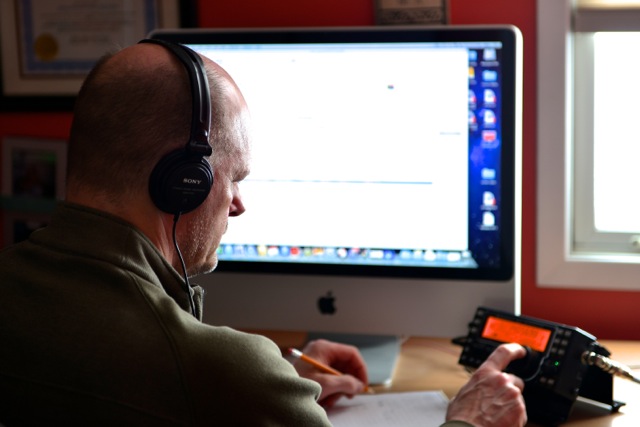 |
| Working the KX3 |
 |
| OQ5A setup |
I emailed Greet to let him in on some of the station info at this end. He was surprised I was only using 100mW's of power into an attic dipole to boot. Now here is the funny thing about propagation with 100mW's I tried to contact K0DNG in Kansas City Missouri and it was a huge struggle. I was going to up the power but Dennis was sending his 73s to me and moving on to calling CQ again.
 Finally I saw on my Maclogger's cluster a spot for W0RW/PM now the cluster showed this to be in Indonesia. He was very weak and kinda in and out and there were other station trying to contact him as well. I topped up the KX3 to the 5 watt level and gave him a go. He came back to me and gave me a respectable report. Now I thought there was something fishy about this cluster spot showing it as an Indonesian contact. I tripped off to QRZ.com and found out that PM stood for (in this case) pedestrian mobile!! Paul was in Colorado which is a not even close to Indonesia...(this is my high school geography shinning through) but it was great making contact as I have read on many blogs about Paul and his pedestrian mobile adventures.
 Mike Weir, VE9KK, is a regular contributor to AmateurRadio.com and writes from New Brunswick, Canada. Contact him at [email protected].
I Was A Radio Pirate
 Back when I was a young radio artisan I would eagerly await my monthly copy of Popular Communications to arrive. My favorite column was Pirates Den which covered the latest happenings in pirate radio such as new stations, signal reports, programming, and stations shutting down, either voluntarily or involuntarily at the hands of FCC enforcement. The often grainy black and white images of stations with masked DJs seemed like a glamorous and exciting thing at the time. Back then you couldn’t just setup your own audio stream on the Internet and broadcast to the world. As a pirate you could say whatever you wanted, play whatever music you liked, and all the while stick it to the “man”, the brutal, authoritarian FCC. Fines at the time were only a few hundred dollars, paltry by today’s standards.
There were basically two pirate “worlds”, local broadcast and shortwave. Shortwave stations would operate just above the 40m amateur band. In later years the pirate band moved to below 40m. Other frequencies on other international shortwave bands were used, but the neighborhood around 40m seemed to have the most action. Local broadcast would be done mainly on FM radio. I actually can’t recall a report of an AM broadcast pirate, but I assume there were a few out there. But considering the effort and equipment one had to put into an AM broadcast band operation, those people with the skills and inclination to go to that effort probably did shortwave pirating.
I had dreams of becoming a real DJ and perhaps owning my own commercial FM station one day, but luckily I realized that the broadcast industry had a rather low pay to frustration ratio and steered clear of it professionally. In college I finally got the gumption to attempt to become a radio pirate. I didn’t have two nickels to rub together at the time, so any purchase was a big decision. I sent away for a mail order FM radio kit. It was mono, not stereo, but it boasted a phase-locked loop (PLL) and a clean 1 watt output. Paradoxically, being a licensed radio amateur I wanted a very clean and professional pirate FM signal. I assembled the kit, however, much to my dismay after weeks of trying to get the PLL to lock up, I gave up and tossed the unit in the closet.
Two years later I was working professionally in the RF world, working on TV transmitters around the globe. I learned a lot in this new world. Being a field engineer in the middle of nowhere like South America or the Middle East with a minimal assortment of parts and people staring over your shoulder expecting you to fix their only transmitter in the village makes you learn quickly and think on your feet. This is something they don’t teach in college or outline in an ARRL Handbook. It was a rough job that no one wanted but I came into the company bright eyed and bushy-tailed and commanded more pay than some of the travel-adverse bench techs with years of experience under their belts.
One day I got bit by the pirate bug again and snuck a spectrum analyzer out of work to my bachelor pad. I got the bright idea of bypassing the PLL and just driving the voltage controlled oscillator with a multi-turn pot, also borrowed from work. The unit would drift but after a few hours warmup it didn’t require much adjustment to stay on frequency. Later I found an old low band VHF TV amplifier rated for 25 watts at work. It was a design that apparently was a bit unstable, but we had several of them lying around at work, destined for the dumpster. I took one home and tweaked it up and found I could get 40 watts cleanly out of the unit. Now I was in business.
I assembled a station, acquiring an audio mixing board and other components. I built a ground plane antenna and got four 5′ Radio Shack masts to elevate it. My third floor apartment was in a great location, in the middle of a nine mile long heavily populated valley in northeastern PA.
A college friend would come over Friday night and stay over for a pirate broadcast weekend. We would do a few two hour shows and identify as WMRX, “the station jamming the nation.” Though a bit kooky now, it sounded pretty cool back then. We spun mostly records and a few CDs, and we augmented our programming with supermixes or song medleys recorded from a commercial station in Philadelphia. We even did a ten minute fake news report with some comedy thrown in. For a phone line we announced the phone number of the pay telephone across the street. One of us would stand at the phone while the other announced the number on the air. We never did have anyone call in.
One show ended early when my co-host got intoxicated and fell over. Another show had to be cut short when a guest DJ announced my name over the air. After each broadcast we disassembled everything, including the antenna and mast and hid it, naively assuming this would minimize our chances of getting caught. Eventually work and life got too busy and complicated and the pirate operation stopped. Every few years I fired up the transmitter, put a CD on, and just drove around to hear the signal and admire the coverage. Although it wasn’t stereo and it didn’t fill every nook and cranny in the valley with RF, it was my signal, my station, built with my own hands, and to me it sounded wonderful.
Today FM pirate broadcasting lives on, as regular reports of FCC enforcement would attest with fines in the neighborhood of $10K to $20K. It’s hard to tell if shortwave pirating is still alive. It’s certainly not at the level it was in the 80s. I get the feeling anyone with a desire to get a message out rather than just spin records or taunt the FCC has moved to Internet broadcasting or perhaps uses a blog to get their message out, though it lacks the mystique and excitement that pirate radio once had.

Anthony, K3NG, is a regular contributor to AmateurRadio.com.
This is why …….
I am not a Weatherman.
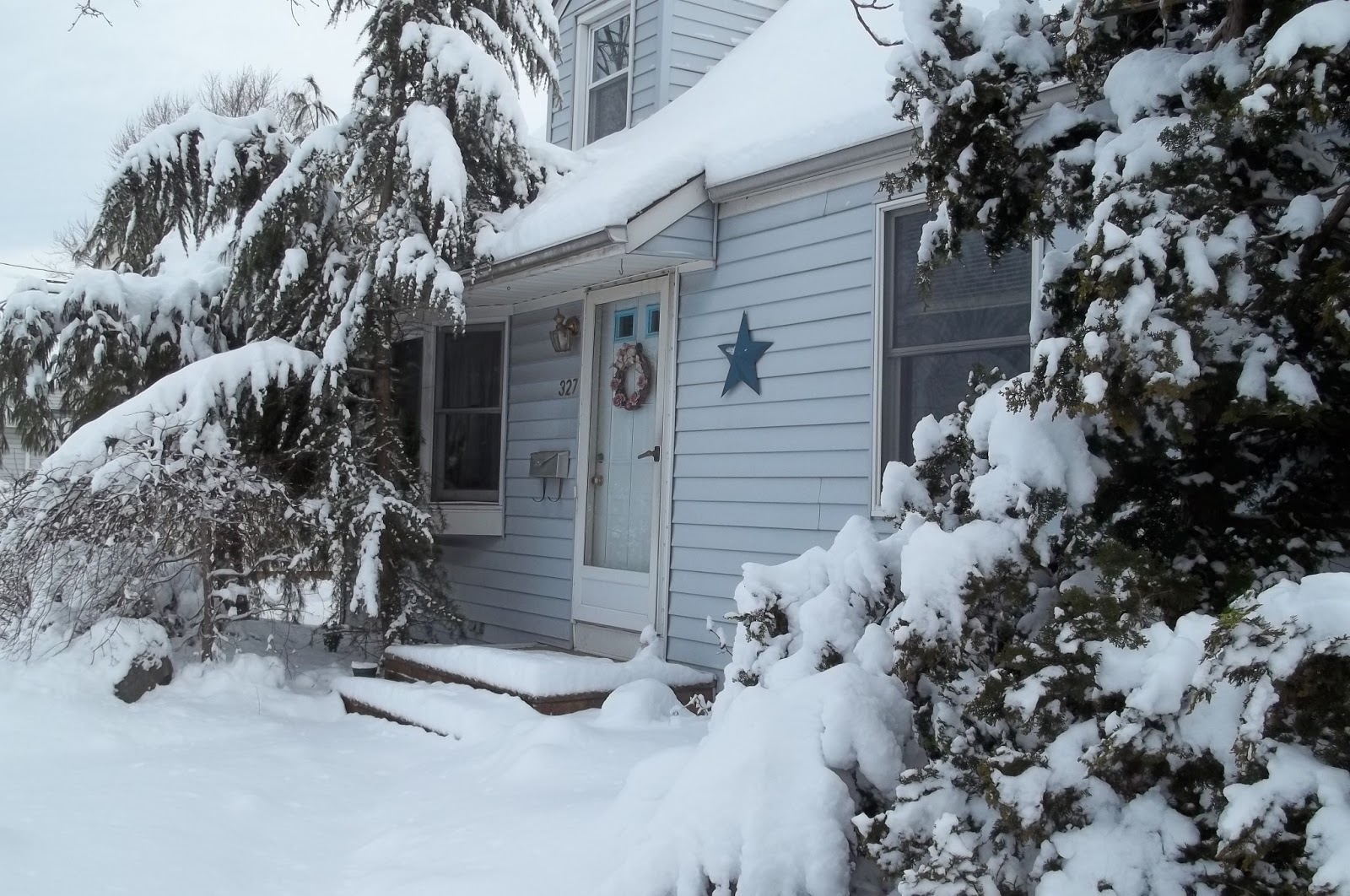
It was snowing lightly, all day yesterday. Actually, alternating continuously between snow, sleet and freezing rain. I left work for home and even had a somewhat easy commute. Everyone got scared by the ominous Nor’Easter forecast and must have left work early. By the time I left for home, the roads had a mere shadow of the normal drive time volume of traffic. Interstate 287 was sloppy and local roads were worse as there was an accumulation of probably just under an inch of snow, sleet and ice. 4 Wheel drive came in handy on the local back roads.
After dinner, I decided to go outside and clear the cars and the driveway, the back deck and the front walk and porch. It was heavy, slushy accumulated precipitation, but by the time I had finished nothing was falling from the sky. I thought to myself that maybe once again, the weather people had gotten it wrong. Sometimes, it seems they tend to forecast the sensational, “worst case” event. I thought that this might have been another one of those times. So after a session on 30 Meters last night (see my previous post), I checked out the weather radar one last time for the night. Our portion of New Jersey was at the extreme lower part of the storm. It appeared that within a short amount of time, all would be past us and the little accumulation we had gotten “was all she wrote”. I went to bed, smug, snug and happy.
The one thing I didn’t take into consideration – counter clockwise rotation.
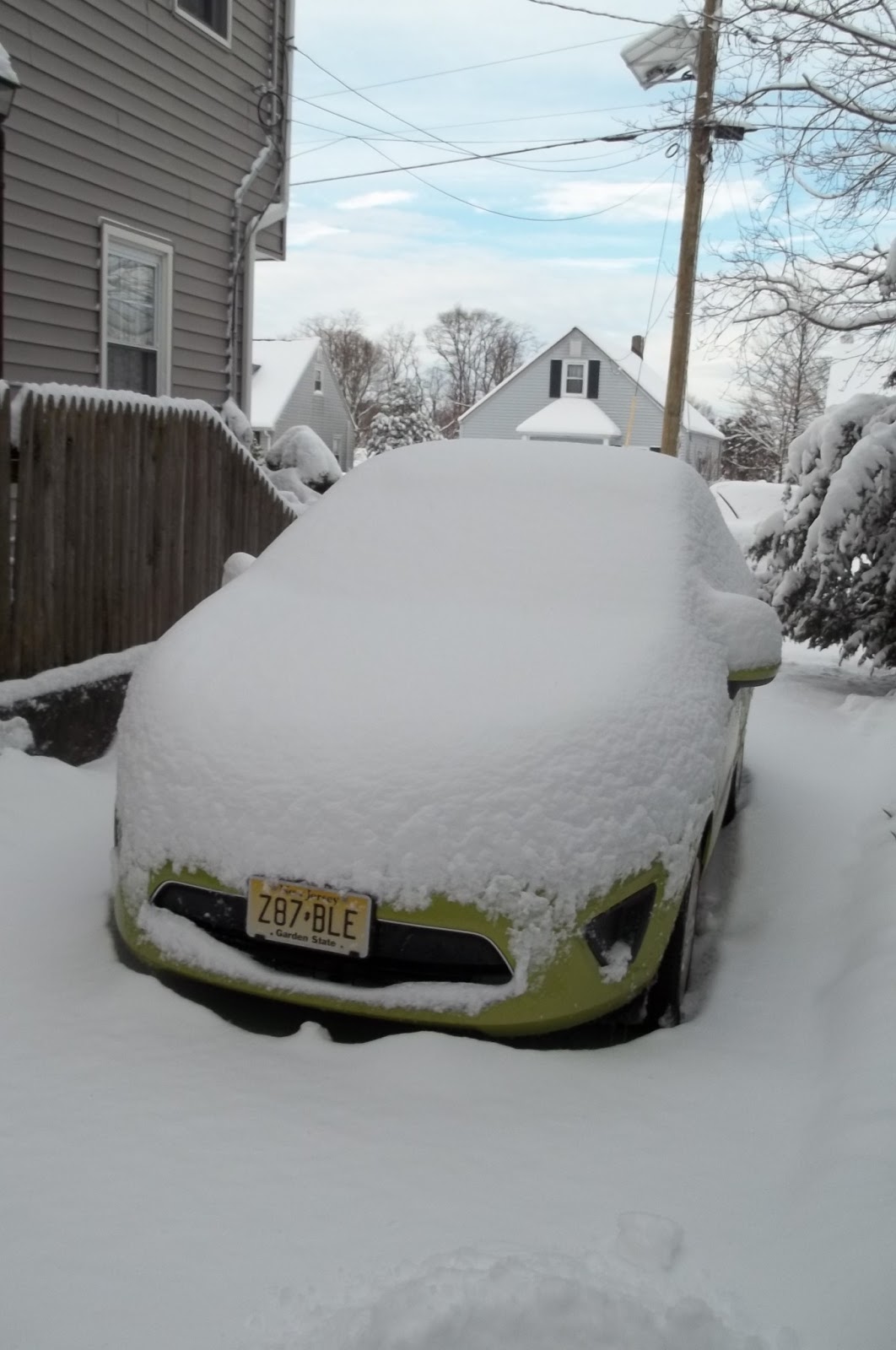
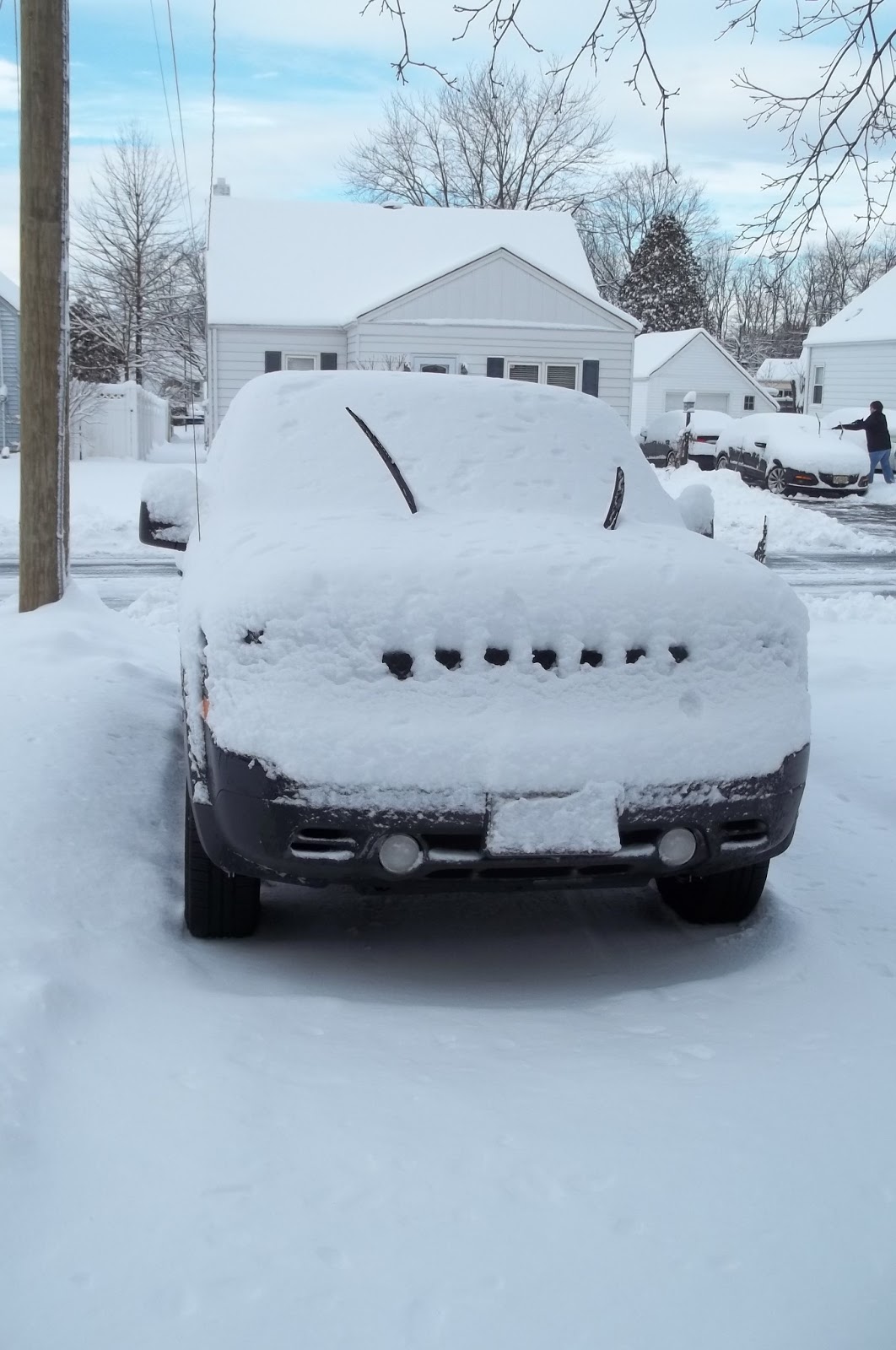
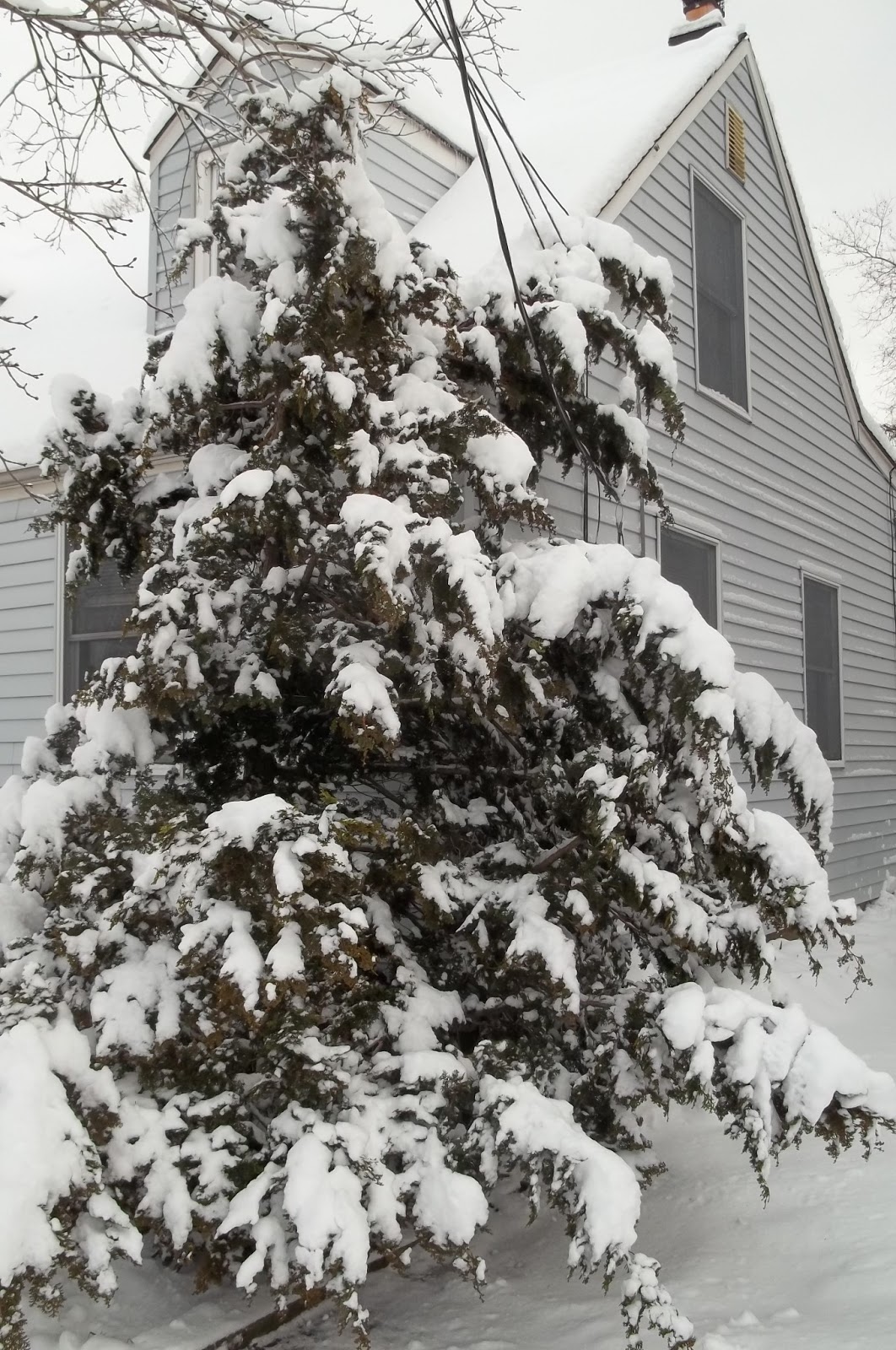
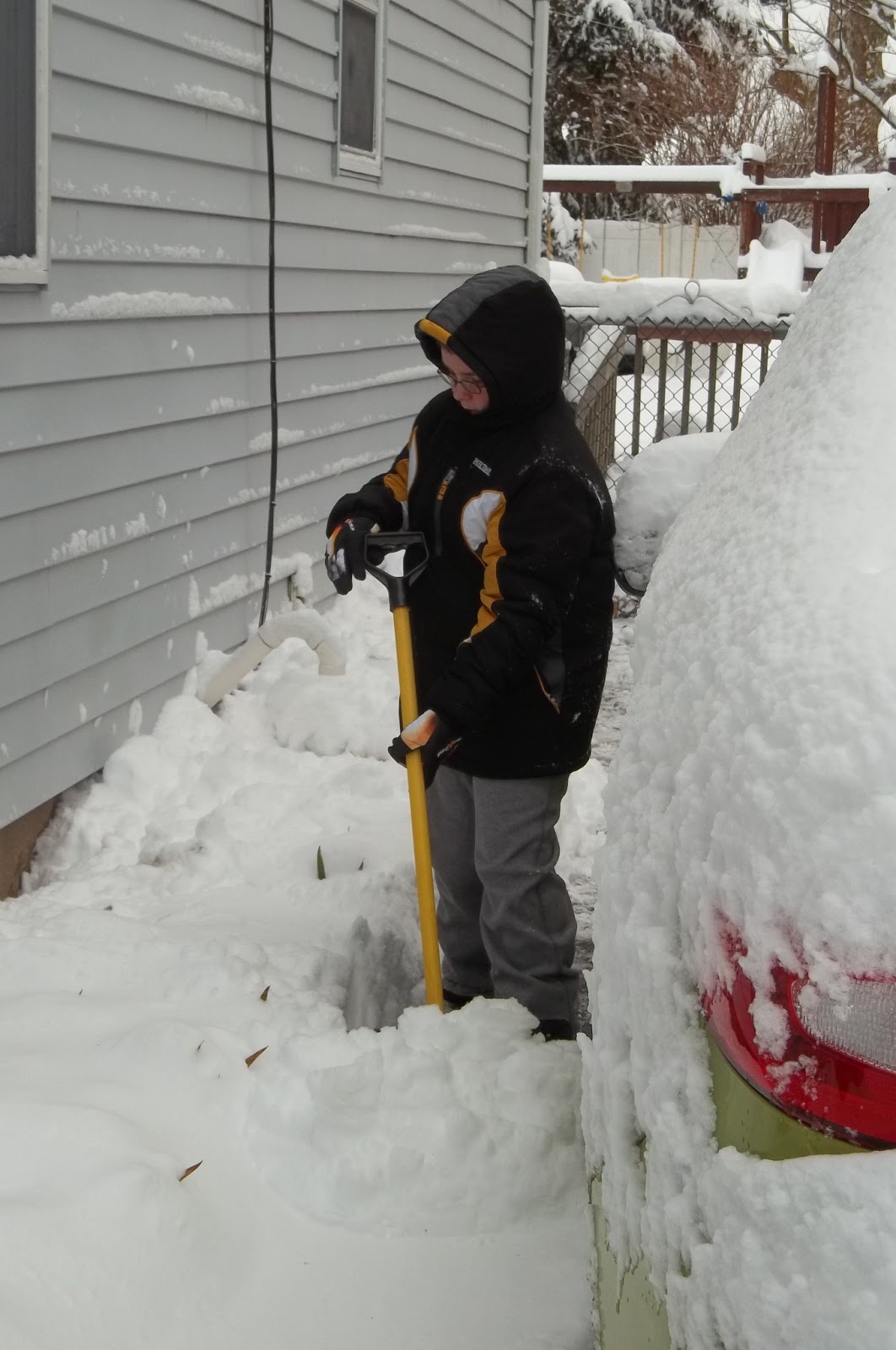
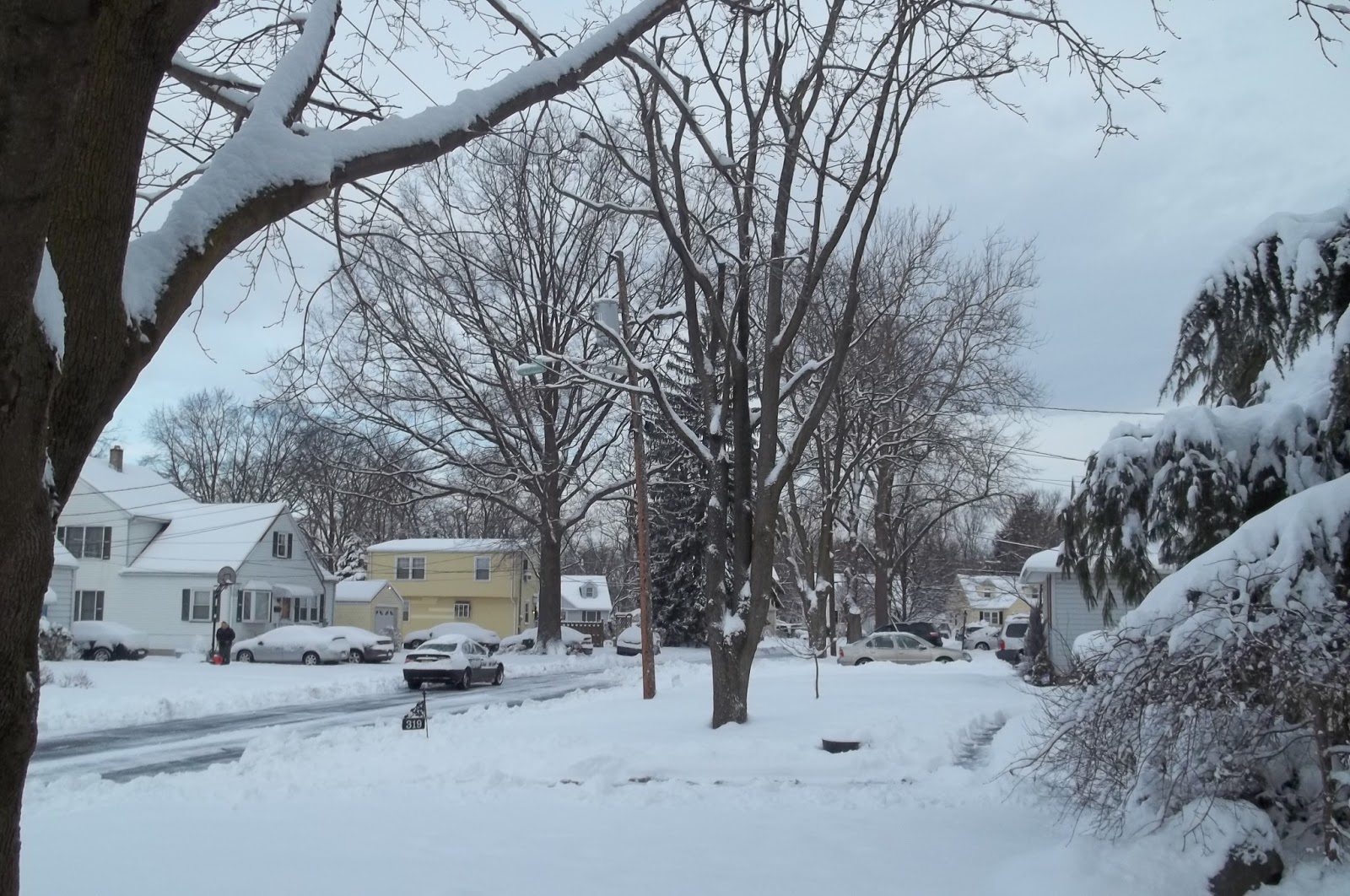
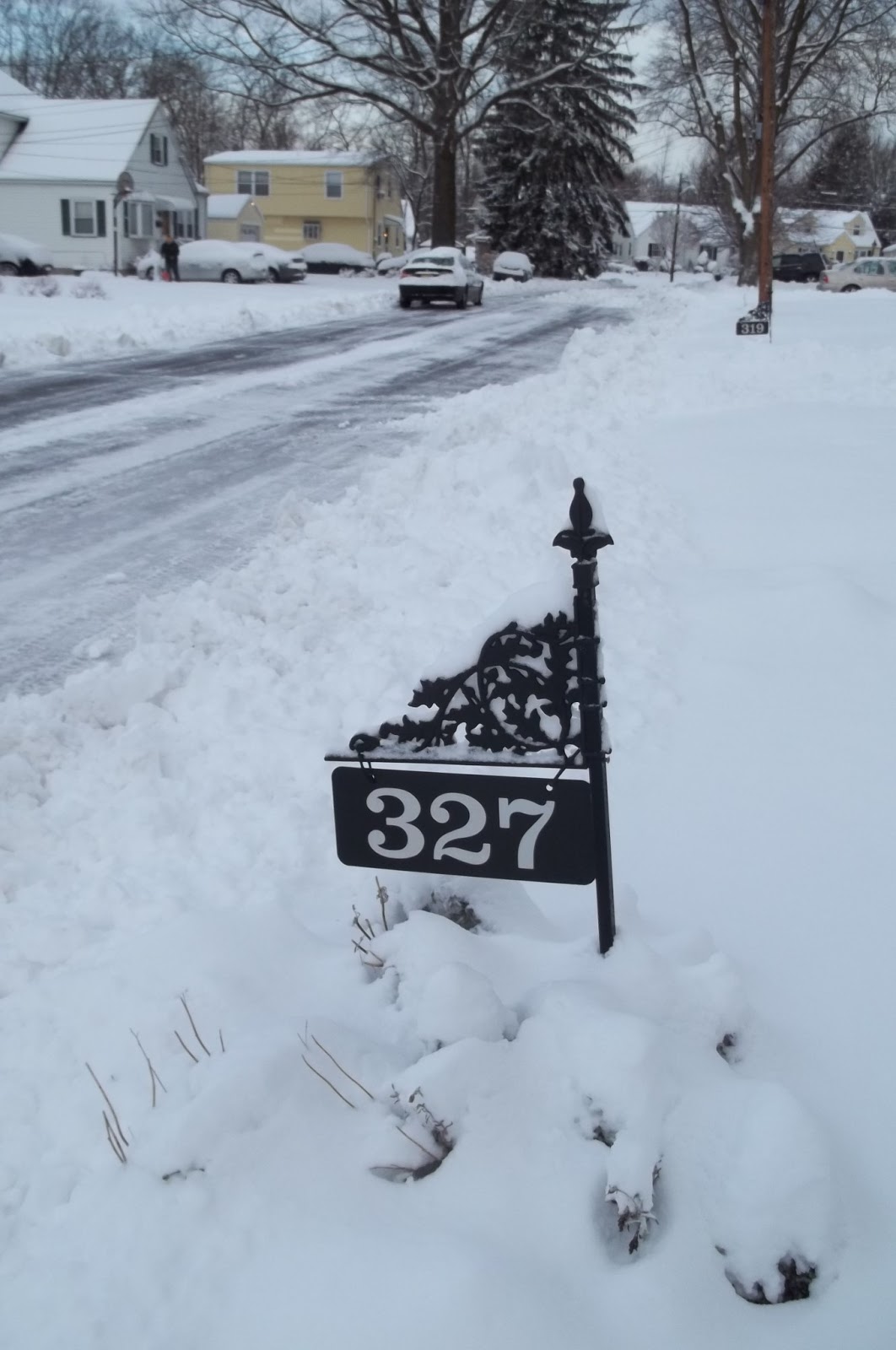
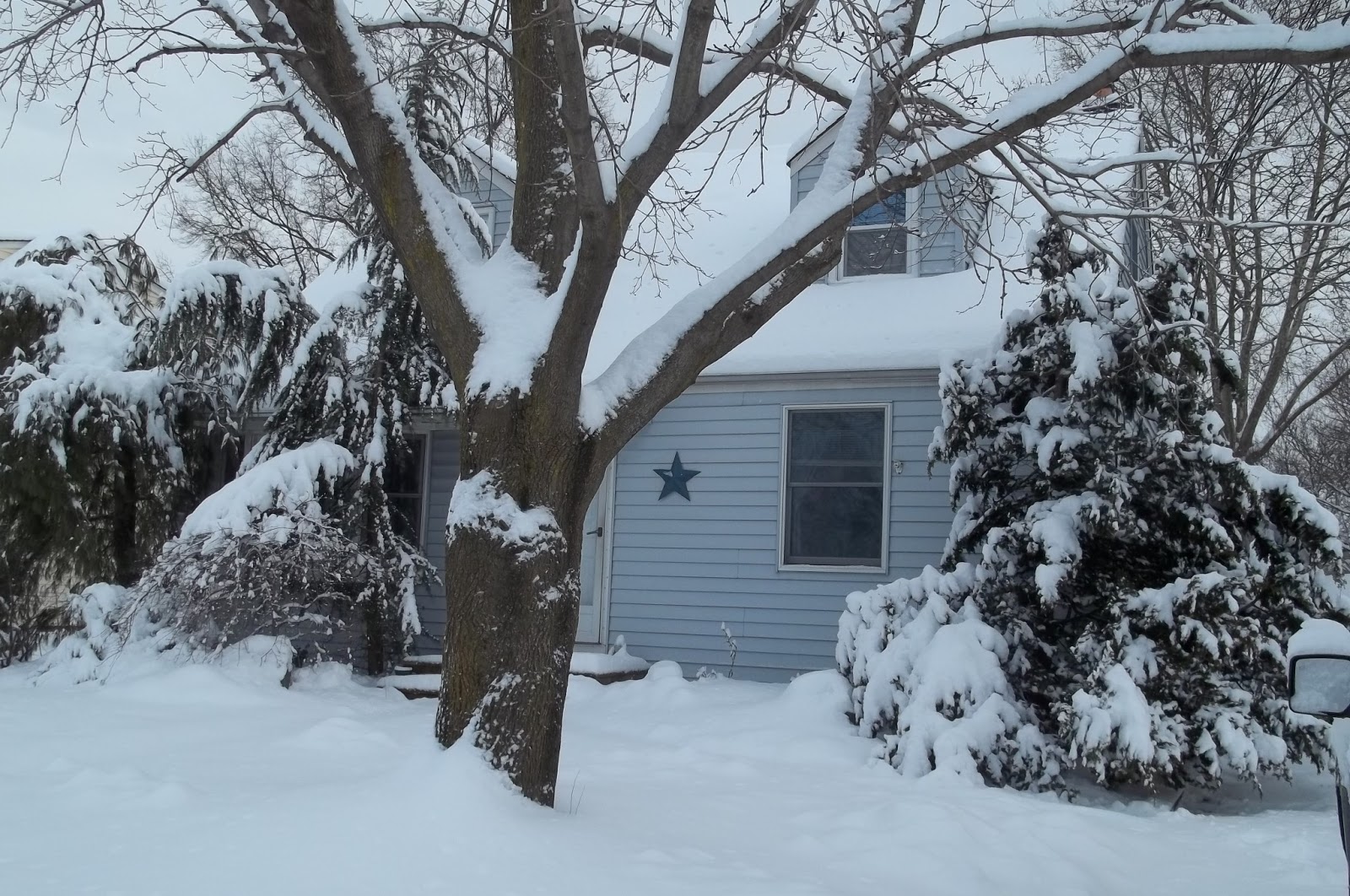
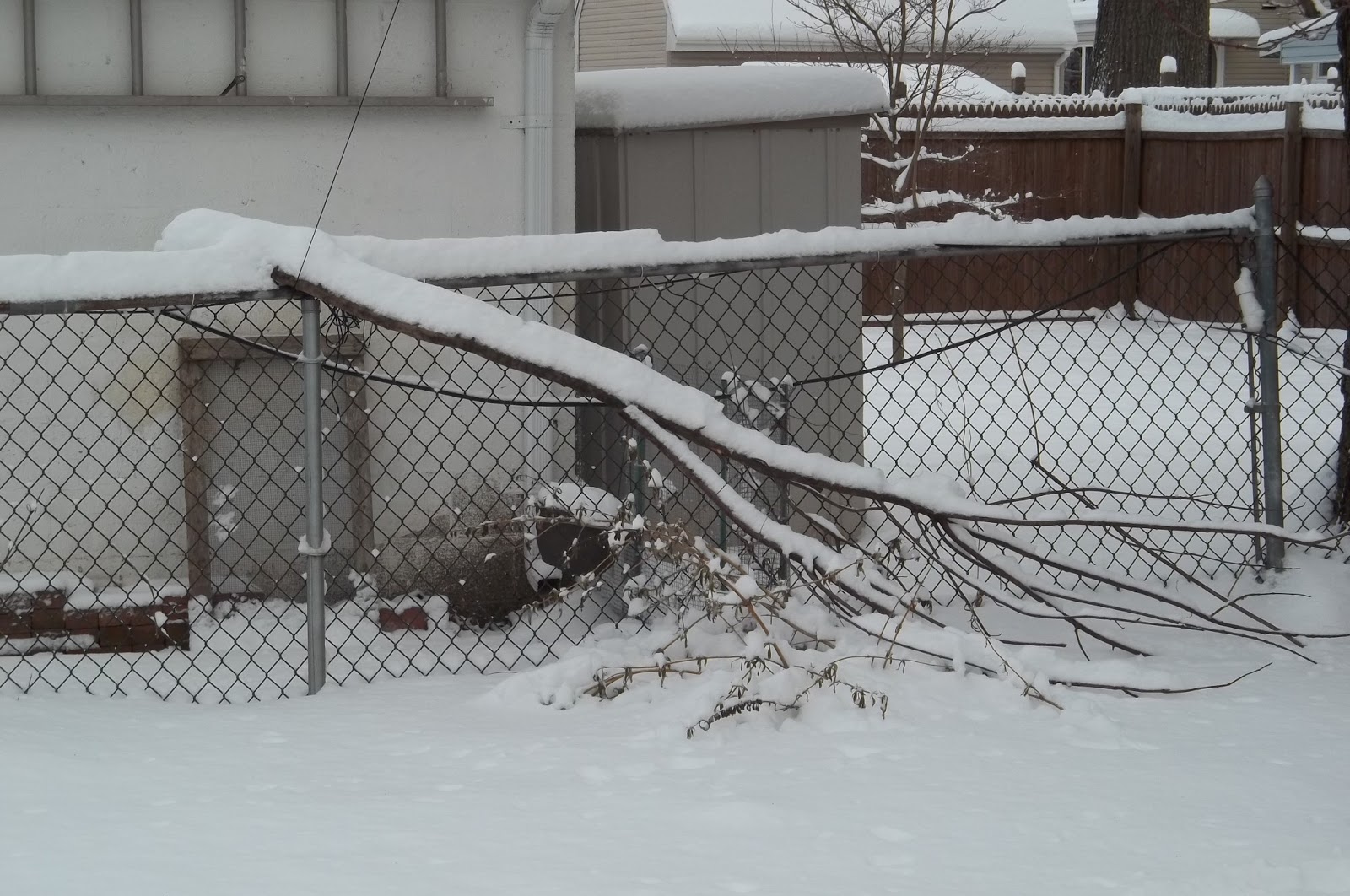
During the night, while I laid happily snoozing away, the storm did indeed move in a NorthEasterly direction. But at the same time, it was spinning in a counter clockwise direction, bringing around another bout of snow. So this is what I woke up to:
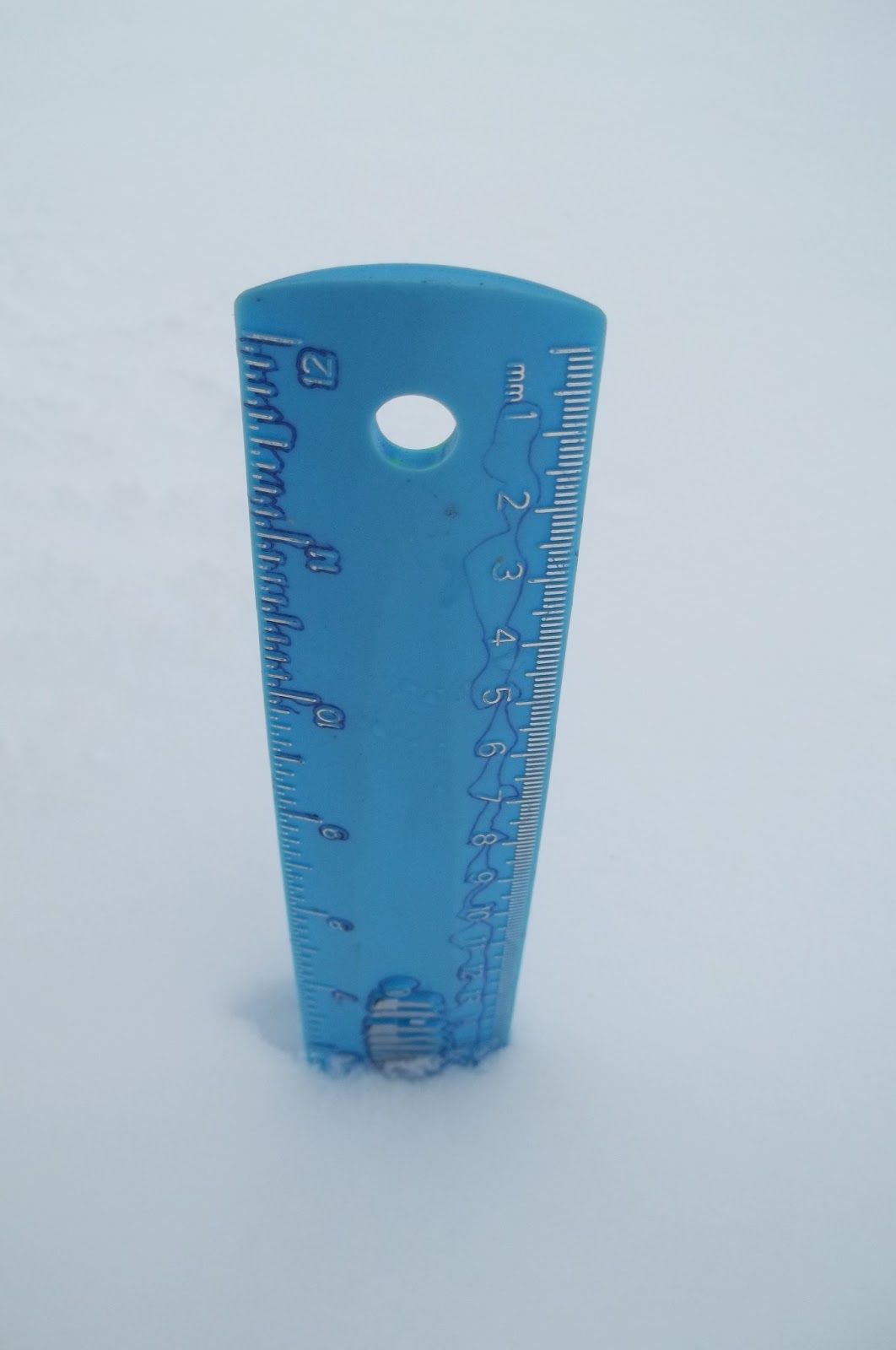
Six inches of fluffy, white powdery snow.
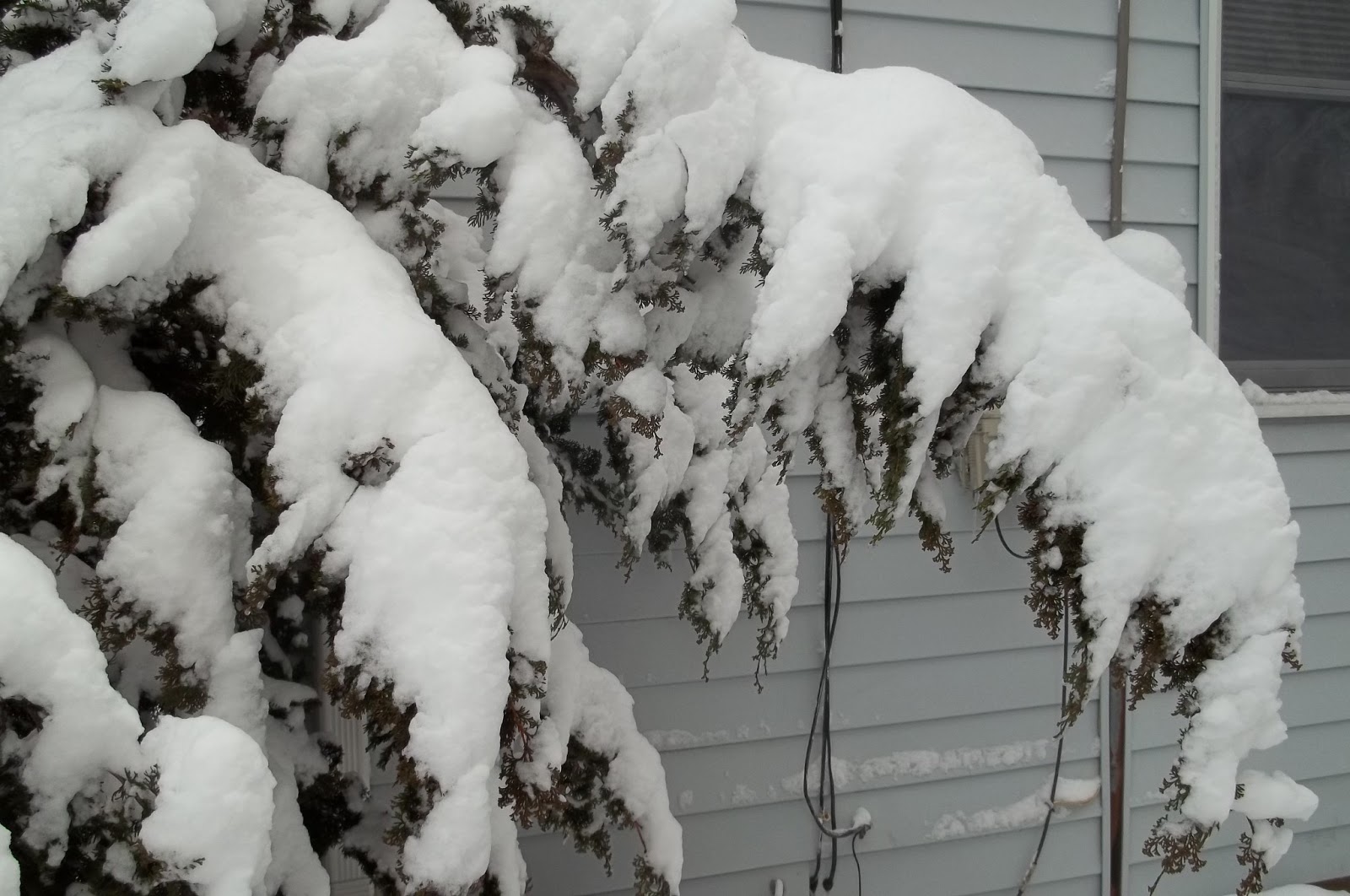
Larry Makoski, W2LJ, is a regular contributor to AmateurRadio.com and writes from New Jersey, USA. Contact him at [email protected].
The Elecraft Effect
Heard this on the radio the other day on my way to work. Does it explain, at least in part, the popularity of Elecraft products?
In other news, the blog has been silent for a while, but that doesn’t mean things haven’t been happening. I have a couple of challenging projects that have been taking up the usual blogging time. Stay tuned!
Ethan Miller, K8GU, is a regular contributor to AmateurRadio.com and writes from Maryland, USA. Contact him at [email protected].
Sometimes, it just clicks
I don’t know if it’s like this for everybody; or if it’s just me.


Larry Makoski, W2LJ, is a regular contributor to AmateurRadio.com and writes from New Jersey, USA. Contact him at [email protected].
 Ham Radio Deluxe |
 W5SWL Electronics |
 Ham Radio Prep |
 KB3IFH QSL Cards  Hip Ham Shirts  HamRadioAuctions HamRadioAuctions Reliance Antennas Reliance Antennas Enigma Shop Enigma Shop |  morseDX  Ni4L Antennas  R&L Electronics R&L Electronics antennas.us antennas.us QRV QRV |
- Matt W1MST, Managing Editor
