Archive for the ‘qrp’ Category
 Portable Ops 13/45: Sing it with me….YyyyyMCAaaaa
 April 1st, 2016 |
  Author:
 On Tuesday and Thursday nights my daughter takes Tae kwon do at the local YMCA. I typically run a few miles while she in class, but last night I decided to setup portable and play a little radio. The SKCC sprints run from 7-9pm once a month local time, and her class starts at 7:00 pm.
Since I would like to participate in these sprints, I have been looking for a location in the parking lot I could do this while she was in class.
The parking lot at the YMCA is large and at one end there are zero cars parked. There are small trees that I can attach my portable antenna to.
So last night I decided to test it out. The antenna strapped easily to a small tree and the coax easily reached in my car where I operate.
I made one contact…
AC4FZ (4987T) – Wally was working another station on 10.120 and once the QSO was over, I gave him a call. He was nice and loud here in Kansas. Wally was in North Carolina and had a nice signal and fist – with just a slight bit of QSB. He was a 559 here and he gave me a 549 – I am constantly amazed and just what 5 watts can accomplish!
That was it for the night, but I am glad I tested the setup for the SKCC sprint at the end of April – I will be active!
Portable Ops 9/45: Just 1 1/2 contacts today….dead battery
Friday was a bit frustrating – the bands seemed really weird, and not much if any activity was heard here in Kansas.
I did manage one and a half contacts!
N5NAA – On 30 meters I worked Steve down in TX for a 2xQRP contact. Steve was running 3 watts and even mentioned that he reads my blog! Hi Steve!
VE4CWF (10492T) – I replied to Chris calling CQ. He came back to me and gave me all his specifics, and then just as I completed sending our call signs back, my battery died in the KX3! I admit it, I had operated probably 3 portable sessions without charging the internal pack – my fault. So….sorry Chris for dropping you like a hot potato! Hopefully we can connect down the line.
Thats all for today, I hope to have some time this weekend for a bit of SKCC CW!
Portable Ops 9/45: Just 1 1/2 contacts today….dead battery
Friday was a bit frustrating – the bands seemed really weird, and not much if any activity was heard here in Kansas.
I did manage one and a half contacts!
N5NAA – On 30 meters I worked Steve down in TX for a 2xQRP contact. Steve was running 3 watts and even mentioned that he reads my blog! Hi Steve!
VE4CWF (10492T) – I replied to Chris calling CQ. He came back to me and gave me all his specifics, and then just as I completed sending our call signs back, my battery died in the KX3! I admit it, I had operated probably 3 portable sessions without charging the internal pack – my fault. So….sorry Chris for dropping you like a hot potato! Hopefully we can connect down the line.
Thats all for today, I hope to have some time this weekend for a bit of SKCC CW!
Portable Ops 8/45: One NPOTA + Two More!
It was another windy, windy day here in Kansas! Once again the Jackite dropped a couple sections right during a QSO. When I took it down at the end of the session the tip section is stuck and won’t release to slide down inside the next section – will have to work on that.
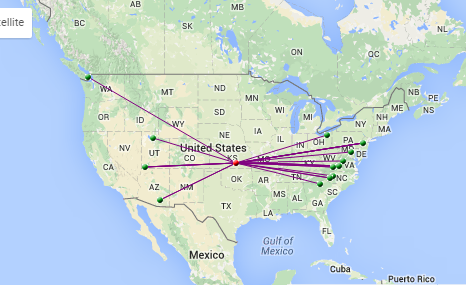
Today was pretty slow, 20 meters was a weird band for me today. I was spotted all over the far east coast, but really nothing in between.
Tuning around I heard a strong station on 14.064, but for the life of me I could not copy the call sign. I asked him to QRS (slow down) and he did and I finally got his call!
KA4RRU – Mike was activating NPOTA HP06 – this is my first NPOTA station other than when I was an activator.
AH6AX (11165S) – Larry answered my CQ, we had worked each other before. He had a great signal from Maryland today, and it was nice to know I was getting out. I had been calling CQ for some time with no takers!
KG4LLQ (5883T) – Ken answered my CQ from North Carolina. Looking at his QRZ page he has some interesting rigs – I hope he was using one of the cool ones for our QSO today!
So in my quest for SKCC Centurion, I am now sitting at 18 unique contacts on my way to 100!
Portable Ops 8/45: One NPOTA + Two More!
It was another windy, windy day here in Kansas! Once again the Jackite dropped a couple sections right during a QSO. When I took it down at the end of the session the tip section is stuck and won’t release to slide down inside the next section – will have to work on that.
Today was pretty slow, 20 meters was a weird band for me today. I was spotted all over the far east coast, but really nothing in between.
Tuning around I heard a strong station on 14.064, but for the life of me I could not copy the call sign. I asked him to QRS (slow down) and he did and I finally got his call!
KA4RRU – Mike was activating NPOTA HP06 – this is my first NPOTA station other than when I was an activator.
AH6AX (11165S) – Larry answered my CQ, we had worked each other before. He had a great signal from Maryland today, and it was nice to know I was getting out. I had been calling CQ for some time with no takers!
KG4LLQ (5883T) – Ken answered my CQ from North Carolina. Looking at his QRZ page he has some interesting rigs – I hope he was using one of the cool ones for our QSO today!
So in my quest for SKCC Centurion, I am now sitting at 18 unique contacts on my way to 100!
A visit with a QRP contest station
160m Spring Stew Perry Contest - QRP style
I had the opportunity to visit with Paul Stroud AA4XX as he worked the early hours in the 160m Spring Stew Perry Contest. Paul is an avid CW operator dedicated to QRP and QRPp operations. When he works contests he often participates using the Knightlites club call WQ4RP (Note the QRP in the call).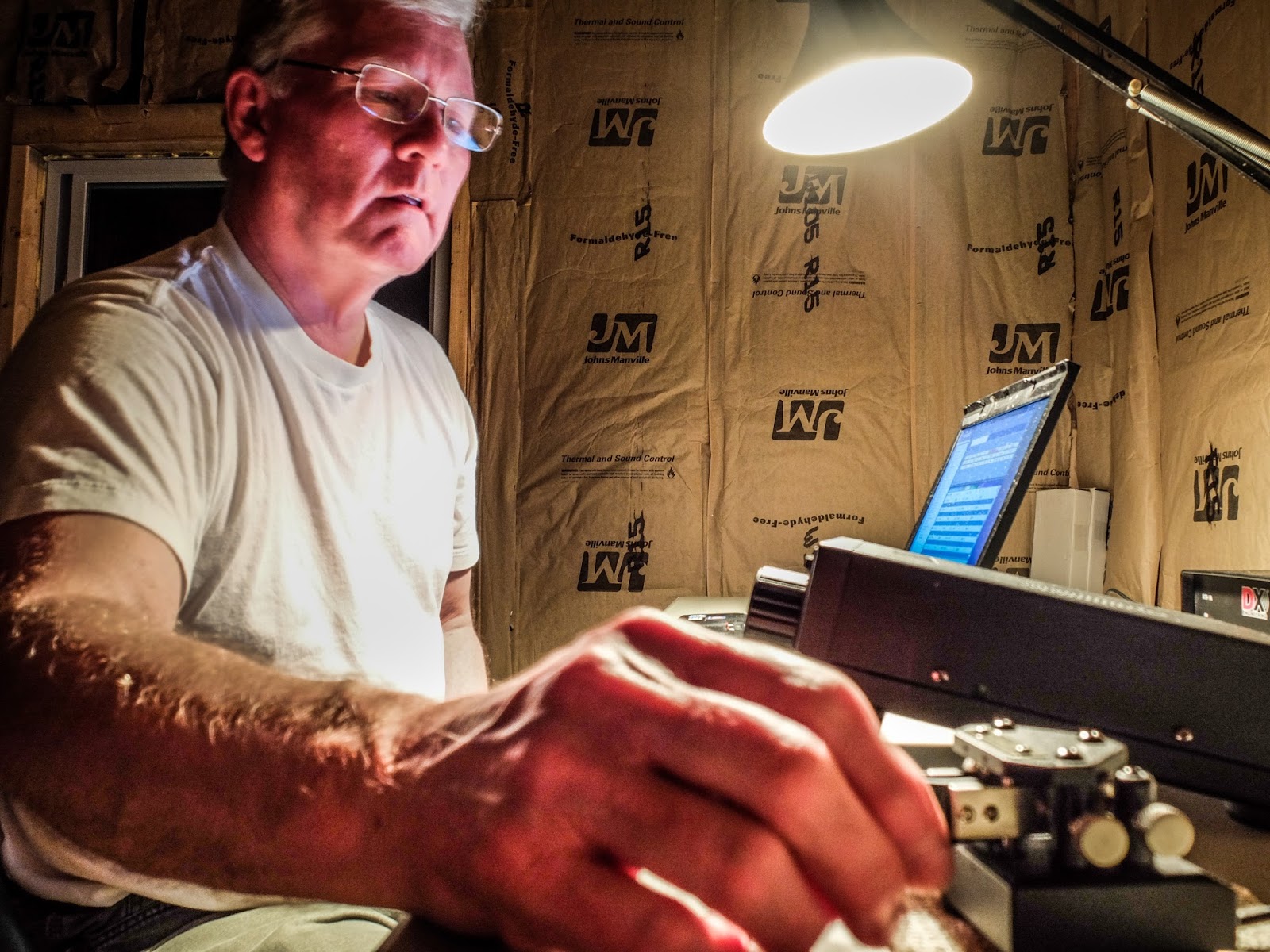 |
| AA4XX operating as WQ4RP during the 160m Stew Perry Spring Top Band contest |
160m Top Band
160m (top band) is challenging due to the physical logistics of a suitable antenna. I had the opportunity to assist with a portion of raising the 160m vertical loop antenna at the "Excalibur antenna site" and installing the 24 elevated radials that help make this antenna so effective. There's a lot of wire in the ground system. The antenna site is located in the woods, off grid, and away from electrically noisy homes.Power to the remote shack is supplied by a quiet Honda 1kW generator operating a couple dozen feet from the shack. Due to the lower power requirements of QRP Paul can run the generator on eco-mode allowing its small fuel tank to provide 8 hours of operation between fill-ups.
Paul uses a Ten Tec Argonaut VI, running 5 watts output into the Excalibur 160m vertical loop. He uses N1MM+ logger software and a WinKeyer interfaced to the software. He also employs a SDR (software defined radio) feeding CWSkimmer signals across the band. An antenna splitter simultaneously feeds the SDR and the Argonaut. The SDR receiver is switched out during transmit by a DX Engineering RTR-1A Receive switch. His CW key is a N3ZN ZN-QRP model.
The N1MM+ logging software keeps track of which stations have already been worked and the CWSkimmer interface displays calling stations on the band being heard by his antenna.
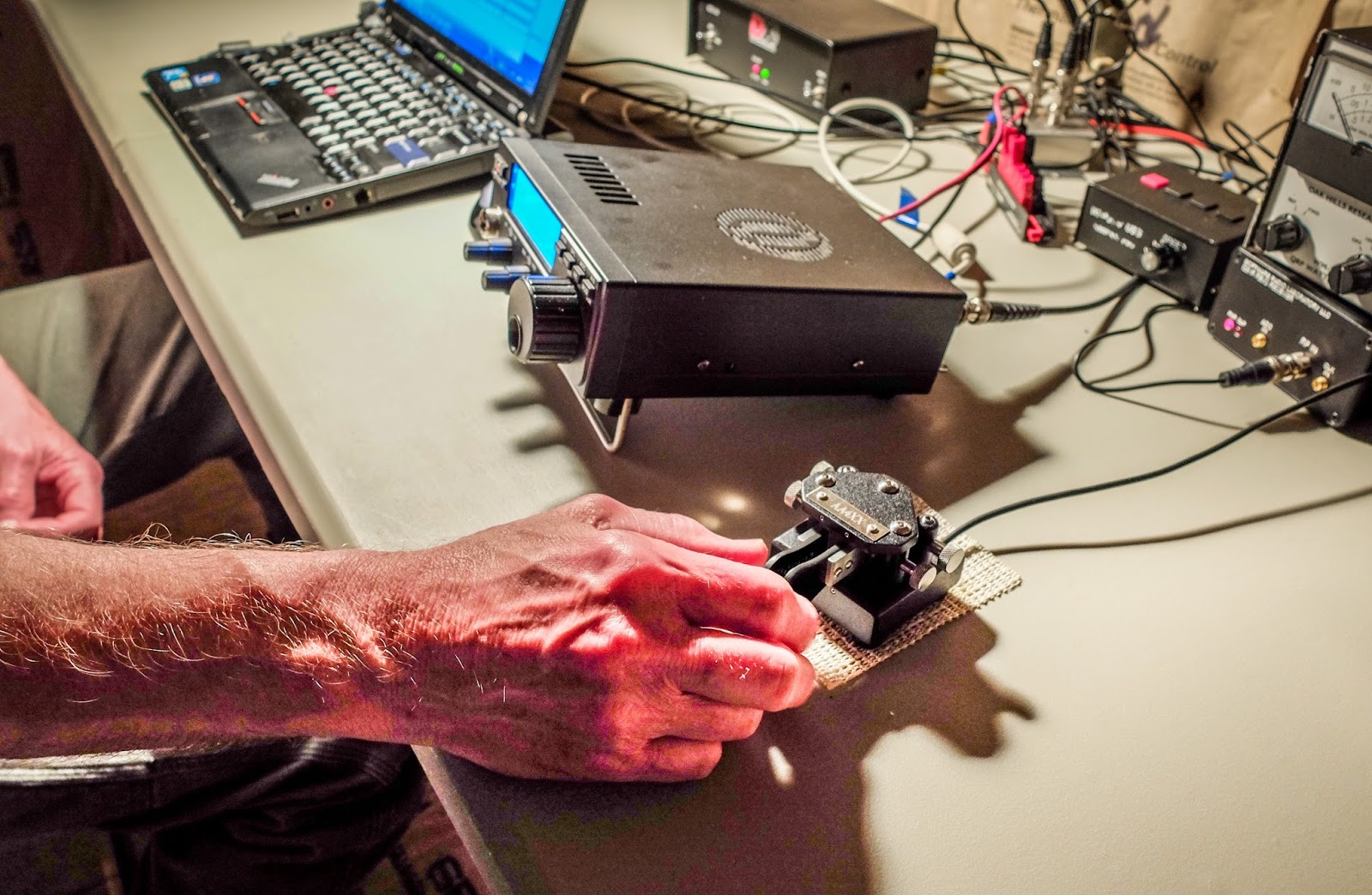 |
| The remote QRP station setup for contesting |
In the Stew Perry contest the only information exchanged was grid squares. I'm still relatively new to CW and watching Paul casually copy grid squares sent at 30wpm was impressive. I would have had to ask the caller to re-send their grid squares 5 times but Paul makes it look easy.
Instructions for the newbie
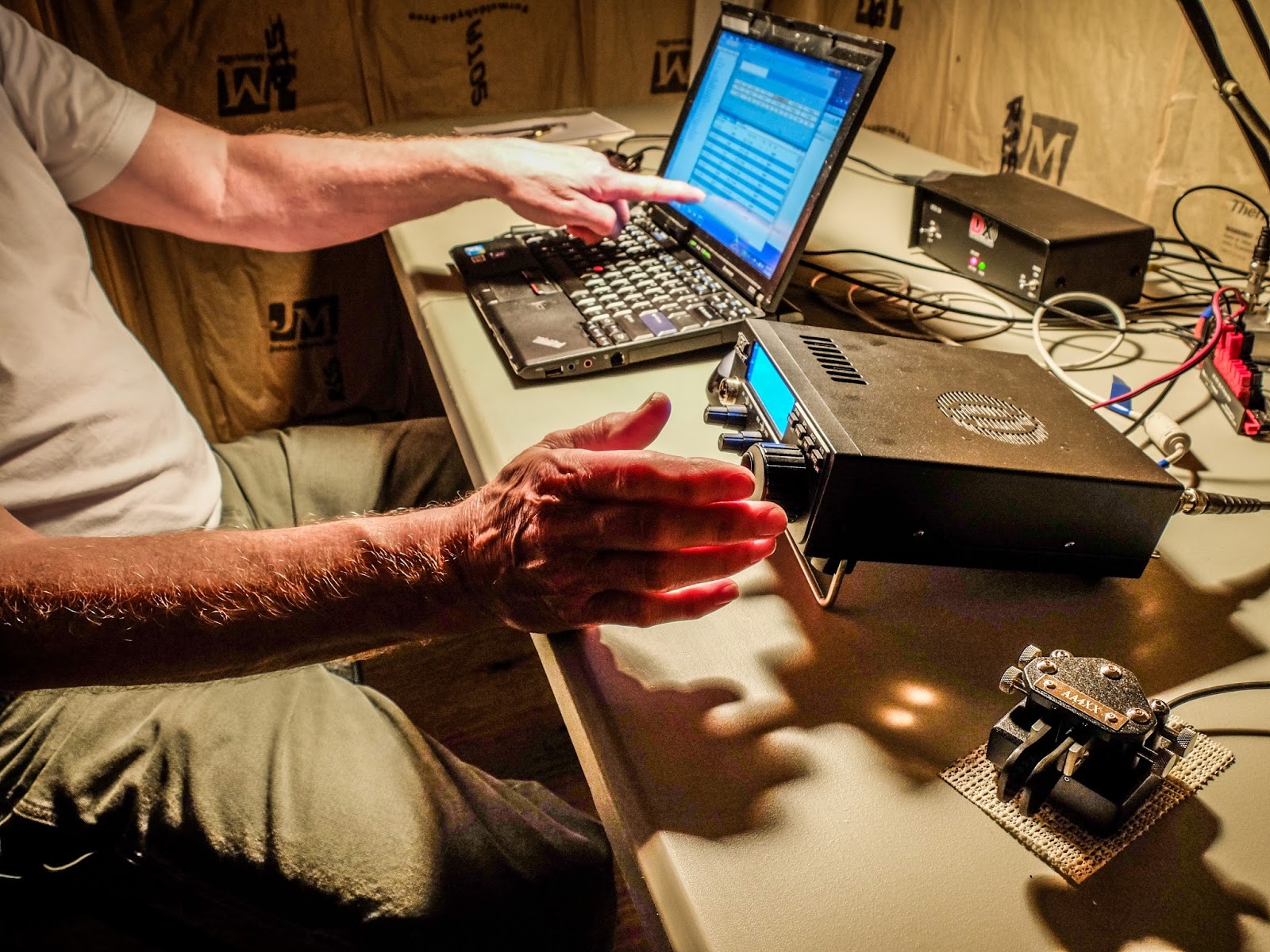 |
| Paul demonstrating the contesting software and usage |
Why QRP?
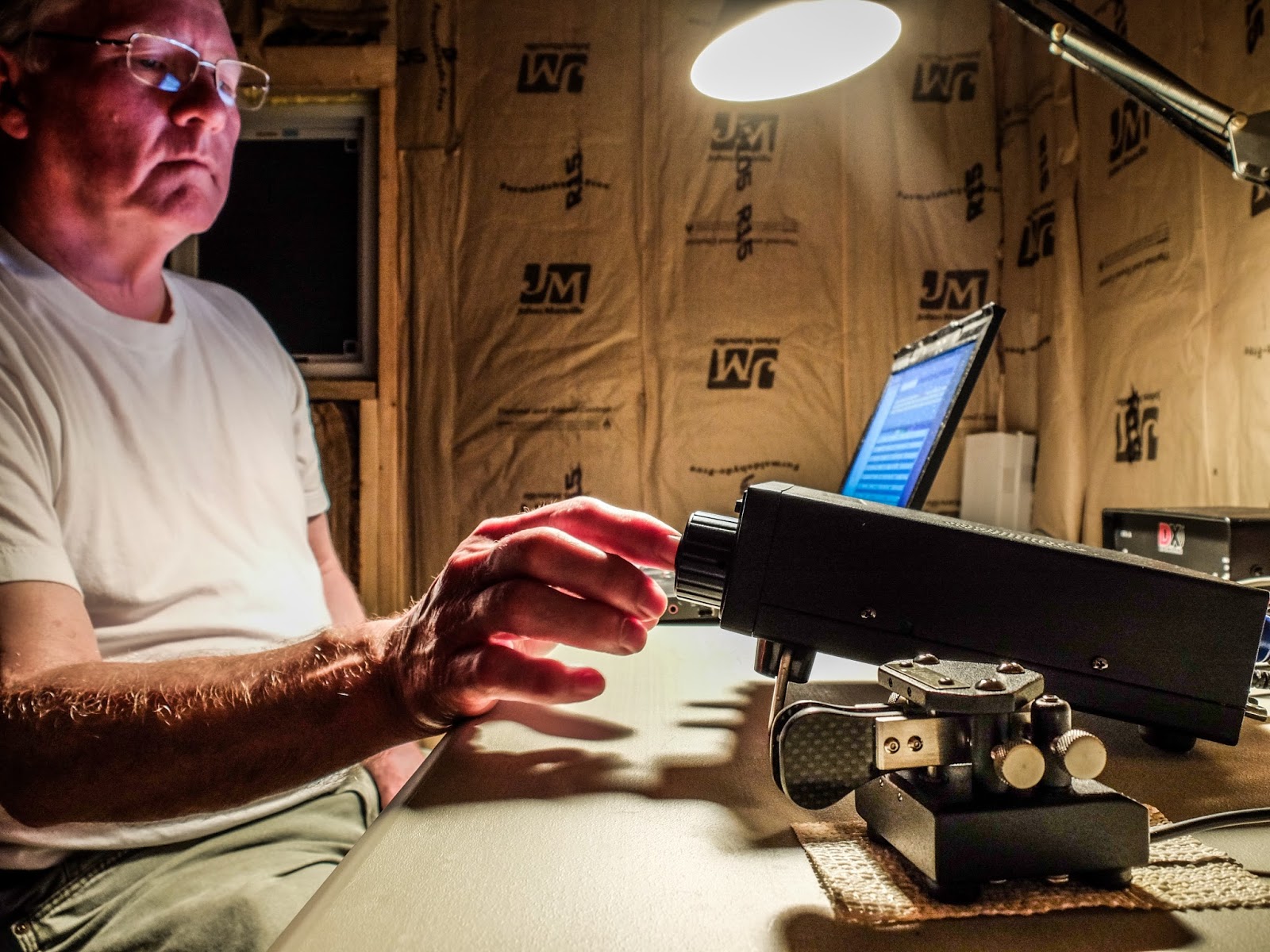 |
| Finding the next station to work. (N3ZN QRP CW key in the foreground) |
Why contest?
What's next?
I will have a BLT please
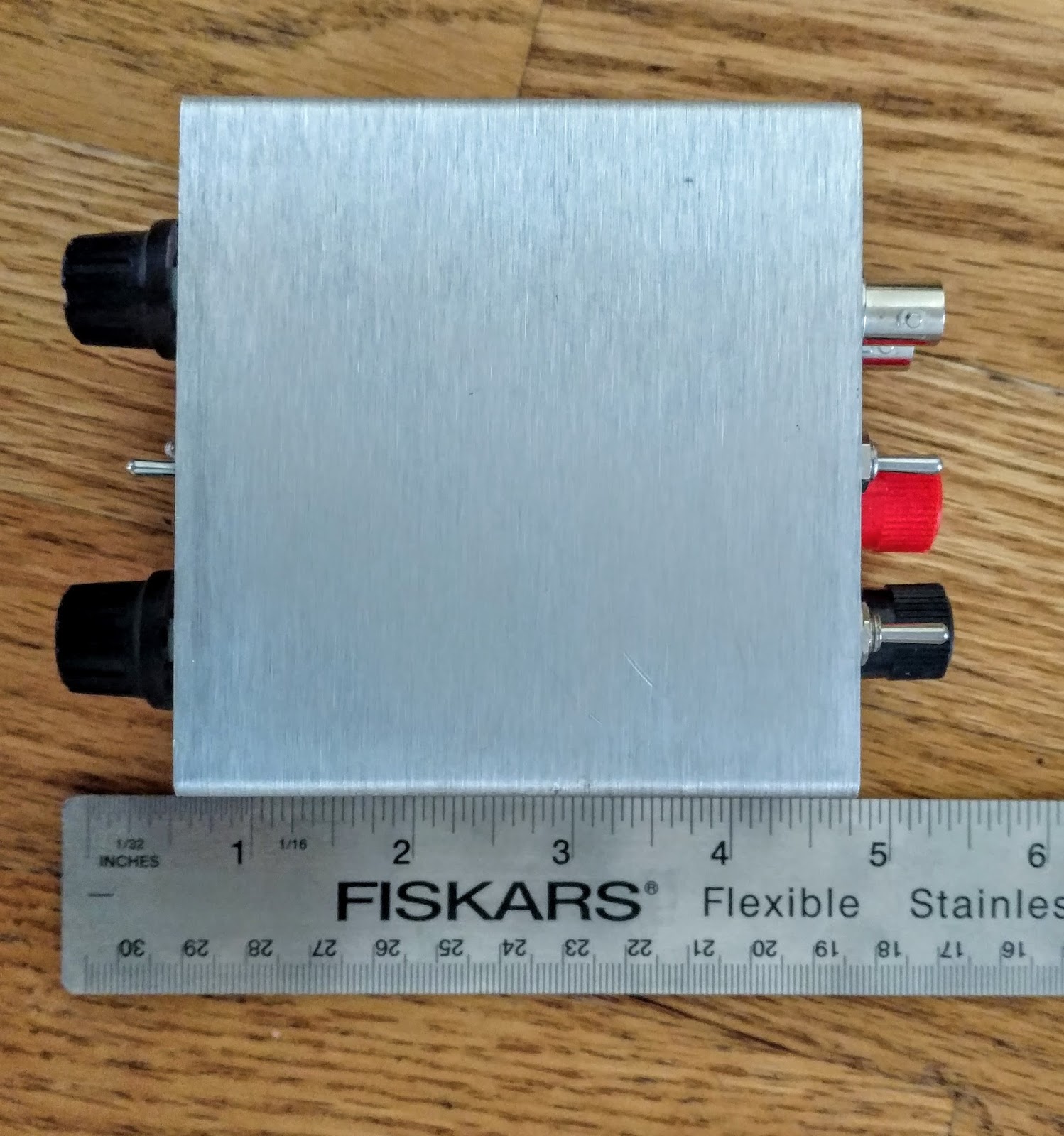
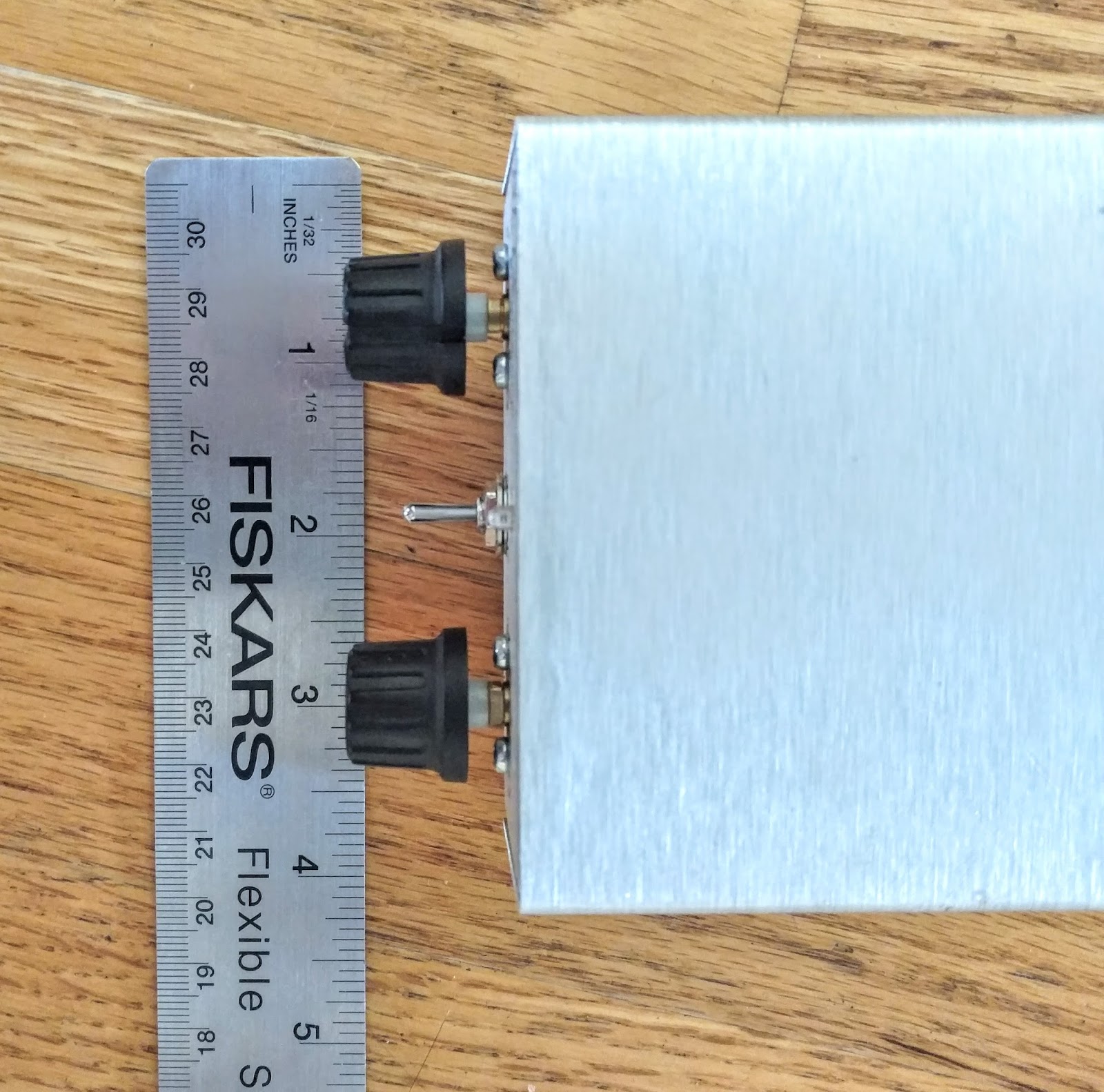
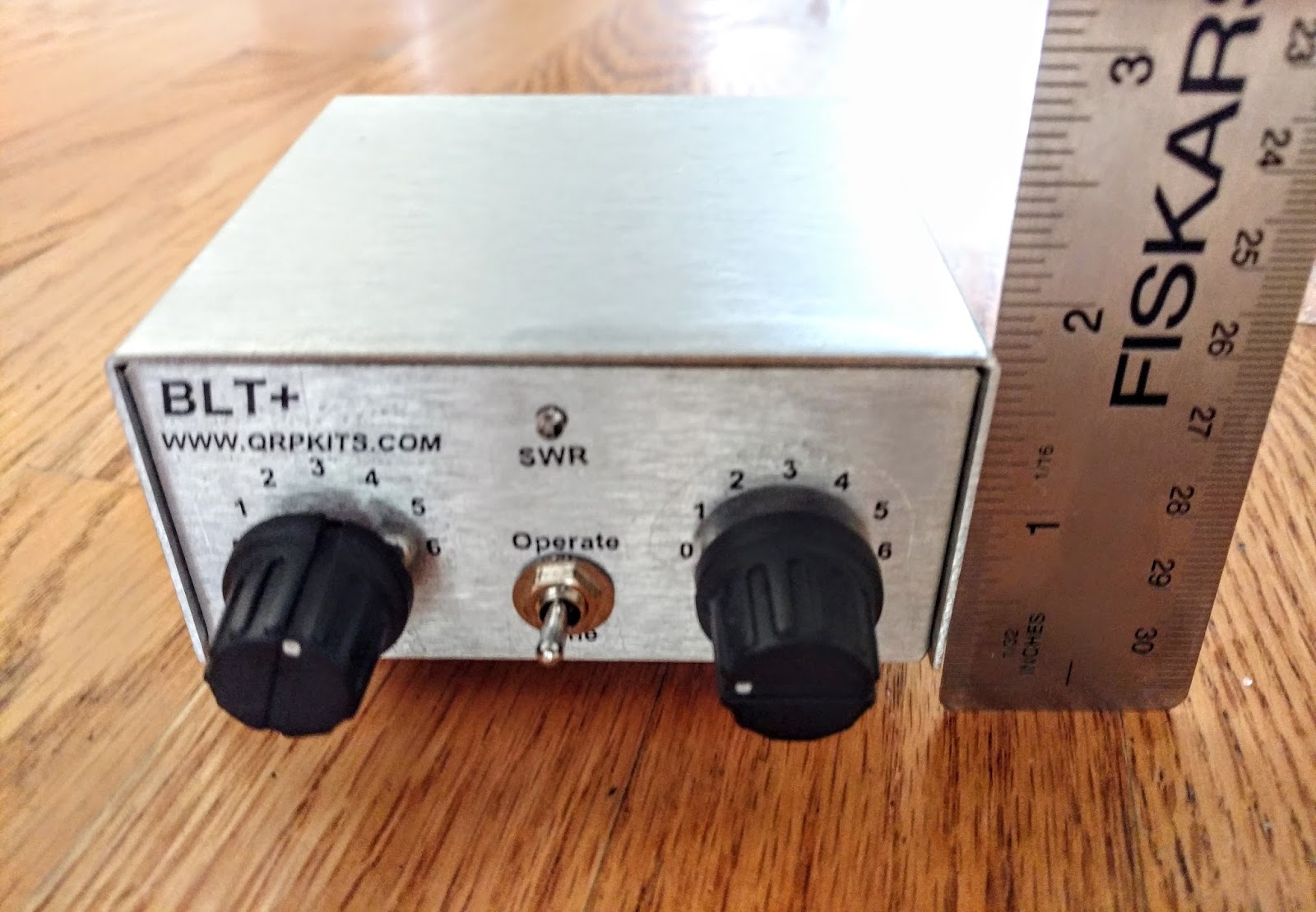
The BLT-Plus Balanced line QRP tuner
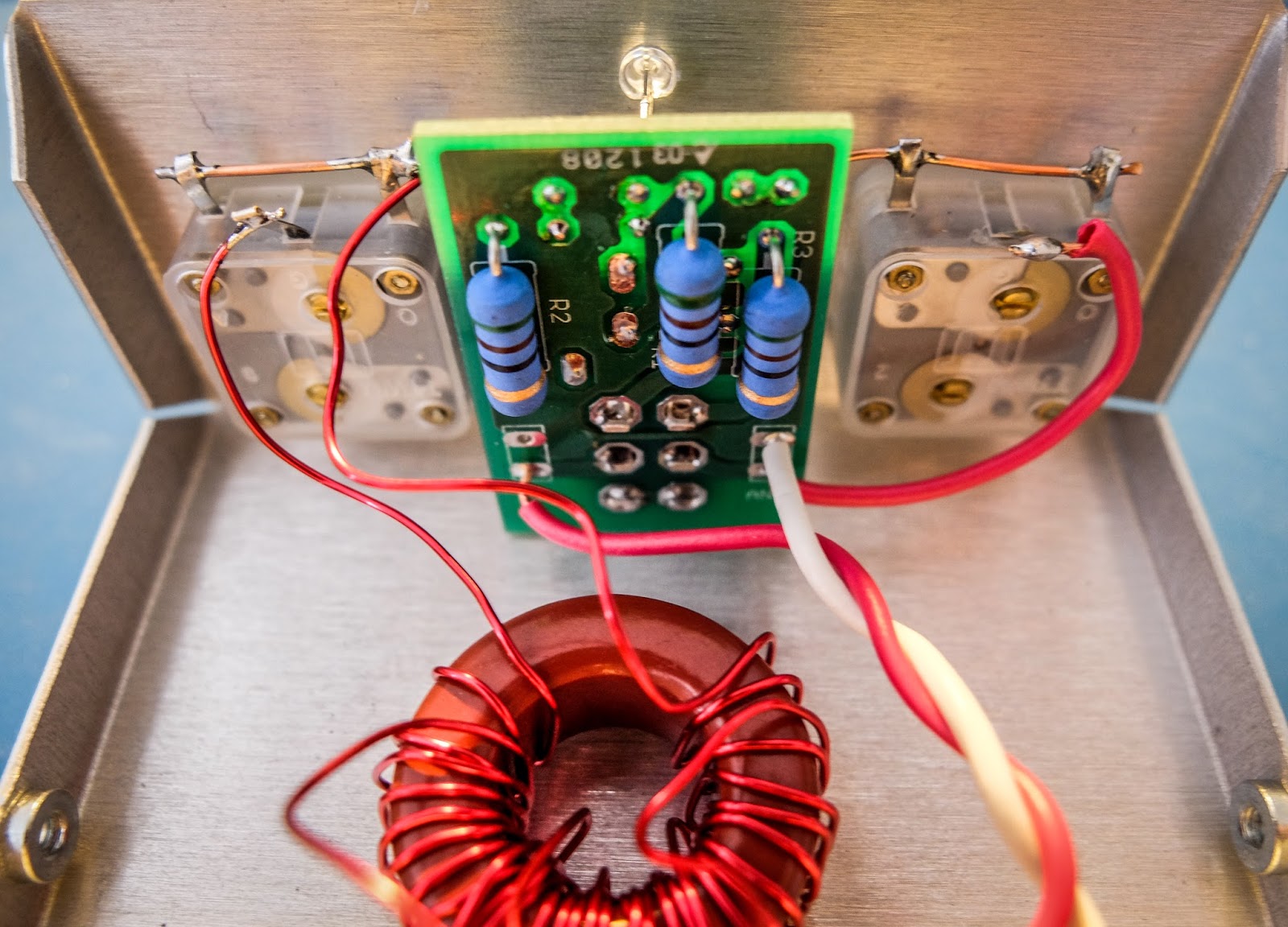
I was looking for a QRP tuner for the 1Watter 40m transceiver I am building that would work with both balanced feedline antennas as well as coax feedline. The traditional Z-Match tuner is quite efficient at tuning balanced line antennas and the built-in SWR bridge gives you an all-in-one tuner and SWR indicator without having to take a separate SWR meter along with its inherent mess of cabling a separate SWR meter. The BLT in the name stands for "Balanced Line Tuner".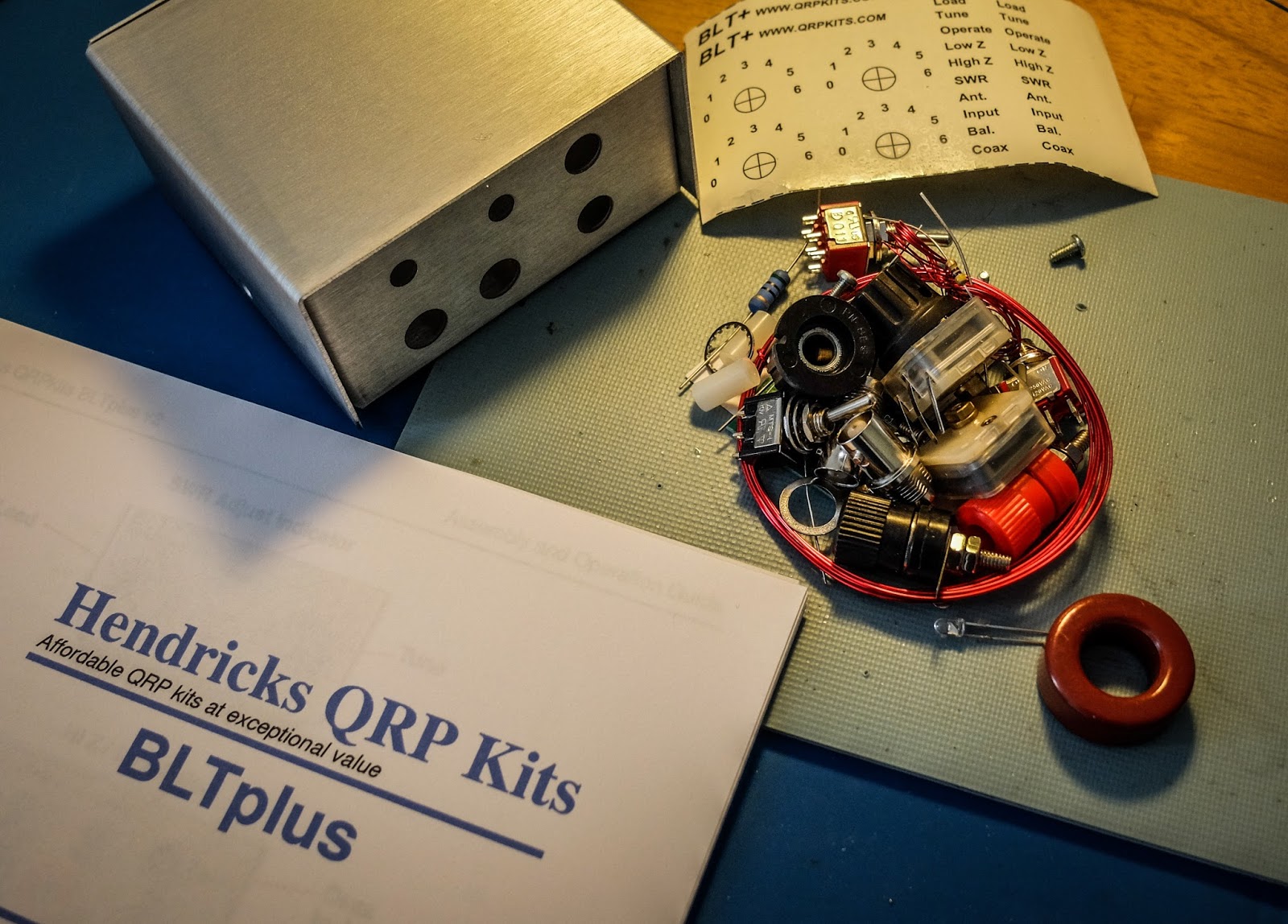 |
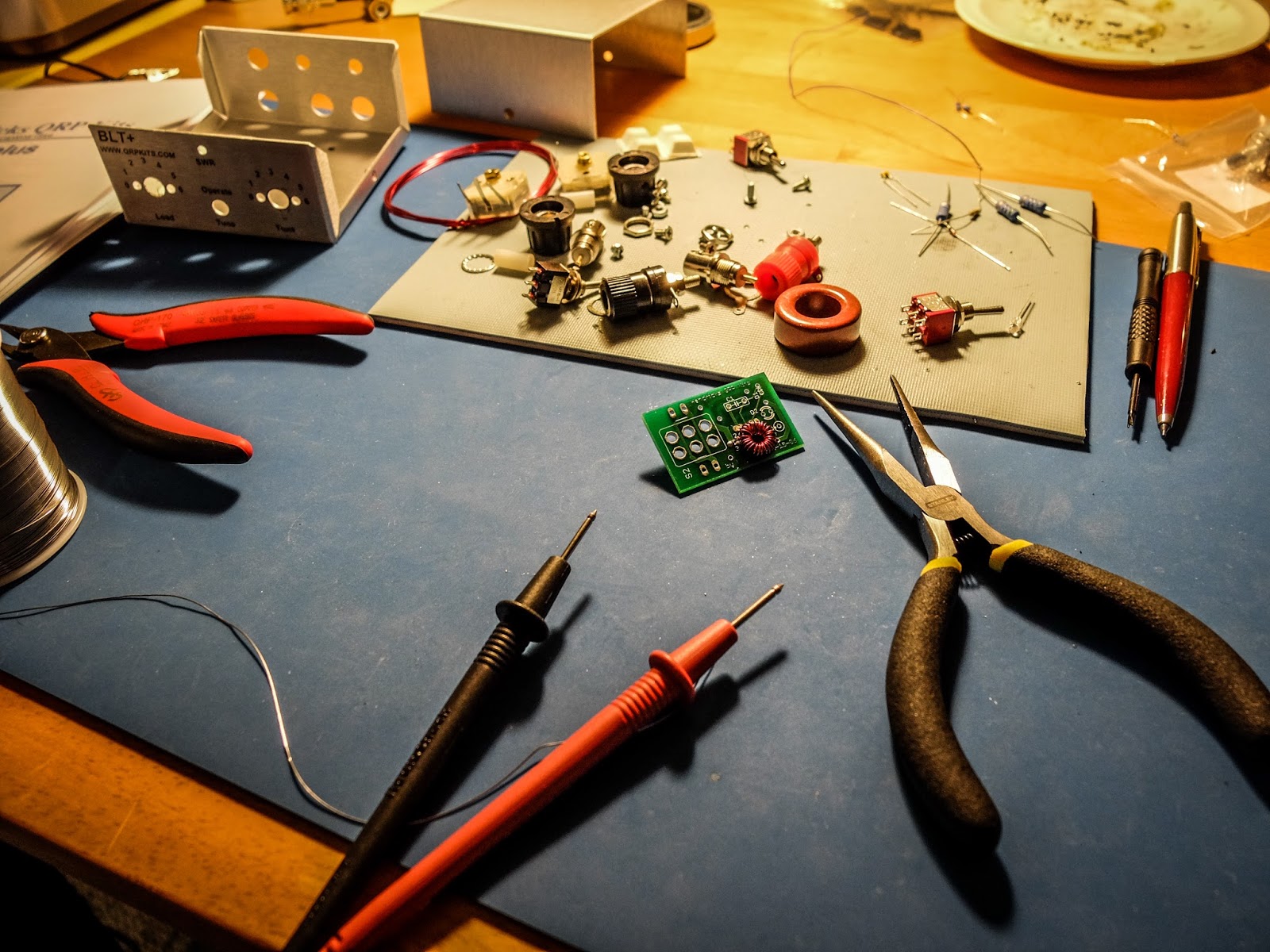
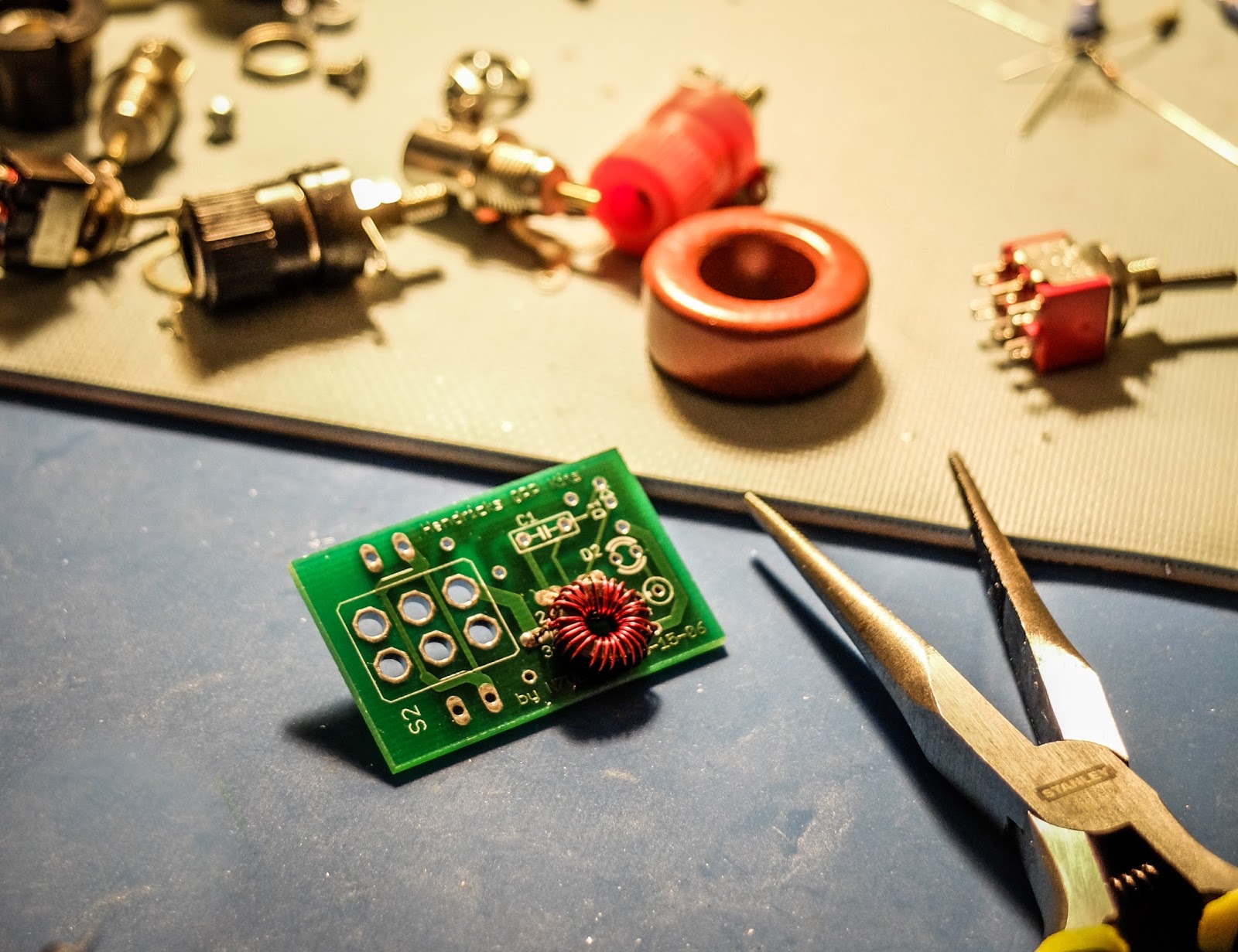
| The Kit as it comes out of the bag |
Why use a z-match ?
- Matches balanced loads without the use of lossy baluns.
- Being a parallel resonant circuit, the Z-match can provide some band-pass filtering for your receiver and harmonic attenuation for your transmitter.
- A well-designed Z-match tuner has a high Q and is more efficient (less lossy) than other types of tuners.
- The fixed inductor simplifies construction (no taps or rollers needed).
The secret sauce
Built in SWR indicator
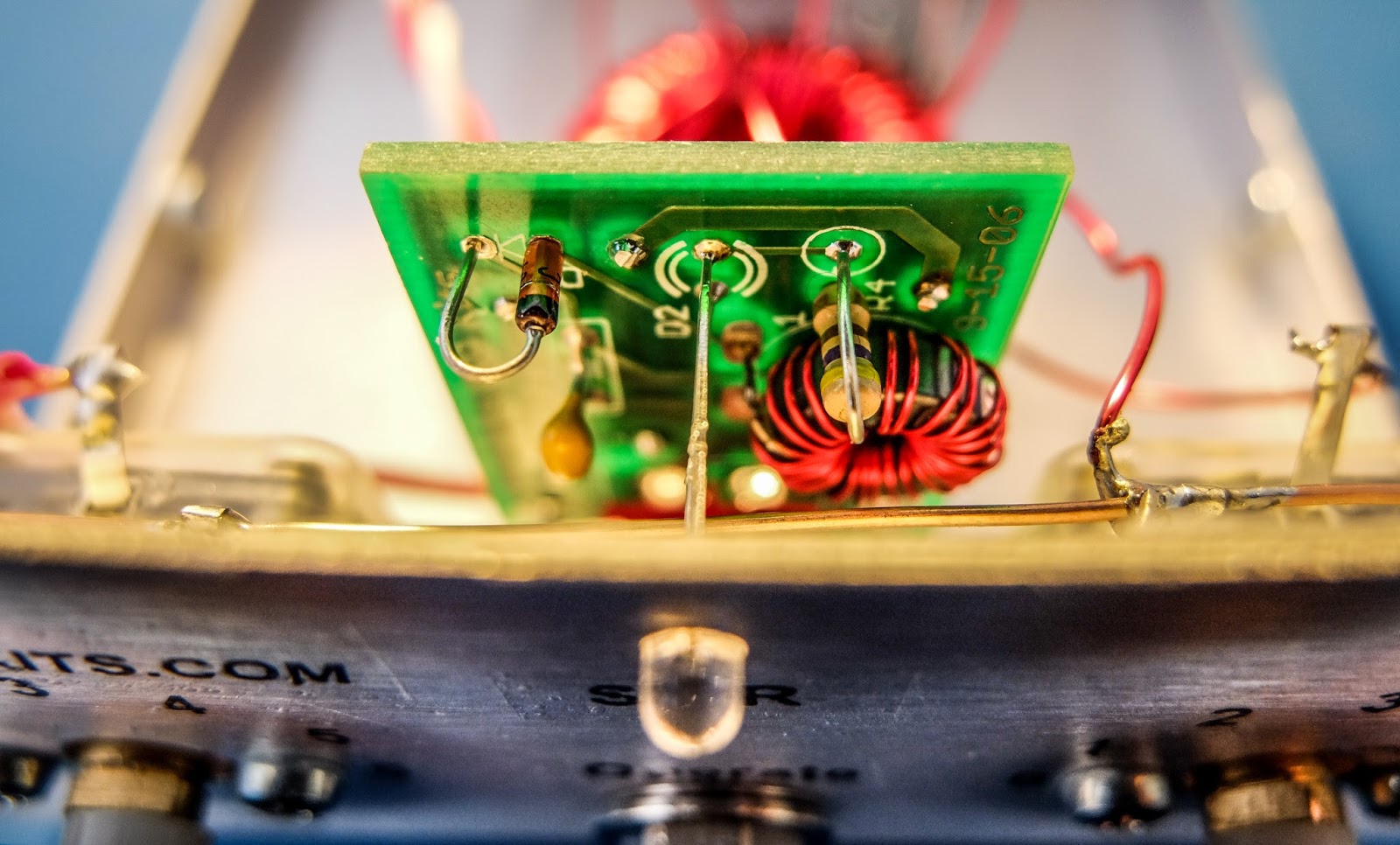 |
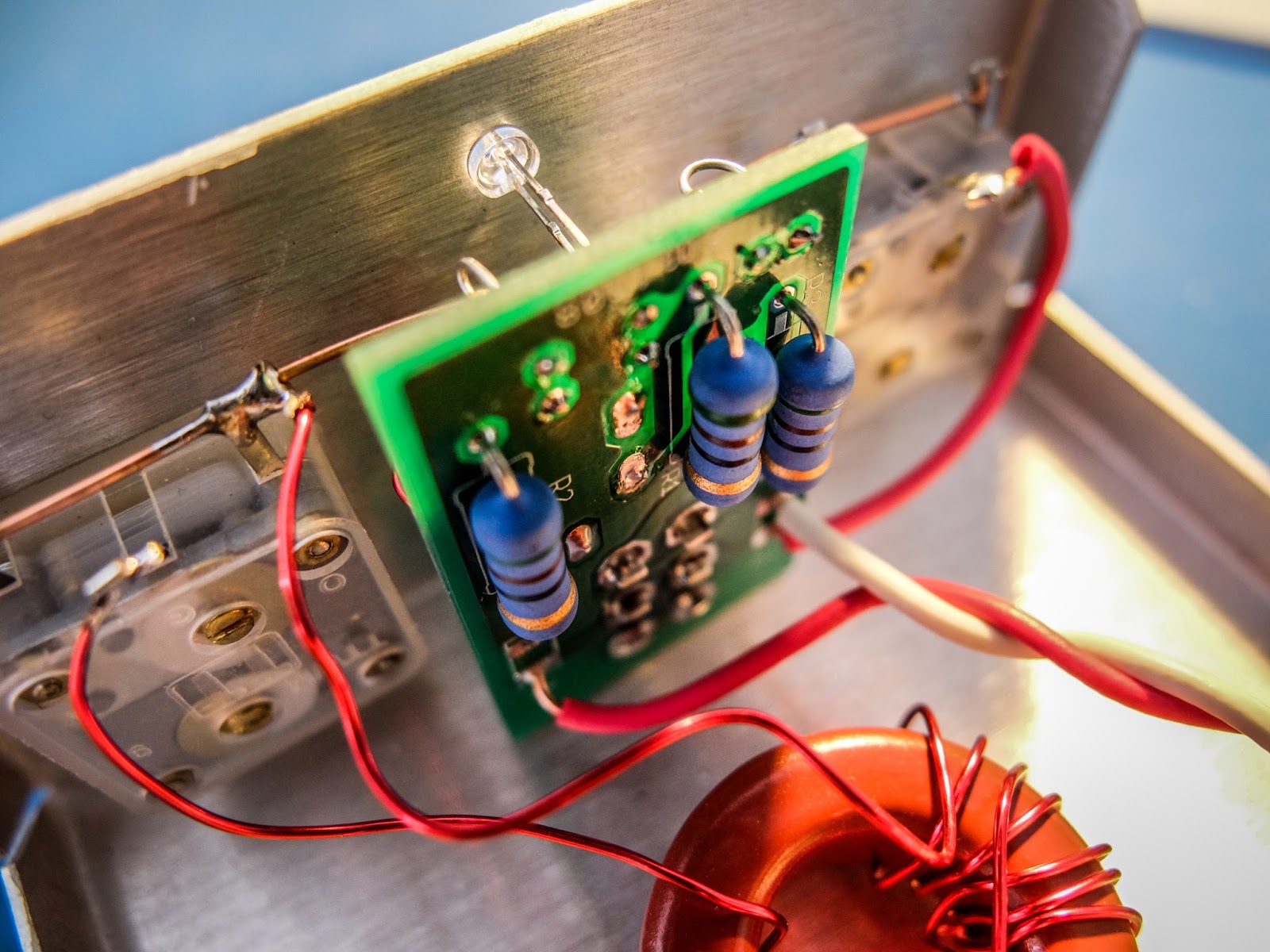
| SWR bridge with LED indicator |
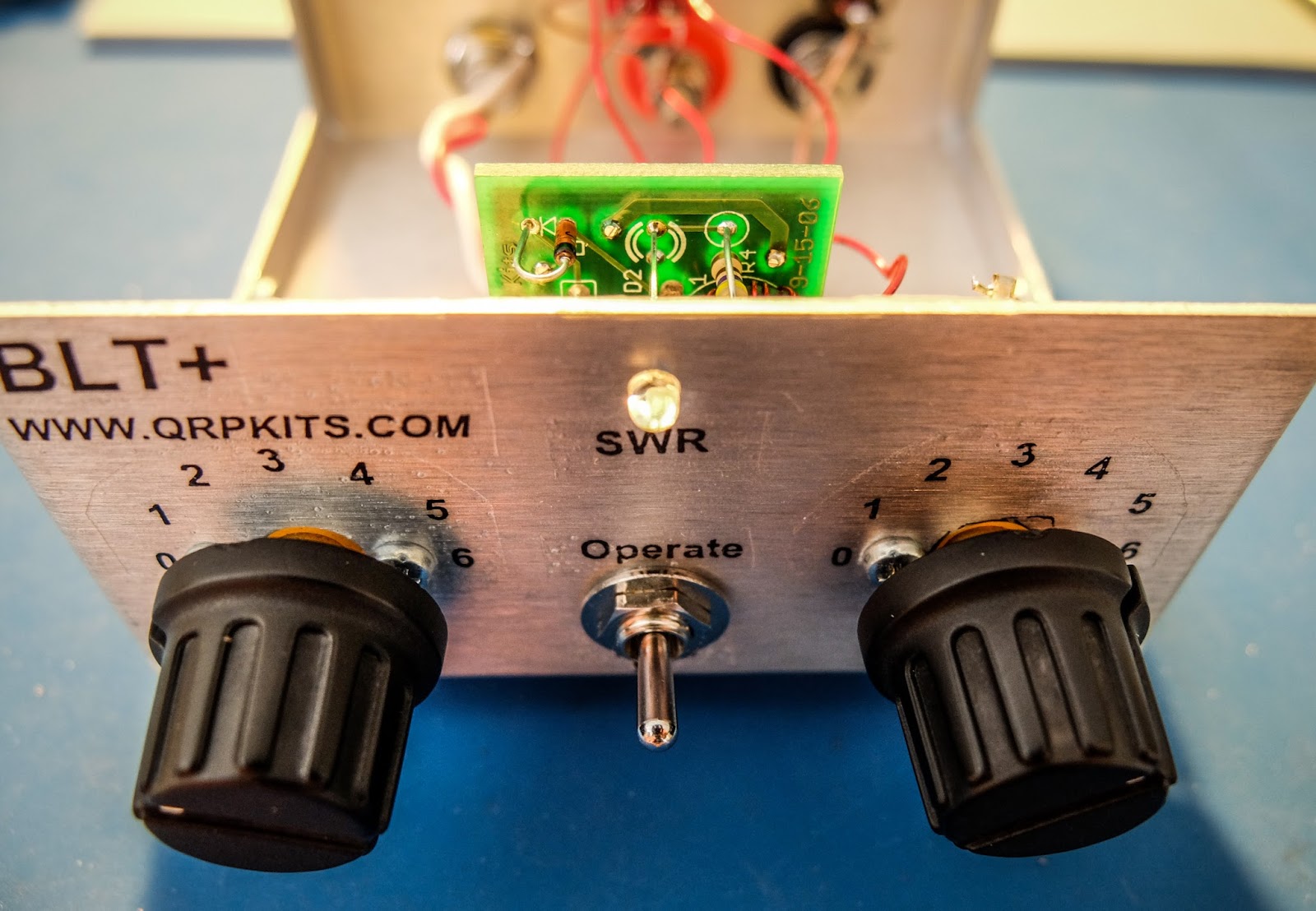 |
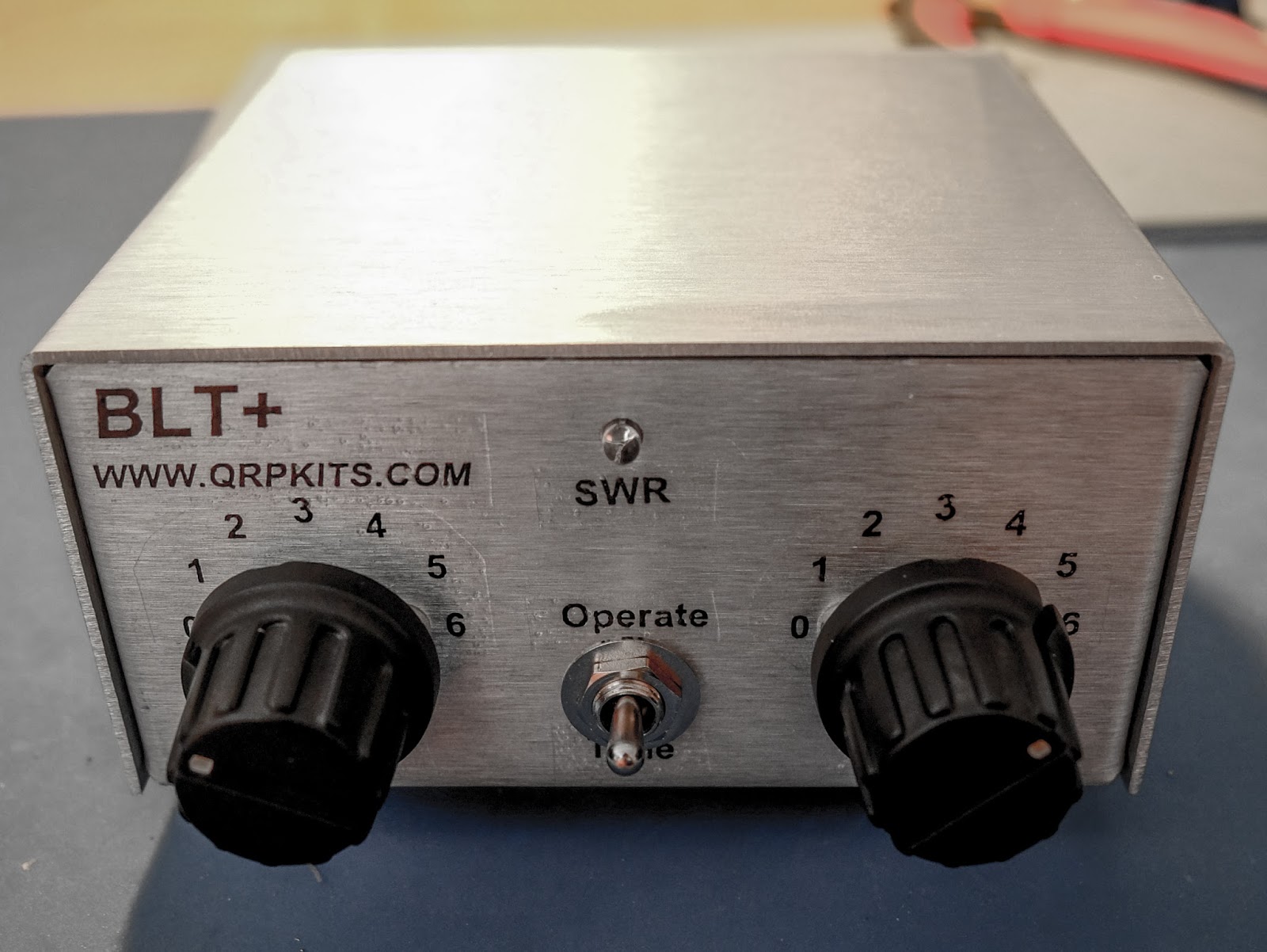
| Switch to Tune to present a low SWR to the transmitter while matching, switch to Operate when finished |
Building
- The kit is provided with really nice water slide decals that give it a commercial look (if you don't ruin them like I did). The instructions recommend applying a clear coat to the decals after they are applied. I used a Krylon matte finish clear coat which indicated it was fine for metals and plastics but it partially melted the decals and caused them to bubble. I'd suggest testing whatever you are going to clear coat them with first.
- Don't over tighten the plastic tuner shafts or you won't be able to slide the knobs on (yes I did).
- The binding posts have little plastic spacers that separate and it isn't obvious. If you install them and wonder how they don't ground themselves (like I did) you've done it wrong and will have to go back after it's together and try to remove them with all the wiring in place.
- The bolts for the binding posts are very soft metal and the nuts can strip them if you apply too much force (yep I did that too).
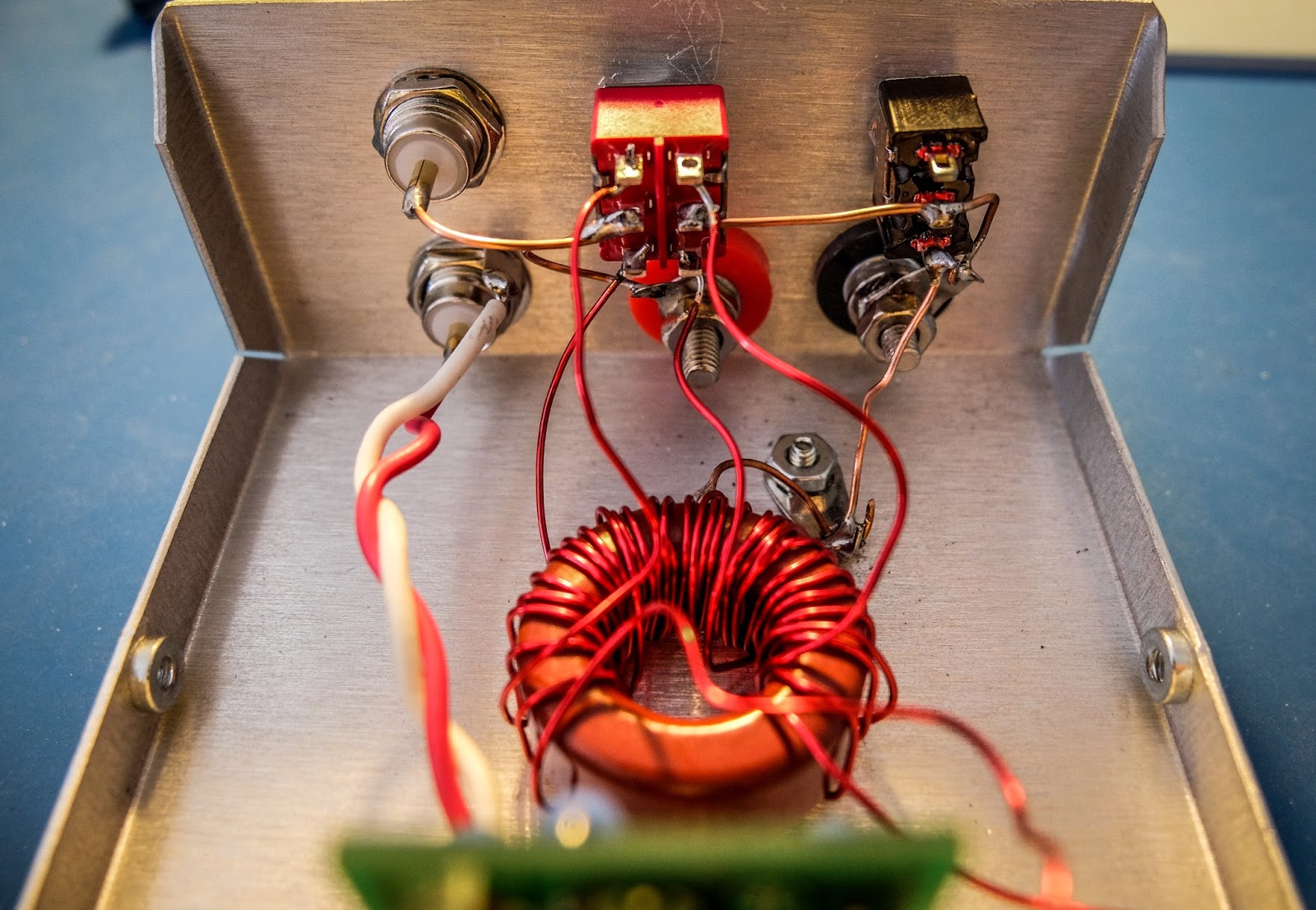
- The main toroid has three sets of windings and they overlap. Pay attention to the instructions about winding them all in the same manner (clockwise or counter clockwise) or you will have to rewind them (yep, I did that too).
- The 3 windings on the main toroid overlap so you won't be able to go back and verify your turns when doing the 2nd and 3rd winding so count carefully (ask me how I know).
- Temporarily attach the SWR bridge to the front panel to get the spacing correct to solder the LED leads.
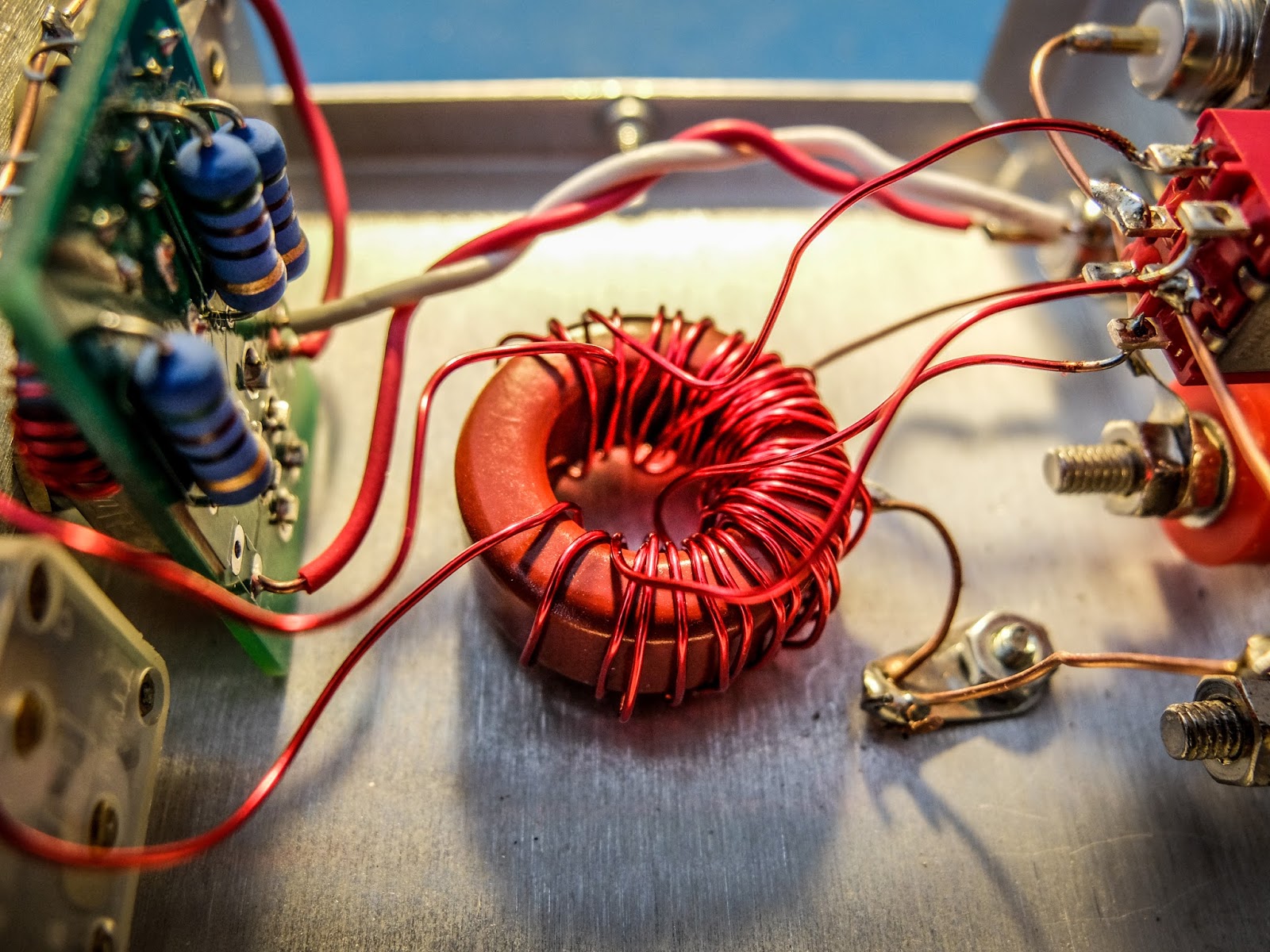 |
| My messy toroid winding... but it's working fine |
Operation
- Connect your transmitter and antenna.
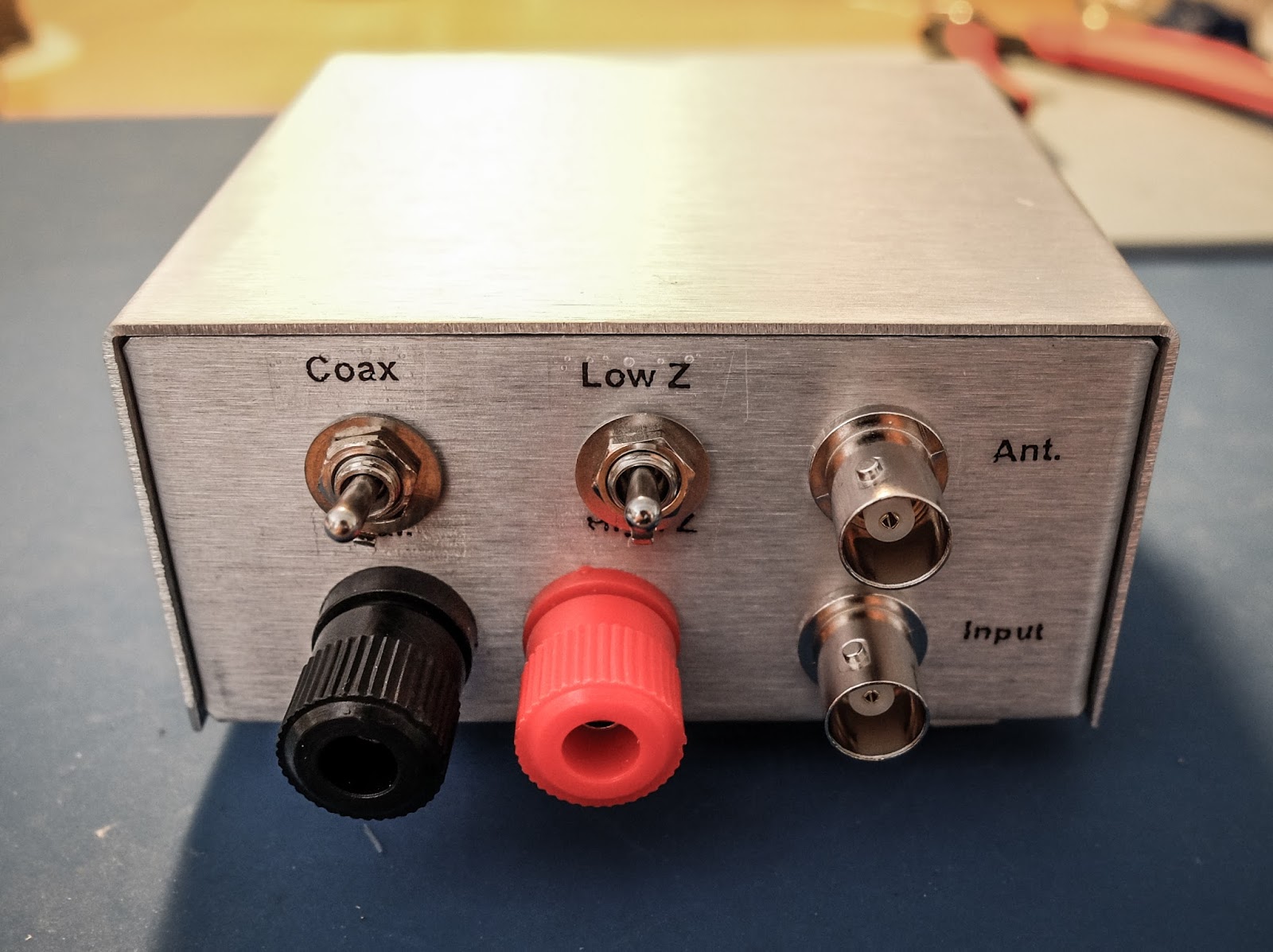
- Choose the appropriate switch in the back for coax or balanced line antenna (Up for coax, Down for balanced line).
- Start with the inductance switch on the back set to low-impedance (Low-Z) because it is the most efficient. It uses the 6 turn secondary rather than the 12.
- Switch the front switch to "Tune"
- Key the transmitter and be sure you are using 5 watts or less
- Turn the "Load" knob first until you see a dimming of the LED then the "Tune" knob to make it go out completely
- The knobs interact so you'll need to go back and forth between them to achieve best match
- If you can't get a good match switch the inductance switch on the back to "High Z" and try again
- Don't apply power too long at a time during tune because the 50 Ohm resistors are heating up in there during the Tune process
- When the LED goes out or gets very dim you have a very good match. Switch to "Operate" and enjoy a well matched antenna
Photos
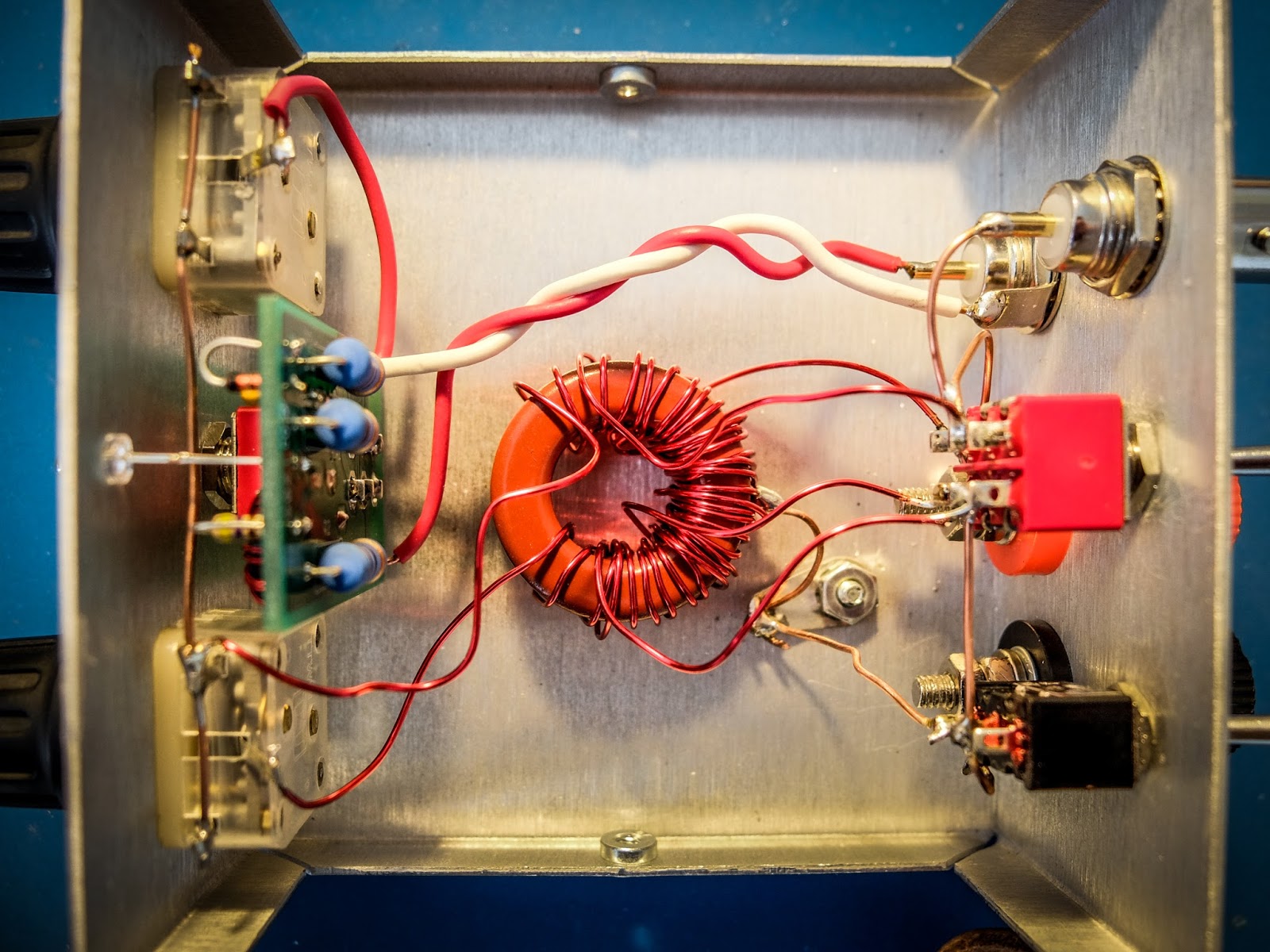 |
| Result of having to rewind the secondaries made it messier than I'd like |
Dimensions